

Alexandra Peak: Discover the Second-Highest Summit in the Rwenzori Mountains
Alexandra Peak: Discover the Second-Highest Summit in the Rwenzori Mountains introduces one of Africa’s most rewarding mountain adventures. Rising to approximately 5,091 metres above sea level, Alexandra Peak is the second-highest summit of Mount Stanley in the Rwenzori Mountains and one of Uganda’s finest alpine destinations.
Although Margherita Peak is the highest summit in Uganda, Alexandra Peak offers a quieter and equally rewarding climbing experience. Located within Rwenzori Mountains National Park in western Uganda, the peak is surrounded by glaciers, rocky ridges, alpine valleys, and unique vegetation that make the Rwenzori Mountains famous worldwide.
The journey to Alexandra Peak is about more than reaching the summit. Trekkers hike through lush tropical rainforest, bamboo forests, giant heather, alpine valleys, and finally the glacier-covered upper slopes of Mount Stanley. Each vegetation zone presents new scenery, spectacular views, and a true sense of adventure.
Most climbers reach Alexandra Peak by following one of the established Rwenzori trekking routes, including the 8-day Kilembe Trail, the 7-day Central Circuit Trail, and the 8-day Bukurungu Trail. Each route offers a different experience while leading hikers through the breathtaking landscapes of the Rwenzori Mountains.
Unlike many popular mountain destinations, the Rwenzori Mountains remain peaceful and less crowded, allowing visitors to enjoy an authentic wilderness experience. For adventurous travelers looking beyond the ordinary, Alexandra Peak offers challenging trekking, stunning scenery, and an unforgettable journey to one of Africa’s highest and most beautiful summits.
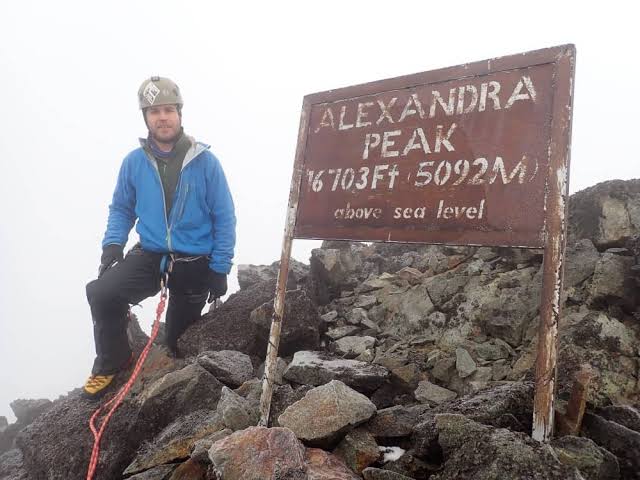
Where Is Alexandra Peak Located?
Alexandra Peak is located on Mount Stanley, one of the major massifs of the Rwenzori Mountains in western Uganda. Mount Stanley is part of the larger Rwenzori range, which stretches along the border between Uganda and the Democratic Republic of Congo. The mountain lies inside the protected area of Rwenzori Mountains National Park, a UNESCO World Heritage Site recognized for its exceptional natural importance.
Mount Stanley is famous because it contains several important summits, including Margherita Peak, which rises to 5,109 metres and is the highest point in Uganda, and Alexandra Peak, which reaches approximately 5,091 metres. These two summits form part of the highest mountain section in the Rwenzori range.
The location of Alexandra Peak creates a fascinating geographical contrast. The mountain is found close to the Equator, yet its upper slopes contain glaciers and icy landscapes. Few places in the world offer the opportunity to move from warm tropical forests into frozen alpine environments within only a few days of hiking.
Most visitors begin their journey from Kasese District, the main gateway to the Rwenzori Mountains. Kasese can be reached from Kampala, Entebbe, or other parts of Uganda by road. From the town, hikers continue to the starting points of their selected trekking routes, where they meet guides and begin their mountain expedition.
The remote location of Alexandra Peak is one of its greatest attractions. Unlike crowded mountain destinations, the Rwenzori Mountains offer a peaceful environment where hikers can enjoy nature, silence, and spectacular scenery without large groups of visitors.
Reaching the peak requires commitment and preparation, but the journey through this unique mountain environment is just as rewarding as standing on the summit itself.
Why Alexandra Peak Is a Special Mountain Destination
Alexandra Peak stands out because of its unique combination of altitude, scenery, and location. While it may not receive the same attention as the highest summit of Mount Stanley, it remains one of the most impressive peaks in the Rwenzori Mountains.
One of the main reasons the peak is special is its alpine environment. The summit area features glaciers, snowfields, and dramatic rocky landscapes that create a surprising contrast with the tropical forests found below. This unusual environment makes the Rwenzori Mountains different from most other mountains in Africa.
The journey to Alexandra Peak also provides a chance to explore several ecosystems in one expedition. At lower elevations, hikers walk through thick forests where they may encounter monkeys, colourful birds, and flowing streams. Higher sections introduce giant lobelias, giant groundsels, and open mountain valleys covered with unique vegetation adapted to cold conditions.
Another attraction is the sense of adventure and remoteness. The Rwenzori Mountains are often called the “Mountains of the Moon” because of their mysterious beauty and ancient reputation. Exploring Alexandra Peak allows visitors to experience a landscape that feels untouched and far away from modern life.
The climb also provides incredible opportunities for photography. Hikers can capture mist-covered forests, dramatic mountain ridges, glacier-covered slopes, and panoramic views across the surrounding peaks. Every stage of the journey offers a different scene worth remembering.
For many adventurers, the achievement of reaching this high summit represents more than a physical accomplishment. It represents determination, exploration, and the opportunity to discover one of Africa’s hidden mountain treasures.
 History of Alexandra Peak and Mount Stanley
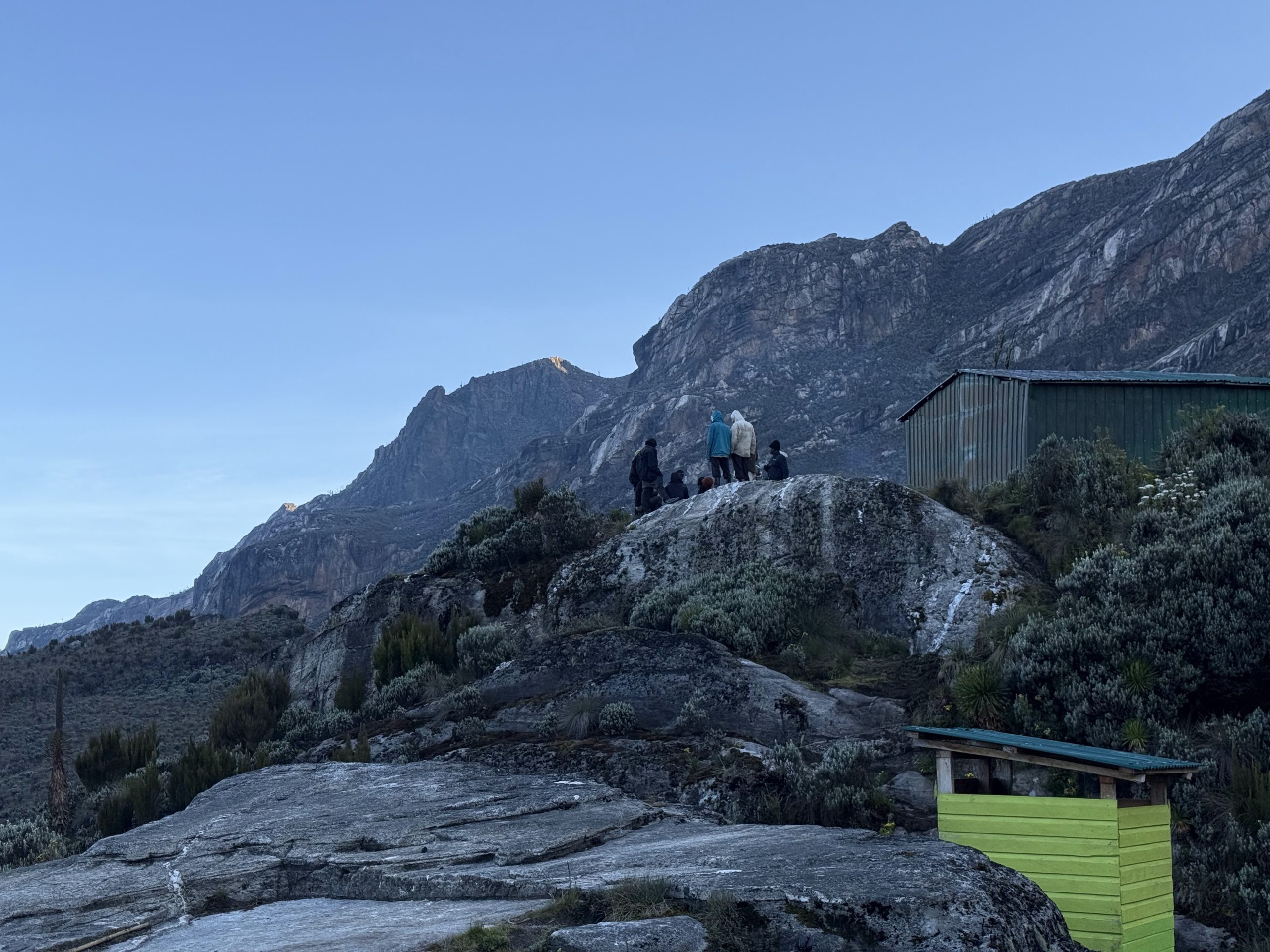
The history of Alexandra Peak is closely linked to the exploration of Mount Stanley and the wider Rwenzori Mountains. For centuries, the Rwenzori Mountains remained largely unexplored because of their remote location, dense forests, glaciers, and difficult terrain. The first successful scientific and mountaineering expedition was led by Prince Luigi Amedeo, Duke of the Abruzzi, in 1906. During this historic journey, his team explored and mapped the major peaks of Mount Stanley, opening the region to future climbers.
While the entire Mount Stanley massif was named after the British explorer Sir Henry Morton Stanley in recognition of his explorations in Central Africa, its individual summits were named by the Duke of the Abruzzi in honor of European royalty. Margherita Peak (5,109 metres) was named after Queen Margherita of Italy, Alexandra Peak (5,091 metres) was named in honor of Prince Alexander of Belgium, although some historical sources attribute the name to Queen Alexandra of the United Kingdom, and Albert Peak (5,087 metres) was named after Prince Albert of Belgium, who later became King Albert I.
Today, Alexandra Peak remains one of the most rewarding alpine summits in the Rwenzori Mountains, attracting experienced hikers who wish to follow the same historic routes pioneered by the early explorers more than a century ago.
Unique Vegetation Found Around Alexandra Peak
One of the most fascinating parts of exploring Alexandra Peak is discovering the incredible plant life that changes with every increase in altitude. The Rwenzori Mountains are famous for their unusual vegetation, and the journey toward the summit introduces hikers to some of the rarest high-altitude plants in Africa.
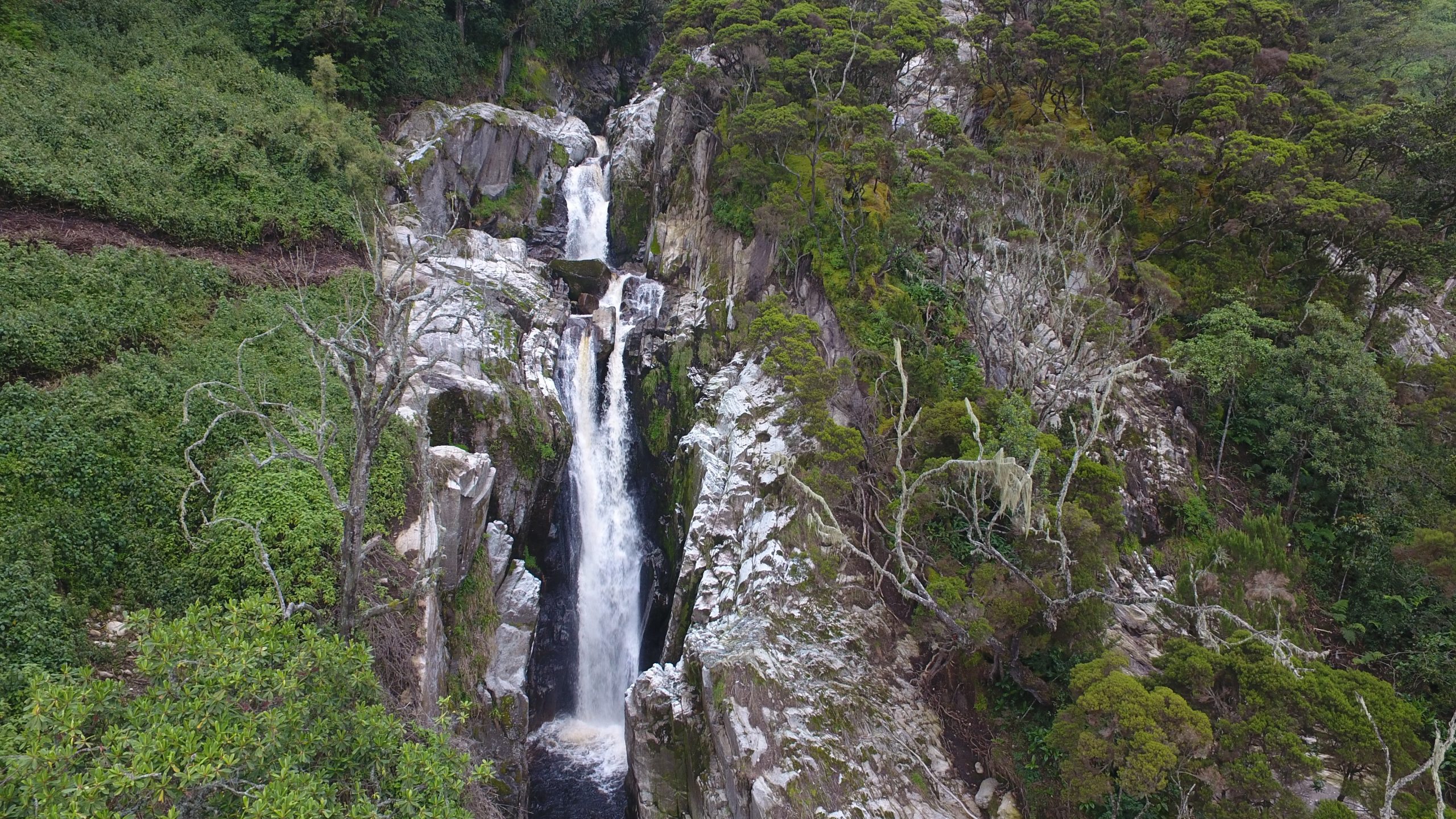
The lower sections of the mountain are covered by tropical rainforest, where tall trees, thick vegetation, and moss-covered landscapes create a beautiful green environment. This area is filled with streams, waterfalls, and colourful flowers that make the early stages of the trek peaceful and enjoyable. The forest also provides shelter for many bird species and small animals that depend on this ecosystem.
As hikers climb higher, the environment changes into bamboo forests and then into the impressive zone of giant heathers. These plants create a unique landscape with twisted branches covered in moss, giving the mountains an almost magical appearance. The mist that frequently surrounds the higher valleys adds even more beauty to the scenery.
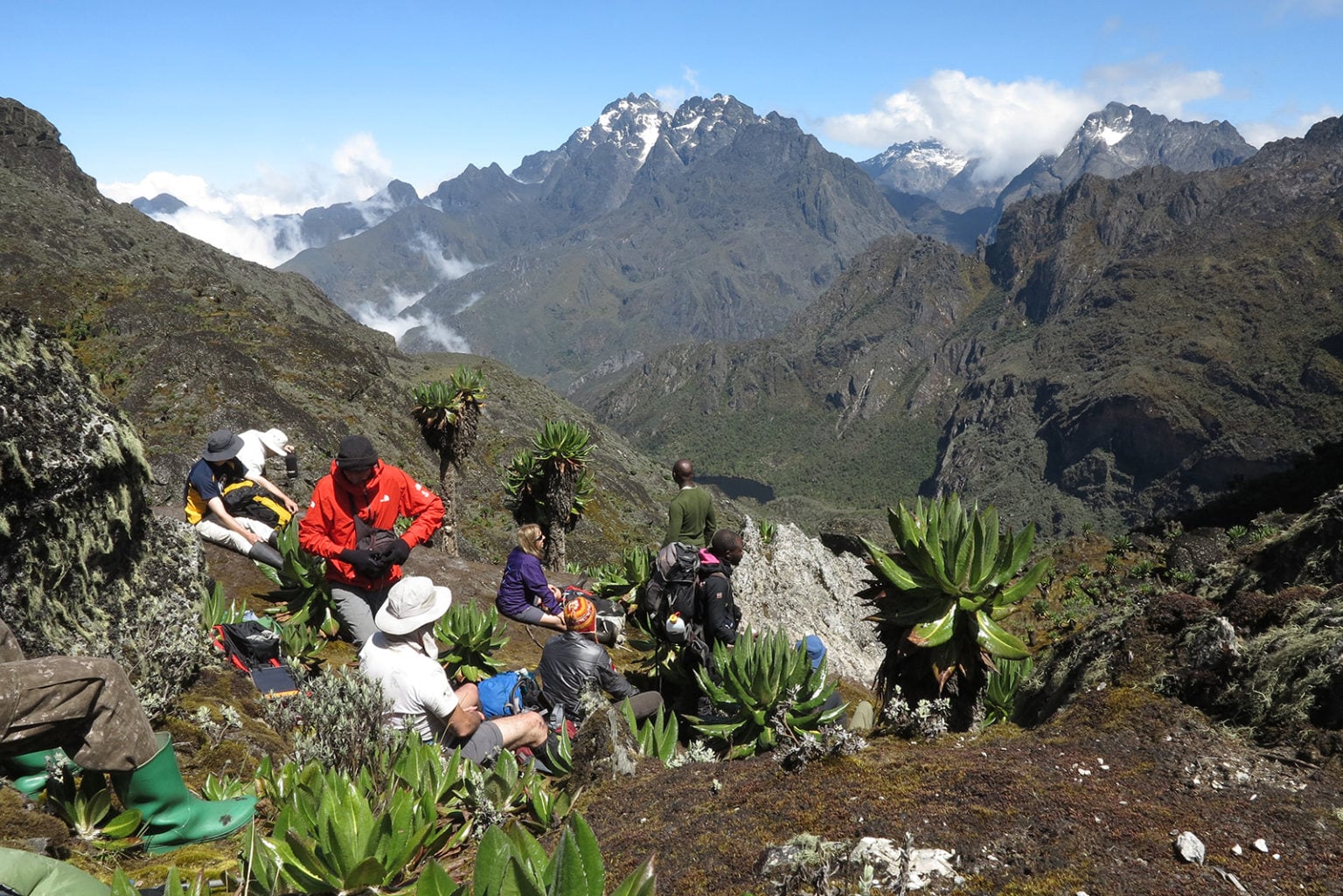
Above the heather zones, visitors enter the alpine area where giant lobelias and giant groundsels dominate the landscape. These plants have adapted to survive cold temperatures, strong winds, and changing weather conditions. Their unusual size and appearance make them one of the most memorable features of trekking in the Rwenzori Mountains.
Near Alexandra Peak, vegetation becomes much smaller as the environment becomes colder and more exposed. Rocks, glaciers, mosses, and lichens replace the larger plants, creating a dramatic transition from tropical forests to a true alpine environment.
This incredible variety of vegetation is one of the reasons the Rwenzori Mountains are considered one of Africa’s most unique natural areas. Exploring these different ecosystems adds another level of discovery to the journey and makes Alexandra Peak: Discover the Second-Highest Summit in the Rwenzori Mountains an experience beyond ordinary mountain climbing.
Wildlife Encounters Around Alexandra Peak
Although Alexandra Peak is mainly known for its dramatic landscapes and high-altitude scenery, the surrounding Rwenzori Mountains are also home to a wide variety of wildlife. The lower and middle sections of the trekking routes provide opportunities to observe different animals that live within the mountain ecosystem.
Primates are among the most interesting animals hikers may encounter. Black-and-white colobus monkeys and blue monkeys are commonly associated with the forest areas of the Rwenzori Mountains. Hearing their calls or seeing them moving through the trees creates exciting moments during the trek.
The forests are also home to many bird species, making the region an excellent destination for bird lovers. Some birds found in the Rwenzori Mountains are unique to the Albertine Rift region, meaning they are rarely seen anywhere else in the world. Colourful sunbirds, turacos, and other forest birds add beauty and sound to the hiking experience.
Small mammals, reptiles, frogs, and butterflies also contribute to the rich biodiversity of the area. While larger animals are less common along the high mountain trails, patient hikers may still enjoy unexpected wildlife sightings.
The changing altitude creates different habitats, allowing many species to survive within the same mountain range. The tropical forests provide homes for forest animals, while the higher areas support species adapted to colder conditions.
Wildlife viewing is not usually the main reason people climb Alexandra Peak, but these encounters make the journey more interesting. They remind visitors that the mountain is not only a destination for adventure but also an important natural environment that supports countless forms of life.
 Weather Conditions and Climate on Alexandra Peak
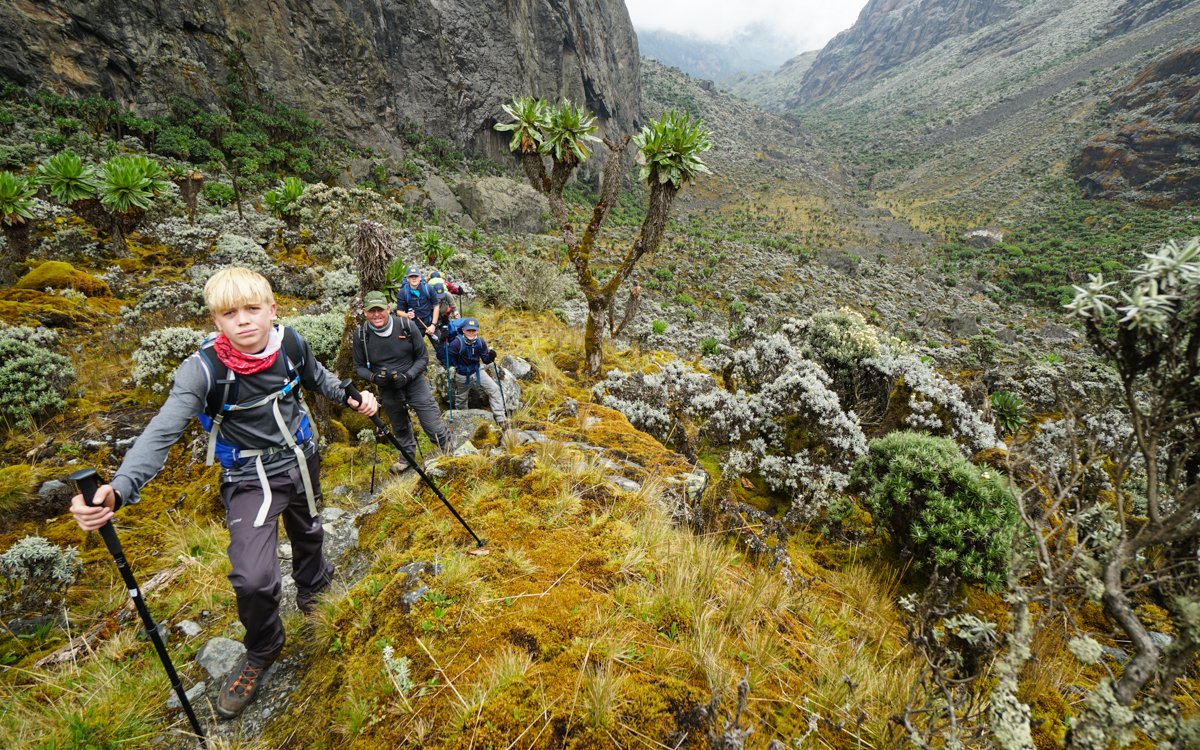
The weather around Alexandra Peak is one of the most important factors every hiker should understand before beginning the trek. Because the mountain is located near the Equator, many visitors are surprised to discover that the upper sections experience extremely cold conditions, including ice and snow.
The lower slopes of the Rwenzori Mountains have a warm and humid tropical climate. Rainforest areas receive regular rainfall, creating the lush green landscapes that make the beginning of the trek so beautiful. Temperatures are comfortable at these lower elevations, especially during the daytime.
As hikers gain altitude, temperatures gradually decrease. The middle sections of the mountain often experience mist, rain, and cool conditions, while the upper sections near Mount Stanley become much colder. Strong winds, freezing temperatures, and icy surfaces are common near the summit area.
Weather changes quickly in the Rwenzori Mountains. A sunny morning can suddenly become cloudy and rainy within a short period. This unpredictability is one of the reasons proper clothing and preparation are essential.
The best periods for hiking are generally during the drier seasons, especially from June to September and December to February. During these months, trails are usually easier to manage, and visibility is often better. However, hikers should still prepare for rain because the mountain can experience wet conditions throughout the year.
Understanding the mountain climate helps visitors prepare mentally and physically. The changing weather is part of what makes the journey unique, transforming every day into a new experience.
Best Time to Hike Alexandra Peak
Although the Rwenzori Mountains can be visited throughout the year, selecting the right time can improve the overall trekking experience. The best months usually depend on weather conditions, trail difficulty, and personal preference.
The dry seasons, especially December to February and June to September, are often considered the most suitable periods for climbing. During these months, rainfall is usually lower, making trails less slippery and allowing hikers to enjoy clearer views of the surrounding mountains.
The dry seasons are particularly beneficial during the higher sections where glacier crossings and rocky climbs require careful movement. Better weather conditions can make these challenging sections more comfortable.
However, hiking during the wetter months also has advantages. The forests become greener, waterfalls become more powerful, the landscapes appear especially vibrant, and snow is more. Adventurous hikers who do not mind rain may enjoy the dramatic beauty of the mountains during these periods.
Regardless of the season, preparation is essential because the Rwenzori Mountains have unpredictable weather. Waterproof clothing, warm layers, and proper hiking equipment are necessary at all times.
Choosing the right season also depends on your goals. Photographers may prefer clearer months for mountain views, while nature lovers may enjoy the rich greenery found during wetter periods.
With proper planning, every season offers a chance to experience the beauty and challenge of Alexandra Peak: Discover the Second-Highest Summit in the Rwenzori Mountains.
 Fitness Requirements for Hiking Alexandra Peak
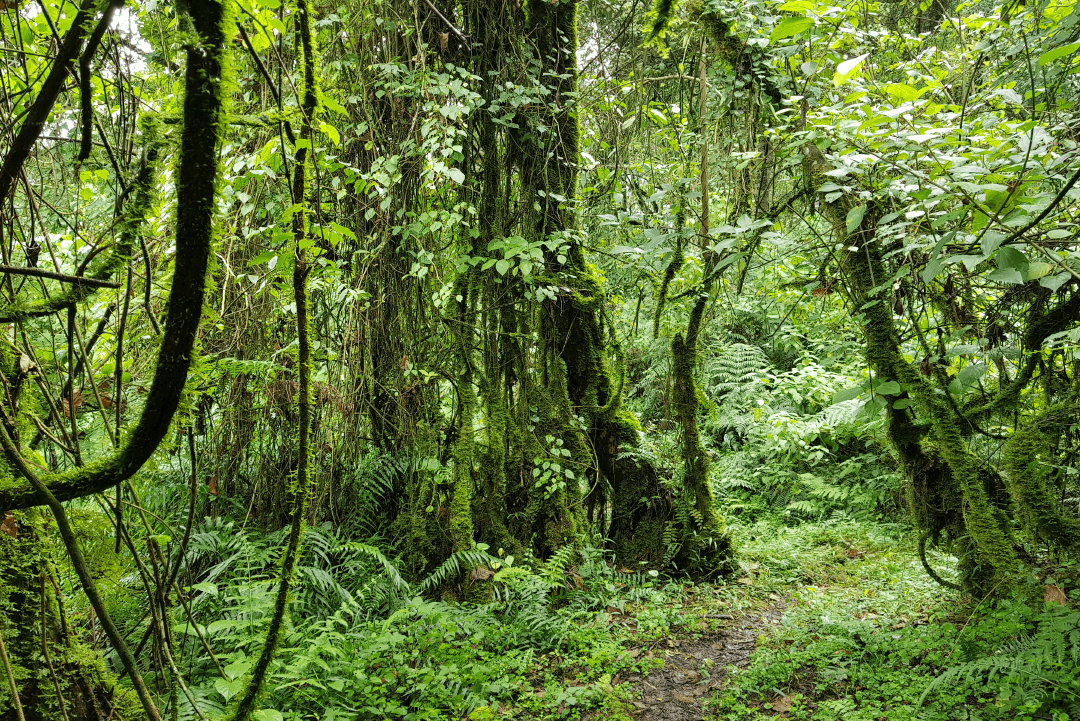
Reaching Alexandra Peak requires good physical preparation because the journey involves long hiking days, steep climbs, high altitude, and changing terrain. Although professional mountaineering experience is not always required, hikers should have a reasonable level of fitness before attempting the trek.
The trails involve walking for several hours each day through forests, valleys, muddy sections, rocky paths, and steep mountain slopes. Strong endurance helps hikers maintain energy throughout the expedition and enjoy the scenery instead of focusing only on physical exhaustion.
Cardiovascular training is highly recommended before the trip. Activities such as long-distance walking, hiking, running, cycling, or stair climbing can help improve stamina. Strength exercises that focus on the legs and core are also useful because they help with balance and stability on uneven terrain.
Altitude is another challenge that requires preparation. As hikers climb above 4,000 metres, oxygen levels decrease, and some people may experience symptoms such as tiredness, headaches, or shortness of breath. Moving slowly, staying hydrated, and allowing enough time for acclimatization are important.
Mental preparation is equally valuable. The mountain requires patience because weather conditions, difficult sections, and long hiking days can test determination. A positive attitude and willingness to follow the guide’s instructions greatly improve the experience.
With proper preparation and realistic expectations, many adventurous travellers successfully complete the journey and enjoy the incredible achievement of exploring one of Africa’s most impressive high-altitude summits.
Essential Equipment for Hiking Alexandra Peak
Having the right equipment is one of the most important parts of preparing for a successful mountain expedition. The conditions around Alexandra Peak can change from warm forests to freezing alpine landscapes, so hikers need gear that protects them in different environments.
A good pair of waterproof hiking boots is essential. The trails can become muddy and slippery, especially during rainy periods. Strong boots with ankle support improve comfort and reduce the risk of injury.
Layered clothing is the best approach because temperatures change throughout the trek. Hikers should carry moisture-wicking base layers, warm fleece clothing, waterproof jackets, and insulated layers for the colder summit areas.
Warm accessories such as gloves, hats, and thermal socks are important near the upper sections. Sunglasses and sunscreen are also necessary because sunlight reflecting from snow and ice can be intense.
A comfortable backpack should carry personal items, drinking water, snacks, rain gear, a camera, and essential medication. Trekking poles are useful because they provide extra support during steep climbs and descents.
Other important items include a headlamp, waterproof bags, personal toiletries, quick-drying clothing, and a reusable water bottle.
Technical climbing equipment required for glacier sections is usually organized through trekking operators and guides. Before starting the journey, hikers should confirm what equipment is provided and what they need to bring themselves.
Proper preparation allows visitors to focus on enjoying the landscapes, activities, and unforgettable moments that define Alexandra Peak: Discover the Second-Highest Summit in the Rwenzori Mountains
The 8-Day Kilembe Trail: A Beautiful Route Through the Southern Rwenzori Mountains
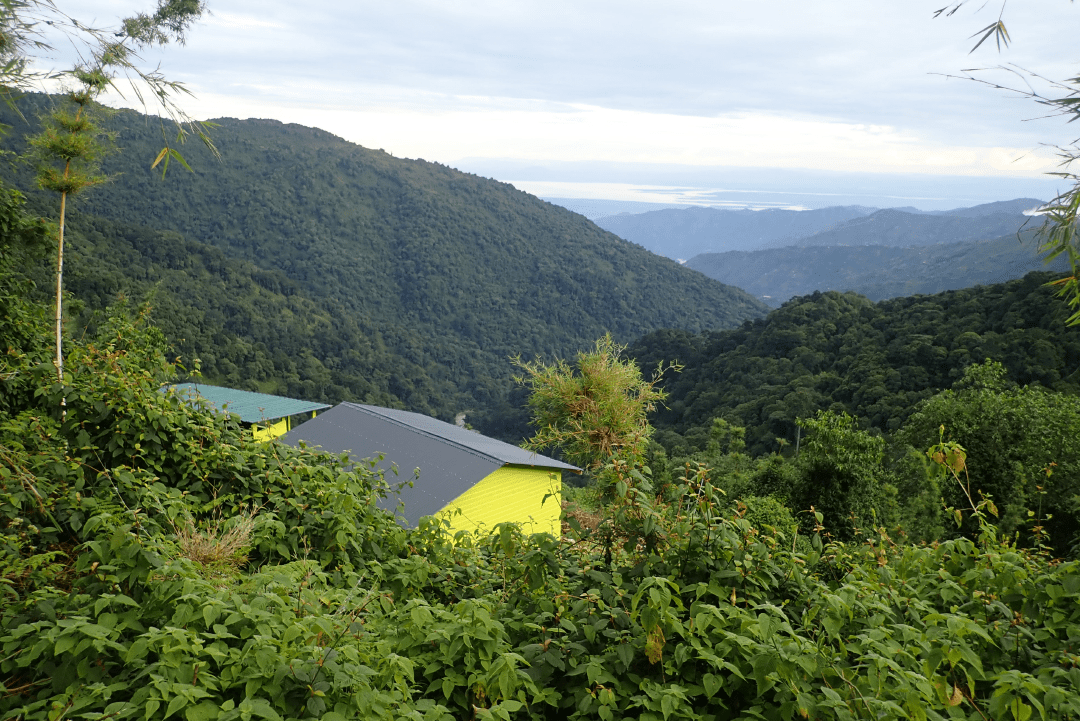
The Kilembe Trail is one of the most scenic routes used by hikers exploring the high peaks of Mount Stanley, including Alexandra Peak. This route begins from the Kilembe area near Kasese and provides a spectacular journey through some of the most beautiful landscapes in the Rwenzori Mountains. The complete trek usually takes about 8 days, allowing enough time for proper acclimatization while giving hikers the opportunity to enjoy the changing environments along the way.
One of the main attractions of the Kilembe Trail is its incredible scenery. The route passes through lush tropical forests, bamboo zones, open valleys, and high alpine areas before reaching the upper mountain sections. Every day offers a new landscape, from green forests filled with birds and streams to rocky ridges surrounded by mist and glaciers.
The gradual nature of this route makes it suitable for hikers who want to experience the mountain at a comfortable pace. Spending eight days on the trail allows the body to adjust slowly to increasing altitude, which improves safety and makes the journey more enjoyable.
As hikers continue upward, they enter the spectacular high-altitude zone of the Rwenzori Mountains. Giant lobelias, giant groundsels, and dramatic mountain views create unforgettable moments. The final sections involve navigating rocky terrain and glacier areas around Mount Stanley before reaching the high summits.
Although Alexandra Peak is normally accessed as part of the Mount Stanley summit area rather than as an independent trail destination, the Kilembe Trail provides one of the best approaches for experienced hikers hoping to explore this remarkable peak.
For travellers looking for beautiful scenery, fewer crowds, and a well-paced mountain experience, the Kilembe Trail is an excellent choice for reaching the high peaks of the Rwenzori Mountains.
 The 7-Day Central Circuit Trail: The Classic Rwenzori Hiking Route
The Central Circuit Trail is the most traditional and widely known route through the Rwenzori Mountains. Beginning from the Nyakalengija area, this route offers hikers a classic introduction to the beauty and challenge of the mountain range.
This itinerary usually takes around 7 days, making it slightly shorter than the Kilembe and Bukurungu routes. Despite the shorter duration, it provides an excellent opportunity to explore the different ecosystems of the Rwenzori Mountains and prepare for the high-altitude sections leading toward Mount Stanley.
The trail passes through dense forests where hikers may encounter monkeys, birds, and colourful butterflies. As the elevation increases, the landscape changes into bamboo forests, alpine valleys, and rocky mountain terrain.
One advantage of the Central Circuit Trail is its long history as a trekking route. Many hikers have followed this path over the years, and local guides have extensive knowledge of the terrain and conditions.
The route offers impressive views of several Rwenzori peaks and provides access toward the high mountain area where Alexandra Peak and Margherita Peak are located. The summit approach requires careful preparation because of cold temperatures, steep sections, and technical glacier areas.
Although it is shorter than some other routes, the Central Circuit should not be underestimated. The altitude, weather, and challenging terrain make it a serious mountain expedition.
For travellers who want a traditional Rwenzori experience while following a route with a shorter schedule, the Central Circuit Trail remains one of the best options.
The 8-Day Bukurungu Trail: A Quiet and Remote Mountain Experience
The Bukurungu Trail is another route used to explore the higher sections of the Rwenzori Mountains. Taking approximately 8 days, it offers a more remote and peaceful trekking experience compared to some of the more established routes.
This trail is ideal for travelers who prefer quieter paths and want to experience the untouched side of the mountains. Because fewer hikers use this route, visitors often enjoy a greater sense of wilderness and isolation.
The journey takes trekkers through beautiful forests, valleys, rivers, and high-altitude landscapes. The scenery changes gradually as the trail climbs toward the upper sections of Mount Stanley, creating a rewarding adventure filled with natural beauty.
One of the biggest advantages of the Bukurungu Trail is the opportunity to explore areas that feel completely removed from modern life. The peaceful surroundings allow hikers to appreciate the sounds of nature, from flowing streams to forest birds.
The route also provides excellent opportunities for photography and nature observation. The dramatic landscapes, unusual plants, and mountain views create countless memorable moments.
As hikers approach the higher sections, they prepare for the challenging environment around Mount Stanley. Cold temperatures, rocky terrain, and glacier sections require proper equipment and careful guidance.
For adventurous travellers who want a less crowded experience while exploring the high peaks of the Rwenzori Mountains, the Bukurungu Trail is an excellent option.
Can Experienced Hikers Reach Alexandra Peak in Five Days?
While the normal trekking schedules take seven or eight days, some highly experienced hikers complete the journey in approximately five days. This shorter approach is designed for people who have previous high-altitude trekking experience and excellent physical fitness.
A five-day itinerary requires longer walking hours, fewer rest periods, and faster movement through different altitude zones. Hikers must be confident walking for extended periods and adapting quickly to changing mountain conditions.
Although faster climbs can be rewarding, they leave less time to enjoy the natural beauty of the Rwenzori Mountains. Visitors following a five-day schedule may have fewer opportunities for photography, wildlife observation, and relaxing at mountain camps.
For most travelers, a longer itinerary remains the better choice because it allows the body more time to adjust and provides a more enjoyable experience. The seven-day and eight-day routes offer a healthier balance between adventure and comfort.
However, for experienced mountaineers who understand the demands of high-altitude trekking, a five-day expedition can be possible with proper planning and professional support.
Regardless of the chosen pace, reaching the high summit area of Mount Stanley remains an incredible achievement and a memorable chapter in any traveler’s mountain journey.
 Choosing the Best Route for Your Alexandra Peak Experience
Selecting the right route depends on your goals, available time, and hiking experience.
The Kilembe Trail is ideal for travellers who want beautiful scenery, gradual altitude adjustment, and a longer exploration of the mountain environment.
The Central Circuit Trail suits hikers who prefer the traditional Rwenzori route and want a shorter seven-day option while still experiencing the major highlights of the range.
The Bukurungu Trail is perfect for adventurous visitors who enjoy remote landscapes and quieter trails.
The five-day option in central circuit should only be considered by highly experienced hikers who are physically prepared for a faster and more demanding climb.
Every route offers a unique way to discover the beauty of the Rwenzori Mountains. Whichever path you choose, the journey toward Alexandra Peak provides unforgettable scenery, personal achievement, and a deeper appreciation of Uganda’s incredible natural heritage.
Top Activities to Enjoy During the Alexandra Peak Expedition
Exploring Alexandra Peak is not only about reaching a high summit. The journey provides a wide range of activities that allow visitors to experience the beauty, adventure, and natural wonders of the Rwenzori Mountains. From trekking through ancient forests to enjoying breathtaking views from high mountain ridges, every stage of the expedition offers something memorable.
The mountain environment creates opportunities for adventure lovers, photographers, nature enthusiasts, and travellers looking for a unique African experience. The combination of dramatic landscapes, rare vegetation, wildlife, and challenging terrain makes every day on the trail exciting.
Whether following the Kilembe Trail, Central Circuit Trail, or Bukurungu Trail, visitors discover that the journey itself is just as rewarding as reaching the summit area. Each activity adds another special moment to the adventure and helps travellers understand why the Rwenzori Mountains are considered one of Africa’s greatest natural treasures.
For those searching for an unforgettable high-altitude experience, Alexandra Peak: Discover the Second-Highest Summit in the Rwenzori Mountains provides a perfect opportunity to combine exploration, physical challenge, and appreciation of nature.
Mountain Trekking Through the Rwenzori Wilderness
The main activity during the expedition is mountain trekking. Hiking through the Rwenzori Mountains provides a rare opportunity to explore one of Africa’s most beautiful and least disturbed mountain environments.
The journey begins in tropical forests where hikers walk beneath tall trees surrounded by birds, flowing streams, and thick green vegetation. As the trail climbs higher, the surroundings gradually transform into bamboo forests, giant heather zones, alpine valleys, and rocky mountain landscapes.
Unlike ordinary hiking experiences, trekking toward Alexandra Peak offers constant changes in scenery. One morning hikers may be walking through a misty forest, while a few days later they are surrounded by glaciers and snow-covered peaks.
The physical challenge of the trek is part of the attraction. Steep slopes, muddy trails, and changing weather conditions test endurance and determination. However, every difficult section is rewarded with incredible views and a feeling of achievement.
Trekking also allows visitors to connect with the mountain at a slower pace. Instead of simply travelling from one point to another, hikers experience the sounds, sights, and atmosphere of the wilderness.
The journey through the Rwenzori Mountains is a reminder that reaching a summit is not only about the final destination but also about appreciating every step along the way.
Glacier Viewing and High-Altitude Exploration
One of the most remarkable activities during the Alexandra Peak expedition is exploring the icy upper sections of Mount Stanley. The presence of glaciers near the Equator makes the Rwenzori Mountains one of the most unusual mountain environments in the world.
As hikers approach the higher areas, the landscape changes from green alpine valleys to a colder world of rocks, ice, and snow. This dramatic transformation surprises many visitors because the mountain is located in a tropical region.
The glaciers provide incredible scenery and create unforgettable photography opportunities. The contrast between tropical forests below and frozen landscapes above shows the extraordinary diversity of the mountain.
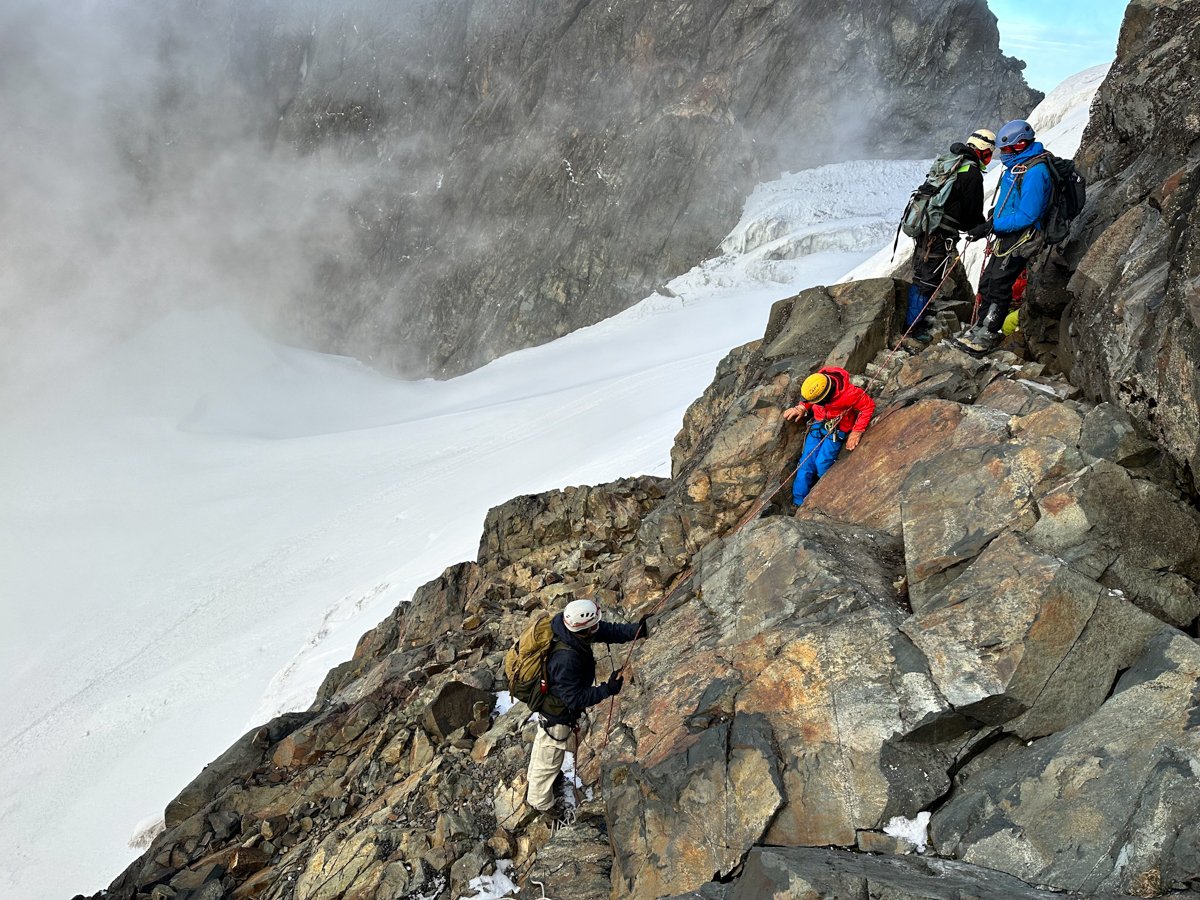
With the guidance of experienced mountain guides, hikers carefully navigate the upper sections while following safety procedures. The glacier areas require attention because conditions can change depending on weather and temperature.
Many travellers consider standing near these ancient ice formations one of the highlights of their journey. They provide a rare opportunity to witness one of Africa’s remaining equatorial glacier environments.
The shrinking glaciers also remind visitors about the importance of protecting mountain ecosystems. Observing these icy landscapes encourages greater appreciation for conservation and responsible tourism.
Exploring the glacier-covered areas adds a unique mountaineering experience to Alexandra Peak: Discover the Second-Highest Summit in the Rwenzori Mountains, making the journey even more special.
 Photography and Scenic Viewing Opportunities
Alexandra Peak and the surrounding Rwenzori Mountains offer endless opportunities for photography. Every section of the trek presents beautiful scenes that capture the diversity and character of this remarkable mountain range.
The lower forest areas provide images of waterfalls, rivers, colourful birds, giant ferns, and trees covered with moss. These environments create peaceful and magical scenes that showcase the richness of the mountain ecosystem.
Higher elevations offer completely different photography opportunities. The giant lobelias, dramatic valleys, mist-covered hills, and rocky ridges create landscapes that look unlike anywhere else in Africa.
The upper mountain areas provide some of the most impressive views. Glaciers, snow-covered slopes, and towering peaks create powerful images that represent the beauty of the Rwenzori Mountains.
Sunrise and sunset are especially rewarding moments for photographers. The changing light creates beautiful colours across the valleys and mountain peaks, producing unforgettable memories.
Photography is not only about capturing beautiful pictures. It allows travelers to document their personal journey and share the incredible landscapes they experienced.
For many visitors, the photographs taken during the expedition become lifelong reminders of their achievement and the incredible natural beauty discovered along the way.
Bird Watching Along the Hiking Routes
Bird watching is another enjoyable activity for visitors exploring the Rwenzori Mountains. The forests and valleys surrounding Alexandra Peak provide habitats for many bird species, including several found only in the Albertine Rift region.
During the lower sections of the hike, visitors may hear birds calling from the forest canopy or spot colourful species moving among the trees. Early mornings are often the best time for bird observation because the forest becomes active with movement and sound.
The diversity of habitats along the routes supports different bird communities. Tropical forests, bamboo areas, and alpine zones each provide homes for different species.
Experienced guides often help hikers identify birds and explain their importance within the mountain ecosystem. Even visitors who are not dedicated bird watchers usually enjoy stopping to observe the colourful species that appear along the trail.
Bird watching adds a peaceful activity to the challenging mountain journey. After hours of hiking, taking time to appreciate the sounds and movements of birds provides a relaxing connection with nature.
The combination of trekking and bird watching makes the Rwenzori Mountains a rewarding destination for both adventure seekers and nature lovers.
Wildlife Observation and Nature Discovery
Although the high summit areas are mainly known for glaciers and rocky landscapes, wildlife observation remains an exciting part of the journey, especially in the lower and middle sections of the mountain.
The forests of the Rwenzori Mountains provide homes for several animals, including different monkey species. Black-and-white colobus monkeys and blue monkeys are among the animals that visitors may encounter during the trek.
The area also supports many smaller creatures, including butterflies, reptiles, amphibians, and forest mammals. These sightings add excitement because they often appear unexpectedly while hikers are moving through the trails.
Nature discovery is not limited to animals. The unusual plants, changing landscapes, and natural features of the mountain create endless opportunities for learning and exploration.
Guides share information about the relationship between wildlife, vegetation, and the mountain environment, helping visitors understand why conservation is so important.
These encounters remind hikers that the Rwenzori Mountains are a living ecosystem rather than just a climbing destination.
Camping Under the Rwenzori Mountain Skies
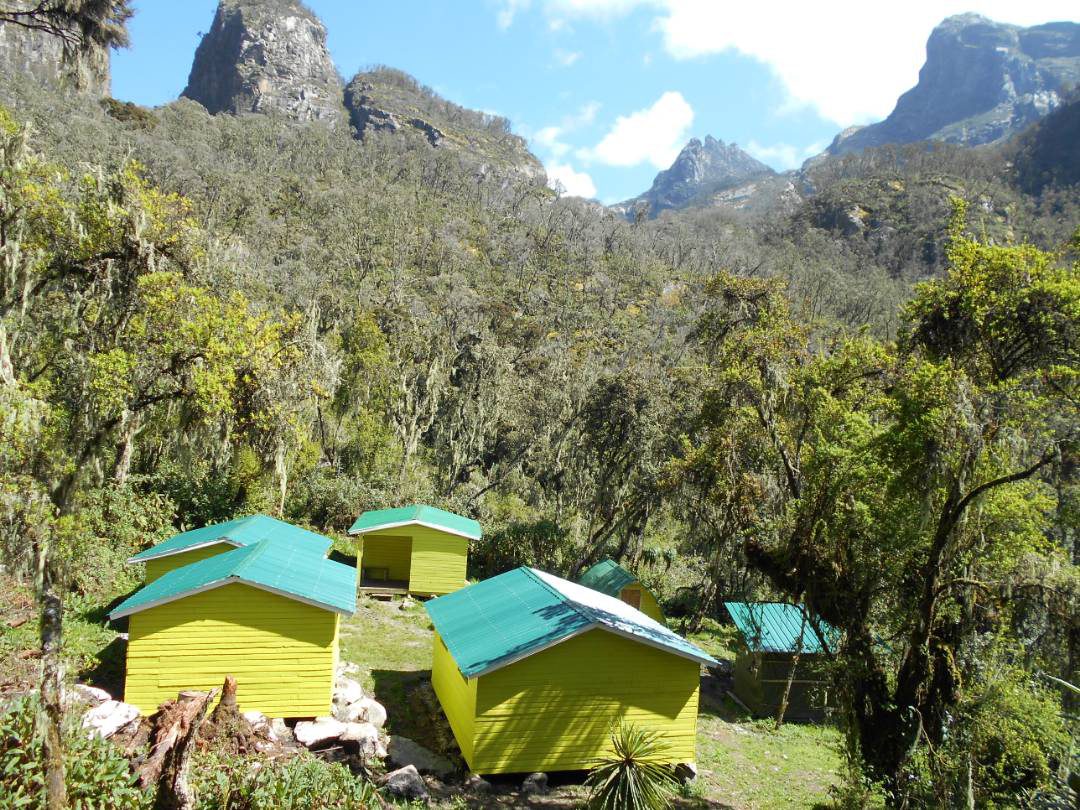
Camping is one of the most memorable parts of the Alexandra Peak expedition. Spending nights in the mountains allows visitors to experience the peaceful atmosphere of the wilderness away from busy towns and cities.
After a long day of hiking, reaching camp provides an opportunity to rest, enjoy meals, and prepare for the next stage of the journey. The mountain camps offer beautiful views of surrounding landscapes and create a special feeling of being completely connected with nature.
Early mornings are particularly magical. Waking up to cool mountain air, mist-covered valleys, and views of towering peaks creates unforgettable moments.
Evenings at camp are also enjoyable as hikers share stories, discuss the day’s experiences, and prepare mentally for upcoming challenges.
Camping teaches visitors to appreciate simple experiences and the beauty of the natural world. The quiet environment allows travelers to enjoy moments that are often impossible to experience in everyday life.
For many hikers, these nights in the mountains become some of the most treasured memories of the entire expedition.
Cultural Experiences Around the Rwenzori Mountains
A visit to Alexandra Peak can also include cultural experiences around the communities surrounding the Rwenzori Mountains. The local people have lived near these mountains for generations and have developed strong connections with the landscape.
Visitors can learn about traditional farming practices, local lifestyles, music, dance, and the history of communities around the mountain.
Meeting local guides and residents provides a deeper understanding of the region. Their knowledge of the mountains, passed down through generations, adds meaning to the trekking experience.
Travellers can also support local communities by choosing locally operated tourism services, purchasing handmade products, and respecting local traditions.
These cultural interactions create a complete travel experience that combines nature, adventure, and human connection.
The mountain is not only a place of beautiful landscapes but also a home for communities whose stories are connected to the Rwenzori Mountains.
The Summit Experience: Reaching Alexandra Peak and Mount Stanley
Reaching the summit area of Mount Stanley is the greatest achievement for hikers exploring Alexandra Peak. After several days of trekking through forests, valleys, alpine landscapes, and challenging mountain terrain, climbers finally enter the high-altitude world where the famous peaks of Mount Stanley rise above the surrounding landscape.
The summit approach is one of the most exciting parts of the entire journey. The environment becomes colder, the vegetation becomes smaller, and the landscape changes into a dramatic alpine setting filled with rocks, ice, and glaciers. Every step requires concentration, patience, and careful movement.
Although Alexandra Peak is slightly lower than Margherita Peak, it remains an impressive summit because of its elevation, beauty, and position within Mount Stanley. Many hikers explore both peaks during their expedition because they are located within the same mountain massif.
Standing near the summit provides incredible views across the Rwenzori Mountains. On clear days, hikers can see endless mountain ridges, deep valleys, and the beautiful landscapes surrounding western Uganda. The feeling of standing among some of Africa’s highest peaks creates a powerful sense of achievement.
The summit moment is not only about reaching a physical point on a map. It represents days of effort, preparation, teamwork, and determination. The challenges faced along the way make the achievement even more meaningful.
For many travellers, reaching the high summit area becomes the unforgettable highlight of Alexandra Peak: Discover the Second-Highest Summit in the Rwenzori Mountains. It is a moment that celebrates adventure, courage, and the incredible beauty of Africa’s Mountains of the Moon.
Accommodation Before and After the Alexandra Peak Trek
Planning accommodation before and after the trek is an important part of a successful mountain experience. Most visitors spend time in or around Kasese before starting their journey into the Rwenzori Mountains.
Staying near the trekking starting point allows hikers to rest after travelling, organize their equipment, meet their guides, and prepare mentally for the adventure ahead. Many lodges and guesthouses around Kasese provide comfortable rooms, meals, beautiful gardens, and views of the surrounding landscapes.
Before beginning the trek, a good night’s rest is essential because the first hiking days require energy and concentration. Many trekking operators also arrange a briefing session where guides explain the route, safety procedures, and what hikers should expect during the journey.
After completing the expedition, spending another night in comfortable accommodation is highly recommended. After days of hiking at high altitude, most travelers appreciate a warm shower, a comfortable bed, and a relaxing meal.
Many visitors combine their Rwenzori hiking experience with other attractions in western Uganda. Popular additions include wildlife safaris in nearby national parks, cultural experiences, or visits to other natural attractions.
A well-planned accommodation schedule allows travelers to enjoy the mountain experience without rushing. It provides time to recover, celebrate the achievement, and appreciate the incredible journey they have completed.
Conservation and Responsible Tourism in the Rwenzori Mountains
The Rwenzori Mountains are one of Uganda’s most valuable natural treasures, and protecting this environment is essential for future generations. The unique forests, glaciers, wildlife, and rare plant species found around Alexandra Peak require careful conservation efforts.
Visitors can support conservation by following responsible hiking practices throughout their journey. Staying on designated trails helps prevent damage to fragile vegetation, while carrying all waste out of the mountains protects wildlife and natural water sources.
The high-altitude environment is especially sensitive. Plants such as giant lobelias and giant groundsels grow slowly and depend on specific conditions to survive. Avoiding unnecessary disturbance helps protect these unique ecosystems.
Supporting local communities is also an important part of sustainable tourism. Hiring local guides, working with local trekking companies, and using community services provide economic benefits while encouraging continued protection of the mountain environment.
Climate change has become an increasing concern for the Rwenzori Mountains, especially because of its impact on glaciers. The ice fields found near Mount Stanley have reduced over time, making conservation and environmental awareness more important than ever.
Every traveler who visits Alexandra Peak has an opportunity to contribute positively. Simple actions such as respecting nature, reducing waste, and appreciating the mountain responsibly help preserve this extraordinary destination.
Responsible tourism ensures that future adventurers can continue exploring the beauty and wonder of Alexandra Peak: Discover the Second-Highest Summit in the Rwenzori Mountains.
Why Alexandra Peak Should Be on Your Hiking Bucket List
There are many reasons why Alexandra Peak deserves recognition as one of Africa’s most remarkable mountain destinations. While it may not receive the same attention as some of the continent’s most famous summits, its beauty, challenge, and unique environment make it a truly special experience.
One of the biggest attractions is the incredible diversity of landscapes. Few hiking destinations allow visitors to walk from tropical forests to icy alpine environments within the same journey. The dramatic changes in scenery make every stage of the trek exciting.
The mountain also provides a quieter experience compared to some popular climbing destinations. The peaceful trails, untouched wilderness, and remote landscapes allow hikers to enjoy a deeper connection with nature.
Adventure seekers appreciate the challenge of the climb. The combination of altitude, changing weather, steep trails, and glacier sections creates a rewarding experience that tests determination and endurance.
Nature lovers are attracted by the unusual vegetation, rare wildlife, and spectacular views found throughout the Rwenzori Mountains. Photographers find endless opportunities to capture dramatic landscapes and unforgettable moments.
Most importantly, the journey creates personal memories that last a lifetime. Reaching a high summit after days of effort provides a sense of achievement that extends beyond the mountain itself.
For travellers looking for an authentic African mountain experience filled with adventure, discovery, and natural beauty, Alexandra Peak is a destination worth exploring.
 Frequently Asked Questions About Alexandra Peak
Where is Alexandra Peak located?
Alexandra Peak is located on Mount Stanley within the Rwenzori Mountains in western Uganda. It is part of Rwenzori Mountains National Park, near the border between Uganda and the Democratic Republic of Congo.
How high is Alexandra Peak?
Alexandra Peak rises to approximately 5,091 metres above sea level, making it the second-highest summit of Mount Stanley and one of the highest points in Uganda.
Is Alexandra Peak higher than Margherita Peak?
No. Margherita Peak is the highest summit of Mount Stanley at about 5,109 metres, while Alexandra Peak is slightly lower at approximately 5,091 metres.
How do hikers reach Alexandra Peak?
Hikers normally access Alexandra Peak through routes leading to Mount Stanley. The main trekking options include the 8-day Kilembe Trail, the 7-day Central Circuit Trail, and the 8-day Bukurungu Trail.
Can Alexandra Peak be climbed in five days?
Experienced and physically prepared hikers may complete a faster five-day Mount Stanley expedition via central circuit. However, most travelers choose longer itineraries because they provide better acclimatization and more time to enjoy the mountain.
Do I need previous mountaineering experience?
Professional climbing experience is not always required, but hikers need good fitness, determination, and preparation. The summit area involves challenging terrain and requires guidance from experienced mountain teams.
What is the best time to hike Alexandra Peak?
The best periods are generally from December to February and June to August when weather conditions are often more favorable. However, the mountain can experience changing weather throughout the year.
What activities can visitors enjoy during the trek?
Activities include mountain hiking, glacier viewing, photography, bird watching, wildlife observation, camping, nature exploration, scenic viewing, and cultural experiences with communities around the Rwenzori Mountains.
 Conclusion: Discovering the Beauty of Alexandra Peak
Alexandra Peak: Discover the Second-Highest Summit in the Rwenzori Mountains represents one of Uganda’s most remarkable high-altitude experiences. Located on the magnificent Mount Stanley, this impressive summit combines adventure, natural beauty, and unforgettable exploration.
The journey takes hikers through some of Africa’s most diverse mountain environments, from tropical forests and bamboo zones to alpine valleys and icy summit landscapes. Along the way, visitors experience unique vegetation, wildlife encounters, breathtaking views, and the peaceful atmosphere of the Rwenzori Mountains.
The different trekking options provide opportunities for various types of travelers. The eight-day Kilembe Trail offers incredible scenery, the seven-day Central Circuit provides a classic Rwenzori experience, and the eight-day Bukurungu Trail delivers a quieter wilderness adventure. Experienced hikers may complete the expedition faster, but the longer routes allow more time to appreciate the mountain.
Beyond the physical challenge, the experience offers a deeper connection with nature. Photographing glaciers, walking through rare ecosystems, watching birds in ancient forests, and camping beneath mountain skies create memories that remain unforgettable.
For anyone seeking a unique African trekking experience away from ordinary tourist routes, Alexandra Peak offers the perfect combination of challenge, discovery, and beauty. It is not simply a mountain summit—it is a journey through one of the world’s most fascinating high-altitude landscapes.
Alexandra Peak: Discover the Second-Highest Summit in the Rwenzori Mountains remains a true symbol of exploration, determination, and the incredible natural heritage of Uganda’s legendary Mountains of the Moon.