

Is the Rwenzori Mountains Hike Safe? Understanding Our Ebola Prevention and Health Safety Measures
Is the Rwenzori Mountains Hike Safe? Understanding Our Ebola Prevention and Health Safety Measures is a question many travelers have been asking following reports of Ebola cases in Uganda and neighboring Democratic Republic of Congo (DRC) in 2026. The good news is that trekking activities in the Rwenzori Mountains continue under strict health and safety protocols designed to protect both visitors and local communities.
The Rwenzori Mountains remain one of Africa’s most remarkable hiking destinations, attracting adventurers seeking glacier-covered peaks, stunning landscapes, unique vegetation, and unforgettable mountain experiences. Our company is still committed to ensuring that every excursion is completed safely, with careful health measures and knowledgeable staff.
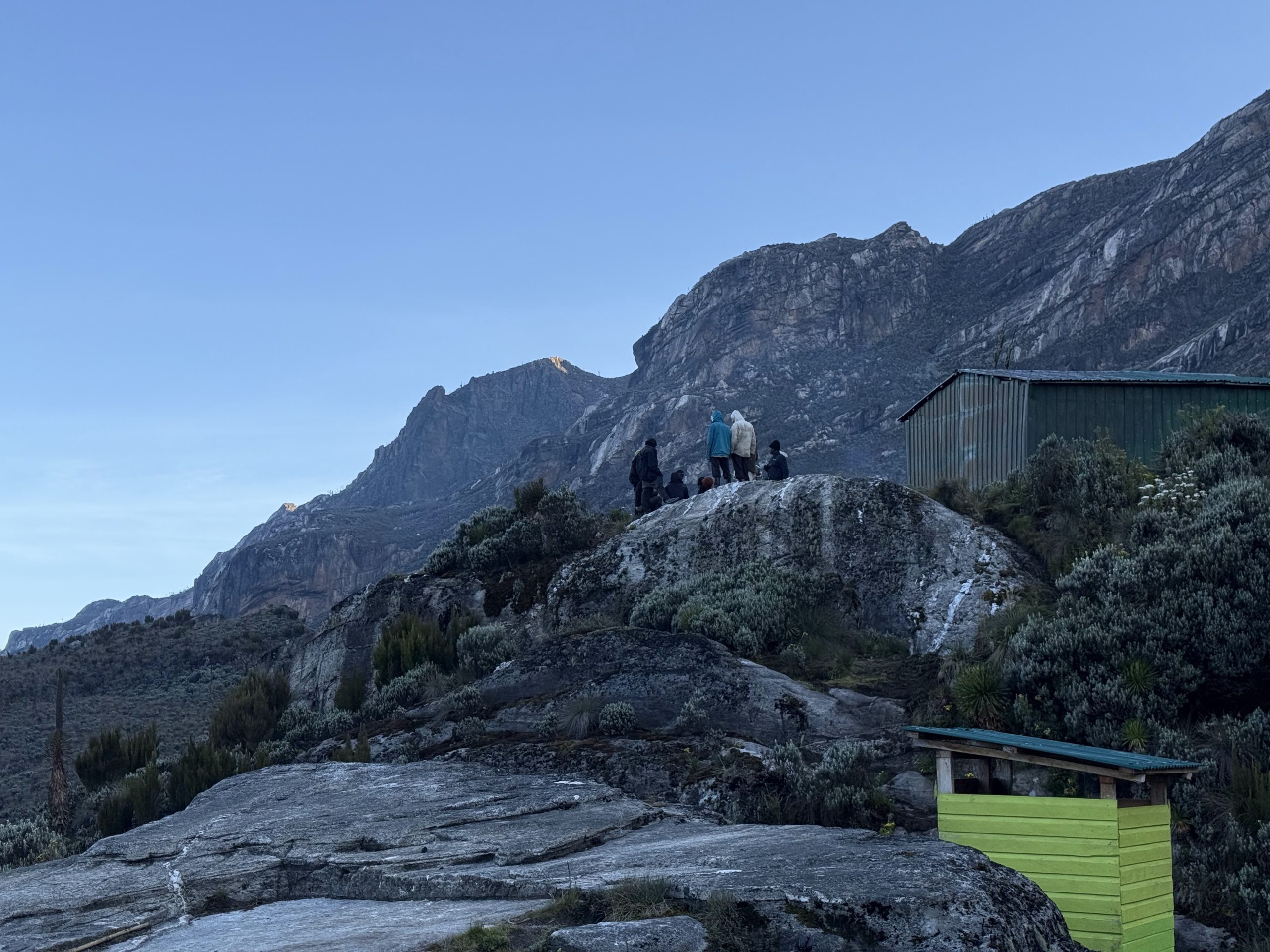 All our guides, porters, cooks, and support staff are fully aware of Ebola prevention guidelines and follow strict hygiene practices throughout every expedition. Through regular hand washing, proper food handling, health monitoring, staff training, and adherence to recommended safety measures, we continue to provide safe and enjoyable hiking experiences while giving visitors confidence to explore the beauty of the Rwenzori Mountains.
Understanding the 2026 Ebola Outbreak in Uganda
To understand why safety measures are important, it helps to understand the current situation. In 2026, Uganda reported cases linked to an outbreak of Bundibugyo Virus Disease (BVD), a species of Ebola virus that originated from neighboring Democratic Republic of Congo and spread through cross-border movements. Health authorities confirmed that Uganda’s cases were linked to imported infections and secondary contacts associated with travelers from the DRC.
Within the family of Ebola viruses, the Bundibugyo virus is one of numerous species. Unlike some previous Ebola outbreaks, there is currently no licensed vaccine specifically approved for Bundibugyo virus disease, making surveillance, prevention, and rapid response especially important.
According to health authorities and the World Health Organization, Uganda’s cases have been closely monitored through contact tracing, border screening, surveillance systems, and public health interventions. Most cases identified in Uganda have been linked to travel from the Democratic Republic of Congo rather than widespread community transmission.
While the outbreak has understandably attracted international attention, Uganda continues implementing strong public health measures to protect residents, visitors, and tourism activities.
What Is Ebola and How Does It Spread?
When discussing Is the Rwenzori Mountains Hike Safe? Understanding Our Ebola Prevention and Health Safety Measures, it is important to understand what Ebola actually is.
Ebola Virus Disease is a severe viral illness that spreads through direct contact with bodily fluids of an infected person. These fluids may include blood, saliva, sweat, vomit, urine, or other secretions. The virus can also spread through contaminated materials that have come into contact with infected fluids.
Importantly, Ebola is not spread through casual contact such as walking near someone, passing another hiker on a trail, or simply being outdoors. The virus requires direct exposure to infected bodily fluids or contaminated materials.
The disease may cause symptoms such as fever, weakness, headache, muscle pain, vomiting, diarrhea, and in severe cases internal or external bleeding. Early identification and proper medical care significantly improve patient outcomes.
Understanding how Ebola spreads helps travelers recognize why simple preventive measures can be highly effective in reducing risks.
Our Staff Are Fully Vaccinated and Trained
One of the most important elements of our health program is ensuring that all staff members receive appropriate vaccinations and health training whenever recommended by health authorities.
All guides, porters, cooks, drivers, and support personnel working on our Rwenzori Mountains expeditions receive regular training on disease prevention, hygiene practices, emergency procedures, and guest safety.
Our staff understand the importance of maintaining a safe environment for every trekker. Before each expedition, team members are briefed on health protocols and reminded of the procedures that help protect both visitors and fellow staff members.
This commitment to safety begins long before the trek starts and continues throughout the entire hiking experience.
 Hand Hygiene Remains a Key Prevention Measure
One of the simplest and most effective ways to reduce disease transmission is through proper hand hygiene.
Our trekking teams regularly wash their hands using soap and clean water whenever available. Alcohol-based hand sanitizers are also carried during expeditions and made accessible to guests.
Trekkers are encouraged to sanitize their hands before meals, after using restroom facilities, and whenever necessary throughout the hike.
Good hand hygiene is particularly important during multi-day expeditions where groups spend extended periods together in camps and mountain huts.
By maintaining these simple habits, both guests and staff contribute to a healthier trekking environment.
Avoiding Contact With Infected Individuals
All staff members are trained to avoid direct contact with anyone who may be showing signs of serious illness.
Ebola spreads through bodily fluids, making it important to avoid touching blood, saliva, sweat, vomit, urine, or other fluids from potentially infected individuals.
Fortunately, hiking activities in the Rwenzori Mountains take place in remote outdoor environments where exposure risks are naturally lower than in crowded urban settings.
Our guides are trained to recognize health concerns and know how to respond appropriately should any medical situation arise during a trek.
This proactive approach helps protect both visitors and staff members throughout the expedition.
Responsible Wildlife Practices in the Mountains
The Rwenzori Mountains are home to a variety of wildlife species, making every hike an exciting opportunity for nature lovers. However, responsible wildlife viewing remains an important health and conservation principle.
Visitors are advised not to touch bats, monkeys, or other wild animals encountered during their trek. While wildlife sightings can be exciting, maintaining a respectful distance protects both humans and animals.
Our guides continuously educate trekkers about responsible wildlife behavior and conservation practices while exploring the mountain ecosystem.
These guidelines support environmental protection while also reducing potential health risks associated with wildlife contact.
Safe Food Preparation During the Trek
Nutrition plays an important role in every successful mountain expedition. Our cooks follow strict food handling and preparation standards throughout the trek.
All meat and animal products are thoroughly cooked before consumption. Food preparation areas are kept clean, and cooking equipment is properly maintained throughout the expedition.
Guests are provided with treated drinking water and hygienically prepared meals designed to support energy levels during demanding hikes.
These food safety practices help minimize health risks and ensure trekkers remain well-nourished throughout their adventure.
 Use of Protective Equipment and Emergency Preparedness
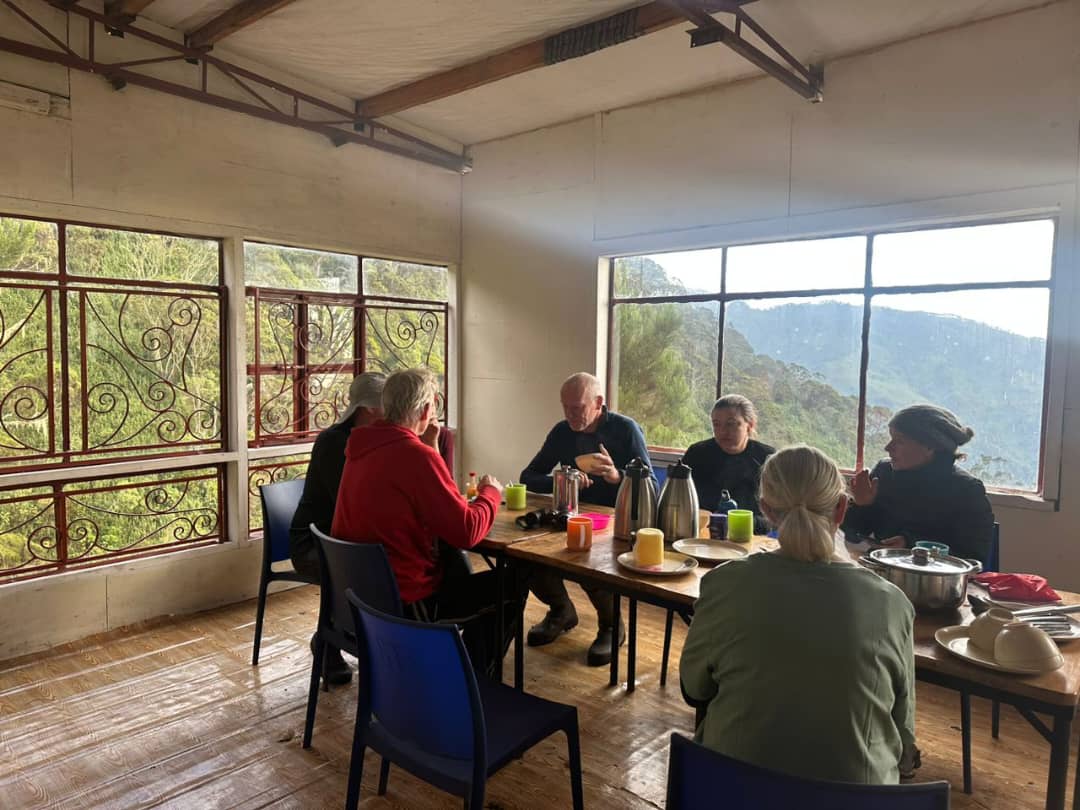
Our teams carry essential safety and first-aid equipment throughout every expedition. Guides receive emergency response training and are prepared to respond appropriately to health concerns that may arise on the mountain.
Where necessary, protective equipment such as gloves and other safety supplies are available for use.
Continuous monitoring of weather conditions, trail conditions, and guest well-being allows our teams to respond quickly to changing circumstances.
Preparedness remains one of the most effective ways to ensure a safe and enjoyable trekking experience.
Avoid Sharing Personal Items
Travelers are advised not to share personal belongings like water bottles, dining utensils, lip balm, towels, or personal hygiene products as an extra health precaution.
Maintaining individual use of personal belongings helps reduce the spread of common illnesses and contributes to overall group health during multi-day treks.
Simple precautions often play a significant role in maintaining a healthy trekking environment.
A Safe and Memorable Rwenzori Mountains Adventure
So, Is the Rwenzori Mountains Hike Safe? Understanding Our Ebola Prevention and Health Safety Measures?
The answer is yes. While Uganda continues to monitor the 2026 Bundibugyo Virus Disease outbreak and implement public health measures, trekking activities in the Rwenzori Mountains continue under strong safety protocols. Health authorities, tourism operators, and local communities remain committed to protecting visitors while maintaining Uganda’s reputation as one of Africa’s leading adventure destinations.
Through staff training, vaccination programs, regular hand hygiene, safe food preparation, responsible wildlife practices, emergency preparedness, and adherence to public health guidelines, we continue to provide safe and rewarding mountain experiences for travelers from around the world.
Whether you are planning a trek to Margherita Peak, a multi-day mountain expedition, or a shorter hiking adventure, you can look forward to exploring the extraordinary beauty of the Rwenzori Mountains with confidence, knowing that your health and safety remain our highest priority.