

My Hardest Lessons in the Rwenzori Mountains.
Climbing the Rwenzori Mountains often called the “Mountains of the Moon” is not just a trek; it is a deeply personal journey into one of Africa’s most mysterious and challenging mountain ranges. I have recently returned from my 5th expedition into these mountains, and despite the number of times I have been here, each experience feels entirely new. No two climbs are ever the same, and that is what makes the Rwenzoris so special.
Unlike more predictable trekking destinations, the Rwenzori are defined by their raw, untamed nature. One day you may be hiking through lush tropical forest filled with birdlife, and the next you are navigating steep, muddy bogs or crossing glaciers on your way toward Margherita Peak. The conditions constantly shift, testing not only your physical ability but also your mental resilience.
Over the years, I have seen experienced trekkers struggle and first-time climbers succeed not because of strength alone, but because of preparation, patience, and mindset. These mountains have a way of humbling everyone who enters them. They demand respect, adaptability, and a willingness to embrace discomfort.
This article brings together the most important lessons I have learned from decades of trekking in the Rwenzori’s. Whether you are planning your first expedition or looking to improve your chances of reaching the summit, these insights will help you approach the journey with confidence and clarity.
 Every Trip is Different
One of the most important lessons I have learned from trekking in the Rwenzori Mountains is that no two trips are ever the same. Even if you follow the same route, stay in the same camps, and travel at the same time of year, the experience can be completely different. This unpredictability is part of what makes the Rwenzori both challenging and rewarding.
The weather alone can transform the entire trek. You may encounter heavy rain that turns trails into deep mud, swollen rivers that make crossings more difficult, or clear skies that reveal breathtaking alpine landscapes. The terrain itself is constantly changing, from dense rainforest to bamboo zones, bogs, rocky ridges, and glaciers. Every area has its own special difficulties.
Beyond the physical environment, every group dynamic is different. Some trekkers arrive well-prepared, while others underestimate the demands of the mountain. These differences can influence pacing, morale, and the overall experience of the expedition.
Altitude also plays a major role. Some people adapt quickly, while others struggle with headaches, fatigue, or poor sleep. Even for experienced climbers, the body can react differently on each trip.
The key to success is embracing this unpredictability. Flexibility, patience, and a positive mindset are essential. Instead of resisting the challenges, accept them as part of the journey. In the Rwenzori, the unexpected is not a setback it is the adventure itself.
What I Wish I Knew Before Climbing the Rwenzori Mountains
Before my early expeditions into the Rwenzori Mountains, I underestimated just how different this mountain range is from others. Looking back, there are several key things I wish I had fully understood before setting foot on the trail.
First and foremost, acclimatization is everything. Attempting peaks like Margherita Peak without giving your body enough time to adjust to altitude significantly reduces your chances of success. It doesn’t matter how fit you are altitude can affect anyone.
Choosing the right route is equally important. The Central Circuit and Kilembe Trail both offer incredible experiences, but longer itineraries of 7–9 days provide a much better acclimatization profile. Rushing the climb is one of the biggest mistakes trekkers make.
Training specifically for the Rwenzoris is also crucial. This is not just about cardio fitness it’s about preparing for long days on uneven, muddy terrain. Strength, balance, and endurance are all essential.
Another lesson is the importance of proper gear. The Rwenzoris are incredibly wet, and poor-quality equipment can quickly turn the trek into a miserable experience. Waterproof boots, gaiters, and reliable rain gear are non-negotiable.
Finally, mental strength cannot be overlooked. The slow pace, constant moisture, and physical fatigue can be draining. Staying positive and focused makes all the difference between simply enduring the trek and truly enjoying it.
 More Critical Lessons Learned in the Rwenzori’s.
Beyond the basics, there are several deeper lessons that only become clear after spending significant time in the Rwenzori Mountains. Your experience might be made or broken by these small elements.
Layering your clothing properly is essential. The temperature can vary dramatically as you move through different zones, from warm and humid forests to freezing alpine environments.
Knowing how to adjust your layers efficiently helps you stay comfortable and avoid unnecessary fatigue.
Another important consideration is budgeting for crew tipping. Guides, porters, and cooks are the backbone of any successful expedition. Their knowledge, support, and hard work play a huge role in your safety and success, so it’s important to plan for this in advance.
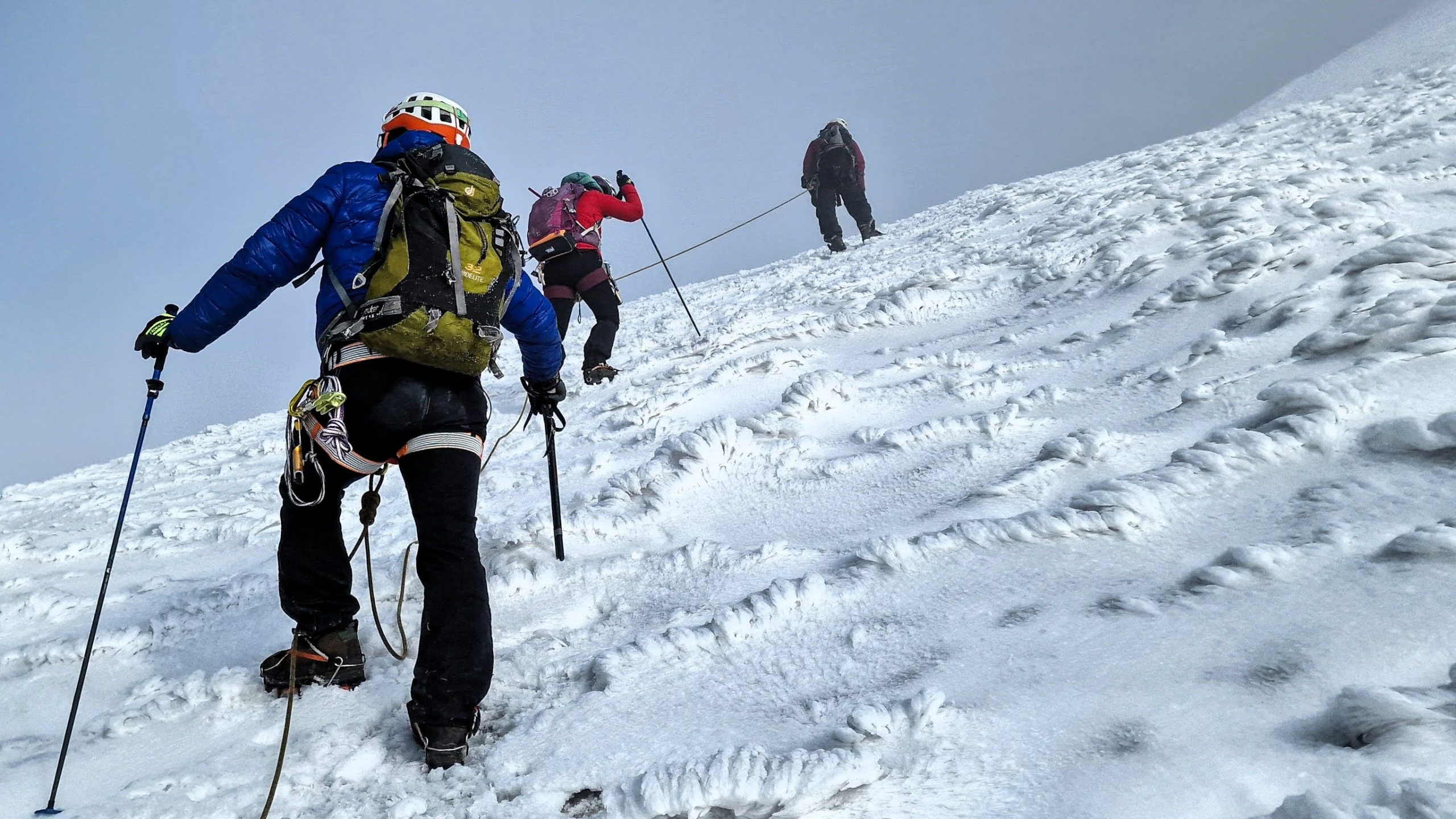
Summit day is often underestimated. Reaching Margherita Peak requires not only endurance but also determination. Early starts, glacier travel, and technical sections make it one of the toughest parts of the journey.
It is also worth considering what comes after the trek. Since you are already in Uganda, adding a safari can provide a perfect balance to the physical challenge of the mountains. It allows you to relax, recover, and experience another side of this incredible country.
These lessons may seem small, but together they shape the overall quality of your expedition.
The Rwenzori’s Number 1 Challenge
The biggest challenge in the Rwenzori Mountains is not just altitude it is the combination of altitude, terrain, and weather. Unlike many other high mountain ranges, the Rwenzoris are consistently wet, and this changes everything.
The trails are often muddy, slippery, and physically demanding. Progress can be slow, and every step requires effort and concentration. Even experienced trekkers can find themselves exhausted much earlier than expected.
Altitude adds another layer of difficulty. As you climb higher, the air becomes thinner, making it harder for your body to perform. Without proper acclimatization, symptoms like headaches, nausea, and fatigue can quickly take over.
Weather is the third factor that makes the Rwenzoris so challenging. Conditions can change rapidly, and heavy rain is common. This not only affects the trails but also your overall comfort and morale.
Success in the Rwenzoris comes down to managing these three elements. Proper pacing, a well-planned itinerary, and the right mindset are essential. It is not about rushing to the summit—it is about adapting to the mountain and respecting its demands.
 Physical Conditioning
Preparing for the Rwenzori Mountains requires more than general fitness it demands specific and consistent training. The terrain is tough, the conditions are demanding, and the effort required each day can be significant.
The best preparation involves multi-day hiking, ideally on trails that mimic the uneven and muddy conditions of the Rwenzoris. Carrying a weighted pack helps your body adapt to the physical demands of the trek.
Strength and endurance training are equally important. Exercises that target the legs, core, and overall stability will help you maintain balance on difficult terrain. Activities like stair climbing or incline treadmill workouts are particularly effective.
Consistency is key. Training a few weeks before the trek is not enough you need to build a strong foundation over time. Gradually increasing intensity and duration will prepare your body without risking injury.
It is also important to listen to your body and avoid overtraining. Consulting a fitness professional can help you create a safe and effective plan.
Proper preparation not only improves your chances of reaching the summit but also allows you to enjoy the journey. When your body is ready, you can focus on the experience rather than just the effort.
Camping and Mountain Comfort
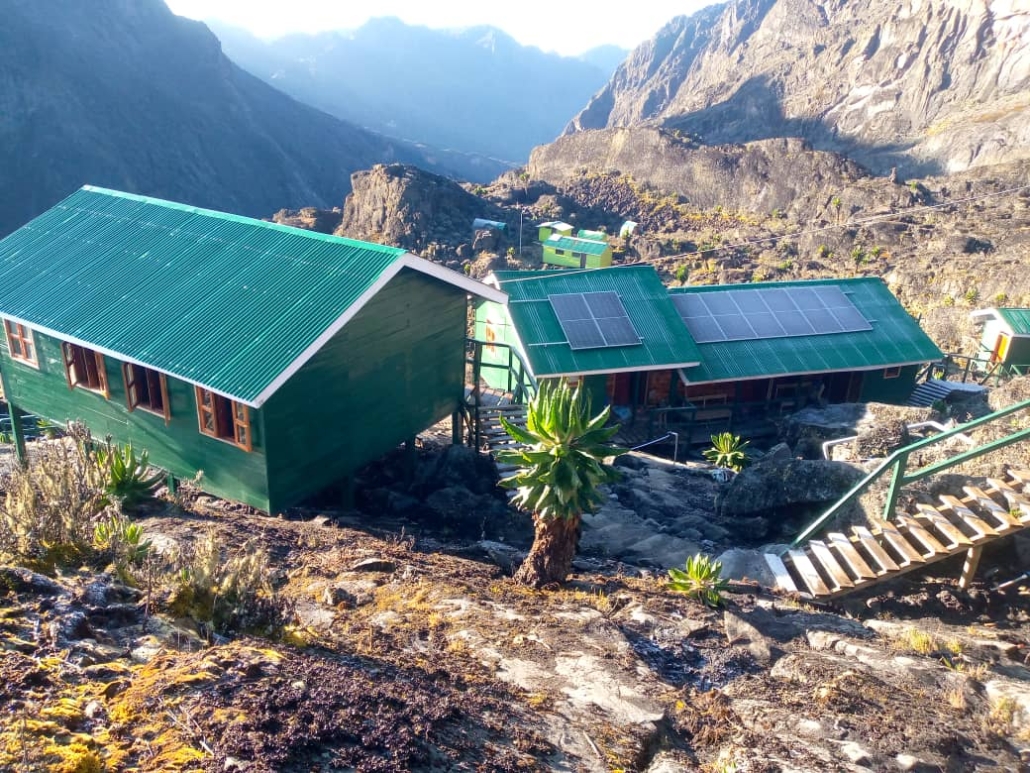
Life on the Rwenzori Mountains is very different from everyday comfort, and adjusting to this environment is an important part of the experience. Depending on your route, you will stay in basic mountain huts or camps, often in cold and damp conditions.
Comfort becomes less about luxury and more about preparation. Having the right sleeping bag, warm clothing, and an organized system for your gear can make a huge difference. Small details like keeping dry clothes for the evening can significantly improve your comfort.
Sleep is one of the biggest challenges at altitude. Between the cold, the environment, and the reduced oxygen levels, getting quality rest can be difficult. Practicing camping before your trip can help you adapt more easily.
Staying organized is also essential. In a wet environment, keeping your gear dry and accessible requires discipline. Packing smartly and using waterproof bags can save you from unnecessary stress.
Ultimately, comfort in the mountains is about mindset. Accepting the conditions and focusing on the experience rather than the discomfort allows you to fully appreciate the journey.
 Climb High, Sleep Low
One of the most important principles of trekking in the Rwenzori Mountains is “climb high,
sleep low.” This approach is essential for proper acclimatization and significantly increases your chances of success.
The idea is simple: during the day, you climb to a higher altitude, allowing your body to experience reduced oxygen levels. Then, you descend to a lower elevation to sleep, giving your body time to recover. This process helps your body gradually adapt to altitude.
In the Rwenzoris, this principle is built into well-designed itineraries, particularly on routes leading to Margherita Peak. Skipping or shortening these stages can increase the risk of altitude sickness and reduce your chances of reaching the summit.
Patience is key. It can be tempting to move faster, especially when you feel strong, but doing so often backfires. The mountain rewards those who take their time and respect the process.
Understanding and trusting this approach is one of the most important lessons for any trekker. It is not just a strategy it is the foundation of a safe and successful climb.
Trying to Sleep at Altitude
Reaching Elena Camp at 4,541 meters is a turning point in the journey. By the time I arrived, I was completely exhausted, both physically and mentally. The combination of altitude, cold temperatures, and constant effort had taken its toll.
Sleep at this altitude is incredibly difficult. Even when you are tired, your body struggles to rest properly. The thin air, combined with the discomfort of the huts and the anticipation of the summit push, makes it hard to relax.
That night, I barely slept. I could feel the fatigue building, and instead of recovering, I was becoming more drained. The idea of heading for the summit of Margherita Peak felt overwhelming.
This experience taught me a valuable lesson: rest is just as important as effort. Without proper sleep and recovery, even the strongest climbers can struggle. It also reinforced the importance of spending enough time on the mountain to allow your body to adjust.
Altitude affects everyone differently, and it is something you cannot fully control. What you can control is your preparation, your pace, and your mindset.
 Pace and Hydration
One of the simplest yet most important lessons in the Rwenzori Mountains is learning how to pace yourself. The terrain naturally forces you to slow down, but embracing that slow and steady rhythm is key to success.
Moving too quickly can lead to exhaustion and increase the risk of altitude sickness. A consistent pace allows your body to adapt and helps conserve energy for the more demanding sections of the trek.
Hydration is equally important. At altitude, your body requires more fluids, even if you don’t feel thirsty. Dehydration can worsen the effects of altitude and reduce your overall performance.
Developing a routine drinking regularly, taking steady steps, and listening to your body can make a significant difference. These small habits build up over time and contribute to a more enjoyable and successful experience.
Going Higher
The final push toward Margherita Peak is one of the most challenging and emotional parts of the journey. Despite my doubts, I pushed forward, step by step, through rock, ice, and glacier terrain.
When I finally reached the summit, it should have been a moment of triumph. But because I was not fully acclimatized, the experience felt distant and blurred. I had achieved the goal, but I couldn’t fully appreciate it.
The descent back to Kitandara Camp on the same day was equally demanding. The long drop in altitude, combined with fatigue, made it one of the toughest days I had ever experienced.
This experience taught me that reaching the summit is not everything. The journey, the memories, and the ability to fully experience each moment are just as important.
Lessons Learned
Climbing the Rwenzori Mountains is far more than a physical achievement it is a journey that reshapes your understanding of endurance, patience, and personal limits. After many expeditions into these legendary “Mountains of the Moon,” one lesson stands above all: success is not defined solely by standing on the summit. It is defined by how you prepare, how you adapt, and how you respond to the challenges along the way.
The Rwenzoris have a unique way of humbling even the most experienced trekkers. The combination of altitude, relentless moisture, and rugged terrain creates an environment where physical strength alone is not enough. You quickly learn that mindset plays an equally important role. There are moments of exhaustion, doubt, and discomfort that test your determination, and how you handle those moments shapes your entire experience.
Patience becomes your greatest asset. Progress in the Rwenzoris is often slow, and conditions can change rapidly. Learning to accept this pace, rather than fight it, allows you to conserve energy and stay mentally focused. Flexibility is also essential—plans may shift, weather may interfere, and your body may react differently than expected.
Ultimately, the lessons learned in the Rwenzoris extend far beyond the mountains. They teach resilience, adaptability, and the importance of preparation. These are lessons that stay with you long after the trek is over.
 The Key to Success
The key to a successful climb in the Rwenzori Mountains may sound simple, but it is built on a foundation of discipline, preparation, and respect for the mountain. Taking your time is one of the most important decisions you can make. Rushing through the itinerary not only reduces your chances of reaching higher elevations safely but also takes away from the richness of the experience itself.
Preparation begins long before you arrive at the trailhead. Physical conditioning, proper gear selection, and understanding the demands of the terrain all contribute to your success. Training specifically for muddy, uneven trails and multi-day trekking ensures that your body is ready for the challenge ahead.
Equally important is mental preparation. The Rwenzoris can be unpredictable, and maintaining a positive mindset during difficult moments is crucial. Whether it’s dealing with bad weather, fatigue, or altitude, your attitude will often determine how well you cope.
Respecting the mountain is perhaps the most important element of all. This means listening to your guides, following a well-designed acclimatization schedule, and recognizing when to slow down. The mountain sets the pace you simply follow it.
With the right approach, climbing the Rwenzoris becomes more than just a trek. It transforms into a deeply rewarding journey one that challenges you, teaches you, and leaves you with memories that last a lifetime.