

Where to Stay Overnight on the Kilembe Trail: A Complete and Captivating Camp Guide
The Kilembe Trail is one of the most rewarding routes in the Rwenzori Mountains, offering hikers an experience that goes far beyond simply reaching the summit. What makes this trail unique is how it is thoughtfully designed around a series of overnight camps, each placed to match the changing altitude, terrain, and pace of the journey. As you climb higher, the landscape transforms dramatically—from dense tropical forests to open valleys and rugged alpine zones—creating a trek that feels fresh and exciting at every stage.
Where you choose to stay along the trail plays a major role in shaping your overall experience. Each camp is more than just a resting point; it provides shelter, recovery, and a chance to connect with the surrounding environment. Some camps are quiet and sheltered within the forest, while others offer wide, breathtaking views of distant peaks and valleys. By understanding what each stop offers, hikers can plan better, manage their energy, and enjoy a smoother, more memorable adventure. With the right approach, every night on the Kilembe Trail becomes a meaningful part of the journey.
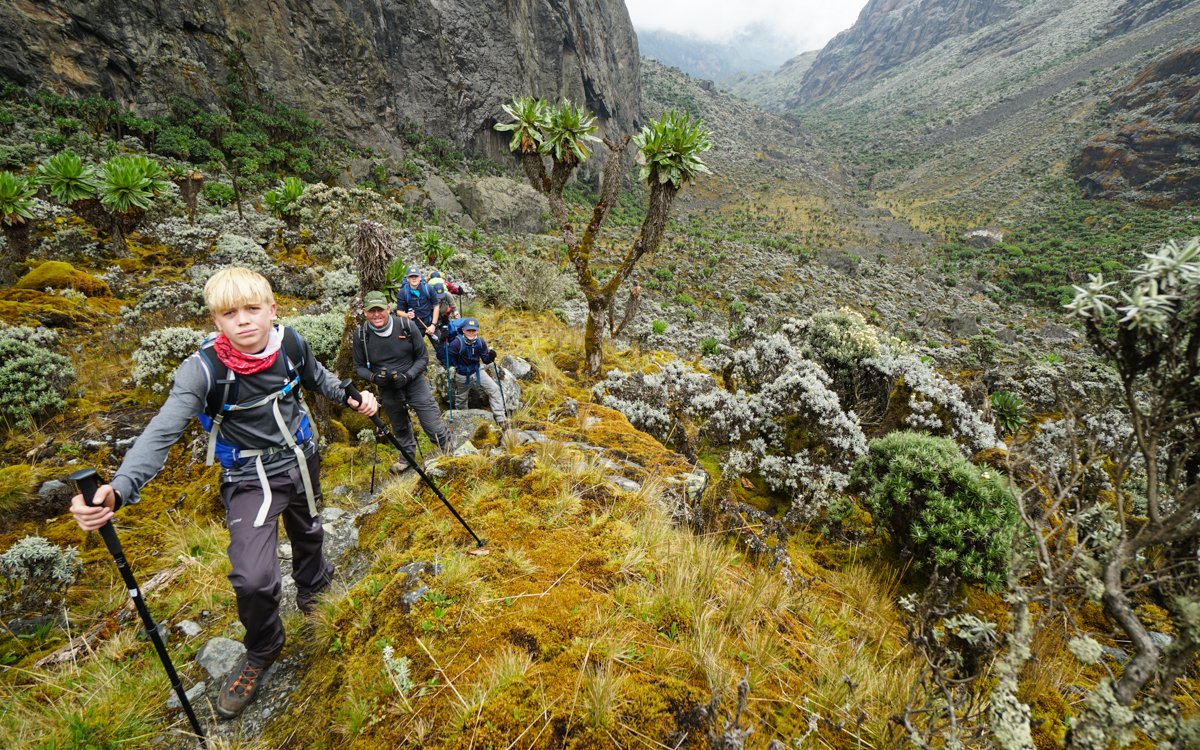 Trekker’s Hostel (1,450 meters): Comfort before the Climb
Trekker’s Hostel is where the Kilembe adventure begins. Located at 1,450 meters, it offers a relaxed and organized environment before entering the mountains.
The accommodation here is more structured compared to the camps higher up. There are three single rooms offered on a bed-and-breakfast basis, along with three double rooms and two twin rooms under the same arrangement. For groups or budget travelers, a five-bed dormitory is also available, provided on a bed-only basis.
There is also a camping ground for those who prefer to bring their own tents. This flexibility makes the hostel suitable for different types of hikers.
Spending a night here allows you to prepare properly. You can sort your gear, rest well, and begin your trek fully ready for the days ahead.
Sine Camp (2,596 meters): Rainforest Living with Waterfall Beauty
Sine Camp sits at 2,596 meters within a rich tropical rainforest zone. The journey to this camp is filled with dense vegetation and fresh mountain air. Just before arrival, Enock Falls welcomes you, located only a short distance from the camp.
The camp includes four wooden cabins and shared washrooms, supported by solar lighting. The surrounding plant life is diverse, including Fauria saligna, Podocarpus milanjianus, ferns and Scadoxus cyrtanthiflorus.
Like several lower camps, Sine Camp does not have a permanent dining structure. Meals are served on arranged tables outdoors. When it rains, a temporary tent is set up to provide shelter during mealtime.
The camp has two huts with eight beds each, allowing a maximum of sixteen hikers per night. This setup keeps the environment organized and not overcrowded.
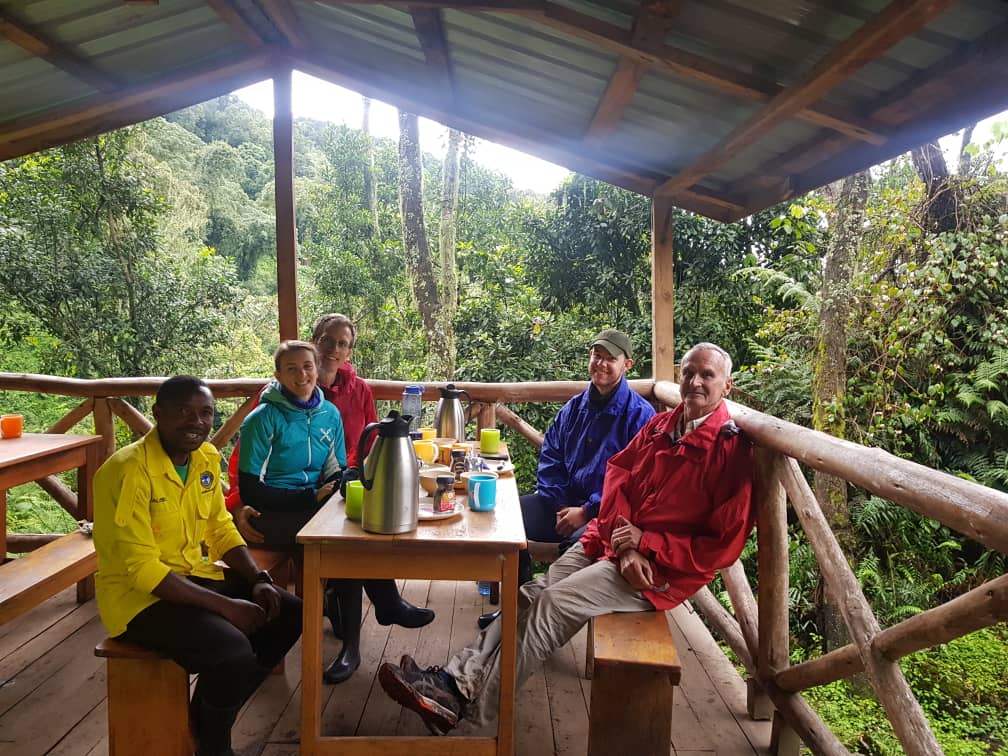 Forest View Camp (2,580 meters): Quiet Shelter in the Trees
Forest View Camp, located at an altitude of 2,580 meters, provides a quiet and restful stop along the trail, surrounded by dense, lush forest. It is especially appealing to hikers who prefer a calm atmosphere away from crowded camps, offering a more peaceful connection with nature. The environment is filled with fresh mountain air, the sounds of birds, and the gentle rustling of trees, creating a soothing setting after a long day of trekking.
The camp is designed in a simple and practical way, similar to other lower-altitude camps on the route. It features two wooden huts that can accommodate up to sixteen guests in total, ensuring that the number of visitors remains manageable and the space does not feel overcrowded. This limited capacity allows for a more comfortable and organized overnight experience.
Forest View Camp does not have a permanent dining structure. Instead, meals are served at outdoor tables, allowing hikers to enjoy their food while taking in the surrounding scenery. When the weather changes, a temporary shelter is quickly set up to protect guests from rain.
Overall, the peaceful surroundings and basic.
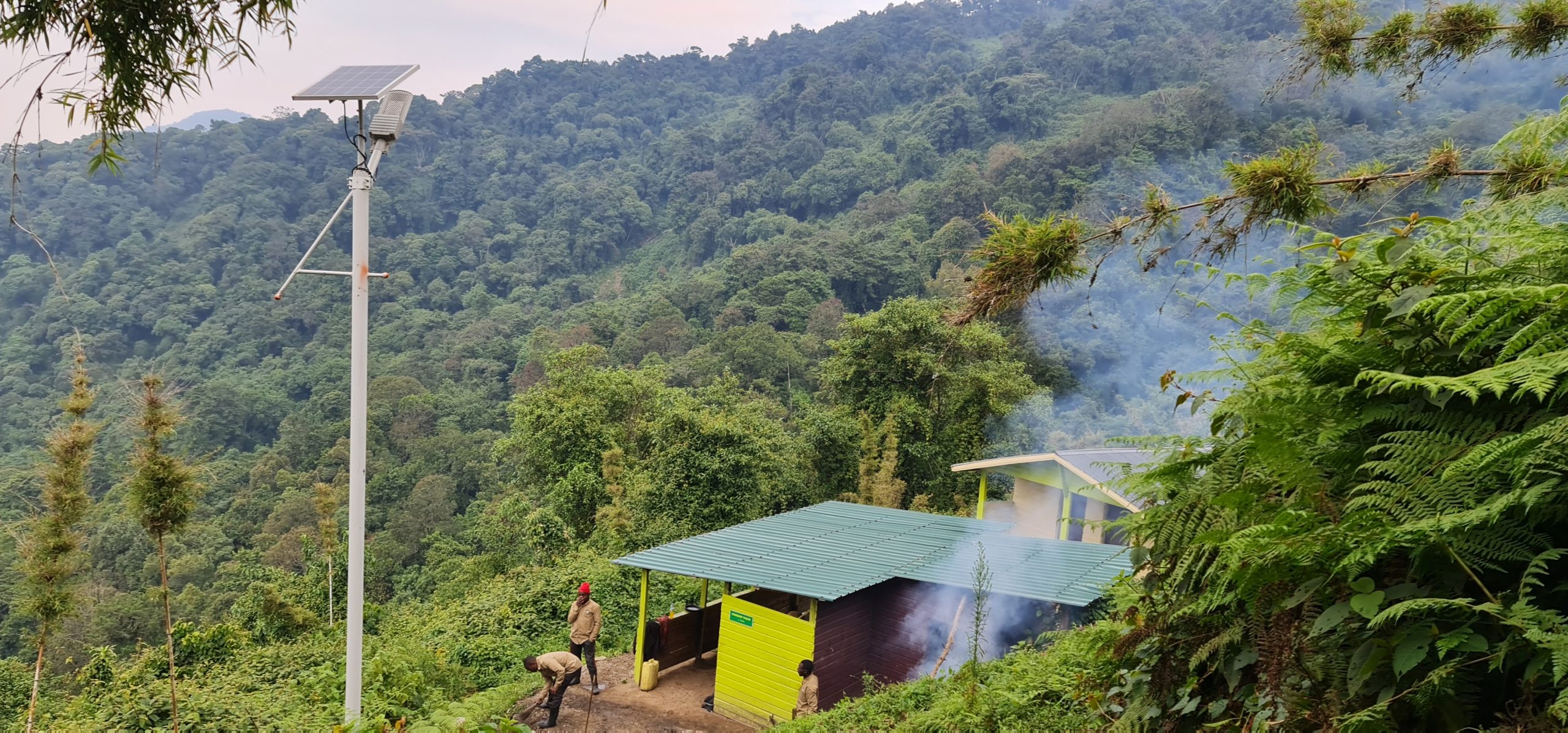 Samalira Camp (3,170 meters): A Gentle Transition Point
Samalira Camp is located at an elevation of about 3,170 meters along the Kilembe Trail within the Rwenzori Mountains National Park. It serves as an important mid-altitude stop where hikers begin to experience a clear transition from dense forest into more open, highland terrain. As the ascent continues, the vegetation becomes less thick, replaced by smaller plants and wider, more open views of the surrounding mountainside. The air also becomes noticeably cooler and lighter, showing that the altitude is steadily increasing.
The camp is simple but well suited for overnight stays, providing a practical place for rest and recovery before the more demanding sections of the trail. One of its unique features is a small garden of short lobelia plants around the Samalira hut, adding a distinctive alpine touch to the campsite environment.
Samalira Camp is also known for its calm and spacious setting, which allows hikers to relax after a long day of trekking. During dinner, visitors can enjoy views of the nearby Samalira Falls, which adds a scenic and memorable experience to the evening. This combination of comfort, natural beauty, and altitude adjustment makes Samalira Camp an important and refreshing stop on the journey upward
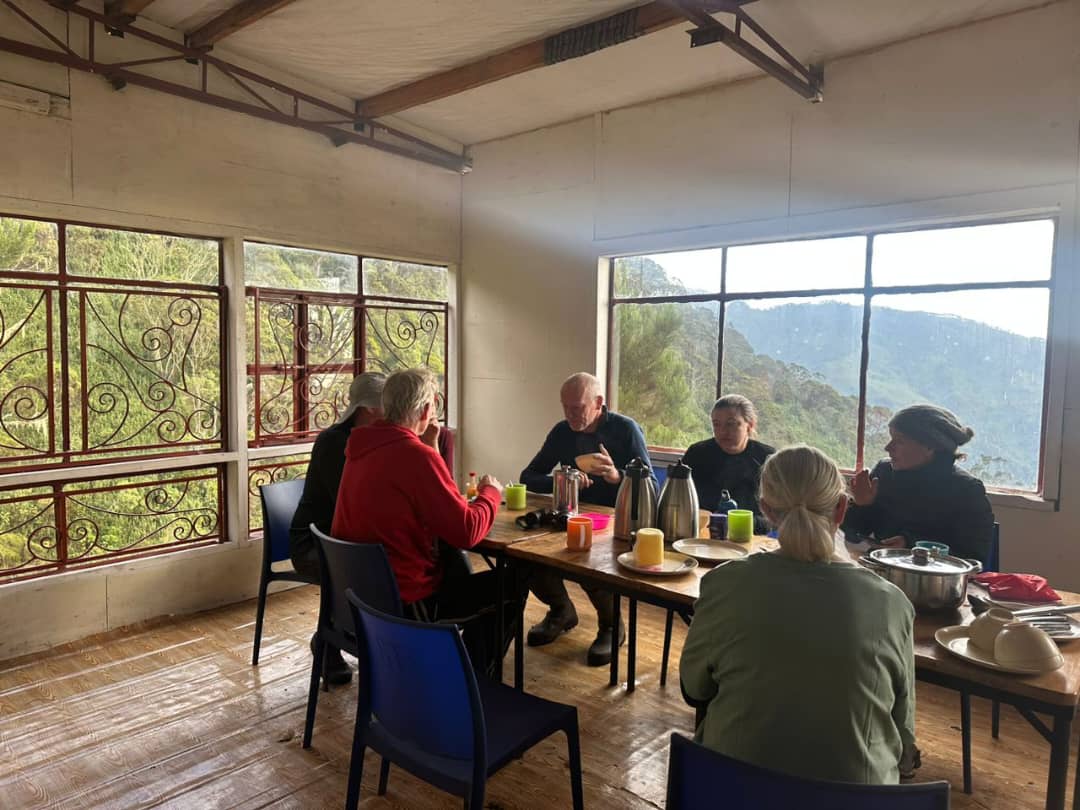 Kalalama Camp (3,134 meters): Expansive Views and Open Skies
Kalalama Camp is located at an altitude of approximately 3,134 meters along the Kilembe Trail within the Rwenzori Mountains National Park. It sits on a ridge between the bamboo zone and the heather zone, serving as an important transitional stop for hikers as they move into higher elevations. From this elevated position, trekkers are treated to wide, far-reaching views that include Kilembe town, Kasese town, and, on clear days, parts of Queen Elizabeth National Park.
The surrounding landscape is dominated by giant heather trees mixed with mosses and lichens, giving the area a rich, textured appearance. The environment is generally cool, open, and peaceful, with broad horizons that create a strong sense of space and altitude.
Kalalama Camp is also known for occasional sightings of the colorful Rwenzori turaco, which adds to the natural charm of the area. The camp is commonly used as a resting point or an alternative first-night stop instead of Sine Camp. It offers simple accommodation in two huts with a total of sixteen beds. Meals are served outdoors, with a temporary shelter used during rain, and basic solar lighting provides limited evening comfort.
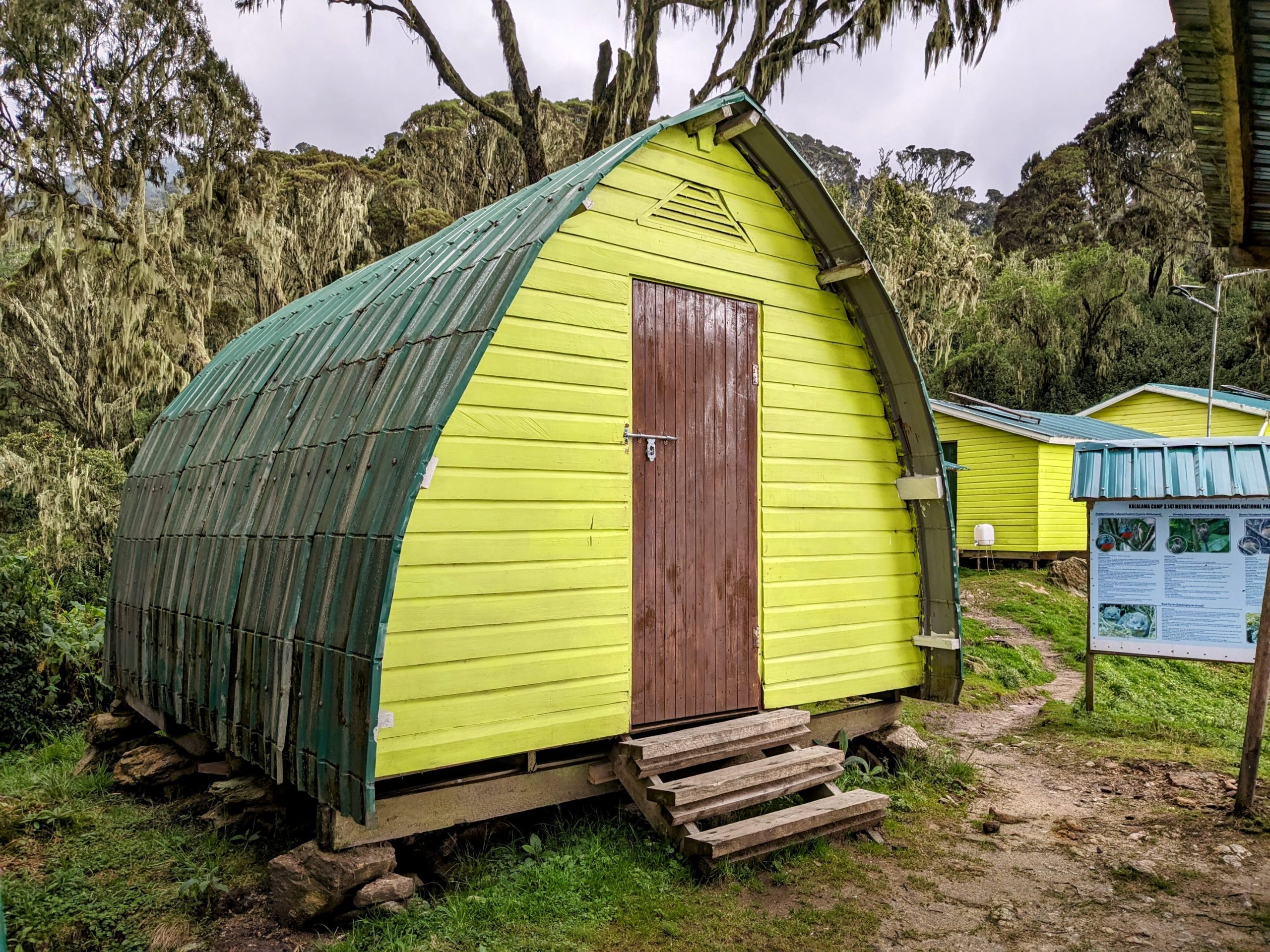 Kiharo Camp (3,430 meters): A Quiet and Undisturbed Stop
Kiharo Camp is situated in the heather zone of the Rwenzori Mountains National Park at an elevation of about 3,430 meters. It is an important stop along the Kilembe Trail, often used during the descent from Weismann’s Peak. The camp is set within the Nyamwamba Valley at the base of steep cliffs, creating a dramatic mountain setting. A nearby waterfall, reachable on foot within a short walk, adds to the beauty and attraction of the area.
The surrounding vegetation is typical of high-altitude heather environments, featuring giant heather trees covered in moss, lichens, and climbing plants. This creates a rich and textured landscape that feels both rugged and peaceful. Compared to lower forest zones, the terrain here is more open, allowing clearer views of the valley and surrounding rock formations.
Kiharo Camp is built for comfort in a remote location. It consists of two cabins, each accommodating up to eight people in bunk beds. Basic facilities include long-drop toilets, bucket showers, and a small solar power system that allows limited charging of devices.
The area is also excellent for bird watching. Species such as the Rwenzori turaco are commonly spotted, and the camp is especially good for observing the colorful Malachite Sunbird feeding on lobelia flowers. Due to its quiet atmosphere and low number of visitors, Kiharo Camp is ideal for hikers seeking solitude, reflection, and a slower, more intimate mountain experience
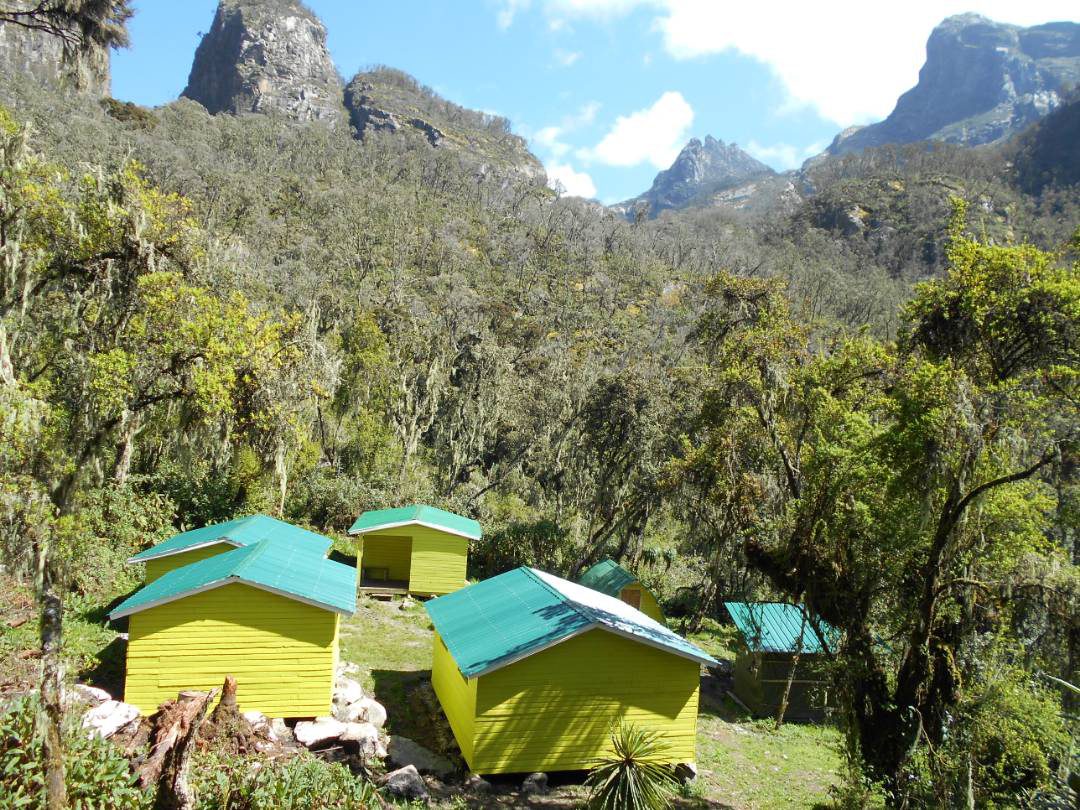 Mutinda Camp (3,596 meters): Streams, Plants, and Scenic Lookouts
Mutinda Camp is located in the Heather–Rapanea zone of the Rwenzori Mountains at an altitude of 3,596 meters above sea level. It is accessed through the Kilembe Trail and sits above the bamboo forest belt, marking entry into a true high-altitude environment. This area is known for its cool temperatures, frequent mist, and unique alpine vegetation, making it one of the most scenic and ecologically rich sections of the trek.
The landscape is dominated by giant heather trees covered in moss and lichen, along with striking plants such as giant lobelias and dendrosenecios. These plants create a dramatic, almost surreal setting that reflects the harsh but beautiful conditions of the high mountains. The camp is also situated near a small river and a waterfall, which add a calming natural soundscape to the surroundings. Visitors may occasionally spot rock hyrax.
Mutinda Camp is often used as an acclimatization stop for hikers heading toward higher peaks like Margherita. A short climb from the camp leads to Mutinda Lookout, a viewpoint that offers sweeping panoramas of valleys, distant peaks, Kasese town, and even Lake George on clear days.
Accommodation consists of shared wooden cabins, with two huts holding eight beds each for a total of sixteen guests. Basic washing facilities are available, and meals are served outdoors with temporary shelter provided during rain. This combination of scenery, comfort, and altitude makes Mutinda Camp both a practical and memorable stop on the journey.
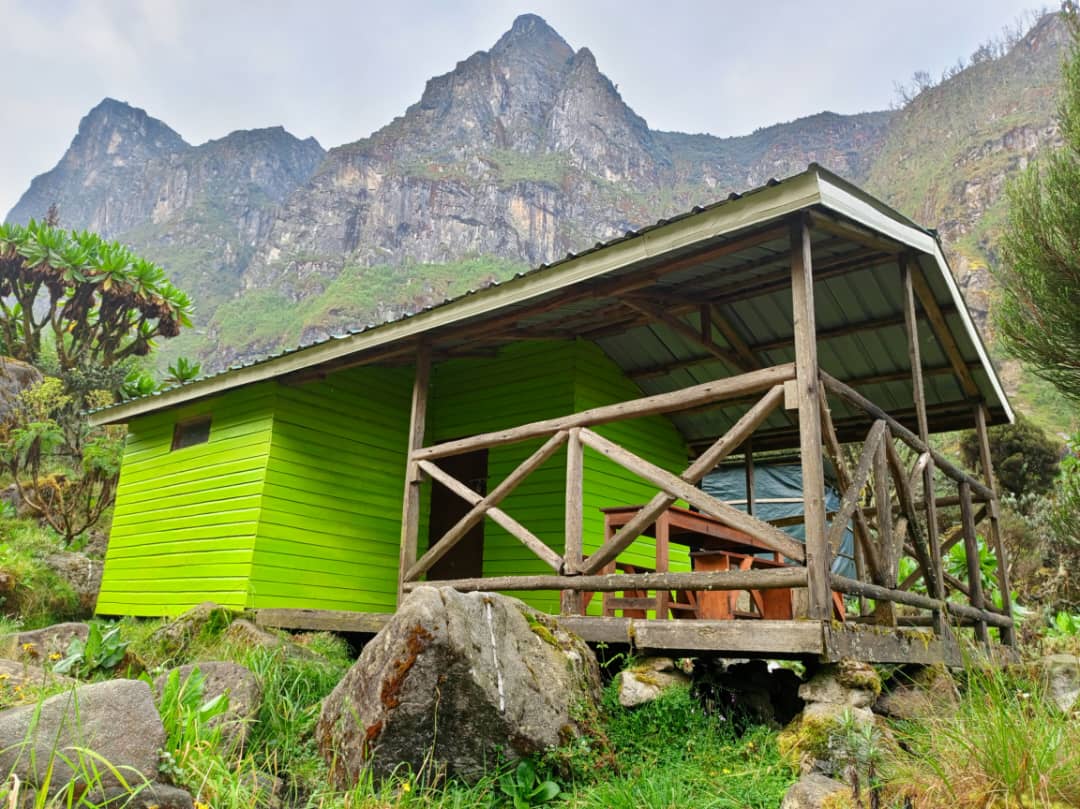 Hunwick’s Camp (3,874 meters): Remote Views and Alpine Silence
Hunwick’s Camp is situated in the Afro-alpine zone of the Rwenzori Mountains National Park at an elevation of about 3,874 meters above sea level. It forms an important high-altitude stop along the Kilembe Trail (Southern Circuit) and is usually reached after a challenging descent through steep terrain and deep valleys. Before arriving at the camp, trekkers often cross the Bamwanjara Pass, which rises to around 4,450 meters and is one of the demanding sections of the route. This makes Hunwick’s Camp a crucial point for rest and recovery after a tough mountain crossing.
The camp is located in a remote moorland environment that is frequently covered in mist, giving it a dramatic and almost surreal atmosphere. The landscape is rugged, open, and largely untouched, creating a strong sense of isolation that appeals to hikers seeking solitude. Vegetation here includes thick mosses, giant lobelias, giant groundsels, and tussock grasses, all adapted to the extreme high-altitude conditions.
From the camp, there are wide views of major peaks such as Mount Stanley, Mount Baker, and Weismann’s Peak, as well as deep valleys like Kacholpe. On clear days, the scenery can extend toward distant areas of the Democratic Republic of Congo at just 10 minutes’ walk from the camp.
Hunwick’s Camp is equipped with sturdy wooden huts fitted with bunk beds, offering basic but reliable shelter. It is commonly used as a staging point for further climbs toward Oliver’s Pass and Scott Elliott’s Pass, playing a key role in acclimatization and summit preparation
Bugata Camp (4,100 meters): High-Altitude Lakes and Peaks
Bugata Camp is located in the Afro-alpine moorland zone of the Rwenzori Mountains National Park at an elevation of 4,100 meters above sea level. It is an important high-altitude stop along the Kilembe Trail, usually reached after a demanding ascent through boggy valleys and steep ridges. The journey to the camp is physically challenging, but it rewards hikers with one of the most dramatic landscapes in the entire mountain range.
The camp is set on a rocky ridge along the Bamwanjara Pass and overlooks the famous “valley of nine glacier lakes.” Among these is Bugata Lake, known for its distinctive shape, as well as other nearby alpine lakes such as Lake Kopello. The scenery is wide, open, and striking, offering uninterrupted views of surrounding peaks like Keki Peak and distant glacier formations.
The environment is typical of the Afro-alpine zone, with cold temperatures, frequent mist, and specialized vegetation. Plant life includes giant lobelias, giant groundsels, tussock grasses, and everlasting flowers, all adapted to the harsh high-altitude conditions.
Bugata Camp consists of simple wooden cabin dormitories managed for trekkers, along with basic shared toilets and bucket shower facilities. It also serves as an important acclimatization point and a safety base, with a helipad available for emergency operations.
Overall, staying at Bugata Camp feels like entering a completely different world, where raw wilderness, altitude, and silence define the experience.
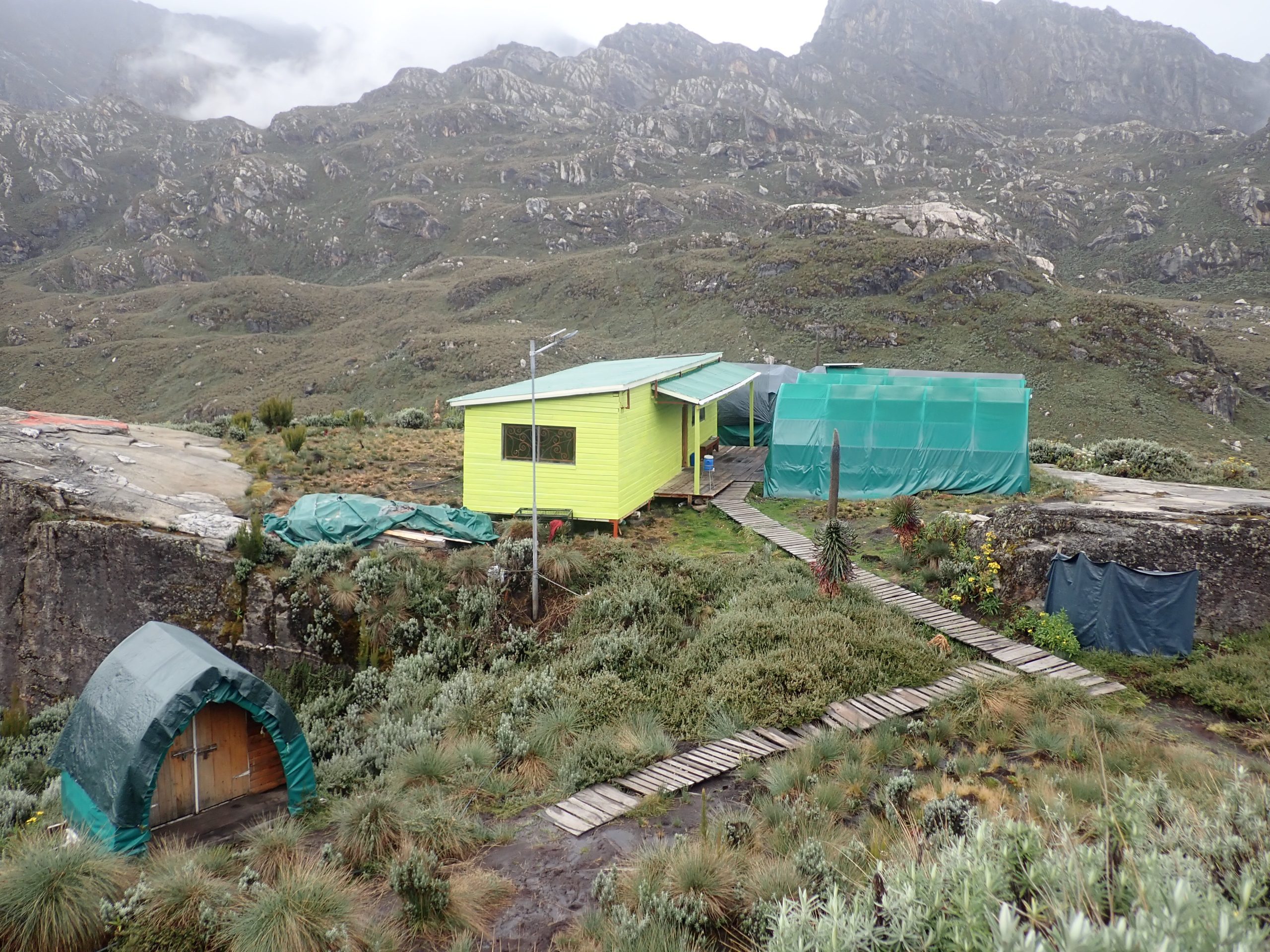 Margherita Camp (4,495 meters): The Final High Camp
Margherita Camp is located in the Alpine (Afro-alpine) zone of the Rwenzori Mountains National Park at an elevation of about 4,495 meters above sea level. It is the highest camp on the Kilembe Trail and serves as the final and most important base before attempting the ascent to Margherita Peak, which rises to 5,109 meters. Trekkers usually reach this camp after a demanding climb from Hunwick’s Camp and use it as a critical preparation point for the summit push.
The camp is positioned on a rocky ridge of Mount Stanley, sheltered among large boulders that help reduce exposure to the extremely cold and often strong winds common at this altitude. The environment is harsh and mostly barren, with very limited vegetation made up only of hardy alpine plants. Snow can also be experienced in this area during the wetter periods, especially from April to May and again from October to November.
From Margherita Camp, hikers enjoy dramatic views of the Kitandara Valley, Mount Speke, Scott Elliot Pass, and the glacier-covered peaks of Mount Stanley. Historically, this is also the same area where early explorers, including the Duke of the Abruzzi, set up camp during early expeditions in 1906.
Accommodation consists of simple dormitory-style wooden huts with basic facilities, including solar lighting and clean toilets. The camp is extremely cold, and climbers typically start their final summit attempt around 3:00 AM, aiming to reach Margherita Peak by around 10:00 AM and descend back to camp by 11:00 AM. A night here is challenging but marks the unforgettable climax of the Kilembe Trail experience
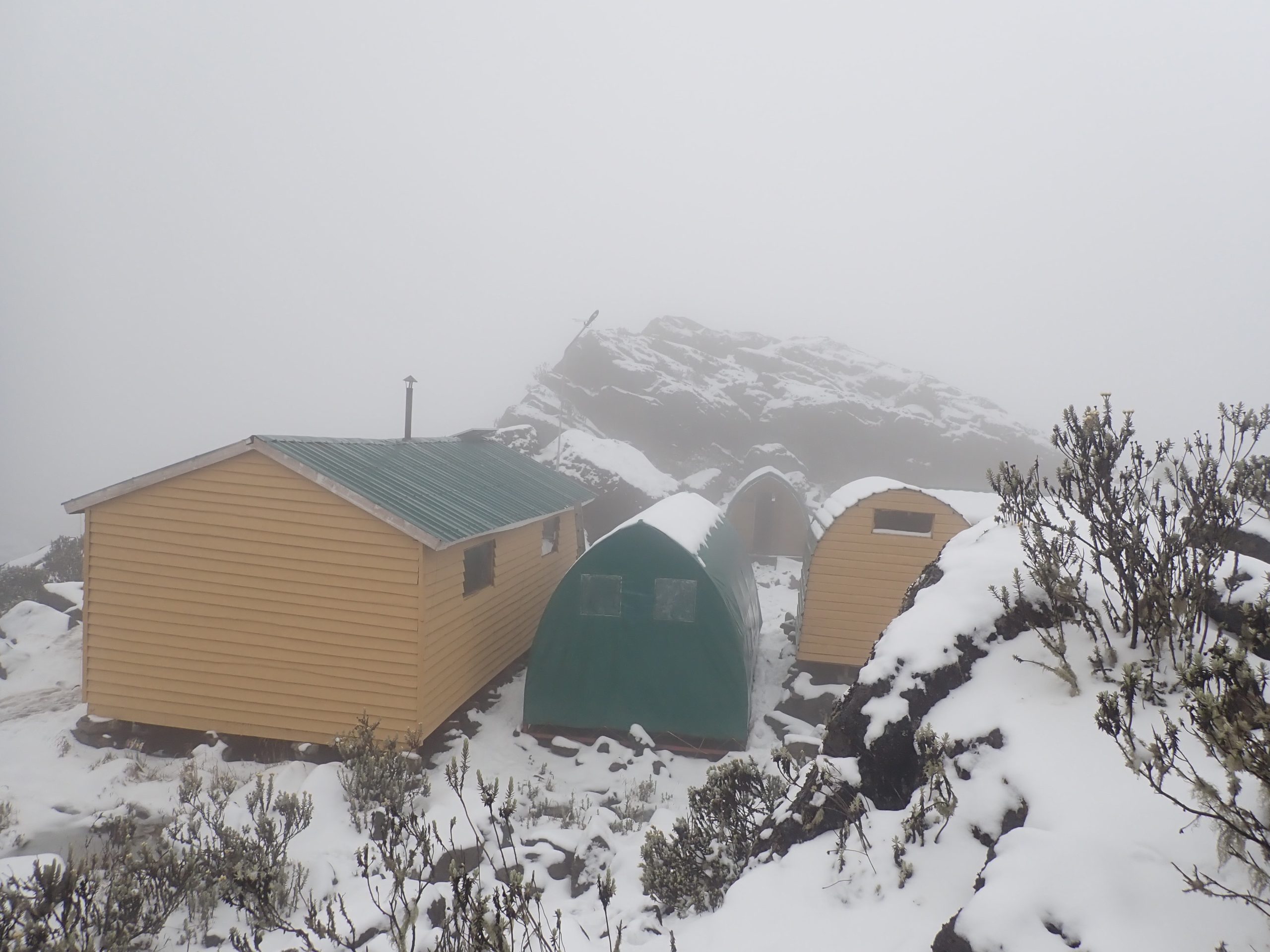
Below is the Margherita camp in April, May, October and November.
Final Thoughts: Every Night Shapes the Journey
The Kilembe Trail is shaped by the sequence of its overnight camps, each one marking a distinct stage of the ascent. As trekkers move from lower forested areas to high, rugged alpine terrain, every stop introduces a new environment, different weather conditions, and a fresh perspective of the mountains.
Accommodation along the route is intentionally simple and well-organized, with small capacities and basic meal arrangements. This practical setup helps manage foot traffic on the trail while ensuring hikers have safe and reliable places to rest. Being aware of what each camp offers also allows for better preparation, smoother pacing, and a more enjoyable trekking experience.
Each night on the trail feels different, whether spent in quiet forest surroundings or in cold, exposed high-altitude camps. These changing conditions add depth to the journey and highlight the natural diversity of the route. With proper planning and readiness, the overnight stays become not just a necessity, but one of the most memorable and meaningful parts of the entire Kilembe Trail adventure.