

Kilembe Trail vs Bukurungu Trail in the Rwenzori Mountains: Which Path Offers the Ultimate Adventure?
Kilembe Trail vs Bukurungu Trail in the Rwenzori Mountains: Which Path Offers the Ultimate Adventure? It is a question many hikers ask when planning a journey into Uganda’s most spectacular mountain range. The Rwenzori Mountains are unlike any other hiking destination in Africa. Towering peaks rise above the clouds, alpine valleys stretch into the distance, and unique vegetation creates landscapes that seem almost unreal. Every trail reveals a different side of this remarkable wilderness.
For decades, the Kilembe Trail has been known as one of the most popular routes into the Rwenzori Mountains. Its network of mountain camps, dramatic scenery, and direct access to famous alpine regions have made it a favorite among trekkers from around the world. The Bukurungu Trail, however, is quickly gaining attention as an alternative route that offers a quieter and more immersive mountain experience.
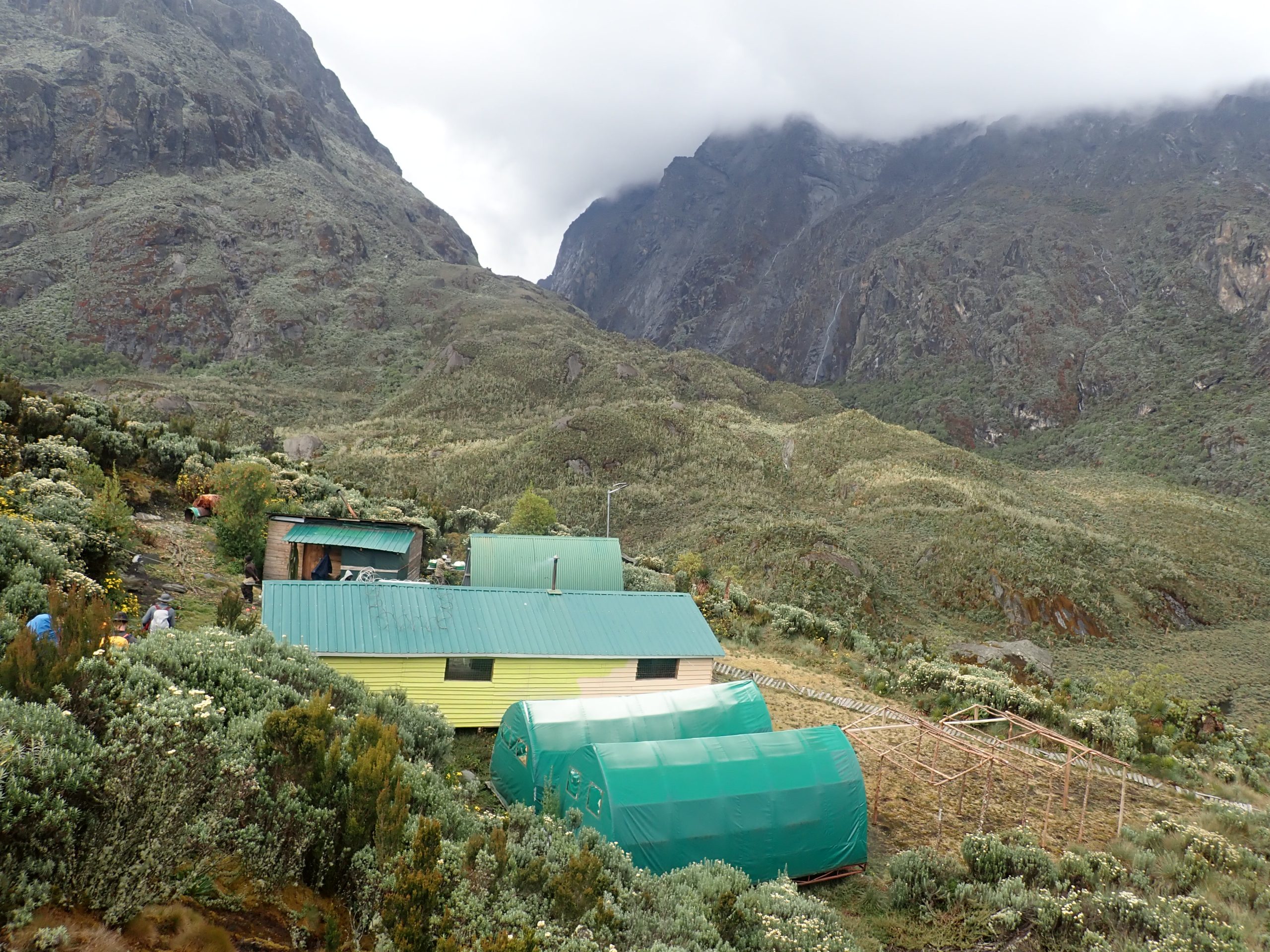
Both trails eventually provide access to the legendary Margherita Peak, the highest point in Uganda. Each route requires approximately eight days to complete a summit expedition, yet the journey feels very different depending on the path chosen. One route introduces hikers to iconic camps and well-known landmarks. The other presents hidden valleys, peaceful wilderness, and a stronger sense of exploration.
Choosing between the Kilembe Trail and the Bukurungu Trail is not simply about reaching a destination. It is about deciding how you want to experience the Mountains of the Moon. Understanding the differences between scenery, accommodation, atmosphere, wildlife, difficulty, and overall adventure will help you select the route that best matches your expectations.
Exploring the Legendary Kilembe Trail: The Classic Rwenzori Adventure
The Kilembe Trail has become synonymous with classic Rwenzori trekking. Starting near Kilembe, the route gradually climbs through several vegetation zones before reaching the alpine regions that define the upper mountains. Many hikers choose this trail because it offers a structured and well-established trekking experience.
One of the most impressive features of the Kilembe Trail is its variety. The journey begins in dense tropical forest where birds fill the air with song and monkeys move through the trees. As altitude increases, the environment transforms. Bamboo forests appear along the trail, followed by giant heather zones and high-altitude bogs filled with giant lobelias and groundsels.
Every stage introduces something new. A hiker may spend the morning crossing rivers beneath thick forest canopies before reaching open ridges with panoramic mountain views later in the day. These constant changes make the trail exciting from beginning to end.
The route is also known for connecting trekkers to famous mountain camps such as Sine Camp, Mutinda Camp, Bugata Camp, Hunwick’s Camp, and Margherita Camp. These locations have become landmarks in their own right and are often highlights of the trekking experience.
For hikers who want to explore the most recognized sections of the Rwenzori Mountains while enjoying a well-organized trekking route, the Kilembe Trail remains one of the strongest options available.
Into the Untamed Wilderness: The Hidden Beauty of the Bukurungu Trail.
The Bukurungu Trail offers a completely different style of adventure. Rather than following a route known by many visitors, it leads hikers through quieter and less-explored sections of the Rwenzori Mountains. The experience feels more remote, more personal, and often more connected to nature.
One of the first things trekkers notice is the sense of solitude. Unlike busier routes, the Bukurungu Trail allows visitors to spend long periods immersed in wilderness without encountering many other hikers. The silence creates an atmosphere that many adventurers find deeply rewarding.
The landscapes along the trail are equally impressive. Forested hillsides, remote valleys, mountain streams, and open ridges create an environment filled with natural beauty. The scenery unfolds gradually, encouraging hikers to slow down and appreciate the details around them.
The trail also provides opportunities to experience the cultural side of the Rwenzori region. Communities living near the mountains contribute to the character of the journey. Travelers gain insight into local traditions while enjoying one of Uganda’s most beautiful natural environments.
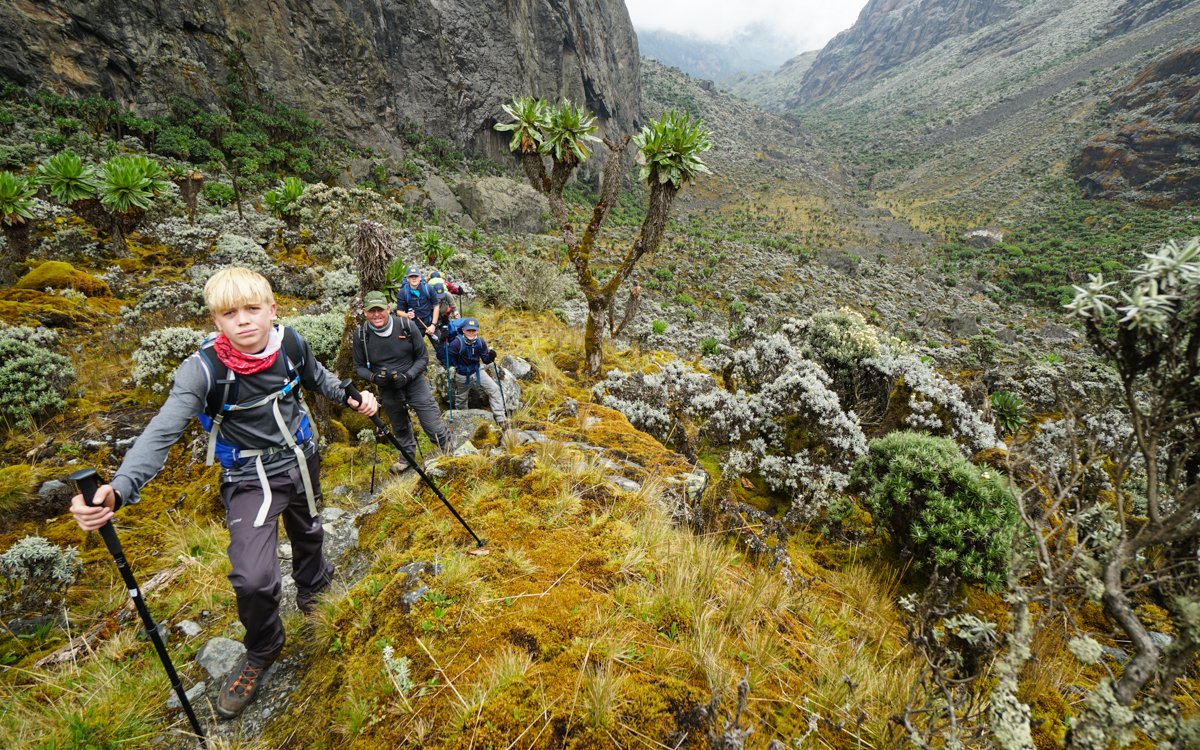 Many hikers describe the Bukurungu Trail as a hidden gem. Rather than focusing on famous landmarks, it emphasizes exploration and discovery. Every section feels like a new chapter in an unfolding adventure.
For travelers seeking a quieter alternative to traditional trekking routes, the Bukurungu Trail offers an unforgettable experience that combines wilderness, culture, and mountain beauty.
Scenery Comparison: Which Trail Delivers the Most Spectacular Views?
The Rwenzori Mountains are famous for their extraordinary landscapes, and both trails showcase this beauty in different ways. Deciding which route offers better scenery often depends on personal preferences.
The Kilembe Trail is known for dramatic alpine views and iconic mountain environments. Giant groundsels rise above misty valleys while rugged peaks dominate the skyline. Wooden boardwalks cross mountain bogs, waterfalls cascade through rocky valleys, and glacial scenery appears at higher elevations.
For example, a trekker approaching Margherita Camp may witness clouds drifting between towering peaks. Such scenes have become symbols of the Rwenzori Mountains and attract photographers from around the world.
The Bukurungu Trail presents a different type of beauty. Rather than focusing on famous alpine landmarks, it highlights the untouched character of the mountain wilderness. Forests extend across valleys, rivers carve through remote landscapes, and ridges provide sweeping views of the surrounding terrain.
Many hikers appreciate the feeling of exclusivity offered by the Bukurungu Trail. Instead of sharing viewpoints with large groups, visitors often enjoy entire sections of the mountains to themselves.
Neither trail lacks beauty. The Kilembe Trail provides dramatic and iconic mountain scenery, while the Bukurungu Trail offers peaceful and less-explored landscapes. The choice depends on the type of visual experience a traveler hopes to enjoy.
Wildlife and Nature Encounters on Both Trails
Wildlife plays an important role in every Rwenzori hiking experience. The mountains support a rich ecosystem that changes with altitude. Both trails offer opportunities to encounter fascinating species, although the experiences differ slightly.
The lower sections of the Kilembe Trail pass through lush forests where black-and-white colobus monkeys, blue monkeys, and numerous bird species may be seen with the Rwenzori Turaco bird. Colorful butterflies often accompany hikers along forest paths. Higher elevations reveal unique plant communities found nowhere else in the world.
The Bukurungu Trail also supports impressive biodiversity. Its quieter environment often increases opportunities for wildlife observation. Birdwatchers particularly appreciate the route because fewer disturbances allow species to behave naturally. Forest sounds become a constant companion throughout the trek.
One hiker may spend several minutes watching a monkey family move through the trees while another may spot rare birds feeding along a mountain stream. These moments create lasting memories and deepen the connection between visitors and the natural environment.
The diversity of life found along both trails reminds travelers that the Rwenzori Mountains are far more than a hiking destination. They are one of Africa’s most important ecological treasures.
Accommodation on the Kilembe Trail
Accommodation is one of the strongest advantages of the Kilembe Trail. The route features an established network of mountain camps designed specifically to support multi-day trekking expeditions. These camps provide organized resting points throughout the journey.
Popular camps include Sine Camp, Mutinda Camp, Bugata Camp, Hunwick’s Camp, and Bujuku Camp. Each serves as a comfortable stop where hikers can rest, eat, and prepare for the next stage of the trek.
For example, after a challenging climb through the bamboo zone, and heather zone arriving at Mutinda Camp offers an opportunity to relax while enjoying spectacular mountain views. Similar experiences await throughout the route.
The camps help simplify logistics and provide reassurance for hikers who prefer structured trekking arrangements. Many first-time visitors appreciate knowing that accommodation has been carefully planned along the entire route.
The established camp network contributes significantly to the popularity of the Kilembe Trail and enhances the overall trekking experience.
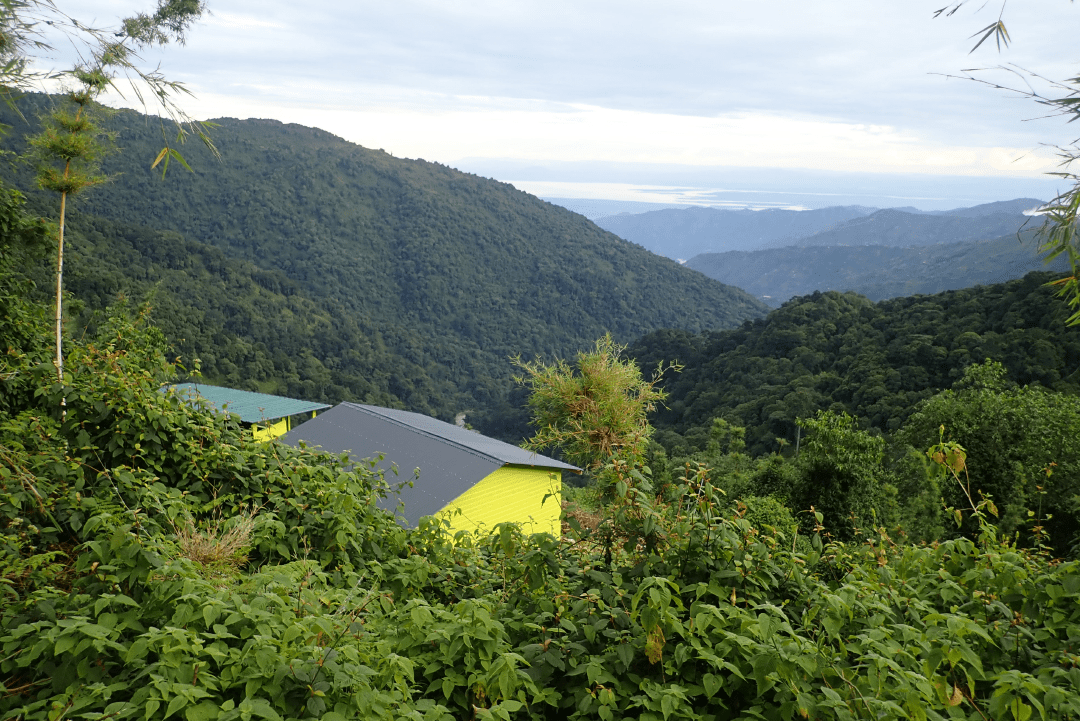 Accommodation on the Bukurungu Trail
Accommodation along the Bukurungu Trail is designed to complement the remote and adventurous nature of the Rwenzori Mountains. Rather than staying in large mountain lodges, trekkers spend their nights at a series of scenic mountain camps including Amundsen Community Camp, Kambeho Camp, Mughuli Camp, Lamia Camp, Bigo Camp, Irene Lakes Camp, Bujuku Camp, and Nyabitaba Camp.
Each camp offers a unique setting surrounded by forests, rivers, valleys, and dramatic mountain landscapes. As hikers progress higher into the mountains, the accommodation becomes increasingly immersed in nature, creating a true wilderness experience. Evenings are often spent enjoying breathtaking views, listening to flowing streams, and relaxing in the peaceful mountain environment.
A particularly rewarding aspect of the Bukurungu Trail is its strong connection to local communities. Camps such as Amundsen Community Camp contribute directly to community-based tourism initiatives, helping create employment opportunities and supporting conservation efforts in the region.
While the facilities are generally simple and comfortable rather than luxurious, they provide everything needed for a memorable mountain adventure. Many trekkers find that the authenticity of these camps enhances the overall experience with most of them needing tents to rent in them, allowing them to feel more connected to the Rwenzori Mountains. For visitors seeking a genuine wilderness trekking experience, the accommodation along the Bukurungu Trail is an unforgettable part of the journey.
Reaching Margherita Peak: Which Route Is Better?
For many adventurers, the ultimate goal in the Rwenzori Mountains is reaching Margherita Peak. Standing at 5,109 meters above sea level, this famous summit represents one of Africa’s greatest trekking achievements.
Interestingly, both the Kilembe Trail and the Bukurungu Trail typically require approximately eight days for a complete Margherita Peak expedition. The difference lies not in the duration but in the style of the journey.
The Kilembe Trail follows a more established route with well-known camps and recognized trekking stages. Many hikers appreciate the organized structure and familiarity of the trail. The progression toward the summit feels gradual and predictable.
The Bukurungu Trail provides a more exploratory approach. Although the summit can also be reached within eight days, the route emphasizes remote landscapes and wilderness experiences before connecting to higher mountain regions.
Imagine two hikers standing on Margherita Peak after eight days of trekking. One has traveled through famous alpine valleys and iconic camps. The other has crossed quieter landscapes and experienced a deeper sense of solitude. Both have reached the same summit, yet their journeys have been entirely different.
This contrast highlights the unique character of each trail and demonstrates why choosing a route involves more than simply counting days.
 Final Verdict: Which Path Offers the Ultimate Adventure?
The Kilembe Trail and Bukurungu Trail each reveal a different side of the Rwenzori Mountains. Neither route can be considered universally better because each caters to different types of travelers.
The Kilembe Trail is ideal for hikers seeking iconic scenery, established accommodation, famous mountain camps, and a traditional Rwenzori trekking experience. It offers a classic journey through some of the most celebrated landscapes in the Mountains of the Moon.
The Bukurungu Trail appeals to adventurers who value solitude, authenticity, cultural encounters, and remote wilderness. It transforms the trek into a deeper exploration of both nature and local heritage.
Both routes reach Margherita Peak in approximately eight days. Both showcase breathtaking scenery. Both create memories that last a lifetime. The real difference lies in how those memories are formed.
If your dream is to follow a renowned trail through famous alpine regions, the Kilembe Trail may be the perfect choice. If you prefer hidden valleys, quieter paths, and a stronger sense of discovery, the Bukurungu Trail could be your ideal adventure.
Whichever route you choose, the reward is the same: an unforgettable journey through one of Africa’s most extraordinary mountain landscapes, where every step reveals the timeless magic of the Rwenzori Mountains.
Conclusion
Choosing between the Kilembe Trail and the Bukurungu Trail ultimately comes down to the type of adventure you seek in the Rwenzori Mountains. The Kilembe Trail offers a classic trekking experience with established camps, iconic alpine scenery, and a well-developed route that has attracted hikers for many years. In contrast, the Bukurungu Trail provides a more remote and immersive journey, combining spectacular wilderness, authentic cultural encounters, and a stronger sense of exploration.
Both trails showcase the extraordinary beauty, biodiversity, and grandeur of the Rwenzori Mountains while providing access to Margherita Peak, Uganda’s highest summit. Whether you prefer the familiarity of a renowned trekking route or the excitement of discovering quieter and less-traveled landscapes, each trail promises unforgettable experiences and breathtaking scenery.
Whichever path you choose, you will be rewarded with a remarkable journey through one of Africa’s most unique mountain ranges, where dramatic landscapes, diverse ecosystems, and rich cultural heritage come together to create an adventure unlike any other.