

7 Days via Central Circuit vs 8 Days via Kilembe Trail: Which Route to Margherita Peak Gives the Best Rwenzori Adventure?
7 Days via Central Circuit vs 8 Days via Kilembe Trail: Which Route to Margherita Peak Gives the Best Rwenzori Adventure? This is one of the biggest questions travelers face when planning a trek to the highest point of the Rwenzori Mountains. Reaching Margherita Peak is far more than a mountain climb; it is a journey through one of Africa’s most extraordinary landscapes, filled with dense tropical forests, towering giant lobelias, deep valleys, icy glaciers, rushing streams, and rugged alpine terrain. Every section of the trail reveals a different side of the “Mountains of the Moon,” creating an adventure that is both challenging and unforgettable.
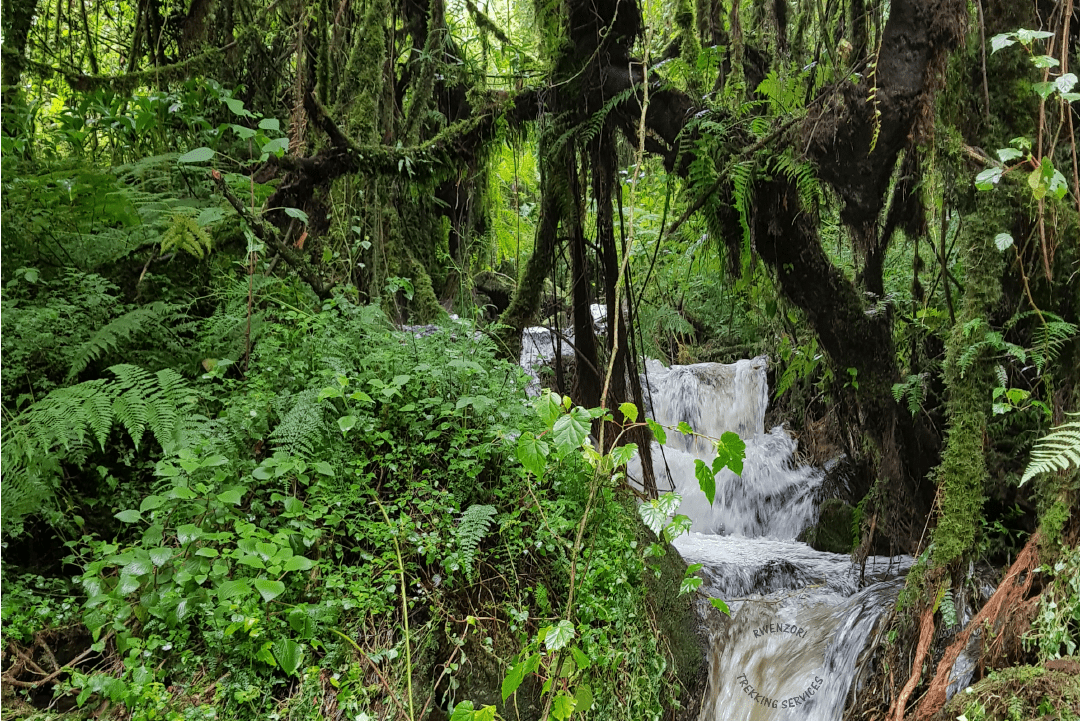 Although both the 7-day Central Circuit and the 8-day Kilembe Trail lead to the same snow-capped summit, the experiences along the way are remarkably different. The Central Circuit is often chosen for its direct approach and classic trekking route, while the Kilembe Trail is admired for its quieter paths, dramatic scenery, and more remote wilderness feel. Differences in trail conditions, elevation gain, accommodation, scenery, and trekking pace can greatly influence the overall hiking experience.
For trekkers deciding between the two routes, understanding what each trail offers is essential. This guide explores the unique character of both the Central Circuit and the Kilembe Trail, comparing their landscapes, difficulty levels, weather conditions, wildlife encounters, and overall trekking experience to help you choose the Rwenzori adventure that suits you best.
Understanding Margherita Peak and the Rwenzori Mountains
Margherita Peak stands at 5,109 meters above sea level on Mount Stanley in the Rwenzori Mountains. It is the third-highest mountain in Africa after Kilimanjaro and Mount Kenya. Unlike dry volcanic mountains, the Rwenzori range is filled with thick vegetation, wetlands, waterfalls, glaciers, and rocky valleys.
Many hikers call the Rwenzori Mountains the “Mountains of the Moon” because of their mysterious beauty. Clouds often cover the peaks, creating a magical atmosphere. The mountain ecosystem changes with altitude. Lower slopes contain tropical rainforest, while higher areas feature alpine vegetation and snow.
The hike to Margherita Peak is physically demanding. Steep climbs, muddy trails, cold weather, and high altitude challenge even experienced trekkers. However, the reward is extraordinary. Reaching the summit gives hikers breathtaking views across Uganda and the Democratic Republic of Congo.
The two main trekking routes are the Central Circuit and the Kilembe Trail. Both require good preparation, professional guides, and proper hiking gear. Although they end at the same summit, the experience on each trail is surprisingly different.
 The 7 Days Central Circuit Route
The Central Circuit is the oldest and most popular trail to Margherita Peak. It starts from Nyakalengija near the Rwenzori Mountains National Park gate. Many tour companies recommend this route because it is direct, organized, and slightly shorter than the Kilembe Trail.
The trek normally takes seven days. Hikers pass through montane forest, bamboo forests, heather zone, moss-covered valleys, alpine zones, and glacier areas before reaching the summit. The route uses a circular system, meaning trekkers ascend and descend through connected sections of the mountain.
The Central Circuit’s existing infrastructure is one of its main advantages. Several mountain huts provide accommodation along the route. The trail is also well known by guides and porters, making logistics easier for organized groups.
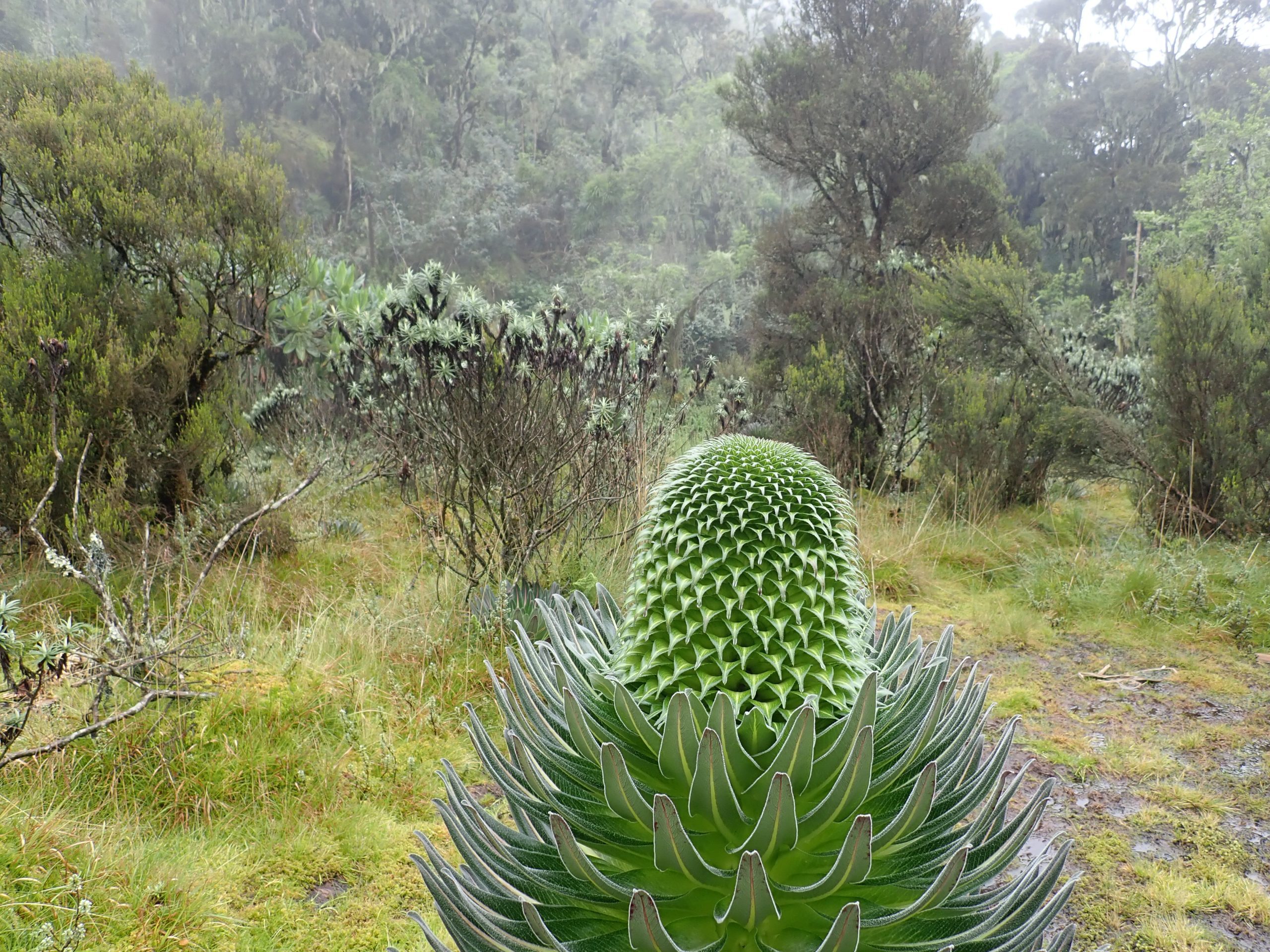
The scenery along the Central Circuit is spectacular. Trekkers cross the Bujuku Valley, one of the most beautiful sections of the Rwenzori Mountains. Giant groundsels and giant lobelias create a landscape that feels prehistoric. The route also provides excellent views of Lake Bujuku and Mount Stanley.
But during the peak hiking seasons, the path may get congested. Muddy sections are common, especially after heavy rain. Some hikers also find certain stages physically demanding because of steep climbs and slippery paths.
Despite the challenges, the Central Circuit remains a favorite option for travelers seeking a classic Rwenzori hiking experience with a shorter trekking schedule.
The 8 Days Kilembe Trail Experience
The Kilembe Trail offers a different style of adventure. This route begins from Kilembe near Kasese town and usually takes eight days to complete. Compared to the Central Circuit, the Kilembe Trail feels more remote and less crowded.
Many experienced hikers love this route because of its changing landscapes and peaceful atmosphere. The trail passes through dense forests, beautiful rivers, dramatic ridges, and wide alpine valleys. Trekkers often describe the Kilembe route as more scenic and diverse.
One outstanding feature of the Kilembe Trail is the variety of terrain. Hikers move through steep valleys, climb rocky ridges, and cross rivers using wooden bridges. The route also offers excellent viewpoints of the surrounding mountain ranges.
The additional trekking day helps hikers adjust better to the altitude. This slower pace can reduce exhaustion and improve summit success. Some trekkers find the Kilembe Trail more enjoyable because the daily hiking distances feel more balanced.
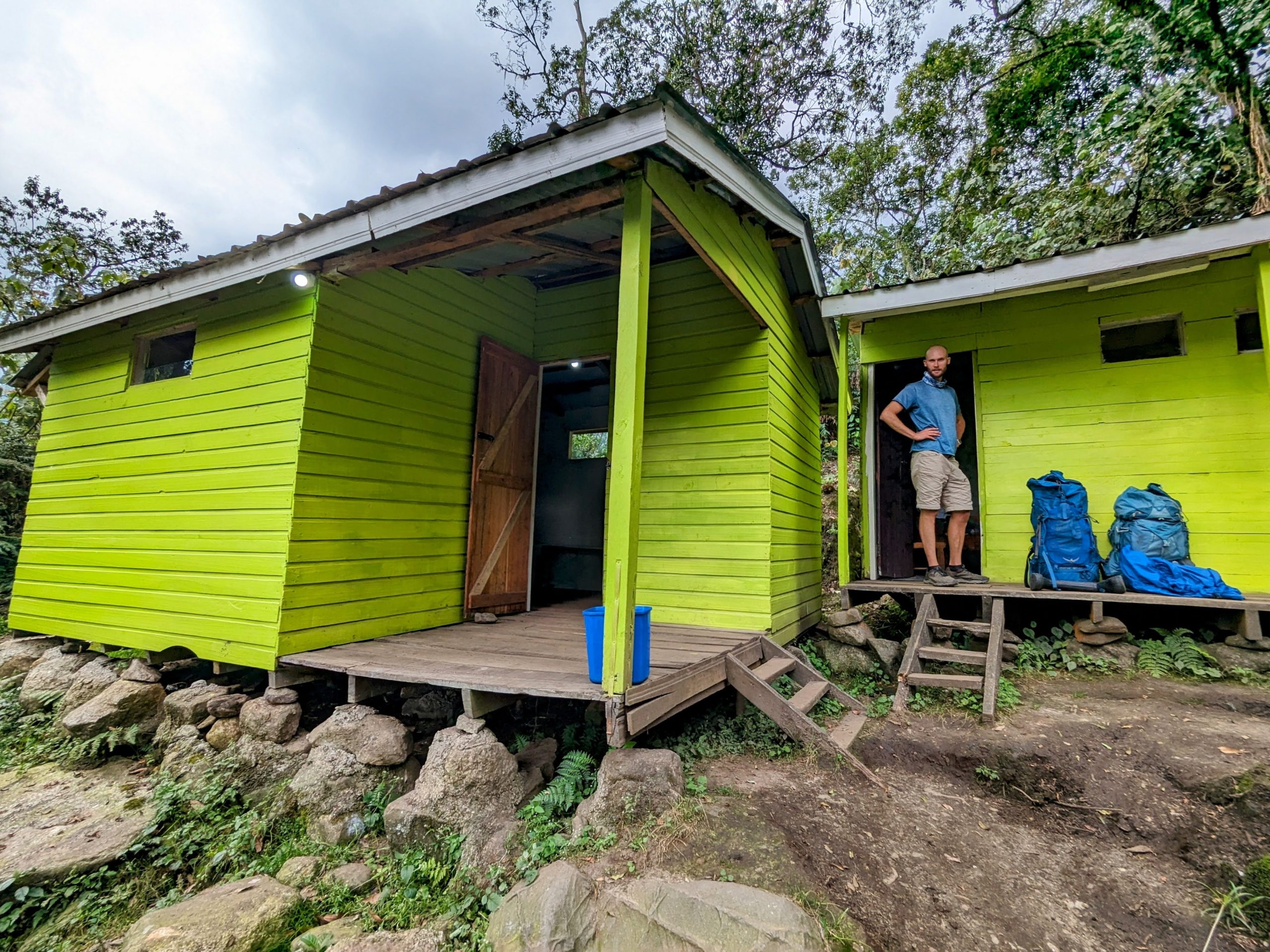
Accommodation along the route is provided in mountain camps and huts. While facilities are simpler in some areas, many hikers appreciate the authentic wilderness experience.
The Kilembe Trail can be more challenging during wet conditions because some sections become slippery and steep. Nevertheless, hikers who prefer quiet trails and dramatic scenery often consider this route the most rewarding path to Margherita Peak.
 Comparing the Difficulty Level of Both Routes
Reaching Margherita Peak through either the Kilembe Trail or the Central Circuit is a demanding adventure, though each route presents a different experience.
The Kilembe Trail is longer, covering about 70 km over eight days, which allows a slower and more gradual ascent. This extra time helps trekkers adjust better to the altitude and recover between hiking days. Daily walks are usually longer in distance but less intense in steepness, making the climb feel easier on the body despite certain rugged sections.
In contrast, the Central Circuit is shorter at around 50 km, but the steep climbs, rocky terrain, and muddy bog crossings can make it feel more physically challenging within a shorter time. Trekkers often move between camps more quickly, but the rapid elevation gain demands greater stamina and energy.
Both trails require good physical fitness, mental endurance, and proper preparation before the trek. Training through long walks, cardio exercises, and endurance workouts is highly recommended. Weather conditions in the Rwenzori Mountains also add to the difficulty, especially during rain when trails become slippery and muddy. Cold temperatures near the summit further increase the challenge, making reliable waterproof gear essential.
For hikers who prefer a steadier pace and more time for acclimatization, the Kilembe Trail is often considered more comfortable, while the Central Circuit is usually favored by experienced trekkers seeking a shorter but tougher expedition.
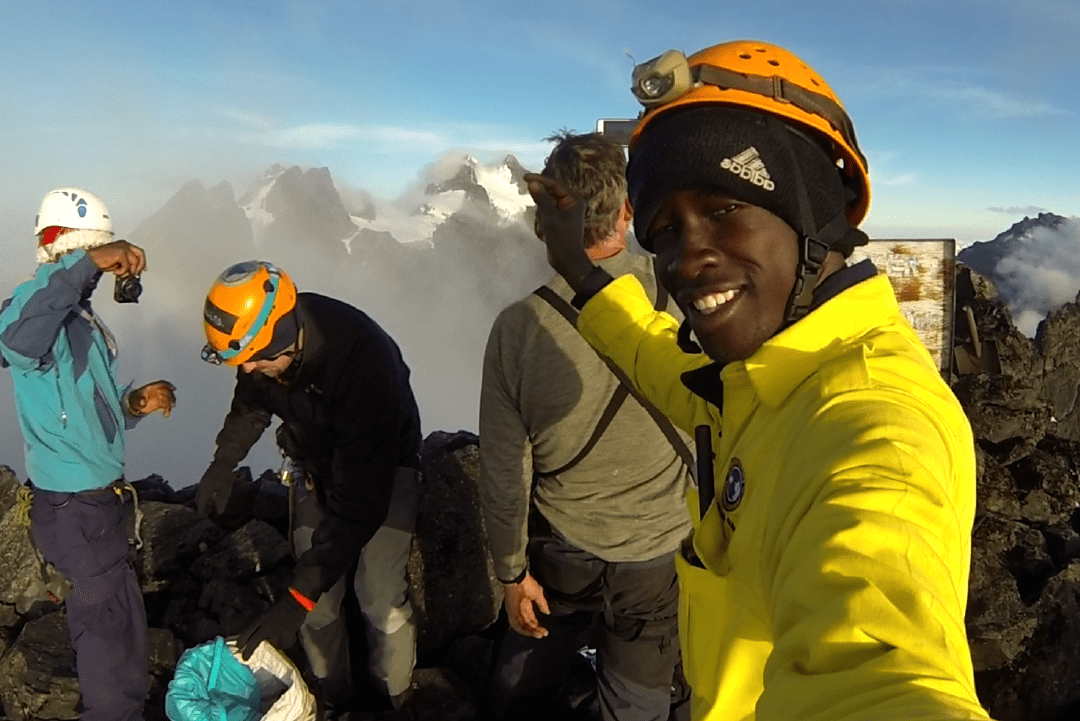
The final summit push is demanding on both routes. Climbers usually start before dawn and use crampons, harness, and ropes to cross glacier sections before reaching Margherita Peak.
Scenery and Photography Opportunities
The Rwenzori Mountains are among the most photogenic destinations in Africa. Both routes provide incredible scenery, but the visual experience differs.
The Bujuku Valley and Lake Bujuku are two of the Central Circuit’s most recognizable scenery. Hikers enjoy views of giant lobelias standing beside mist-covered mountains. Glacier views near Mount Stanley also create dramatic photography moments.
Wildlife sightings are possible along the Central Circuit. Trekkers sometimes encounter colorful birds, chameleons, monkeys, and unique alpine plants. The route offers many classic postcard views associated with the Rwenzori Mountains.
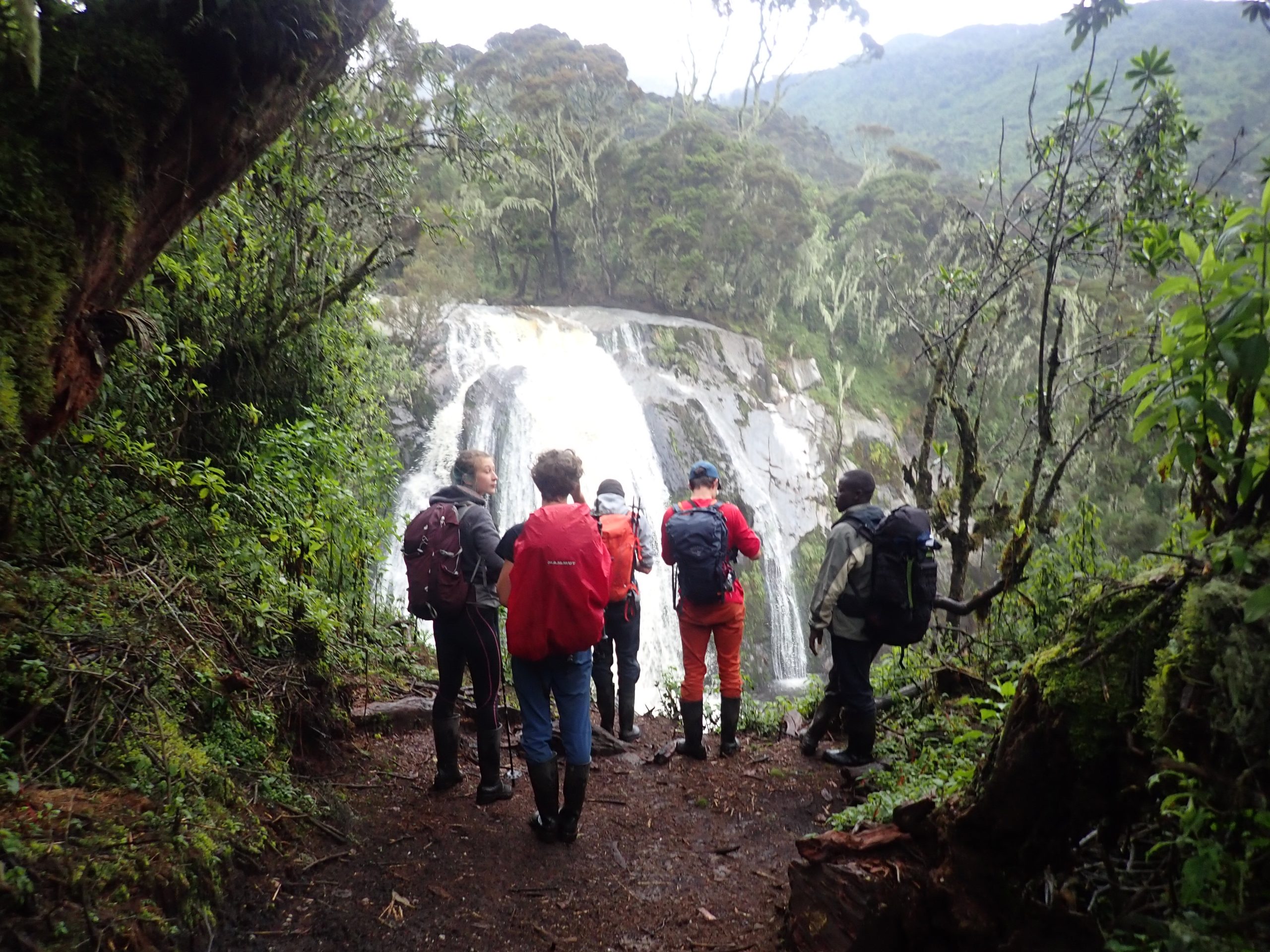
The Kilembe Trail provides a wilder and more remote atmosphere. Long ridges and deep valleys create stunning panoramic views. Waterfalls and rivers add beauty throughout the hike. Photographers often love the changing light conditions and untouched landscapes on this trail.
Sunrise and sunset moments can be spectacular on both routes. Clouds moving across the valleys create magical scenes that change every minute. During clear weather, hikers can see endless mountain layers stretching into the distance.
Travelers who prioritize dramatic and less crowded scenery may prefer the Kilembe Trail. Those seeking famous Rwenzori highlights usually enjoy the Central Circuit more.
 Accommodation and Trekking Comfort
Accommodation plays an important role during any mountain expedition. Both routes provide mountain huts and camps, but comfort levels vary slightly.
The Central Circuit has more established huts because it has operated longer. Some huts are larger and better known among trekking groups. Shared sleeping arrangements are common, and facilities remain basic because of the remote environment.
Meals are usually prepared by trekking staff. Hot soup, vegetables, rice, potatoes, and tea are common foods during the trek. Proper nutrition is important because hikers burn significant energy each day.
The Kilembe Trail also provides huts and camps along the route. These accommodations feel more isolated and adventurous. Many hikers enjoy the peaceful atmosphere at the camps because fewer trekking groups use the trail.
Regardless of the route, hikers should not expect luxury conditions. At higher altitudes, temperatures can drop significantly.Warm sleeping bags and layered clothing are essential for comfort.
Some trekkers appreciate the social atmosphere on the Central Circuit where they meet other hikers from around the world. Others prefer the quiet and solitude found on the Kilembe Trail.
Which Route Is Better for Different Types of Hikers?
Choosing between the Central Circuit and the Kilembe Trail depends on personal travel goals. Every hiker has different expectations, fitness levels, and adventure styles.
The Central Circuit is ideal for travelers who want the classic Margherita Peak experience within a shorter schedule. It suits hikers who enjoy organized trekking systems and famous mountain scenery. Many first-time Rwenzori trekkers choose this route because of its popularity and established infrastructure.
The Kilembe Trail is better for hikers seeking solitude and varied landscapes. Nature lovers and photographers often prefer this route because of its peaceful atmosphere and dramatic scenery. The additional day also helps trekkers adapt to the altitude more comfortably.
Adventure seekers who enjoy remote wilderness experiences may find the Kilembe Trail more exciting. However, hikers with limited travel time often choose the Central Circuit for convenience.
Budget can also influence the decision. Costs sometimes vary depending on permits, accommodation, and guiding services. Travelers should compare tour packages carefully before booking.
Both routes require mental strength, physical preparation, and respect for mountain conditions. Regardless of the chosen trail, reaching Margherita Peak remains a remarkable achievement.
 Final Verdict: Central Circuit or Kilembe Trail?
The journey to Margherita Peak is not only about reaching the summit. It is about experiencing one of Africa’s most extraordinary mountain environments. Both the 7 days Central Circuit and the 8 days Kilembe Trail deliver unforgettable adventures filled with beauty, challenge, and discovery.
The Central Circuit offers a classic trekking experience with famous landscapes, reliable infrastructure, and a shorter itinerary. It is perfect for hikers who want an efficient route with iconic Rwenzori scenery.
The Kilembe Trail provides a quieter and more diverse adventure. Its remote valleys, dramatic ridges, and slower pace create a deep connection with the wilderness. Many trekkers describe it as the more scenic and immersive route.
Neither route is universally better than the other. The best choice depends on the type of adventure a traveler wants. Some hikers value comfort and tradition, while others seek solitude and exploration.
What remains certain is that Margherita Peak rewards every climber with memories that last a lifetime. The glaciers, forests, valleys, and towering peaks create an experience unlike any other mountain trek in Africa.