

The Southern Circuit of the Rwenzori Mountains (Kilembe trail): Africa’s Most Underrated High-Altitude Adventure
The Southern Circuit of the Rwenzori Mountains, widely known as the Kilembe Trail, is one of those rare mountain journeys that feels both wild and deeply personal from the very first step. It is not a route shaped by crowds or rushed schedules, but by slow progression, changing weather, and landscapes that seem to evolve with every hour of walking. This is what makes the Southern Circuit feel less like a simple trek and more like a moving journey through living ecosystems.
From the foothills near Kilembe, the trail gradually climbs through human-influenced farmland before slipping into untouched wilderness. The path then rises into thick montane forest where mist hangs between tall trees and the air feels heavy with moisture. As the ascent continues, the vegetation shifts into bamboo zones, followed by the quiet and haunting beauty of the heather belt. Higher still, the Southern Circuit opens into the afro-alpine region, where giant lobelias, moss-covered plants, and wide open moorlands dominate the view. In the highest reaches, the terrain becomes rocky and cold, leading toward glacial environments near Margherita Peak.
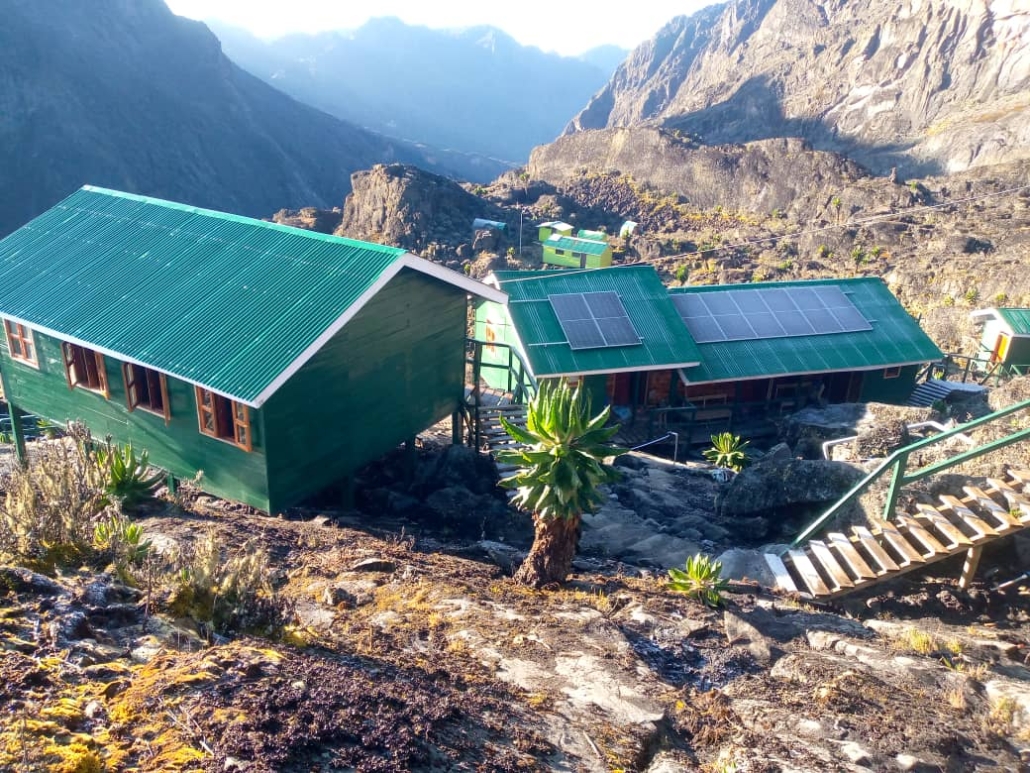 What makes this progression so powerful is not just the scenery itself, but the feeling of continuous transformation. Nothing stays the same for long on the Southern Circuit. Each section of the climb introduces a new climate, a new texture underfoot, and a new way of experiencing the mountains. It is this steady unfolding of nature that gives the route its character and makes it one of the most rewarding high-altitude adventures in Africa
What Makes the Southern Circuit the Better Choice?
The Southern Circuit of the Rwenzori Mountains stands out as one of the most rewarding ways to explore these legendary mountains because it is designed for both experience and success. Unlike shorter or more direct routes, the Southern Circuit follows a longer, more gradual approach that gives trekkers time to adapt to altitude while still enjoying constantly changing scenery.
One of its strongest advantages is the well-planned acclimatization profile. The route is usually completed over 7 to 8 days, which allows the body to adjust slowly to decreasing oxygen levels. This steady rise reduces the risk of altitude sickness and significantly improves comfort on the trail. As a result, many hikers find themselves feeling stronger and more confident as the days go on.
Another reason the Southern Circuit is preferred is its variety of landscapes combined with a true sense of wilderness. Each stage feels different, yet everything flows naturally from one ecosystem to the next. Trekkers also benefit from a quieter environment compared to more popular routes, which makes the experience feel more personal and immersive.
Because of this balance between safety, scenery, and solitude, the Southern Circuit is often considered the best option for those who want a meaningful and successful Rwenzori trekking experience.
 Starting Point of the Southern Circuit
The Southern Circuit of the Rwenzori Mountains begins at Kilembe (Trekkers’ hostel), a small settlement located near Kasese at the base of the mountains. This is where the journey officially shifts from everyday life into one of Africa’s most dramatic wilderness environments. From the very start, the trail immediately introduces trekkers to a changing world shaped by altitude, climate, and dense vegetation.
The first section of the Southern Circuit passes through rich tropical montane forest, where tall trees form a thick canopy and sunlight filters through in narrow beams. The air is humid, the ground is often wet, and the trail can be slippery, especially after rain. This early stage is physically demanding, but it is also highly rewarding because of the abundant plant life, bird sounds, and sense of deep wilderness.
As the Southern Circuit continues to rise, the environment begins to shift gradually. The forest becomes less dense, visibility opens up, and temperatures slowly drop. These natural transitions are important because they help the body adjust step by step to higher altitude conditions.
This gradual and well-paced beginning is one of the main reasons many trekkers prefer the Southern Circuit, as it combines a strong sense of adventure with a smoother and more manageable ascent into the Rwenzori highlands.
The Southern Circuit Landscapes
One of the most remarkable features of the Southern Circuit of the Rwenzori Mountains is the richness of its landscapes and natural attractions. This route goes beyond a simple climb, offering a wide variety of landmarks that make every stage of the journey memorable. From flowing rivers and waterfalls to alpine lakes and towering peaks, the Southern Circuit provides a complete and rewarding mountain experience.
The trek begins in the lower montane forest, where rivers such as River Nyamwamba, River Muhambali, and River Njuranja flow through dense vegetation. Along the way, trekkers encounter beautiful waterfalls like Cathy’s Falls and Enock’s Falls, adding movement and energy to the environment.
As the trail rises, the scenery opens up around the Mutinda Loop, leading to the impressive Mutinda Lookout. From this point, hikers enjoy wide views of valleys and distant mountains. The route then crosses high passes including Bamwanjara Pass, Hunwick’s Pass, and Oliver’s Pass, each offering dramatic scenery and a strong sense of progress.
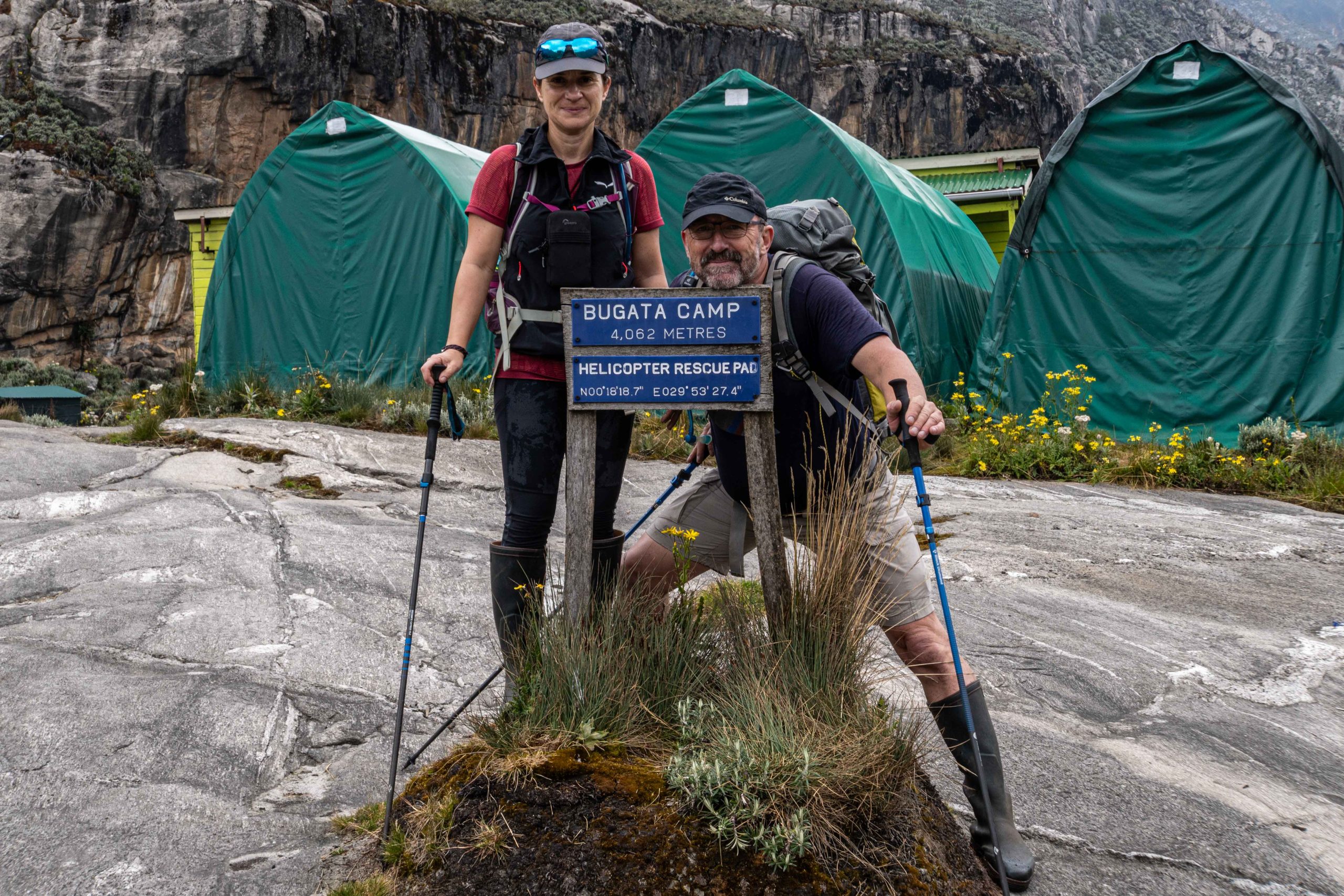
Another highlight of the Southern Circuit is its collection of alpine lakes. These include Lake Nsuranja, Lake Kopello, Lake Bugata, and Lake Nsuanja, as well as the peaceful Kachope Lakes and the well-known Kitandara Lakes.
Above all these features stand the major peaks of the range, such as Mount Stanley, Mount Speke, and Mount Baker. Trekkers may also see Weismann’s Peak and the Alexandra Peaks, with Margherita Peak standing as the highest and most iconic point, covered in ice and snow.
This combination of landscapes makes the Southern Circuit one of the most scenic and diverse trekking routes in Africa.
 Distinct vegetation zone of the Southern circuit.
The Southern Circuit of the Rwenzori Mountains is defined by a remarkable sequence of vegetation zones that change with altitude. As trekkers move higher along the trail, they pass through distinct ecological regions, each with its own climate, plant life, and atmosphere. This gradual transition is one of the most unique aspects of the Southern Circuit, offering a rare opportunity to experience multiple natural environments in a single journey. From dense, humid forests at the base to cold, rocky alpine zones near peaks like Margherita Peak, the variation in vegetation creates a dynamic and ever-changing trekking experience.
Rainforest Zone
The lower slopes of the Southern Circuit of the Rwenzori Mountains are covered in dense montane forest, creating a rich and lively starting point for the trek. This zone is full of biodiversity, with species such as the Rwenzori Turaco, Black-and-white Colobus Monkey, you can hear hoots of chimpanzeez, and these animals are commonly seen or heard along the trail. The ground is often wet and muddy due to regular rainfall, while tall trees form a thick canopy overhead, allowing only filtered light to reach the forest floor.
Within this lush environment, trekkers also encounter natural attractions such as the flowing River Nyamwamba and River Muhambali, as well as scenic waterfalls like Cathy’s Falls. The sound of rushing water, combined with birdsong and rustling leaves, creates an immersive and unforgettable forest experience at the start of the Southern Circuit.
Bamboo Zone
As trekkers continue higher along the Southern Circuit of the Rwenzori Mountains, the dense montane forest gradually gives way to a bamboo-dominated zone. This transition brings a noticeable change in atmosphere, with cooler temperatures and frequent mist that gently settles over the trail. The tall bamboo stems create a quieter, more enclosed environment, often swaying softly with the wind and adding to the calm, almost mysterious feeling of this section.
This zone is not only scenic but also rich in unique features. Trekkers may still follow sections of streams fed by higher elevations, and the trail often passes through narrow paths carved within thick bamboo clusters. Wildlife such as the Blue Monkey can sometimes be spotted moving through the vegetation. The misty surroundings, combined with the sound of rustling bamboo and distant water flow, make this part of the Southern Circuit both peaceful and visually captivating.
Heather Zone.
As trekkers ascend further along the Southern Circuit of the Rwenzori Mountains, the bamboo zone gradually transitions into the striking heather zone. This area is defined by tall, twisted heather trees draped in moss, creating a misty and almost surreal landscape. The air becomes cooler, and fog often settles across the trail, giving the environment a quiet and mysterious feel.
This zone is not only visually unique but also rich in natural attractions. Trekkers encounter sections of the famous Mutinda Loop, which leads to the scenic Mutinda Lookout. From this vantage point, wide views of valleys, ridges, and distant peaks open up, offering one of the first clear glimpses of the higher mountain landscape. The ground here can be boggy, with wooden walkways guiding hikers across wet areas. The combination of mist, moss-covered vegetation, and expanding views makes the heather zone one of the most memorable and atmospheric sections of the Southern Circuit.
Afro-Alpine and Glacial Zone
Near the upper sections of the Southern Circuit of the Rwenzori Mountains, the landscape changes dramatically into the afro-alpine and glacial zone. Here, the terrain becomes rocky, cold, and exposed, with temperatures dropping significantly, especially at night. Snow and ice begin to appear as trekkers approach higher elevations near peaks such as Margherita Peak, marking a complete contrast from the lush greenery found at lower altitudes.
This zone is known for its unique and almost otherworldly features. Giant lobelias and groundsels dominate the landscape, adapted to survive harsh conditions. Trekkers also pass stunning alpine lakes such as Lake Bugata and the famous Kitandara Lakes, which often reflect the surrounding peaks. High mountain passes like Bamwanjara Pass and Hunwick’s Pass provide breathtaking views, while towering mountains such as Mount Stanley and Mount Speke dominate the skyline. This section of the Southern Circuit offers some of the most dramatic and unforgettable scenery in the entire trek.
Structure of the Southern Circuit Trek
The Southern Circuit of the Rwenzori Mountains is carefully organized to balance hiking effort and rest. Each day involves steady walking followed by recovery time in mountain huts placed at key points along the route. A typical day starts early after breakfast, with trekkers moving at a controlled pace through changing landscapes such as rivers, valleys, and sections like the Mutinda Loop. Along the way, hikers enjoy views of waterfalls, alpine vegetation, and distant peaks. By afternoon, they reach huts near areas like Lake Bugata or Kitandara Lakes. This structure supports acclimatization, maintains energy levels, and makes the Southern Circuit safer and more enjoyable.
 The Role of Guides on the Southern Circuit
The Southern Circuit of the Rwenzori Mountains is led by trained and highly experienced mountain teams such as Rwenzori Trekking Services. These guides are essential to the success of the trek because they manage safety, navigation, and overall coordination throughout the journey. In a mountain environment where weather changes quickly and terrain becomes increasingly demanding, their presence is a key part of a successful climb.
Guides understand every section of the Southern Circuit, from dense forest paths to steep ascents and high-altitude zones. They set a safe pace, choose the best routes, and help trekkers adjust gradually to changing altitude. This is especially important in reducing risks linked to fatigue and altitude sickness.
For example, if a trekker begins to feel weak, dizzy, or short of breath, guides respond immediately by slowing the group, recommending rest, or offering support. This careful monitoring helps ensure that everyone can continue the journey safely and comfortably.
Beyond safety, guides also add meaning to the experience. They explain natural features such as the Mutinda Loop, glacial lakes like Kitandara Lakes, and distant peaks including Mount Stanley. They also share knowledge about weather patterns, wildlife, and the unique ecosystems found along the route.
Their role transforms the Southern Circuit from a difficult mountain trek into a well-supported, informative, and deeply rewarding adventure
Difficulty Level of the Southern Circuit
The Southern Circuit of the Rwenzori Mountains is considered a demanding but highly achievable trekking route for well-prepared hikers. The trail involves long walking days, steep ascents, and uneven ground that can be physically tiring. Sections of the route pass through thick forest, muddy valleys, and rocky high-altitude paths, all of which require steady endurance and focus.
Rain is frequent in the Rwenzori region, which often makes the trail slippery and challenging to navigate. For this reason, strong waterproof hiking boots and trekking poles are highly recommended to improve stability and safety. As trekkers gain elevation, the reduced oxygen levels can cause fatigue, slower movement, and mild altitude-related discomfort.
However, with proper pacing, hydration, and acclimatization, most trekkers adapt well to the conditions. The Southern Circuit rewards effort with dramatic scenery, peaceful wilderness, and a strong sense of achievement, making the challenge truly worthwhile.
Reaching Higher Elevations on the Southern Circuit
One of the most exciting parts of the Southern Circuit of the Rwenzori Mountains is the chance to climb into high-altitude zones where the landscape becomes more dramatic and extreme. Some itineraries extend toward the upper reaches of the range, offering trekkers the possibility of approaching major peaks such as Margherita Peak.
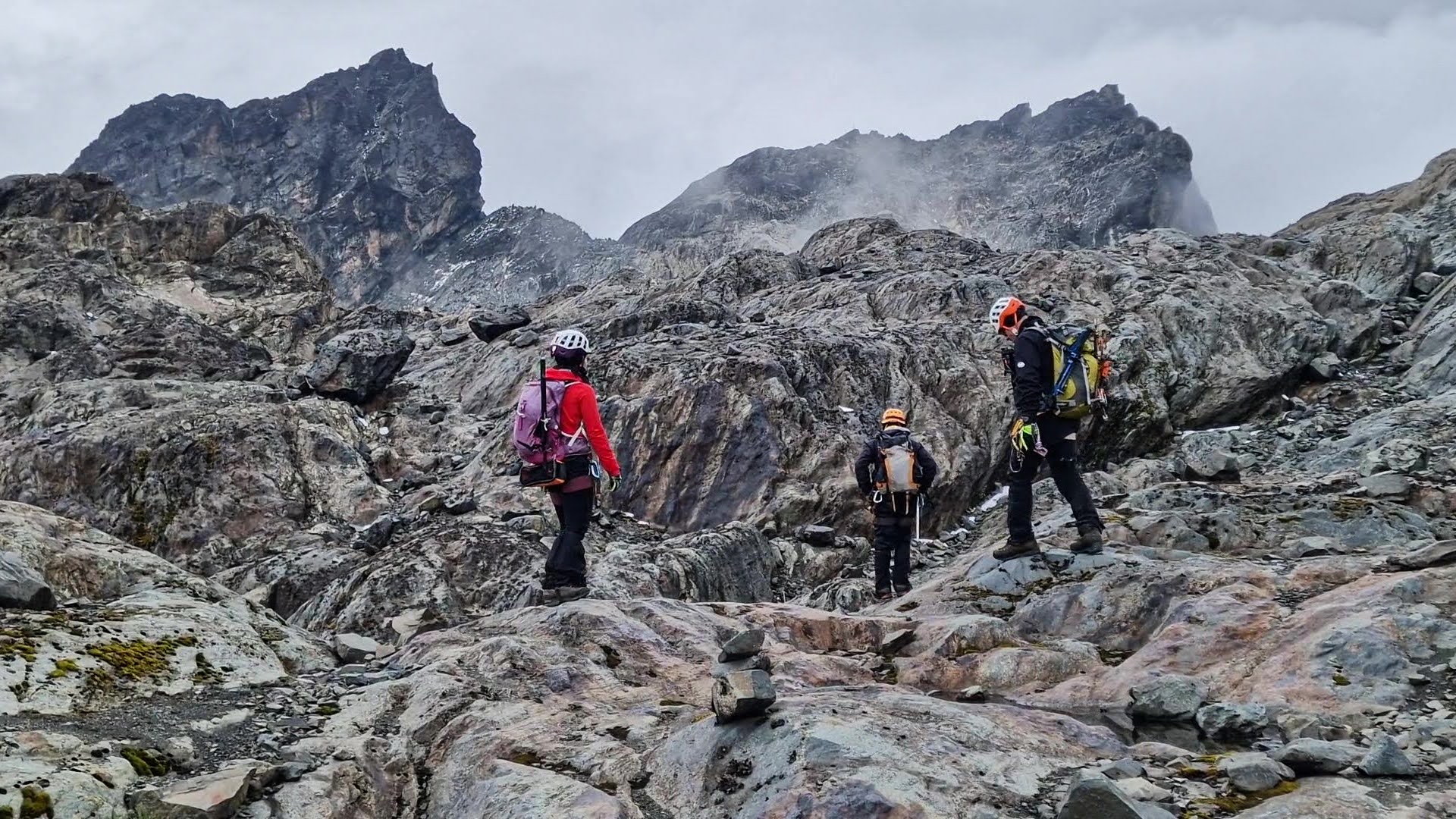
As the ascent continues, the terrain shifts from rocky paths to icy ground, especially in colder conditions. This section of the Southern Circuit is more technical and may require basic mountaineering skills depending on weather and season. Trekkers may use equipment such as crampons, helmets, and ropes when moving across glacier areas.
Experienced guides play a crucial role here, providing instruction, support, and safety checks throughout the climb. Their expertise helps trekkers move confidently through challenging sections while managing altitude and cold conditions.
Reaching these heights is one of the most rewarding moments of the Southern Circuit. The views stretch across vast mountain ranges, deep valleys, and glaciers, creating a powerful sense of achievement and unforgettable memories.
Accommodation Experience on the Southern Circuit
Accommodation on the Southern Circuit of the Rwenzori Mountains is based on a well-organized mountain hut system, which provides trekkers with comfort and safety in a remote environment. These huts are strategically placed along the route, offering shelter after long days of hiking through forest, moorland, and alpine terrain. Inside, trekkers find basic sleeping arrangements, dining areas, and protection from harsh mountain weather.
Meals are prepared by the trekking support team and are designed to restore energy after physically demanding days. Hot soups, cooked meals, and warm drinks are especially valuable in the colder high-altitude zones, helping trekkers recover and stay strong for the next stage of the journey.
Evenings in the huts create a relaxed and friendly atmosphere. Trekkers gather to share stories, reflect on the day’s challenges, and prepare for upcoming sections of the trail. This shared experience builds a strong sense of connection among climbers.
Overall, the hut system makes the Southern Circuit more comfortable, organized, and enjoyable, turning a tough mountain trek into a well-supported and memorable adventure.
Best Time to Trek the Southern Circuit
The Southern Circuit of the Rwenzori Mountains can be visited throughout the year, but weather conditions greatly influence the experience. The drier months are generally preferred because trails are more stable, river crossings are easier, and mountain views are clearer. During this period, trekking is more comfortable and enjoyable, especially in steep and muddy sections.
The region is still highly unpredictable, and rain can fall at any time, even in the dry season. A clear morning can quickly turn into mist or heavy rainfall, so proper preparation is always important.
The wetter months, especially April, May, October, and November, bring heavier rain and increased snow at higher elevations near Margherita Peak. These conditions create a more extreme alpine environment, and in rare cases, the snow-covered upper slopes may allow experienced climbers to move across deep snowfields, making the Southern Circuit a unique high-altitude adventure in Africa.
 Crowd Levels on the Southern Circuit
One of the greatest advantages of trekking the Southern Circuit of the Rwenzori Mountains is its low visitor traffic. Unlike many popular mountain routes around the world, this trail remains quiet and rarely crowded, giving trekkers a strong sense of space and freedom throughout the journey.
Because of this low number of hikers, the Southern Circuit feels more remote and untouched. Trekkers can walk for hours without meeting other groups, which creates a rare feeling of isolation in a natural setting. This peaceful environment allows full focus on the scenery, the rhythm of walking, and the changing mountain landscapes.
Moving through misty valleys, dense forests, and open alpine zones with minimal human noise creates a deep connection to nature. Sounds of rivers, wind, and wildlife become more noticeable, enhancing the experience.
This solitude is one of the main reasons many trekkers prefer the Southern Circuit, as it offers a more personal, quiet, and immersive adventure compared to busier mountain destinations.
Cost and Value of the Southern Circuit
The cost of trekking the Southern Circuit varies depending on the package and services provided. The packages include guides, meals, accommodation, technical hiking gears and park fees.
While the cost may seem high, it reflects the level of support involved. The organization required for a multi-day trek in remote mountains is significant.
For example, having meals prepared and huts arranged allows trekkers to focus fully on the journey. This adds value to the Southern Circuit experience.
Preparing for the Southern Circuit
Proper preparation is essential for a successful journey on the Southern Circuit of the Rwenzori Mountains. This trek demands good physical fitness because the route involves long walking days, steep climbs, and uneven terrain. Regular training such as hiking, stair climbing, and walking on rough ground helps build the strength and stamina needed for the mountains.
Equally important is packing the right equipment. Waterproof jackets, warm layers, gloves, and sturdy hiking boots are necessary due to frequent rain, cold temperatures, and muddy trails. Trekking poles are also useful for balance on slippery sections. A well-packed backpack with essentials like water, snacks, and energy supplies improves comfort during the hike.
Just as crucial as physical fitness is mental preparation. Staying patient, flexible, and positive helps trekkers handle changing weather and challenging sections of the Southern Circuit. Listening carefully to guides and following their instructions ensures safety and improves the overall experience, making the journey smoother, safer, and more enjoyable.
Why the Southern Circuit Is Worth It
The Southern Circuit of the Rwenzori Mountains is widely considered one of the most rewarding mountain experiences in Africa because it delivers a complete and varied adventure in a single journey. It combines physical challenge, dramatic scenery, and untouched wilderness in a way that feels both demanding and deeply fulfilling.
Few trekking routes offer such a strong contrast in landscapes within just a few days. The transition from dense rainforest to bamboo zones, misty heather slopes, and finally icy alpine terrain creates a constant sense of discovery. This variety keeps the journey engaging from start to finish and makes every day feel different from the last.
For example, a trekker may start the morning walking through a quiet green valley filled with mist and birdsong, and end the same day surrounded by cold air and views of glaciers near higher peaks. This dramatic shift is what makes the Southern Circuit unforgettable.
Beyond scenery, the route also builds endurance, confidence, and a strong sense of achievement, making it truly worth the effort for anyone seeking a meaningful mountain adventure.
 Final Thoughts on the Southern Circuit
The Southern Circuit of the Rwenzori Mountains is far more than a simple trekking route. It is a full mountain journey that takes travelers through some of the most diverse and dramatic landscapes in Africa, offering an experience that feels both raw and deeply rewarding.
From the lush forests near Kilembe at the base of the mountains to the high alpine zones close to Margherita Peak, every section of the Southern Circuit tells its own story. The changing scenery, shifting weather, and steady climb create a rhythm that challenges the body while also inspiring focus, patience, and determination.
What makes the Southern Circuit truly special is the way it stays with you long after the trek is over. The silence of the valleys, the mist over the heather zones, the sound of rivers, and the sight of glacial peaks all combine into memories that are difficult to forget.
For anyone looking for an adventure that goes beyond ordinary travel, the Southern Circuit offers a rare blend of challenge, beauty, and transformation that makes it one of the most unforgettable mountain experiences in the world.