

Margherita Peak: Conquer the Highest Point in Uganda
Margherita Peak: Conquer the Highest Point in Uganda captures the excitement of reaching Uganda’s highest mountain summit. Standing at an elevation of 5,109 metres (16,763 feet) above sea level, Margherita Peak crowns Mount Stanley in the magnificent Rwenzori Mountains National Park. It is the highest point in Uganda and the third-highest peak in Africa, making it one of the continent’s most rewarding trekking destinations for hikers, climbers, photographers, and outdoor enthusiasts.
Unlike many African mountains that feature volcanic terrain, Margherita Peak offers an ever-changing landscape throughout the journey. Trekkers pass through lush tropical rainforests, bamboo zones, giant heather forests, alpine meadows, moss-covered valleys, sparkling streams, rocky ridges, and ancient glaciers. Each day reveals a new environment, creating an adventure filled with constant discovery and spectacular scenery.
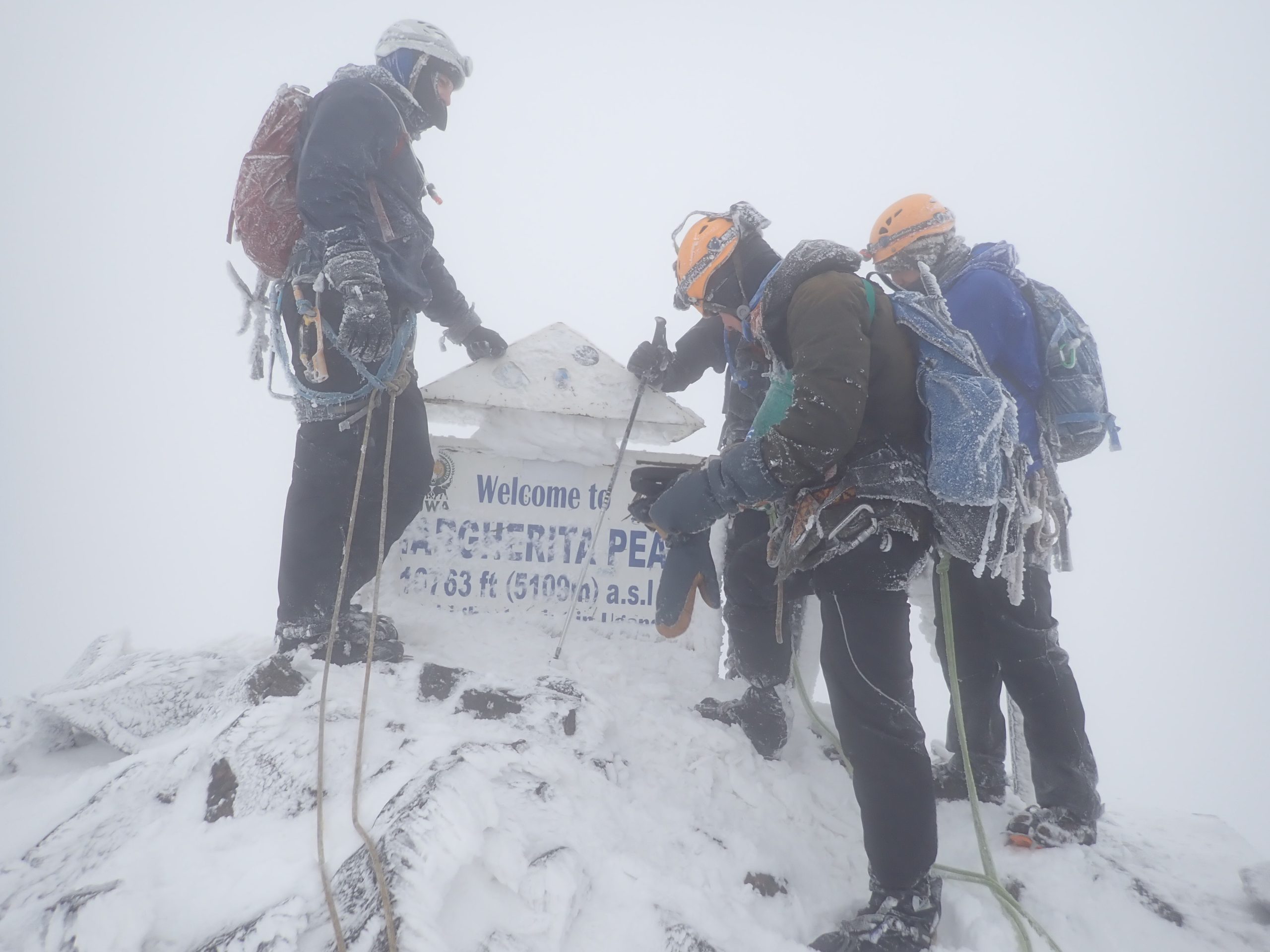 The climb is about much more than reaching the summit. It challenges both physical endurance and mental determination while rewarding every effort with breathtaking mountain views and unforgettable moments in nature. Along the way, hikers encounter unique vegetation, rare wildlife, crystal-clear rivers, waterfalls, and peaceful wilderness that cannot be found anywhere else in East Africa.
Protected within the Rwenzori Mountains National Park, a UNESCO World Heritage Site, this remarkable destination is celebrated for its exceptional biodiversity, dramatic landscapes, and outstanding trekking routes. Whether you are an experienced mountaineer or preparing for your first high-altitude expedition, climbing Margherita Peak offers an unforgettable opportunity to experience one of Africa’s most spectacular mountain adventures while standing on the rooftop of Uganda.
Where Is Margherita Peak Located?
Margherita Peak is found on Mount Stanley, the tallest mountain massif in the Rwenzori Mountains. The peak lies along the border between Uganda and the Democratic Republic of Congo, although the most popular hiking routes begin from the Ugandan side in Kasese District.
The Rwenzori Mountains stretch for nearly 120 kilometres and are often called the “Mountains of the Moon,” a name believed to have originated from the ancient Greek scholar Claudius Ptolemy, who described mysterious snow-covered mountains near the source of the Nile. Today, these mountains remain one of Africa’s most unique natural treasures.
Unlike isolated mountains such as Kilimanjaro, the Rwenzori Mountains consist of several connected massifs, deep valleys, glaciers, rivers, and alpine wetlands. Margherita Peak rises above all of them, offering hikers spectacular views across the surrounding peaks and valleys after reaching the summit.
The mountain’s location near the Equator creates an unusual combination of tropical forests below and glaciers above. Few places on Earth allow visitors to experience warm rainforest conditions before climbing onto permanent ice within only a few days.
Access to the mountain is relatively convenient. Most international visitors arrive through Entebbe International Airport before travelling by road or domestic flight to Kasese, the main gateway to the Rwenzori Mountains. From there, hikers begin their chosen trekking route accompanied by experienced mountain guides and porters.
Its unique location, breathtaking scenery, and ecological diversity have made the mountain one of Uganda’s leading adventure tourism destinations.
 Why Margherita Peak Is One of Africa’s Most Remarkable Summits
Many mountains around the world are famous because of their height. Margherita Peak is admired not only for its elevation but also for the extraordinary journey required to reach its summit.
The climb takes hikers through several ecological zones that change dramatically with altitude. The adventure begins in lush tropical rainforest filled with tall trees, colourful birds, butterflies, and flowing rivers. As the trail climbs higher, the forests gradually give way to bamboo vegetation before opening into giant heather forests and alpine moorlands covered with enormous lobelias and giant groundsels that grow nowhere else in quite the same way.
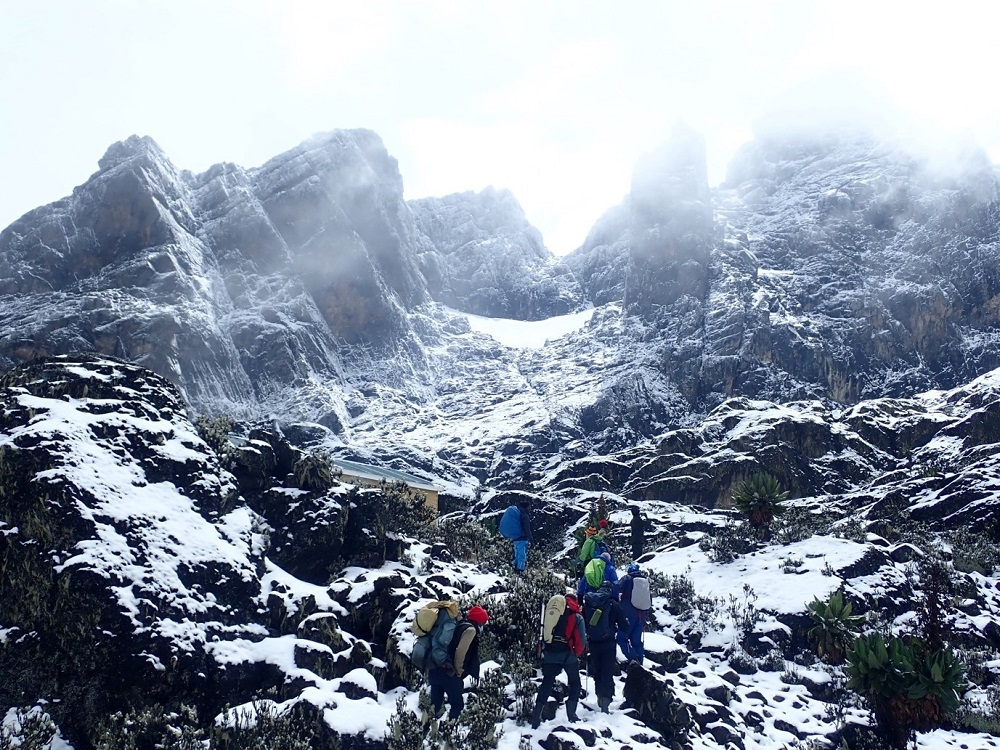
The upper mountain introduces an entirely different environment. Rocky slopes, glaciers, snowfields, and ice-covered ridges create a dramatic landscape that surprises many first-time visitors, especially considering the mountain lies only a short distance from the Equator.
Another reason the peak stands out is the sense of solitude. Compared to other famous African mountains, the trails remain peaceful, allowing hikers to enjoy nature without large crowds. Every camp provides magnificent mountain views and opportunities to appreciate the silence of the high wilderness.
The mountain also offers one of the most technically rewarding summit climbs in East Africa. The final ascent includes glacier crossings, scrambling over rocks, and navigating steep sections with the assistance of experienced guides. Reaching the summit requires determination, teamwork, and careful preparation, making the achievement even more satisfying.
It is this rare combination of challenging terrain, untouched beauty, changing ecosystems, and spectacular scenery that makes Margherita Peak: Conquer the Highest Point in Uganda one of the most rewarding mountain experiences on the African continent.
History of Margherita Peak
Margherita Peak carries a fascinating history that adds another layer of meaning to every climb. The summit was named in honour of Queen Margherita of Italy after the first successful recorded ascent in 1906 by Prince Luigi Amedeo, Duke of the Abruzzi, together with expert mountain guides and local companions.
Their expedition introduced the world to the remarkable beauty of the Rwenzori Mountains. At that time, reaching the summit required exploring landscapes that had rarely been visited by outsiders. The climb involved crossing glaciers, navigating difficult ridges, and overcoming unpredictable mountain weather without the modern equipment available today.
Over the decades, Margherita Peak has grown into one of Africa’s most respected mountaineering destinations. Thousands of hikers now travel to Uganda every year hoping to stand on its famous summit and experience the legendary Mountains of the Moon for themselves.
Despite the increasing number of visitors, the mountain has remained largely untouched. Conservation efforts within Rwenzori Mountains National Park continue to protect its fragile ecosystems, glaciers, wildlife, and rare alpine vegetation.
The glaciers themselves have become an important reminder of climate change. Scientists have observed that the ice fields have gradually reduced over the past century. Many visitors therefore choose to hike the mountain not only for adventure but also to witness one of Africa’s remaining equatorial glaciers before they disappear completely.
Today, climbing the mountain represents both a physical achievement and an opportunity to appreciate one of the continent’s most valuable natural and historical treasures.
 Best Time to Hike Margherita Peak
Choosing the right season can make your trekking experience safer and more enjoyable. Although Margherita Peak can be climbed throughout the year, some months offer better trail conditions than others. The Rwenzori Mountains receive rainfall in every season because of their location near the Equator, but there are generally two drier periods that many hikers prefer.
The best months for hiking are December to February and June to September. During these periods, rainfall is usually lower, making the trails less muddy and improving visibility across the mountains. The glaciers and rocky sections near the summit are also easier to navigate when the weather is more stable.
Even during the drier months, hikers should expect occasional rain. The weather in the Rwenzori Mountains changes quickly, and sunshine can suddenly give way to mist, clouds, or heavy showers. Carrying waterproof clothing is therefore essential regardless of the season.
Some adventurous travelers purposely visit during the wetter months because the forests become greener, rivers flow more strongly, snow is much, and waterfalls appear even more spectacular. However, these months require extra patience because muddy trails and slippery rocks make the trek more demanding.
Planning your hike with experienced guides allows you to receive updated weather information before beginning the climb. They understand the mountain’s changing conditions and help ensure every stage of the journey is completed safely.
For most visitors, choosing one of the drier seasons provides the best balance between favourable hiking conditions and the opportunity to fully appreciate the breathtaking scenery that makes Margherita Peak: Conquer the Highest Point in Uganda an unforgettable experience.
Weather and Climate on Margherita Peak
The weather on Margherita Peak is unlike anywhere else in Uganda. While the lower slopes experience warm tropical temperatures, the summit remains cold throughout the year, with glaciers, snow, and freezing winds creating a true alpine environment.
The journey begins in humid rainforest where daytime temperatures are comfortable and vegetation is lush. As hikers continue climbing, temperatures gradually decrease. By the time trekkers reach the alpine zone, warm jackets, gloves, and thermal clothing become necessary.
Night temperatures at the higher camps often fall below freezing. Frost is common, and the summit section can experience snow or icy conditions at any time of the year. Strong winds near the glaciers make the air feel even colder, especially during the early morning summit attempt.
One of the most fascinating features of the mountain is the rapid change in climate over a relatively short distance. Within a few days, hikers move from tropical forests filled with birds and butterflies to icy landscapes surrounded by glaciers and rugged rock formations.
Clouds frequently cover the mountain, creating dramatic scenery and mysterious landscapes. On clear mornings, hikers enjoy magnificent views of neighbouring peaks, deep valleys, and distant mountain ranges stretching across western Uganda and the Democratic Republic of Congo.
Because weather conditions can change within minutes, every climber should be prepared for sunshine, rain, mist, wind, and freezing temperatures during the same expedition. Proper clothing and good preparation are essential for enjoying the mountain safely.
Wildlife and Unique Vegetation Found Along the Trail
One of the greatest attractions of hiking to Margherita Peak is the incredible diversity of wildlife and vegetation found throughout the Rwenzori Mountains National Park. Every altitude introduces a different ecosystem, making the journey feel like several adventures combined into one unforgettable expedition.
The lower rainforest is rich in biodiversity. Hikers may encounter black-and-white colobus monkeys, blue monkeys, three-horned chameleons, colourful butterflies, and numerous forest birds. The sound of flowing rivers and singing birds accompanies much of the early stages of the hike.
Bird lovers often consider the Rwenzori Mountains a paradise because the park protects several Albertine Rift endemic species. Although not every bird is easily spotted, patient visitors have an excellent opportunity to observe rare mountain birds in their natural habitat.
As the trail climbs higher, the vegetation changes dramatically. Dense rainforest gives way to bamboo forests before opening into giant heather zones. At even higher elevations, hikers discover one of the mountain’s most famous features—its giant lobelias and giant groundsels. These remarkable plants have adapted to survive the cold alpine environment and create landscapes unlike anywhere else in Africa.
Higher still, vegetation becomes sparse as glaciers, rocks, mosses, and lichens dominate the landscape. The contrast between tropical forests and permanent ice within the same mountain range is one of the reasons the Rwenzori Mountains are recognised as one of the world’s most unique natural environments.
Every ecological zone offers new scenery, making each day’s hike different from the last and ensuring that nature lovers remain fascinated throughout the journey.
 How Fit Should You Be to Hike Margherita Peak?
Climbing Margherita Peak is physically demanding, but it is achievable for many people who prepare properly before their trip. The mountain does not require professional climbing experience on most of the trekking route, but good fitness significantly improves the overall experience.
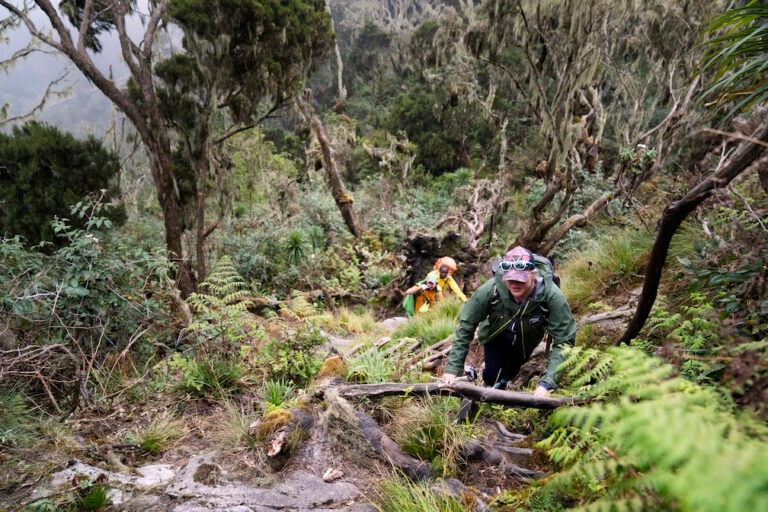
Trekkers should be comfortable walking for several hours each day over uneven ground while carrying a light daypack. Daily hikes often involve steep ascents, muddy paths, rocky sections, wooden boardwalks, and occasional river crossings. Strong leg muscles and good cardiovascular fitness help reduce fatigue during these long trekking days.
Altitude is another important challenge. As hikers climb above 4,000 metres, the thinner air can make breathing more difficult and reduce energy levels. Walking slowly, drinking enough water, and following the guide’s pace help the body adapt naturally.
Preparing several weeks before the trek is highly recommended. Regular walking, hiking, stair climbing, cycling, jogging, or other endurance exercises improve stamina and make the climb more enjoyable. Strength training for the legs and core also helps when navigating rocky and muddy terrain.
Mental preparation is equally important. The weather may change unexpectedly, and some sections require patience and determination. Remaining positive and following the guidance of experienced mountain guides contributes greatly to a successful summit attempt.
With proper preparation, determination, and the right support team, many hikers successfully complete the journey and experience the satisfaction of standing on Uganda’s highest point.
Essential Equipment for Hiking Margherita Peak
Packing the correct equipment is one of the most important parts of preparing for the climb. The mountain’s changing weather means hikers should be ready for sunshine, heavy rain, freezing temperatures, mud, and icy conditions during the same expedition.
Strong waterproof hiking boots are essential because much of the trail passes through muddy ground, rocky paths, and wet alpine terrain. Wearing comfortable boots with good ankle support can significantly reduce the risk of slipping or injury by providing stability and cushioning during movement.
Layered clothing works best because temperatures vary greatly throughout the hike. Moisture-wicking base layers, warm fleece jackets, insulated outer layers, and waterproof rain gear allow hikers to adjust comfortably as conditions change.
Gloves, warm hats, sunglasses, and sunscreen are also necessary. Although the summit is cold, the sun at high altitude can be surprisingly intense, especially when reflecting from snow and ice.
A comfortable backpack should carry daily essentials such as drinking water, snacks, a rain jacket, a camera, spare clothing, and personal medications. Trekking poles are highly recommended because they provide extra balance on muddy slopes and reduce pressure on the knees during steep descents.
Other useful items include gaiters, waterproof bags for electronics, and headlamps with spare batteries, quick-drying towels, personal toiletries, and energy-rich snacks.
Some trekking companies provide technical climbing equipment for the glacier section like ice axes, harnesses, crampons when needed, but hikers should always confirm this before beginning the expedition.
Having the proper equipment allows visitors to enjoy Margherita Peak: Conquer the Highest Point in Uganda with greater comfort, confidence, and safety.
Safety Tips and Altitude Preparation
Safety should always be the highest priority when hiking to Margherita Peak. The mountain is challenging, but careful planning and responsible trekking practices make the journey both safe and enjoyable.
One of the most important safety measures is allowing enough time for altitude acclimatization. This is one reason why the seven-day and eight-day itineraries are recommended for most hikers. The gradual ascent gives the body time to adjust naturally to the thinner air found at higher elevations.
Listening to your guide is equally important. Experienced mountain guides understand trail conditions, weather patterns, and the safest pace for climbing. Their advice should always be followed, especially during glacier crossings and the final summit ascent.
Staying hydrated throughout the trek helps reduce the effects of altitude and supports physical performance. Eating nutritious meals and taking regular breaks also improve energy levels during long hiking days.
Climbers should immediately inform their guide if they experience persistent headaches, dizziness, nausea, or unusual fatigue. These may be early signs of altitude sickness and should never be ignored.
Finally, respecting the mountain environment is part of responsible trekking. Carry all rubbish out of the park, avoid disturbing wildlife, and stay on designated trails to help protect the fragile ecosystems of the Rwenzori Mountains for future generations.
Choosing the Best Route to Margherita Peak
One of the most important decisions when planning a trek is choosing the route that best matches your fitness level, available time, and hiking goals. Although every trail leads into the breathtaking Rwenzori Mountains, each one offers a unique experience. Some routes are longer and allow more time for acclimatization, while others provide quieter trails or a faster approach to the summit.
The three main routes used to reach Margherita Peak are the 8-Day Kilembe Trail, the 7-Day Central Circuit Trail, and the 8-Day Bukurungu Trail. Each route passes through remarkable landscapes that include tropical rainforests, bamboo forests, alpine meadows, giant lobelias, glaciers, and rocky ridges before reaching Mount Stanley.
Experienced hikers with excellent fitness can sometimes complete the climb in only five days via central circuit. However, this shorter itinerary is suitable only for trekkers who are comfortable hiking long distances at high altitude and who can adapt quickly to changing conditions.
Choosing the right route is about more than reaching the summit. It also determines the pace of the journey, the scenery you experience, and the amount of time you have to enjoy one of Africa’s most spectacular mountain ranges. Regardless of which trail you choose, Margherita Peak: Conquer the Highest Point in Uganda offers an unforgettable journey through landscapes unlike any other in East Africa.
 The 8-Day Kilembe Trail: A Scenic Journey to Uganda’s Highest Summit
The Kilembe Trail is one of the most beautiful routes to Margherita Peak and is well known for its spectacular scenery and gradual ascent. Beginning near the town of Kilembe in Kasese District and normally called the Southern circuit, this trail provides an excellent balance between adventure, acclimatization, and breathtaking mountain landscapes. Many experienced guides consider it one of the most rewarding ways to reach Uganda’s highest point.
The trek starts in lush tropical rainforest where towering trees, flowing streams, and colourful birds welcome hikers into the Rwenzori Mountains. As the trail climbs higher, the landscape changes dramatically. Dense forests gradually give way to bamboo vegetation, giant heather, and expansive alpine valleys covered with giant lobelias and giant groundsels.
One advantage of the eight-day itinerary is the extra time it provides for altitude adjustment. Rather than rushing toward the summit, hikers gradually gain elevation, allowing their bodies to adapt naturally while reducing the likelihood of altitude-related problems. This slower pace also gives trekkers more opportunities to enjoy photography, wildlife viewing, and the peaceful atmosphere of the mountains.
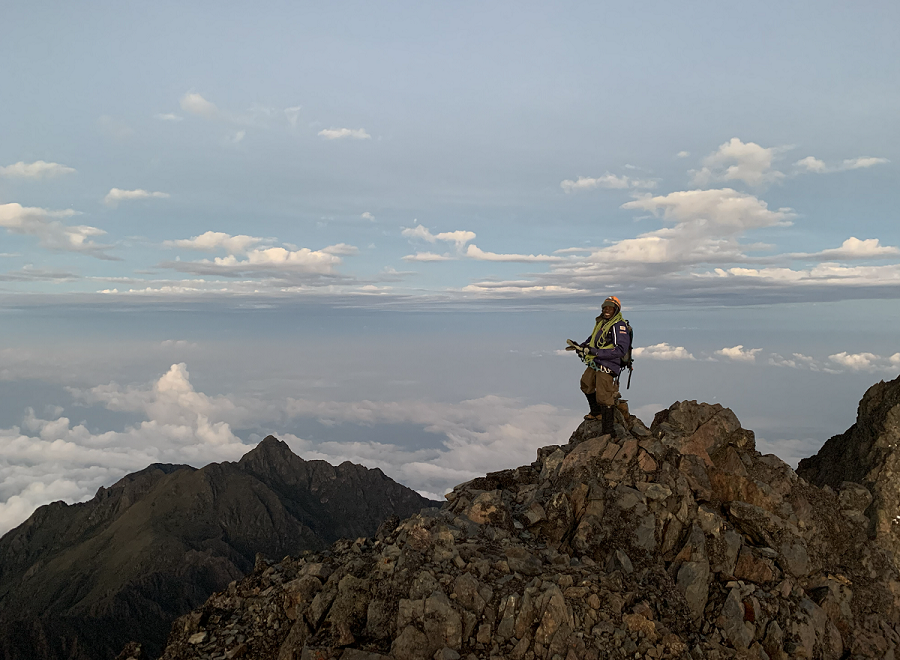
The higher sections become increasingly dramatic as glaciers, rocky ridges, and snow-covered slopes come into view. The summit day is the highlight of the expedition, requiring determination and careful movement across rocky terrain before finally standing on Margherita Peak.
For travellers seeking outstanding scenery, fewer crowds, and a well-paced hiking experience, the Kilembe Trail remains one of the finest choices for Margherita Peak: Conquer the Highest Point in Uganda.
The 7-Day Central Circuit Trail: The Classic Route to Margherita Peak
The Central Circuit Trail is the oldest and most traditional route for climbing Margherita Peak. Beginning from Nyakalengija, this trail has welcomed trekkers from around the world for many years and continues to be one of the most popular options for reaching Uganda’s highest summit.
The seven-day itinerary offers an excellent balance between adventure and efficiency. While it is slightly shorter than the Kilembe and Bukurungu routes, it still allows enough time for acclimatization and exploration of the mountain’s remarkable ecosystems.
The trail passes through dense montane forests rich in wildlife before climbing into bamboo zones and alpine vegetation. As hikers gain altitude, the scenery becomes increasingly dramatic, with beautiful valleys, glacial lakes, towering cliffs, and sweeping mountain panoramas.
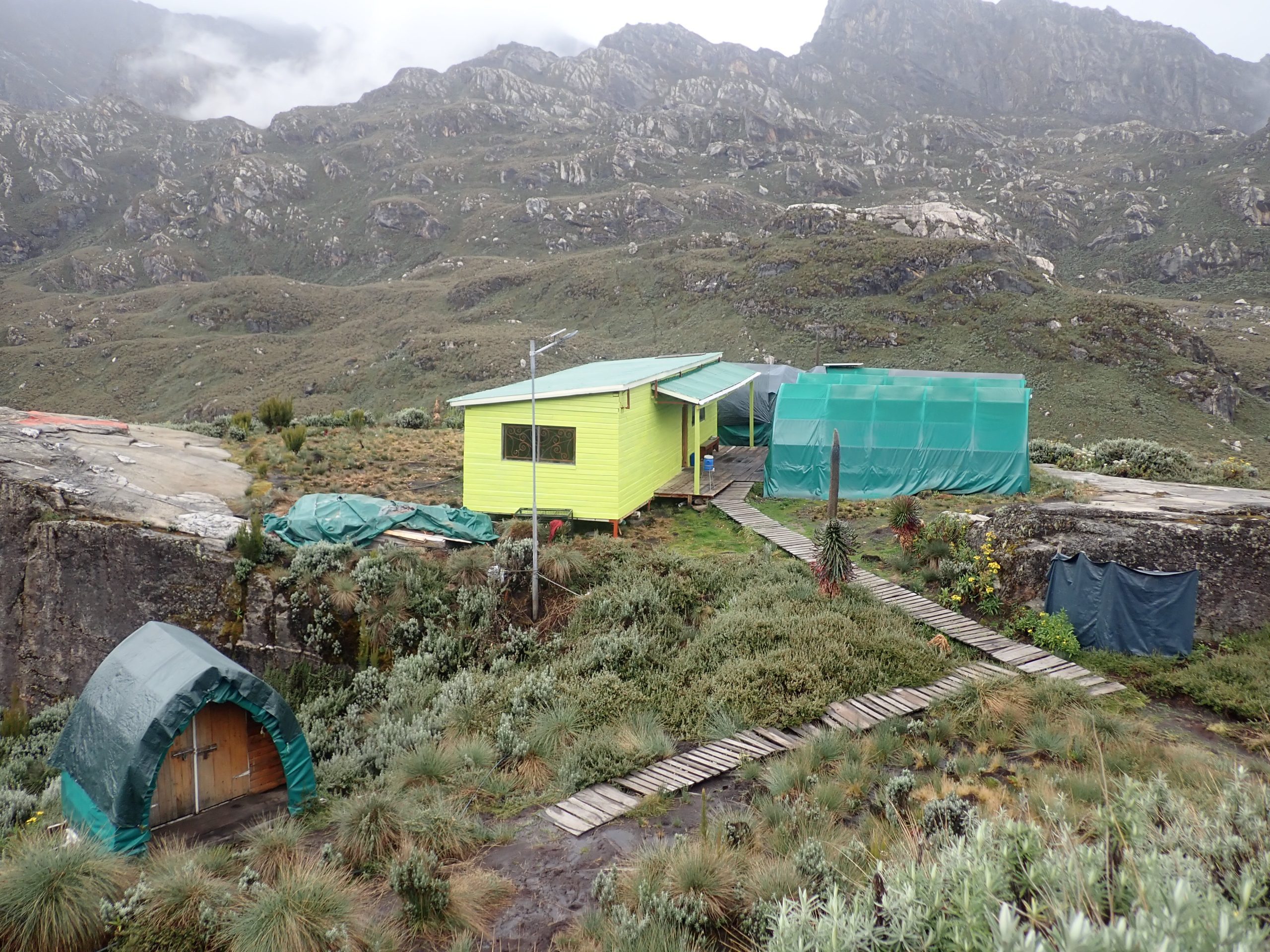
One of the reasons many hikers choose the Central Circuit is its well-established infrastructure. Mountain huts, experienced guides, and clearly defined trails make the journey smooth while maintaining the wild character of the Rwenzori Mountains.
The summit day is physically demanding but incredibly rewarding. Trekkers navigate glaciers and rocky ridges before reaching Margherita Peak, where breathtaking views stretch across Uganda and the neighbouring Democratic Republic of Congo.
For visitors with limited time who still want a complete mountain experience, the Central Circuit remains an excellent choice for Margherita Peak: Conquer the Highest Point in Uganda.
The 8-Day Bukurungu Trail: A Hidden Gem for Adventurous Hikers
The Bukurungu Trail is one of the newest and least crowded routes leading toward Margherita Peak. Although it also takes approximately eight days, it offers a noticeably different experience from the more commonly used trails.
This route is ideal for travelers who enjoy solitude and prefer exploring quieter sections of the Rwenzori Mountains. Because fewer hikers use the Bukurungu Trail, visitors often feel as though they have the mountains almost entirely to themselves.
The trek begins through beautiful rainforest before gradually climbing into open valleys, alpine meadows, and rugged mountain terrain. Along the way, hikers encounter spectacular waterfalls, pristine rivers, giant heather forests, and striking views of surrounding peaks.
The slower eight-day itinerary allows excellent altitude acclimatization while providing plenty of opportunities to stop for photography, birdwatching, and appreciating the mountain’s peaceful environment. Every day introduces fresh scenery, making the journey exciting from start to finish.
As the trail approaches Mount Stanley, hikers prepare for the challenging final ascent across rocky terrain and glacier sections before reaching Uganda’s highest point.
Travelers who value remote wilderness, breathtaking landscapes, and a quieter trekking experience often find the Bukurungu Trail to be one of the most rewarding ways to complete
Can You Climb Margherita Peak in Five Days?
Yes. Although the standard itineraries take seven or eight days, some experienced hikers successfully complete the journey in five days. These shorter expeditions are designed for physically fit trekkers who already have experience hiking at high altitudes and are comfortable maintaining a faster pace.
A five-day climb involves longer walking hours, shorter rest periods, and rapid elevation gain. Every day requires strong endurance because hikers must cover greater distances while adapting quickly to thinner air.
This option is generally recommended only for experienced mountaineers or highly active hikers who have prepared thoroughly before arriving in Uganda. Even then, success depends on weather conditions, individual fitness, and how well the body responds to altitude.
The shorter itinerary leaves less time to explore the mountain’s diverse ecosystems. Many visitors who choose the longer routes appreciate having additional opportunities to photograph the scenery, observe wildlife, and enjoy the peaceful atmosphere of the Rwenzori Mountains.
For most travelers, the seven-day Central Circuit or the eight-day Kilembe and Bukurungu routes remain the preferred choices because they provide a safer, more comfortable, and more enjoyable trekking experience.
Regardless of the itinerary selected, reaching the summit remains an extraordinary accomplishment and one of Africa’s greatest mountain adventures.
 Which Route Is Best for You?
There is no single “best” route to Margherita Peak because every traveler has different goals and experience. The ideal choice depends on your fitness level, available time, and the type of adventure you are looking for.
The Kilembe Trail is perfect for hikers who want exceptional scenery, a gradual ascent, and plenty of time to enjoy the changing landscapes.
The Central Circuit Trail is best suited to visitors looking for the classic Rwenzori trekking experience within a shorter seven-day itinerary.
The Bukurungu Trail appeals to adventurous travelers who enjoy quieter trails, fewer crowds, and a stronger feeling of exploring untouched wilderness.
The five-day itinerary central circuit is suitable only for experienced hikers with excellent physical fitness and previous high-altitude trekking experience.
Whichever route you choose, one thing remains certain. Margherita Peak: Conquer the Highest Point in Uganda is far more than a mountain climb. It is a journey through one of Africa’s most extraordinary natural landscapes, where every step reveals new scenery and every day brings unforgettable memories.
Top Activities to Enjoy at Margherita Peak
Reaching the summit is undoubtedly the highlight of any visit, but there is much more to experience than simply standing on Uganda’s highest point. The journey offers exciting outdoor activities, breathtaking scenery, remarkable wildlife, and unforgettable encounters with nature. Whether you are an experienced mountaineer or a first-time trekker, Margherita Peak: Conquer the Highest Point in Uganda delivers an adventure filled with memorable experiences from the first day of the hike to the final descent.
Every activity allows visitors to appreciate a different side of the Rwenzori Mountains. From hiking through ancient rainforests to photographing glaciers and discovering rare alpine plants, each moment becomes part of a once-in-a-lifetime expedition.
Mountain Hiking to Margherita Peak
The main activity is, of course, mountain hiking. Trekking to the summit is a rewarding experience that takes hikers through one of Africa’s most spectacular mountain landscapes. Every day introduces a different environment, making the journey exciting from beginning to end.
The hike starts in tropical rainforest where tall trees, rivers, birds, and colourful butterflies surround the trail. As the climb continues, hikers pass through bamboo forests, giant heather zones, alpine valleys, and rocky mountain slopes before finally reaching the glacier-covered summit.
Unlike many mountains where the scenery remains similar throughout the climb, the Rwenzori Mountains change dramatically with altitude. This variety keeps hikers motivated because every stage feels completely different from the previous one.
The final ascent requires determination as trekkers cross rocky ridges and icy sections before reaching the highest point in Uganda. Standing on the summit after days of hiking creates a deep sense of achievement that few adventures can match.
For anyone seeking a world-class trekking destination, Margherita Peak: Conquer the Highest Point in Uganda offers one of Africa’s finest mountain hiking experiences.
Experience the Thrill of Glacier Crossing
One of the most exciting moments during the expedition is crossing the glaciers near the summit. Very few places in Africa allow hikers to walk on equatorial glaciers, making this a truly unique experience.
Under the guidance of experienced mountain guides, trekkers carefully move across icy sections using the appropriate safety equipment where necessary. The glaciers provide an unforgettable contrast to the tropical forests visited only a few days earlier.
Walking across ancient ice while surrounded by towering peaks creates an incredible feeling of adventure. The sparkling snow, fresh mountain air, and breathtaking scenery combine to produce one of the most memorable parts of the climb.
The glaciers are also scientifically important because they continue to shrink due to climate change. Many visitors consider themselves fortunate to witness these remarkable ice formations while they still exist.
For many trekkers, glacier crossing becomes one of the defining highlights of Margherita Peak: Conquer the Highest Point in Uganda, adding an exciting mountaineering element to the overall journey.
Photography and Scenic Viewing
Photography enthusiasts quickly discover that the Rwenzori Mountains are among Uganda’s most photogenic destinations. Every section of the trail presents new opportunities to capture stunning landscapes and unforgettable memories.
The lower forests provide beautiful images of waterfalls, rivers, moss-covered trees, colourful birds, and dense vegetation. Higher elevations reveal giant lobelias, giant groundsels, crystal-clear mountain lakes, rocky cliffs, and expansive valleys stretching into the distance.
As hikers approach the summit, dramatic glaciers and snow-covered ridges create spectacular alpine scenery rarely seen elsewhere in Africa. Sunrise and sunset produce particularly beautiful lighting, transforming the mountains into breathtaking works of natural art.
On clear days, visitors standing on the summit enjoy panoramic views across Uganda and into the Democratic Republic of Congo. The feeling of looking out across endless mountain ranges after days of hiking is unforgettable.
Many travellers return home with thousands of photographs that remind them of the incredible landscapes experienced during Margherita Peak: Conquer the Highest Point in Uganda.
Bird Watching in the Rwenzori Mountains
Bird watching is another rewarding activity throughout the trek. The Rwenzori Mountains National Park protects a remarkable variety of bird species, including several that are found only within the Albertine Rift region.
Early mornings are often the best time to observe birds as the forests become alive with calls and movement. Colourful sunbirds, turacos, francolins, and many forest species can be spotted by patient observers.
The diversity of habitats found along the trail supports different bird communities at varying elevations. Tropical forests, bamboo zones, and alpine vegetation all provide homes for unique species.
Even hikers who are not dedicated bird watchers often find themselves stopping to admire the colourful birds that appear unexpectedly along the trail.
Combining bird watching with mountain trekking adds another exciting dimension to Margherita Peak: Conquer the Highest Point in Uganda, making every day on the mountain full of new discoveries.
Wildlife Viewing Along the Hiking Trails
Although the mountain is best known for its landscapes, wildlife encounters also enrich the journey. The lower forests are home to several fascinating animal species that hikers occasionally observe during the climb.
Black-and-white colobus monkeys are among the most frequently seen primates. Their long white tails and graceful movements through the forest canopy make them a favourite among visitors. Blue monkeys may also appear quietly feeding among the trees.
The forests shelter colourful butterflies, unique reptiles, frogs, and many small mammals. While larger wildlife is less common along the hiking routes, every sighting adds excitement to the adventure.
Nature guides help visitors identify different species while explaining the important role they play within the mountain ecosystem.
Wildlife viewing reminds hikers that the Rwenzori Mountains are much more than a climbing destination. They are also one of Uganda’s richest natural environments, adding even more value to Margherita Peak: Conquer the Highest Point in Uganda.
Discover the Unique Alpine Vegetation
Few mountains in the world display plant life as unusual as the Rwenzori Mountains. Exploring these remarkable ecosystems becomes an activity in itself as hikers encounter vegetation found almost nowhere else on Earth.
The giant lobelias and giant groundsels are among the mountain’s most famous attractions. These enormous plants have adapted perfectly to the harsh alpine climate and create landscapes that appear almost prehistoric.
Lower elevations feature dense rainforest vegetation, moss-covered trees, giant ferns, and colourful wildflowers. Every ecological zone introduces new plant species that reflect the changing climate and altitude.
Many hikers spend time photographing these extraordinary plants because they represent one of the defining characteristics of the Rwenzori Mountains.
Learning about these rare ecosystems makes Margherita Peak: Conquer the Highest Point in Uganda much more than a physical challenge. It becomes a fascinating journey through one of Africa’s most unique botanical environments.
Camping in the Heart of the Rwenzori Mountains
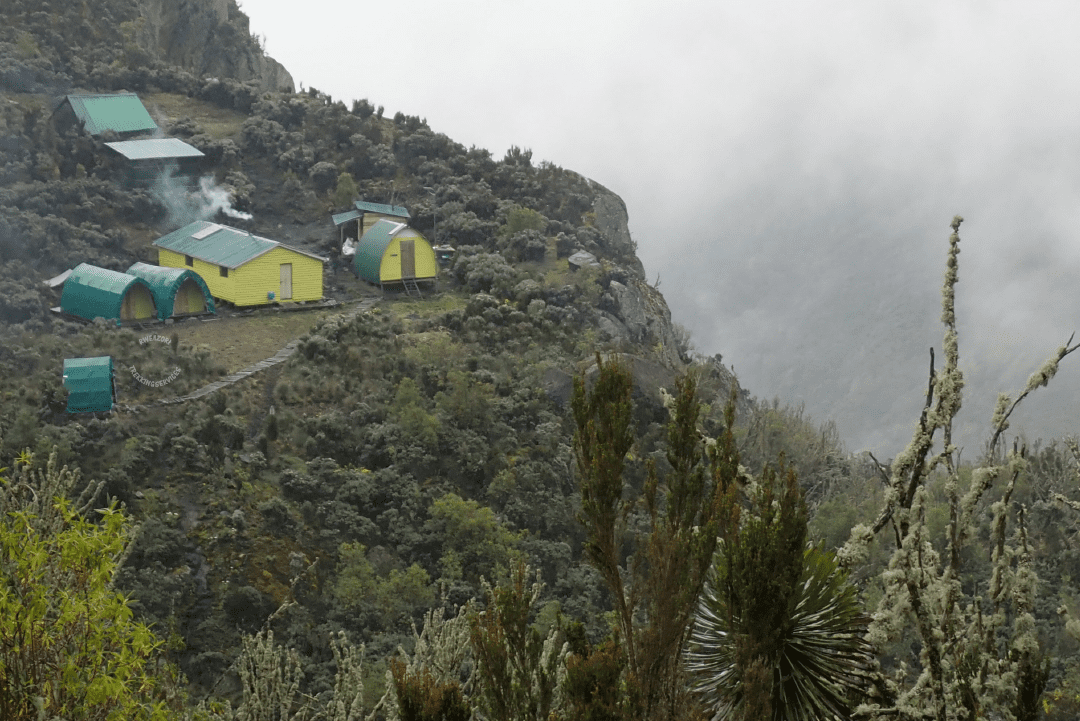
Camping is an important part of the Margherita Peak experience. After each day’s hike, trekkers spend the night at mountain camps surrounded by magnificent scenery and fresh alpine air.
Evenings provide opportunities to relax, enjoy warm meals, share stories with fellow hikers, and admire spectacular sunsets over the surrounding peaks. As darkness falls, the mountains become peaceful, creating an unforgettable atmosphere far away from busy towns and cities.
Waking up early to crisp mountain air and watching the sunrise over the valleys is one of the highlights of the expedition.
Camping allows visitors to fully immerse themselves in the natural beauty of the Rwenzori Mountains while preparing for the next day’s adventure.
The overnight experience adds another memorable chapter to Margherita Peak: Conquer the Highest Point in Uganda, making the expedition feel like a true wilderness adventure.
Meet Local Communities Around the Rwenzori Mountains
Before or after the trek, many visitors take time to interact with the local communities living around the foothills of the Rwenzori Mountains. These cultural experiences provide a deeper understanding of the region and its people.
Local guides often share stories about the history of the mountains, traditional farming practices, and the cultural significance of the Rwenzori range.
Visitors may enjoy traditional dances, local cuisine, handmade crafts, and conversations with community members whose lives have been closely connected to the mountains for generations.
These cultural encounters create meaningful memories while supporting local tourism and community development.
Adding a cultural visit before or after Margherita Peak: Conquer the Highest Point in Uganda allows travellers to experience not only the mountain but also the rich heritage of western Uganda.
Enjoy the Satisfaction of Reaching Uganda’s Highest Point
The greatest activity of all is standing proudly on the summit of Margherita Peak. After several days of determination, careful climbing, and teamwork, hikers finally reach the highest point in Uganda.
The feeling is difficult to describe. Every muddy trail, steep climb, freezing morning, and challenging glacier crossing suddenly becomes worthwhile.
Many hikers celebrate by taking photographs, admiring the panoramic views, and simply appreciating the incredible journey they have completed.
For some, reaching the summit represents the fulfilment of a lifelong dream. For others, it becomes the beginning of even greater adventures.
Regardless of the reason for climbing, standing at 5,109 metres above sea level is an unforgettable achievement that remains with hikers for the rest of their lives.
It is this powerful combination of natural beauty, physical accomplishment, and unforgettable experiences that makes Margherita Peak: Conquer the Highest Point in Uganda one of Africa’s greatest mountain adventures.
Accommodation Before and After Your Margherita Peak Trek
Planning where to stay before and after your trek is an important part of preparing for the journey. Most hikers spend at least one night in Kasese or the nearby trekking areas before beginning the expedition. Arriving a day early gives you enough time to rest after travelling, organize your hiking equipment, meet your guides, and attend the pre-trek briefing.
Accommodation around the Rwenzori Mountains ranges from budget guesthouses to comfortable lodges with beautiful views of the surrounding peaks. Many lodges provide spacious rooms, delicious local and international meals, secure parking, and peaceful gardens where visitors can relax before setting off on their adventure.
After completing the hike, spending another night near the mountains is highly recommended. Most trekkers finish the expedition feeling both excited and physically tired. A comfortable room, a warm shower, and a good meal provide the perfect way to celebrate the achievement before continuing with other safari activities in Uganda.
Several visitors combine their mountain trek with nearby attractions such as Queen Elizabeth National Park, Kibale National Park, or a gorilla trekking adventure in Bwindi Impenetrable National Park, making western Uganda one of the country’s most rewarding adventure destinations.
Whether you choose a luxury lodge or a simple guesthouse, beginning your expedition well-rested helps you fully enjoy Margherita Peak: Conquer the Highest Point in Uganda from the very first day.
Why You Should Hire Professional Mountain Guides
Although some experienced hikers have climbed mountains around the world independently, Margherita Peak should always be explored with professional mountain guides. The Rwenzori Mountains are remote, weather conditions change rapidly, and several sections of the trail require local knowledge and technical experience.
Professional guides understand every part of the trekking routes. They know the safest paths, monitor weather conditions, manage hiking schedules, and assist climbers during the glacier crossings near the summit. Their experience greatly increases both safety and enjoyment throughout the expedition.
Porters also play an important role during the trek. They carry heavier luggage, allowing hikers to walk more comfortably with only a light daypack containing water, snacks, rain gear, and personal items. This support reduces fatigue and allows trekkers to focus on enjoying the journey.
Guides also share fascinating information about the mountain’s wildlife, plants, history, and local culture. Their knowledge transforms the trek into an educational experience rather than simply a physical challenge.
Hiring local guides and porters also benefits the surrounding communities by creating employment opportunities and supporting conservation through responsible tourism. Every successful expedition contributes to protecting the Rwenzori Mountains for future generations.
Choosing experienced professionals ensures that Margherita Peak: Conquer the Highest Point in Uganda becomes a safe, memorable, and rewarding adventure.
 Responsible Tourism and Conservation in the Rwenzori Mountains
The Rwenzori Mountains are among Africa’s most valuable natural treasures. Their glaciers, forests, rivers, wildlife, and rare alpine vegetation support an extraordinary ecosystem that deserves careful protection. Every visitor has a responsibility to help preserve this remarkable environment.
Responsible trekking begins by following park regulations and respecting the guidance of rangers and mountain guides. Hikers should remain on designated trails to prevent damage to fragile vegetation and avoid disturbing wildlife living within the park.
All rubbish should be carried out of the mountains, including plastic bottles, food wrappers, and other waste. Leaving no trace helps maintain the beauty of the trails for future visitors while protecting animals from harmful pollution.
Water sources should also be respected. Streams and rivers flowing through the Rwenzori Mountains provide essential habitats for many plants and animals. Avoid using soaps or chemicals directly in natural water sources.
Supporting local communities by hiring local guides, staying in locally owned lodges, and purchasing handmade crafts contributes to sustainable tourism. These activities encourage conservation by demonstrating that protecting the mountains creates long-term economic opportunities.
Climate change has already affected the glaciers on Margherita Peak, making conservation even more important. Every responsible visitor plays a small but valuable role in preserving one of Africa’s most unique mountain ecosystems.
Exploring Margherita Peak: Conquer the Highest Point in Uganda responsibly ensures that future generations will continue to experience its extraordinary beauty.
Helpful Tips for a Successful Margherita Peak Trek
A successful trek begins long before arriving at the mountain. Careful preparation improves comfort, safety, and the overall experience.
Start training several weeks before your trip by walking long distances, climbing stairs, or hiking on uneven terrain. Building endurance helps your body cope with the demanding conditions of the mountain.
Pack wisely by bringing waterproof clothing, warm layers, and quality hiking boots, gloves, sunglasses, sunscreen, and a comfortable backpack. Weather conditions can change quickly, so dressing in layers allows you to adapt throughout the day.
Drink plenty of water during the trek and eat regular meals to maintain your energy. Staying hydrated also helps your body adjust to higher altitudes.
Walk at a steady pace rather than rushing. Slow, consistent progress is often the best strategy for conserving energy and reducing the effects of altitude.
Listen carefully to your guide, especially during difficult sections of the trail and the final summit climb. Their experience is one of your greatest resources on the mountain.
Most importantly, enjoy every stage of the journey. The forests, waterfalls, valleys, glaciers, wildlife, and breathtaking scenery are just as memorable as reaching the summit itself.
Following these simple recommendations will help make Margherita Peak: Conquer the Highest Point in Uganda an enjoyable and unforgettable experience.
Frequently Asked Questions About Margherita Peak
How high is Margherita Peak?
Margherita Peak stands at 5,109 metres (16,763 feet) above sea level, making it the highest mountain summit in Uganda and the third-highest peak in Africa.
How many days does it take to hike Margherita Peak?
The duration depends on the route you choose. The Central Circuit typically takes 7 days, while both the Kilembe Trail and the Bukurungu Trail generally require 8 days. Highly experienced hikers with excellent fitness may complete the climb in 5 days via central circuit, although this option is not suitable for most trekkers.
Do I need climbing experience?
No professional mountaineering experience is required for most of the trek. However, good physical fitness and determination are essential. The final glacier section requires guidance from experienced mountain guides.
When is the best time to hike?
The most favourable months are generally December to February and June to September, when rainfall is lower and trail conditions are more comfortable.
Is Margherita Peak difficult to climb?
Yes. It is considered one of Africa’s more challenging mountain hikes because of the altitude, changing weather, muddy trails, and glacier crossings. Proper preparation and experienced guides greatly improve the chances of a successful summit.
What should I pack?
Essential items include waterproof hiking boots, warm clothing, rain gear, gloves, trekking poles, sunglasses, sunscreen, a headlamp, a reusable water bottle, and personal medications.
Conclusion
Margherita Peak: Conquer the Highest Point in Uganda is more than a mountain trek—it is a journey through one of Africa’s most extraordinary natural landscapes. Rising above the legendary Rwenzori Mountains, this magnificent summit rewards hikers with breathtaking scenery, remarkable biodiversity, ancient glaciers, and an unforgettable sense of accomplishment.
Whether you choose the 8-day Kilembe Trail, the 7-day Central Circuit, or the 8-day Bukurungu Trail, every route offers its own unique perspective of the Mountains of the Moon. Experienced hikers may even complete the climb in just five days via central circuit, but taking a little longer allows more time to appreciate the mountain’s beauty and adapt comfortably to the altitude.
Beyond the summit, the experience includes mountain hiking, glacier crossings, bird watching, wildlife viewing, photography, camping, cultural encounters, and discovering rare alpine vegetation found nowhere else on Earth. Every day brings new landscapes and lasting memories.
For travelers seeking a true wilderness adventure, few destinations compare to the Rwenzori Mountains. With proper preparation, experienced guides, and a spirit of adventure, reaching Uganda’s highest point becomes an achievement that will be remembered for a lifetime.
If your dream is to stand above the clouds, surrounded by glaciers, rugged peaks, and spectacular African scenery, then Margherita Peak: Conquer the Highest Point in Uganda deserves a place at the very top of your travel bucket list.