
Central Circuit vs Kilembe Trail of the Rwenzori Mountains
August 17, 2026
Frequently Asked Questions about the Rwenzori Central Circuit Trail: Everything Every Trekker Should Know
Frequently Asked Questions about the Rwenzori Central Circuit Trail often come from travelers planning their first visit to Uganda’s famous Mountains of the Moon. The Central Circuit is one of East Africa’s most rewarding hiking routes, attracting adventurers from around the world who want to experience breathtaking landscapes, unique wildlife, and the challenge of climbing Africa’s third-highest mountain range. Before beginning the journey, many visitors want clear answers about the trail, the difficulty, the weather, and what they should expect along the way.
The Central Circuit is located in Rwenzori Mountains National Park in western Uganda. Unlike many mountain trails, this route forms a complete loop through forests, wetlands, alpine valleys, glacial lakes, and rocky mountain passes. Every stage introduces new scenery, making each day different from the last.
Planning a successful trek requires more than booking a guide. Trekkers need to understand the best season to visit, the equipment they should carry, the level of fitness required, and how altitude may affect their bodies. Learning these details before travelling helps visitors prepare properly and enjoy a safer experience.
This guide answers many of the most common questions asked by hikers. Whether you are planning a summit expedition to Margherita Peak or a shorter mountain adventure, these answers will help you prepare with confidence and know exactly what to expect on the Rwenzori Central Circuit Trail.

What Is the Rwenzori Central Circuit Trail?
The Rwenzori Central Circuit Trail is the oldest and most popular trekking route in Rwenzori Mountains National Park. It begins at Nyakalengija on the eastern side of the mountain range and follows a circular path through some of the park’s most spectacular landscapes before returning to the starting point.
Unlike routes that require hikers to retrace their steps, the Central Circuit allows visitors to experience new scenery almost every day. Trekkers pass through tropical rainforest, bamboo forests, giant heather zones, alpine meadows, mountain lakes, and rocky mountain passes during a single expedition. This variety is one of the reasons why many hikers consider the trail one of Africa’s finest mountain adventures.
The route is also the main path used by climbers attempting Margherita Peak, the highest summit in the Rwenzori Mountains at 5,109 metres above sea level. However, reaching the summit is not the only reason to choose the trail. Many visitors complete shorter treks simply to enjoy the unique landscapes, wildlife, and peaceful mountain environment.
Professional guides accompany every trekking group, while porters carry equipment and mountain cooks prepare meals throughout the journey and armed rangers provide security. These services make the trek more comfortable and allow visitors to concentrate on enjoying the experience.
The Central Circuit combines adventure, beautiful scenery, and well-organized trekking support, making it suitable for both experienced hikers and determined beginners with good physical fitness.
How Long Does the Central Circuit Trek Take?
One of the first questions visitors ask concerns the length of the trek. The answer depends on the destination and the type of adventure you want to experience.
The classic Central Circuit expedition to Margherita Peak usually takes seven days. This itinerary allows trekkers to climb gradually through different vegetation zones before reaching the summit. The schedule also provides important time for acclimatization, helping the body adjust to higher elevations.
Travelers who do not wish to climb the highest peak can choose shorter itineraries. These treks last from one, two, three, four, five days or 6 days and still provide opportunities to experience forests, rivers, wetlands, mountain huts, and beautiful viewpoints without reaching extreme altitude. Also, there are more lengthy treks lasting from 8 days with 3 peaks up to 14 days with more peaks.
Daily walking times generally range from four to six hours. Some summit days may be longer because climbers begin very early in the morning to take advantage of favorable weather conditions. Guides adjust the pace according to the fitness of the group and allow regular rest stops throughout the day.
Weather can occasionally influence the itinerary. Heavy rain or poor visibility may require slight adjustments to the daily schedule, but experienced guides carefully plan each stage to keep trekkers safe.
Choosing the right itinerary depends on your available time, fitness level, and personal goals. Whether you spend a few days exploring lower elevations or complete the full summit expedition, the Central Circuit offers an unforgettable mountain experience.
Is the Central Circuit Trail Difficult?
The Central Circuit is considered a challenging mountain trek, but it does not require technical climbing skills for most of the journey. The main challenge comes from the combination of long walking days, changing weather, muddy trails, and increasing altitude.
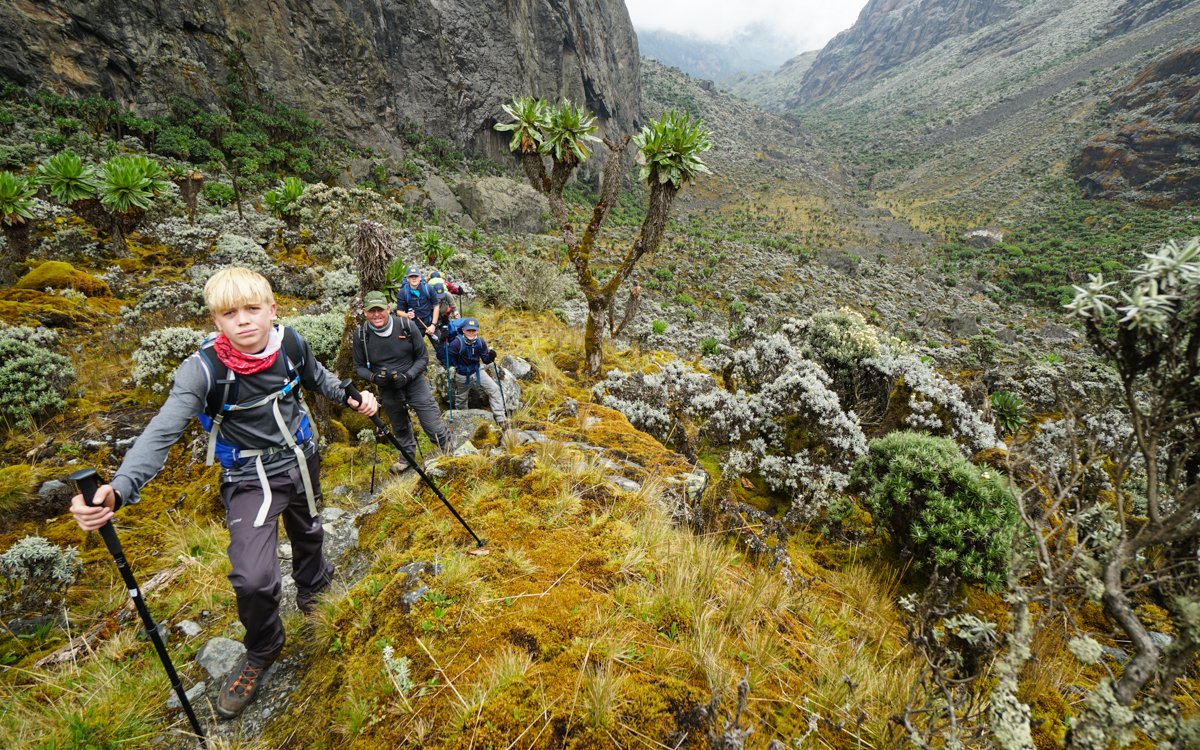
Most trekkers spend several consecutive days hiking uphill through forests, wetlands, rocky paths, and mountain passes. Some sections become slippery after rainfall, requiring careful footing and steady progress. Wooden boardwalks across areas such as Bigo Bog help improve safety while protecting the fragile environment.
Altitude is another important factor. As hikers climb above 3,500 metres, the air contains less oxygen, making physical activity more demanding. Even experienced hikers may feel tired more quickly than usual. Proper acclimatization, steady walking, and drinking enough water help reduce the effects of altitude.
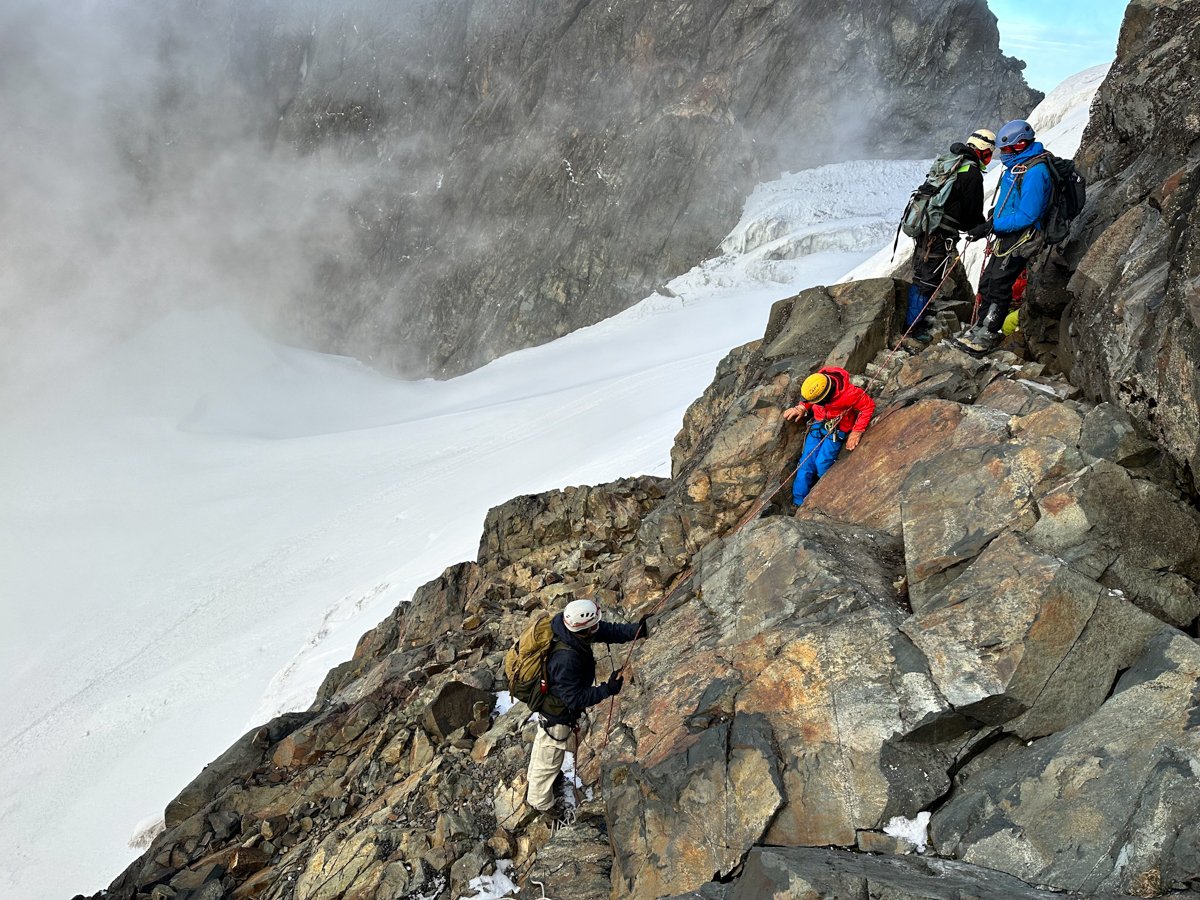
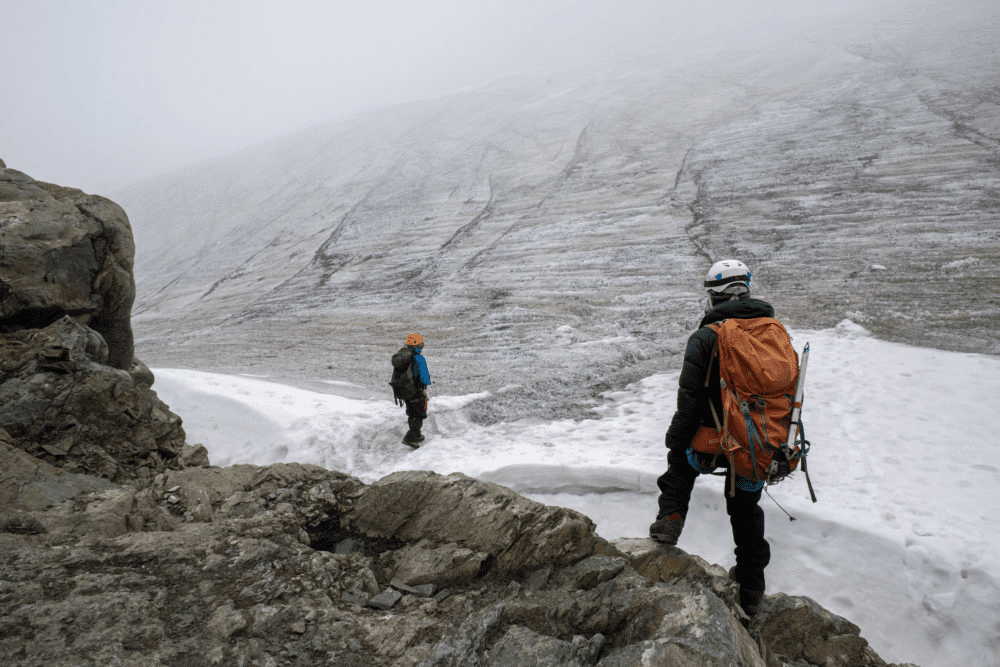
The final ascent to Margherita Peak is the most demanding part of the expedition. Climbers use specialized equipment while crossing glaciers and steep rocky terrain under the guidance of experienced mountain guides.
Despite these challenges, thousands of trekkers successfully complete the Central Circuit every year. Good preparation before the trip makes a significant difference. Regular walking, jogging, cycling, or climbing stairs several weeks before departure helps improve endurance and confidence.
Mental determination is equally important. Many hikers discover that maintaining a slow, consistent pace allows them to complete the trek comfortably while enjoying the spectacular scenery surrounding them.
When Is the Best Time to Trek the Central Circuit?
The Rwenzori Mountains can be visited throughout the year, but weather conditions vary between seasons. Choosing the right time helps improve trail conditions and increases the chances of enjoying clear mountain views.
The driest months are generally from June to August and December to February. During these periods, rainfall is usually lower, making trails less muddy and river crossings easier. Clear mornings also provide better opportunities for photography and mountain views.
Even during the dry seasons, rain can occur without warning. The Rwenzori Mountains create their own weather patterns because of their high elevation. Trekkers should always carry waterproof clothing regardless of the month they choose to travel.
The wetter months often produce lush green landscapes, flowing waterfalls, and fewer visitors on the trail. Some experienced hikers enjoy trekking during these quieter periods because the mountain feels even more peaceful. However, muddy paths may require extra effort, and visibility may change quickly as clouds move across the peaks.
Temperature also changes with altitude. Lower elevations remain relatively warm, while higher camps become very cold, especially during the night. Summit temperatures may fall below freezing, making warm clothing essential throughout the expedition.
There is no completely dry season in the Rwenzori Mountains. Good preparation, suitable clothing, and realistic expectations allow trekkers to enjoy the Central Circuit at any time of the year.
What Should I Pack for the Central Circuit Trail?
Packing correctly is one of the most important parts of preparing for the Central Circuit. Mountain weather changes quickly, and trekkers may experience sunshine, rain, mist, and cold temperatures within the same day. Carrying the right equipment helps you stay comfortable and enjoy the journey.
A good pair of waterproof hiking boots is essential. The trail often becomes muddy, especially after rainfall, and strong footwear provides better grip on slippery ground. Comfortable hiking socks also help prevent blisters during long walking days.
Layered clothing works better than wearing one heavy jacket. Lightweight shirts, a warm fleece, and a waterproof outer jacket allow trekkers to adjust to changing temperatures. Waterproof trousers are equally useful during wet conditions.
Other important items include a warm hat, gloves, sunglasses, sunscreen, a refillable water bottle, a headlamp with spare batteries, personal toiletries, and basic medication. Trekking poles are also helpful because they improve balance on steep or muddy sections of the trail.
Visitors attempting Margherita Peak require specialized climbing equipment such as crampons, helmets, harnesses, ropes, and ice axes. These are normally provided as part of the guided summit expedition, although travellers should confirm this before departure.
Packing light is always a good idea. Porters carry larger bags, while trekkers only need a comfortable daypack for water, snacks, rain gear, and personal essentials. A well-packed bag makes each hiking day much easier and more enjoyable.
Do I Need Previous Climbing Experience?
Many first-time visitors worry that they need technical climbing skills before attempting the Central Circuit. Fortunately, the answer depends on the itinerary you choose.
Most sections of the Central Circuit involve hiking rather than technical climbing. Trekkers follow established mountain trails through forests, valleys, wetlands, and alpine landscapes. No previous mountaineering experience is required for these lower and middle sections of the route.
The situation changes for visitors attempting Margherita Peak. The summit climb crosses glaciers, steep rocks, and icy sections that require specialised climbing equipment. Although previous experience can be helpful, it is not always essential because experienced mountain guides provide instructions throughout the climb.
Before reaching the summit stage, guides explain how to use harnesses, crampons, ropes, and other safety equipment. They also demonstrate proper walking techniques on ice and rocky terrain. Careful guidance allows many first-time climbers to reach the summit successfully.
Physical fitness is often more important than technical experience. Trekkers who prepare well through regular exercise usually adapt more easily to the demands of the expedition.
Visitors who do not wish to climb Margherita Peak can still enjoy an outstanding mountain adventure by choosing one of the shorter Central Circuit itineraries. These treks showcase the beauty of the Rwenzori Mountains without requiring glacier travel or technical climbing.
Can Beginners Hike the Central Circuit?
Yes, beginners can hike the Central Circuit, provided they prepare properly and choose an itinerary that matches their fitness level. Many people completing the trail each year have never attempted a major mountain trek before.
The key to success is realistic planning. Beginners should not underestimate the physical demands of several consecutive days of hiking. Regular walking, jogging, cycling, or climbing stairs before the trip helps build stamina and confidence.
Shorter itineraries are often recommended for first-time trekkers. These routes allow visitors to experience the forests, rivers, giant heather, and alpine scenery without climbing to extreme altitude. They also provide an excellent introduction to mountain trekking.
Experienced guides make a significant difference for beginners. They maintain a comfortable pace, encourage regular breaks, and monitor the health of every member of the group. Porters reduce the physical effort by carrying heavier equipment, allowing trekkers to focus on walking.
A positive attitude also plays an important role. Mountain trekking is not a race. Walking slowly, drinking plenty of water, and listening to guide instructions often help beginners complete the journey more comfortably than expected.
Many visitors arrive feeling nervous but leave with increased confidence after discovering that determination, preparation, and teamwork are more valuable than previous trekking experience.
Is Altitude Sickness Common on the Central Circuit?
Altitude sickness is one of the most common concerns for people planning a mountain trek. Because the Central Circuit reaches elevations above 5,000 metres during summit expeditions, altitude affects every visitor differently.
Symptoms may include headaches, tiredness, loss of appetite, dizziness, or difficulty sleeping. These signs usually appear after climbing to higher camps and often improve with rest and proper hydration.
The Central Circuit itinerary is designed to reduce the risk of altitude sickness by allowing gradual ascent over several days. Spending time at increasing elevations helps the body adjust naturally to thinner air before the summit attempt.
Guides closely monitor trekkers throughout the expedition. If someone develops more serious symptoms, they may recommend extra rest or descending to a lower altitude. Safety always comes before reaching the summit.
Visitors can lower their risk by drinking enough water, eating regular meals, avoiding alcohol before the trek, and maintaining a slow walking pace. Trying to move too quickly often increases fatigue and makes altitude more difficult to manage.
Not everyone experiences altitude sickness, and many trekkers complete the expedition without significant problems. Preparing well, following guide advice, and respecting the mountain environment greatly improve the chances of a successful adventure.
What Wildlife Can I See Along the Trail?
The Rwenzori Mountains are home to an impressive variety of wildlife, making every trekking day exciting for nature lovers. While the mountain is famous for its peaks, many visitors are equally amazed by its forests, birds, and unique plant life.
In the lower forests, trekkers may encounter black-and-white colobus monkeys swinging through the trees. Blue monkeys are also seen from time to time, especially during quiet morning hours. Although larger mammals are generally shy, signs of forest life are visible throughout the park.
Birdwatchers enjoy excellent opportunities to spot colourful species, including several birds found only within the Albertine Rift region. The changing habitats along the trail support different bird species at different elevations, making every section of the route unique.
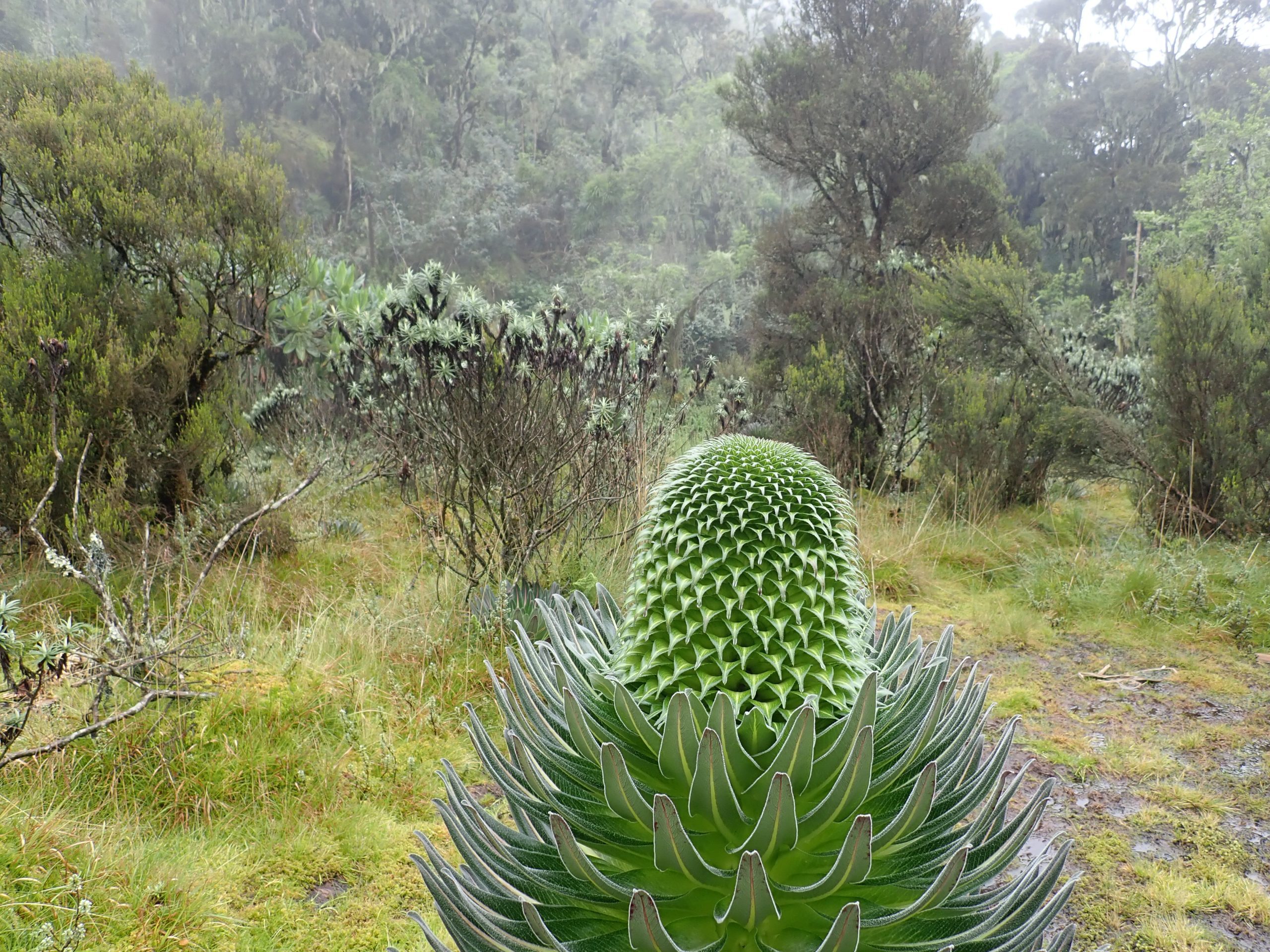
The vegetation is perhaps the greatest natural attraction. Giant lobelias and giant groundsels dominate the Afro-alpine zone, creating one of the world’s most unusual mountain landscapes. Moss-covered trees, bamboo forests, and giant heather add even more variety as trekkers move through the different ecological zones.
Beautiful butterflies, small reptiles, and countless insects also contribute to the rich biodiversity of the park. Every day reveals new natural wonders that many visitors have never seen elsewhere.
Wildlife sightings are never guaranteed because the animals remain wild and move freely through the forest. However, walking quietly and observing the surrounding environment often rewards patient trekkers with memorable encounters.
Where Do Trekkers Sleep During the Expedition?
Accommodation on the Central Circuit consists of mountain huts positioned at different elevations along the trail. These huts provide safe and comfortable places to rest after each day’s hike.
The huts are simple but well suited for mountain trekking. Most contain bunk beds with mattresses, shared sleeping rooms, dining areas, and kitchens where cooks prepare meals. Although luxury facilities are not available, the huts offer welcome shelter from rain, cold temperatures, and strong mountain winds.
Each camp has its own character. Some overlook deep valleys, while others sit close to rivers, wetlands, or alpine meadows. Spending the night surrounded by the quiet beauty of the Rwenzori Mountains becomes one of the highlights of the expedition for many visitors.
Evenings usually begin with a warm meal followed by time to relax, share stories with fellow trekkers, and prepare for the next day’s journey. After several hours of hiking, the mountain huts provide a peaceful place to recover before another day of adventure.
The simplicity of the accommodation allows visitors to connect more closely with nature. Many trekkers later describe the nights spent high in the mountains as some of the most memorable moments of their entire journey.
Are Guides and Porters Required on the Central Circuit?
Yes, every trek on the Central Circuit is conducted with trained mountain guides, and most visitors also hire porters. This system protects both trekkers and the fragile mountain environment while ensuring a safer and more enjoyable experience.
Mountain guides know the trail, weather patterns, campsite locations, and altitude conditions. They lead the group at a steady pace, explain the different ecosystems, and provide assistance whenever challenges arise. Their knowledge becomes especially valuable during poor weather or when crossing difficult sections of the trail.
Porters play an equally important role. They carry camping supplies, food, cooking equipment, and much of the trekkers’ personal luggage. This allows hikers to walk with only a light daypack containing water, rain gear, snacks, and other essentials. Carrying less weight helps conserve energy and reduces physical strain during long trekking days.
Mountain cooks also accompany longer expeditions. They prepare fresh meals that provide the energy needed for demanding hikes while ensuring trekkers receive balanced nutrition throughout the journey.
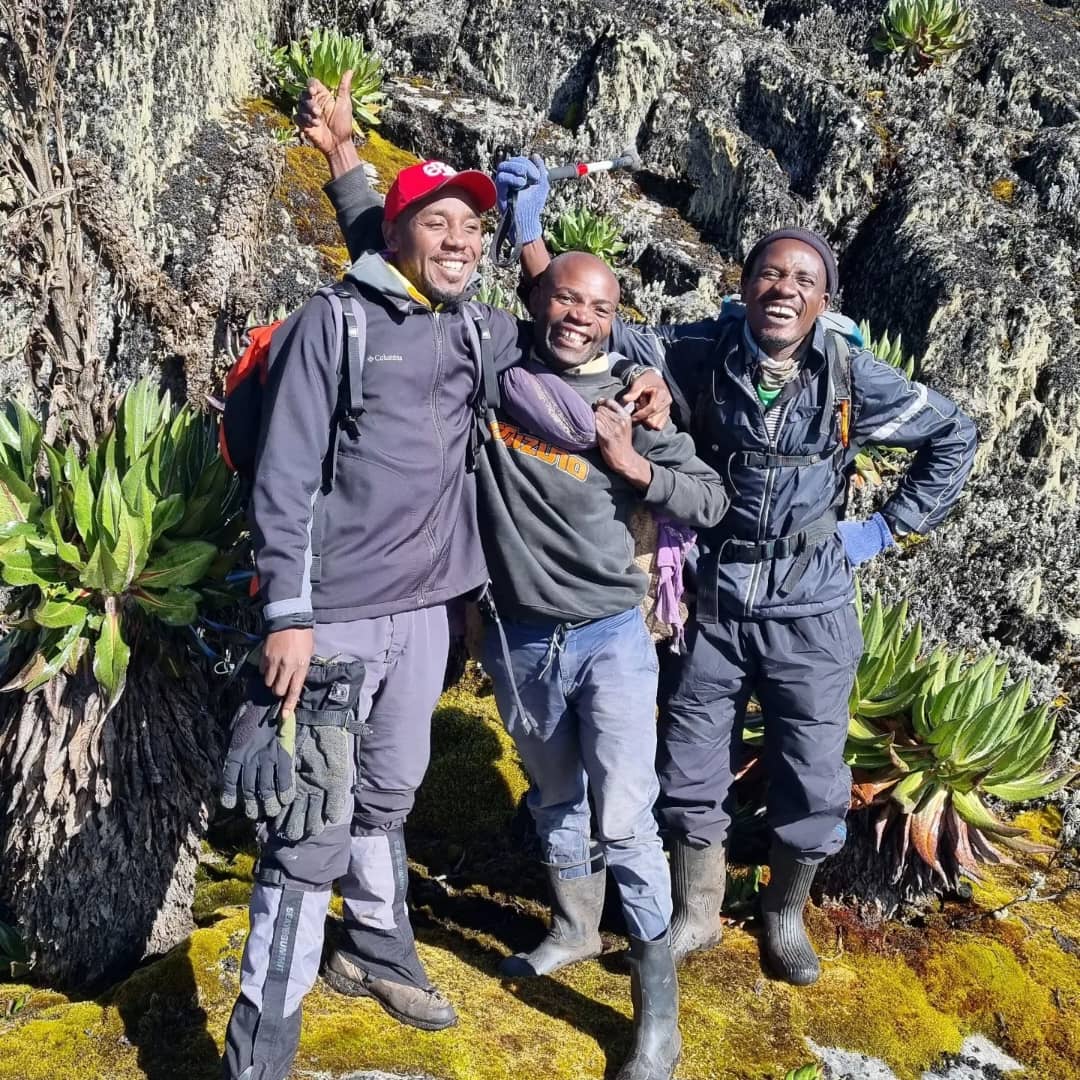
Hiring local guides and porters benefits nearby communities as well. Tourism creates employment opportunities and supports families living around the Rwenzori Mountains National Park. By trekking with local teams, visitors contribute directly to conservation and community development.
The teamwork between guides, porters, cooks, and trekkers creates a supportive atmosphere that many visitors remember long after completing the expedition.
How Much Does It Cost to Trek the Central Circuit?
The cost of trekking the Central Circuit depends on several factors, including the length of the itinerary, group size, and whether the trek includes a summit attempt on Margherita Peak.
Most trekking packages include park entrance fees, mountain hut accommodation, professional guides, porter services, meals during the trek, and safety support. Summit expeditions also include the use of specialised climbing equipment such as crampons, harnesses, helmets, ropes, and ice axes, depending on the tour operator.
Shorter three to five-day treks are generally more affordable because they require fewer nights on the mountain and fewer guiding services. Full seven-day summit expeditions naturally cost more because they involve additional accommodation, meals, porter support, and climbing logistics.
Travellers should also budget for transport to the trailhead, accommodation before and after the trek, travel insurance, personal equipment, and tips for the mountain team. Hiring or purchasing quality hiking clothing may add to the total cost if you do not already own suitable gear.
Rather than choosing a trek based only on price, it is worth considering the quality of guiding services, safety standards, and the experience of the operator. A well-organized expedition often provides better value than simply selecting the lowest price.
Requesting a detailed quotation before booking helps travellers understand exactly what is included and prevents unexpected expenses during the trip.
How Do I Book the Central Circuit Trail?
Booking the Central Circuit is straightforward when planned in advance. Most visitors arrange their trek through Rwenzori Mountaineering Service.
The first step is selecting the itinerary that matches your interests, available time, and fitness level. Some travellers choose shorter scenic hikes, while others book the full seven-day journey to Margherita Peak.
After choosing the itinerary, we confirm availability, organise park permits, reserve mountain huts, and arrange guides, porters, and meals. Booking several months in advance is recommended, especially during the busiest trekking seasons, because accommodation in the mountain huts is limited with only 18 hikers who can sleep in a hut in one day.
Travellers should also confirm what equipment is included in the package. Summit climbers need specialised gear, while all trekkers should know whether walking poles, sleeping bags, or waterproof clothing are available for hire if required.
Before travelling, it is important to check passport validity, visa requirements, travel insurance, and any recommended vaccinations. Arriving a day before the trek allows time to organise equipment, meet the guide, and receive a full briefing about the expedition.
Good communication with your tour operator ensures that every detail is arranged before the adventure begins, allowing you to focus on enjoying one of Africa’s most spectacular mountain experiences.
Safety Tips for a Successful Trek
A successful mountain expedition begins with good preparation. Following a few simple safety tips can make the journey more comfortable while reducing unnecessary risks.
Start preparing several weeks before departure by improving your fitness. Regular walking, hiking, jogging, or cycling helps build the endurance needed for consecutive days on the trail. Strong legs and good cardiovascular fitness make steep climbs much easier.
Always wear suitable hiking boots that have already been broken in before the trek. New boots may cause painful blisters, especially during long walking days. Waterproof clothing is equally important because rain can fall at any time of the year.
Drink water regularly throughout the trek, even if you do not feel thirsty. Staying well hydrated helps maintain energy levels and may reduce the effects of altitude. Eating balanced meals and getting enough rest each evening also support recovery.
Listen carefully to your guide’s instructions. They understand the mountain environment and know how to respond if weather conditions change or someone develops signs of altitude sickness. Walking at a comfortable pace instead of rushing improves both safety and enjoyment.
Finally, respect the natural environment by staying on marked trails, carrying out personal waste where required, and avoiding disturbance to wildlife. Responsible trekking helps preserve the Rwenzori Mountains for future generations.
Conclusion
Planning a trek becomes much easier when you understand the answers to the Frequently Asked Questions about the Rwenzori Central Circuit Trail. Good preparation allows visitors to enjoy the remarkable beauty of the Rwenzori Mountains with greater confidence and peace of mind.
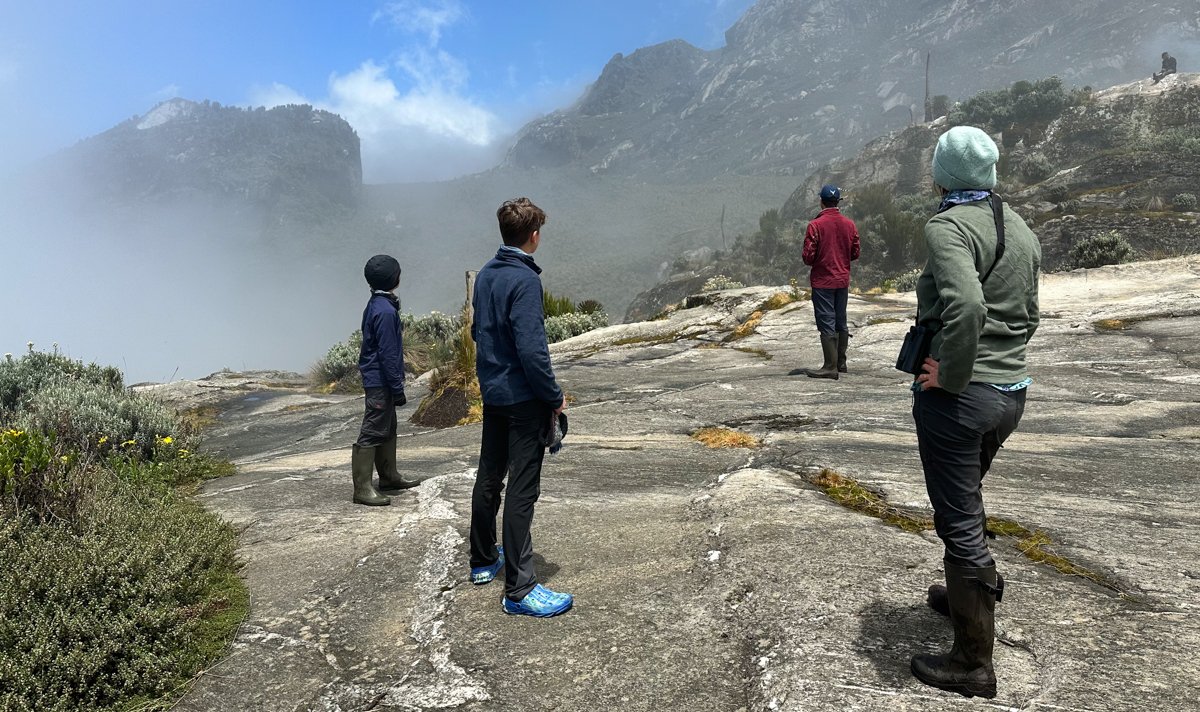
The Central Circuit offers far more than a mountain hike. It is a journey through ancient forests, bamboo zones, giant heather, alpine meadows, wetlands, glacial lakes, and dramatic mountain passes. Every stage reveals new landscapes that make the expedition both exciting and rewarding.
Whether your goal is to reach Margherita Peak or simply explore the lower sections of the trail, proper planning is the key to success. Choosing the right itinerary, packing suitable equipment, maintaining good physical fitness, and following experienced guides all contribute to a safer and more enjoyable adventure.
The combination of breathtaking scenery, rich biodiversity, welcoming mountain teams, and well-organized trekking support has made the Central Circuit one of Africa’s finest hiking destinations. Visitors leave with unforgettable memories, a deep appreciation for the Mountains of the Moon, and the satisfaction of completing an extraordinary journey.
If you are looking for a trekking experience that combines adventure, natural beauty, and personal achievement, the Rwenzori Central Circuit Trail is a destination that truly deserves a place on your travel list.
