

What to Pack for the Central Circuit on the Rwenzori Mountains: The Ultimate Packing Guide for a Safe and Successful Trek
What to Pack for the Central Circuit on the Rwenzori Mountains is one of the most important questions every trekker should answer before setting foot on Africa’s legendary Mountains of the Moon. The Central Circuit is unlike most hiking trails because it combines tropical rainforest, muddy valleys, bamboo forests, giant heather, alpine meadows, rocky ridges, glaciers, and permanent snow within a single expedition. A journey that begins in warm, humid conditions can end on frozen slopes above 5,000 meters only a few days later.
This dramatic change in altitude and weather means every item in your backpack has a purpose. Packing too little can leave you cold, wet, or uncomfortable, while carrying unnecessary equipment only adds extra weight during long hiking days. Good preparation helps you enjoy the scenery instead of worrying about the weather or your gear.
The right equipment also improves safety. Waterproof clothing keeps you warm during heavy rain, suitable boots prevent injuries on slippery trails, and technical climbing gear provides protection near the glaciers. Even small items such as spare socks or sunglasses become valuable when conditions change unexpectedly.
Whether you are attempting Margherita Peak or exploring the lower sections of the Central Circuit, understanding what to pack will make your journey smoother, safer, and far more enjoyable. Careful planning before leaving home often becomes one of the biggest reasons trekkers successfully complete this remarkable mountain adventure.
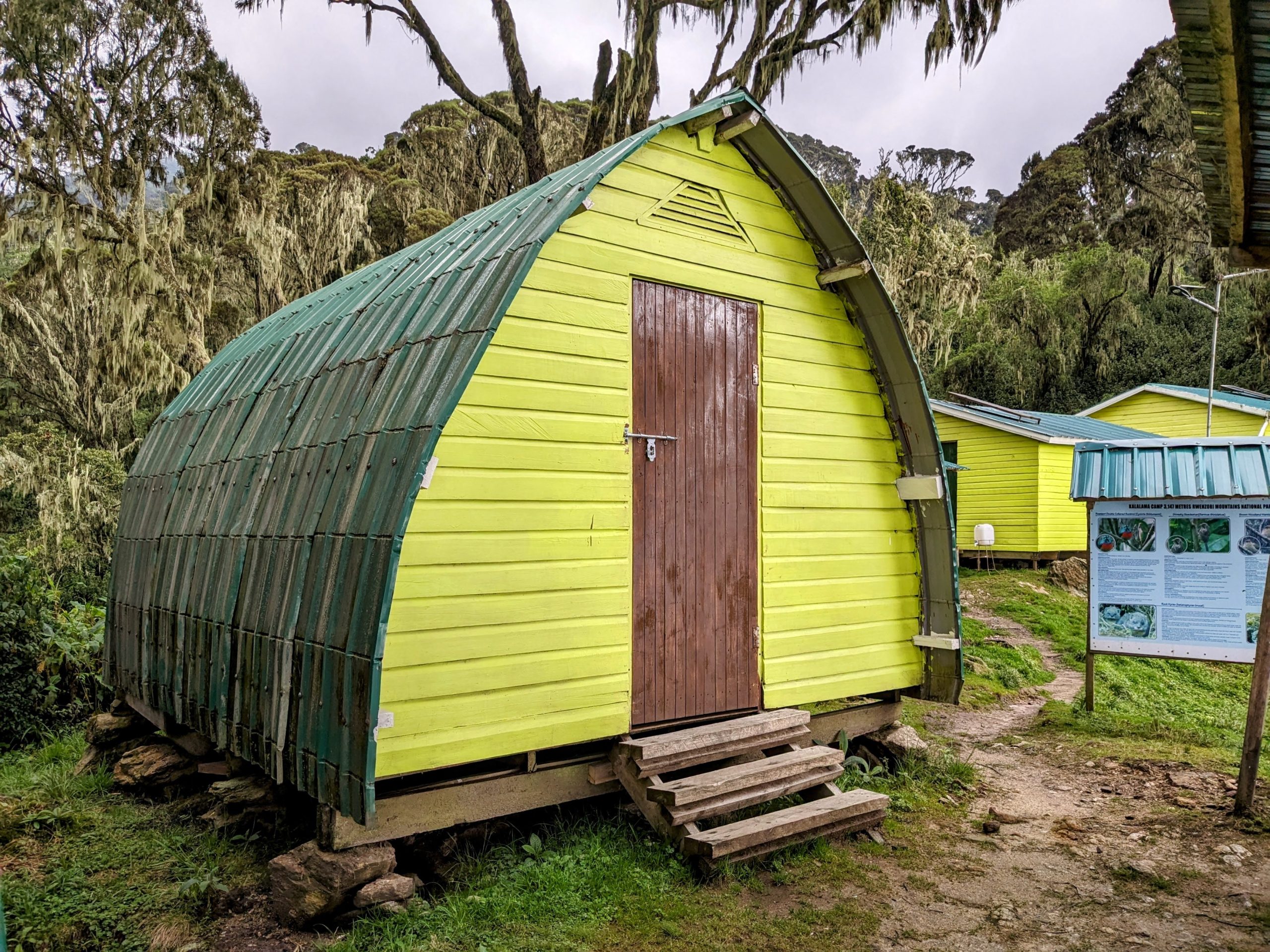 Why Packing Matters on the Central Circuit
Packing for the Central Circuit is very different from preparing for an ordinary hiking trip. The Rwenzori Mountains are among the wettest mountain ranges in Africa, receiving frequent rainfall throughout the year. The trail passes through several ecological zones, each presenting different weather conditions and hiking challenges. Trekkers may walk through thick rainforest during the morning, cross muddy wetlands in the afternoon, and spend the night in freezing temperatures at high-altitude mountain huts.
Because of these changing conditions, every item should solve a specific problem. Waterproof clothing keeps rain from soaking your body, while warm layers protect you from cold winds near the summit. Good hiking boots provide grip on muddy trails, and technical climbing equipment ensures safety during glacier crossings.
Imagine two trekkers beginning the same expedition. One arrives with waterproof boots, dry clothing, proper gloves, and suitable layers. The other packs lightweight trainers and cotton clothing designed for warm weather. After several hours of steady rain, the first trekker continues comfortably while the second struggles with wet feet, cold clothing, and growing exhaustion. Their physical fitness may be similar, but their packing decisions create completely different experiences.
Packing wisely also reduces unnecessary stress. Instead of worrying about changing weather, trekkers can focus on enjoying giant lobelias, crystal-clear mountain lakes, unique wildlife, and breathtaking views across the Rwenzori Mountains. Good preparation transforms difficult conditions into memorable adventures.
Choosing the Right Backpack and Waterproof Storage
Your backpack becomes your closest companion throughout the Central Circuit. Even though porters usually carry the larger expedition bag, every trekker needs a comfortable daypack for personal items needed during the day’s hike.
A daypack between 30 and 40 litres is usually enough to carry drinking water, snacks, waterproof clothing, gloves, a camera, sunscreen, sunglasses, and other daily essentials. It should fit comfortably on your shoulders and distribute weight evenly across your back. Adjustable straps help reduce fatigue during long walking hours.
Waterproof protection is equally important. Rain showers can develop quickly, even during the drier months. A waterproof backpack cover protects your equipment from getting soaked, but many experienced trekkers also pack their clothing inside dry bags or waterproof liners. This extra layer of protection keeps spare clothes completely dry even if rain becomes heavy.
Your larger duffel bag should also be strong enough for porters to carry over several days of trekking. Soft waterproof duffel bags are often preferred because they are easier to handle along narrow mountain trails.
Keeping items organized inside separate waterproof bags also saves time. For example, placing warm clothing, electronics, toiletries, and sleeping gear in different dry sacks allows quick access without unpacking everything each evening.
A well-organized backpack not only protects your equipment but also helps conserve energy throughout the expedition.
 Clothing That Keeps You Comfortable in Every Climate
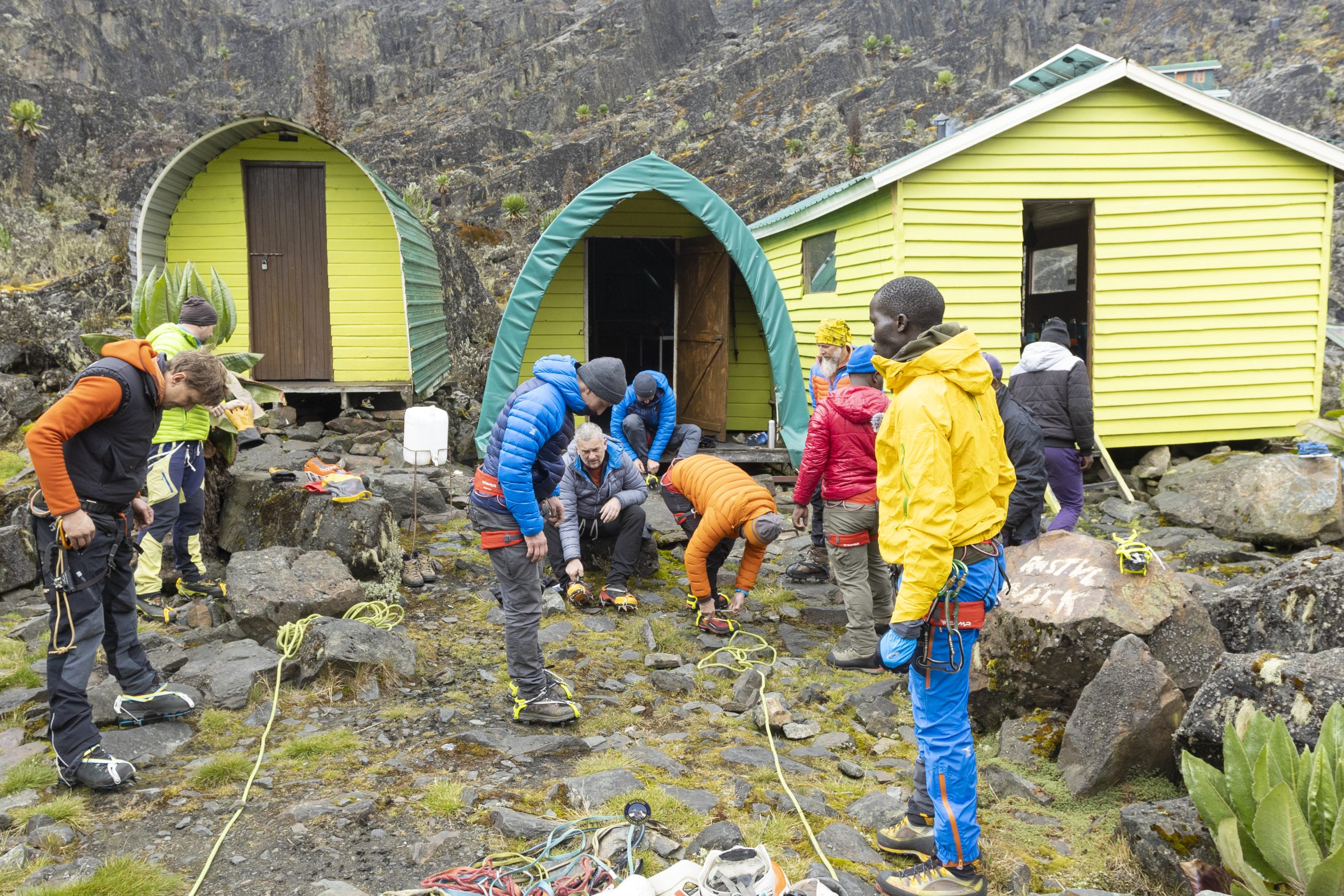
The clothing you pack for the Central Circuit should help you stay dry, warm, and comfortable as you move through different altitude zones. The Rwenzori Mountains are famous for unpredictable weather. A sunny morning can quickly change into heavy rain, while warm temperatures in the rainforest often become freezing conditions near the glaciers. Wearing several light layers instead of one thick jacket gives you the flexibility to adapt throughout the day.
Start with moisture-wicking base layers that move sweat away from your skin. Staying dry is important because wet clothing loses its ability to keep you warm. Over the base layer, wear a fleece or insulated jacket that provides warmth without adding too much weight. Finally, carry a waterproof outer jacket and waterproof trousers that protect you from rain and strong mountain winds.
Quick-drying trekking trousers are far better than heavy cotton trousers because they remain comfortable even after walking through wet vegetation or light rain. A few lightweight hiking shirts are also useful for the lower sections of the trail where temperatures remain relatively warm.
For example, a trekker leaving Nyakalengija Gate may begin the morning wearing only a light hiking shirt. By the time they reach higher camps such as Bugata or Hunwick’s Camp, additional layers, gloves, and waterproof clothing become necessary as temperatures fall sharply.
Packing extra clothing is also important. Dry clothes at camp improve comfort after a long day on muddy trails and help your body recover before the next stage of the expedition.
Choosing the Best Footwear for the Central Circuit
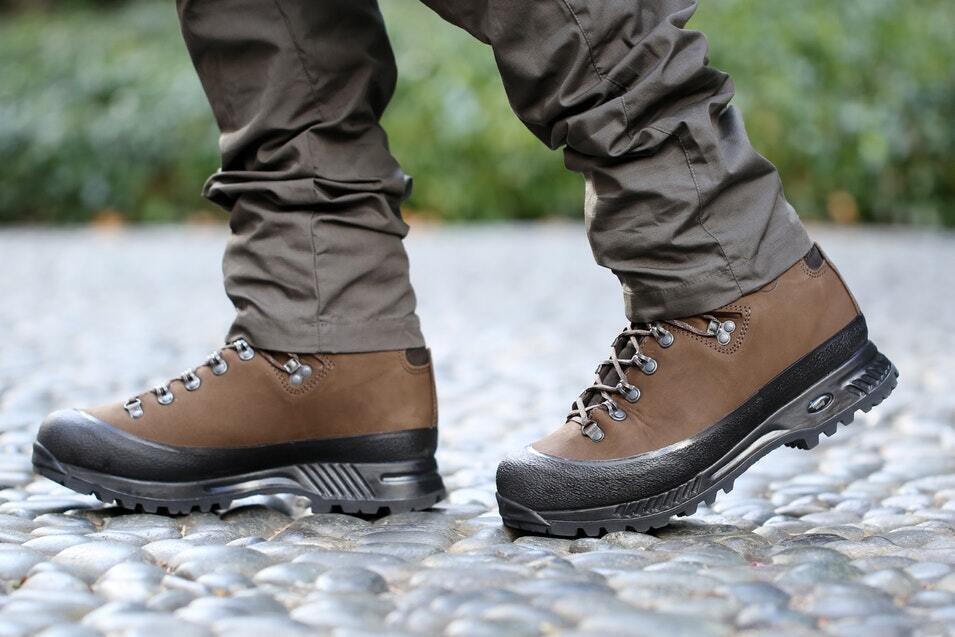
Your boots will probably be the most important piece of equipment you bring to the Rwenzori Mountains. Every day involves walking across uneven ground, rocky paths, muddy slopes, streams, and wetlands. Poor footwear can quickly lead to blisters, wet feet, and unnecessary fatigue.
A sturdy pair of waterproof hiking boots with good ankle support is highly recommended. The boots should already be broken in before arriving for the trek. New boots often cause painful blisters during the first few days of hiking, making the journey much more difficult than necessary.
Many trekkers also use gaiters to prevent mud, water, and small stones from entering their boots. This becomes especially helpful while crossing bogs and swampy sections where the mud can be surprisingly deep. Gaiters also keep your trousers cleaner and reduce the amount of moisture reaching your socks.
Warm wool socks provide another layer of comfort. Unlike ordinary cotton socks, wool continues to provide insulation even when slightly damp. Carrying several pairs allows you to change into dry socks each evening, reducing the risk of blisters and helping your feet recover overnight.
Rubber boots are often provided for the lower muddy sections of the Central Circuit. These are particularly useful during the rainforest and bog stages, where waterproof protection is more important than technical climbing performance. Higher up the mountain, trekkers normally change into their waterproof hiking boots before continuing toward the alpine zone.
Comfortable camp shoes or lightweight sandals are also worth packing. After spending many hours inside heavy boots, changing into lighter footwear at camp allows your feet to relax before the following day’s hike.
 Essential Technical Equipment for High-Altitude Climbing
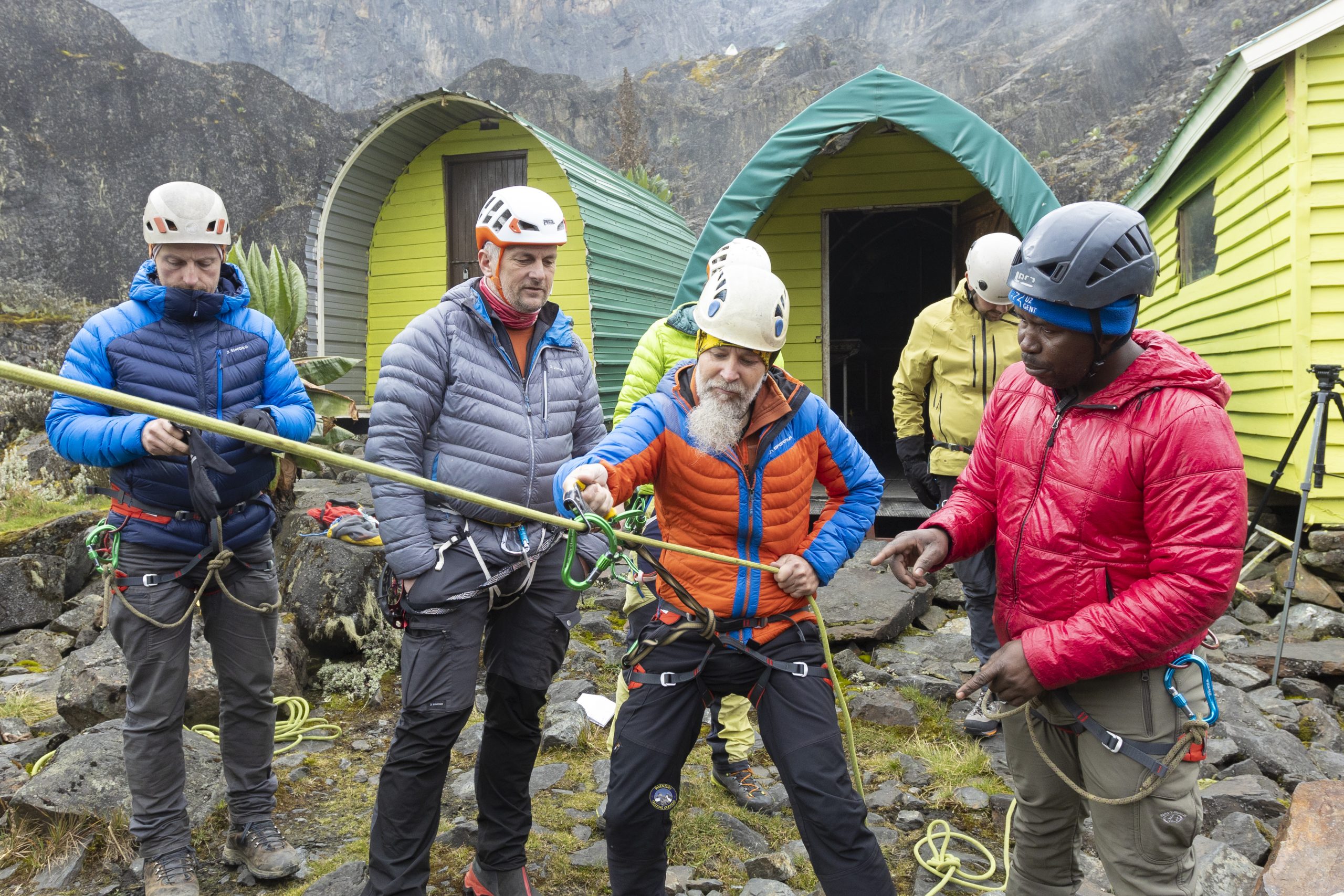
Trekkers attempting Margherita Peak require technical climbing equipment because the final section of the Central Circuit includes glaciers, snowfields, steep rock, and exposed terrain. These items are designed to improve safety rather than make climbing easier.
Crampons are one of the most important pieces of technical equipment. These metal spikes attach securely to climbing boots and provide grip while walking on ice and frozen snow. Without them, moving safely across glacier surfaces would be extremely difficult.
An ice axe is equally valuable during summit day. It helps maintain balance on steep snow slopes and provides additional stability during both ascent and descent. In the unlikely event of a slip, trained climbers can use the ice axe to stop themselves safely.
A climbing harness allows guides to secure trekkers to ropes when crossing exposed sections or difficult rock faces. The harness spreads weight evenly across the body while reducing the risk of injury if extra support becomes necessary.
Helmets protect against falling rocks or ice, particularly in narrow mountain gullies where loose stones occasionally occur. Even experienced climbers wear helmets throughout technical sections because mountain conditions can change unexpectedly.
Ropes themselves are usually managed by professional mountain guides, who use them whenever additional safety is required. Trekkers should always follow guide instructions during glacier crossings and technical climbs.
Although this equipment may appear unfamiliar to first-time climbers, experienced guides explain its use before reaching the more demanding sections of the mountain. Properly fitted safety equipment allows trekkers to concentrate on climbing while reducing unnecessary risks.
Sleeping Gear and Camp Comfort
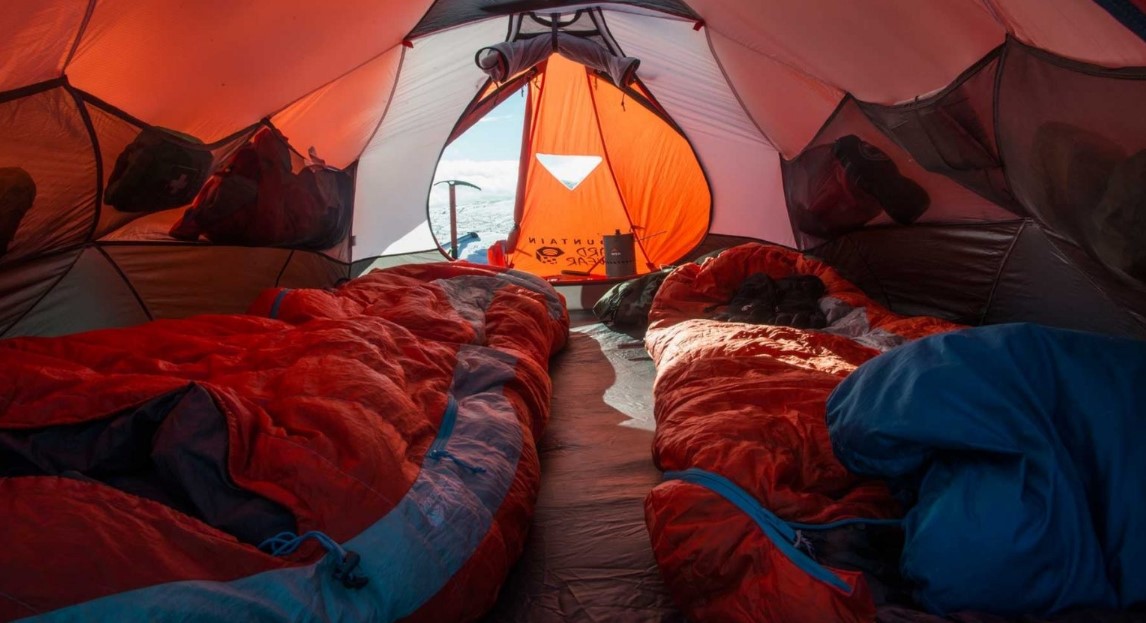
A good night’s sleep is one of the best ways to recover after several hours of hiking, making sleeping equipment an important part of your packing list. Nights become much colder as the Central Circuit climbs higher, and temperatures at upper camps often fall below freezing.
A high-quality sleeping bag rated for cold mountain conditions is essential. Sleeping bags designed for temperatures around -15°C provide enough warmth for the highest camps while allowing comfortable rest before summit day. Remaining warm overnight helps conserve energy and supports acclimatization.
Many trekkers also bring a sleeping bag liner. Besides adding extra warmth, liners help keep the sleeping bag clean during multi-day expeditions. A small inflatable pillow or compressible travel pillow may also improve sleeping comfort without taking up much space.
Changing into dry camp clothing after each day’s hike makes a noticeable difference. Lightweight tracksuits, thermal leggings, or comfortable fleece clothing allow the body to warm up while reducing the discomfort of remaining in damp hiking clothes.
Personal hygiene should not be overlooked. Small towels, biodegradable soap, wet wipes, and a toothbrush help maintain cleanliness throughout the trek. Since there are no shower facilities at most mountain huts, wet wipes often become one of the most appreciated items in a backpack.
Good sleep, warm clothing, and simple evening routines all contribute to better recovery, allowing trekkers to wake up refreshed and ready for another day on the mountain.
 Food, Hydration, and Personal Essentials
Staying well-fed and properly hydrated is just as important as carrying the right clothing. Trekking the Central Circuit requires several hours of walking each day, often over steep and challenging terrain. The body burns more energy at higher altitudes, making regular meals and enough water essential for maintaining strength throughout the expedition.
Carry at least one or two reusable water bottles with a combined capacity of two litres. Some trekkers prefer a hydration system because it allows them to drink regularly without stopping. Drinking small amounts throughout the day is much better than waiting until you feel thirsty. Proper hydration also supports acclimatization and helps reduce the risk of headaches caused by altitude.
A stainless-steel thermos is another useful item, especially during cold mornings and summit day. Warm tea, coffee, or hot water helps maintain body temperature while providing comfort during freezing conditions near the glaciers.
Energy-rich snacks are equally valuable. Trail mix, nuts, dried fruit, biscuits, chocolate, and energy bars provide quick nutrition between meals. Choose snacks that are easy to carry and do not melt or become sticky inside your backpack. Many experienced trekkers avoid sweets with caramel because they become difficult to eat in cold weather.
Personal care items should also be packed carefully. Bring sunscreen with a high SPF because ultraviolet rays become stronger at higher elevations. Lip balm protects against dry mountain air, while sunglasses with UV protection reduce glare reflected from snow and ice near the summit.
A small first aid kit is always recommended. Include blister plasters, pain relievers, personal medication, antiseptic cream, and adhesive bandages. If your doctor recommends altitude or travel medication, pack it before leaving home.
These simple personal items may seem small, but together they contribute greatly to a comfortable and successful trekking experience.
Electronics and Small Accessories Worth Carrying
The beauty of the Central Circuit encourages many trekkers to carry cameras, smartphones, and other electronic devices. However, the mountain environment presents unique challenges that should be considered before packing valuable equipment.
There is no electricity on the mountain, so every device should be fully charged before the trek begins. Carrying one or two fully charged power banks allows you to recharge essential electronics during the expedition. Cold temperatures reduce battery life much faster than normal, so storing batteries inside your sleeping bag at night helps preserve their charge.
A headlamp is one of the most important accessories every trekker should pack. Summit attempts usually begin well before sunrise, meaning several hours of hiking take place in complete darkness. A reliable headlamp leaves both hands free for climbing while improving safety along rocky trails. Carrying spare batteries is equally important because cold weather can drain power unexpectedly.
Photography enthusiasts should bring extra memory cards and spare camera batteries. The Central Circuit offers countless opportunities to capture giant lobelias, crystal-clear alpine lakes, dramatic glaciers, and breathtaking mountain scenery. Running out of storage or battery power during the expedition can be disappointing.
Other useful accessories include a lightweight notebook, waterproof phone case, travel adapter for charging before departure, and a whistle for emergencies. Earplugs may also improve sleep inside shared mountain huts where other trekkers may be preparing for an early summit attempt.
Although electronics add convenience, they should never replace essential safety equipment. Pack only what you truly need to avoid carrying unnecessary weight throughout the journey.
Common Packing Mistakes to Avoid
Even experienced hikers sometimes make packing mistakes before trekking the Central Circuit. Learning from these common errors helps prevent discomfort and unnecessary challenges once the expedition begins.
One of the biggest mistakes is bringing too many clothes. While extra clothing may seem helpful, carrying unnecessary weight quickly becomes tiring during several days of continuous hiking. Instead, choose versatile clothing that can be layered and reused throughout the trek.
Another frequent mistake is relying on ordinary sports shoes instead of waterproof hiking boots. Trainers may feel comfortable on flat ground, but they provide poor support on rocky trails and quickly become soaked in muddy sections. Proper hiking boots are a worthwhile investment for both comfort and safety.
Some trekkers underestimate the cold conditions at higher elevations. Packing only clothing suitable for warm weather often leads to uncomfortable nights and difficulty staying warm during summit day. Gloves, thermal layers, and insulated jackets should never be treated as optional items.
Forgetting waterproof protection is another common problem. Rain can fall during any month of the year, and wet clothing makes hiking much more difficult. Waterproof jackets, backpack covers, and dry bags should always be included regardless of the season.
Finally, many people carry equipment they never use. Large books, unnecessary gadgets, heavy toiletries, and extra clothing all increase backpack weight without improving the trekking experience. Before packing each item, ask yourself whether it will truly be useful on the mountain.
 Final Thoughts
What to Pack for the Central Circuit on the Rwenzori Mountains is about much more than filling a backpack with clothing and equipment. Every item you carry should have a clear purpose, helping you stay safe, comfortable, and prepared for one of Africa’s most diverse mountain environments.
The Central Circuit is unique because it combines rainforest trekking, muddy bog crossings, alpine hiking, rocky ridges, and glacier climbing within a single expedition. Such variety demands thoughtful preparation. Waterproof clothing protects against frequent rain, sturdy boots provide confidence on difficult trails, and technical climbing equipment ensures safety during the final approach to Margherita Peak.
Successful trekkers are rarely those with the most expensive gear. Instead, they are the ones who pack wisely, organize their equipment carefully, and prepare for changing mountain conditions. Small details such as carrying spare socks, keeping electronics dry, or packing enough snacks often make a bigger difference than expected.
Good preparation also allows you to focus on the true highlights of the journey. Instead of worrying about cold weather or wet clothing, you can fully appreciate the towering giant groundsels, sparkling alpine lakes, mist-covered valleys, unique wildlife, and breathtaking glacier scenery that make the Rwenzori Mountains so remarkable.
Before beginning your adventure, take time to review your packing list carefully. Every well-chosen item increases your comfort, supports your safety, and improves your chances of completing the Central Circuit with lasting memories. When you arrive fully prepared, the mountain becomes less about overcoming discomfort and more about enjoying one of the most extraordinary trekking experiences in Africa.
Optional Items That Can Make Your Trek More Comfortable
Although the essential equipment forms the foundation of your packing list, several optional items can make life on the Central Circuit much more comfortable. These extras are not mandatory, but many experienced trekkers are glad they packed them after spending several days in the mountains.
A lightweight camera is one of the best additions to your backpack. The Rwenzori Mountains offer countless photography opportunities, from waterfalls hidden inside the rainforest to giant lobelias standing above the alpine valleys. Sunrise over the snow-covered peaks and reflections in mountain lakes are moments worth capturing. If you plan to take many photos, carry spare batteries because cold temperatures reduce battery life quickly.
A small notebook and pen are also useful. Many trekkers enjoy recording daily experiences, weather conditions, wildlife sightings, or personal achievements. These notes often become lasting memories long after the expedition has ended.
Books, playing cards, or downloaded music can provide entertainment during quiet evenings at mountain huts. Since there is no internet connection on most parts of the trail, offline entertainment helps pass the time after dinner.
Reusable hand warmers are another valuable addition, especially for summit day. They fit easily inside gloves or jacket pockets and provide extra warmth during freezing morning temperatures.
Some trekkers also carry lightweight binoculars for birdwatching. The lower forest sections of the Central Circuit are home to numerous bird species, making binoculars worthwhile for nature enthusiasts.
Remember that every optional item adds weight to your backpack. Choose only those that will genuinely improve your experience without making your load unnecessarily heavy.
How to Organize Your Gear for Easy Access
Packing the right equipment is only part of the preparation. Organizing your gear properly saves time and energy throughout the trek. Searching through your backpack every time the weather changes quickly becomes frustrating, especially when rain begins unexpectedly.
Items used frequently during the day should always be easy to reach. Waterproof jackets, gloves, hats, snacks, sunglasses, sunscreen, water bottles, and cameras should be packed near the top or inside external pockets. This allows quick access without unpacking the entire bag.
Heavy items should be packed close to your back and around the center of the backpack. This improves balance while reducing strain on your shoulders and lower back during long hiking days. Lighter items such as spare clothing can be packed around heavier equipment to keep everything secure.
Sleeping clothes and evening essentials should remain inside waterproof bags until reaching camp. This ensures they stay completely dry regardless of the day’s weather conditions. Electronics should also be stored inside waterproof pouches for additional protection against moisture.
Many trekkers find it helpful to organize clothing inside separate dry bags. One bag may contain warm layers, another personal hygiene items, and another spare socks and gloves. This simple system makes it much easier to find what you need without emptying your entire backpack.
Good organization also benefits your porter. Clearly packed expedition bags allow equipment to be handled more efficiently during transfers between mountain huts.
Seasonal Packing Differences
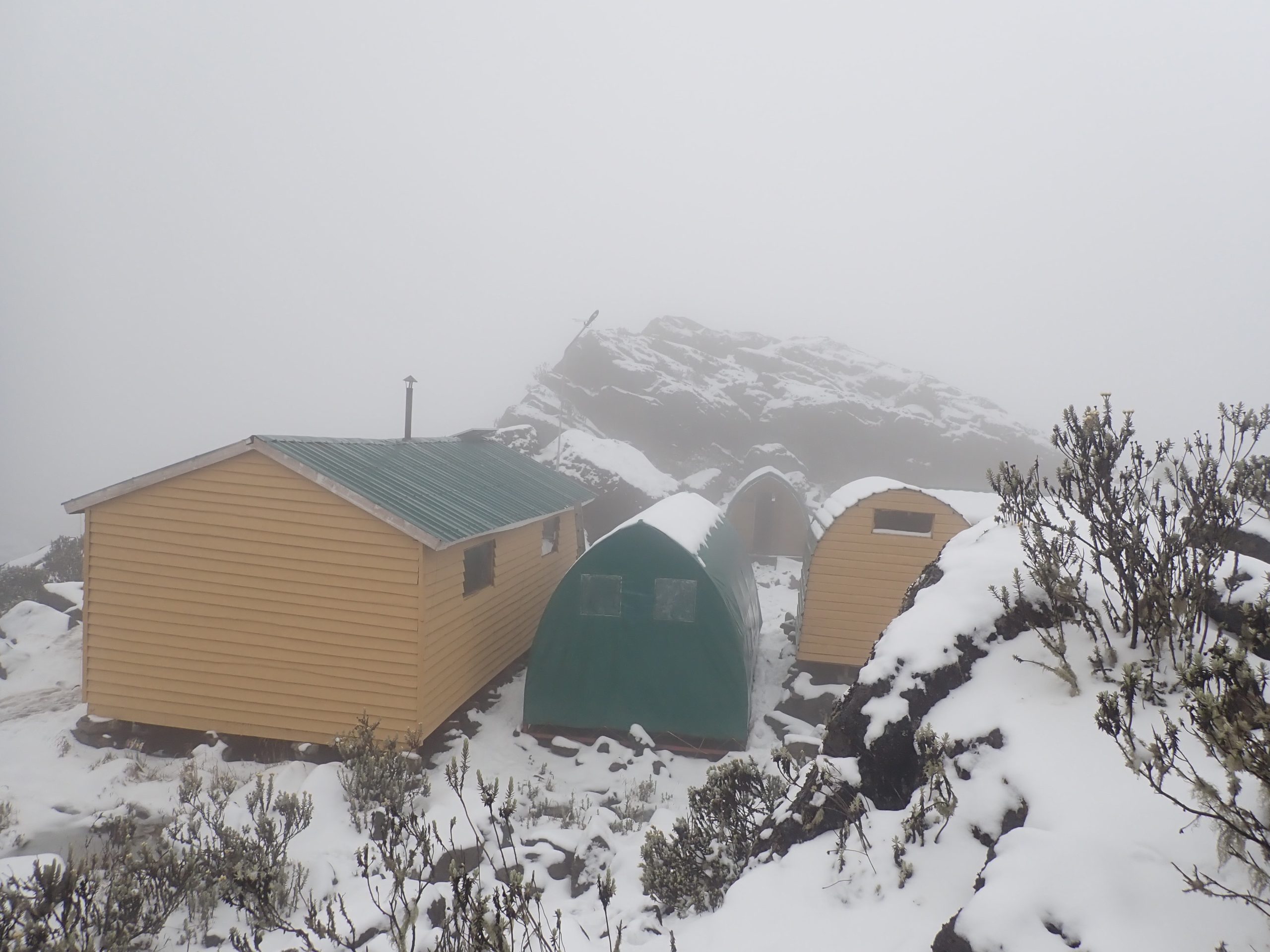
The Central Circuit can be trekked throughout the year, but seasonal weather patterns may influence a few packing decisions. While the basic equipment remains largely the same, certain items become even more important depending on when you visit.
During the drier months, lighter clothing is often sufficient for the lower elevations because rainfall is less frequent. However, waterproof gear should never be left behind, as showers can still occur without warning. Warm clothing remains essential because temperatures near the summit stay cold regardless of the season.
During the wetter months, extra attention should be given to keeping clothing dry. Carrying additional waterproof bags, spare socks, and an extra pair of gloves can make a significant difference after several consecutive days of rain. Trekking poles also become more valuable because muddy trails require better balance.
For example, a trekker visiting in July may experience relatively dry forest trails but still face freezing temperatures during the summit climb. Another visitor travelling in April could encounter heavier rain in the rainforest while enjoying equally cold conditions at higher elevations. In both situations, layered clothing and reliable waterproof protection remain the key to staying comfortable.
Rather than packing completely different equipment for each season, it is better to prepare for every possible weather condition. The Rwenzori Mountains are well known for changing quickly, and flexible packing is always the safest approach.
A Final Checklist Before Leaving for the Mountain
The evening before your trek begins is the perfect time to review your equipment one final time. Double-check that everything is packed, working properly, and easy to access. Small oversights are much easier to fix before arriving at the trailhead than after the expedition has started.
Confirm that your hiking boots fit comfortably and that your waterproof clothing has no damage. Charge your phone, camera, headlamp, and power banks because electricity will not be available once you begin the trek. Test your headlamp to ensure the batteries are working, and pack spares if needed.
Check that your passport, travel insurance, permits, identification documents, and any required medication are safely stored inside waterproof bags. Keep valuable documents separate from clothing to reduce the risk of damage.
Finally, weigh your backpack. Many trekkers are surprised by how quickly unnecessary items increase the load. Removing just a few non-essential objects can make several days of hiking noticeably easier.
The Central Circuit rewards preparation. Trekkers who arrive organized and properly equipped spend less time worrying about their gear and more time enjoying one of Africa’s most spectacular mountain adventures. Every carefully packed item contributes to a safer, more comfortable, and more memorable journey through the remarkable Rwenzori Mountains.