

Why Trek Rwenzori Mountains via Rwenzori Central Circuit? Discover Uganda’s Ultimate Mountain Adventure
Why Trek Rwenzori Mountains via Rwenzori Central Circuit? This is a question many adventure travelers ask when planning a hiking expedition to Uganda’s famous Mountains of the Moon. The Rwenzori Mountains offer one of the most rewarding trekking experiences in Africa, but choosing the right route makes a significant difference. Among the available options, the Central Circuit has become the preferred trail for many hikers because it combines breathtaking scenery, diverse ecosystems, comfortable trekking stages, and an unforgettable journey through the heart of the mountain range.
Unlike many mountain routes that require hikers to retrace their steps, the Central Circuit follows a complete loop. Every day introduces new landscapes, giving trekkers the chance to experience forests, bamboo zones, giant heather, alpine meadows, glacial lakes, rocky passes, and snow-covered peaks during one continuous adventure.
The trail is suitable for experienced hikers aiming for Margherita Peak as well as visitors who simply want to enjoy the beauty of the lower mountain slopes. Professional guides, mountain huts, porters, and organized trekking services make the expedition both safe and enjoyable.
This article explains why the Central Circuit remains the most popular route in the Rwenzori Mountains. Whether your goal is reaching Uganda’s highest peak or exploring one of Africa’s most unique mountain environments, the Central Circuit offers an adventure that combines challenge, beauty, and unforgettable memories.
 Experience a Complete Mountain Journey
One of the greatest reasons to choose the Central Circuit is its circular route through the Rwenzori Mountains. Unlike trails that require returning along the same path, this route allows trekkers to complete a full journey around the mountain range before arriving back at the starting point.
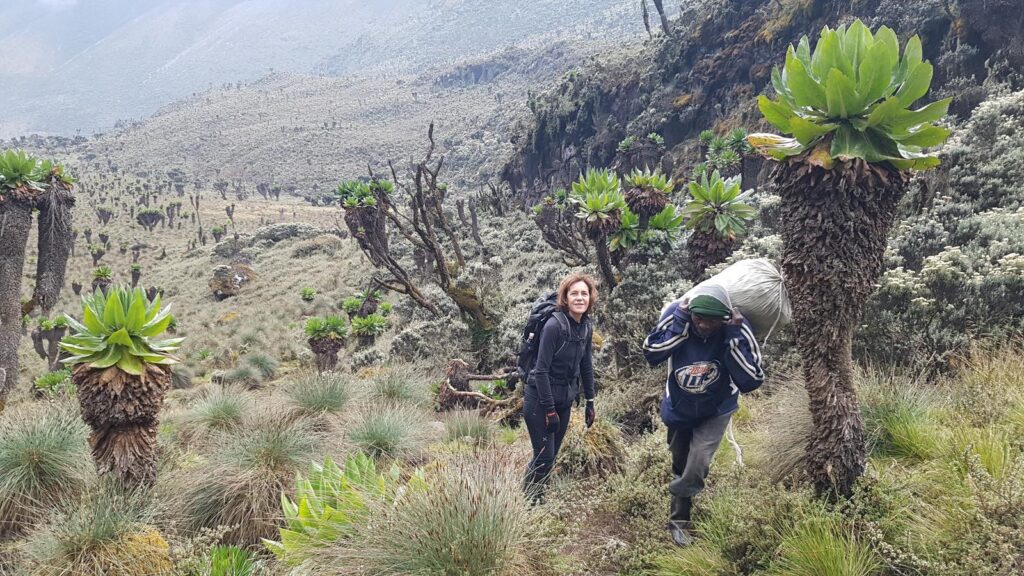
Every day presents a completely different landscape. Dense tropical rainforest gradually changes into bamboo forests before opening into giant heather covered with hanging moss. As hikers continue climbing, they enter alpine valleys filled with giant lobelias and giant groundsels that create one of the world’s most unusual mountain environments.
Because the trail rarely repeats itself, the sense of discovery remains strong throughout the expedition. New rivers, waterfalls, wetlands, mountain passes, and glacial lakes appear almost daily. This constant variety keeps the trek exciting from beginning to end.
Many visitors compare the experience to travelling through several national parks in a single week. Each vegetation zone has its own climate, wildlife, and scenery, making the journey feel far longer than the actual trekking days.
The circular design also allows trekkers to appreciate different sides of the mountain range. Instead of seeing only one valley, hikers explore a wide section of the park, gaining a deeper understanding of the remarkable landscapes that make the Rwenzori Mountains a UNESCO World Heritage Site.
Enjoy Incredible Scenic Diversity
Few mountain destinations in Africa offer as much natural variety as the Central Circuit. The route passes through changing ecosystems that create fresh experiences every day of the trek.
The journey begins in lush montane rainforest where tall trees provide shade and colourful birds fill the forest with their calls. Streams flow across the trail while monkeys occasionally move through the canopy above. As elevation increases, bamboo forests replace the dense woodland, creating a peaceful environment with cool mountain air.
Higher on the mountain, giant heather forests dominate the landscape. Thick moss hangs from twisted branches, giving the forest an ancient appearance that many visitors describe as magical. The scenery continues to change as trekkers reach the Afro-alpine zone, where giant lobelias and giant groundsels stand above the surrounding vegetation.
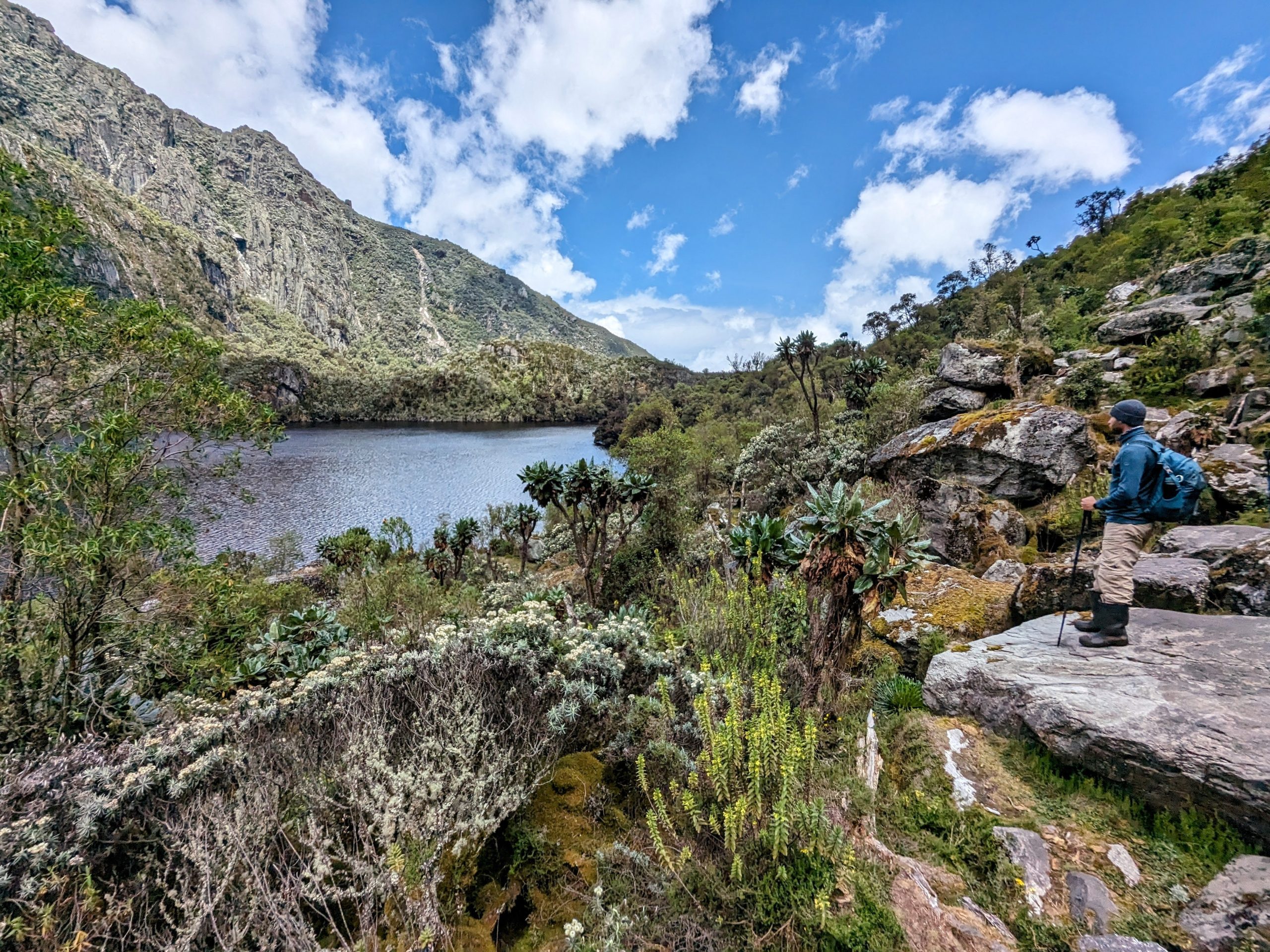
One of the highlights of the Central Circuit is Bigo Bog. Wooden boardwalks guide hikers safely across this famous wetland while protecting the delicate ecosystem below. Beyond the bog lies Lake Bujuku, one of the most beautiful mountain lakes in Uganda. Surrounded by towering peaks, it offers unforgettable views, especially during calm weather.
Every stage of the trek provides new photography opportunities. Morning sunlight, afternoon mist, dramatic clouds, and changing weather create constantly shifting mountain landscapes. These natural changes ensure that no two trekking days ever feel the same.
Reach Margherita Peak Through the Classic Route
For many trekkers, standing on Margherita Peak is the ultimate goal of visiting the Rwenzori Mountains. Rising to 5,109 metres above sea level, it is the highest point in Uganda and the third-highest mountain in Africa.
The Central Circuit is the classic route used by many climbers attempting this famous summit. The itinerary has been carefully designed to allow gradual altitude gain over several days, helping trekkers acclimatise before reaching the highest elevations.
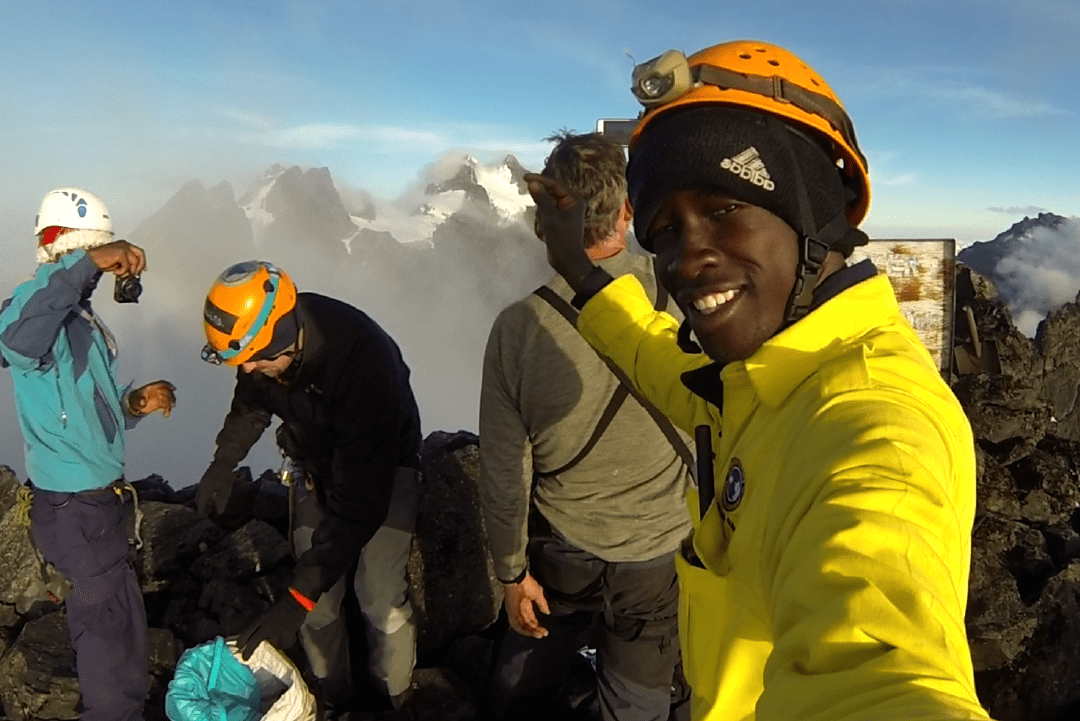
During the climb, hikers pass through several mountain huts before arriving at Elena Hut, the final overnight stop before the summit attempt. From there, guides lead climbers across glaciers, rocky slopes, and icy terrain during an early morning ascent. Safety equipment such as crampons, helmets, ropes, and harnesses helps climbers navigate the more technical sections.
Reaching the summit rewards trekkers with breathtaking views across the surrounding peaks and valleys. On clear days, the mountain landscape stretches far into western Uganda and neighbouring countries.
Even visitors who decide not to climb Margherita Peak still experience remarkable scenery along the Central Circuit. Lower-altitude itineraries provide beautiful mountain views without requiring technical climbing or glacier travel.
Whether your ambition is reaching the summit or simply exploring the mountain environment, the Central Circuit offers one of Africa’s most satisfying trekking experiences.
Walk Through Unique Ecosystems Found Nowhere Else
The Rwenzori Mountains are famous for their extraordinary biodiversity. Few places on Earth allow visitors to walk through so many different ecosystems within a relatively short distance.
The lower slopes are covered by tropical rainforest filled with towering trees, vines, and flowering plants. These forests support a wide range of wildlife, including black-and-white colobus monkeys, blue monkeys, and numerous bird species.
As the trail climbs higher, bamboo forests become the dominant vegetation. Beyond this zone, giant heather forests create a cool, misty atmosphere where moss-covered branches form beautiful natural tunnels along the path.
The Afro-alpine zone is perhaps the most remarkable part of the mountain. Giant lobelias and giant groundsels grow to impressive heights, creating landscapes unlike those found anywhere else in Africa. These unusual plants have adapted to freezing nights and bright daytime sunshine, making them one of the defining features of the Rwenzori Mountains.
Wetlands, glacial streams, rocky valleys, and alpine lakes add even more diversity to the environment. Every elevation introduces new plant communities, different wildlife, and changing weather conditions.
Walking through these ecosystems feels like travelling across several climates in one expedition. This remarkable natural diversity is one of the strongest reasons why so many hikers choose the Central Circuit over other mountain routes.
 Discover Rich Wildlife and Exceptional Birdlife
The Central Circuit offers far more than impressive mountain scenery. It also provides excellent opportunities to experience the remarkable wildlife that lives within Rwenzori Mountains National Park. Every stage of the trek introduces different habitats, creating exciting moments for nature lovers.
The lower forests are home to several species of primates. Trekkers often hear black-and-white colobus monkeys moving through the treetops before they see them. Blue monkeys also appear from time to time, especially during the quiet morning hours when the forest is most active.
Birdwatchers find the Central Circuit particularly rewarding. The Rwenzori Mountains lie within the Albertine Rift, one of Africa’s richest regions for endemic bird species. Colourful sunbirds, turacos, and other mountain birds add life to the forests and alpine zones. Even hikers with little interest in birdwatching often stop to admire the variety of calls echoing through the valleys.
The mountain is equally famous for its unique plant life. Every vegetation zone supports different species that have adapted to changing temperatures and rainfall. Giant lobelias, giant groundsels, moss-covered trees, and flowering plants transform the landscape into a living botanical garden.
Wildlife sightings are never guaranteed because the animals move freely through their natural habitat. However, the peaceful environment allows trekkers to enjoy nature without large crowds or constant disturbance. Walking quietly and taking time to observe the surroundings often leads to memorable encounters with the mountain’s wildlife.
For visitors who appreciate both adventure and nature, the Central Circuit provides an ideal balance between challenging trekking and unforgettable wildlife experiences.
Better Acclimatisation for High-Altitude Trekking
Altitude is one of the greatest challenges when climbing the Rwenzori Mountains. The Central Circuit helps reduce this challenge by allowing trekkers to gain elevation gradually over several days.
Instead of climbing rapidly, the route follows a carefully planned progression through different camps. Each overnight stop allows the body to adjust naturally to thinner air before moving to higher elevations. This gradual ascent increases comfort and improves the chances of completing the trek successfully.
Many visitors attempting Margherita Peak appreciate this steady approach. Spending several nights at increasing elevations gives the body valuable time to acclimatise before reaching the summit. Although altitude sickness can still occur, the well-planned itinerary reduces the overall risk.
Guides closely monitor every trekking group throughout the expedition. They encourage a slow walking pace, regular hydration, and frequent rest breaks. These simple practices play an important role in helping trekkers adapt to changing conditions.
The route also allows hikers to enjoy the mountain rather than rushing toward the summit. Visitors have time to appreciate the forests, lakes, waterfalls, and alpine scenery while their bodies gradually become accustomed to higher elevations.
Good acclimatisation benefits more than summit climbers. Even trekkers exploring lower sections of the Central Circuit often find the gradual pace more enjoyable because it reduces fatigue and allows them to fully appreciate the surrounding landscapes.
Comfortable Mountain Huts and Excellent Trekking Support
A multi-day mountain expedition becomes much more enjoyable when reliable support is available. The Central Circuit offers one of the best-organised trekking systems in the Rwenzori Mountains, making it suitable for a wide range of visitors.
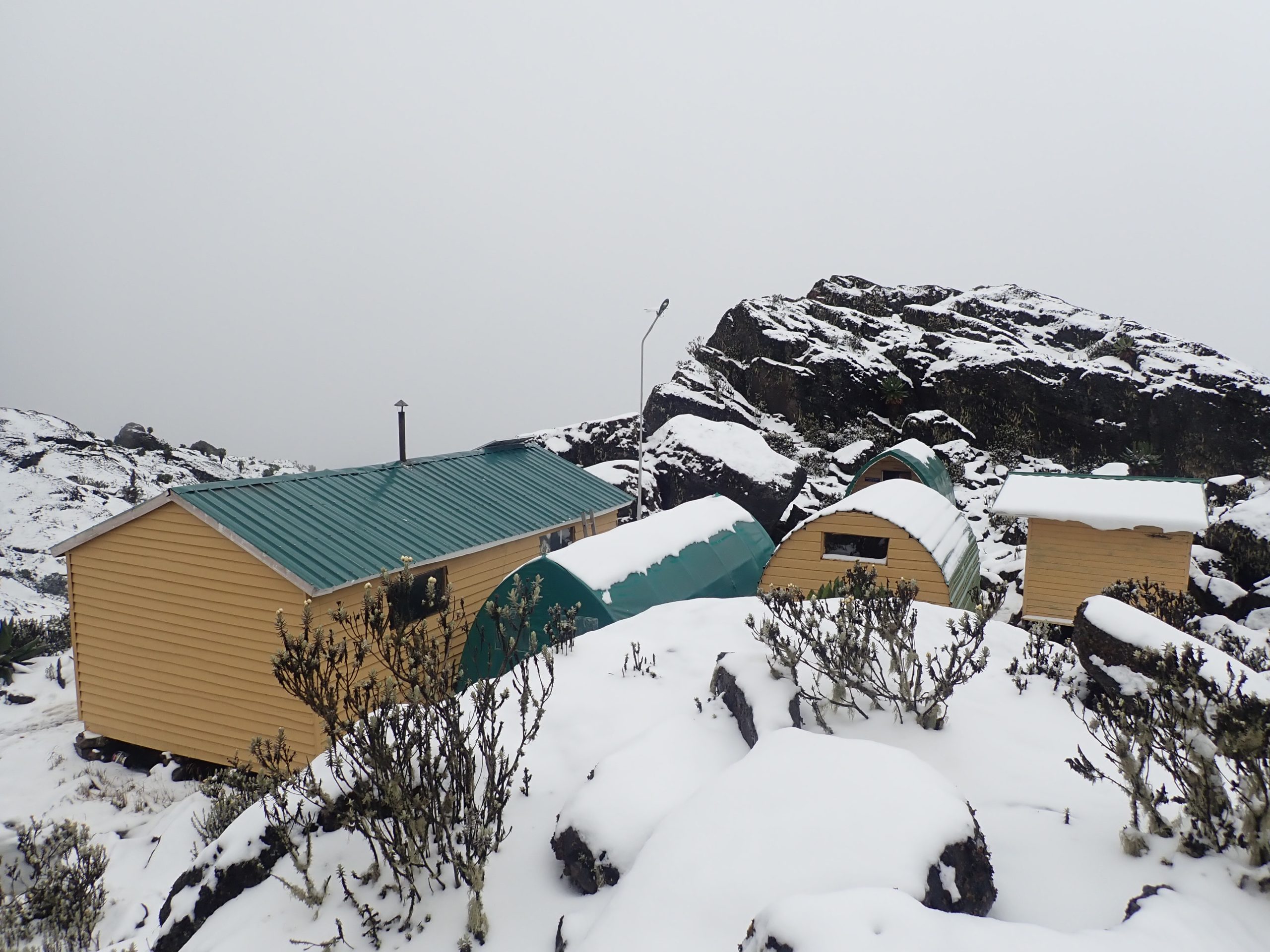
Along the route, trekkers stay in mountain huts located at strategic points. These huts provide bunk beds, shared sleeping areas, dining rooms, kitchens, and shelter from the changing mountain weather. Although the facilities are simple, they offer a comfortable place to rest after long hiking days.
Professional mountain guides accompany every group throughout the expedition. Their experience helps visitors navigate difficult terrain, understand local wildlife, and respond safely to changing weather conditions. Guides also share fascinating information about the mountain’s history, ecosystems, and conservation efforts.
Porters carry heavier luggage, allowing trekkers to hike with only a light daypack. This support reduces physical strain and makes the journey more enjoyable, especially during steep climbs. Mountain cooks prepare nutritious meals each day, ensuring hikers maintain their energy throughout the expedition.
The teamwork between guides, porters, cooks, and trekkers creates a welcoming atmosphere on the mountain. Many visitors say the friendliness and dedication of the mountain team become one of the most memorable parts of the experience.
This combination of organised support and comfortable mountain huts allows hikers to focus on enjoying the adventure instead of worrying about logistics.
 Explore Beautiful Lakes, Waterfalls, and Mountain Passes
The Central Circuit is famous for its remarkable variety of natural attractions. Beyond the forests and peaks, the trail passes beautiful lakes, rushing rivers, dramatic waterfalls, and high mountain passes that create unforgettable scenery.
One of the route’s highlights is Lake Bujuku, surrounded by towering peaks and alpine vegetation. During calm weather, the still water reflects the mountains, creating spectacular photography opportunities. Many trekkers consider this one of the most beautiful locations in the entire Rwenzori range.
Bigo Bog is another unforgettable feature of the trail. Elevated wooden boardwalks allow hikers to cross this famous wetland safely while protecting its delicate ecosystem. The surrounding landscape offers a unique experience rarely found on other mountain routes.
Several mountain passes reward trekkers with wide views across valleys, glaciers, and distant peaks. Scott Elliot Pass is among the most famous, offering breathtaking panoramas that make the climb worthwhile.
Throughout the journey, countless streams and waterfalls flow down the mountainsides, especially during the rainy seasons. These water sources contribute to the rich biodiversity of the park while adding peaceful sounds to the trekking experience.
Because the Central Circuit forms a loop, visitors encounter many different natural features instead of returning through the same scenery. This continuous variety keeps every day exciting and makes the route one of the most scenic mountain treks in Africa.
A Paradise for Photography Enthusiasts
The Central Circuit provides endless opportunities for photographers of every skill level. The constantly changing landscapes, dramatic weather, and unique vegetation create scenes that are difficult to find elsewhere in Africa.
Early mornings often begin with soft sunlight filtering through mist-covered forests. As the day progresses, bright alpine valleys, glacial lakes, rocky peaks, and colourful vegetation offer completely different photographic subjects. Even cloudy weather adds character by creating dramatic mountain atmospheres.
Wildlife photography is equally rewarding. Although animals are naturally shy, patient trekkers may capture images of monkeys, colourful birds, butterflies, and unique mountain plants. The giant lobelias and groundsels provide striking foregrounds against distant mountain peaks.
The mountain huts themselves also make interesting photographic subjects, especially when surrounded by mist or fresh morning light. Every camp offers a slightly different perspective of the surrounding landscape.
Sunrise and sunset produce some of the most memorable moments. Changing light transforms the mountains into shades of gold, orange, and purple before darkness settles across the valleys. These natural displays reward photographers who take time to observe their surroundings.
Whether using a professional camera or a smartphone, visitors quickly discover that every section of the Central Circuit offers another opportunity to capture the beauty of Uganda’s legendary Mountains of the Moon.