

Albert Peak: Discover the Hidden Giant of Mount Stanley in the Rwenzori Mountains
Albert Peak: Discover the Hidden Giant of Mount Stanley in the Rwenzori Mountains introduces one of Africa’s most remarkable high-altitude adventures. Rising to approximately 5,087 meters (16,690 feet) above sea level, Albert Peak is the third-highest summit on Mount Stanley after Margherita Peak and Alexandra Peak. Although it receives less attention than its neighboring summits, it offers breathtaking scenery, rugged landscapes, ancient glaciers, and a rewarding challenge for experienced climbers.
The Rwenzori Mountains, often called the Mountains of the Moon, are famous for their unique combination of tropical forests, alpine vegetation, glaciers, waterfalls, and rocky peaks. Albert Peak perfectly represents this natural beauty. Every stage of the journey introduces a different landscape, making the climb exciting from the first day to the final ascent.
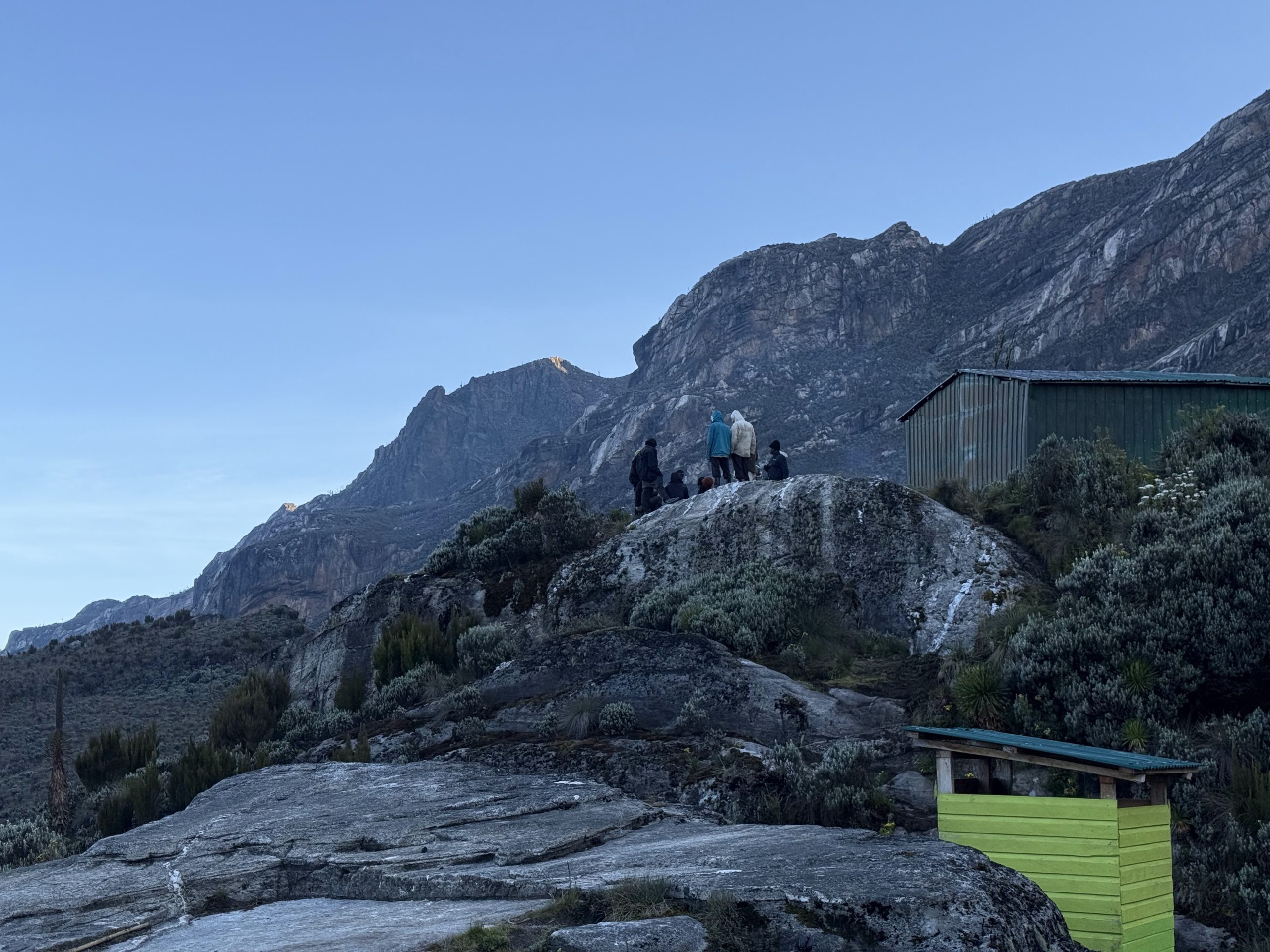 Unlike many famous mountains that attract large crowds, Albert Peak remains peaceful and uncrowded. Trekkers enjoy quiet trails, beautiful valleys, and spectacular mountain views throughout the expedition. The mountain appeals to hikers looking for a genuine wilderness experience away from busy tourist destinations.
Besides its impressive height, Albert Peak also holds geographical importance because it lies on the Democratic Republic of the Congo side of Mount Stanley. Even so, most climbing expeditions begin in Uganda through Rwenzori Mountains National Park, allowing visitors to experience one of Africa’s most beautiful mountain ecosystems before reaching the higher elevations.
Whether you enjoy mountaineering, wildlife, photography, or simply exploring untouched landscapes, Albert Peak promises an unforgettable adventure filled with natural wonders and lasting memories.
Where is Albert Peak Located?
Albert Peak stands on Mount Stanley, the highest mountain massif in the Rwenzori Mountains, which form part of the natural border between Uganda and the Democratic Republic of the Congo (DRC). At approximately 5,087 metres (16,690 feet) above sea level, it ranks as the third-highest summit on Mount Stanley and among Africa’s tallest mountains.
Although Mount Stanley stretches across both countries, Albert Peak is located mainly on the Congolese side of the mountain. This places the summit within Virunga National Park, one of Africa’s oldest protected areas and a UNESCO World Heritage Site. In comparison, Margherita Peak sits directly on the international border, allowing climbers to stand in both countries at once.
Despite Albert Peak’s location in the DRC, the majority of trekking expeditions begin from the Ugandan side. Hikers usually enter through Rwenzori Mountains National Park, where established routes provide the safest and most practical approach to Mount Stanley. The well-managed trails, experienced mountain guides, and mountain huts make Uganda the preferred starting point for most expeditions.
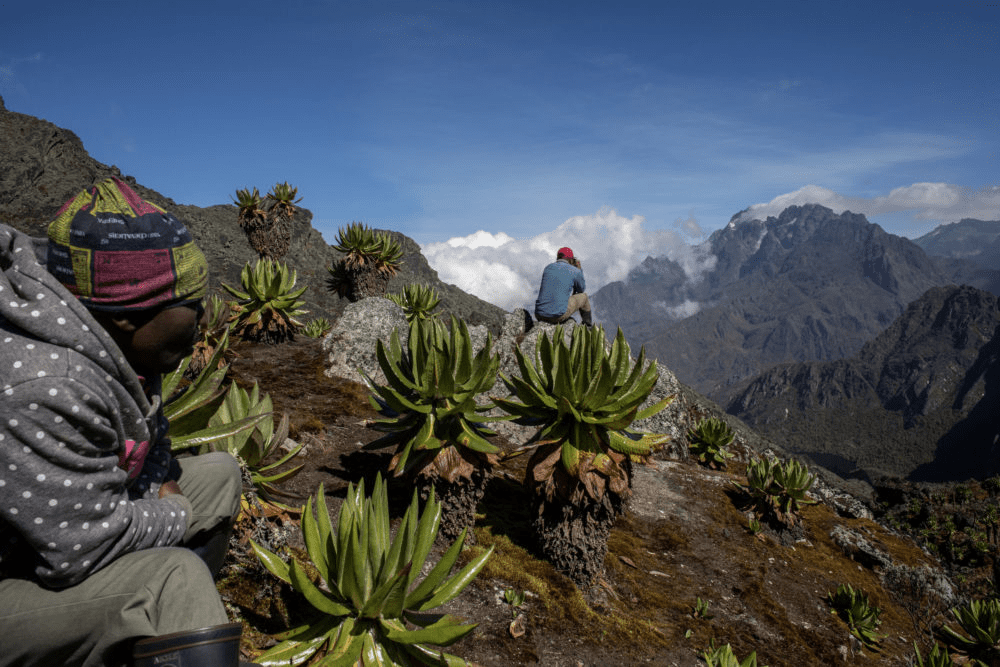
Albert Peak is surrounded by dramatic ridges, glacier-covered slopes, deep valleys, and steep rock faces. On clear days, climbers enjoy sweeping views across both Uganda and the Democratic Republic of the Congo. Its unique position gives visitors the opportunity to appreciate two countries while exploring one of Africa’s most spectacular mountain environments.
 Why Albert Peak is Special
Albert Peak stands out because it combines adventure, natural beauty, and isolation in one extraordinary destination. While many visitors focus on reaching Margherita Peak, Albert Peak remains a hidden treasure that rewards climbers with peaceful surroundings and unforgettable scenery.
One of its greatest attractions is the remarkable variety of landscapes encountered during the trek. The journey begins in dense tropical rainforest filled with birds, monkeys, and colourful plants. As hikers climb higher, the scenery changes into bamboo forests, giant heather, alpine meadows, and rocky glacier fields. Few mountains in Africa offer such dramatic changes over a single expedition.
The summit area is surrounded by the beautiful Albert Glaciers, which add another layer of beauty to the mountain. These glaciers, together with steep cliffs and rugged ridges, create breathtaking views that make every challenging step worthwhile. Early morning sunshine reflecting off the ice often provides excellent opportunities for photography.
Albert Peak also appeals to experienced climbers because reaching the summit requires endurance, careful planning, and mountain skills. The demanding terrain gives hikers a strong sense of achievement while allowing them to explore one of the least-visited high-altitude environments on the continent.
Another reason Albert Peak is special is its role in conservation. The glaciers of the Rwenzori Mountains continue to shrink because of climate change. Visiting this remarkable mountain allows travellers to witness one of Africa’s rare glacial landscapes while supporting tourism that encourages the protection of this unique ecosystem.
History of Albert Peak
Albert Peak is one of the highest summits on Mount Stanley, the largest massif in the Rwenzori Mountains. Standing at approximately 5,087 metres (16,690 feet), it is the third-highest peak on the mountain after Margherita Peak and Alexandra Peak. Like many peaks in the Rwenzori range, Albert Peak was named during the period when European explorers were mapping the region in the late nineteenth and early twentieth centuries.
The Rwenzori Mountains became internationally known after the expeditions led by the Italian explorer and mountaineer Prince Luigi Amedeo, Duke of the Abruzzi, in 1906. His team carefully mapped the mountain range, named several peaks, and documented the glaciers that covered the highest summits. These expeditions introduced the world to the remarkable landscapes hidden within the Mountains of the Moon.
Although Albert Peak has never received as much attention as Margherita Peak, it has remained an important feature of Mount Stanley because of its height, striking scenery, and glacial surroundings. Over the years, experienced climbers have continued to explore the mountain while appreciating its quieter and less crowded environment.
Today, Albert Peak represents both adventure and conservation. Its glaciers have gradually reduced in size due to climate change, making the mountain an important reminder of the need to protect the fragile ecosystems of the Rwenzori Mountains. Every successful climb not only celebrates human achievement but also highlights the value of preserving one of Africa’s most extraordinary mountain landscapes for future generations.
Hiking Routes to Albert Peak
Although Albert Peak lies on the Democratic Republic of the Congo side of Mount Stanley, nearly all climbing expeditions begin in Uganda through Rwenzori Mountains National Park. The established trekking routes provide safer access, experienced mountain guides, and well-maintained mountain huts that support multi-day expeditions.
The Central Circuit Trail is the most popular route for reaching the Mount Stanley massif. This classic trail usually takes seven days to complete and passes through beautiful rainforest, bamboo forests, giant heather, alpine bogs, and high mountain valleys before reaching the glacier zone. The route provides spectacular views of lakes, waterfalls, and several famous Rwenzori peaks along the journey.
Another excellent option is the Kilembe Trail, which normally takes eight days. This route begins near Kasese and offers a quieter experience with fewer trekkers. Hikers pass through dense forests, cross rivers, explore scenic valleys, and stay in comfortable mountain huts before climbing towards Mount Stanley. Many trekkers enjoy this trail because of its beautiful landscapes and excellent opportunities for wildlife viewing.
Both routes eventually lead climbers into the high alpine region surrounding Mount Stanley, where Albert Peak can be viewed and approached under suitable conditions. Because the upper mountain includes glaciers, steep rocks, and rapidly changing weather, every expedition should be led by qualified mountain guides with experience in glacier travel and high-altitude safety.
 How Many Days Does It Take to Climb Albert Peak?
Reaching Albert Peak requires a well-planned expedition because of its high altitude and challenging terrain. Most climbers spend seven to eight days in the Rwenzori Mountains, allowing enough time to reach the summit safely while giving the body time to adjust to increasing elevation.
The seven-day Central Circuit is often chosen by experienced hikers who prefer a shorter itinerary. Each day covers a different section of the mountain, gradually moving from tropical rainforest to the alpine zone before reaching Mount Stanley. This route offers a good balance between adventure and acclimatisation, although it involves long hiking days and demanding climbs.
The eight-day Kilembe Trail provides a slightly slower ascent, making it suitable for hikers who want additional time to enjoy the scenery or improve acclimatisation. The extra day also allows trekkers to appreciate more waterfalls, valleys, and unique vegetation before reaching the glacier-covered sections of the mountain.
The summit attempt usually begins before sunrise when weather conditions are more stable. Climbers travel across rocky ground, snowfields, and glacier sections before reaching the upper ridges of Mount Stanley. After enjoying the spectacular views, they descend to lower camps before continuing back to the park headquarters over the following days.
Choosing the right itinerary depends on your fitness level, hiking experience, and available time. Regardless of the route selected, proper preparation and guidance greatly improve the chances of a safe and enjoyable expedition.
How Difficult is Climbing Albert Peak?
Albert Peak is considered one of the most challenging climbs in the Rwenzori Mountains. Its high elevation, rugged terrain, glacier crossings, and unpredictable weather require good physical fitness and previous experience with Multi-day Mountain trekking. Although the climb is achievable, it should never be underestimated.
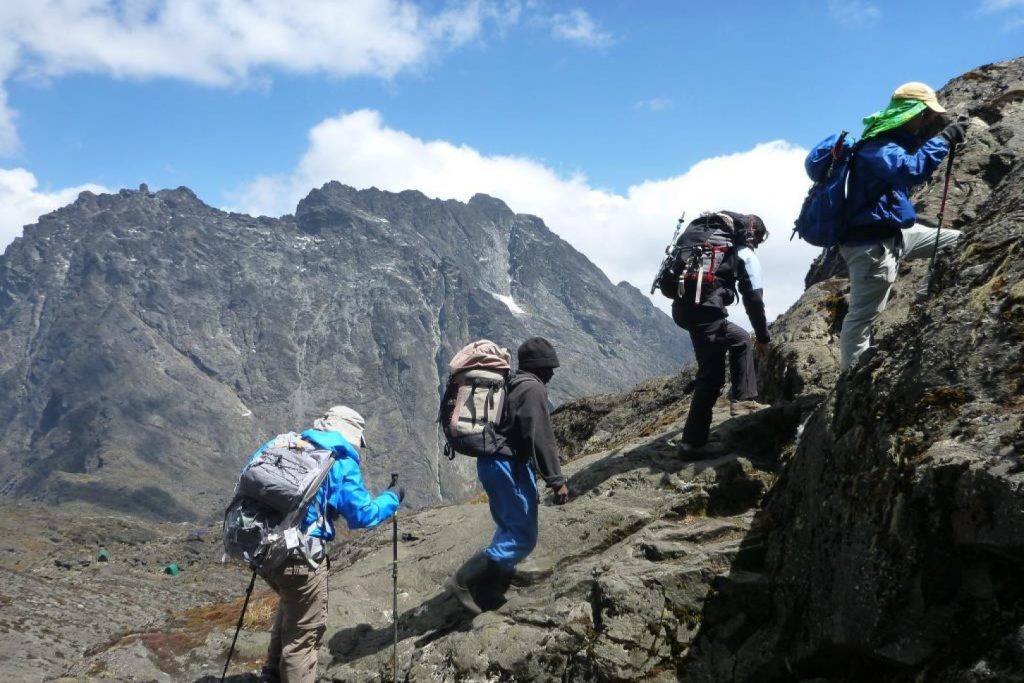
The trek begins on relatively gentle forest trails but becomes more demanding as hikers gain altitude. Steep ridges, muddy paths, rocky slopes, and alpine bogs require steady footing and endurance. Near the summit, the terrain changes again as climbers encounter glaciers, snow, and exposed rock sections that demand extra care.
Weather conditions add another level of difficulty. Rain can fall at almost any time of the year, making trails slippery and reducing visibility. Temperatures near the summit often fall below freezing, especially before sunrise during the final ascent. Strong winds and rapidly changing weather make proper clothing and equipment essential.
Altitude is another important challenge. At over 5,000 metres above sea level, some climbers may experience headaches, tiredness, or shortness of breath. Following a gradual itinerary, drinking enough water, and listening to experienced guides help reduce the risk of altitude sickness.
Despite these challenges, many well-prepared trekkers successfully reach the mountain each year. With determination, the right equipment, and professional guides, climbing Albert Peak becomes an unforgettable adventure and one of the greatest achievements in the Rwenzori Mountains.
Best Time to Climb Albert Peak
Albert Peak can be climbed throughout the year, but some months offer better weather and safer trekking conditions. The drier seasons, from June to August and December to February, are generally considered the best times to plan an expedition. During these months, rainfall is usually lower, trails are less muddy, and climbers often enjoy clearer views of the glaciers and surrounding peaks.
Even during the drier months, the Rwenzori Mountains have an unpredictable climate. Rain showers, mist, and strong winds can develop quickly, especially at higher elevations. Climbers should always be prepared for changing weather regardless of the season. Carrying waterproof clothing and warm layers is essential because temperatures near the summit can drop well below freezing.
The wetter months, particularly March to May and September to November, present additional challenges. Heavy rainfall makes the forest trails muddy and slippery, while rivers and bogs become more difficult to cross. Cloud cover is also more common, reducing visibility and limiting mountain views. However, the landscape becomes exceptionally green, waterfalls flow at their strongest, and the mountains appear even more dramatic.
Booking a climb during the recommended seasons improves the overall experience, but success always depends on weather conditions, physical fitness, and proper preparation. With experienced guides and suitable equipment, Albert Peak remains an exciting destination at any time of the year.
Wildlife and Vegetation Around Albert Peak
One of the greatest highlights of climbing Albert Peak is experiencing the incredible variety of wildlife and vegetation found along the journey. The Rwenzori Mountains are recognized for their rich biodiversity, and every elevation introduces a different natural environment.
The lower slopes are covered by dense tropical rainforest, where hikers may spot black-and-white colobus monkeys, blue monkeys, Rwenzori turacos, and many colourful bird species. Butterflies, chameleons, and small forest mammals are also commonly seen along the trails. The sound of flowing rivers and singing birds creates a peaceful atmosphere as the adventure begins.
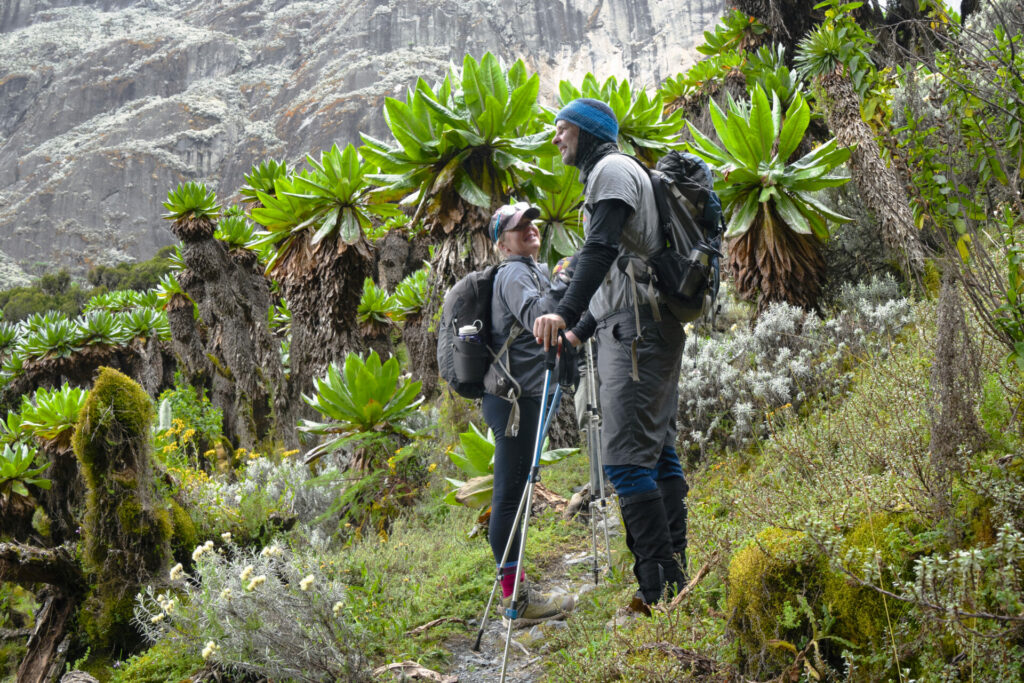
As the trail climbs higher, the rainforest gradually gives way to bamboo forests and giant heather woodlands. Higher still, trekkers enter the famous Afro-alpine zone, which is home to giant lobelias, giant groundsels, moss-covered rocks, and unique plants that have adapted to the mountain’s cold climate. These unusual landscapes make the Rwenzori Mountains unlike any other mountain range in Africa.
Near Albert Peak, vegetation becomes sparse as glaciers, snowfields, and rocky slopes dominate the landscape. Although wildlife is limited at these elevations, the panoramic views more than compensate. Looking back across the valleys reveals the remarkable transition from tropical forest to alpine wilderness, making the climb both a scenic and educational experience.
 Essential Gear for Climbing Albert Peak
Packing the right equipment is one of the most important steps when preparing to climb Albert Peak. The journey passes through several climate zones, meaning hikers experience warm rainforest conditions, cold alpine weather, and freezing temperatures near the summit. Carrying suitable gear helps ensure both comfort and safety.
A good pair of waterproof hiking boots with strong ankle support is essential because many sections of the trail are muddy, rocky, or slippery. Waterproof jackets and trousers protect against frequent rain, while thermal clothing, gloves, warm hats, and insulated jackets provide protection from the cold conditions found above 4,000 metres.
For the glacier section, climbers normally require specialised mountaineering equipment such as crampons, an ice axe, a climbing harness, and a helmet. These items are often provided by trekking operators or can be rented before the expedition. Guides also carry ropes and safety equipment when glacier travel is necessary.
Other useful items include trekking poles, sunglasses with UV protection, sunscreen, a headlamp with spare batteries, reusable water bottles, energy snacks, and a comfortable daypack. A sleeping bag suitable for cold mountain conditions is also recommended when staying in mountain huts.
Preparing well before the expedition allows hikers to focus on enjoying the spectacular scenery instead of worrying about inadequate equipment. Good gear not only improves comfort but also increases safety throughout the climb.
Conclusion
Albert Peak is one of the most impressive yet least-visited summits in the Rwenzori Mountains. Standing at 5,087 metres on Mount Stanley, it offers adventurous hikers an opportunity to explore one of Africa’s most spectacular mountain landscapes. Although the summit lies mainly within the Democratic Republic of the Congo, most expeditions begin from Uganda through the well-established trails of Rwenzori Mountains National Park.
The journey to Albert Peak is far more than a mountain climb. Trekkers pass through lush rainforests, bamboo forests, giant heather zones, alpine valleys, glaciers, and rugged rocky ridges before reaching the upper slopes of Mount Stanley. Every day presents new scenery, making the expedition both rewarding and unforgettable.
Whether you choose the seven-day Central Circuit or the eight-day Kilembe Trail, careful preparation and experienced guides are essential for a successful climb. The challenging terrain, changing weather, and high altitude demand determination, but the rewards are truly exceptional. Standing among the glaciers while overlooking Uganda and the Democratic Republic of the Congo is an experience that few places in Africa can match.
For travellers seeking an adventure beyond the ordinary, Albert Peak delivers breathtaking landscapes, remarkable biodiversity, and a genuine sense of achievement. It remains one of the hidden gems of the Rwenzori Mountains and an unforgettable destination for anyone passionate about mountaineering and exploring Africa’s wild mountain wilderness.