

Why You Need to Summit Margherita Peak Before Sunrise
Why You Need to Summit Margherita Peak Before Sunrise becomes clear the moment you step out of your mountain hut in the middle of the night. The stars shine above the Rwenzori Mountains, the air feels cold and crisp, and the path ahead disappears into darkness. While many first-time climbers wonder why guides insist on leaving camp between 2:00 AM and 3:00 AM, experienced mountaineers understand that timing is one of the most important factors in a successful summit.
Margherita Peak stands at 5,109 meters on Mount Stanley and is the highest point in the Rwenzori Mountains. It is also the third-highest mountain summit in Africa. Reaching this iconic peak is not simply a matter of hiking uphill. Climbers must cross glaciers, navigate steep rock sections, and deal with rapidly changing mountain weather. Every stage of the climb requires careful planning.
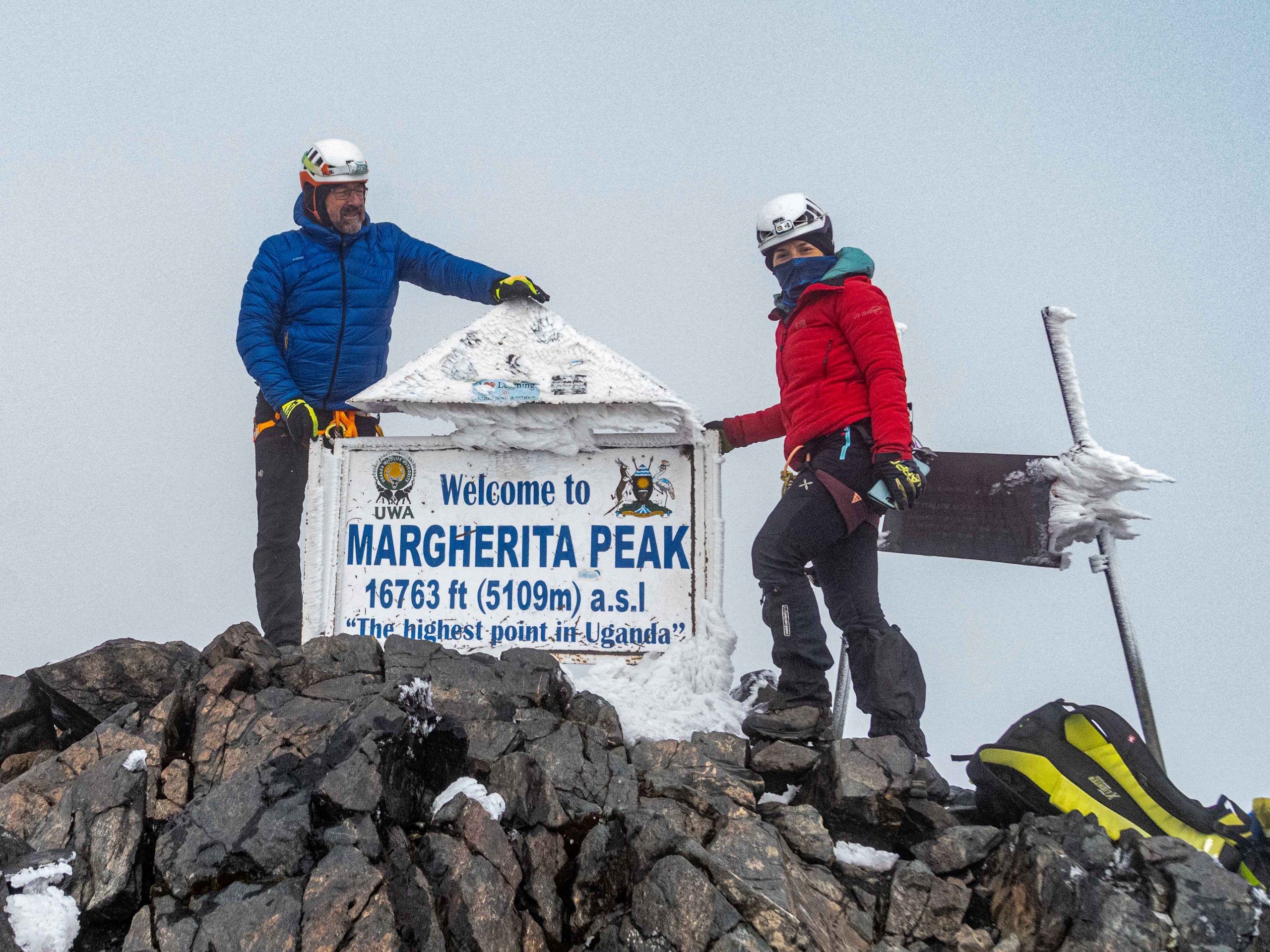 Understanding Why You Need to Summit Margherita Peak Before Sunrise can greatly improve your chances of reaching the summit safely. The early start protects climbers from unstable glacier conditions, reduces exposure to dangerous afternoon weather, and provides enough daylight for the long descent. These reasons apply whether you are trekking through the Central Circuit Trail or following the Kilembe Trail route.
Many climbers initially dislike the thought of waking up long before dawn. However, by the end of the expedition, most agree that the early start was one of the smartest decisions made during the entire journey. The mountain rewards those who respect its conditions and follow the guidance of experienced trekking teams.
The Importance of an Early Summit Push
One of the most important reasons Why You Need to Summit Margherita Peak Before Sunrise is that the mountain follows its own schedule. Unlike city life where activities can be delayed without consequence, mountain conditions change constantly throughout the day.
The summit push begins during the quietest hours of the night. At this time, temperatures remain low, winds are often calmer, and visibility from headlamps is usually sufficient for navigating the route. Guides prefer these conditions because they provide a safer environment for climbing.
Starting early also gives climbers more flexibility. Unexpected delays can happen during any summit attempt. Someone may need an extra rest break. Equipment adjustments may take longer than expected. Weather conditions might require a slower pace. Leaving camp before sunrise creates a valuable safety margin that would not exist if the climb started later in the morning.
The early departure is equally important on both the Central Circuit Trail and the Kilembe Trail. Although the routes differ, the mountain challenges remain similar. Climbers face long hours of physical effort, technical sections, and changing weather patterns.
Those who ignore the importance of timing often discover how quickly conditions can deteriorate. By the time sunlight fully reaches the mountain, guides are already aiming to have their groups near the summit or beginning the descent. This strategy has helped countless climbers safely achieve their goal of standing on the highest point in the Rwenzori Mountains.
Stable Glaciers and Safer Ice Conditions
Among all the explanations for Why You Need to Summit Margherita Peak Before Sunrise, glacier safety remains one of the most important. Margherita Peak is unique because it contains some of the last remaining glaciers in the Rwenzori Mountains. These ice-covered sections require special care and proper timing.
During the night, freezing temperatures keep the glacier surface firm and stable. Snow remains compact, and the ice provides better grip for crampons. Climbers can move more confidently across exposed sections because the surface is less likely to shift beneath their feet.
As dawn progresses and temperatures begin to rise, the situation changes. The sun slowly softens the glacier surface. Ice can become slippery, and small amounts may melt to water form. Areas that felt secure during the early morning hours may become more difficult to cross later in the day even because of crevices that might be open since the glacier would have melted.
This change may seem small, but on a high-altitude mountain, even minor changes can affect safety. Guides carefully plan summit schedules to ensure glacier crossings happen during the coldest and most stable hours.
The glaciers on Mount Stanley have become smaller over recent decades. As a result, some sections require even greater caution than before. Crossing these areas before sunrise helps reduce risks associated with unstable snow and melting ice.
When climbers ask Why You Need to Summit Margherita Peak Before Sunrise, experienced guides often point directly to the glaciers. The safest ice conditions almost always occur before the morning sun begins warming the mountain.
Beating the Unpredictable Rwenzori Weather
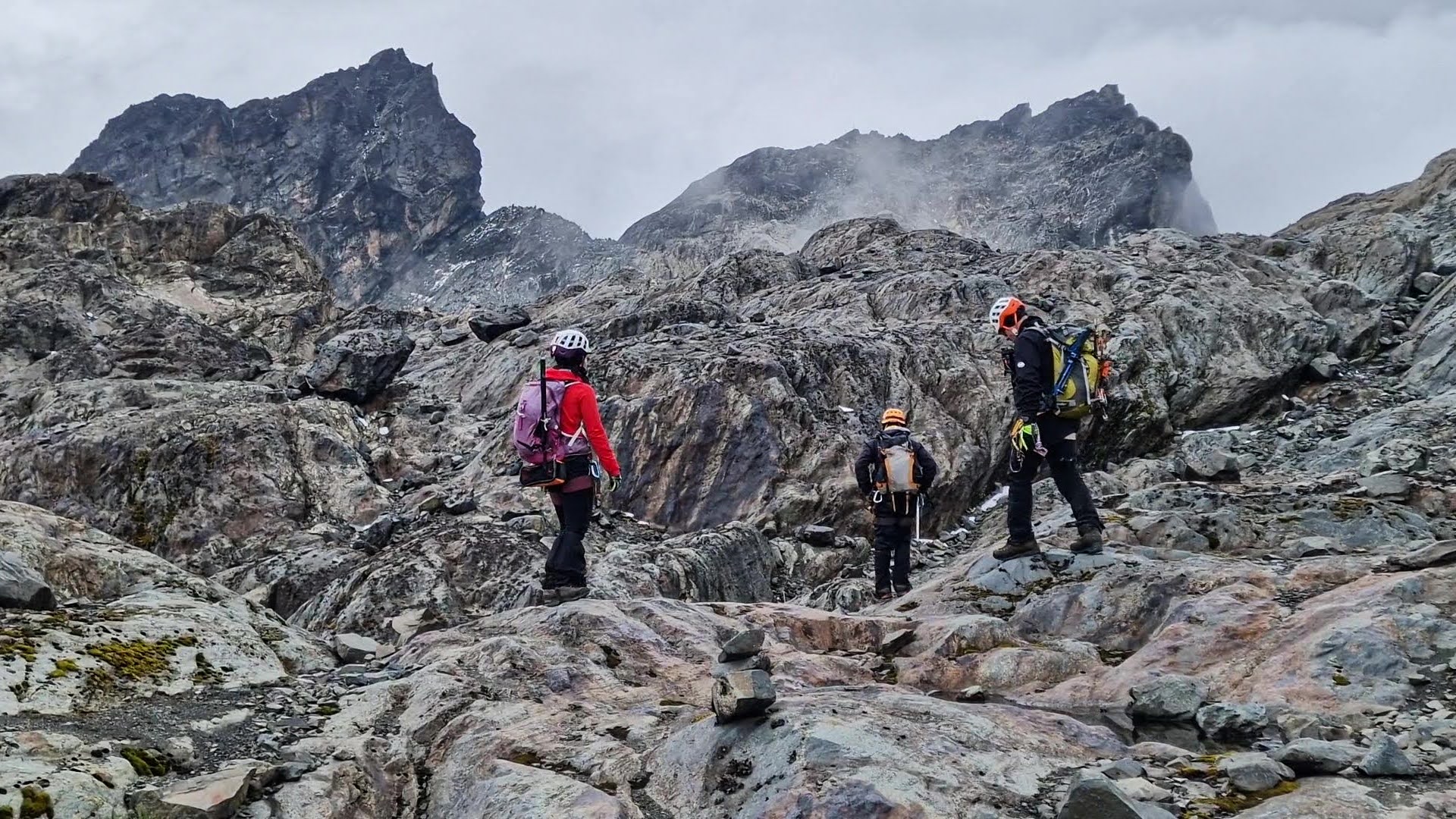
The Rwenzori Mountains are famous for their beauty, but they are equally known for their unpredictable weather. This is another major reason Why You Need to Summit Margherita Peak Before Sunrise.
A clear morning can quickly become cloudy. Sunshine may disappear behind thick fog within minutes. Rain, snow, or hail can arrive with little warning. These weather changes are part of what makes the Rwenzori Mountains both fascinating and challenging.
Early mornings usually provide the most reliable weather conditions. The skies tend to be clearer, and visibility is often better. Climbers who reach higher elevations before sunrise frequently enjoy more stable conditions than those who start later.
As temperatures rise throughout the day, moisture from surrounding valleys begins moving toward the mountains. Clouds often gather around the peaks, reducing visibility and making navigation more difficult. In severe cases, storms may force climbers to abandon their summit attempts.
Guides understand these patterns very well. This is why many teams follow a strict turnaround time of around 10:00 AM/11:00AM. Climbers who have not reached Margherita Peak by then are usually instructed to descend regardless of how close they are to the summit.
The goal is simple. Reach the summit while conditions remain favorable and begin descending before the mountain’s weather becomes unpredictable. This strategy greatly increases the likelihood of a successful and safe expedition.
Why Daylight Matters on Summit Day
Many people focus on reaching the summit but forget that they still need to return safely. This practical reality is another reason Why You Need to Summit Margherita Peak Before Sunrise.
Summit day is often the longest and most demanding day of the entire trek. Depending on route conditions and individual pace, the journey can last between 9 and 11 hours. Climbers must conserve energy not only for the ascent but also for the descent.
Descending the mountain requires concentration. The same glaciers, rocks, ladders, and steep sections crossed during the climb must be negotiated again while tired. Fatigue increases the risk of mistakes, especially during the final hours of the journey.
Starting before sunrise allows climbers to maximize available daylight. By reaching the summit around dawn, they can begin descending with many hours of natural light remaining. This improves visibility and helps guides monitor every member of the group.
Imagine attempting a descent in darkness after an exhausting day at high altitude. Even simple sections of trail become more challenging. Loose rocks are harder to spot. Route finding becomes more difficult. Small mistakes can quickly become serious problems.
For this reason, experienced trekking companies treat daylight as a valuable safety resource. The earlier the summit is reached, the greater the margin for a safe return to camp.

The Difference Between Success and Turning Back
Every climber dreams of standing on Margherita Peak, but not every summit attempt succeeds. Understanding Why You Need to Summit Margherita Peak Before Sunrise can often mean the difference between reaching the summit and turning back early.
The mountain rewards preparation and discipline. Climbers who follow their guide’s schedule give themselves the best chance of success. They benefit from firmer glaciers, calmer weather, and longer daylight hours.
Those who start late face increasing challenges with every passing hour. Ice conditions become less stable. Weather patterns become less predictable. Fatigue becomes a larger factor. Eventually, guides may decide that continuing is no longer safe.
This decision can be disappointing, but mountain safety must always come first. Reaching the summit is never worth taking unnecessary risks.
Many successful climbers later realize that the pre-dawn departure was not an inconvenience. Instead, it was one of the key factors that allowed them to achieve their goal. The early start created the conditions needed for a safe and rewarding experience.
Watching the Sunrise from Africa’s Third-Highest Peak
Beyond the safety benefits, there is another reason Why You Need to Summit Margherita Peak Before Sunrise. The sunrise itself is an unforgettable reward.
As the first light spreads across the horizon, the peaks of the Rwenzori Mountains begin to emerge from darkness. Glaciers reflect golden sunlight, while clouds settle in the valleys below. The entire landscape seems to come alive.
Many climbers describe this moment as the highlight of their expedition. The physical effort required to reach the summit makes the experience even more meaningful. Standing on Africa’s third-highest peak while watching the sun rise creates memories that last a lifetime.
The views are often at their best during these early hours. Clear skies allow climbers to appreciate the dramatic scenery surrounding Mount Stanley. Cameras can capture beautiful images, but the feeling of witnessing sunrise from such a remote and remarkable location is impossible to fully describe.
This magical experience is one more reason why summit schedules are carefully planned. Reaching the summit at dawn combines safety, achievement, and spectacular scenery into a single unforgettable moment.
 Conclusion
Why You Need to Summit Margherita Peak Before Sunrise is no longer a mystery once you understand the realities of climbing in the Rwenzori Mountains. The early start provides safer glacier crossings, better weather conditions, more daylight for the descent, and a higher chance of reaching the summit successfully.
Whether you are taking the Central Circuit Trail or the Kilembe Trail, leaving camp between 2:00 AM and 3:00 AM is an essential part of the adventure. While waking up in the middle of the night may seem difficult, the benefits far outweigh the inconvenience.
The journey to Margherita Peak is one of Africa’s greatest trekking experiences. By respecting the mountain, trusting your guides, and understanding Why You Need to Summit Margherita Peak Before Sunrise, you place yourself in the best position to enjoy a safe climb, a successful summit, and an unforgettable sunrise above the clouds.