

Vittorio Emanuele Peak of the Rwenzori Mountains: Conquer Africa’s Fourth-Highest Mountain.
Vittorio Emanuele Peak of the Rwenzori Mountains: Conquer Africa’s Fourth-Highest Mountain introduces one of Africa’s most rewarding mountaineering adventures. Rising above the breathtaking landscapes of Rwenzori Mountains National Park, this magnificent summit combines dramatic scenery, fascinating history, challenging trekking routes, and unforgettable panoramic views. Although Margherita Peak is the most famous destination in the Rwenzori range, Vittorio Emanuele Peak offers an equally remarkable experience for hikers seeking a quieter and less crowded expedition.
Standing at 4,890 metres (16,043 feet) above sea level, Vittorio Emanuele Peak is the highest summit of Mount Speke and ranks as the fourth-highest mountain in Africa. The mountain lies within the UNESCO World Heritaege-listed Rwenzori Mountains National Park along the border between Uganda and the Democratic Republic of th Congo. Before European explorers named the mountain, the local Bakonjo people referred to the Mount Speke massif as Duwoni, reflecting its long-standing cultural importance.
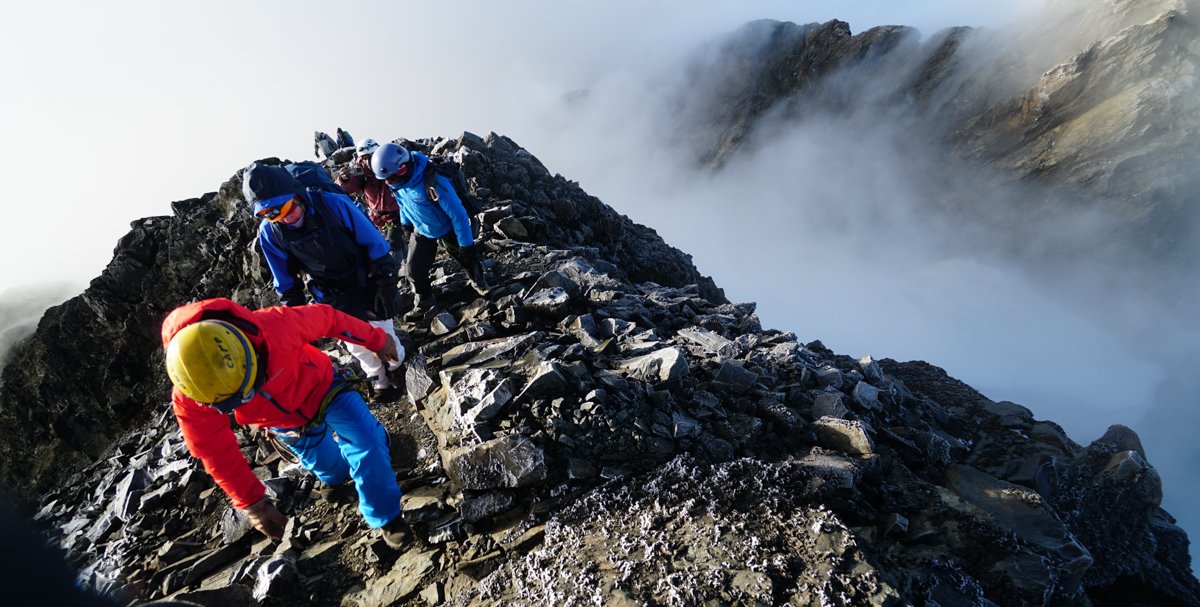 The journey to the summit is as rewarding as reaching the peak itself. Trekkers pass through dense montane forests, bamboo zones, giant heather, moss-covered valleys, and spectacular Afro alpine landscapes before climbing steep rocky slopes with breathtaking views across the surrounding Rwenzori Mountains. Along the trail, visitors encounter unique plant species, beautiful streams, and an untouched wilderness that makes every stage of the hike memorable.
Whether you are an experienced mountaineer or an adventurous traveler seeking a challenging expedition, Vittorio Emanuele Peak of the Rwenzori Mountains: Conquer Africa’s Fourth-Highest Mountain offers an unforgettable opportunity to explore one of Uganda’s most spectacular high-altitude destinations while experiencing the natural beauty and rugged charm of the legendary Mountains of the Moon.
Where Is Vittorio Emanuele Peak Located?
Vittorio Emanuele Peak rises proudly within Mount Speke, one of the six major mountain massifs of the Rwenzori Mountains. The summit stands in the upper Bujuku Valley inside Rwenzori Mountains National Park in western Uganda, directly along the border shared with the Democratic Republic of Congo.
Mount Speke forms an impressive mountain triangle together with Mount Stanley and Mount Baker. These three towering massifs dominate the central section of the Rwenzori Mountains and create some of the most spectacular alpine scenery found anywhere in Africa. Their rugged ridges, deep valleys, waterfalls, and glacial landscapes make this region one of the continent’s finest mountain destinations.
The mountain occupies an important position within the UNESCO World Heritage Site, which protects rare wildlife, unique vegetation, and fragile alpine ecosystems. Lower elevations are covered by dense tropical rainforest, while higher sections reveal giant groundsels, giant lobelias, rocky cliffs, and occasional snowfields.
Because of its central location, climbers enjoy magnificent panoramic views toward neighboring peaks throughout the expedition. Clear mornings often reveal Mount Stanley, Mount Baker, and several distant valleys stretching across western Uganda.
The peaceful surroundings and untouched wilderness create an atmosphere that feels far removed from modern life, allowing visitors to fully appreciate the natural beauty of the legendary Mountains of the Moon.
The History Behind the Summit
Mountains often carry stories that extend far beyond their physical beauty, and Vittorio Emanuele Peak is no exception. The summit combines local cultural heritage with the history of early exploration in East Africa.
Long before European explorers arrived, the Bakonjo people knew the entire Mount Speke massif as Duwoni. The mountain held cultural significance for local communities who lived along the lower slopes and respected the high peaks as powerful natural landmarks.
During the early exploration and mapping of the Rwenzori Mountains, European expeditions named many of the major summits after notable historical figures. Vittorio Emanuele Peak received its name in honor of King Victor Emmanuel III of Italy, reflecting the naming traditions of that period.
 Today, both the traditional and historical names remain part of the mountain’s identity. Many local guides proudly share the stories of Duwoni while explaining the significance of the European names that appear on modern maps.
Understanding this history adds another layer to the trekking experience. Climbers are not only exploring a beautiful mountain but also following routes that connect generations of local communities, early explorers, and modern mountaineers who continue to admire the remarkable landscapes of the Rwenzori Mountains.
Why Vittorio Emanuele Peak Stands Out
Several features make Vittorio Emanuele Peak one of the most impressive mountains in Africa. While it may not be the continent’s highest summit, it offers a unique combination of challenging climbing, breathtaking scenery, and remarkable biodiversity.
Standing at 4,890 meters, it ranks as Africa’s fourth-highest mountain summit. This impressive elevation provides spectacular views over neighboring peaks, glaciers, alpine valleys, and distant forests. Few places allow hikers to experience such dramatic scenery within a single expedition.
Another remarkable feature is its location within Mount Speke. Together with Mount Stanley and Mount Baker, it forms one of the most recognizable mountain landscapes in East Africa. The towering ridges and rocky cliffs create an unforgettable backdrop throughout the climb.
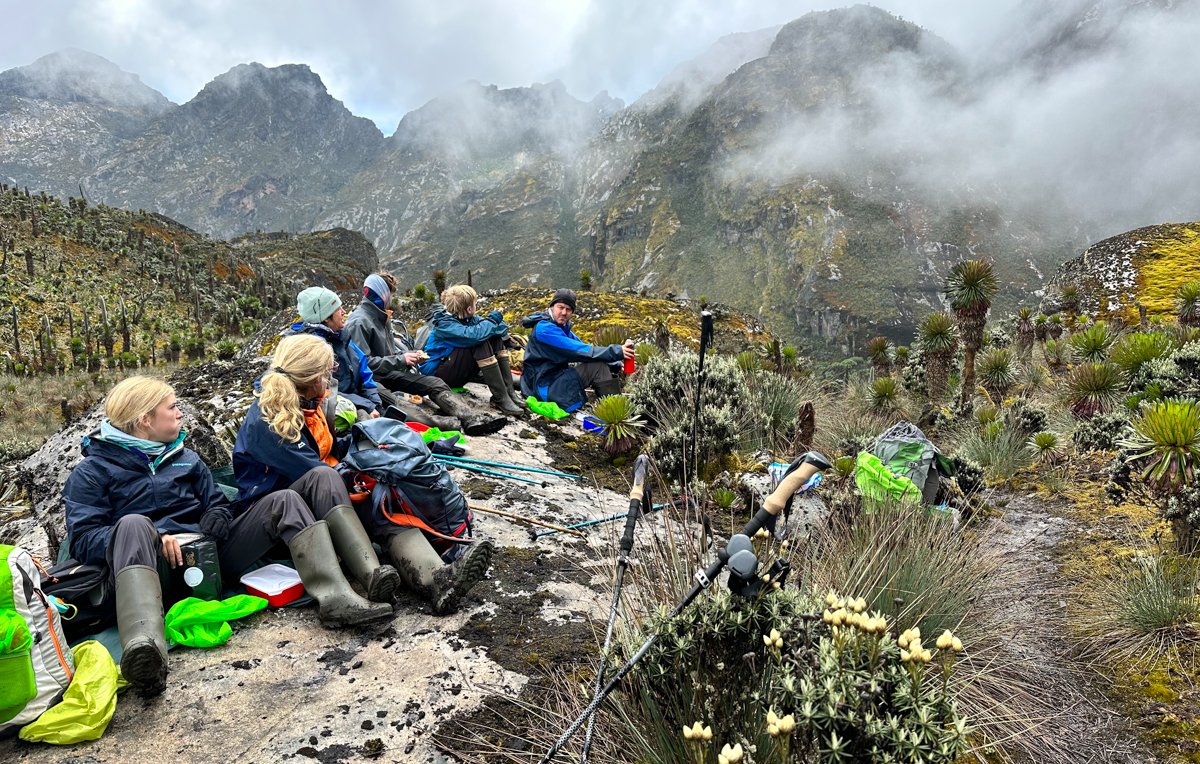
The journey itself is equally rewarding. Climbers travel through several vegetation zones, beginning with lush tropical rainforest before entering bamboo forests, giant heather, boggy valleys, and alpine meadows. Giant lobelias and giant groundsels dominate the upper landscape, creating one of Africa’s most unusual mountain ecosystems.
Unlike crowded mountain destinations, Mount Speke often remains peaceful. Trekkers enjoy quiet trails, abundant wildlife, and uninterrupted views, making the experience feel more personal and connected with nature.
These qualities make Vittorio Emanuele Peak an outstanding destination for adventure travelers seeking both physical challenge and natural beauty.
Climbing Routes and Trekking Experience
Reaching the summit requires a carefully planned multi-day trekking expedition supported by experienced mountain guides. Most climbers follow the famous Central Circuit Trail, which remains the traditional route for exploring Mount Speke.
The journey begins at Nyakalengija before climbing steadily through dense rainforest toward Nyabitaba Camp. Along the way, hikers cross wooden bridges, flowing rivers, and steep forest trails while spotting monkeys, colorful birds, and beautiful waterfalls.
The route continues through John Matte Camp before reaching the spectacular Bujuku Valley, one of the most scenic areas in the Rwenzori Mountains. Wide valleys, crystal-clear streams, giant lobelias, and towering peaks surround hikers as they approach Bujuku Camp, the usual base for the summit attempt.
From Bujuku Camp, climbers begin the challenging ascent using the East Face Route. This trail leads directly toward the summit, while Bujuku Hut stands approximately 1,585 meters south-southwest of the peak. The climb involves rocky slopes, steep sections, and careful navigation over uneven terrain.
The complete expedition usually requires excellent teamwork between guides, porters, and climbers. Every stage rewards visitors with magnificent scenery, making the effort worthwhile long before reaching the summit. And it takes roughly 5 days to complete the whole hike via central circuit.
 Difficulty and Preparation for the Climb
Although Mount Speke does not require glacier crossings like some neighboring mountains, climbing Vittorio Emanuele Peak remains a demanding high-altitude adventure. Good physical fitness and proper preparation are essential for a successful expedition.
The mountain features steep rocky slopes, slippery sections, loose stones, and rapidly changing weather conditions. Rain frequently makes trails muddy, while higher elevations bring colder temperatures and stronger winds. These conditions require careful footing and steady climbing techniques.
Altitude also presents an important challenge. As hikers approach nearly 5,000 meters above sea level, the thinner air may affect breathing and energy levels. Spending enough time acclimatizing greatly improves comfort and reduces the risk of altitude sickness.
Essential equipment includes waterproof hiking boots, warm clothing, rain gear, trekking poles, gloves, sunglasses, and a quality sleeping bag. Climbers should also carry sufficient water, snacks, sunscreen, and personal medications.
We provide experienced guides, cooks, and porters who assist throughout the expedition. Their knowledge of mountain weather, trail conditions, and safety procedures significantly increases the chances of a successful climb.
Proper preparation transforms the journey from a difficult challenge into an enjoyable adventure, allowing hikers to fully appreciate the remarkable beauty surrounding Mount Speke.
Wildlife and Natural Beauty Along the Trail
The journey to Vittorio Emanuele Peak introduces visitors to one of Africa’s richest mountain ecosystems. Every vegetation zone supports different wildlife and plant species, making the trek a fascinating nature experience.
The lower rainforest is home to blue monkeys, black-and-white colobus monkeys, bushbucks, and many colorful birds. Turacos, sunbirds, and several Albertine Rift endemic species frequently appear along the forest trails.
As hikers gain altitude, giant bamboo gives way to heather forests covered with mosses and lichens. The cool, moist environment creates beautiful green landscapes filled with waterfalls and flowing streams.
Higher still, the famous Afro alpine zone begins. Giant lobelias and giant groundsels dominate the open valleys, giving the landscape an almost prehistoric appearance. These extraordinary plants have adapted perfectly to freezing nights and warm daytime sunshine.
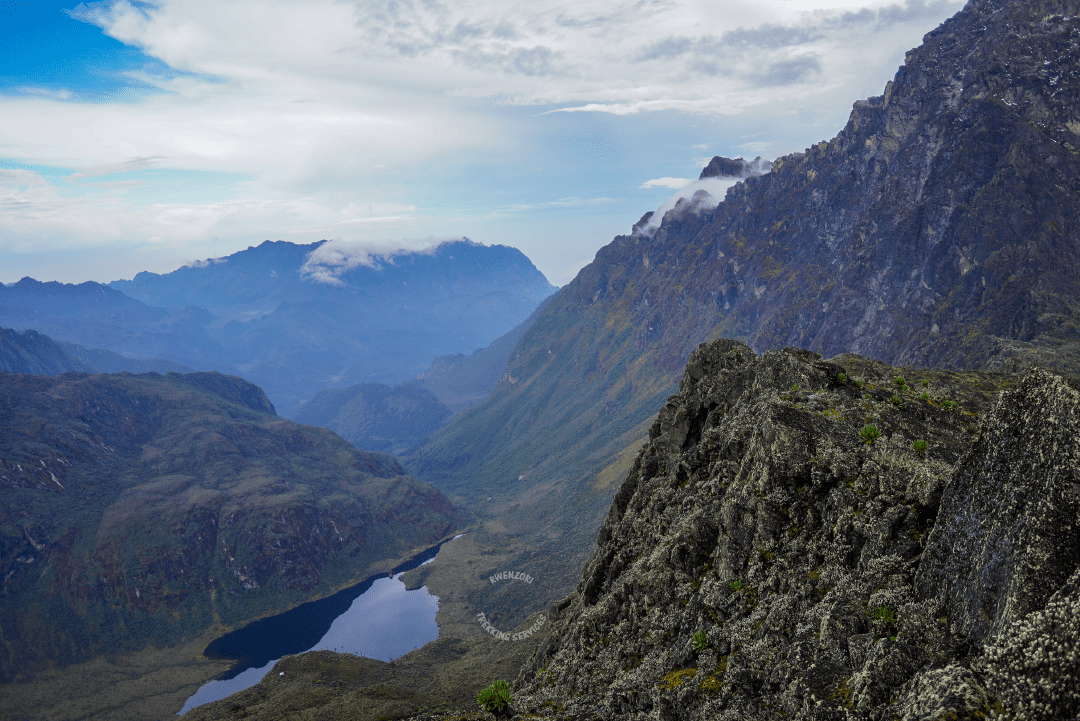
The upper rocky slopes provide breathtaking views across Mount Stanley, Mount Baker, Lake Bujuku, and the surrounding valleys. On clear days, climbers can see some of the finest mountain scenery anywhere in East Africa.
The changing landscapes ensure that every stage of the trek offers something different. From tropical forests to alpine ridges, the natural diversity makes the expedition as rewarding as reaching the summit itself.
Photography and Scenic Highlights on Mount Speke
Mount Speke offers some of the best mountain scenery in the Rwenzori Mountains, making every stage of the trek rewarding for photographers and nature lovers. The changing landscapes provide excellent opportunities to capture the beauty of one of Africa’s most remarkable mountain ranges.
The journey begins in dense montane rainforest filled with tall trees, flowing streams, waterfalls, and moss-covered vegetation. As hikers climb higher, the scenery changes into bamboo forests, giant heather, and the famous Afro alpine zone. Giant lobelias and giant groundsels dominate the landscape, creating views that are unique to the Rwenzori Mountains.
The Bujuku Valley is one of the most beautiful sections of the trek. Surrounded by Mount Speke, Mount Stanley, and Mount Baker, it offers wide views of alpine meadows, rivers, and rocky peaks. Early mornings usually provide the clearest conditions, while afternoon mist adds a dramatic atmosphere to the landscape.
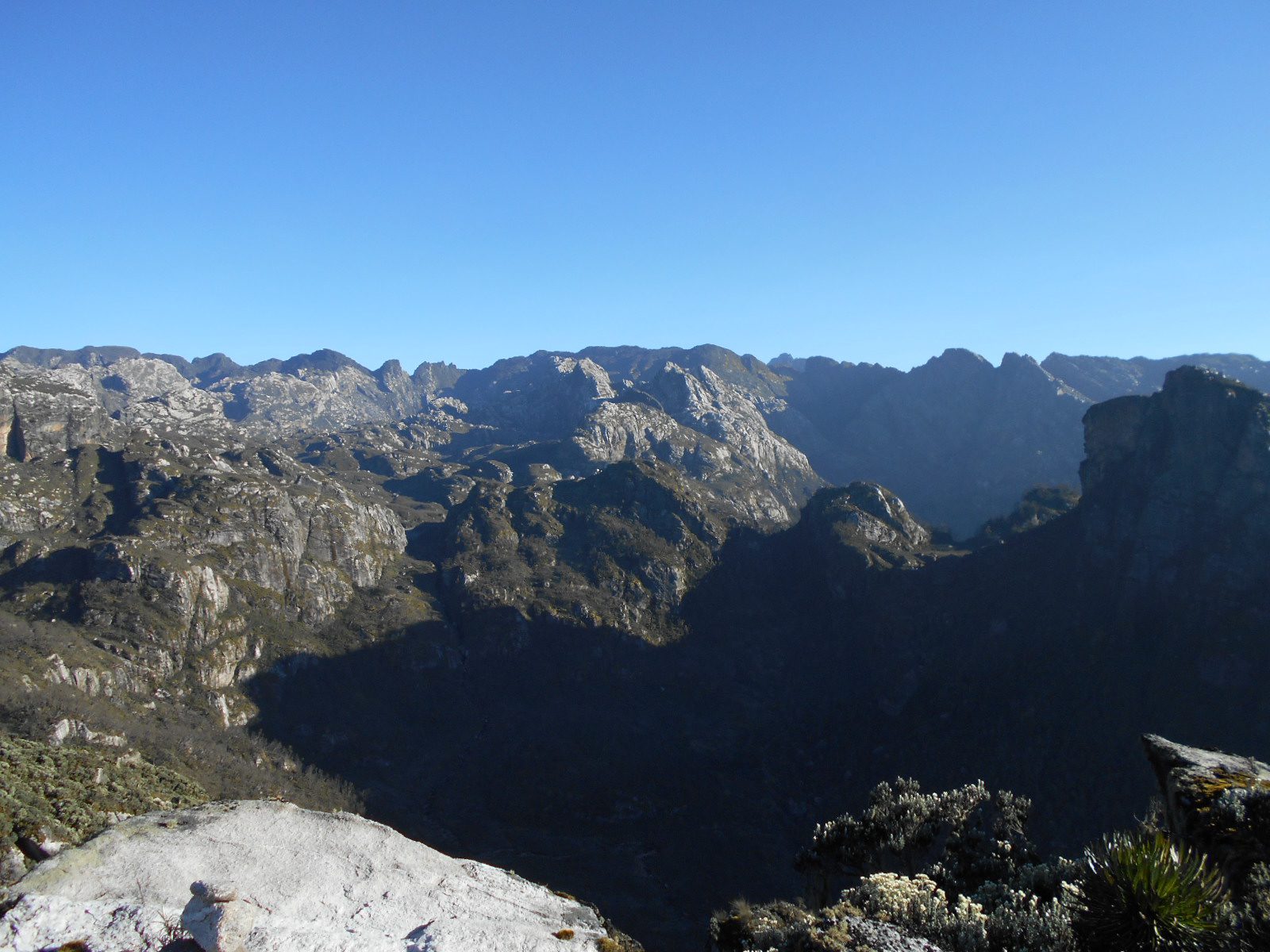
Higher on the mountain, rocky ridges reveal breathtaking panoramas across the Rwenzori Mountains National Park. On clear days, hikers can enjoy uninterrupted views of neighboring peaks, deep valleys, and distant forests. Every viewpoint offers a different perspective, making the climb even more memorable.
Mountain weather changes quickly, so waterproof protection for cameras is recommended. Many hikers also carry spare batteries because cold temperatures can reduce battery performance.
Whether photographing the giant alpine plants, peaceful valleys, or rugged mountain ridges, visitors will find countless scenic locations throughout the journey. The combination of diverse landscapes, changing weather, and spectacular viewpoints makes Mount Speke one of Uganda’s finest destinations for mountain photography and unforgettable hiking experiences
Best Time to Visit and Available Trekking Packages
The best time to climb Vittorio Emanuele Peak is during the drier seasons from December to February and June to September. These months usually offer better trekking conditions, with less rainfall, clearer views, and safer trails. However, the Rwenzori Mountains experience unpredictable weather, so hikers should be prepared for sudden rain, cold temperatures, strong winds, and afternoon mist throughout the expedition.
Proper preparation is important when attempting a Mount Speke climb. Waterproof clothing, warm layers, and suitable hiking equipment are essential for handling the changing high-altitude conditions. Traveling with an experienced mountain operator also improves safety and ensures a well-organized adventure.
Rwenzori Mountaineering Services organizes guided hikes to Vittorio Emanuele Peak, offering professional support from the beginning to the end of the trek. Their packages include experienced guides, porters, accommodation, meals, permits, and other necessary arrangements to provide a smooth and enjoyable climbing experience.
The 5-Day Mount Speke Trek is one of the popular options, allowing hikers to explore the stunning landscapes, alpine vegetation, and challenging routes of the Rwenzori Mountains. Longer expeditions can also combine Mount Speke with nearby peaks such as Mount Stanley and Mount Baker for a more extensive exploration of the legendary Mountains of the Moon.
 Why Every Mountain Lover Should Visit Vittorio Emanuele Peak
Few mountains combine challenging climbing, peaceful wilderness, rich biodiversity, and spectacular scenery as successfully as Vittorio Emanuele Peak of the Rwenzori Mountains. Rising above the beautiful Bujuku Valley, this remarkable summit rewards determined hikers with unforgettable views and an authentic African mountaineering experience.
Its impressive elevation, fascinating history, unique alpine vegetation, and dramatic landscapes create an adventure unlike any other in Uganda. Every day reveals new forests, waterfalls, giant plants, rocky ridges, and breathtaking mountain panoramas that remain unforgettable long after the expedition ends.
For climbers seeking an alternative to more crowded mountain destinations, Mount Speke offers solitude, natural beauty, and genuine wilderness. The combination of professional guiding services, well-established trekking routes, and comfortable mountain camps makes the experience both safe and rewarding.
Whether your goal is conquering Africa’s fourth-highest mountain, exploring the famous Mountains of the Moon, or simply experiencing one of the continent’s most extraordinary landscapes, Vittorio Emanuele Peak promises an adventure filled with discovery, challenge, and memories that will last a lifetime.