

Savoia Peak of Mount Stanley: Discover One of the Most Spectacular Summits in the Rwenzori Mountains
Savoia Peak of Mount Stanley: Discover One of the Most Spectacular Summits in the Rwenzori Mountains introduces hikers to one of Uganda’s most rewarding high-altitude adventures. Rising to approximately 4,977 meters (16,330) feet)above sea level, Savoia Peak is one of the prominent summits of Mount Stanley, the highest mountain in the Rwenzori Mountains and the third-highest mountain in Africa after Mount Kilimanjaro and Mount Kenya.
Although many climbers aim for Margherita Peak, the highest point on Mount Stanley at 5,109 metres, Savoia Peak offers an equally memorable trekking experience. The climb rewards hikers with magnificent views of rugged mountain ridges, alpine valleys, glacier remnants, and neighboring peaks that define the dramatic beauty of the Rwenzori Mountains.
The journey to the summit passes through several distinct vegetation zones, including Afro-montane forests, bamboo forests, giant heather, and Afro-alpine landscapes filled with giant lobelias and groundsels. These constantly changing environments make the trek as enjoyable as reaching the summit itself.
Located within Rwenzori Mountains National Park, a UNESCO World Heritage Site, Savoia Peak forms part of one of Africa’s richest mountain ecosystems. The park is home to diverse wildlife, rare bird species, unique alpine plants, and breathtaking scenery that cannot be found anywhere else on the continent.
Whether you are an experienced mountaineer or an adventurous trekker looking for a challenging expedition, Savoia Peak offers an unforgettable opportunity to explore one of the most spectacular and least crowded mountain destinations in Africa.
 Understanding Mount Stanley and Its Famous Summits
Savoia Peak is located on Mount Stanley, one of the six major mountains that form the Rwenzori Mountain range. Mount Stanley is a massive mountain block containing several impressive peaks, including Margherita Peak, Alexandra Peak, Savoia Peak, Albert Peak, and several smaller summits.
Among these peaks, Margherita Peak is the highest and attracts many climbers aiming to stand on Uganda’s highest point. However, Savoia Peak has its own appeal because it provides an opportunity to experience the dramatic beauty of Mount Stanley without focusing only on altitude records.
The entire Mount Stanley massif is famous for its rugged terrain, glaciers, steep rock faces, and unique alpine scenery. The mountain rises directly from the equatorial forests below, creating one of the most unusual landscapes in the world. It is rare to find permanent snow and glaciers so close to the equator, making the Rwenzori Mountains a destination of global importance.
The location of Savoia Peak allows hikers to witness some of the most spectacular mountain views in East Africa. From higher sections of the trail, climbers can see neighboring mountains such as Mount Speke and Mount Baker standing proudly across the valleys.
The relationship between Savoia Peak and the surrounding summits makes the climb even more exciting. Hikers are not simply visiting one isolated mountain point; they are exploring an entire high-altitude ecosystem shaped by millions of years of geological activity.
The mountain’s landscape continues to change due to natural processes and climate change. The glaciers that once covered larger sections of the Rwenzori peaks have reduced significantly over recent decades, creating a reminder of the importance of protecting these fragile environments.
The History and Discovery of Savoia Peak
The history of Savoia Peak is connected to the exploration of the Rwenzori Mountains, a mountain range that remained mysterious to many outsiders for centuries. The Rwenzoris were known locally by communities living around them long before international explorers arrived.
The Bakonzo people, who have lived around the mountain slopes for generations, have a deep connection with the Rwenzori landscape. The mountains have always provided resources, cultural identity, and spiritual importance to local communities.
European exploration of the Rwenzori Mountains increased during the late nineteenth century when explorers became interested in finding the legendary “Mountains of the Moon.” These mountains were described in ancient writings because of their snowy peaks near the equator.
Italian explorers later played an important role in documenting many of the mountain’s features. The names of several peaks, including Savoia Peak, reflect the influence of these historical expeditions. Their work helped introduce the Rwenzori Mountains to the international mountaineering community.
Today, climbing Savoia Peak allows visitors to follow a path influenced by generations of explorers, researchers, and local mountain guides. Every step on the trail represents a connection between modern adventure tourism and the long history of discovery in the region.
The guides and porters who support these expeditions also carry valuable knowledge passed through generations. They understand the mountain weather, trail conditions, vegetation, and challenges that come with exploring this remote environment.
 Routes Used to Reach Savoia Peak on Mount Stanley
Reaching Savoia Peak requires a challenging mountain expedition through some of the most beautiful sections of the Rwenzori Mountains. Unlike lower-altitude hikes, climbing this summit requires proper preparation, physical fitness, and several days of trekking through changing environments.
There are different routes used to explore Mount Stanley and its surrounding peaks. The most common approaches include the Central Circuit Trail and the Kilembe Trail, both offering unique experiences.
Central Circuit Route
The Central Circuit Trail is one of the oldest and most popular routes in the Rwenzori Mountains. It begins from the Mihunga area near Kasese and takes hikers through spectacular forests, valleys, and high-altitude camps.
During the trek, visitors pass through areas such as Nyabitaba Hut, John Matte Hut, Bujuku Valley, and Scott Elliott Pass before approaching the higher sections of Mount Stanley.
The route provides incredible views of the major peaks and allows hikers to experience the famous alpine scenery of the Rwenzori Mountains. The trail passes through the stunning Bujuku Valley, located between Mount Stanley and Mount Speke, which is considered one of the most beautiful landscapes in the entire range.
For climbers targeting Savoia Peak, the Central Circuit provides access to the upper mountain areas where technical climbing sections begin.
Kilembe Trail Route
The Kilembe Trail offers another exciting approach toward Mount Stanley. This route begins from the southern side of the Rwenzori Mountains and is known for its beautiful scenery, waterfalls, and less crowded paths.
Hikers following this route pass through spectacular areas such as Sine Camp, Mutinda Camp, Bugata Camp, and Hunwick’s Camp before reaching higher mountain sections.
The Kilembe Trail is famous for its untouched landscapes, impressive viewpoints, and rich biodiversity. It gives trekkers a chance to experience the remote side of the Rwenzori Mountains while gradually gaining altitude.
Both routes provide unforgettable experiences, but the choice often depends on the climber’s schedule, preferred scenery, and mountain objectives.
The Incredible Vegetation Zones Along the Journey to Savoia Peak
One of the greatest attractions of climbing Savoia Peak is witnessing the dramatic transformation of landscapes as you gain altitude. Few mountains in Africa display such a remarkable variety of ecosystems within a single trek. Every day introduces hikers to a completely different environment, making the journey as rewarding as reaching the summit itself.
The adventure begins in the Afro-montane forest zone, where tall indigenous trees form a dense canopy over the trail. The air is warm and humid, while streams and waterfalls flow through the valleys. Giant tree ferns, moss-covered trunks, climbing vines, and colorful wildflowers create a magical atmosphere that feels untouched by time.
As the trail climbs higher, hikers enter the bamboo zone, usually found between 2,500 and 3,000 metres. Thick bamboo forests dominate this section of the mountain and provide food and shelter for several animal species. Walking through this zone is peaceful as sunlight filters gently through the tall bamboo stems.
Beyond the bamboo lies the heather zone, where giant heather trees covered in hanging moss create scenery unlike anywhere else in Africa. During misty mornings, the forest appears almost mystical, with twisted branches disappearing into the clouds. The cool temperatures and constant moisture allow many rare plants to flourish.
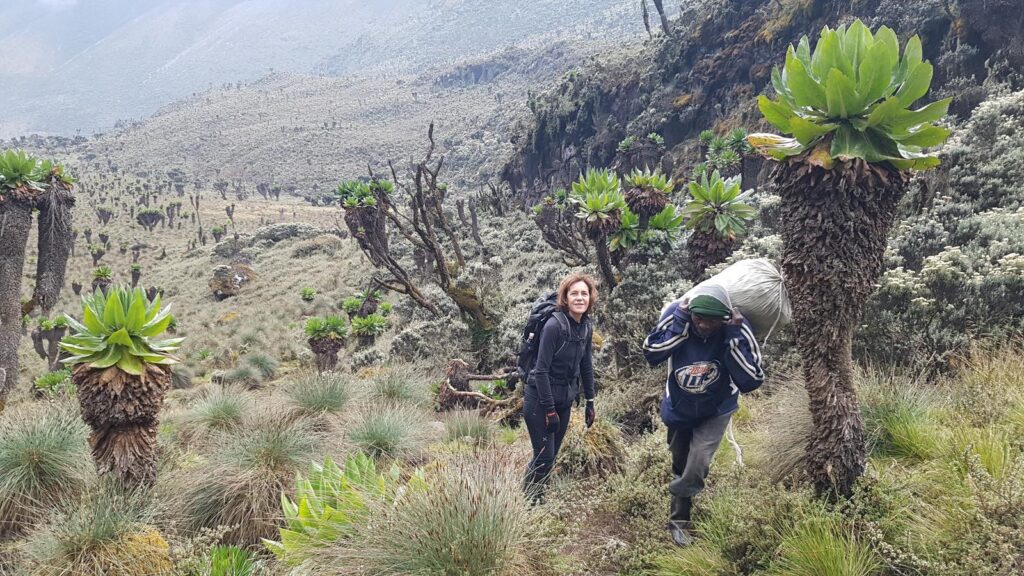
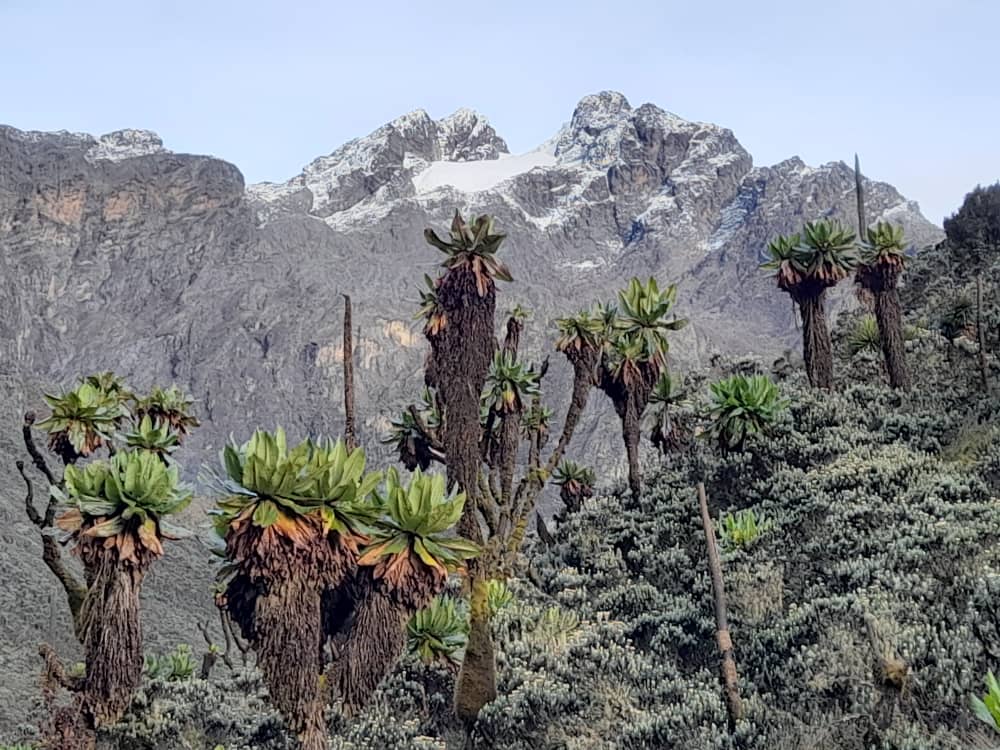
The climb then reaches the Afro-alpine zone, one of the most famous features of the Rwenzori Mountains. Here, enormous giant groundsels (Dendrosenecio) and giant lobelias dominate the landscape. These unusual plants have adapted perfectly to freezing nights and sunny days, making them symbols of the Rwenzori ecosystem.
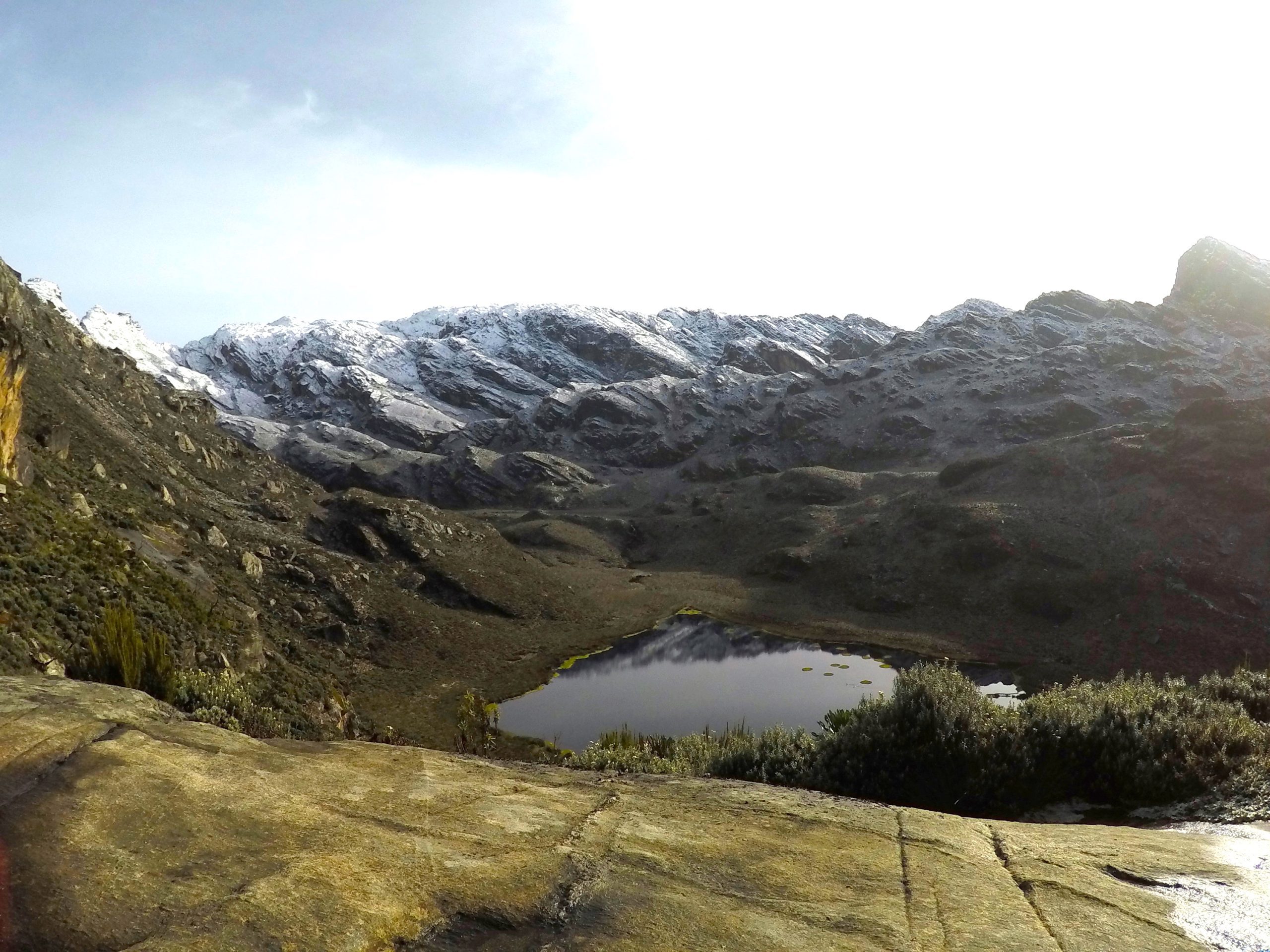
Near the upper slopes of Savoia Peak, vegetation becomes sparse as rocky terrain, glaciers, snow patches, and exposed cliffs replace forests. Although fewer plants survive at these elevations, the dramatic scenery creates unforgettable views that reward every step of the climb.
The continuous transition through these vegetation zones makes the trek to Savoia Peak feel like travelling through several different worlds within a single mountain expedition.
 Wildlife That Lives Around Savoia Peak and Mount Stanley
Although many people associate the Rwenzori Mountains with spectacular scenery, the mountain range is equally important for its rich wildlife. The forests surrounding Savoia Peak provide habitat for numerous mammals, birds, reptiles, amphibians, and insects that contribute to one of East Africa’s most diverse mountain ecosystems.
The lower forests are home to several primate species, including black-and-white colobus monkeys, blue monkeys, L’Hoest’s monkeys, and occasionally chimpanzees in some forest sections. These playful animals are often seen swinging through the forest canopy or feeding quietly among the trees.
Small mammals such as the Rwenzori red duiker, bushbucks, giant forest squirrels, and various rodent species are also found throughout the park. Although many of these animals are shy, patient hikers often spot them early in the morning or late in the afternoon.
Birdwatchers consider the Rwenzori Mountains a paradise. More than 200 bird species have been recorded within the national park, including several Albertine Rift endemics. Some of the most sought-after species include the Rwenzori turaco, handsome francolin, Rwenzori batis, strange weaver, Lagden’s bush shrike, Archer’s robin-chat, and cinnamon-chested bee-eater.
Butterflies also thrive in the mountain forests, adding vibrant colours to the hiking trails. Numerous species flutter among wildflowers, especially during sunny weather after rainfall.
Higher elevations support fewer large animals because of the colder temperatures. However, climbers often encounter unique alpine insects, small birds, and hardy species specially adapted to life in harsh mountain conditions.
The diversity of wildlife reminds visitors that Savoia Peak is not simply a mountain destination. It is part of a protected ecosystem where every species contributes to the delicate balance of nature that makes the Rwenzori Mountains so special.
The Glaciers and Snowfields of Mount Stanley
One of the most remarkable features surrounding Savoia Peak is the presence of glaciers and permanent snowfields near the summit of Mount Stanley. Seeing snow close to the equator surprises many visitors and has made the Rwenzori Mountains famous throughout the world.
For thousands of years, glaciers shaped the valleys, ridges, lakes, and rocky cliffs that hikers admire today. Massive sheets of ice slowly carved the landscape, leaving behind steep valleys and beautiful cirque basins that now contain crystal-clear mountain lakes.
Historically, Mount Stanley supported extensive glaciers that covered large sections of its upper slopes. Today, these glaciers remain among the last tropical glaciers in Africa, although they have reduced dramatically over the past century.
Climate change has become one of the greatest challenges facing the Rwenzori Mountains. Rising temperatures have accelerated the melting of glaciers, causing significant ice loss across Mount Stanley. Scientists continue to monitor these changes because they affect water sources, mountain ecosystems, and future generations of climbers.
Despite the shrinking glaciers, hikers approaching Savoia Peak can still witness spectacular ice formations during suitable conditions. Snow-covered ridges, frozen rock faces, and glistening ice provide stunning photographic opportunities that contrast beautifully with the green forests far below.
Standing near these remaining glaciers reminds visitors of the importance of protecting fragile mountain environments. Every expedition becomes an opportunity not only to appreciate nature but also to understand why conservation efforts are essential for preserving the Rwenzori Mountains.
 What Makes the Climb to Savoia Peak Challenging?
Climbing Savoia Peak is a demanding mountain adventure that requires determination, good physical fitness, and careful preparation. Although the summit is lower than Margherita Peak, the journey still involves several days of hiking through rugged terrain and rapidly changing weather conditions.
One of the biggest challenges is the constant change in altitude. Hikers gradually climb from around 1,600 metres to well above 4,600 metres. As the elevation increases, the air becomes thinner, making breathing more difficult and requiring a slower walking pace.
The trails themselves can also be demanding. Some sections pass through muddy forests where wooden boardwalks help hikers cross wetlands. Other parts involve steep rocky slopes, exposed ridges, large boulders, and slippery paths that require careful footing.
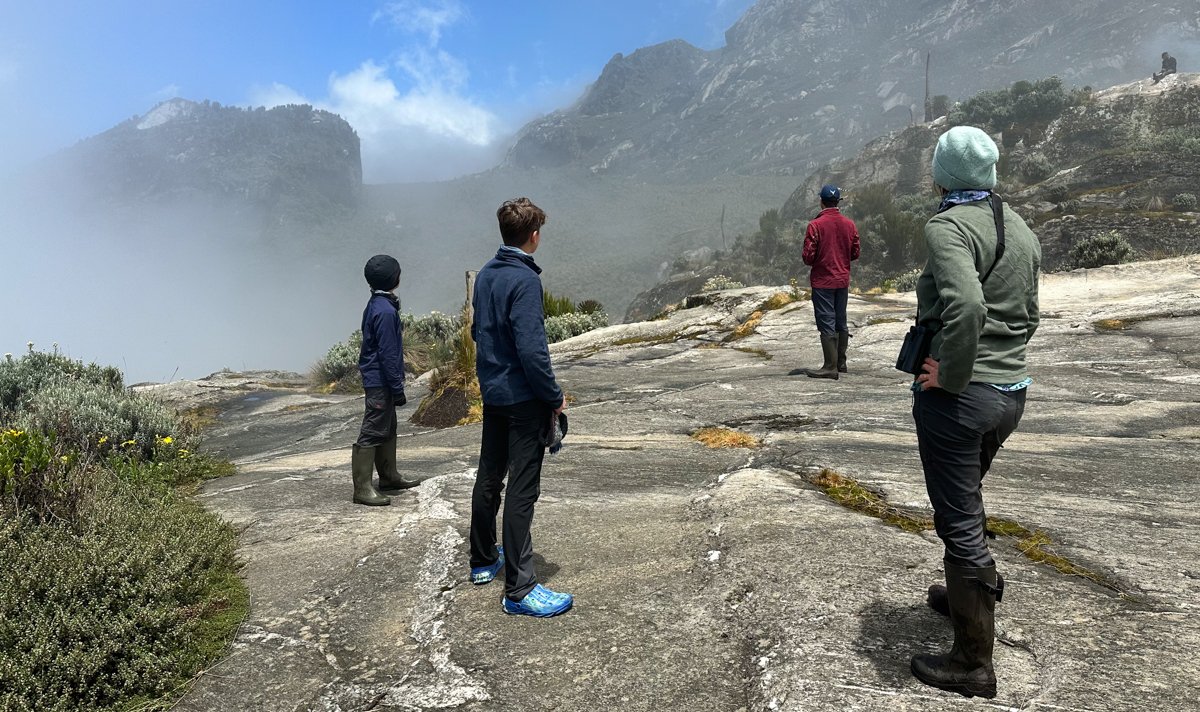
Weather conditions change quickly in the Rwenzori Mountains. Sunshine may suddenly give way to thick mist, rain, or strong winds within a short period. Climbers must therefore carry suitable clothing for both warm and cold conditions.
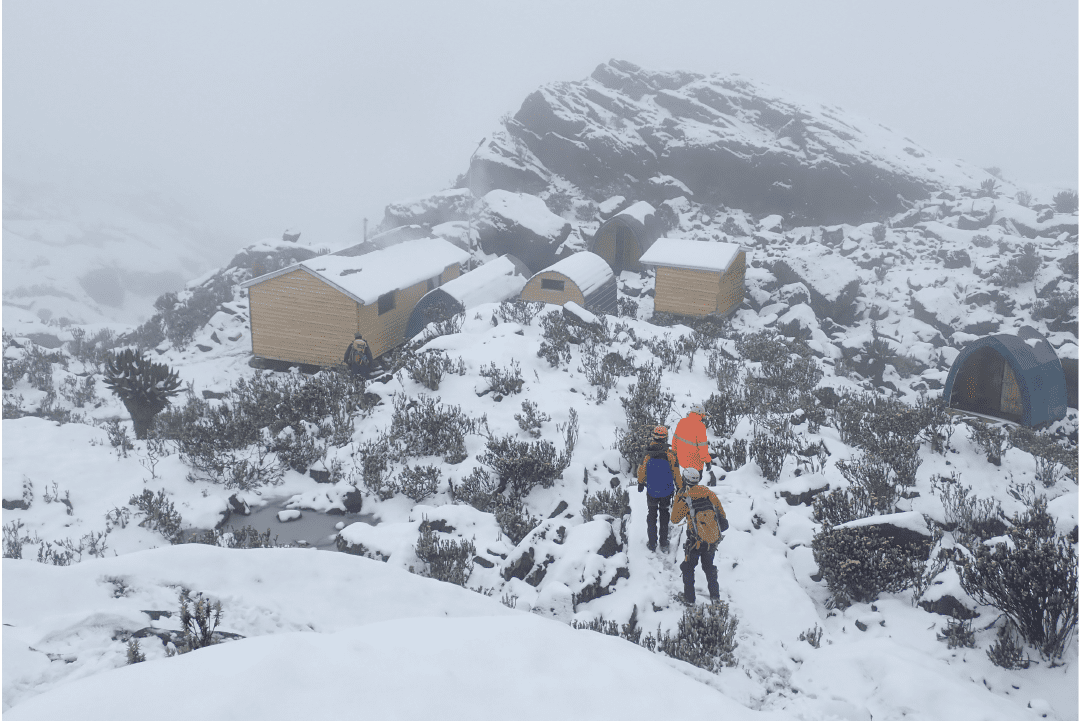
During the upper sections of the climb, temperatures often fall below freezing at night. Frost, snow, and icy rocks may appear depending on the season, adding another level of difficulty to the expedition.
Although the climb is physically demanding, it is not a race. Experienced mountain guides encourage hikers to maintain a steady pace, drink plenty of water, and take regular breaks to reduce the effects of altitude.
For many climbers, overcoming these challenges becomes one of the most rewarding aspects of reaching Savoia Peak. Every difficult section makes the final achievement even more memorable.
Mountain Huts and Overnight Camps Along the Route
A successful climb to Savoia Peak depends not only on determination but also on the well-organised network of mountain huts and camps that support multi-day expeditions in the Rwenzori Mountains. These shelters allow hikers to rest, recover, and gradually adjust to increasing altitude before continuing towards the higher slopes of Mount Stanley.
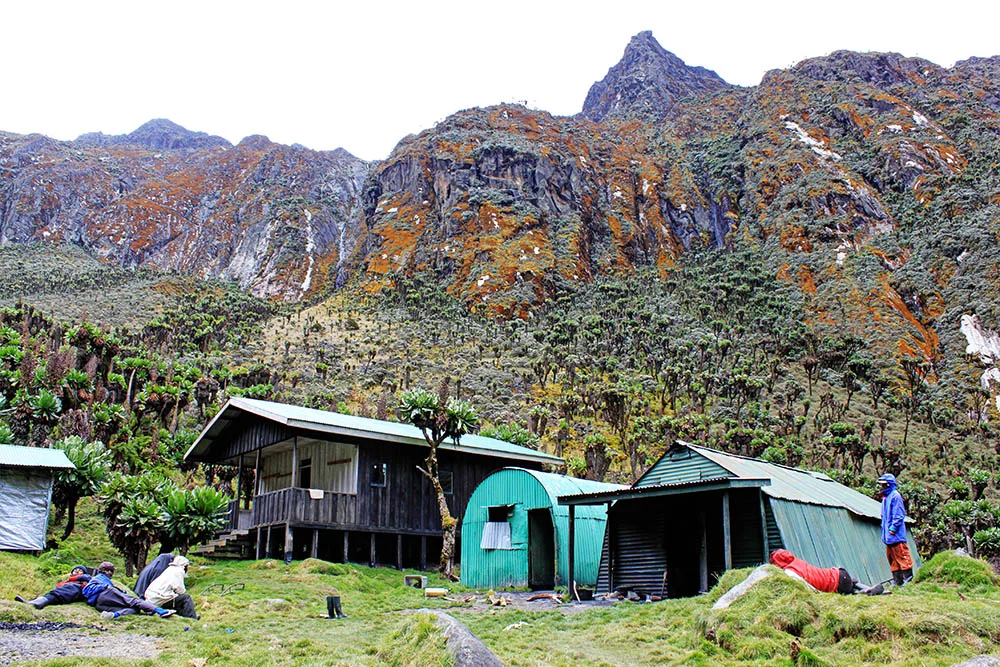
Trekkers using the Central Circuit Route usually spend their nights at Nyabitaba Hut, John Matte Hut, Bujuku Hut, Elena Hut, and other designated mountain camps depending on the itinerary. Each hut is strategically positioned to reduce daily walking distances while helping hikers acclimatise properly.
Those following the Kilembe Trail stay at camps such as Sine Camp, Mutinda Camp, Bugata Camp, Hunwick’s Camp, Margherita Camp, and several others depending on the chosen programme. These camps provide spectacular views of valleys, waterfalls, rivers, and surrounding peaks.
Although the huts are simple, they offer essential shelter from the mountain weather. Most provide bunk beds, dining areas, cooking spaces, and basic facilities for overnight stays. Porters and guides usually prepare hot meals, allowing climbers to regain energy after long hiking days.
Evenings at the camps are often peaceful. As temperatures drop and clouds settle over the mountains, hikers gather to share stories of the day’s adventure while preparing for the next stage of the climb.
The mountain huts also offer excellent opportunities to appreciate the quiet beauty of the Rwenzori Mountains, especially during sunrise and sunset when surrounding peaks glow beneath changing colours of the sky.
 Best Time to Climb Savoia Peak
Although Savoia Peak can be climbed throughout the year, choosing the right season greatly improves the overall trekking experience. The Rwenzori Mountains receive rainfall in every month because of their location near the equator, but there are periods when the weather becomes more stable, making hiking safer and more enjoyable.
The best months to climb Savoia Peak are generally December to February and June to August. These periods usually experience less rainfall, allowing the trails to dry slightly and improving visibility across the mountain range. On clear mornings, climbers can enjoy uninterrupted views of Mount Speke, Mount Baker, and the surrounding valleys.
During the wetter months of March to May and October to November, trekking becomes more demanding. Heavy rainfall makes many sections muddy and slippery, while rivers may rise after prolonged downpours. Thick mist can also reduce visibility, especially in the higher alpine zones.
However, some experienced hikers deliberately choose the rainy seasons because the waterfalls become more powerful, the vegetation is greener, and the forests appear even more vibrant. The mountain also receives fewer visitors during these months, creating a more peaceful trekking experience.
Regardless of the season, visitors should expect changing weather throughout the day. Bright sunshine can quickly turn into rain, followed by mist and cold winds. Carrying waterproof clothing is therefore essential in every month of the year.
Another advantage of climbing during the drier seasons is the improved opportunity for photography. The clearer skies often reveal the rugged peaks, glacier remnants, and deep valleys that make the Rwenzori Mountains one of Africa’s most scenic destinations.
Essential Equipment for a Successful Trek
A successful climb to Savoia Peak begins long before arriving in the Rwenzori Mountains. Proper preparation allows hikers to enjoy the journey while remaining comfortable and safe throughout the expedition.
The most important item is a pair of strong waterproof hiking boots with good ankle support. The mountain trails include muddy sections, rocky slopes, and slippery boardwalks, making reliable footwear essential.
Layered clothing is equally important because temperatures vary greatly between the forest and the summit. Lightweight clothes are comfortable during the lower sections of the hike, while warm jackets, thermal clothing, gloves, and a woolen hat become necessary at higher elevations.
A quality waterproof jacket and rain trousers should always be included since rain can fall without warning. Waterproof backpack covers and dry bags help protect cameras, clothing, and electronics from moisture.
Other useful equipment includes trekking poles, sunglasses, sunscreen, a reusable water bottle or hydration system, energy snacks, a headlamp with spare batteries, personal medications, and a small first aid kit.
Photography enthusiasts should carry extra batteries because cold temperatures reduce battery life more quickly than expected. A lightweight camera with a protective waterproof case is ideal for capturing the spectacular mountain scenery.
Although many items can be rented locally through trekking operators, bringing properly fitted personal gear often provides greater comfort during the climb.
Good preparation allows hikers to focus on enjoying the breathtaking landscapes instead of worrying about avoidable challenges.
Safety Tips for Climbing Savoia Peak
Safety should always be the highest priority during a high-altitude expedition in the Rwenzori Mountains. While Savoia Peak rewards climbers with unforgettable scenery, it also presents natural challenges that require careful planning and responsible decision-making.
One of the most important safety measures is climbing with experienced guides. Professional mountain guides understand the changing weather, route conditions, and emergency procedures. Their local knowledge greatly increases both safety and the overall quality of the trekking experience.
Altitude sickness is another important consideration. Some hikers may experience headaches, nausea, dizziness, or fatigue as they gain elevation. Walking slowly, drinking enough water, eating regular meals, and following proper acclimatization schedules help reduce these risks.
Visitors should also pay close attention to weather forecasts. Heavy rainfall, thick fog, or strong winds can affect trail conditions and visibility. Guides continuously assess these conditions to determine the safest course of action.
Staying on designated trails protects both hikers and the fragile mountain ecosystem. Leaving the marked paths increases the risk of accidents and can damage sensitive alpine vegetation that takes many years to recover.
Good communication among the trekking team is equally important. Informing guides about any discomfort early allows problems to be addressed before they become serious.
With proper preparation, responsible guiding, and teamwork, the climb to Savoia Peak remains a safe and rewarding adventure for well-prepared trekkers.
 Why Savoia Peak Deserves More Attention
Although Margherita Peak receives most of the international recognition, Savoia Peak offers an equally rewarding mountain experience that deserves far greater attention among hikers and adventure travelers.
One of its greatest strengths is the spectacular scenery encountered throughout the climb. Every stage reveals new landscapes, from dense tropical forests and giant bamboo stands to alpine valleys, rocky ridges, and glacier-covered slopes. Many hikers find the journey itself even more memorable than reaching the summit.
The mountain also attracts fewer climbers than Africa’s better-known peaks. This quieter environment allows visitors to appreciate the sounds of nature, observe wildlife without large crowds, and enjoy peaceful moments surrounded by breathtaking scenery.
Photographers particularly appreciate Savoia Peak because of the incredible variety of landscapes found along the route. Morning mist drifting through giant heather forests, reflections in alpine lakes, colourful sunrises above the valleys, and snow-covered ridges provide endless opportunities for remarkable images.
For experienced hikers seeking a serious mountain challenge without focusing solely on reaching the highest point in Uganda, Savoia Peak represents an excellent alternative. It combines demanding trekking, high-altitude adventure, and exceptional natural beauty into one unforgettable expedition.
Perhaps the greatest reward is the sense of achievement that comes from standing on one of Mount Stanley’s magnificent summits while surrounded by the rugged beauty of the Rwenzori Mountains.
Conservation Efforts Protecting Savoia Peak
The beauty of Savoia Peak depends on ongoing conservation work carried out by conservation organisations, local communities, mountain guides, and the Uganda Wildlife Authority. Protecting the Rwenzori Mountains ensures that future generations will continue to enjoy this extraordinary natural heritage.
Rwenzori Mountains National Park was established to safeguard its unique ecosystems, wildlife, rivers, glaciers, and rare plant species. The park also holds international recognition as a UNESCO World Heritage Site because of its exceptional natural value.
Conservation efforts include maintaining trekking trails, monitoring wildlife populations, protecting forests from illegal activities, and educating visitors about responsible tourism. Local communities also benefit from tourism through employment opportunities as guides, porters, cooks, lodge staff, and craft producers.
Climate change remains one of the greatest long-term threats to Mount Stanley. Scientists continue to document the retreat of the mountain’s glaciers, highlighting the importance of global environmental protection.
Visitors also play a significant role in conservation by following park regulations, carrying out their rubbish, respecting wildlife, and avoiding damage to fragile vegetation.
Responsible tourism creates a balance between adventure and environmental protection, ensuring that Savoia Peak remains one of Africa’s finest mountain destinations for many years to come.
Conclusion
Climbing Savoia Peak of Mount Stanley: Discover One of the Most Spectacular Summits in the Rwenzori Mountains is far more than reaching an impressive altitude. It is an immersive journey through one of Africa’s most extraordinary mountain environments, where every day brings new landscapes, unique wildlife, and unforgettable experiences.
From the lush Afro-montane forests at the foot of the mountain to the giant lobelias, alpine bogs, rocky ridges, and glacier remnants near the summit, every section of the trail showcases the incredible diversity that has made the Rwenzori Mountains famous around the world. Few destinations offer such dramatic changes in scenery within a single expedition.
Savoia Peak also tells a story of exploration, conservation, and resilience. It reflects the rich cultural heritage of the Bakonzo people, the achievements of early mountaineers, and the ongoing efforts to protect one of Africa’s most fragile mountain ecosystems. Standing on its summit offers not only spectacular panoramic views but also a deeper appreciation for the natural wonders that continue to shape this remarkable landscape.
Whether you choose the historic Central Circuit or the scenic Kilembe Trail, the journey to Savoia Peak is one that rewards determination with unforgettable memories. Every challenging climb, every mountain camp, every sunrise above the clouds, and every breathtaking viewpoint becomes part of an adventure that remains with you long after you leave the Rwenzori Mountains.
For hikers seeking a destination that combines wilderness, history, biodiversity, and high-altitude adventure, Savoia Peak stands among the finest mountain experiences in Africa. It may not receive the same attention as Margherita Peak, but those who make the journey quickly discover that this magnificent summit is a hidden gem worthy of every step.