

Central Circuit for a First-Time Hiker: Everything You Need to Know Before Exploring the Rwenzori Mountains
Central Circuit for a First-Time Hiker is the perfect guide for anyone planning their first adventure into the breathtaking Rwenzori Mountains of Uganda. Known as the legendary “Mountains of the Moon,” the Rwenzori range offers one of Africa’s most rewarding trekking experiences. Unlike many mountain hikes that focus only on reaching the summit, the Central Circuit takes visitors through an ever-changing landscape filled with tropical rainforests, bamboo forests, giant heather, alpine valleys, crystal-clear lakes, glaciers, and snow-capped peaks. Every day introduces something different, making the journey exciting from the first step to the final descent.
For a first-time hiker, the thought of spending several days in the mountains may seem challenging. Questions about fitness, altitude, weather, equipment, and safety are common. The good news is that thousands of beginners successfully complete the Central Circuit every year because the route is carefully designed to help trekkers adjust gradually to increasing altitude. With experienced mountain guides, well-positioned huts, and a steady climbing pace, even hikers without previous mountaineering experience can enjoy this unforgettable adventure.
Preparing well before the trek makes a significant difference. Understanding what to expect each day allows first-time hikers to walk with confidence instead of uncertainty. Knowing how the trail changes, what to pack, and how to manage energy levels will help transform the expedition into a memorable experience rather than a difficult challenge.
This guide explains everything a beginner should know before stepping onto the Central Circuit. From physical preparation and daily hiking routines to mountain huts, wildlife, weather, and altitude, every section provides practical information that will help first-time hikers enjoy one of Africa’s greatest mountain adventures.
 Why the Central Circuit Is the Best Choice for Beginners
Many people assume that the highest mountains are only suitable for experienced climbers. The Central Circuit proves that this is not always true. Although reaching Margherita Peak requires determination and good physical fitness, the overall route has been carefully planned to support hikers of different experience levels. This is one of the reasons many first-time visitors choose the Central Circuit over other mountain trails.
The trek follows a gradual climbing schedule that allows the body to adapt naturally to higher elevations. Instead of gaining too much altitude in one day, hikers spend each night at carefully selected mountain huts. This gradual approach reduces the chances of altitude sickness while giving trekkers enough time to rest before continuing the next stage.
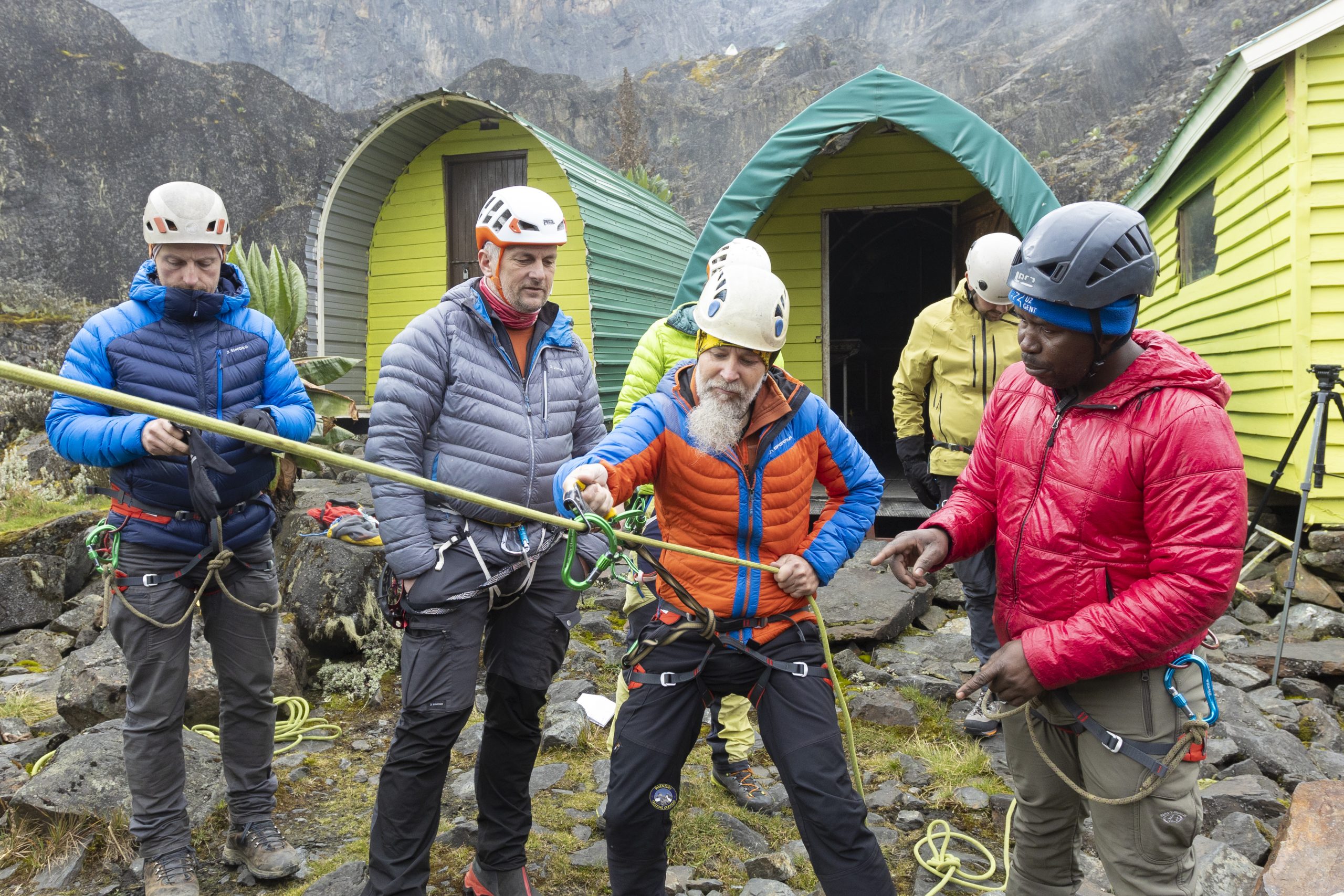
The presence of experienced mountain guides also makes the journey much easier for beginners. Guides know the safest walking pace, understand changing weather conditions, and provide encouragement whenever hikers feel tired. They explain the surrounding plants, wildlife, and mountain history, making the trek educational as well as adventurous.
Another advantage for first-time hikers is the clear daily structure of the expedition. Most trekking days involve between four and seven hours of walking, depending on the itinerary and weather conditions. Regular breaks allow hikers to drink water, enjoy the scenery, and recover before continuing.
Unlike mountain expeditions where visitors carry all their own equipment, the Central Circuit provides the option of hiring experienced porters. Porters transport heavy bags while hikers carry only a small daypack containing water, snacks, rain gear, and personal items. This makes the daily walk far more comfortable, especially for people attempting their first multi-day trek.
Perhaps the greatest benefit is that the journey is rewarding even for hikers who do not plan to climb Margherita Peak. The forests, waterfalls, alpine valleys, giant groundsels, and mountain lakes provide unforgettable scenery throughout the route, allowing beginners to enjoy a complete mountain experience regardless of their final destination.
How to Prepare Physically Before Your First Central Circuit Trek
Many first-time hikers worry that they need to be professional athletes before attempting the Central Circuit. In reality, consistent preparation is far more important than exceptional fitness. People of different ages successfully complete this trek every year because they prepare gradually rather than relying on natural ability alone.
The best preparation begins at least six to eight weeks before departure. Regular walking should become part of your weekly routine. Start with short walks around your neighborhood before gradually increasing both distance and time. As your fitness improves, include hills or stair climbing to strengthen your legs and improve endurance. These simple exercises prepare your muscles for the long uphill and downhill sections found on the mountain.
Cardiovascular activities such as jogging, cycling, swimming, or brisk walking also improve stamina. Aim for three to four exercise sessions each week while allowing enough time for recovery between workouts. Consistency matters much more than intensity.
Carrying a light backpack during training is another excellent idea. It allows your shoulders and back to become familiar with the feeling of hiking with essential gear. Comfortable hiking boots should also be worn during training instead of waiting until the expedition begins. This helps prevent painful blisters caused by new footwear.
Flexibility exercises and stretching improve balance while reducing muscle stiffness after long hiking days. Strong core muscles also make walking on uneven ground much easier, especially when crossing rocky trails or muddy sections.
Mental preparation is equally important. The Central Circuit is not a race. Walking slowly, taking regular breaks, and maintaining a positive attitude often lead to greater success than trying to move too quickly. Many beginners discover that patience becomes one of their greatest strengths during the trek.
By arriving well prepared, first-time hikers can spend less energy worrying about the physical challenge and more time enjoying the extraordinary beauty of the Rwenzori Mountains.
What to Expect During Each Day of the Central Circuit Trek
One of the biggest concerns for beginners is not knowing what happens during a multi-day mountain trek. Fortunately, the Central Circuit follows a well-organised schedule that allows hikers to gain altitude gradually while enjoying different landscapes every day. Understanding the daily routine helps first-time hikers feel more confident before the adventure begins.
The journey starts at Nyakalengija on the eastern side of the Rwenzori Mountains. The first hiking day passes through thick tropical rainforest filled with tall trees, colourful birds, and flowing rivers before reaching Nyabitaba Hut. Although the trail climbs steadily, frequent rest stops make the walk comfortable for beginners. Many hikers also see blue monkeys or black-and-white colobus monkeys during this section.
The second day leads towards John Matte Hut, crossing the famous Kurt Shafer Bridge over the Mubuku River. The forest slowly changes into bamboo and giant heather vegetation as the scenery becomes more open. This stage introduces hikers to higher elevations without becoming overly demanding.
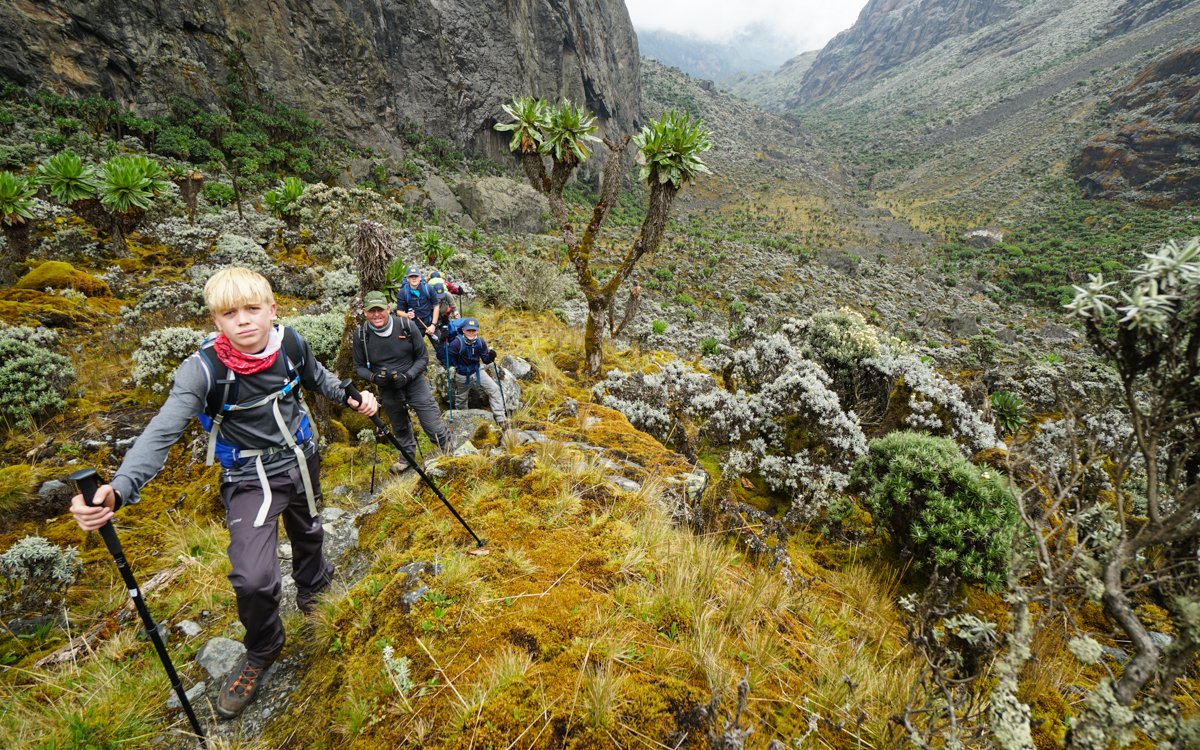
The following day is often one of the most memorable because it includes the famous Bigo Bog. Wooden boardwalks guide trekkers across the alpine wetlands before arriving at Bujuku Hut, surrounded by Mount Stanley, Mount Baker, and Mount Speke. The scenery changes dramatically, with giant groundsels and giant lobelias dominating the landscape.
Higher stages of the trek continue through Bujuku Hut, Elena Hut, and finally Margherita Peak for those attempting the summit. Then later you descent to Kitandara hut, Guy Yeoman hut, Nyabitaba hut and back to Nyakalengija. Hikers who are not climbing to the highest point can still enjoy the remarkable alpine valleys before beginning the descent.
Every morning usually starts with breakfast before sunrise, followed by several hours of walking with regular breaks. Lunch may be served along the trail or at the next hut depending on the day’s distance. Evenings are spent resting, enjoying warm meals, and preparing for the following day. This predictable routine helps first-time hikers settle into mountain life quickly and comfortably.
Mountain Huts Make the Adventure Easier for First-Time Hikers
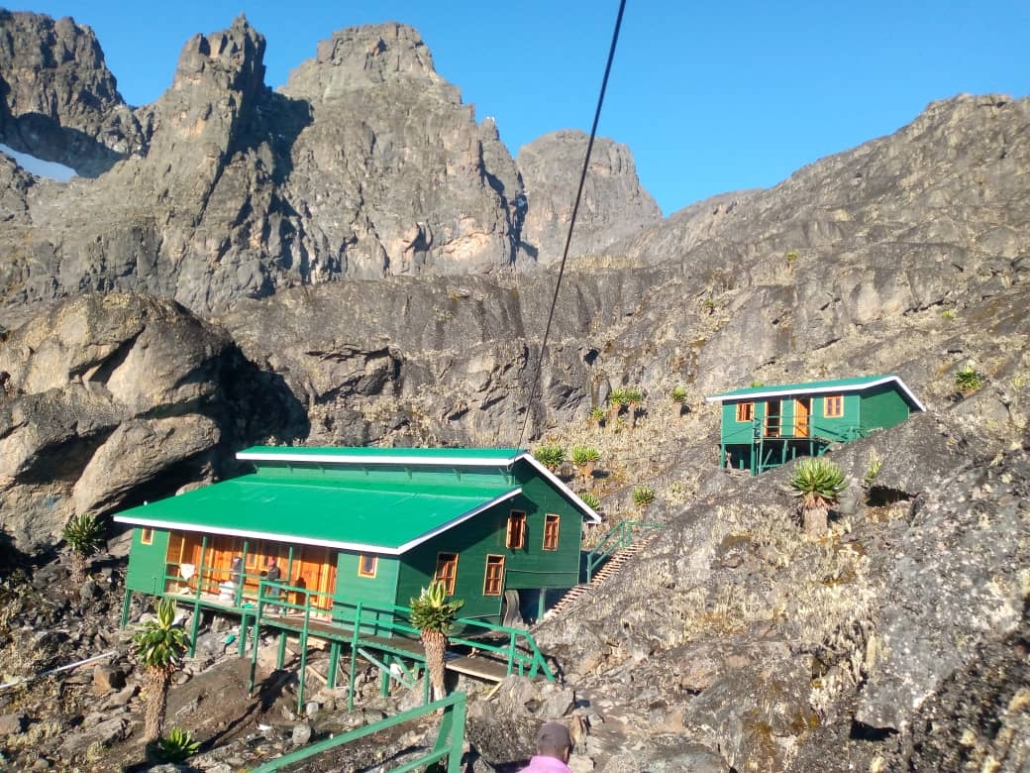
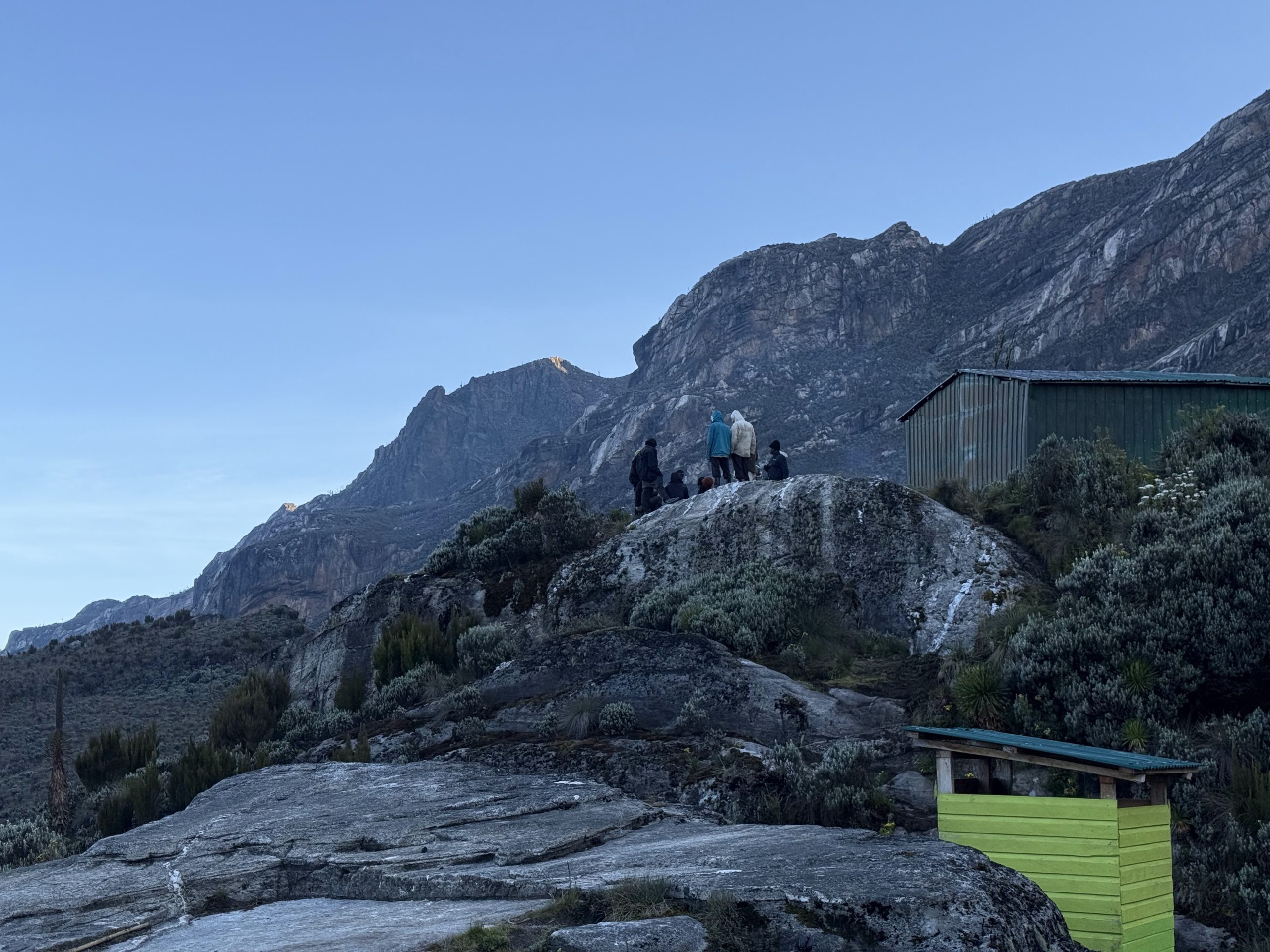
Many beginners imagine sleeping in tents throughout the expedition, but the Central Circuit offers something much more comfortable. A series of mountain huts is positioned along the route to provide safe accommodation at suitable elevations. These huts are one of the biggest reasons the Central Circuit is ideal for first-time hikers.
The first overnight stop is Nyabitaba Hut, located at approximately 2,651 metres above sea level. After several hours of walking through the rainforest, hikers arrive at this comfortable shelter where they can enjoy a hot meal, rest, and meet fellow trekkers from different countries. The hut provides a welcoming introduction to life in the mountains.
The second overnight stay is normally at John Matte Hut, sitting at about 3,505 metres. The cooler temperatures remind hikers that they are climbing higher, but the comfortable shelter allows everyone to recover properly before the next stage.
One of the most spectacular overnight locations is Bujuku Hut, which stands at around 3,962 metres. Surrounded by towering mountains and beautiful alpine scenery, many hikers describe this camp as one of the highlights of the entire expedition. Waking up to views of Mount Stanley covered by morning mist is an unforgettable experience.
Trekkers attempting Margherita Peak usually spend the final night before the summit at Elena Hut, located at about 4,541 metres. This small mountain shelter prepares climbers for the early morning ascent to the glacier.
After the summit descend to Kitandara Hut, positioned near the peaceful Kitandara Lakes at approximately 4,023 metres. The calm surroundings provide an excellent place to relax while the body continues adapting to the higher altitude.
Guy Yeoman Hut, located at approximately 3,261 metres, is the final overnight stop before the last descent. Surrounded by giant heather and beautiful mountain vegetation, it offers a peaceful place to rest after crossing Freshfield Pass. The comfortable shelter helps hikers recover before completing the Central Circuit the following day.
The huts provide beds, dining areas, and shelter from changing mountain weather. Instead of carrying camping equipment, hikers can focus on enjoying the journey. This greatly reduces the physical demands of the expedition and makes the Central Circuit much more suitable for beginners.
Understanding Mountain Weather and Altitude Before Your First Trek
The weather in the Rwenzori Mountains can change quickly, which often surprises first-time hikers. A bright sunny morning may turn into light rain by afternoon before clearing again later in the day. Preparing for these changes is one of the simplest ways to enjoy the trek.
Temperatures vary greatly depending on altitude. The lower rainforest is generally warm and humid, making lightweight clothing comfortable during the first day. As hikers climb higher, the air becomes cooler, especially during the evenings and early mornings. In the alpine zone, temperatures can fall below freezing at night, particularly near Elena Hut and Margherita Peak.
Because of these changing conditions, wearing several light layers is much better than relying on one thick jacket. Layers can easily be added or removed throughout the day as temperatures change. Waterproof clothing is also essential because brief rain showers are common, even during the drier months.
Altitude is another important factor for first-time hikers. As the trail climbs above 3,000 metres, the amount of oxygen in the air gradually decreases. Some hikers may experience mild symptoms such as headaches, tiredness, or slight shortness of breath. These reactions are normal and often disappear after proper rest and hydration.
Walking slowly is one of the best ways to help the body adjust. Mountain guides encourage hikers to maintain a steady pace rather than trying to walk too quickly. Drinking plenty of water, eating regular meals, and getting enough sleep also improve acclimatization.
Listening to your guide is extremely important. Experienced guides recognize the early signs of altitude sickness and know when hikers need additional rest or medical attention. Their knowledge greatly increases both safety and comfort throughout the expedition.
For most beginners, careful preparation and a gradual climbing schedule make altitude manageable. By respecting the mountain and following professional guidance, first-time hikers can enjoy the Central Circuit with confidence while appreciating every stage of this remarkable journey.
Essential Packing Tips for Your First Central Circuit Adventure
Packing correctly is one of the most important steps for a successful trek. Many first-time hikers either carry too much or forget important items. Both mistakes can make the journey more difficult than necessary. The best approach is to pack only what you need while making sure every item has a purpose.
A good pair of waterproof hiking boots should be your first priority. The Central Circuit passes through muddy forest trails, rocky paths, wetlands, and alpine terrain. Boots with good ankle support help prevent injuries while keeping your feet comfortable throughout the trek. It is also important to wear the boots several weeks before the hike instead of using them for the first time on the mountain.
Clothing should be suitable for changing weather conditions. Moisture-wicking shirts, hiking trousers, warm fleece layers, a waterproof jacket, waterproof trousers, gloves, and a warm hat are all essential. Since temperatures can change several times in one day, dressing in layers allows you to adjust easily without becoming too hot or too cold.
Your daypack should remain light because you will carry it every day. It should contain drinking water, snacks, rain gear, sunscreen, sunglasses, a camera, personal medication, and a small first-aid kit. Most trekkers also carry trekking poles because they improve balance during steep climbs and reduce pressure on the knees during descents.
Hiring a porter is highly recommended, especially for beginners. A porter carries your main backpack while you walk with only your daypack. This reduces fatigue and allows you to enjoy the scenery instead of struggling with heavy luggage. Besides making the trek easier, hiring a porter also supports local communities by creating employment opportunities.
A simple packing strategy often produces the best results. Bringing practical equipment instead of unnecessary items makes walking easier and allows you to focus on the incredible experience waiting ahead.
Food, Drinking Water, and Staying Comfortable on the Mountain
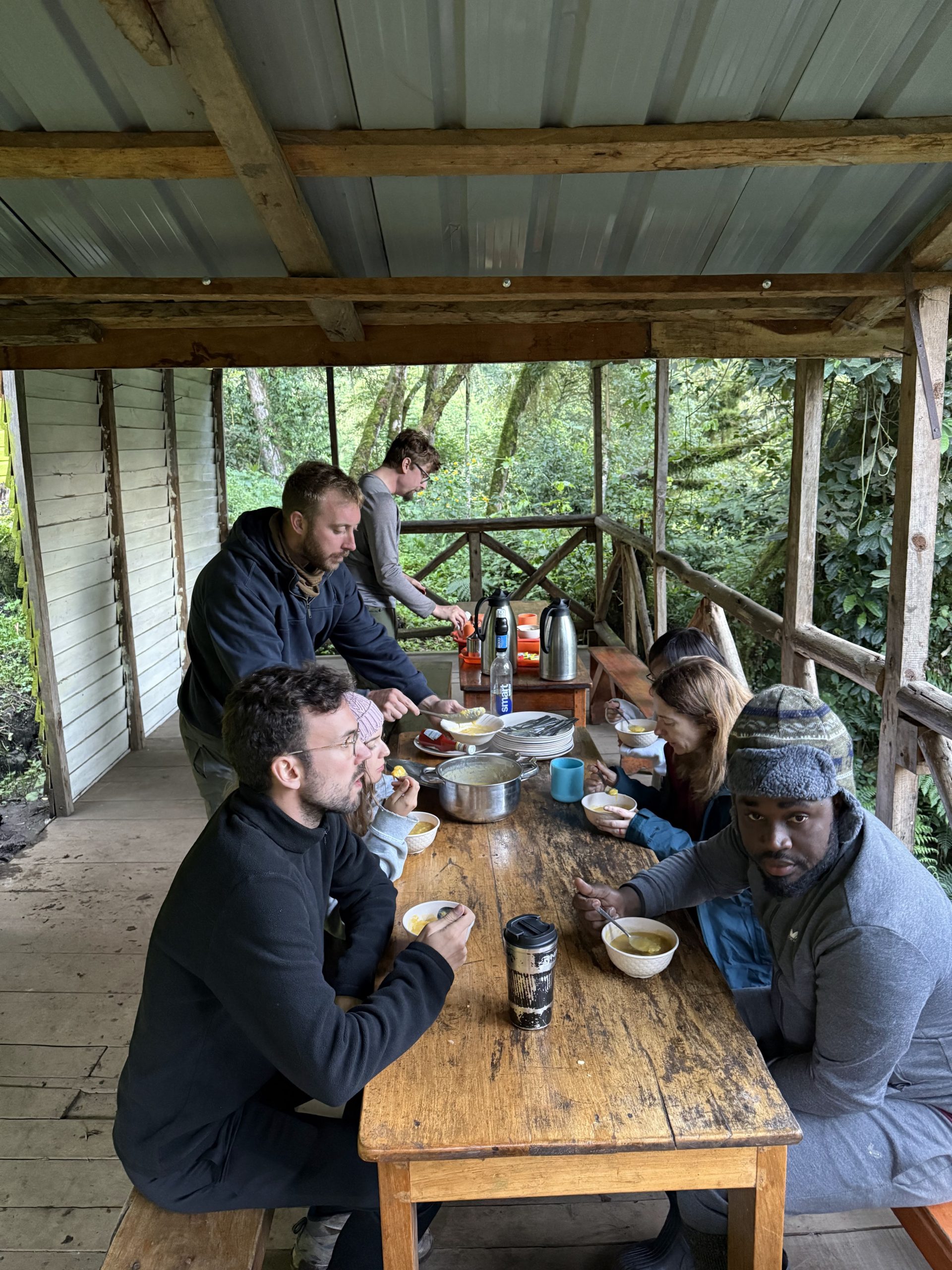
Many first-time hikers wonder what they will eat during several days in the mountains. Fortunately, the Central Circuit is supported by experienced trekking teams who prepare fresh meals throughout the expedition. This means you do not need to carry your own cooking equipment or worry about preparing food after a long day of hiking.
Most mornings begin with a hot breakfast that provides enough energy for the day’s walk. Depending on the trekking operator, breakfast may include eggs, bread, porridge, fruit, tea, coffee, or pancakes. Before leaving each hut, hikers are encouraged to eat well because mountain trekking burns a considerable amount of energy.
Lunch is usually served either at a scenic stop along the trail or after reaching the next camp. Dinners are warm, filling, and designed to help the body recover after several hours of walking. Meals commonly include rice, potatoes, pasta, vegetables, beans, chicken, beef, or fish. Fresh fruits are provided, adding important vitamins to the diet.
Hydration is equally important throughout the trek. Drinking enough water helps reduce fatigue and supports proper acclimatisation at higher altitudes. Most guides remind hikers to drink regularly, even when they do not feel thirsty. Many trekkers carry reusable water bottles or hydration bladders that can be refilled along the route after the water has been treated or boiled.
Personal hygiene also remains manageable despite being deep in the mountains. Mountain huts provide basic washing facilities, although hot showers are generally unavailable at higher elevations. Wet wipes, biodegradable soap, a small towel, and a toothbrush are useful items to pack. Since space is limited, keeping toiletries simple is usually the best choice.
Good nutrition, adequate hydration, and proper rest work together to keep hikers healthy throughout the expedition. Taking care of these basic needs allows beginners to enjoy every stage of the Central Circuit with more energy and greater confidence.
 Common Mistakes First-Time Hikers Should Avoid
Every experienced trekker was once a beginner. Making small mistakes is part of learning, but understanding the most common ones before starting the Central Circuit can make your adventure much more enjoyable.
One of the biggest mistakes is walking too fast on the first day. Many beginners feel energetic after leaving the trailhead and try to keep a quick pace. However, mountain trekking is about endurance rather than speed. Walking slowly and steadily conserves energy and helps the body adjust to higher altitudes more comfortably. Experienced guides often use the phrase “pole pole,” meaning “slowly, slowly,” because a steady pace usually leads to greater success.
Another common mistake is ignoring hydration. Some hikers drink very little water because the cool mountain weather reduces feelings of thirst. Unfortunately, dehydration can contribute to headaches, tiredness, and slower acclimatization. Drinking small amounts regularly throughout the day is far more effective than waiting until you become thirsty.
Packing too many unnecessary items is another frequent problem. Heavy backpacks make every uphill section more difficult and increase fatigue. First-time hikers should pack only essential equipment and allow porters to carry larger bags whenever possible.
Many beginners also underestimate the importance of proper clothing. Wearing cotton clothing, which stays wet after rain or sweat, often leads to discomfort in cold conditions. Quick-drying hiking clothes and waterproof layers are much better choices for mountain environments.
Some hikers forget to listen carefully to their guides. Mountain guides have years of experience and understand the safest routes, changing weather patterns, and signs of altitude sickness. Following their instructions improves both safety and enjoyment throughout the trek.
Finally, some people focus only on reaching the summit and forget to appreciate the journey itself. The Central Circuit is filled with waterfalls, forests, wildlife, giant groundsels, alpine lakes, and breathtaking valleys. Taking time to enjoy these attractions creates memories that often become even more valuable than standing on the highest peak.
By avoiding these common mistakes, first-time hikers can approach the Central Circuit with greater confidence and enjoy one of Africa’s most rewarding mountain adventures.
The Unforgettable Scenery and Wildlife That Make Every Step Worthwhile
One of the greatest surprises for first-time hikers is discovering that the Central Circuit is much more than a mountain trail. It is a journey through one of Africa’s richest natural landscapes, where every day introduces new scenery and remarkable wildlife. Even people who arrive focused on reaching the summit often leave talking about the forests, valleys, rivers, and rare plants they encountered along the way.
The lower slopes of the Rwenzori Mountains are covered by lush tropical rainforest that supports an incredible variety of life. Blue monkeys are among the animals most commonly seen swinging through the trees, while black-and-white colobus monkeys move gracefully across the forest canopy. Bird lovers have an opportunity to spot colourful species such as the Rwenzori turaco, handsome francolin, strange weaver, and several beautiful sunbirds. The sounds of birds calling through the forest create a peaceful atmosphere that accompanies hikers during the early stages of the trek.
As the trail climbs higher, the scenery changes dramatically. Thick bamboo forests give way to giant heather trees covered with hanging moss, creating landscapes that seem almost magical. Higher still, hikers enter the Afro-alpine zone, where giant groundsels and giant lobelias dominate the valleys. These extraordinary plants have adapted to survive freezing nights and bright daytime sunshine, making them some of the most unique alpine species on Earth.
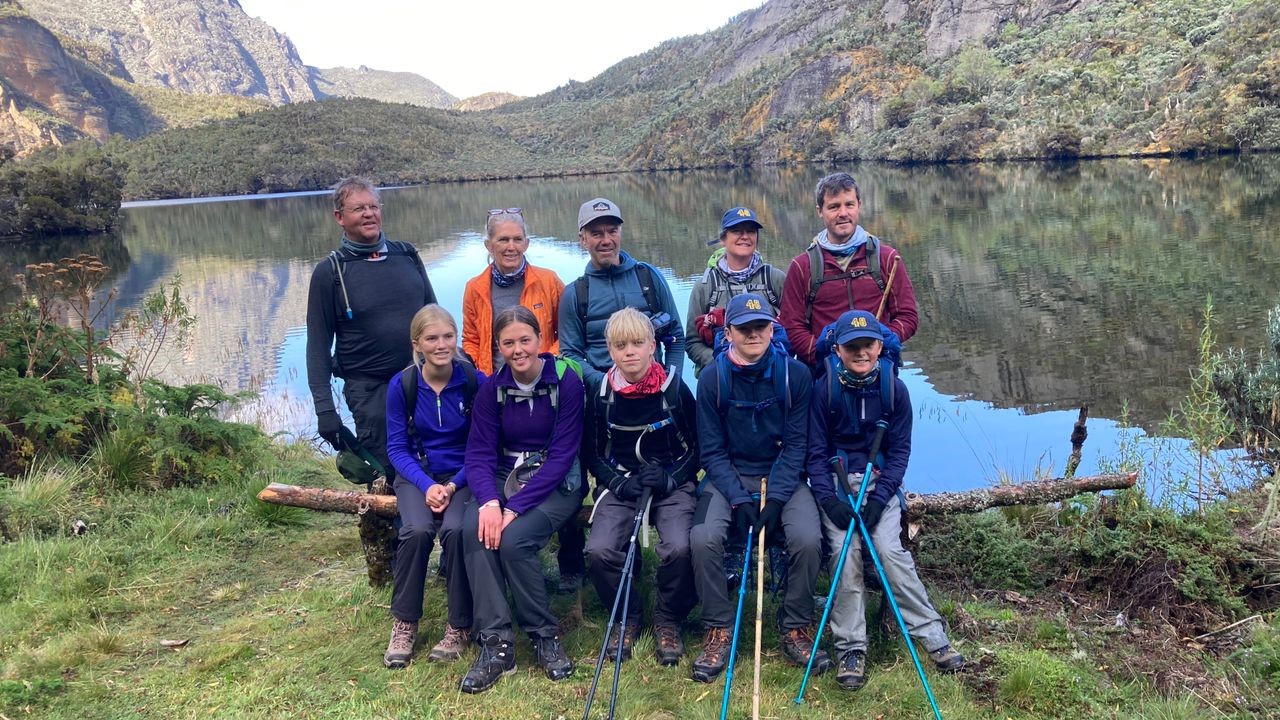
The Central Circuit also rewards hikers with spectacular views of crystal-clear rivers, cascading waterfalls, and peaceful alpine lakes. Lake Bujuku reflects the surrounding mountains on calm mornings, while the beautiful Kitandara twin Lakes provide one of the most scenic resting places on the route. Mountain passes such as Scott Elliott Pass reveal breathtaking panoramas of Mount Stanley, Mount Baker, and Mount Speke rising above deep glacial valleys.
For many first-time hikers, these unforgettable landscapes become the highlight of the entire expedition. Every section of the trail offers a different experience, ensuring that the journey remains exciting until the final day.
More Than a Trek: An Adventure That Builds Confidence
Many people begin the Central Circuit wondering whether they are capable of completing such a demanding journey. By the end of the expedition, they often realise that the greatest achievement is not simply reaching a destination but discovering what they are capable of accomplishing.
The trek teaches patience from the very first day. Instead of rushing, hikers learn to move steadily, conserve energy, and appreciate every step. This slower pace allows time to notice details that are often missed during everyday life, from tiny forest flowers growing beside the trail to the sound of rivers flowing through quiet valleys.
The mountain also encourages resilience. Rain, steep climbs, changing weather, and high altitude may present challenges, but overcoming them creates a deep sense of satisfaction. Each completed stage becomes another reminder that determination and preparation can achieve remarkable results.
The friendships formed during the expedition are equally memorable. Trekkers from different countries often share meals, encourage one another during difficult sections, and celebrate together after reaching important milestones. Guides, porters, and cooks also become an important part of the experience, offering support, local knowledge, and genuine hospitality throughout the journey.
Many hikers return home with more than photographs. They carry lasting memories of beautiful landscapes, personal achievements, and moments that helped them grow in confidence. Some even begin planning another mountain adventure soon after completing the Central Circuit because the experience inspires them to continue exploring the outdoors.
For a first-time hiker, the Central Circuit is not simply about climbing a mountain. It is about discovering nature, building self-belief, and creating unforgettable memories that will last for many years.
Frequently Asked Questions About the Central Circuit for First-Time Hikers
1. Is the Central Circuit suitable for first-time hikers?
Yes. The Central Circuit is one of the best multi-day mountain treks for beginners because it follows a gradual ascent, has experienced mountain guides, and offers well-positioned mountain huts that help hikers acclimatize safely.
2. Do I need previous mountain climbing experience?
No. Previous mountaineering experience is not required. However, a good level of physical fitness and proper preparation before the trek will make the journey more enjoyable.
3. How fit should I be before attempting the trek?
You should be able to walk for four to seven hours a day on uneven terrain. Regular walking, hiking, jogging, or cycling for six to eight weeks before the trek is usually sufficient for most first-time hikers.
4. How many days does the Central Circuit trek take?
The complete Central Circuit usually takes 7 days to reach Margherita Peak and return, although shorter itineraries are available for hikers who do not intend to summit. Also, longer hikes are available involving summiting several peaks on the Rwenzori Mountains.
5. Can I hike without reaching Margherita Peak?
Absolutely. Many visitors complete part of the Central Circuit simply to enjoy the rainforests, alpine valleys, waterfalls, giant lobelias, and beautiful mountain lakes without attempting the highest summit.
6. Will I suffer from altitude sickness?
Not necessarily. Some hikers experience mild symptoms such as headaches or tiredness, but the gradual ascent, proper hydration, and guidance from experienced mountain guides help reduce the risk.
7. What kind of accommodation is available during the trek?
Trekkers stay in mountain huts located along the route, including Nyabitaba, John Matte, Bujuku, Kitandara, and Elena Huts. These shelters provide basic accommodation, dining areas, and protection from the weather.
8. What should I pack for the Central Circuit?
Essential items include waterproof hiking boots, warm layered clothing, rain gear, gloves, a warm hat, a daypack, sunscreen, water bottles, trekking poles, personal medication, and a headlamp.
9. Can I hire a porter?
Yes. Hiring a porter is highly recommended, especially for first-time hikers. Porters carry your main backpack, allowing you to hike comfortably with only a light daypack. But most packages involve costs of porters inclusive.
10. What is the biggest mistake first-time hikers make?
The most common mistake is walking too fast. Maintaining a slow, steady pace, drinking plenty of water, following your guide’s instructions, and enjoying the journey will greatly increase your chances of a successful and memorable trek.
Conclusion
Central Circuit for a First-Time Hiker is more than just a guide to one of Africa’s greatest trekking routes. It is an invitation to experience the remarkable beauty, diversity, and adventure that define the Rwenzori Mountains. From the moment the journey begins at Nyakalengija, hikers are introduced to landscapes that change from dense tropical rainforest to bamboo forests, giant heather, alpine wetlands, sparkling lakes, glaciers, and snow-covered peaks. Every day brings new discoveries, making the trek exciting from start to finish.
Although the adventure may seem challenging at first, careful preparation, experienced mountain guides, well-positioned huts, and a gradual climbing schedule make the Central Circuit suitable for many first-time hikers. Walking at a steady pace, staying well hydrated, packing the right equipment, and listening to your guides are simple steps that can transform the journey into an enjoyable and rewarding experience.
Beyond the physical challenge, the Central Circuit offers something even more valuable. It allows hikers to disconnect from busy daily routines and reconnect with nature in one of the world’s most extraordinary mountain environments. The wildlife, rare plants, peaceful valleys, rushing rivers, and breathtaking views create memories that remain vivid long after the trek has ended.
Whether your dream is to stand on Margherita Peak, admire the beauty of Bujuku Valley, or simply complete your first multi-day mountain hike, the Central Circuit offers an unforgettable experience. For anyone seeking adventure, personal achievement, and some of the finest scenery in Africa, this legendary trail is the perfect place to begin your journey into the magnificent Rwenzori Mountains.