

Mount Luigi di Savoia: Discover the Hidden Beauty of the Rwenzori Mountains
Mount Luigi di Savoia: Discover the Hidden Beauty of the Rwenzori Mountains is the perfect guide for travelers seeking one of the most rewarding hiking adventures in East Africa. Hidden within the spectacular Rwenzori Mountains of western Uganda, Mount Luigi di Savoia is a breathtaking mountain massif that combines dramatic peaks, ancient glaciers, unique alpine vegetation, and unforgettable scenery. While many visitors are familiar with Margherita Peak, this remarkable massif offers an equally exciting experience with fewer crowds, making it an excellent destination for hikers who want to explore the quieter side of the Rwenzori Mountains.
The mountain is admired for its rugged landscapes and its three famous summits: Sella Peak (4,627 metres), Weismann Peak (4,620 metres), and Stair Peak (4,545 metres). Every stage of the climb reveals something different, from dense tropical forests and roaring rivers to giant lobelias, alpine bogs, rocky ridges, and panoramic viewpoints stretching across the Mountains of the Moon. The changing scenery keeps every day exciting and gives climbers countless opportunities to enjoy nature at its finest.
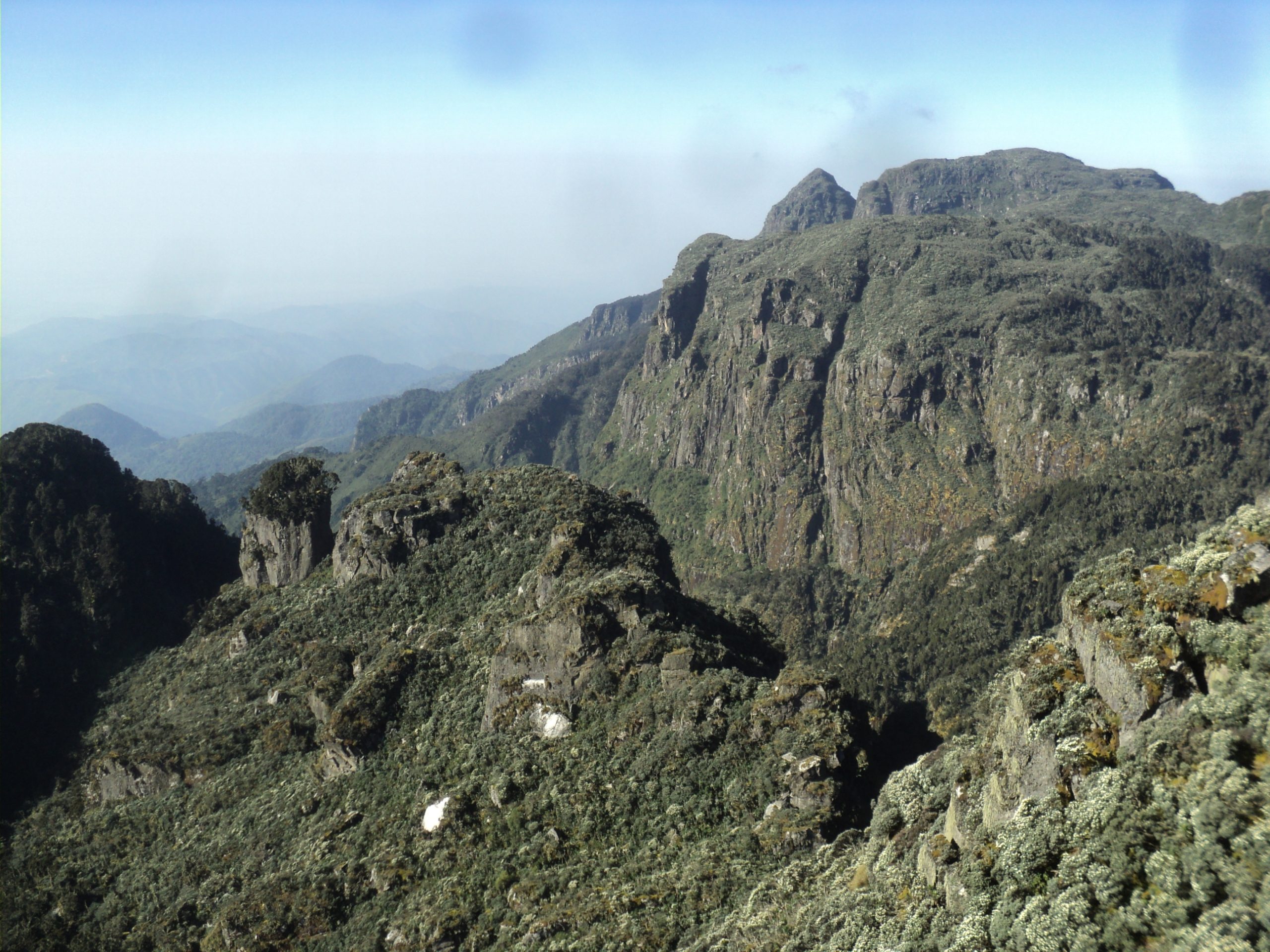 Beyond its natural beauty, the mountain carries a fascinating history linked to early European exploration of the Rwenzori range. Today, it remains one of Uganda’s most rewarding trekking destinations for adventurers, photographers, birdwatchers, and nature lovers alike. Whether you are planning your first mountain expedition or adding another summit to your climbing achievements, this incredible massif promises an unforgettable journey through one of Africa’s most remarkable mountain landscapes.
Where is Mount Luigi di Savoia Located?
Mount Luigi di Savoia is found inside Rwenzori Mountains National Park, a UNESCO World Heritage Site in western Uganda along the border with the Democratic Republic of Congo. The mountain forms the southernmost major massif within the Rwenzori Mountain range, which is widely known as the legendary “Mountains of the Moon.” These mountains are famous for their glaciers, permanent snowfields, rivers, waterfalls, and extraordinary biodiversity.
Unlike volcanic mountains such as Mount Kilimanjaro, the Rwenzori Mountains were formed through uplift rather than volcanic activity. This geological history has created deep valleys, sharp ridges, and rugged peaks that make every hiking route both challenging and incredibly scenic.
The highest point of the massif is Sella Peak, standing at 4,627 metres above sea level. Although slightly lower than Margherita Peak on Mount Stanley, it remains one of the highest summits in Uganda and offers magnificent views across neighbouring mountains. On clear mornings, climbers can admire glaciers, rocky cliffs, and endless mountain ridges stretching into the distance.
The mountain’s remote location also makes it attractive for travelers who prefer peaceful hiking experiences. Compared to Africa’s more popular mountains, the trails here receive fewer visitors, allowing trekkers to enjoy quiet forests, flowing streams, colorful birds, and untouched alpine landscapes throughout the journey.
The Story Behind Mount Luigi di Savoia
Mount Luigi di Savoia: Discover the Hidden Beauty of the Rwenzori Mountains through its fascinating history, remarkable exploration, and breathtaking landscapes that have attracted adventurers for more than a century. Like many peaks within the Rwenzori Mountains, Mount Luigi di Savoia has a rich history connected to exploration. The massif was named after Prince Luigi Amedeo, Duke of the Abruzzi, an Italian explorer who led one of the most important scientific expeditions into the Rwenzori Mountains in 1906. During the expedition, his team successfully climbed several peaks while carefully studying the geography, glaciers, vegetation, and wildlife of the region.
The expedition produced some of the earliest accurate maps of the Rwenzori Mountains. Before then, much of the range remained unknown to the outside world because of its remote location, thick rainforest, and constantly changing weather. Their discoveries helped introduce the beauty of these mountains to climbers and scientists across the world.
Another important member of the expedition was the famous photographer Vittorio Sella, whose breathtaking images documented the Rwenzori’s snow-covered peaks and dramatic landscapes. His work inspired future mountaineers and continues to be celebrated today, which is why the highest summit of the massif proudly bears his name as Sella Peak.
Today, modern hikers still experience many of the same breathtaking landscapes explored more than a century ago. Although trails, huts, and guiding services have improved, the mountain has successfully preserved its wild character, allowing visitors to enjoy an authentic mountain adventure surrounded by untouched nature.
How Many Days Does It Take to Climb Mount Luigi di Savoia?
One of the first questions hikers ask when planning their adventure is how long it takes to reach the mountain. The answer depends on which trail you choose because the Rwenzori Mountains offer two main trekking routes leading to Mount Luigi di Savoia: the Kilembe Trail and the Central Circuit Trail.
If you choose the Kilembe Trail, reaching the mountain and getting back to the starting point of the trail normally takes five days. This route approaches the massif from the southern side of the Rwenzori Mountains and passes through beautiful montane forests, bamboo zones, heather zone, crystal-clear rivers, waterfalls, and scenic alpine valleys. Many trekkers enjoy this route because it is slightly shorter while still offering spectacular scenery throughout the climb.
The Central Circuit Trail requires approximately five /six days to reach Mount Luigi di Savoia and hike back to the starting point of the trail. Although this route takes an extra day, it allows hikers to experience more of the Rwenzori Mountains before arriving at the massif. The trail passes through lush rainforest, giant heather forests, alpine bogs, glacier-fed streams, and several mountain camps that help trekkers gradually adjust to the increasing altitude.
Both routes provide experienced guides, trained porters, and carefully planned itineraries that improve safety and comfort during the expedition. Choosing between the two largely depends on the amount of time available, your level of fitness, and the type of trekking experience you prefer. The Kilembe Trail offers a slightly faster ascent, while the Central Circuit rewards hikers with a longer journey through some of Uganda’s most spectacular mountain scenery.
No matter which route you choose, the climb is far more than simply reaching a summit. Every day introduces new landscapes, fresh mountain air, and unforgettable views that make the journey just as rewarding as standing on the peaks themselves.
 Sella Peak – The Highest Point of Mount Luigi di Savoia
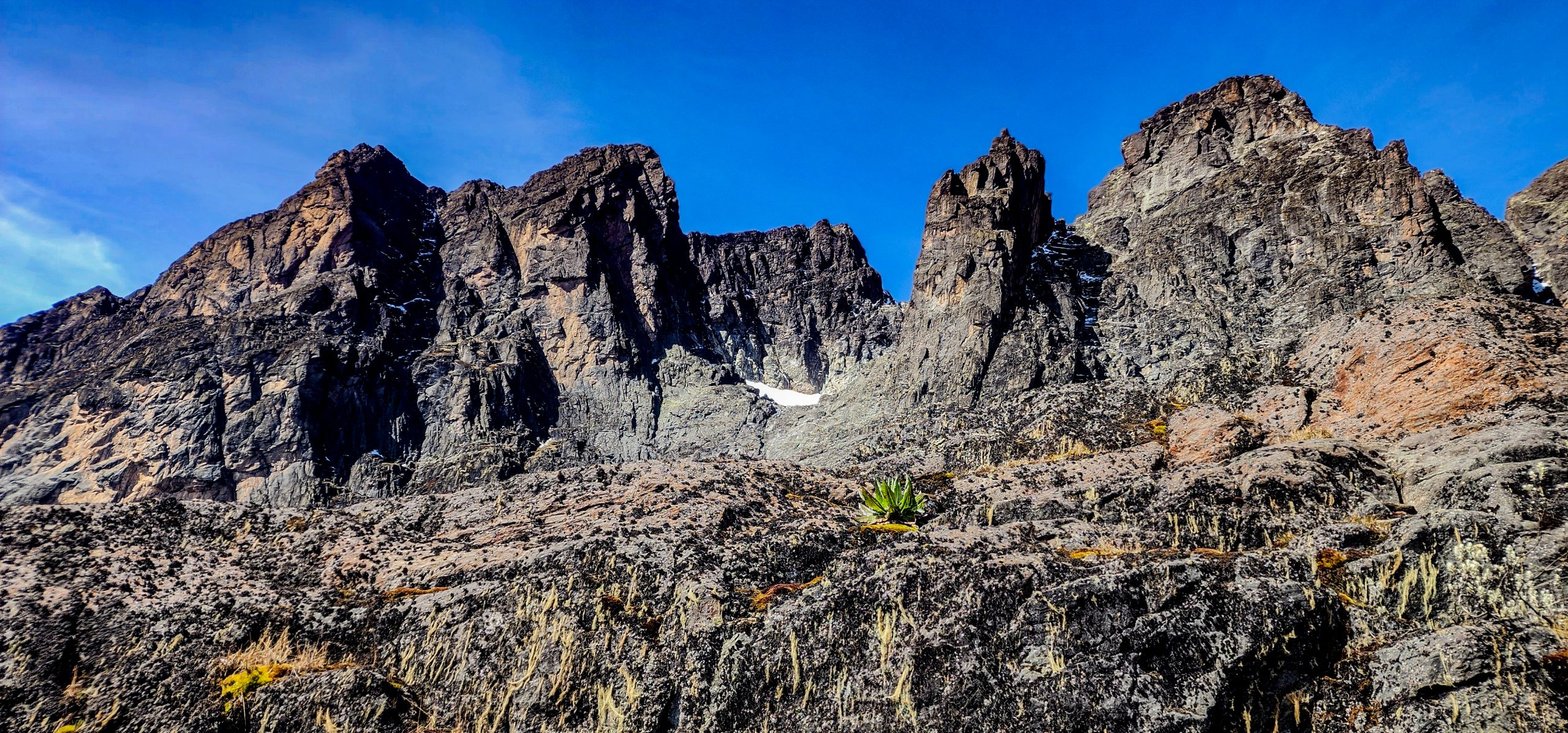
The crown of the Mount Luigi di Savoia massif is Sella Peak, which rises to 4,627 metres above sea level. Named after the renowned Italian photographer and mountaineer Vittorio Sella, this summit is one of the highest points in the Rwenzori Mountains and a rewarding destination for experienced hikers. Reaching the summit is a memorable achievement, as the climb combines breathtaking scenery with the satisfaction of standing on one of Uganda’s highest mountain peaks.
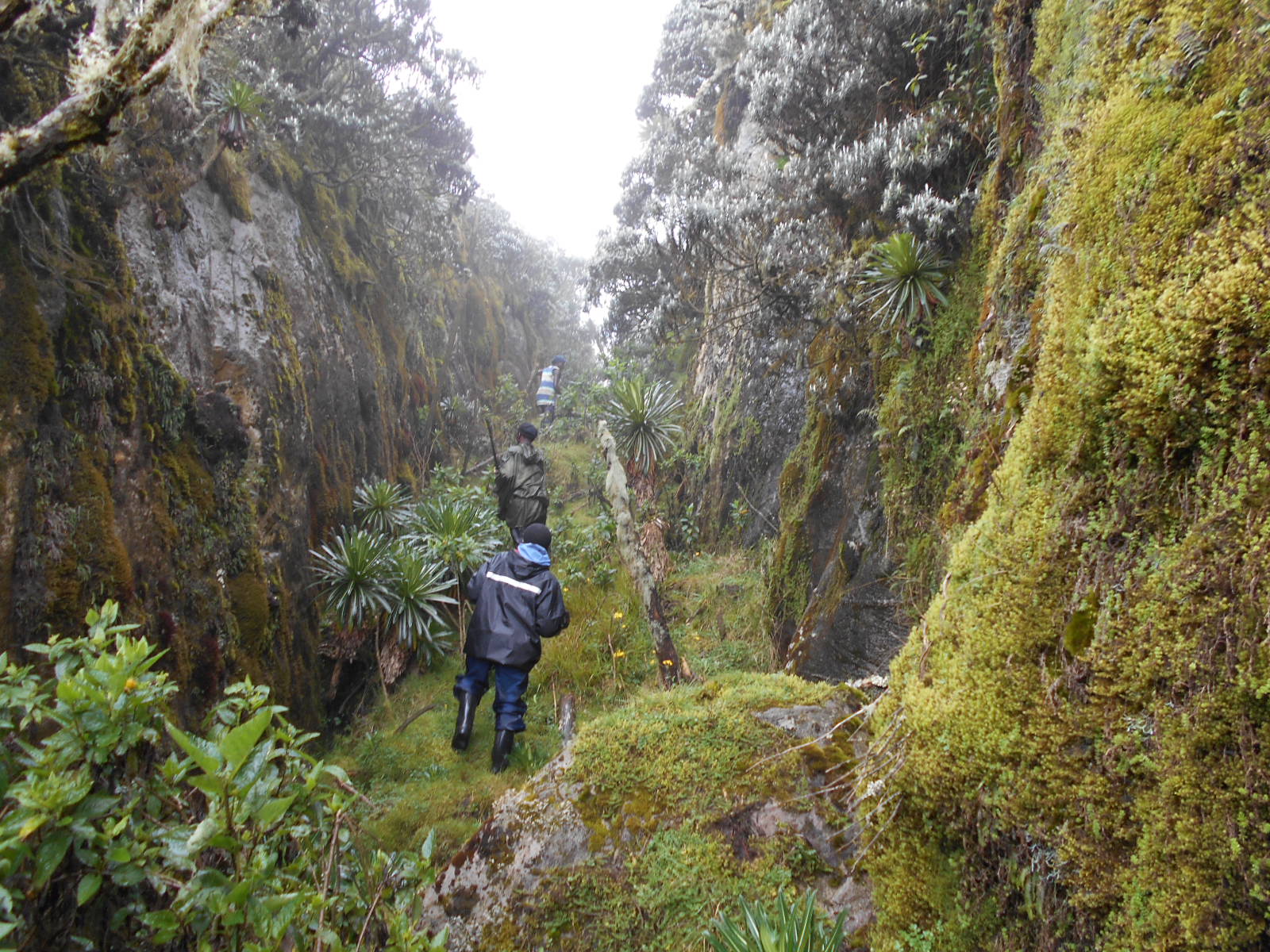
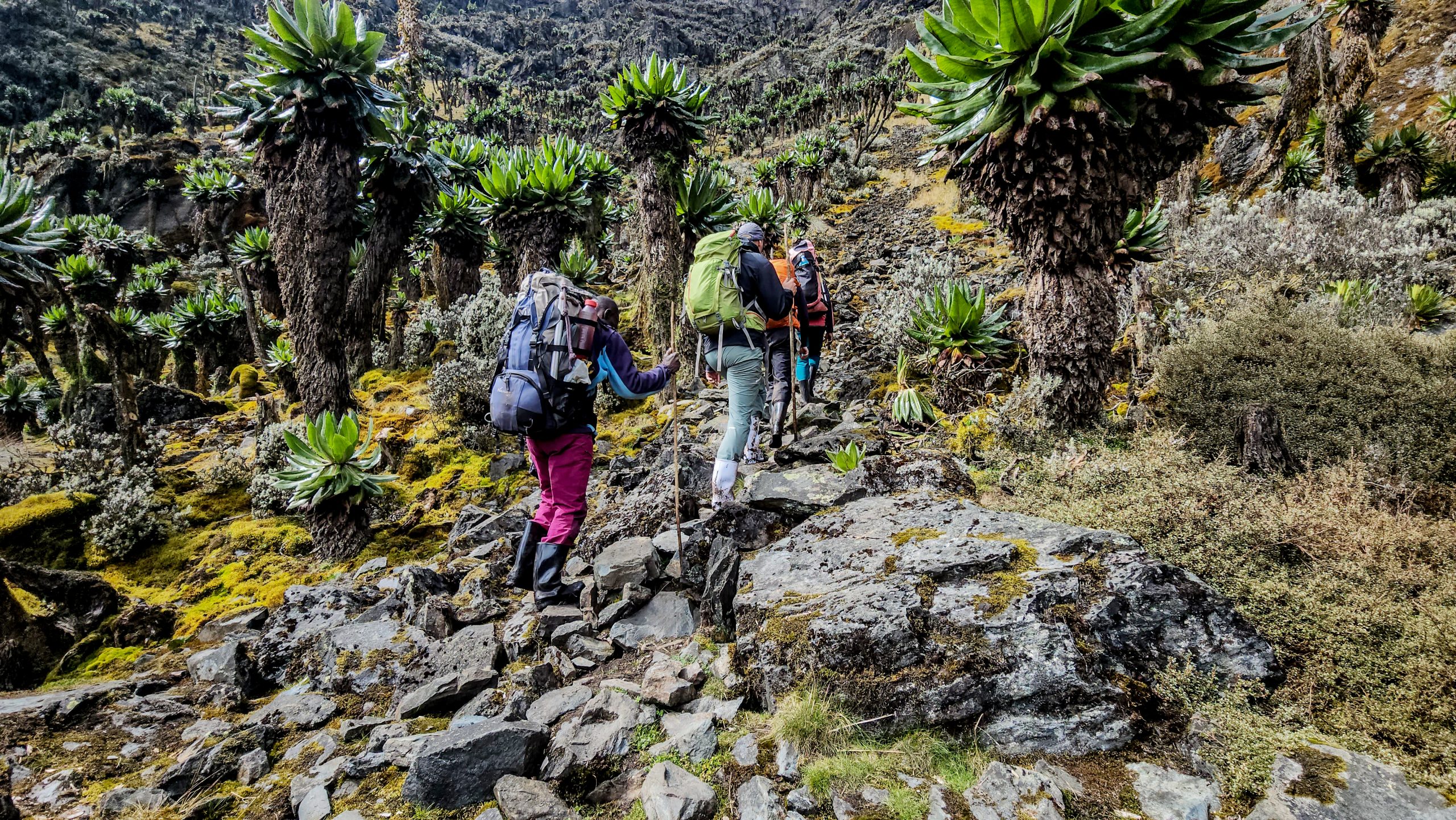
The journey to Sella Peak passes through several vegetation zones that change with altitude. Lower slopes are covered by dense montane forests filled with towering trees, while the middle elevations feature bamboo woodlands and giant heather. As climbers continue upward, the landscape transforms into an alpine world of giant lobelias, giant groundsels, moss-covered rocks, and glacial valleys. These unique plants have adapted to the cold mountain climate and create one of the most distinctive landscapes in Africa.
The final ascent becomes steeper and more demanding, requiring careful footing across rocky sections. On clear mornings, the summit rewards climbers with breathtaking views of neighbouring massifs, deep valleys, glaciers, and distant ridges stretching across the Rwenzori Mountains. Clouds often drift across the peaks, creating dramatic scenery that changes from one moment to the next. Many hikers consider reaching Sella Peak the highlight of their entire Rwenzori adventure because it combines physical achievement with unforgettable natural beauty.
Weismann Peak and Stair Peak
While Sella Peak is the highest point of the Mount Luigi di Savoia massif, Weismann Peak (4,620 metres) is the most visited and one of the most popular climbing objectives on this part of the Rwenzori Mountains. Its accessibility, stunning scenery, and rewarding summit experience make it a favourite among hikers exploring the massif. Together with Stair Peak (4,545 metres), these impressive summits add great diversity and beauty to Mount Luigi di Savoia, offering climbers more opportunities to experience the unique landscapes of the Rwenzori range.
The climb to Weismann Peak takes adventurers through spectacular alpine terrain, including rocky ridges, open valleys, and glacier-shaped landscapes. Along the way, hikers are rewarded with breathtaking views of surrounding peaks, deep valleys, and the dramatic beauty of the high-altitude environment. The peaceful atmosphere of this area makes the journey especially memorable, as climbers enjoy the untouched wilderness, fresh mountain air, and the natural sounds of streams flowing through the rugged landscape.
Stair Peak, standing at 4,545 metres, is another rewarding summit that completes the massif. Although it is the lowest of the three principal peaks, it remains an exciting destination for trekkers exploring the southern section of the Rwenzori Mountains. From its summit, visitors enjoy wide views of neighbouring mountains, green valleys, and dramatic cliffs that showcase the rugged beauty of the national park.
Together, these three peaks make the massif one of the most diverse climbing destinations in Uganda. Instead of focusing on a single summit, hikers have the opportunity to appreciate several outstanding viewpoints, each offering its own unique perspective of the surrounding landscape. This variety is one of the reasons why many experienced mountaineers describe the massif as one of the hidden treasures of the Rwenzori Mountains.
Wildlife and Unique Vegetation Along the Trail
One of the greatest rewards of climbing Mount Luigi di Savoia is experiencing the incredible diversity of wildlife and vegetation found within Rwenzori Mountains National Park. As hikers move higher each day, the landscape changes dramatically, creating an exciting journey through several ecological zones.
The lower slopes are covered by lush tropical rainforest, where towering trees provide shelter for numerous bird species, colourful butterflies, and playful primates. Lucky visitors may spot blue monkeys, black-and-white colobus monkeys, and even the shy L’Hoest’s monkey moving through the forest canopy. The songs of birds echo through the valleys, making every section of the trail feel alive.
Higher up, bamboo forests gradually give way to giant heather before opening into one of Africa’s most remarkable alpine environments. Giant lobelias and giant groundsels dominate the landscape, creating a scenery that seems almost otherworldly. Thick moss blankets rocks and tree trunks, while crystal-clear streams flow from melting glaciers above.
Bird enthusiasts will also appreciate the opportunity to observe several Albertine Rift endemic species. The colourful Rwenzori turaco, scarlet-tufted malachite sunbird, and handsome francolin are just a few of the birds that call these mountains home. Every altitude presents new opportunities to admire nature, making the trek as rewarding for wildlife lovers as it is for mountain climbers.
 The Climbing Experience
Climbing Mount Luigi di Savoia is more than simply reaching a summit; it is an unforgettable journey through one of Africa’s most spectacular mountain environments. Every day on the trail introduces new landscapes, changing weather, and exciting challenges that make the experience both rewarding and memorable.
Most expeditions are led by experienced local guides who know the mountain well and ensure that hikers follow safe routes. Porters accompany many trekking groups, helping carry equipment while allowing climbers to focus on enjoying the adventure. Their knowledge of the mountain, its history, and its wildlife adds great value to the journey.
The climb requires a good level of physical fitness because the trails can be steep, muddy, and rocky in certain sections. High altitude also makes proper acclimatization important, particularly for those following the longer Central Circuit Trail. Fortunately, both trekking routes are designed to allow gradual elevation gain, giving hikers enough time to adjust before reaching the higher camps.
Weather conditions in the Rwenzori Mountains can change quickly. A bright sunny morning may be followed by mist, rain, or cold winds later in the day. For this reason, climbers should pack waterproof clothing, warm layers, sturdy hiking boots, gloves, and trekking poles. Proper preparation allows visitors to enjoy the trek comfortably regardless of changing mountain conditions.
Although the journey demands determination and endurance, the rewards are extraordinary. Every step brings stunning scenery, peaceful surroundings, and unforgettable memories that remain long after the adventure has ended.
Best Time to Climb Mount Luigi di Savoia
Choosing the right time to climb Mount Luigi di Savoia can make your trekking experience more enjoyable. Although the Rwenzori Mountains can be visited throughout the year, some months offer better hiking conditions than others. The drier seasons generally provide firmer trails, clearer views, and more comfortable trekking conditions.
The best months for climbing are June to September and December to February. During these periods, rainfall is usually lower, making the trails less muddy and easier to navigate. Clear skies also improve visibility, allowing hikers to enjoy spectacular views of glaciers, valleys, waterfalls, and neighbouring peaks. These months are particularly popular among photographers because the scenery is often at its most beautiful.
Even during the dry seasons, mountain weather can change quickly. Sunshine may suddenly give way to mist, rain, or strong winds, especially at higher elevations. Climbers should always be prepared by carrying waterproof clothing, warm layers, gloves, and sturdy hiking boots. Trekking poles are also useful when crossing rocky or slippery sections of the trail.
The wetter months should not discourage adventurous travelers. The mountain becomes greener, waterfalls flow more strongly, and the forests appear even more vibrant. However, hikers should expect muddy paths and allow extra time for some sections of the journey. Regardless of the season, every climb offers a unique opportunity to experience the remarkable beauty of the Rwenzori Mountains.
Why Mount Luigi di Savoia Should Be on Every Hiker’s Bucket List
Many travelers visiting Uganda dream of trekking mountain gorillas or climbing Margherita Peak, yet Mount Luigi di Savoia remains one of the country’s best-kept secrets. For those looking for a quieter and equally rewarding adventure, this mountain offers everything that makes the Rwenzori Mountains special.
One of its greatest attractions is the variety of landscapes experienced during the climb. In just a few days, hikers walk through dense tropical rainforest, cross fast-flowing rivers, pass giant heather forests, explore alpine bogs, and eventually reach rocky summits overlooking glaciers and valleys. Few mountains in Africa offer such dramatic changes in scenery within a single expedition.
The mountain also appeals to travelers who appreciate peaceful surroundings. Since it receives fewer visitors than some of the more famous peaks, the trails often feel remote and untouched. This allows hikers to enjoy nature without large crowds, making the experience more personal and relaxing.
Beyond its natural beauty, climbing the mountain supports local communities living around Rwenzori Mountains National Park. Many local people work as guides, porters, cooks, and lodge staff, while tourism also contributes to conservation efforts that protect the mountain’s fragile ecosystems. Every successful trek helps preserve this extraordinary landscape for future generations while creating sustainable income for nearby communities.
For hikers seeking an authentic mountain adventure filled with stunning scenery, fascinating history, and unforgettable memories, Mount Luigi di Savoia is a destination that truly deserves a place on every adventure travel bucket list.
Essential Tips for Climbing Mount Luigi di Savoia
Proper preparation plays an important role in making your climb both safe and enjoyable. While the mountain does not require advanced technical climbing skills for most trekking routes, hikers should be physically fit and ready for several days of walking at high altitude.
Before beginning your adventure, spend time improving your endurance through regular hiking, walking, or other cardiovascular exercises. Strong fitness helps you enjoy the trek more comfortably and reduces fatigue during long climbing days.
Packing the right equipment is equally important. Waterproof hiking boots with good grip are essential because sections of the trail can become muddy or slippery. Warm clothing, a waterproof jacket, gloves, a warm hat, and several quick-drying layers help protect against the mountain’s rapidly changing weather. A comfortable backpack, trekking poles, sunglasses, sunscreen, and a reusable water bottle are also recommended.
Hiring experienced guides and porters is highly encouraged. Their knowledge of the mountain, weather patterns, and trekking routes greatly improves both safety and enjoyment. They also share fascinating stories about the Rwenzori Mountains, local culture, and the unique plants and animals encountered along the trail.
Finally, remember to pace yourself during the climb. Walking steadily, drinking enough water, and allowing your body to adjust to the altitude will make reaching the summit much more enjoyable.
 Conclusion
Mount Luigi di Savoia: Discover the Hidden Beauty of the Rwenzori Mountains through an unforgettable adventure filled with natural beauty, challenging trekking, and rich history. Mount Luigi di Savoia is one of the most remarkable mountain massifs in the Rwenzori Mountains, offering a unique combination of spectacular landscapes and fascinating exploration. From the lush rainforests at its base to the breathtaking summits of Sella Peak (4,627 metres), Weismann Peak (4,620 metres), and Stair Peak (4,545 metres), every stage of the journey reveals a different side of Uganda’s incredible mountain wilderness.
Whether you choose the five-day Kilembe Trail or the five/six-day Central Circuit Trail, the adventure is filled with dramatic scenery, unique alpine vegetation, crystal-clear rivers, glaciers, and unforgettable panoramic views. Every day spent on the mountain offers new discoveries, making the journey just as rewarding as reaching the summit itself.
Beyond the physical challenge, the mountain provides an opportunity to connect with nature in one of Africa’s most unique environments. Its peaceful trails, remarkable biodiversity, and fascinating history create an experience that appeals to hikers, photographers, birdwatchers, and outdoor enthusiasts from around the world.
If you are searching for a mountain adventure that combines breathtaking landscapes with authentic wilderness, Mount Luigi di Savoia is an excellent choice. Its untouched beauty, impressive peaks, and rewarding trekking routes continue to inspire everyone who takes the time to explore this hidden gem of the Rwenzori Mountains.