

8 Days Kilembe Trail Hike to Margherita Peak vs 8 Days Bukurungu Trail Hike to Margherita Peak: Which Rwenzori Adventure Will Leave You Speechless?
8 Days Kilembe Trail Hike to Margherita Peak vs 8 Days Bukurungu Trail Hike to Margherita Peak: Which Rwenzori Adventure Will Leave You Speechless? This question is becoming increasingly common among hikers planning a trek into Uganda’s legendary Rwenzori Mountains. While both routes lead to Margherita Peak, the highest point in Uganda at 5,109 meters above sea level, the experiences they offer are remarkably different.
The Rwenzori Mountains are unlike any other trekking destination in Africa. Dense rainforests, bamboo zones, giant heathers, alpine valleys, glaciers, waterfalls, and snow-capped peaks combine to create a mountain environment that feels almost untouched by time. Every day spent on the mountain introduces new scenery, new challenges, and unforgettable moments.
Both the Kilembe Trail and the Bukurungu Trail require approximately eight days to complete a summit expedition to Margherita Peak. Yet many trekkers who have completed both routes often describe them as two entirely separate adventures. One follows a classic and established route through famous mountain camps. The other leads hikers through remote valleys, community landscapes, and quieter sections of the range that few visitors experience.
Choosing between the two is not simply about reaching the summit. It is about deciding how you want to experience the Mountains of the Moon.
Why Two Trekkers Can Reach the Same Summit and Have Completely Different Experiences
At first glance, it may seem that all routes leading to Margherita Peak offer the same adventure. After all, both trails end at the same destination. However, the memories formed along the way are often completely different.
A hiker on the Kilembe Trail is likely to remember famous camps, well-known viewpoints, and the excitement of following one of the most recognized routes in the Rwenzori Mountains. The journey feels structured and familiar, with every stage carefully linked to the next.
On the Bukurungu Trail, the experience tends to be more personal. Trekkers often spend long periods without encountering other groups. The route encourages exploration and rewards those who appreciate solitude and immersion in nature.
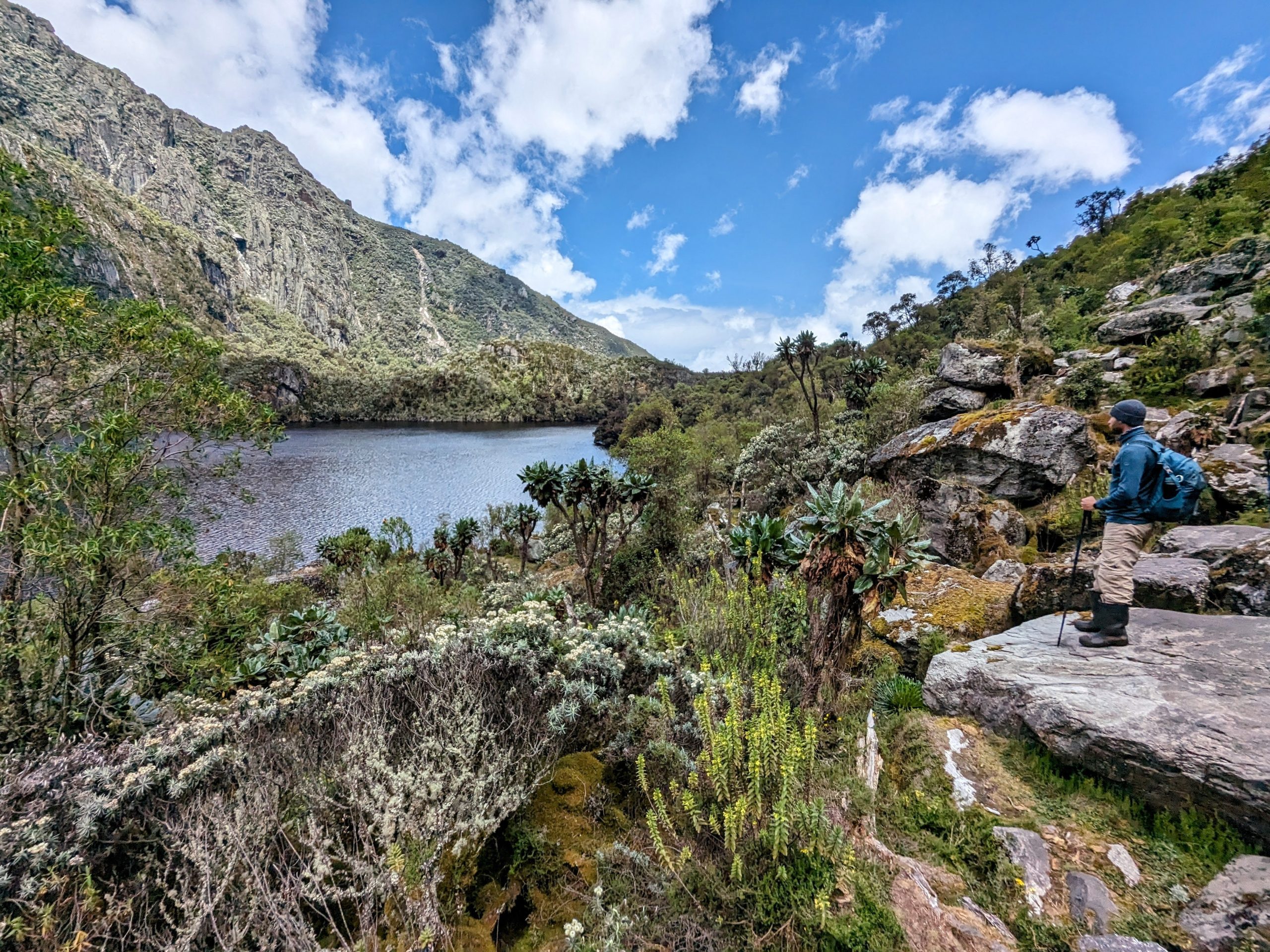
Imagine two hikers standing together on Margherita Peak after eight days. One speaks about crossing the famous bogs of Bugata and climbing through giant heather forests. The other recalls watching the sunset over Lake Mughuli and sharing stories with local communities near the foothills. Although both reached the same summit, their adventures tell very different stories.
This difference is what makes the comparison between the Kilembe Trail and Bukurungu Trail so fascinating. The destination may be shared, but the journey is uniquely shaped by the route chosen.
The First Three Days: How the Journeys Begin
The opening days of any mountain trek are important because they establish the pace and atmosphere of the adventure.
The Kilembe Trail begins with a gradual climb through lush rainforest where towering trees create a natural canopy overhead. The trail passes through bamboo forests and eventually reaches the heather zone. Camps such as Sine Camp, Mutinda Camp and Bugata camp provide the first overnight stops and introduce trekkers to the classic Rwenzori experience.
One of the highlights during these early days is the rapid change in vegetation. A hiker may begin the morning surrounded by tropical forest and finish the day overlooking rolling ridges covered with giant heather.
The Bukurungu Trail offers a very different introduction. Rather than immediately focusing on mountain landscapes, the route starts by passing through local communities, coffee farms, and cultivated foothills. Visitors gain insight into daily life around the mountains before gradually entering remote wilderness areas.
Trekkers often describe these first days as culturally enriching. Encounters with local residents create a sense of connection that adds another dimension to the adventure.
By the third day, the contrast becomes clear. The Kilembe hiker is already immersed in classic mountain scenery, while the Bukurungu hiker is experiencing a blend of culture, nature, and exploration.
 Life in the Mountain Camps
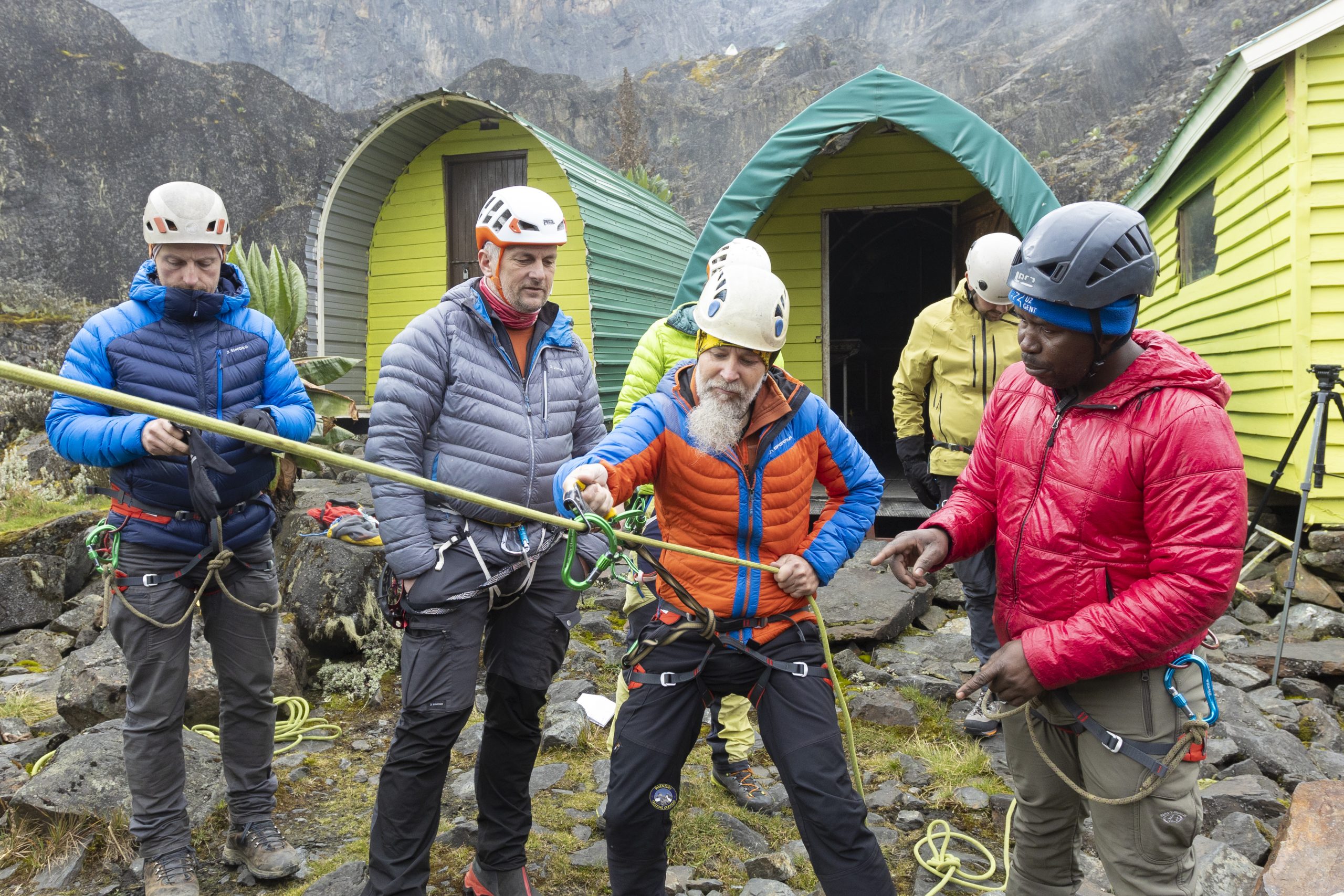
Accommodation plays a major role in shaping the trekking experience. The camps become temporary homes where hikers rest, eat, and prepare for the next day’s challenge.
Along the Kilembe Trail, camps such as Sine, Mutinda, Bugata, Hunwick’s, Margherita Camp, and Kiharo camp are well known among Rwenzori trekkers. These camps provide a structured progression through the mountain and help simplify logistics.
After a long day of hiking, arriving at one of these camps often brings a sense of achievement. Trekkers gather for meals, share stories from the trail, and prepare for the following stage of the journey.
The Bukurungu Trail offers a different atmosphere. Overnight stays at Amundsen Community Camp, Kambeho Camp, Mughuli Camp, Lamia Camp, Irene Lakes Camp, and Bujuku Camp feel more remote and intimate.
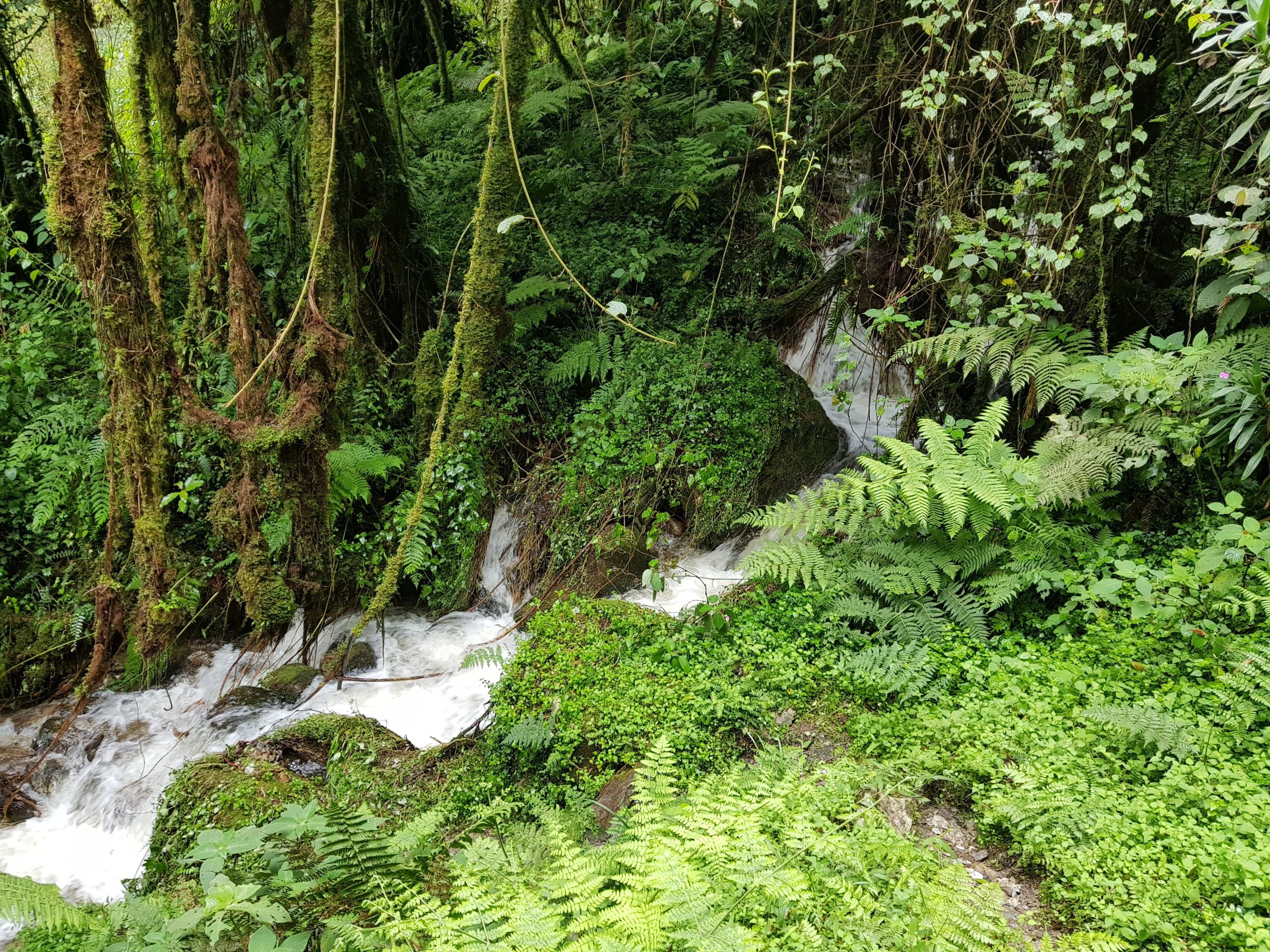
Many of these camps are surrounded by untouched wilderness where hikers sleep in tents. Evenings are often accompanied by the sounds of rivers, waterfalls, and mountain winds rather than the activity commonly found at busier trekking locations.
One particularly memorable location is Mughuli Camp. Situated near a beautiful mountain lake, it provides a peaceful setting that many trekkers consider one of the highlights of the entire route.
The difference is not necessarily about comfort. It is about atmosphere. Kilembe offers familiarity and structure, while Bukurungu emphasizes immersion and solitude.
Which Route Feels More Remote?
For some trekkers, remoteness is one of the most important aspects of an adventure. They seek destinations where nature dominates and human presence feels minimal.
In this regard, the Bukurungu Trail has a clear advantage. The route passes through sections of the Rwenzori Mountains that receive relatively few visitors. This creates a stronger sense of exploration and discovery.
Hikers often spend hours moving through valleys and ridges without seeing another trekking group. The silence becomes part of the experience. Every waterfall, viewpoint, and forest path feels more personal because it is not shared with large numbers of visitors.
The Kilembe Trail is still far from crowded by global standards. However, it is the more established route and naturally receives more trekkers. Camps are more active, and encounters with other groups are more common.
For travelers who enjoy meeting fellow adventurers and following a proven route, this can be a positive aspect. Others may prefer the quiet atmosphere offered by Bukurungu.
Ultimately, the choice depends on personal preference. Some hikers enjoy the social side of trekking, while others seek complete immersion in wilderness.
The Most Memorable Views on Each Trail
The Rwenzori Mountains are famous for scenery, and both routes showcase spectacular landscapes.
The Kilembe Trail is known for dramatic alpine environments. Trekkers encounter giant groundsels, high-altitude bogs, glacial valleys, and rugged mountain ridges. Locations near Mutinda, Bugata Camp, and Hunwick’s Camp are particularly famous for their breathtaking views.
On a clear morning, clouds often drift through the valleys below while distant peaks rise above the horizon. These scenes have become iconic images of the Rwenzori Mountains.
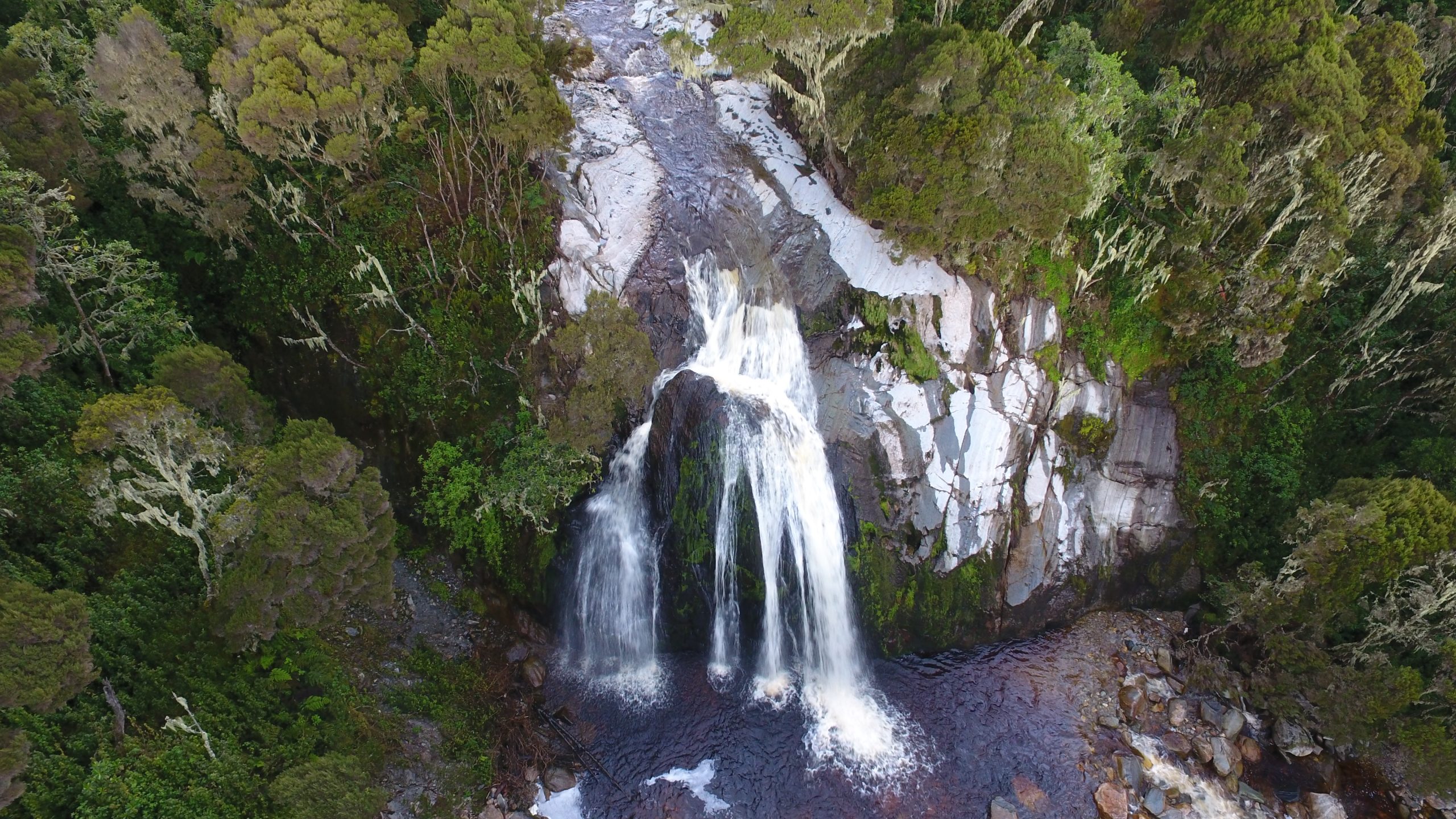
The Bukurungu Trail offers a different style of beauty. Instead of focusing on famous landmarks, it reveals hidden corners of the mountain range. Forested valleys, quiet lakes, and remote ridges create landscapes that feel untouched and exclusive.
Lake Mughuli is a perfect example. The calm waters reflect surrounding peaks and vegetation, creating one of the most photogenic locations on the route.
Many trekkers find it difficult to choose a winner because the scenery serves different tastes. One route emphasizes dramatic alpine grandeur, while the other celebrates wilderness and tranquility.
Community Encounters vs Classic Mountain Trekking
One of the most significant differences between the two routes becomes apparent through the human experiences they offer.
The Kilembe Trail focuses primarily on the mountain environment itself. From the moment trekkers enter the trail, attention shifts toward the landscapes, changing vegetation zones, and the physical challenge ahead. The route feels like a traditional mountaineering journey where the mountains remain the central attraction.
The Bukurungu Trail introduces another layer to the experience. Before entering the higher mountain zones, hikers pass through local communities that have lived alongside the Rwenzori Mountains for generations. These encounters provide valuable insight into the culture, traditions, and daily lives of the Bakonzo people.
Visitors may observe farming activities, traditional homes, and community projects that benefit from tourism. Such interactions help trekkers understand that the Rwenzori Mountains are not only a natural wonder but also home to vibrant communities.
Many hikers who choose Bukurungu appreciate this cultural dimension because it creates a deeper connection to the region. The trek becomes more than a physical challenge; it becomes an opportunity to learn about the people who call these mountains home.
For travelers interested purely in mountain trekking, the Kilembe Trail may feel more focused. For those who value cultural immersion alongside adventure, Bukurungu offers something special.
 What the Summit Day Feels Like
Regardless of the route chosen, summit day remains the defining moment of the expedition.
After several days of gradual ascent and acclimatization, hikers leave camp before sunrise and begin the final climb toward Margherita Peak. The atmosphere is often filled with anticipation. Every step brings trekkers closer to the highest point in Uganda.
The route to the summit involves rocky terrain, steep sections, and in some cases glacier crossings depending on seasonal conditions. Physical strength becomes important, but determination often plays an even greater role.
As dawn breaks over the Rwenzori Mountains, the landscape transforms. Peaks emerge from the darkness while distant valleys become visible beneath the clouds. The views grow more spectacular with every meter gained.
Reaching the summit is an emotional experience for many trekkers. Some celebrate loudly, while others stand quietly and absorb the moment. After days of effort, standing at 5,109 meters above sea level creates a sense of accomplishment that is difficult to describe.
Interestingly, the summit itself does not reveal which route was used to reach it. What differs is the collection of memories formed during the previous days. The Kilembe hiker arrives carrying one story. The Bukurungu hiker arrives carrying another. Both leave with unforgettable memories.
Which Route Challenges You More Mentally?
Physical fitness is important on both routes, but mental endurance often determines how enjoyable the experience becomes.
The Kilembe Trail presents challenges through its famous bogs, steep ascents, and changing weather conditions. However, the presence of established camps and a clearly defined route often provides reassurance. Trekkers know where they are heading and what to expect at the end of each day.
The Bukurungu Trail can feel more demanding psychologically because of its remoteness. Long stretches without encountering other groups create a greater sense of isolation. Some hikers find this peaceful, while others may find it mentally challenging.
Weather can also influence the experience. Mist, rain, and cloud cover are common in the Rwenzori Mountains. On quieter sections of the Bukurungu Trail, these conditions can intensify the feeling of being deep within a remote wilderness.
For adventurous hikers, this remoteness is often one of the route’s greatest strengths. It creates a genuine sense of exploration that is increasingly rare in modern trekking destinations.
Those who enjoy structure and predictability may feel more comfortable on the Kilembe Trail. Those who embrace uncertainty and discovery often thrive on Bukurungu.
Who Will Love Kilembe Most?
The Kilembe Trail is ideal for trekkers who want to experience one of the most established routes in the Rwenzori Mountains.
First-time visitors often appreciate the route’s organization and proven success in reaching Margherita Peak. The progression through famous camps and iconic landscapes creates a classic Rwenzori adventure that has attracted hikers from around the world.
Photographers who dream of capturing well-known mountain scenery may also prefer Kilembe. The route provides access to many of the landscapes most commonly associated with the Mountains of the Moon.
Trekkers who enjoy social interactions often find Kilembe appealing as well. Encounters with other hiking groups can create a sense of shared adventure and provide opportunities to exchange stories and experiences.
For those seeking a traditional mountain expedition with established infrastructure and legendary scenery, Kilembe remains an excellent choice.
Who Will Love Bukurungu Most?
The Bukurungu Trail is perfectly suited to travelers who value exploration, solitude, and authentic experiences.
Many hikers choose this route because they want to discover sections of the Rwenzori Mountains that remain largely untouched by mainstream tourism. The quieter atmosphere creates opportunities for reflection and deeper engagement with nature.
Photographers looking for unique perspectives often appreciate Bukurungu because many of its landscapes are rarely seen in guidebooks or promotional materials. Every viewpoint feels like a personal discovery.
The route is also attractive to travelers who enjoy learning about local culture. Interactions with communities near the mountain create a richer understanding of the region and its people.
For hikers who believe the journey is just as important as the destination, Bukurungu often provides a particularly rewarding experience. The route transforms the trek into an adventure of discovery rather than simply a climb to a summit.
 Final Choice: What Kind of Adventure Are You Looking For?
The comparison between the 8 Days Kilembe Trail Hike to Margherita Peak and the 8 Days Bukurungu Trail Hike to Margherita Peak is not about determining which route is objectively better. Both routes lead to one of Africa’s most remarkable summits and both showcase the extraordinary beauty of the Rwenzori Mountains.
The real question is what kind of experience you hope to have along the way.
If your dream is to follow a classic mountain route through famous camps, dramatic alpine scenery, and well-established trekking stages, the Kilembe Trail may be the perfect choice. It offers a proven route to Margherita Peak and delivers many of the iconic landscapes that have made the Rwenzori Mountains famous.
If you prefer quieter trails, stronger cultural connections, remote wilderness, and a greater sense of exploration, the Bukurungu Trail may leave a deeper impression. The route offers a more intimate encounter with the mountains and allows trekkers to experience parts of the range that few visitors ever see.
Both adventures end at Margherita Peak. Both require determination, preparation, and resilience. Both reward hikers with extraordinary scenery and unforgettable memories.
In the end, the summit is only one moment of the journey. What truly defines the experience are the valleys crossed, the camps visited, the people encountered, and the stories created along the way. Whether you choose Kilembe or Bukurungu, the Rwenzori Mountains have a remarkable way of leaving visitors speechless long after the trek has ended.
Neither route diminishes the beauty or challenge of reaching Margherita Peak. Instead, they provide different pathways to the same extraordinary achievement. One emphasizes tradition and familiarity, while the other celebrates discovery and solitude.
The best route is ultimately the one that matches your personal travel style and expectations. Whether you choose the legendary Kilembe Trail or the increasingly popular Bukurungu Trail, you will experience one of Africa’s most spectacular mountain adventures and create memories that last a lifetime.