

At What Point Do You Start Experiencing Snow on the Rwenzori Mountains? Discover Where Africa’s Equatorial Winter Begins.
At What Point Do You Start Experiencing Snow on the Rwenzori Mountains? This fascinating question attracts thousands of adventure travelers who dream of standing on snow-covered peaks almost directly on the equator. The Rwenzori Mountains, often called the Mountains of the Moon, are among the few places in the world where glaciers, snowfields, and tropical rainforests exist within the same mountain range.
Unlike many snowy mountain destinations where winter conditions begin at lower elevations, the Rwenzori Mountains reveal their frozen landscapes gradually. Climbers move through several ecological zones before reaching the permanent snowline. Every stage of the journey offers a different experience, from dense forests and giant heather zones to alpine valleys covered with frost and eventually vast glaciers.
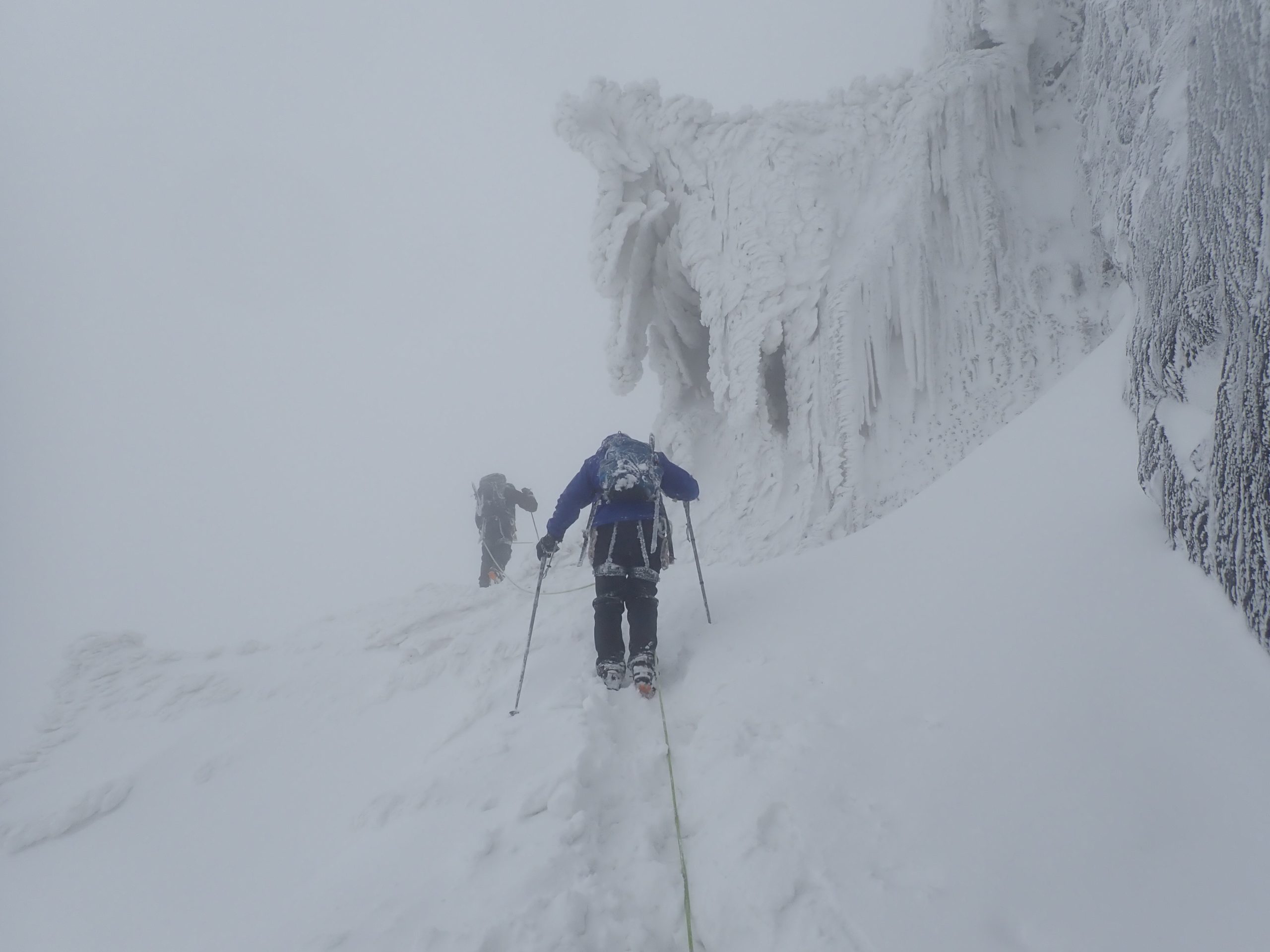
So, at What Point Do You Start Experiencing Snow on the Rwenzori Mountains? The simple answer is that permanent snow begins at approximately 4,500 meters above sea level. However, hikers start experiencing signs of winter much earlier. Frost-covered vegetation, frozen streams, and occasional snow dustings become common above 3,900 meters.
Whether you choose the Central Circuit Trail, the Kilembe Trail, or the Bukurungu Trail, your journey to the snowline follows a remarkable transition from tropical Africa to an environment that feels more like the Arctic. Understanding these stages helps trekkers prepare for one of Africa’s most rewarding mountain adventures.
 Why Are the Rwenzori Mountains Covered in Snow Despite Being Near the Equator?
Before understanding At What Point Do You Start Experiencing Snow on the Rwenzori Mountains, it helps to understand why snow exists there at all.
The Rwenzori Mountains lie along the border between Uganda and the Democratic Republic of Congo, only a short distance north of the equator. Despite this location, several peaks rise above 5,000 meters. At these elevations, temperatures remain cold enough to support glaciers and year-round snow.
Moist air from the Congo Basin constantly moves toward the mountains. As this moisture rises over the steep peaks, it cools rapidly and produces rainfall at lower elevations and snowfall at higher elevations.
This unique combination of altitude and moisture creates one of Africa’s most unusual landscapes. Hikers can begin the day surrounded by tropical forest and finish it near permanent ice fields. Few mountain ranges in the world provide such dramatic environmental changes within a relatively short distance.
Why Seeing Snow on the Equator Feels So Special
Few mountain experiences compare to witnessing snow near the equator. The journey begins in lush tropical vegetation. Birds sing in the forests. Rivers flow through green valleys. As elevation increases, the environment changes dramatically.
Eventually, climbers stand on snow-covered slopes surrounded by glaciers. The contrast feels almost unbelievable. It is one of the few destinations where hikers can travel from tropical forests to year-round snow and ice within a single expedition.
The Rwenzori Mountains offer far more than a summit climb. They provide a journey through multiple worlds stacked upon one another.
The First Signs of Winter Above 3,900 Meters
Many people asking At What Point Do You Start Experiencing Snow on the Rwenzori Mountains? Assume snow suddenly appears near the summit. In reality, the first signs of winter arrive much earlier.
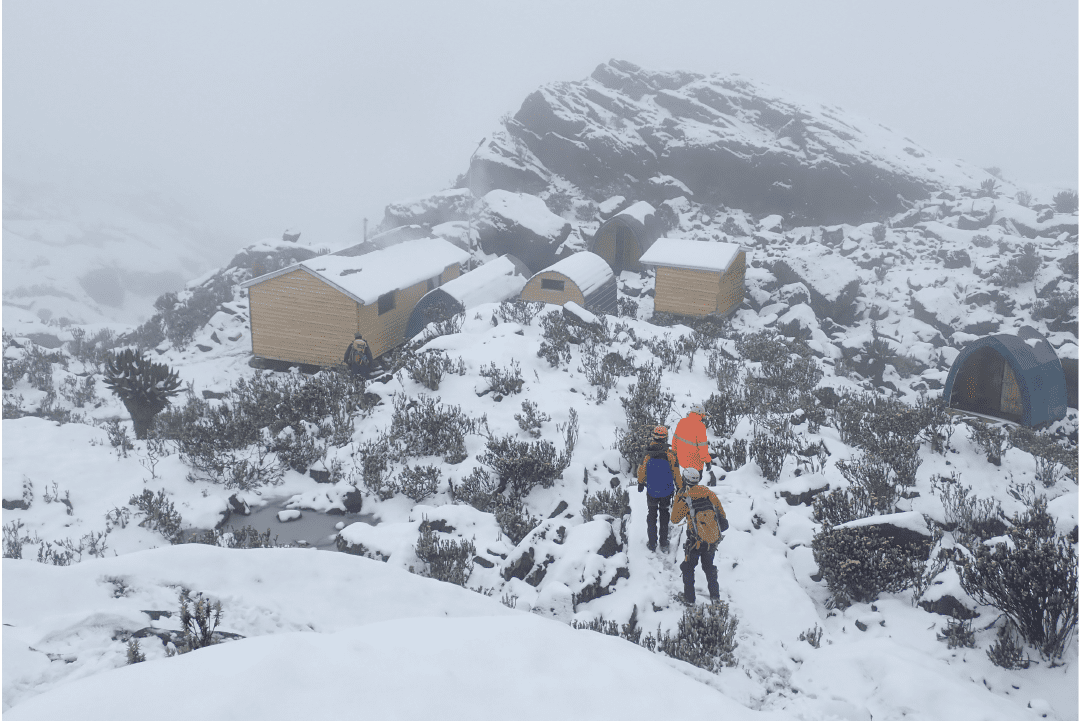
Above 3,900 meters, temperatures often fall below freezing during the night. Early mornings reveal white frost covering alpine vegetation, wooden boardwalks, rocks, and streams. The famous giant lobelias and giant groundsels frequently appear coated with sparkling ice crystals.
Trekkers frequently awaken to scenes that seem to be lightly covered in snow in valleys like Bujuku Valley on the Central Circuit. While these are usually frost deposits rather than deep snow, they provide a clear indication that climbers are approaching the mountain’s frozen zone.
Light snowfall can occasionally occur at these elevations, particularly during colder weather conditions. Although snow may not remain on the ground throughout the day, it gives trekkers an exciting preview of what lies higher on the mountain.
 How Long Does It Take to Reach the Snowline?
Knowing At What Point Do You Start Experiencing Snow on the Rwenzori Mountains naturally leads to another question: how long does it take to get there?
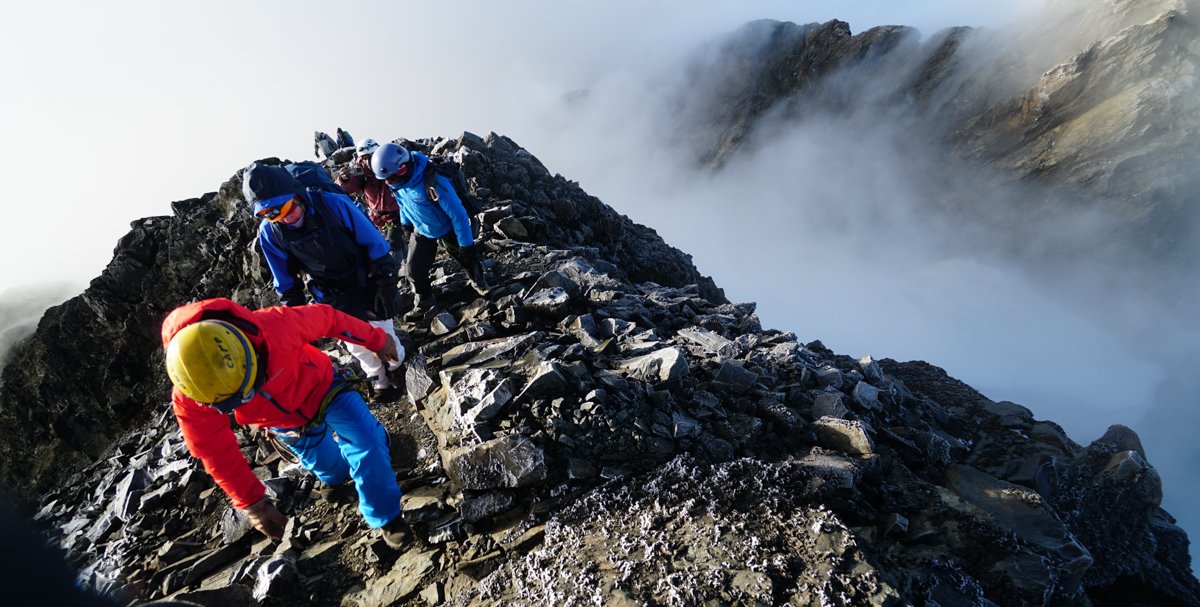
Most hikers require between five and seven days to reach the permanent snowline, depending on the chosen route and trekking pace.
The Central Circuit Trail starts from Nyakalengija and remains the most popular route. This trail gradually gains elevation through forests, bamboo zones, and alpine valleys before reaching the glaciers.
The Kilembe Trail begins near Kasese and offers another scenic approach. Many trekkers appreciate its beautiful viewpoints and varied landscapes.
The Bukurungu Trail provides an additional route for climbers seeking a different mountain experience. Like the other routes, it eventually reaches elevations where snow and glaciers become visible.
A typical expedition spends several days acclimatizing before attempting the summit. This gradual ascent improves safety and increases the chances of successfully reaching the snow-covered peaks.
At What Point Do You Start Experiencing Snow on the Rwenzori Mountains on the Central Circuit Trail?
The Central Circuit remains the most popular route in the Rwenzori Mountains. Trekkers following this route experience snow in several stages.
The journey begins at Nyakalengija and passes through dense montane forest before reaching bamboo zones, giant heather forests, and alpine valleys. Most climbers first notice frost around Bujuku Valley at elevations above 3,900 meters.
As the trail climbs beyond Elena Camp toward Mount Stanley, the landscape changes dramatically. Above approximately 4,500 meters, hikers cross the permanent snowline where continuous snowfields begin.
The final ascent to Margherita Peak involves crossing glaciers, snow-covered slopes, and sections of permanent ice. Climbers frequently use crampons and ropes because the terrain remains frozen throughout the year.
For trekkers using the Central Circuit, the true snow experience begins during the summit approach from Elena Camp to Margherita Peak.
At What Point Do You Start Experiencing Snow on the Rwenzori Mountains on the Kilembe Trail?
The Kilembe Trail offers a different but equally rewarding route to the snowy peaks. Many experienced trekkers consider this route one of the most scenic approaches to the glaciers.
The trail starts near Kilembe, outside Kasese, and gradually ascends through forest, bamboo vegetation, and alpine moorland. The first signs of freezing conditions usually appear around Bugata Camp and Hunwick’s Camp, where cold nights can produce frost on vegetation and rocky surfaces.
As climbers continue toward Margherita Camp, temperatures become noticeably colder. Frost becomes more frequent, and occasional snow patches may appear during colder periods.
Permanent snow generally begins above 4,500 meters during the final summit approach. The route from Margherita Camp to Mount Stanley leads hikers directly onto glacial terrain where snow and ice dominate the landscape.
One of the most memorable moments on the Kilembe Trail occurs when trekkers leave the rocky alpine environment behind and step onto the glaciers surrounding Mount Stanley. Here, the answer to At What Point Do You Start Experiencing Snow on the Rwenzori Mountains becomes very clear as endless stretches of white snow and ice unfold before them.
 At What Point Do You Start Experiencing Snow on the Rwenzori Mountains on the Bukurungu Trail?
The Bukurungu Trail is one of the newer and less crowded routes into the Rwenzori Mountains. It offers a more remote wilderness experience while still providing access to the snow-capped peaks.
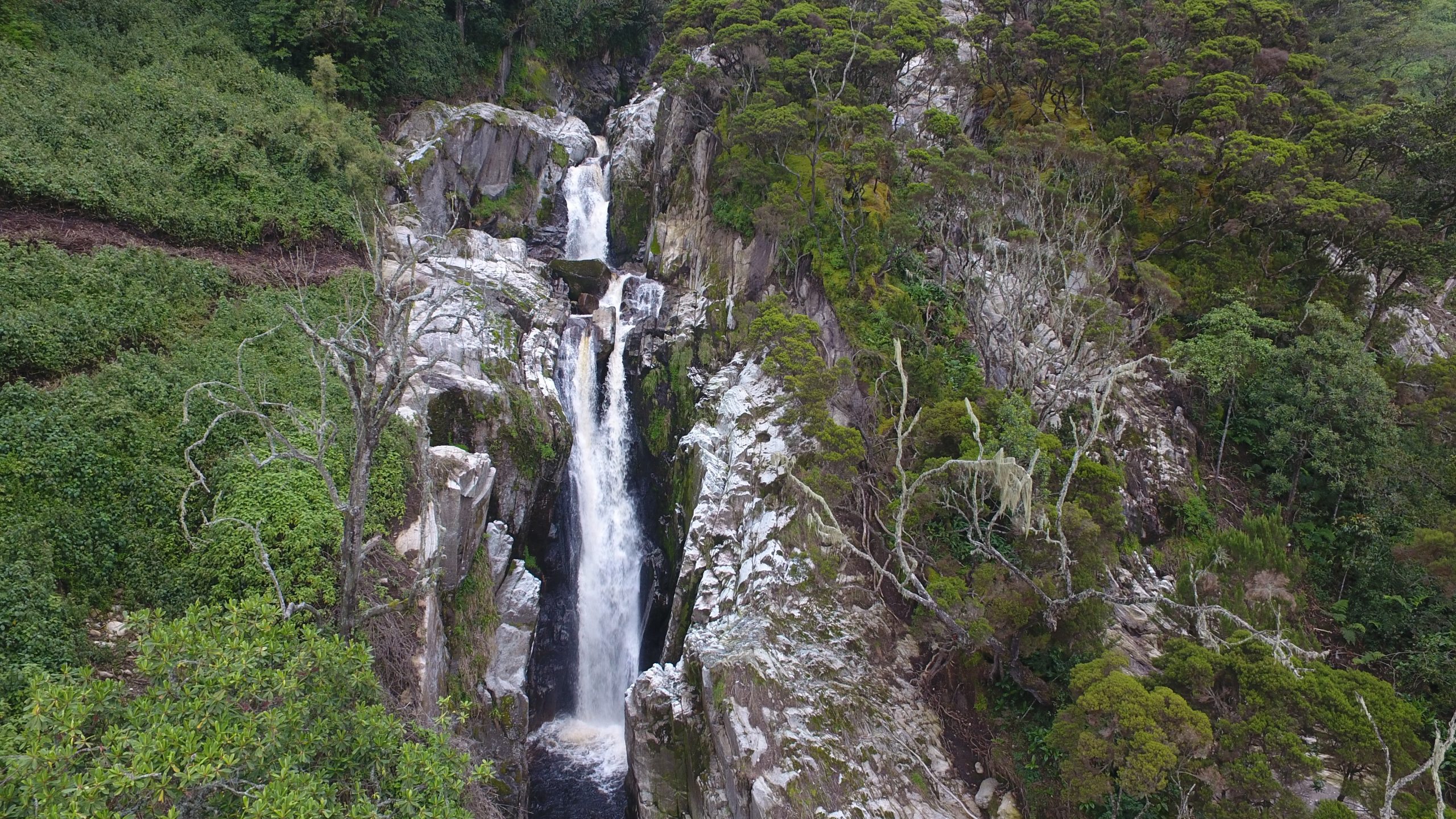
Trekkers on this route pass through untouched forests, remote valleys, and expansive alpine zones. Similar to the other routes, frost begins appearing above 3,900 meters where overnight temperatures frequently drop below freezing.
The higher sections of the trail gradually approach the permanent snowline. Once hikers exceed approximately 4,500 meters, snow becomes a constant feature of the landscape.
The Bukurungu Trail provides outstanding views of Mount Stanley, Mount Speke, and Mount Baker. During clear weather, trekkers can see vast glaciers shining against the mountain skyline long before they actually reach them.
Many hikers appreciate the feeling of isolation offered by this route, especially when approaching the snow-covered upper elevations.
The Permanent Snowline Above 4,500 Meters
The most accurate answer to At What Point Do You Start Experiencing Snow on the Rwenzori Mountains? is above 4,500 meters.
This altitude marks the permanent snowline where snow remains throughout the year. Vegetation becomes scarce, temperatures stay consistently cold, and glaciers begin to dominate the landscape.
Crossing the snowline is one of the most exciting moments of any Rwenzori expedition. The transition is immediate and dramatic. Green alpine vegetation disappears and gives way to snow-covered rock, ice fields, and frozen slopes.
Many trekkers describe this moment as entering an entirely different world. It is difficult to believe that such conditions exist within tropical Africa.
The Ultimate Snow Experience on the Glacial Peaks
Above 4,800 meters, the Rwenzori Mountains deliver their most spectacular snow experience. This is where climbers encounter the famous equatorial glaciers that have attracted explorers for generations.
The highest summit is Margherita Peak on Mount Stanley, standing at 5,109 meters above sea level. Nearby peaks include Vittorio Emanuele Peak on Mount Speke at 4,890 meters and Mount Baker at 4,844 meters.
These summits host permanent glaciers and extensive ice fields. Deep snow often covers sections of the route. Fresh snowfall can occur at any time of the year.
Margherita Peak provides the greatest example of snow conditions in the Rwenzori Mountains. Climbers frequently walk across glaciers using crampons, ropes, and ice axes. Massive walls of ice surround sections of the trail. Snow remains present throughout the year because temperatures stay below freezing for extended periods.
Visitors reaching the summit often find themselves standing on snow while looking across tropical Africa. Few places on Earth offer such an extraordinary contrast.
Margherita Peak: The Ultimate Snow Experience
The highest point in the Rwenzori Mountains is Margherita Peak, which stands at 5,109 meters above sea level on Mount Stanley.
Snow is present throughout the year on Margherita Peak. Morning temperatures commonly range between -5°C and -15°C. Fresh snowfall occurs regularly, especially when moist air from the Congo Basin reaches the upper mountain slopes.
The summit route crosses permanent glaciers and deep ice formations. Climbers must use specialized equipment including crampons, helmets, ropes, and ice axes.
Standing on Margherita Peak is one of Africa’s most extraordinary mountain experiences. Snow surrounds the summit while tropical lowlands stretch into the distance far below.
Few places on Earth allow visitors to stand on permanent equatorial snow while overlooking lush green landscapes.
Can Snow Be Present on Margherita Peak Throughout the Year?
A common follow-up question to At What Point Do You Start Experiencing Snow on the Rwenzori Mountains? concerns the conditions on Margherita Peak itself.
The answer is yes. Snow is permanently present on Margherita Peak throughout the year. At 5,109 meters, the summit experiences temperatures that regularly fall below freezing.
Morning temperatures often range between -5°C and -15°C. These cold conditions allow snow and ice to survive despite the mountain’s equatorial location.
Heavy snowfall can occur when moisture from the Congo Basin reaches the upper elevations. Fresh layers of snow may cover the glaciers and rocky summit sections, creating breathtaking scenery.
The peak is surrounded by the Stanley Glacier and other ice formations that remain among Africa’s last equatorial glaciers. Climbers crossing these areas enjoy one of the continent’s most unique mountain experiences.
Although climate change has caused glaciers to shrink over recent decades, Margherita Peak continues to offer reliable snow and ice conditions for adventurous trekkers.
 Conclusion
So, At What Point Do You Start Experiencing Snow on the Rwenzori Mountains? The first signs of winter appear above 3,900 meters where frost, freezing temperatures, and occasional snow dustings become common. Permanent snow begins above approximately 4,500 meters, regardless of whether you are climbing via the Central Circuit Trail, Kilembe Trail, or Bukurungu Trail.
The greatest snow experience awaits on the glacial peaks above 4,800 meters, especially on Margherita Peak at 5,109 meters. From frost-covered valleys to vast equatorial glaciers, the Rwenzori Mountains provide one of the most unique mountain adventures on Earth. For trekkers seeking the rare experience of walking on snow near the equator, there is no better destination than the legendary Mountains of the Moon.