

Can You Hike Rwenzori Mountains Without a Mountain Guide?
Can You Hike Rwenzori Mountains Without a Mountain Guide? This is one of the most common questions asked by travelers planning a trek in the famous Rwenzori Mountains. The range is known for its beautiful valleys, giant plants, glaciers, waterfalls, and high peaks. Every year, hikers from around the world travel to Uganda to experience this remarkable mountain wilderness.
Many outdoor lovers enjoy independent hiking in different parts of the world. Some prefer carrying their own gear, planning their own routes, and moving at their own pace. Because of this, many visitors wonder, Can You Hike Rwenzori Mountains Without a Mountain Guide?
The simple answer is no. The Rwenzori Mountains are not open for independent trekking. All visitors who enter the mountain trails must be accompanied by trained guides and organized trekking teams. This rule exists for safety, conservation, and visitor management.
Understanding why guides are required can help travelers prepare better for their adventure. Before booking a trek, it is important to learn how the mountain system works, what challenges exist, and why guided hikes provide the best experience in this unique environment.
 Why Many Travelers Ask Can You Hike Rwenzori Mountains Without a Mountain Guide?
The question Can You Hike Rwenzori Mountains Without a Mountain Guide? often comes from experienced hikers. Without local assistance, many people have finished well-known routes in Europe, Asia or North America. They may assume the same approach works in Uganda.
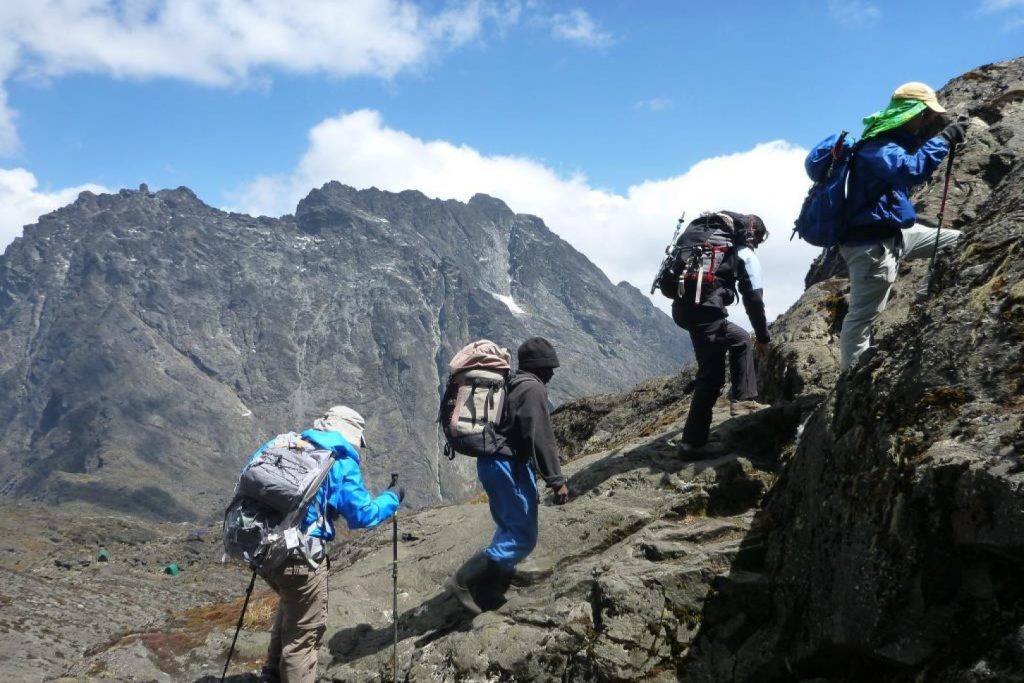
The Rwenzori Mountains are different from many trekking destinations. The terrain changes quickly. Trails pass through forests, bamboo zones, heather zone, bogs, rocky ridges, and alpine landscapes. Weather conditions can shift within hours.
A hiker may begin the day under clear skies and later encounter heavy rain, thick fog, or slippery trails. Navigation becomes difficult when visibility drops. Even experienced trekkers can lose direction in these conditions.
Unlike some mountain ranges that have clear signposts and marked routes, many sections of the Rwenzori trail require local knowledge. Guides know the safest routes and understand seasonal changes that affect the mountain.
This is one reason why the answer to Can You Hike Rwenzori Mountains Without a Mountain Guide? remains the same. Local expertise plays an important role in ensuring a safe and enjoyable journey.
Official Rules for Trekking in the Rwenzori Mountains
Anyone researching Can You Hike Rwenzori Mountains Without a Mountain Guide? should first understand the official trekking regulations. The mountain trails are managed through organized tourism systems that require visitors to hike with authorized guides.
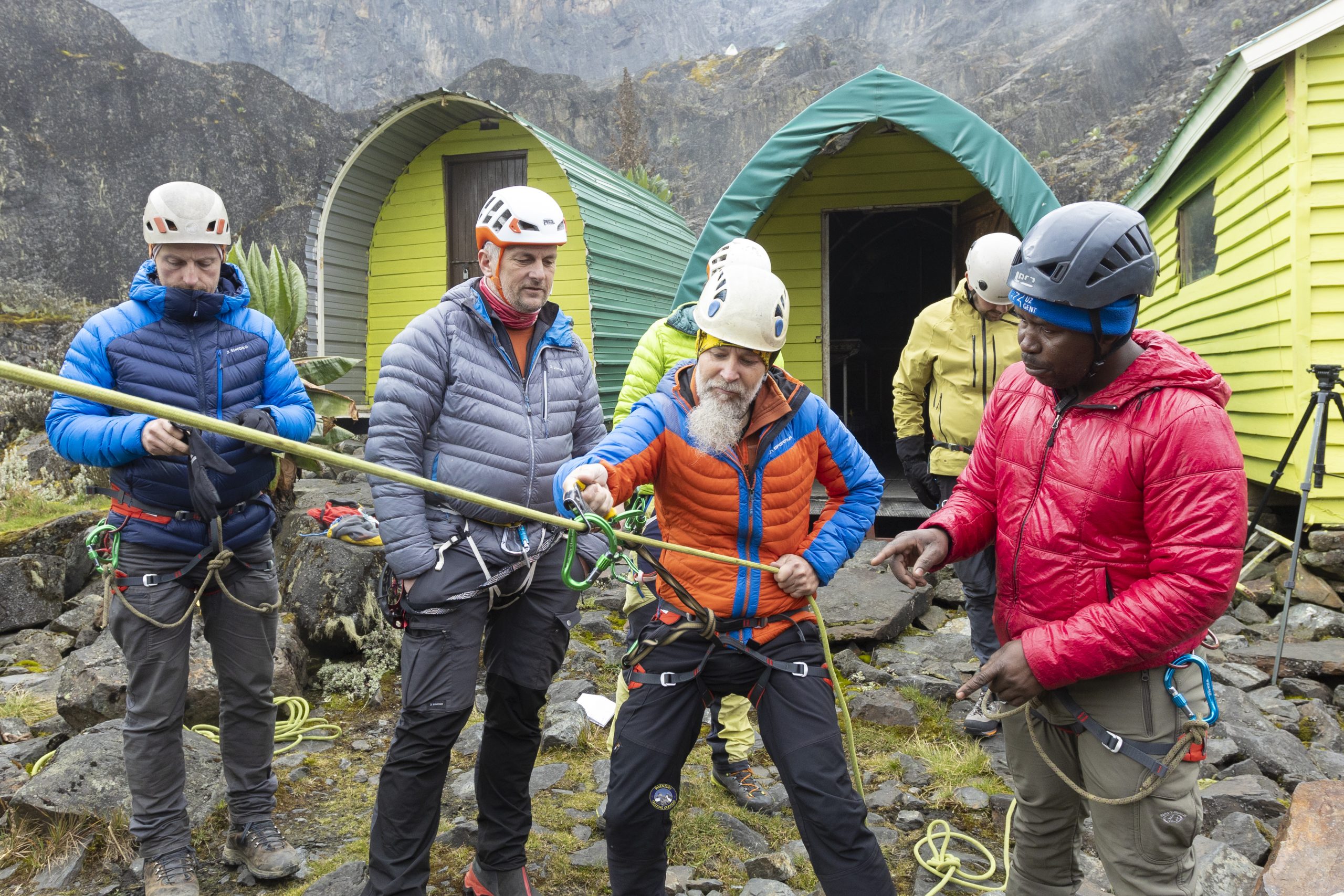
Whether you choose the Central Circuit Trail or the Kilembe route or Bukurungu trail, your trek is arranged through a registered operator. Guides, porters, and cooks are assigned before the journey begins.
The rules are designed to protect both visitors and the mountain environment. Rescue operations in remote sections of the range can be difficult. Organized trekking makes emergency response faster and more effective.
Guides also help monitor visitor movement. This reduces environmental damage and helps maintain the natural beauty of the mountains.
For this reason, travelers cannot simply arrive at the trailhead and begin hiking alone. The trekking system is structured around guided expeditions from start to finish.
So when asking Can You Hike Rwenzori Mountains Without a Mountain Guide? It is important to understand that independent trekking is not permitted under the current management system.
 Safety Challenges That Make Guides Essential
The Rwenzori Mountains present several challenges that make guided trekking the safest option. Understanding these challenges helps explain why people often hear “no” when asking, Can You Hike Rwenzori Mountains Without a Mountain Guide?
One major challenge is the weather. Rain can fall at any time of year. Trails often become muddy and slippery. River crossings may become more difficult after heavy rainfall.
Altitude is another concern. Treks to higher elevations, especially journeys toward Margherita Peak, expose hikers to thinner air. Some visitors experience headaches, fatigue, or altitude sickness.
Navigation can also be complicated. Thick vegetation covers large sections of the mountain. Fog can reduce visibility dramatically.
Wild terrain adds another layer of difficulty. Hikers encounter steep climbs, wooden boardwalks, rocky sections, and narrow ridges.
A trained guide understands these conditions. They monitor hikers, adjust schedules when necessary, and identify potential risks before they become serious problems.
Because of these factors, guided trekking remains the safest and most practical way to explore the mountains.
How Mountain Guides Improve the Trekking Experience
Some travelers initially focus on whether Can You Hike Rwenzori Mountains Without a Mountain Guide? because they believe a guide limits freedom. In reality, guides often enhance the experience.
A guide shares information about the mountain ecosystem, local culture, and wildlife. They point out unique plant species that many visitors would otherwise miss.
The Rwenzori Mountains contain giant groundsels, giant lobelias, and unusual alpine vegetation. Learning about these plants adds depth to the trek.
Guides also explain the history of the mountains and the communities that live nearby. Their knowledge helps visitors connect with the destination on a deeper level.
For example, a visitor walking through a beautiful valley may simply admire the scenery. A guide can explain how glaciers shaped that landscape over thousands of years.
Many hikers finish their trek feeling that the guide was one of the most valuable parts of the journey. The experience becomes more meaningful when shared with someone who understands the mountain intimately.
 Real Examples of Why Guides Matter
A practical way to answer Can You Hike Rwenzori Mountains without a Mountain Guide? Is to look at real hiking situations.
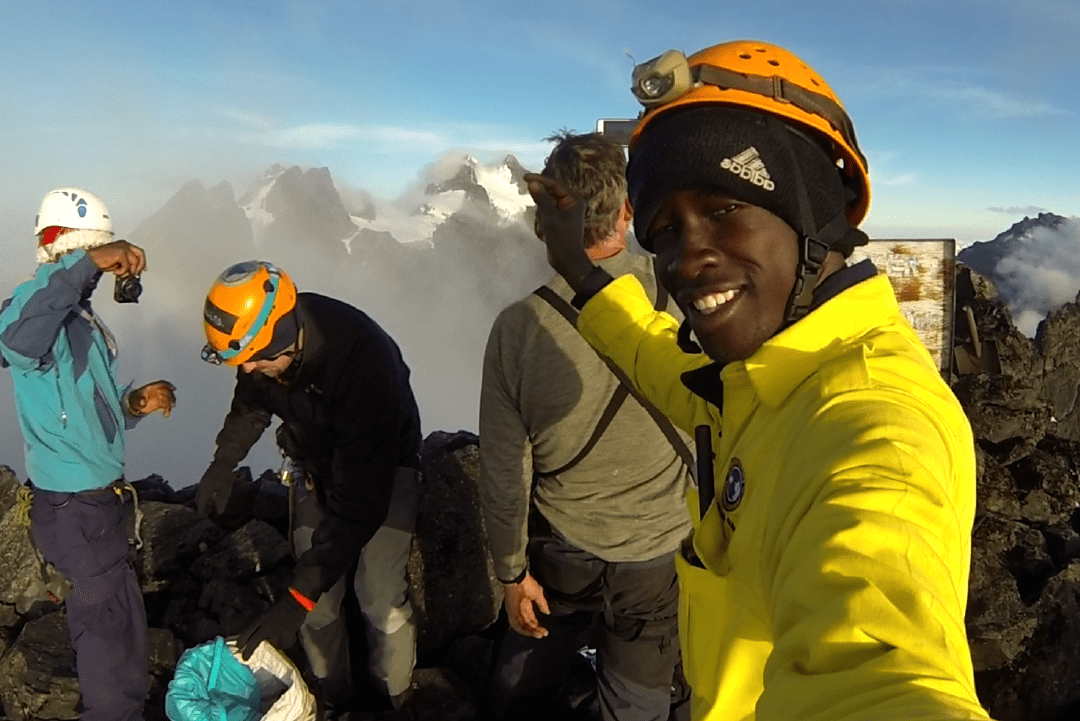
Imagine a hiker reaching a high-altitude section during heavy fog. Trail markers become difficult to see. Several paths appear to lead in different directions. Without local knowledge, choosing the correct route can be challenging.
Another example involves changing weather. A group may begin climbing under sunny conditions. Within a few hours, rain arrives and temperatures drop. A guide knows when to continue, when to slow down, and when to adjust the day’s plan.
Consider a visitor experiencing mild altitude sickness near a mountain hut. A guide can recognize symptoms early and recommend the best course of action.
Even simple tasks become easier with local support. Guides help coordinate accommodations, meal arrangements, and communication with the trekking team.
These examples show why guided trekking is not simply a requirement. It is a practical advantage that improves both safety and comfort.
What About Experienced Mountaineers?
Some highly skilled climbers still ask, Can You Hike Rwenzori Mountains Without a Mountain Guide? They may have completed technical climbs in other mountain ranges.
Experience certainly helps in the Rwenzori Mountains. Strong fitness, navigation skills, and mountain knowledge make the trek more enjoyable. However, experience does not replace local regulations.
Even professional mountaineers must follow the same trekking requirements as other visitors. Guides remain part of the expedition regardless of skill level.
This approach creates consistency across the mountain system. It ensures that all trekkers receive support while helping authorities manage visitor safety.
Experienced climbers often discover that guides provide valuable local insights they could not obtain from maps alone. Knowledge of trail conditions, weather patterns, and mountain logistics contributes greatly to a successful expedition.
Therefore, even advanced hikers benefit from the guided trekking system.
Planning Your Guided Rwenzori Adventure
If you are wondering Can You Hike Rwenzori Mountains Without a Mountain Guide?, the best approach is to focus on finding the right guided trek instead.
Choose a reputable tour operator with experienced mountain staff. Review available routes and select one that matches your fitness level and available time.
Short treks allow visitors to explore lower mountain zones, while longer expeditions reach high-altitude camps and summit areas.
Prepare proper clothing for cold, wet, and changing conditions. Waterproof gear is especially important. Good hiking boots, warm layers, and rain protection can make a significant difference during the trek.
Physical preparation is equally important. Regular walking, hiking, and endurance training help improve performance on the mountain.
A well-planned guided trek allows you to focus on enjoying the scenery while professionals manage the logistics and safety requirements.
 Conclusion
Can You Hike Rwenzori Mountains Without a Mountain Guide? The answer is no. Independent trekking is not permitted in the Rwenzori Mountains. All visitors must trek with authorized guides and organized mountain teams.
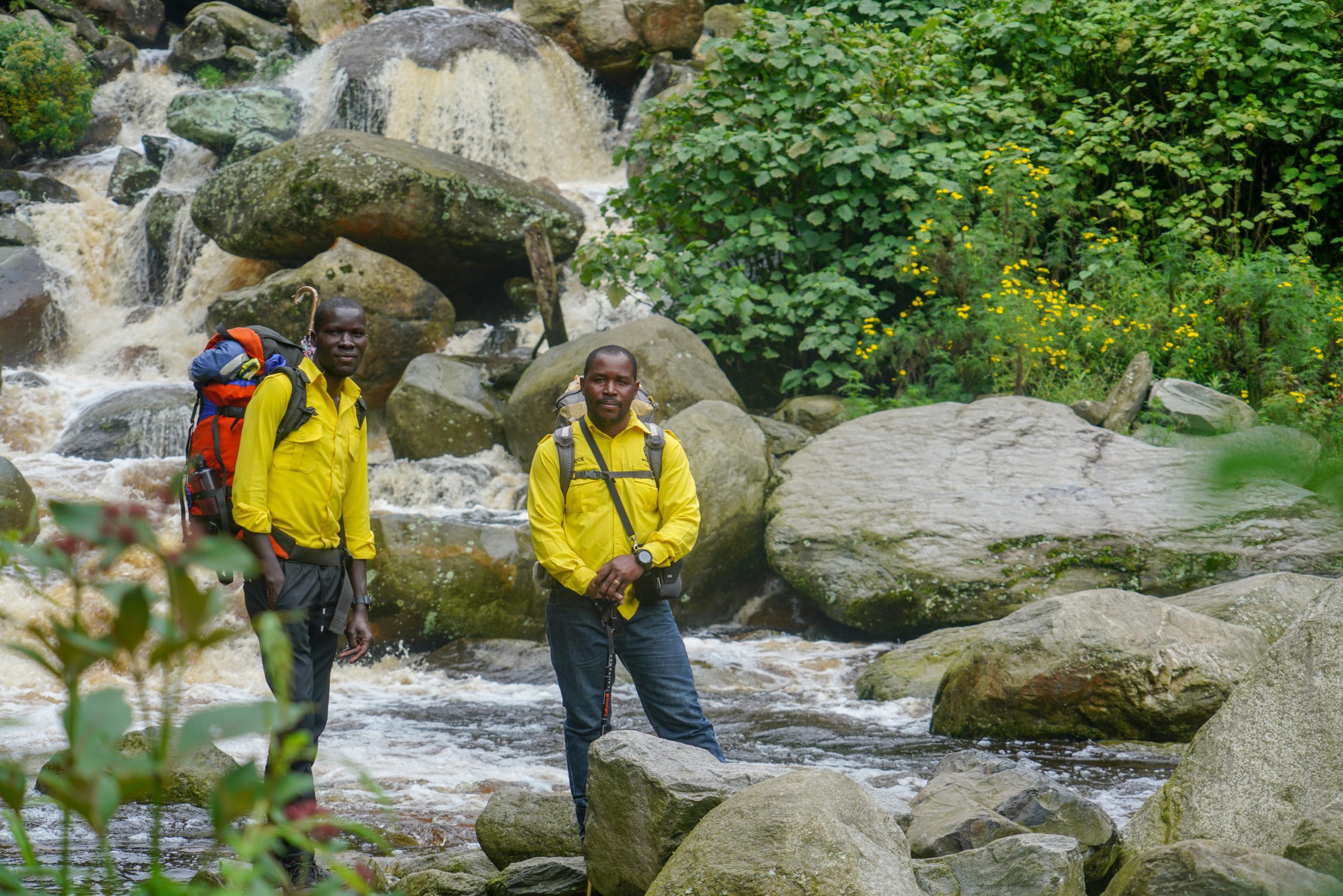
While some travelers may initially prefer hiking alone, most discover that guides greatly improve the overall experience. They provide safety, navigation support, local knowledge, and valuable assistance throughout the journey.
The Rwenzori Mountains are among Africa’s most spectacular trekking destinations. Their dramatic landscapes, unique vegetation, and challenging terrain create an unforgettable adventure. Exploring this remarkable range with experienced guides ensures that visitors enjoy both the beauty and the security of the mountain environment.
So the next time someone asks, Can You Hike Rwenzori Mountains Without a Mountain Guide?, you can confidently explain that guided trekking is not only required but also one of the best ways to experience the legendary Mountains of the Moon.