

Why You Lose Your Appetite While on the Rwenzori Mountains
Why You Lose Your Appetite While on the Rwenzori Mountains is one of the most common challenges trekkers experience when ascending to higher elevations in this iconic mountain range. As climbers move through increasingly demanding terrain and colder conditions, many are surprised to notice that their desire to eat gradually decreases, even though their bodies require more energy than usual. Meals that once felt satisfying at lower altitudes may suddenly seem heavy, bland, or unappealing. This change is not simply due to tiredness or personal preference, but rather a direct response to the physiological stress placed on the body in low-oxygen environments.
At higher altitudes, reduced oxygen levels and lower air pressure force the body to adapt in several ways. Digestion slows down as blood is redirected toward vital organs such as the heart and lungs, which are working harder to maintain normal function. Hormonal changes also play a role, as the balance of appetite-regulating hormones can shift and reduce hunger signals. In addition, symptoms of altitude exposure such as nausea, mild headaches, and fatigue can further suppress the urge to eat. Understanding these natural adjustments is essential for trekkers in the Rwenzori Mountains, as maintaining adequate nutrition is crucial for energy, endurance, and successful acclimatization throughout the climb.
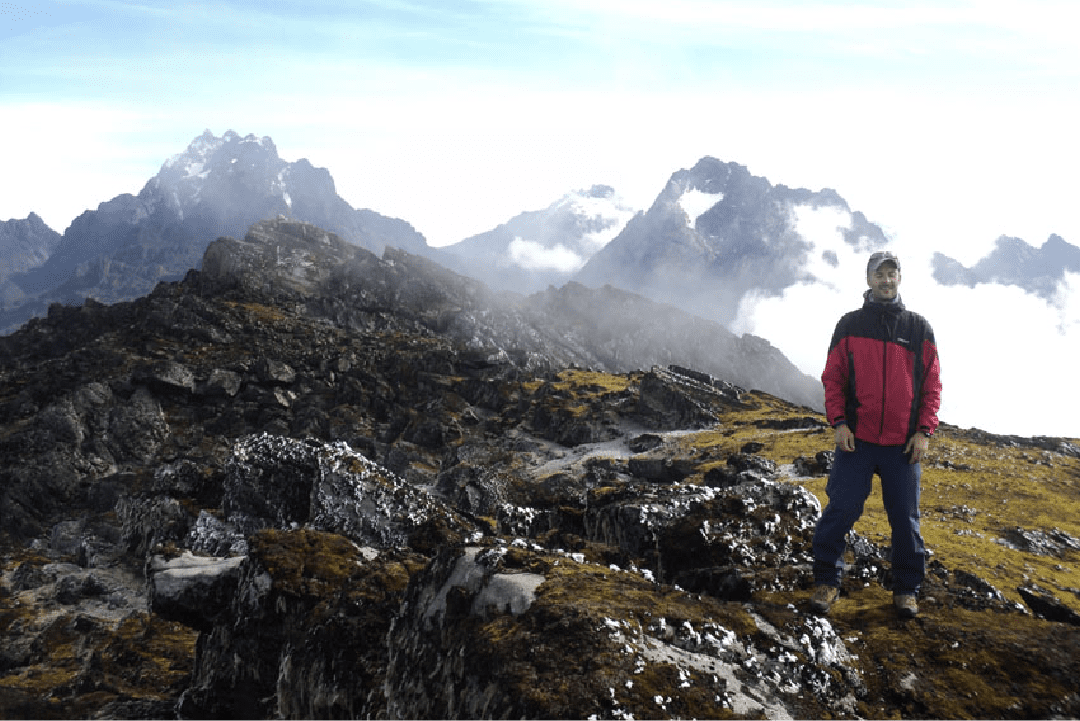 Why Appetite Decreases in the Rwenzori Mountains
As you ascend into higher elevations of the Rwenzori range, oxygen levels drop significantly. The body responds by prioritizing essential survival functions such as breathing, circulation, and maintaining core temperature. Because digestion is not an immediate priority, it naturally slows down.
Several factors contribute to this:
-
Reduced Digestive Activity
At high altitudes, the body naturally prioritizes survival functions over digestion. As a result, blood circulation is redirected away from the stomach and intestines and sent more toward essential organs such as the brain, lungs, and working muscles. This shift helps the body cope with lower oxygen levels and increased physical demands, but it also slows down the digestive process. Food may remain in the stomach longer than usual, leading to a feeling of fullness, heaviness, or discomfort. Because of this reduced digestive efficiency, many trekkers find meals less appealing and experience a noticeable drop in appetite while ascending mountainous regions.
-
Hormonal Changes
Low oxygen levels at high altitude can disrupt the hormones that control hunger and satiety. In such environments, the normal biological signals that stimulate appetite become less active, making it harder for the body to recognize when it needs food. At the same time, sensations of fullness may be triggered more easily, even if a person has eaten very little or has not consumed enough calories to meet their energy demands. This imbalance in hormonal regulation contributes to reduced appetite and irregular eating patterns, which is commonly experienced by trekkers and climbers adjusting to high mountain conditions and low oxygen availability.
-
Nausea and Altitude Effects
As trekkers ascend into higher sections of the Rwenzori Mountains, particularly beyond 3,000 to 4,000 meters, it is common to experience mild nausea during the acclimatization process. This discomfort is mainly linked to the reduced availability of oxygen in the air, which forces the body to work harder to maintain normal function. Increased breathing rate, combined with fluid loss through respiration and sweating, can also contribute to dehydration, further worsening the feeling of sickness. These combined factors often lead to a temporary loss of appetite, making it difficult for climbers to eat adequately despite their increased energy needs at altitude.
-
Poor Sleep at Altitude
Sleeping at high altitude in the Rwenzori Mountains is often challenging due to very cold temperatures, lower oxygen levels, and frequent interruptions during the night. Many trekkers find themselves waking up repeatedly or struggling to fall into deep, restful sleep. This lack of quality rest places additional stress on the body, which can trigger an increase in stress-related hormones such as cortisol. When these hormones rise, they can interfere with normal hunger signals and reduce the desire to eat. As a result, poor sleep not only affects energy and recovery but also contributes to a noticeable decrease in appetite.
Why Eating Well in the Rwenzori Mountains Is Essential
Even though you may feel less hungry, your body actually requires more energy at altitude due to:
- Increased effort from steep, muddy terrain
- Cold and wet weather conditions
- Continuous climbing and elevation gain
- Higher metabolic demands in low oxygen environments
In the Rwenzori Mountains, daily energy needs can rise significantly, often exceeding normal trekking requirements. Without proper nutrition, trekkers may experience:
- Rapid fatigue on steep ascents
- Slower recovery between trekking days
- Reduced strength and endurance
- Increased sensitivity to cold and wet conditions
- Higher risk of altitude-related illness
- Ineffective decision-making as a result of insufficient energy
Understanding the Body’s Adaptation Process
Appetite loss is part of the body’s natural adaptation to altitude in the Rwenzoris. Energy is redirected toward essential processes such as:
- Increasing breathing rate to absorb more oxygen
- Supporting heart function under stress
- Producing more red blood cells
- Sustaining body temperature in damp, chilly environments
Although this is a normal response, failing to compensate with adequate food intake can seriously affect performance and safety during the trek.
How to Maintain Good Nutrition in the Rwenzori Mountains
Maintaining proper nutrition in the Rwenzori Mountains requires a thoughtful approach rather than trying to consume large meals at once. Trekkers are encouraged to eat smaller portions more frequently throughout the day to ensure a steady supply of energy. Choosing light, easy-to-digest foods and staying hydrated also helps the body cope better with altitude. The focus should be on consistent intake, allowing the body to gradually meet its nutritional needs.
-
Eat Small Meals Frequently
Rather than depending on the traditional pattern of three large meals per day, it is more effective for trekkers in high-altitude environments to consume smaller portions at regular intervals. This approach helps the body maintain a more consistent supply of energy, which is especially important during physically demanding climbs. Eating small amounts frequently is also easier on the digestive system, which tends to slow down at altitude. It reduces the feeling of fullness and discomfort that often comes with large meals. By spacing food intake throughout the day, climbers can better sustain strength, endurance, and overall performance on the mountain.
-
Focus on Carbohydrate-Rich Foods
Carbohydrates are especially important for trekkers at high altitude because they provide the body with a quick and efficient source of energy. The body can handle carbs more readily than heavy fats or proteins in mountainous areas with reduced oxygen levels. Foods such as rice, pasta, potatoes, bread, chapati, oatmeal, and porridge are excellent choices for maintaining stamina during long hikes. Light snacks including biscuits, energy bars, dried fruits, bananas, honey, and jam can also help restore energy quickly between meals. Including these foods regularly in the diet supports endurance, improves recovery, and helps climbers stay active throughout the trek.
-
Use Warm and Liquid Foods
Warm meals and beverages are often more comforting and easier to consume in the cold conditions of the Rwenzori Mountains. Many trekkers find that hot foods require less effort to digest and are more appealing when appetite is reduced at high altitude. Options such as soups, broths, warm porridge, hot chocolate, and tea can provide both energy and warmth during the trek. Liquid-based nutrition, including instant meal drinks and electrolyte solutions, is particularly helpful when eating solid food becomes difficult. These drinks supply calories, hydration, and essential nutrients, helping climbers maintain strength and energy even when their appetite is limited.
-
Eat Well at Lower Altitudes
Maintaining a healthy and balanced diet during the early stages of a Rwenzori trek is very important for preparing the body for higher elevations. At lower altitudes, appetite is usually stronger, making it easier to consume enough calories and nutrients before the physical effects of altitude begin to appear. Eating properly during this period helps the body store energy that will later support endurance, recovery, and acclimatization in more demanding conditions. As trekkers climb higher and appetite naturally decreases, these early nutritional reserves become valuable. Proper nourishment at the beginning of the journey can improve strength, performance, and overall comfort throughout the trek.
-
Keep Meals Warm and Appealing
The cold and damp environment of the Rwenzori Mountains can reduce a trekker’s desire to eat, especially after spending many hours hiking through difficult terrain. Meals that are served warm are generally more comforting and easier for the body to digest in such conditions. Hot foods can also help restore body warmth, improve morale, and provide a sense of comfort after a physically demanding day on the mountain. Preparing meals that are flavorful, fresh, and visually appealing may encourage better eating habits even when appetite is low. Maintaining regular food intake is essential for sustaining energy, recovery, and overall trekking performance.
Other Factors That Affect Appetite in the Rwenzori Mountains
Cold and Wet Weather
The Rwenzoris are known as the “Mountains of the Moon” and are extremely wet. Cold temperatures naturally reduce hunger but increase energy demands.
Dehydration
Despite the cold, trekkers lose significant fluids through breathing and exertion. Dehydration can reduce appetite and slow digestion.
Taste Changes
At altitude, taste perception changes. Some foods may taste bland, while sweet or salty foods may become more desirable.
Digestive Sensitivity
Heavy or oily foods may be harder to tolerate at higher elevations, making simple meals more suitable.
Final Advice: Eat for Energy, Not Appetite
In the Rwenzori Mountains, appetite is not a reliable indicator of how much you need to eat. Even when you do not feel hungry, your body is working harder than normal and requires constant fuel.
Trekkers who maintain good nutrition tend to:
- Adapt more comfortably to altitude
- Stay warmer and more energetic
- Recover faster each day
- Perform better on steep and demanding trails
- Reduce their risk of altitude-related issues
Food should be viewed as essential trekking fuel, not just a comfort. Managing your nutrition properly in the Rwenzoris can make the difference between a difficult climb and a successful, enjoyable expedition.