

10 Days Rwenzori Hike with 4 Peaks via Kilembe Trail
10 Days Rwenzori Hike with 4 Peaks via Kilembe Trail is an extraordinary mountain adventure that takes you deep into one of Africa’s most beautiful and untouched alpine environments. The Rwenzori Mountains in western Uganda are famous for their snow-capped peaks, ancient forests, unique vegetation zones, and challenging high-altitude landscapes.
Unlike many mountain destinations where the scenery remains similar throughout the climb, the Rwenzori Mountains offer a complete change of environment every day. The journey begins in green tropical forests filled with birds and wildlife before moving through bamboo valleys, giant heather forests, open alpine landscapes, rocky ridges, glaciers, and finally the icy summit areas above 5,000 meters.
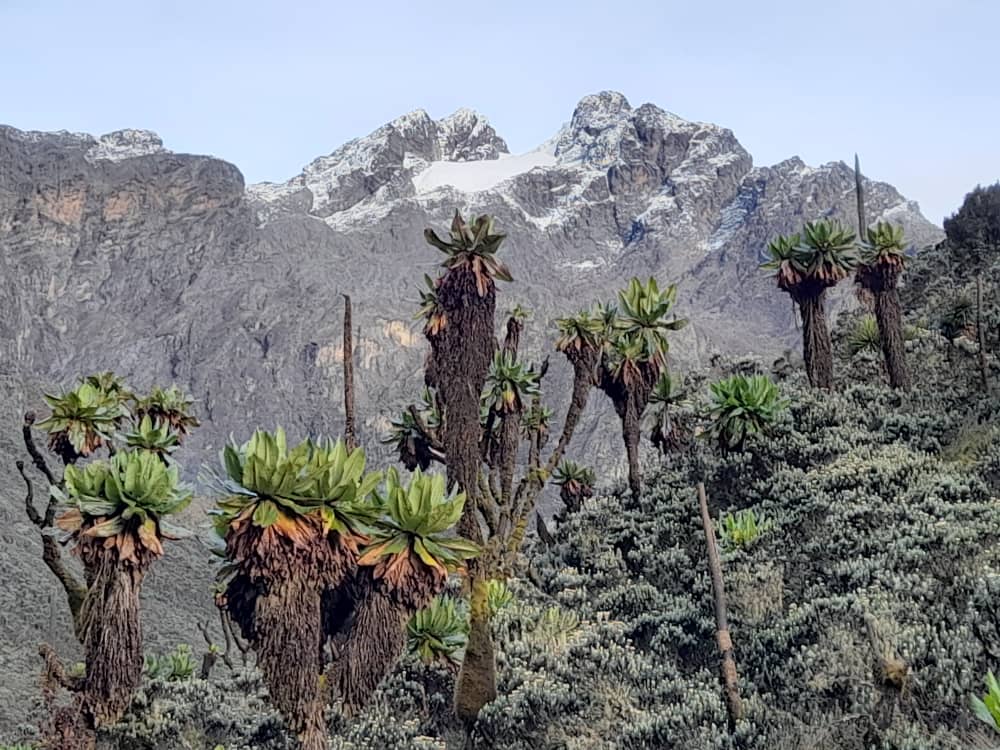 This 10-day Kilembe Trail expedition is specially designed for adventurous travelers who want to experience some of Africa’s most impressive peaks. The trek includes attempts on four remarkable summits: Mount Baker at 4,842 meters, Margherita Peak on Mount Stanley at 5,109 meters, Vittorio Emanuele Peak on Mount Speke at 4,890 meters, and Weismann Peak at 4,620 meters.
Each peak offers a different experience. Mount Baker provides dramatic ridge climbing and panoramic views, Margherita Peak rewards climbers with the achievement of reaching the highest point in the Rwenzori Mountains (Uganda), Mount Speke offers spectacular views across the high valleys, and Weismann Peak completes the adventure with another memorable summit.
The Kilembe Trail is considered one of the most scenic routes in the Rwenzori Mountains because it allows hikers to experience the mountain’s incredible diversity while gradually adapting to increasing altitude. With experienced guides, porters, mountain cooks, and proper safety equipment, this expedition provides a safe and unforgettable way to explore the legendary Mountains of the Moon.
Trip overview of 10 Days Rwenzori Hike with 4 Peaks via Kilembe Trail
Day 1: Trek from Trekkers Hostel (1,450m) to Sine Camp (2,596m) – Beginning the Journey through the Ancient Rwenzori Rain Forest
- Day 2: Trek from Sine Camp (2,596m) to Mutinda Camp (3,588m) -Ascending Through Bamboo Forests and Giant Heather Zones
- Day 3: Trek from Mutinda Camp (3,588m) to Bugata Camp (4,100m) -Entering the High Alpine World of the Rwenzori Mountains
- Day 4: Trek from Bugata Camp (4,100m) to Hunwick’s Camp (3,874m) via Bamwanjarra Pass (4,450m) -Crossing One of the Most Scenic Passes in the Rwenzori Mountains
- Day 5: Summit Mount Baker (4,842m) and Return to Hunwick’s Camp (3,974m) -Conquering One of the Rwenzori’s Most Beautiful Peaks
- Day 6: Trek from Hunwick’s Camp (3,874m) to Margherita Camp (4,495m)- Preparing for the Highest Point of the Rwenzori Mountains
- Day 7: Summit Margherita Peak (5,109m) on Mount Stanley- Standing on the Highest Point of Uganda.
- Day 8: Summit Vittorio Emanuele Peak (4,890m) on Mount Speke and Descend to Hunwick’s Camp- Exploring the Famous Peaks of Mount Speke
- Day 9: Summit Weismann Peak (4,620m) and Descend to Kiharo Camp (3,430m)- Completing the Fourth Peak of the Rwenzori Adventure
- Day 10: Descend from Kiharo Camp (3,430m) to Kilembe Base Camp (1,450m)- Completing the Rwenzori Mountains Expedition
Detailed Itinerary of 10 Days Rwenzori Hike with 4 Peaks via Kilembe Trail
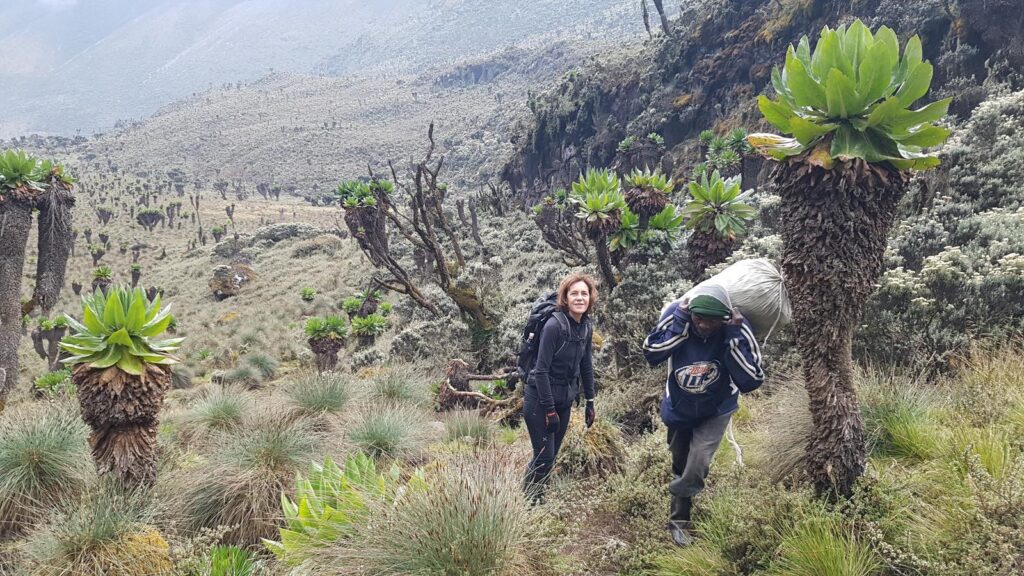
Day 1: Trek from Trekkers Hostel (1,450m) to Sine Camp (2,596m) – Beginning the Journey through the Ancient Rwenzori Rain Forest
Your adventure starts at the Kilembe trailhead near Kasese. After arriving at the Trekkers Hostel, you meet your professional mountain guides, porters, and support team. Before departure, the guides conduct a detailed briefing covering the trekking route, safety procedures, and expectations for the days ahead.
The trek begins at an altitude of 1,450 meters. The first section passes through local farmland, where you can see communities living around the foothills of the Rwenzori Mountains. After reaching the park entrance at 1,727 meters, registration is completed, and the real wilderness experience begins.
You enter the magnificent Afro-montane forest, where the atmosphere changes completely. The trail winds through thick vegetation with tall trees, hanging moss, colorful plants, and the sounds of birds surrounding you.
This section is one of the most beautiful parts of the entire journey. The forest provides opportunities to observe mountain wildlife, including blue monkeys moving through the canopy and black-and-white colobus monkeys jumping between trees. Some hikers may also hear chimpanzee calls echoing in the distance or spot the rare three-horned chameleon hiding among the vegetation.
As you continue climbing, the trail becomes steeper. You cross small streams, walk along forest ridges, and navigate sections covered with roots and wet stones. The cool forest environment provides a refreshing introduction to the mountain.
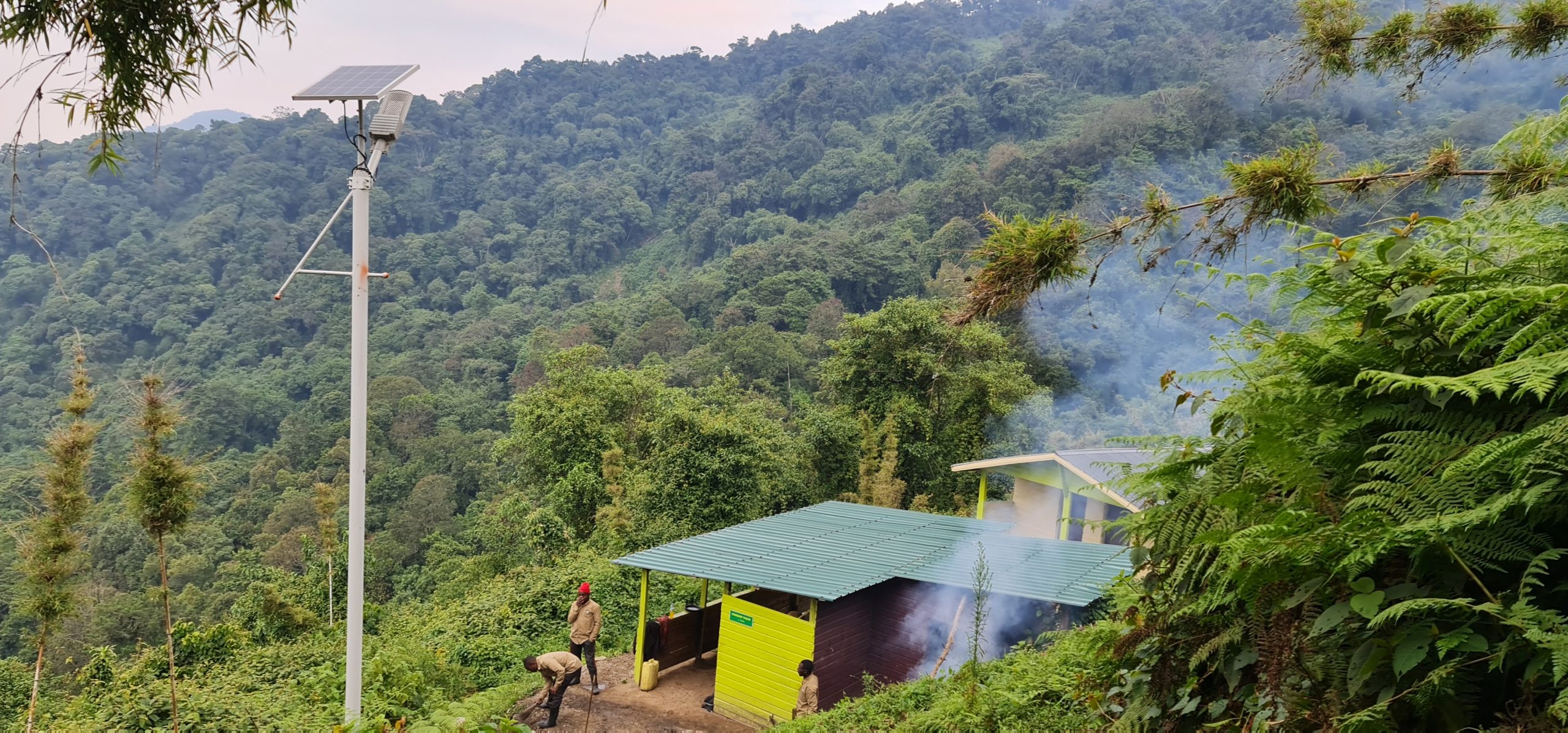
After several hours of hiking, you arrive at Sine Camp, located at 2,596 meters. The camp sits beautifully on a forested ridge and offers a peaceful resting place. Nearby, Enock’s Falls provides a perfect location to relax while enjoying the sound of flowing water.
- Overnight: Sine Camp
- Meals: Lunch and dinner
- Distance: 9.5 km
- Hiking Time: 6–7 hours
- Elevation: 1,450m to 2,596m
 Day 2: Trek from Sine Camp (2,596m) to Mutinda Camp (3,588m) –Ascending Through Bamboo Forests and Giant Heather Zones
After breakfast, you continue deeper into the Rwenzori Mountains as the trail climbs toward Mutinda Camp. Today introduces you to higher vegetation zones and prepares your body for the more challenging sections ahead.
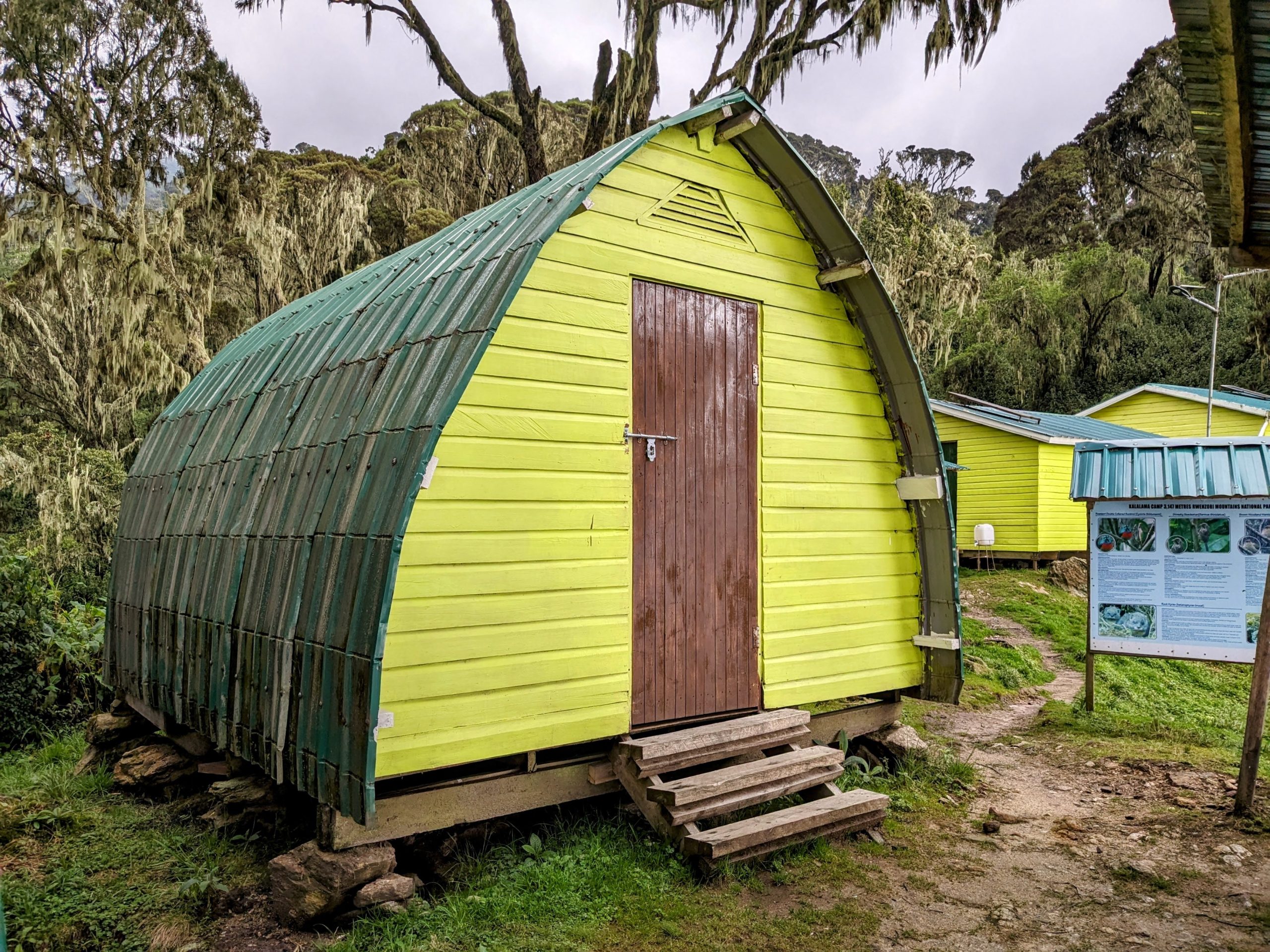
The morning begins with a steady climb toward Kalalama Camp, located at 3,134 meters. The path becomes more demanding, with steep steps, muddy sections, and uneven terrain. During the rainy season, some parts of the trail can become slippery, requiring careful movement.
The landscape changes as you enter the bamboo-mimulopsis zone. Tall bamboo plants cover the slopes, creating a green tunnel effect along the trail. Mist often hangs between the trees, giving this section a magical mountain atmosphere.
As you gain altitude, the bamboo gradually disappears and is replaced by the giant heather zone. This area is famous for enormous heather trees covered with moss, colorful lichens, and unique mountain plants.
The route crosses small valleys, streams, and ridges while offering views of waterfalls and distant mountain landscapes. Bird enthusiasts can enjoy watching species adapted to this high-altitude environment.
By afternoon, you reach Mutinda Camp at 3,588 meters. The camp is surrounded by impressive vegetation and provides a comfortable place to rest.
For those who still have energy, an optional climb to Mutinda Lookout at 3,975 meters offers incredible views of the Rwenzori peaks, Kasese town, and Lake George. This short acclimatization hike is valuable because it helps prepare your body for the higher elevations ahead.
- Overnight: Mutinda Camp
- Meals: Breakfast, lunch, and dinner
- Hiking Time: 6–7 hours
- Elevation: 2,596m to 3,588m
 Day 3: Trek from Mutinda Camp (3,588m) to Bugata Camp (4,100m) -Entering the High Alpine World of the Rwenzori Mountains
After spending the night at Mutinda Camp, the trek continues higher into the alpine landscapes of the Rwenzori Mountains. Today marks an important transition as you leave the giant heather forests behind and enter a more open environment characterized by valleys, wetlands, rocky slopes, and rare high-altitude vegetation.
The morning begins with a steady climb through the Mutinda Valley before crossing toward the Namusangi Valley. The trail becomes more challenging as the altitude increases, and hikers should move slowly while allowing their bodies to adjust to the thinner air.
Unlike the forest sections of the lower mountain, this area feels much more exposed. The landscape is decorated with tussock grass, everlasting flowers, moss-covered rocks, and giant lobelias that have adapted to the harsh mountain conditions. These unique plants make the Rwenzori Mountains different from many other trekking destinations in Africa.
The route includes some wet and boggy sections where careful footing is required. During the rainy season, the ground can be muddy, but the dramatic scenery makes the effort worthwhile. Along the way, you may enjoy views of waterfalls dropping through the valleys and distant mountain ridges stretching across the horizon.
As you approach Bugata Camp, the surrounding landscape becomes increasingly dramatic. Located at 4,100 meters, the camp offers impressive views of the surrounding peaks and provides an important acclimatization stop before the higher summit attempts.
The evening at Bugata Camp is spent resting, enjoying meals prepared by the mountain crew, and receiving guidance from your guides about the upcoming high-altitude sections. The team will also explain safety procedures for glacier crossings and summit preparation.
- Overnight: Bugata Camp
- Meals: Breakfast, lunch, and dinner
- Hiking Time: 6–7 hours
- Elevation: 3,588m to 4,100m
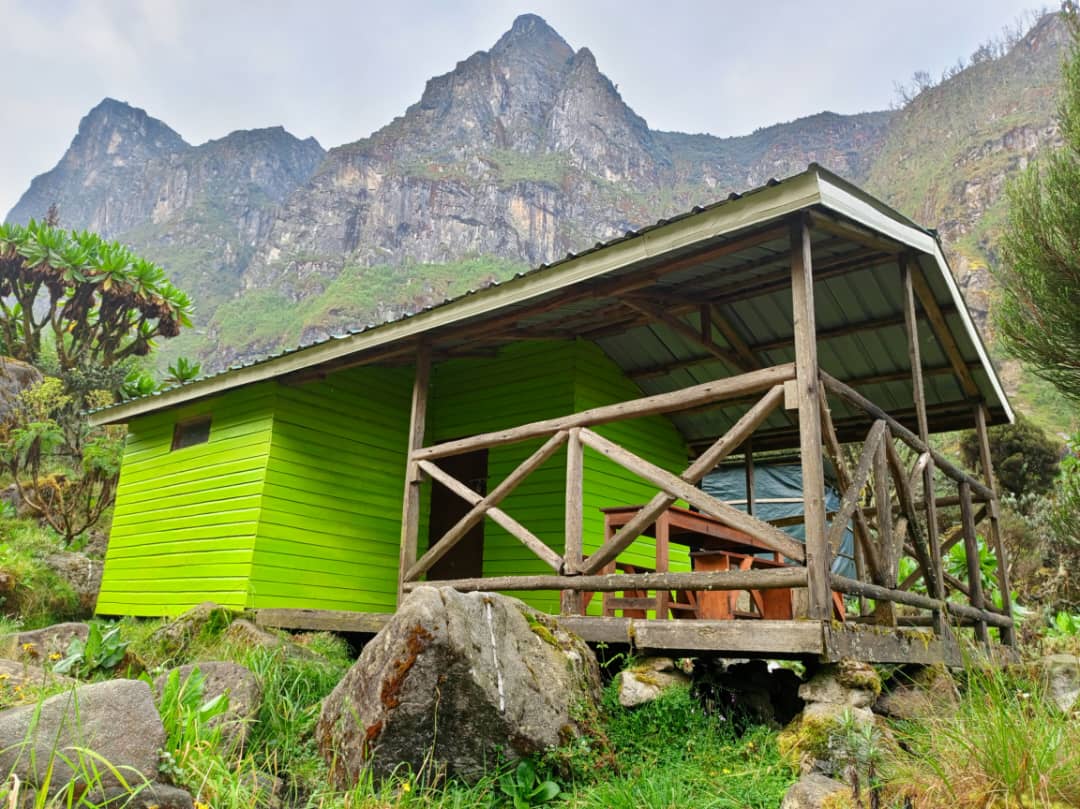 Day 4: Trek from Bugata Camp (4,100m) to Hunwick’s Camp (3,874m) via Bamwanjarra Pass (4,450m) –Crossing One of the Most Scenic Passes in the Rwenzori Mountains
Day four introduces one of the most spectacular sections of the Kilembe Trail. The trek begins with an ascent toward Bamwanjarra Pass, located at 4,450 meters, where you experience some of the best mountain views on the entire journey.
The climb toward the pass requires steady effort because of the increasing altitude. However, every step is rewarded with breathtaking scenery. As you approach the top, views open across the Rwenzori range, revealing famous peaks including Mount Stanley, Mount Baker, and Mount Speke.
Standing at Bamwanjarra Pass gives hikers a true feeling of being in the heart of Africa’s alpine wilderness. The surrounding valleys, glaciers, and rocky mountain slopes create a landscape that feels completely different from the tropical forests encountered earlier in the trek.
After enjoying the views, the trail descends into a beautiful valley filled with giant groundsels, lobelias, moss, and other unique alpine plants. This section is also excellent for bird watching. With patience, hikers may spot colorful species such as the Malachite Sunbird feeding among the mountain vegetation.
The final part of the day involves climbing along a ridge above a deep valley before reaching Hunwick’s Camp at 3,874 meters. The camp is strategically located and provides excellent views of the surrounding peaks.
Hunwick’s Camp is an important resting point before attempting Mount Baker and preparing for the Margherita Peak summit. Your guides will review the upcoming technical sections, including glacier movement, rope use, and safety measures.
- Overnight: Hunwick’s Camp
- Meals: Breakfast, lunch, and dinner
- Elevation: 4,100m → 4,450m → 3,874m
- Hiking Time: 5–7 hours
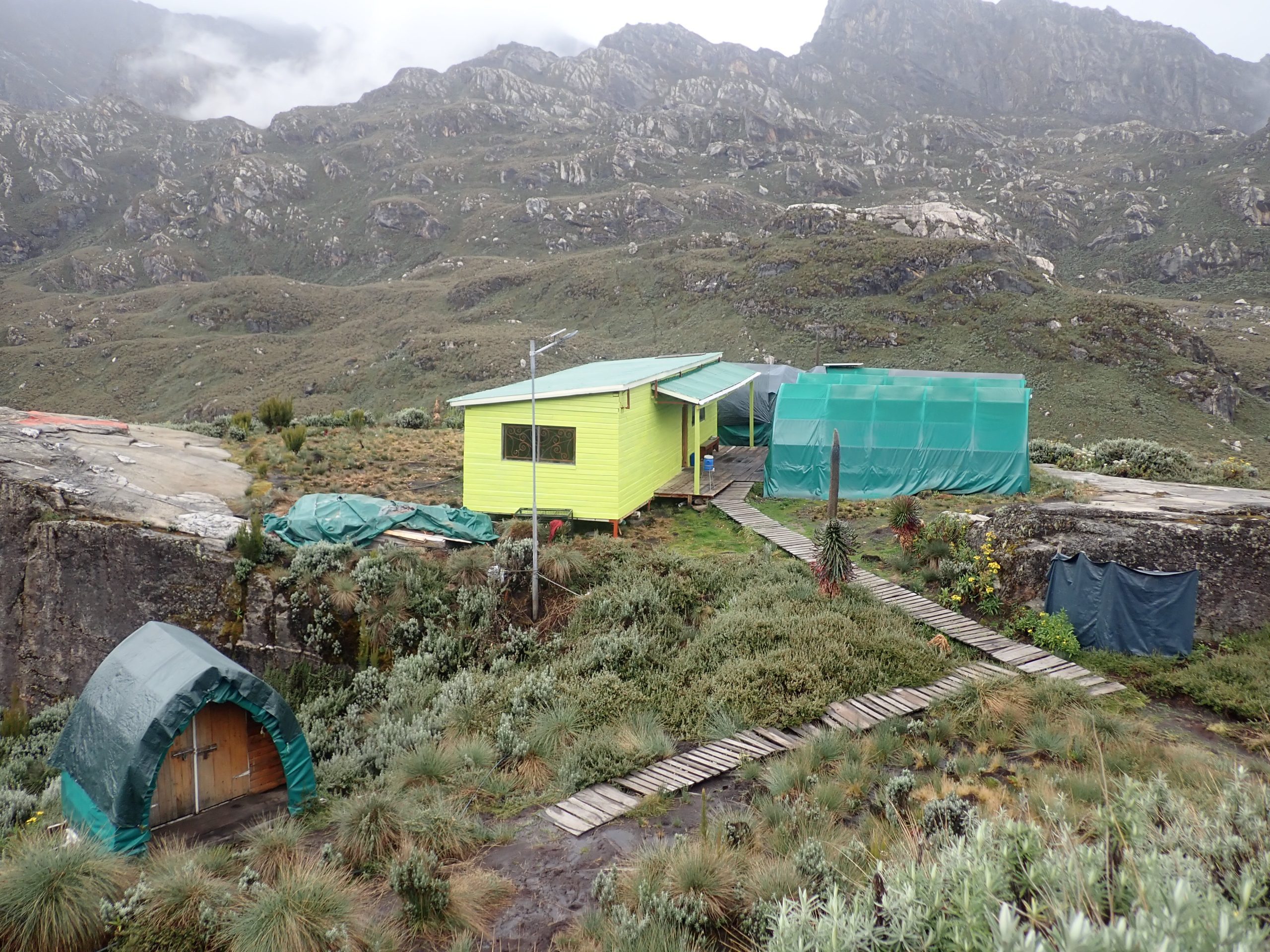 Day 5: Summit Mount Baker (4,842m) and Return to Hunwick’s Camp (3,974m) –Conquering One of the Rwenzori’s Most Beautiful Peaks
Day five is one of the major highlights of this expedition as you attempt the summit of Mount Baker, one of the famous peaks of the Rwenzori Mountains. The mountain rises to 4,842 meters and offers spectacular views across the surrounding glaciers and valleys.
The day begins early, usually around 6:30 AM, after breakfast and final preparations. Although the round-trip distance is relatively short at approximately 4.3 kilometers, the climb is demanding because of the steep terrain and high altitude.
The route follows rocky ridges, large boulders, and narrow mountain sections before reaching glacier areas. The condition of the trail can change depending on the weather. During dry periods, the climb may feel more straightforward, while wet conditions can make rocks slippery and require extra caution.
For safety, experienced guides assist hikers through exposed sections. Fixed ropes may be used where necessary, helping trekkers maintain balance while moving across challenging terrain.
Reaching the summit of Mount Baker creates a memorable achievement. From the top, you can enjoy incredible views of some of the Rwenzori’s most famous features, including:
- Mount Stanley and Margherita Peak
- Mount Speke
- Alexandra Peak
- The Stanley Plateau
- Surrounding glaciers and valleys
After celebrating at the summit and taking photographs, you descend carefully back to Hunwick’s Camp. The return journey allows time to rest, enjoy a warm meal, and appreciate the achievement of reaching another major Rwenzori summit.
Overnight: Hunwick’s Camp
Meals: Breakfast, lunch, and dinner
Summit: Mount Baker – 4,842m
Hiking Time: 4–6 hours ascending and 2–3 hours descending
Day 6: Trek from Hunwick’s Camp (3,874m) to Margherita Camp (4,495m) – Preparing for the Highest Point of the Rwenzori Mountains
After the excitement of climbing Mount Baker, the journey continues toward Margherita Camp, the final overnight point before attempting the highest summit in the Rwenzori Mountains.
The trail begins through beautiful alpine landscapes, passing through valleys filled with unique mountain vegetation. One of the highlights of the day is Lake Kitendara, a peaceful high-altitude lake surrounded by plants adapted to the cold mountain environment.
From the lake area, the route continues upward toward Scott Elliott Pass. This mountain crossing provides some of the most impressive scenery on the Kilembe Trail, with views of surrounding peaks, valleys, and rugged ridges.
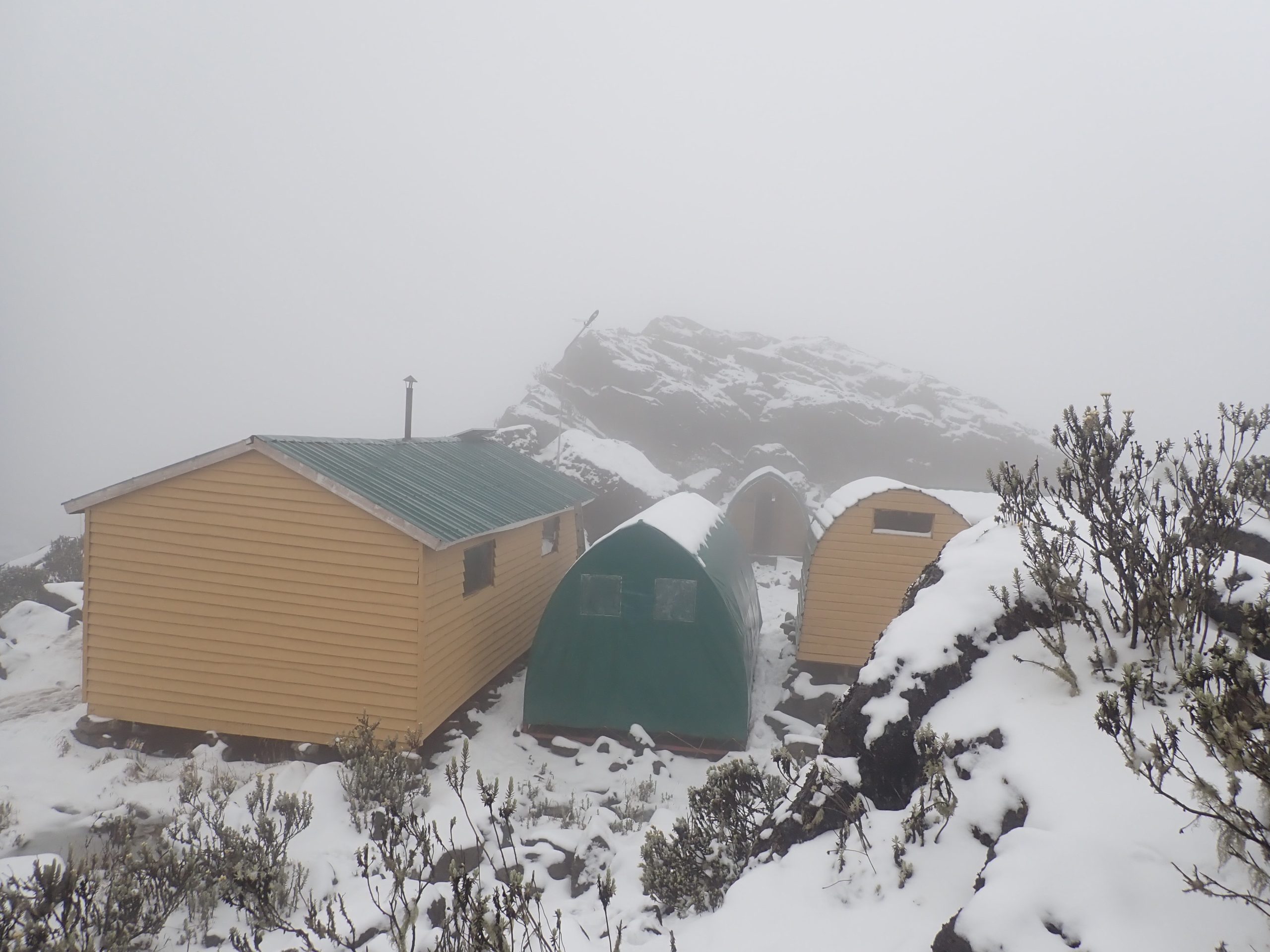
The final climb leads toward Margherita Camp, located at 4,495 meters. The camp is surrounded by large rocks that provide natural protection from strong mountain winds. This location is historically significant because it was used during the famous 1906 Duke of Abruzzi expedition.
Today is not only a trekking day but also an important preparation period. Before attempting Margherita Peak, guides provide a detailed briefing about the summit climb, including glacier safety, rope techniques, weather conditions, and early morning departure procedures.
The cold temperatures and high altitude make this a demanding night, but the excitement of standing on the highest peak of the Rwenzori Mountains keeps many hikers motivated.
- Overnight: Margherita Camp
- Meals: Breakfast, lunch, and dinner
- Hiking Time: 4–6 hours
- Elevation: 3,874m to 4,495m
OLYMPUS DIGITAL CAMERA
Day 7: Summit Margherita Peak (5,109m) on Mount Stanley- Standing on the Highest Point of Uganda.
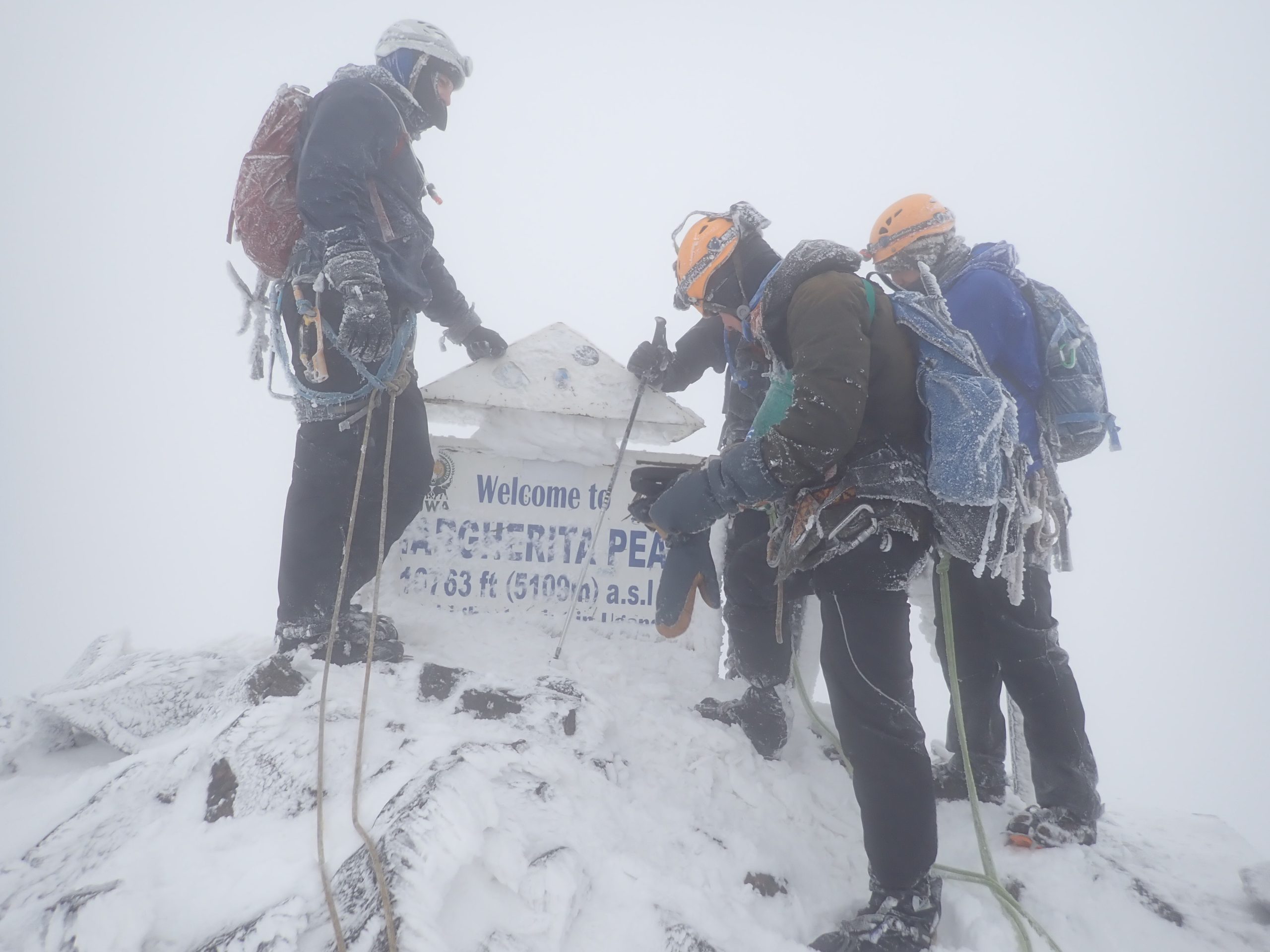
Day seven is the most anticipated part of the entire expedition. After days of climbing through forests, valleys, alpine zones, and high camps, today you attempt Margherita Peak, the highest summit of the Rwenzori Mountains and the third-highest mountain peak in Africa.
The day begins very early, usually around 1:30 AM, with breakfast before starting the climb at approximately 2:00 AM. The early departure is important because the glacier conditions are often more stable during the early hours, and it also allows enough time to complete the summit safely.
With headlamps lighting the way, you begin climbing toward the Stanley Plateau. The darkness, cold temperatures, and silence of the mountain create a unique atmosphere as you slowly make your way upward.
The first glacier sections mark the beginning of the technical part of the climb. As you approach the Margherita Glacier, the terrain becomes steeper and requires careful movement. Your experienced mountain guides provide support throughout the climb, using ropes and safety equipment where needed.
The final section involves crossing icy areas and negotiating rocky sections before reaching the summit ridge. Although physically demanding, the feeling of standing on Margherita Peak makes every challenge worthwhile.
At 5,109 meters above sea level, the summit provides unforgettable views of the Rwenzori Mountains. On clear days, you can see surrounding glaciers, deep valleys, Mount Speke, Mount Baker, and the impressive peaks of the Mountains of the Moon.
After taking time to celebrate, capture photographs, and enjoy the achievement, you begin the careful descent. Moving back across the glacier requires concentration because tiredness and changing weather conditions can make the descent challenging.
The route continues past Lake Irene before entering the beautiful Bujuku Valley. The landscape changes again as you leave the icy summit area and move toward the rocky wilderness below Mount Speke.
By evening, you reach the sheltered campsite near Bujuku, where you rest after one of the greatest achievements of your mountain journey.
- Overnight: Rock shelter near Bujuku
- Meals: Breakfast, lunch, and dinner
- Elevation: 4,495m → 5,109m → approximately 3,874m
- Summit: Margherita Peak – 5,109m
 Day 8: Summit Vittorio Emanuele Peak (4,890m) on Mount Speke and Descend to Hunwick’s Camp- Exploring the Famous Peaks of Mount Speke
After conquering Margherita Peak, the adventure continues with another exciting summit attempt. Today you climb Vittorio Emanuele Peak, the highest point of Mount Speke, standing at 4,890 meters.
After breakfast, you begin ascending through the dramatic alpine landscape of the Rwenzori Mountains. The trail takes you across rocky slopes, high-altitude valleys, and rugged mountain terrain.
The climb requires steady effort because the altitude remains high, but the surrounding scenery provides constant motivation. As you gain height, breathtaking views appear across the Rwenzori range, including Margherita Peak, Mount Stanley’s glaciers, Mount Baker, and the valleys below.
Reaching the summit of Vittorio Emanuele Peak is another memorable achievement. From the top, hikers enjoy panoramic views of the famous Rwenzori peaks and the unique glacial landscape that makes this mountain range one of Africa’s most extraordinary destinations.
After spending time at the summit, you begin the descent back through the Bujuku Valley. The route continues toward Scott Elliott Pass, one of the most scenic crossings in the Rwenzori Mountains.
The descent provides another opportunity to appreciate the changing vegetation. Giant heathers, alpine plants, and mountain valleys replace the icy summit environment as you move lower.
By afternoon, you arrive at Hunwick’s Camp where you can relax, enjoy a warm meal, and reflect on another successful summit experience.
- Overnight: Hunwick’s Camp
- Meals: Breakfast, lunch, and dinner
- Summit: Vittorio Emanuele Peak – 4,890m
Day 9: Summit Weismann Peak (4,620m) and Descend to Kiharo Camp (3,430m) – Completing the Fourth Peak of the Rwenzori Adventure
The ninth day brings another exciting challenge as you attempt Weismann Peak, one of the remarkable summits located within the Rwenzori Mountains.
The day starts with a climb from Hunwick’s Camp toward Oliver’s Pass at 4,505 meters. This section follows a mountain ridge offering some of the finest views of the entire expedition.
As you climb higher, you can look across the impressive Rwenzori landscape, including views of Mount Stanley, Mount Speke, Mount Baker, and Scott Elliott Pass. The combination of sharp ridges, deep valleys, and distant glaciers creates an unforgettable mountain scene.
From Oliver’s Pass, the route continues beneath the rugged slopes of Mount Luigi di Savoia before reaching the trail section leading toward Weismann Peak.
The optional summit climb to Weismann Peak at 4,620 meters rewards hikers with beautiful views across the high-altitude wilderness. Standing on this peak provides a sense of accomplishment because it completes the challenge of reaching four different Rwenzori summits during one expedition.
After enjoying the summit area, you descend gradually toward the Nyamwamba River Valley. The landscape slowly becomes greener as you leave the high alpine environment behind.
The day ends at Kiharo Camp, located at 3,430 meters. Surrounded by cliffs and mountain vegetation, the camp provides a peaceful resting place after another demanding but rewarding day.
- Overnight: Kiharo Camp
- Meals: Breakfast, lunch, and dinner
- Elevation: 3,874m → 4,505m → 4,620m → 3,430m
- Hiking Time: 5–9 hours
- Summit: Weismann Peak – 4,620m
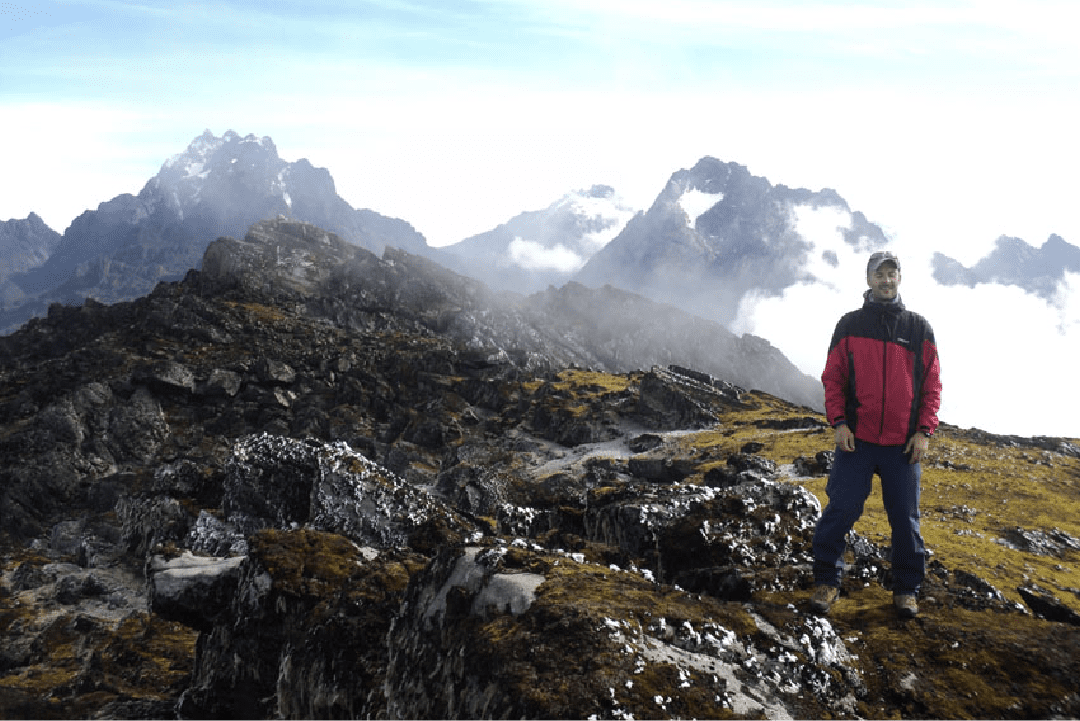 Day 10: Descend from Kiharo Camp (3,430m) to Kilembe Base Camp (1,450m)- Completing the Rwenzori Mountains Expedition
The final day of the trek marks the end of your incredible journey through the Mountains of the Moon. After breakfast at Kiharo Camp, you begin the long descent through the Nyamwamba River Valley.
The trail gradually moves from the high mountain environment back into greener landscapes. Along the way, you pass through beautiful forest sections filled with moss-covered rocks, flowing streams, and waterfalls created by mountain rivers.
The descent provides a chance to appreciate the landscapes you may have missed while focusing on climbing higher. The sounds of birds, rushing water, and the peaceful forest environment create a relaxing ending to the expedition.
Wildlife sightings are still possible during this final section. Lucky hikers may spot Rwenzori red duikers moving quietly through the forest or enjoy views of different bird species.
The route continues toward Forest View Camp, where you stop for lunch before completing the final section back to the Kilembe Base Camp at the Trekkers Hostel.
Arriving at the base camp marks the successful completion of your 10-day Rwenzori adventure. After days of climbing through multiple ecosystems and conquering four incredible peaks, you leave with unforgettable memories of one of Africa’s greatest mountain experiences.
Hiking Time: 6–8 hours
End of Trek: Kilembe Base Camp (Trekkers Hostel)
Safari Highlight: End of the 10 Days Rwenzori Hike with 4 Peaks via Kilembe Trail
The expedition ends after successfully completing one of Uganda’s most rewarding mountain adventures. You return home with memories of glaciers, forests, mountain peaks, unique wildlife, and the achievement of exploring the legendary Rwenzori Mountains.
Package Price and What Is Included
The cost of this incredible mountain expedition is designed to cover the essential services required for a safe and comfortable trek through the Rwenzori Mountains. Since this is a high-altitude adventure involving glaciers, technical climbing sections, professional mountain crews, and several days in remote wilderness areas, proper support is necessary from the beginning to the end of the journey.
Price of the Package
USD 2,005 per person
The package includes all major services needed during the trek, including mountain permits, accommodation while on the mountain, meals, professional guides, porters, and technical climbing equipment.
What Is Included in the Rwenzori Trekking Package?
Park Entrance Fees
The package includes all required park fees for entering and trekking inside the Rwenzori Mountains National Park. These fees contribute to conservation efforts, maintenance of trekking routes, and protection of the unique mountain ecosystem.
Technical Climbing Equipment
For the high-altitude summit sections, especially when climbing toward Margherita Peak, the package provides essential technical equipment required for glacier and rock sections.
The provided equipment includes:
- Ice axe
- Crampons
- Helmet
- Harness
- Climbing ropes
- Rubber boots/gumboots
These items are important because the upper sections of the Rwenzori Mountains involve icy surfaces, glaciers, steep rocks, and unpredictable mountain conditions.
For example, during the Margherita Peak summit attempt, crampons help maintain grip on icy sections, while ropes and harnesses provide additional safety when crossing exposed areas.
Mountain Accommodation
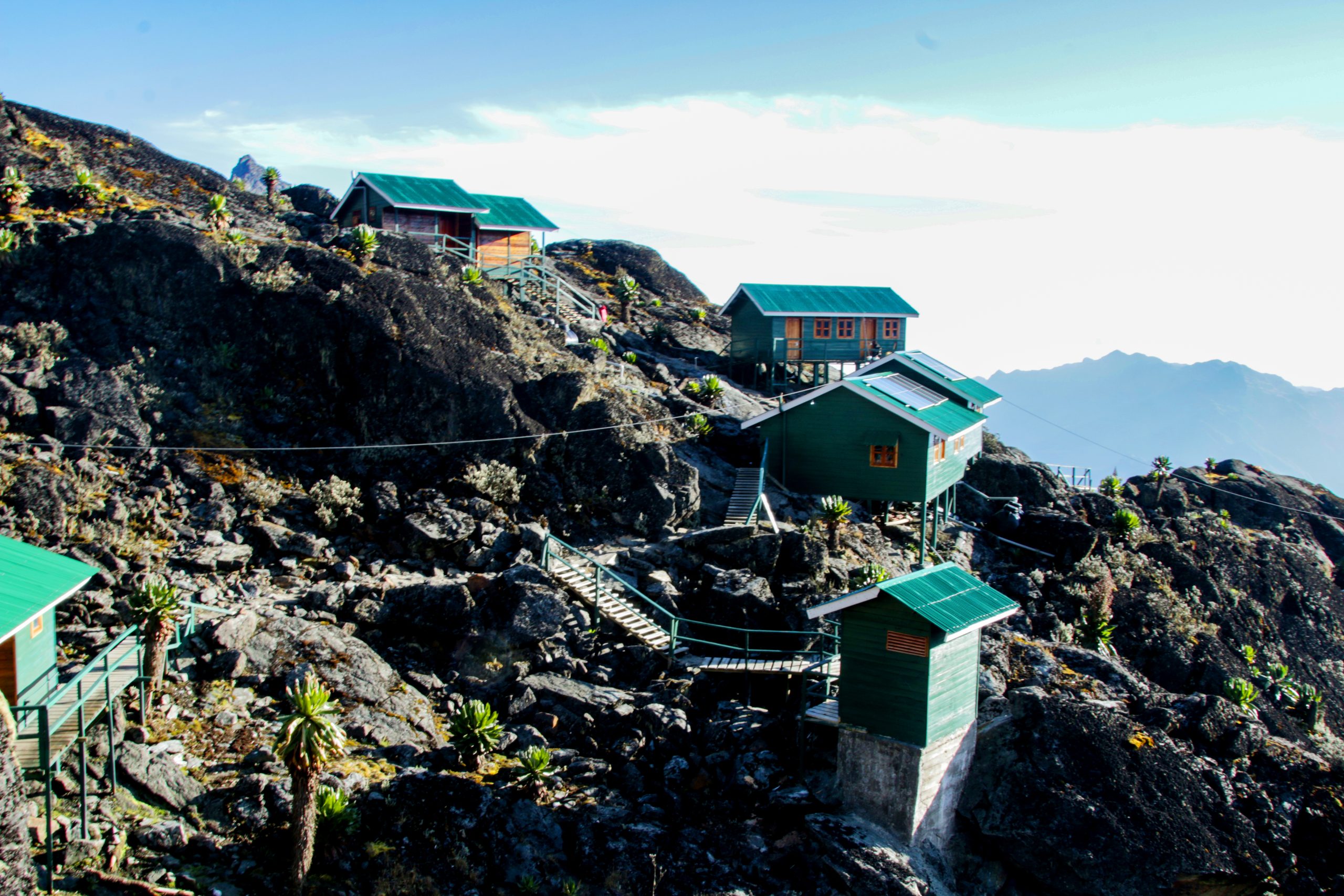
Accommodation during the trek is provided in mountain camps located along the Kilembe Trail.
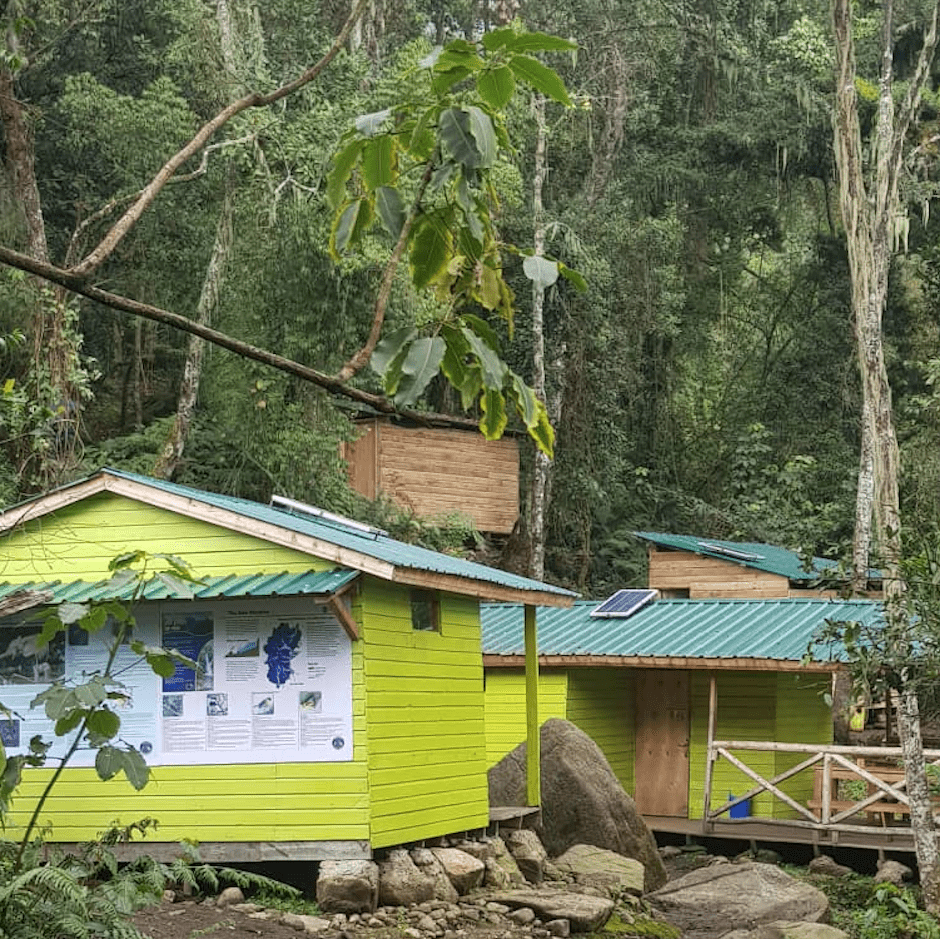
The camps offer simple but comfortable facilities, usually consisting of wooden huts with mattresses where hikers can rest after long trekking days.
The mountain camps include:
- Sine Camp
- Mutinda Camp
- Bugata Camp
- Hunwick’s Camp
- Margherita Camp
- Kiharo Camp
Although the accommodation is basic compared to hotels, sleeping in these remote camps allows you to experience the true wilderness of the Rwenzori Mountains.
Meals During the Trek
All meals while hiking on the mountain are included in the package.
A professional mountain cook prepares meals designed to provide energy for long trekking days. The food is prepared according to the conditions of the mountain environment and helps hikers maintain strength during climbs.
Meals usually include:
- Breakfast before trekking
- Lunch during hiking breaks
- Dinner after reaching camp
Staying properly nourished is very important, especially during summit days when the body requires extra energy at high altitude.
Professional Guides and Porters
The success of your Rwenzori expedition depends greatly on the experience of the mountain team. The package includes professional guides and porters who support hikers throughout the journey.
The guides assist with:
- Navigation along the trail
- Altitude management
- Safety during technical sections
- Glacier crossing procedures
- Summit preparation
Porters help carry camping equipment, food supplies, and other heavy items, allowing hikers to focus on the trekking experience.
Their support also provides an opportunity for travelers to contribute directly to local employment within the Rwenzori communities.
 Mountain Chefs
A dedicated mountain chef is included to prepare meals throughout the expedition.
Cooking in the Rwenzori Mountains requires experience because the team works in changing weather conditions and remote locations. The chefs ensure that hikers receive warm meals after challenging days of climbing.
What Is Not Included in the Package?
Although the trekking package covers the main mountain services, some personal travel expenses are not included.
Travelers should plan separately for the following:
International Flights
Air tickets to and from Uganda are not included.
Travelers are responsible for arranging their flights to Entebbe International Airport, which is the main entry point for international visitors arriving in Uganda.
Uganda Visa
The Uganda visa is not included in the trekking cost.
All international visitors must apply for a Uganda visa online before arrival.
The application is completed through the official immigration portal:
https://visas.immigration.go.ug
Travelers are advised to apply early to avoid delays before their trekking dates.
Accommodation Before and After the Trek
Hotels or lodges before starting the hike and after completing the trek are not included.
Many travelers choose to spend a night in Entebbe, Kampala, or Kasese before beginning the expedition. Additional accommodation can be arranged depending on your travel plans.
Transportation to and From Rwenzori Mountains
Transport from Entebbe International Airport or Kampala to the Rwenzori Mountains and back is not included.
The transfer to Kasese can be arranged separately using a comfortable safari vehicle with a professional driver-guide.
The journey from Entebbe to Kasese takes several hours and offers opportunities to enjoy Uganda’s countryside scenery along the way.
Personal Trekking Equipment
Travelers are responsible for bringing their own personal hiking equipment.
This includes items such as:
- Hiking boots
- Warm clothing
- Waterproof jackets
- Gloves
- Sleeping bags
- Personal backpacks
- Sunglasses
A detailed packing list is provided below to help you prepare properly.
Warm and Rain Gear
The Rwenzori Mountains experience unpredictable weather. Rain, cold temperatures, and strong winds can occur at different elevations.
Travelers should carry suitable personal gear including:
- Waterproof jackets
- Thermal layers
- Warm sweaters
- Waterproof trousers
Proper preparation is essential because the mountain environment changes dramatically from tropical forests to icy summit zones.
Tips and Personal Expenses
Tips for guides, porters, and support staff are not included.
Tipping is voluntary but appreciated because the mountain crew plays an important role in making the trek successful.
Other personal expenses such as snacks, drinks, souvenirs, and additional services are also not included.
Uganda Travel Requirements Before the Trek
Visa Requirements
All international visitors traveling to Uganda require a visa before entering the country.
The application should be completed online before arrival through the Uganda immigration website.
Travelers should ensure their passport is valid and meets Uganda’s entry requirements.
Yellow Fever Vaccination
A yellow fever vaccination certificate is required when entering Uganda.
The certificate may be requested at Entebbe International Airport during arrival procedures.
Travelers should ensure they receive the vaccination early enough before their trip and carry proof of vaccination.
Why Choose the Kilembe Trail for a 10-Day Rwenzori Adventure?
The Kilembe Trail is ideal for travelers searching for a challenging but rewarding mountain experience. It offers some of the best views in the Rwenzori range while avoiding the rushed schedules sometimes found on shorter routes.
One of the biggest advantages of this trail is the gradual altitude gain. The route allows your body to adjust slowly as you climb higher, making the summit attempts more achievable.
The trail also provides access to several major peaks. Instead of focusing on only one summit, this expedition combines four peak experiences into one journey. This makes it a perfect choice for experienced hikers who want a complete Rwenzori adventure.
Another special feature is the remote feeling of the route. Unlike crowded mountain destinations, the Rwenzori Mountains remain peaceful and wild. You hike through quiet valleys, sleep in mountain camps surrounded by nature, and enjoy views that few travelers have experienced.
For example, standing above the clouds at Margherita Peak after days of trekking through forests and glaciers creates a sense of achievement that stays with you long after returning home.
Rwenzori Mountains Packing List
Understanding the Mountain Environment
Preparing correctly for the Rwenzori Mountains is one of the most important parts of the journey. The mountain is unique because a single trek passes through several different environments.
During this expedition, hikers move through:
- Tropical rainforest
- Afro-montane forest
- Bamboo zones
- Giant heather landscapes
- Alpine valleys
- Rocky mountain ridges
- Glacial summit areas
Because the weather and terrain change quickly, every item in your backpack has an important purpose.
A traveler hiking through the lower forest may need protection from rain and humidity, while someone climbing Margherita Peak requires equipment suitable for ice, wind, and freezing temperatures.
Complete Rwenzori Mountains Packing List for the Trek
Why Proper Preparation Matters for the Rwenzori Mountains
The Rwenzori Mountains are among the most diverse trekking destinations in Africa because the environment changes dramatically as you climb higher. A single expedition can take you from warm tropical forests to cold glacier zones within only a few days.
For this reason, packing correctly is one of the most important parts of preparing for your trek. The right equipment helps you stay comfortable during long hiking days, protects you from unpredictable weather, and improves your safety during technical summit sections.
The Kilembe Trail passes through muddy forests, slippery rocks, wet valleys, alpine landscapes, and icy summit areas. For example, rubber boots are extremely useful in the lower wet sections, while crampons and ice axes become essential when approaching Margherita Peak.
The mountain can experience rainfall, strong winds, cold temperatures, and mist at any time of the year. A sunny morning can quickly change into a rainy afternoon, especially at higher elevations.
Your packing list should therefore include waterproof clothing, warm layers, strong footwear, personal medication, and equipment suitable for glacier climbing.
Below is a detailed guide explaining why each item is important during your Rwenzori adventure.
 Technical Equipment Provided During the Trek
Climbing Rope
The climbing rope is one of the most important safety tools used during the technical sections of the trek.
While climbing toward Margherita Peak and other high summits, hikers encounter steep rocks, glacier sections, and exposed mountain areas. These sections can become challenging because of ice, wet surfaces, and strong winds.
Guides use ropes to connect climbers during difficult sections, providing additional security while crossing glaciers or moving along steep terrain.
For example, during the final approach to Margherita Peak, the rope system helps hikers move safely across areas where a mistake could lead to a dangerous fall.
The rope does not replace careful movement, but it provides extra protection and confidence during technical climbing.
Crampons
Crampons are metal spikes attached to climbing boots to provide grip on snow and ice.
The upper Rwenzori Mountains contain glacier areas where normal hiking boots cannot provide enough traction. Early morning summit climbs are especially cold, and ice surfaces can become hard and slippery.
Crampons allow hikers to:
- Walk safely across glaciers
- Maintain balance on icy slopes
- Move uphill and downhill with better control
- Reduce the risk of slipping
During the Margherita Peak summit attempt, crampons are essential when crossing the glacier sections near the summit.
Ice Axe
An ice axe is another important piece of equipment used during glacier climbing.
It provides support while walking on steep icy slopes and helps climbers maintain balance in difficult conditions.
In case of a slip, an ice axe can be used during a self-arrest technique to help stop a slide on snow or ice.
The Rwenzori glaciers may appear small compared to other famous mountain ranges, but they still require proper climbing techniques and safety equipment.
Climbing Harness
A harness connects the climber safely to the rope system.
During technical sections of the Rwenzori Mountains, guides may use ropes to protect hikers while crossing exposed areas or steep glacier sections.
The harness is designed to distribute body weight comfortably and securely. It allows climbers to move confidently while remaining connected to the safety system.
This equipment is especially important during the final stages of climbing Margherita Peak, where terrain becomes more demanding.
Helmet
A climbing helmet protects your head from possible impacts during mountain activities.
The Rwenzori Mountains have steep rocky sections where loose stones may fall naturally. Ice pieces can also break away near glacier areas.
A helmet provides protection against:
- Falling rocks
- Ice fragments
- Accidental impacts during climbing
Safety equipment is essential because mountain conditions can change quickly.
Personal Trekking Equipment You Should Carry these are not provided.
Hiking Boots
A strong pair of hiking boots is one of the most important items for the Rwenzori Mountains.
The mountain is known for wet conditions, muddy trails, slippery rocks, and uneven terrain. Lower sections can be extremely muddy, while higher areas require boots that can handle cold conditions and support crampons.
Good trekking boots should provide:
- Waterproof protection
- Strong ankle support
- Good grip
- Comfort during long hiking days
Ordinary sports shoes are not suitable because they cannot handle deep mud, wet conditions, or glacier sections.
A good example is walking through the bamboo zone after rainfall. Without waterproof boots, your feet can quickly become wet and uncomfortable, increasing the risk of blisters.
Waterproof Trekking Trousers
Waterproof trekking trousers are essential because the Rwenzori Mountains receive frequent rainfall.
They protect your legs from:
- Rain
- Mud
- Wet vegetation
- Cold winds
- Minor scratches from plants
Quick-drying materials are recommended because wet clothing can become uncomfortable during long trekking days.
At higher elevations, waterproof trousers also provide an extra layer of warmth against cold temperatures.
Comfortable Hiking Shirts
At lower elevations, the forest areas of the Rwenzori Mountains are warm and humid. Lightweight hiking shirts help regulate body temperature during long climbs.
Breathable materials are recommended because they allow sweat to dry faster and improve comfort.
It is best to carry several shirts because weather conditions can make clothes wet during the trek.
Warm Jacket or Wool Sweater
Temperatures drop significantly as you climb above 3,500 meters.
A warm jacket or wool sweater is necessary for evenings at mountain camps and early morning summit attempts.
Higher camps such as Margherita Camp can become extremely cold, especially at night when temperatures may approach freezing levels.
Warm layers help prevent cold-related problems and keep your body comfortable during rest periods.
Waterproof Gloves and Warm Gloves
Your hands are exposed to cold weather, rain, wind, and ice during the trek.
Waterproof gloves help keep your hands dry, while insulated gloves provide warmth during summit climbs.
Warm gloves are especially useful when:
- Holding climbing equipment
- Crossing glacier sections
- Hiking before sunrise
- Resting at high camps
Cold hands can quickly lose strength and coordination, so proper protection is important.
Headlamp and Extra Batteries
A headlamp is essential because some sections of the trek begin before sunrise.
The Margherita Peak summit attempt usually starts around 2:00 AM, meaning hikers climb in darkness during the first hours.
A good headlamp allows you to:
- See the trail clearly
- Keep your hands free
- Move safely over rocks and ice
Always carry extra batteries because cold temperatures can reduce battery life.
Trekking Backpack
Although porters carry most heavy luggage, every hiker needs a personal daypack.
Your backpack should contain items you need during the day, including:
- Drinking water
- Snacks
- Camera
- Rain jacket
- Gloves
- Personal items
A comfortable waterproof backpack makes daily hiking easier and keeps important equipment accessible.
Sun Hat and Sun Protection
Although the Rwenzori Mountains experience frequent rain, the equatorial sun can be intense when the skies clear.
At higher elevations, ultraviolet rays become stronger because of thinner atmosphere.
A sun hat helps protect your face and head from sun exposure, while sunscreen reduces the risk of sunburn.
Handkerchiefs and Personal Hygiene Items
Small personal items can make a big difference during a long mountain expedition.
A handkerchief is useful for:
- Wiping sweat
- Cleaning hands
- Drying small amounts of rainwater
- Maintaining personal comfort
Other recommended hygiene items include:
- Small towel
- Soap
- Wet wipes
- Personal toiletries
Sunglasses and Snow Glasses
High-altitude areas receive strong sunlight reflection from ice and snow.
Quality sunglasses with UV protection help protect your eyes from:
- Bright sunlight
- Glacier reflection
- Snow blindness
Wrap-around sunglasses are recommended because they provide better protection from wind and glare.
Gaiters
Gaiters are extremely useful on the Rwenzori Mountains because many sections of the trail are muddy and wet.
They cover the area between your boots and trousers, preventing:
- Mud from entering your shoes
- Water from soaking your socks
- Small stones and debris from getting inside footwear
They are especially helpful in swampy areas and during rainy conditions.
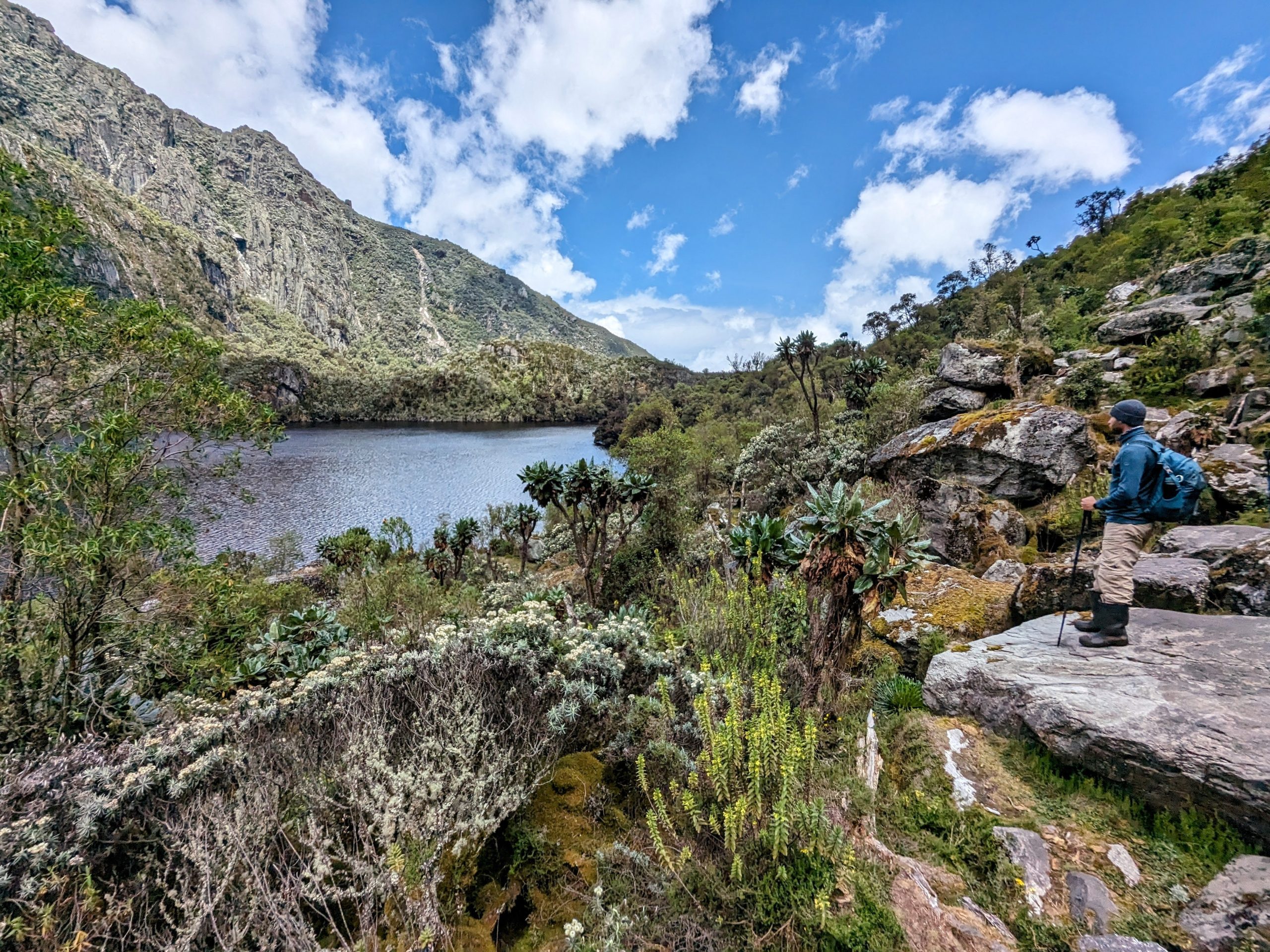 Essential Personal Gear for a Successful Rwenzori Mountains Trek
Hiking Poles
A good hiking pole is one of the most useful items to carry during the Rwenzori Mountains expedition. The trail includes steep climbs, muddy sections, slippery rocks, and uneven ground where extra balance is helpful.
A trekking pole provides support by reducing pressure on your knees, especially during long downhill sections. It also improves stability when crossing wet areas and allows you to test muddy ground before placing your foot.
For example, while descending from Kiharo Camp toward the lower sections of the mountain, a hiking pole helps control your movement and reduces strain after many days of climbing.
A lightweight and adjustable trekking pole is recommended because it can easily be packed when not in use.
Rainproof Clothing and Warm Layers
The Rwenzori Mountains are known for unpredictable weather. Rain can occur at almost any elevation, and temperatures can change quickly within a short period.
A waterproof jacket and waterproof trousers are essential because staying dry helps maintain body warmth and energy throughout the trek.
Your clothing system should include different layers that can be added or removed depending on conditions:
- A lightweight base layer for moisture control
- A warm middle layer for insulation
- A waterproof outer layer for rain and wind protection
This layering system is especially useful because the environment changes from humid forests at lower elevations to cold alpine zones near the summits.
A hiker may begin the morning in a warm forest environment and later experience cold winds above 4,000 meters, making flexible clothing important.
Woolen Socks
Keeping your feet dry and warm is extremely important during the Rwenzori trek.
Wool socks are recommended because they provide insulation even when slightly wet. They also help reduce friction and prevent blisters during long walking days.
It is advisable to carry several pairs because the mountain environment is often wet. Having dry socks available each day improves comfort and helps protect your feet.
A good combination is:
- Thick wool trekking socks for warmth
- Inner moisture-wicking socks for comfort
Healthy feet are essential because the trek involves many hours of walking across challenging terrain.
Lightweight Camp Shoes or Trainers
After spending the day hiking in heavy boots, your feet need time to relax.
A lightweight pair of trainers or sandals is useful around camp. They allow you to change footwear after arriving at your sleeping area and give your feet a break before the next trekking day.
Camp shoes are especially helpful at places such as Hunwick’s Camp and Margherita Camp, where you may spend several hours resting after a demanding climb
Sleeping Bag
A high-quality sleeping bag is important because nights in the Rwenzori Mountains can become very cold, especially at higher camps.
Although mountain huts provide shelter, temperatures can drop significantly after sunset. A sleeping bag designed for cold conditions helps maintain body warmth and allows you to rest properly.
Good sleep is essential during a high-altitude expedition because your body needs time to recover after long trekking days.
A suitable sleeping bag should:
- Be designed for cold temperatures
- Provide enough insulation
- Fit comfortably inside mountain huts
A warm night of rest improves your energy for the following day’s climb.
Rubber Boots Provided During the Trek
The lower sections of the Rwenzori Mountains are famous for wet forests, muddy paths, and swampy areas.
Rubber boots are provided during the trek to help hikers move comfortably through these sections.
They are especially useful in:
- Rainforest zones
- Bamboo forests
- Muddy valleys
- Wet trail sections
Rubber boots protect your feet from prolonged exposure to water and mud. Once the trail becomes more rocky and technical at higher elevations, hikers transition to proper hiking boots.
Water Bottles and Hydration System
Staying hydrated is very important during mountain trekking.
Carry at least two water bottles, preferably with a combined capacity of around two liters. A hydration system such as a CamelBak is also useful because it allows you to drink water while walking without stopping frequently.
Recommended options include:
- One-liter reusable water bottles
- Insulated bottles for cold conditions
- Hydration bladder systems
At high altitude, your body loses water faster than many people realize. Drinking regularly helps maintain energy and reduces fatigue.
Thermos Flask (Optional)
A small stainless-steel thermos can be useful, especially during summit days.
Having a warm drink during cold mornings near the summit areas can provide comfort and energy.
A hot beverage before beginning the Margherita Peak climb can be especially appreciated because temperatures are very low during the early morning departure.
Lip Balm and Sunscreen
Cold wind, strong sunlight, and dry mountain air can affect your skin and lips.
Carry:
- Lip balm
- Sunscreen with SPF 35 or higher
At high elevations, UV exposure is stronger, even when the weather feels cold. Sunscreen protects exposed skin during long days in open alpine areas.
Camera, Batteries, and Electronic Devices
The Rwenzori Mountains offer incredible photography opportunities.
You may want to capture:
- Mountain peaks
- Glaciers
- Giant lobelias
- Forest landscapes
- Wildlife encounters
- Summit moments
However, remember that there is no electricity available throughout most mountain camps.
Before starting the trek:
- Fully charge your phone
- Charge camera batteries
- Carry power banks
- Bring extra memory cards if needed
Cold temperatures can reduce battery performance, so keeping batteries protected inside your backpack helps them last longer.
Personal Medical Supplies
Every traveler should carry personal medication and basic health supplies.
Recommended items include:
- Personal prescription medication
- Pain relief medication
- Personal first aid items
- Any required allergy medication
Some travelers also choose to consult their doctor before the trip regarding altitude preparation and travel medication.
For example, hikers with previous breathing concerns may discuss whether carrying an inhaler is appropriate for their journey.
Travelers should always carry medication that they personally need and inform their guide about any important health considerations before starting the trek.
Additional Recommended Items for Your Backpack
The following items can make your trekking experience more comfortable:
Personal Care Items
Carry:
- Small towel
- Soap
- Wet wipes
- Toothbrush and toothpaste
- Personal toiletries
Maintaining hygiene during a multi-day trek improves comfort and wellbeing.
Energy Snacks
Long trekking days require extra energy.
Recommended snacks include:
- Energy bars
- Nuts
- Dried fruits
- Chocolate without melting problems
Avoid snacks with caramel or sticky ingredients because they can become difficult to manage in cold conditions.
Warm Hat and Balaclava
A warm hat helps protect your head from cold temperatures, especially at higher camps.
A balaclava can provide additional protection during summit attempts when wind and freezing temperatures are common.
These items are particularly useful around Margherita Camp before the early morning climb.
Sunglasses with UV Protection
Good-quality sunglasses are important for protecting your eyes from strong sunlight at high altitude.
Choose sunglasses that:
- Block UV rays
- Cover the eyes well
- Reduce glare from ice and rocks
They are especially important during glacier sections.
Final Preparation Before Starting the Rwenzori Trek
Proper preparation is the key to enjoying the Rwenzori Mountains safely. This expedition combines rainforest hiking, muddy trails, alpine trekking, and glacier climbing, making it very different from ordinary mountain walks.
Before departure:
- Check all trekking equipment
- Test hiking boots before the trip
- Pack waterproof bags for electronics
- Organize personal medication
- Charge all devices
- Confirm travel documents
The Rwenzori Mountains reward travelers who arrive prepared. With the right equipment, a positive attitude, and support from experienced guides, the journey becomes one of the most memorable mountain adventures in Africa.
Completing 10 Days Rwenzori Hike with 4 Peaks via Kilembe Trail is not only about reaching summits. It is about experiencing changing landscapes, discovering rare mountain ecosystems, challenging yourself, and creating memories in one of the world’s most extraordinary mountain ranges.