

Wildlife Encounters on the Kilembe Trail: Discovering Nature in the Rwenzori Mountains
The Kilembe Trail offers more than dramatic landscapes and challenging mountain climbs. It also provides a rare chance to encounter wildlife in one of Africa’s most unique mountain ecosystems. Located inside Rwenzori Mountains National Park, the trail passes through several habitats that support a wide variety of animals and birds.
The Rwenzori Mountains contain dense forests, alpine valleys, and cool highland zones. Each of these environments creates a home for different species of wildlife. Trekkers often experience unexpected animal sightings as they walk through the trail. The trip is thrilling and unforgettable because of these interactions.
Wildlife on the Kilembe Trail may appear quietly along the path or move through the trees above hikers. Sometimes the animals are easy to see. In other moments, the sounds of the forest reveal their presence before they appear. From playful monkeys to colorful birds, the wildlife of the Rwenzori Mountains adds life and energy to the trekking experience.
The following sections explore some of the most interesting wildlife encounters hikers may experience while exploring the Kilembe Trail.
 Forest Primates and Gentle Giants of the Rainforest
The lower slopes of the Kilembe Trail are covered with thick rainforest that supports many animals. Among the most exciting wildlife encounters in this environment are the primates that move through the trees. Trekkers often notice branches shaking above them before seeing the animals themselves.
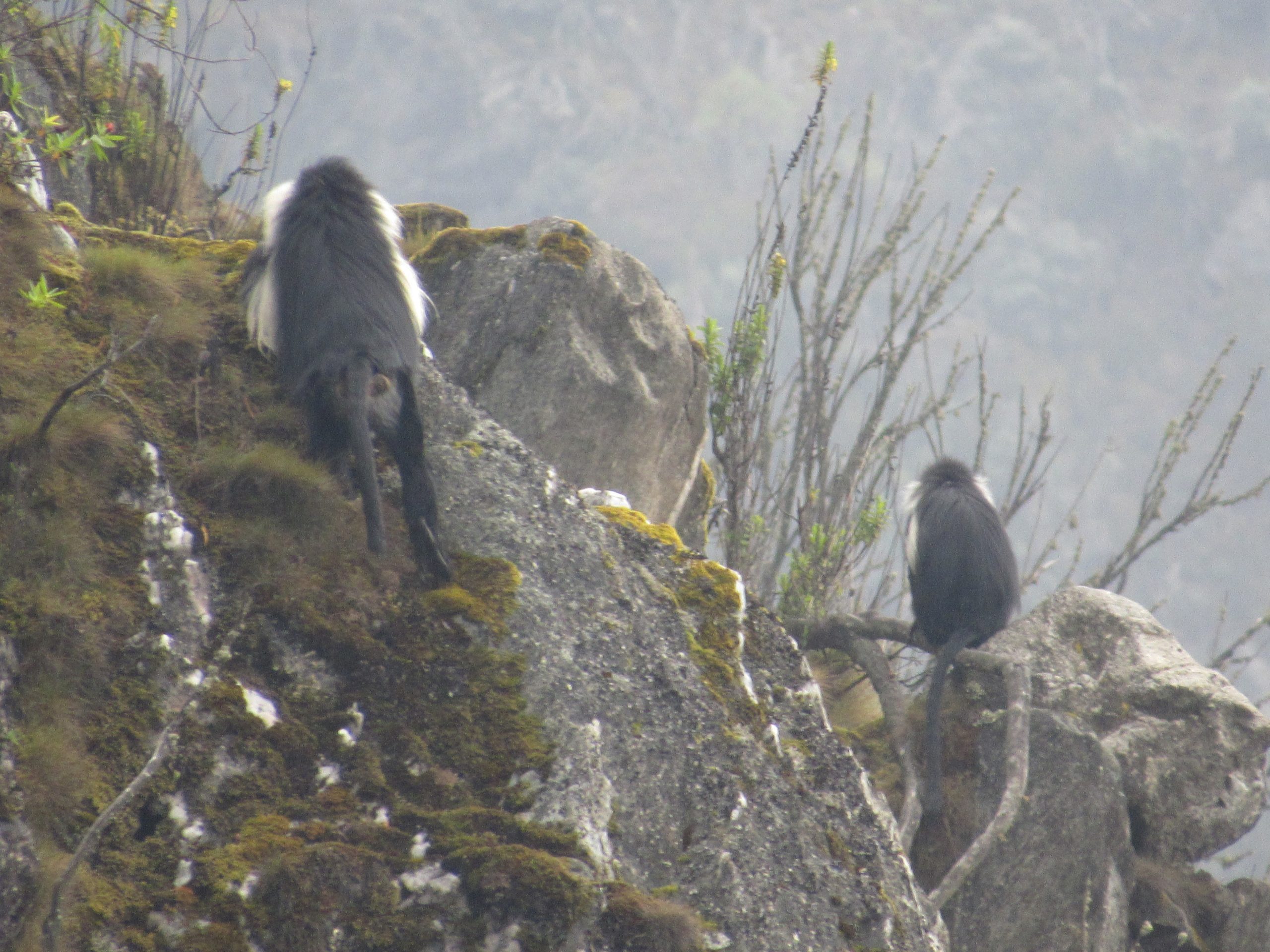
One species commonly found in the forest is the Rwenzori colobus monkey. These monkeys have striking black and white fur and long tails that help them balance while jumping between branches. They usually travel in groups and communicate using soft calls.
Another species occasionally seen by hikers is the Blue monkey. These monkeys are curious and often observe trekkers from the safety of the treetops. Their movements are quick and graceful as they move through the forest canopy.
The rainforest of the Rwenzori Mountains is also home to the shy African forest elephant. These elephants are smaller than savannah elephants and prefer dense forest habitats. They are rarely seen directly because they move quietly and avoid human activity.
However, trekkers sometimes notice signs of their presence along the trail. Large footprints, broken branches, and disturbed vegetation reveal that elephants have recently passed through the area. Knowing that such powerful animals live in the forest adds excitement and mystery to the trekking experience.
 Birdlife along the Trail: A Paradise for Bird Watchers
Birdlife adds color and energy to the Kilembe Trail experience. The forests and valleys of the Rwenzori Mountains provide ideal conditions for many bird species. As hikers move through different altitudes, they often notice changes in the types of birds around them.
One of the most fascinating species in the region is the Rwenzori turaco. This bird stands out because of its bright green feathers and striking red wings. When it flies across the forest, the flash of color creates an unforgettable sight.
Another bird often heard along the trail is the Rwenzori batis, a small species that produces sharp and clear calls from the treetops. These birds prefer forest environments and often stay hidden among leaves.
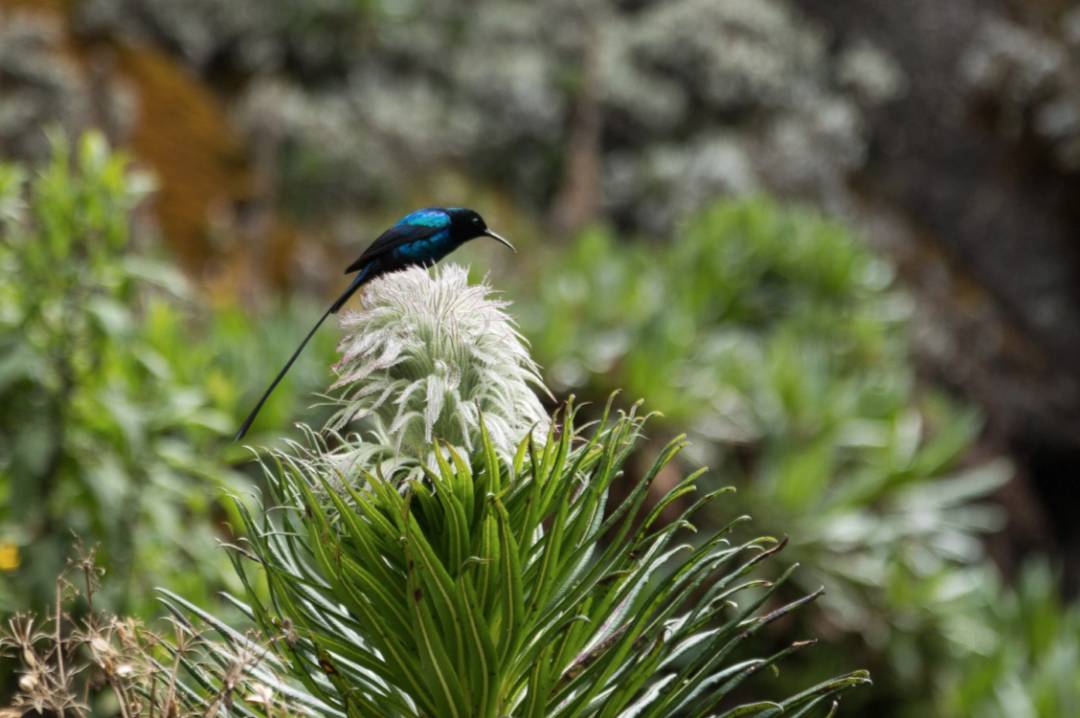
Trekkers also encounter sunbirds feeding on nectar from mountain flowers. Their small bodies and bright colors make them fascinating to watch as they move quickly between plants.
Early morning offers the best opportunity for bird watching. During this time, birds become more active and their songs fill the forest. Many hikers pause during the trek simply to listen to the natural chorus surrounding them.
For bird enthusiasts, the Kilembe Trail provides a rewarding opportunity to observe rare species that exist only in the Rwenzori region.
 Unique Mountain Creatures: Life in the Alpine Zone
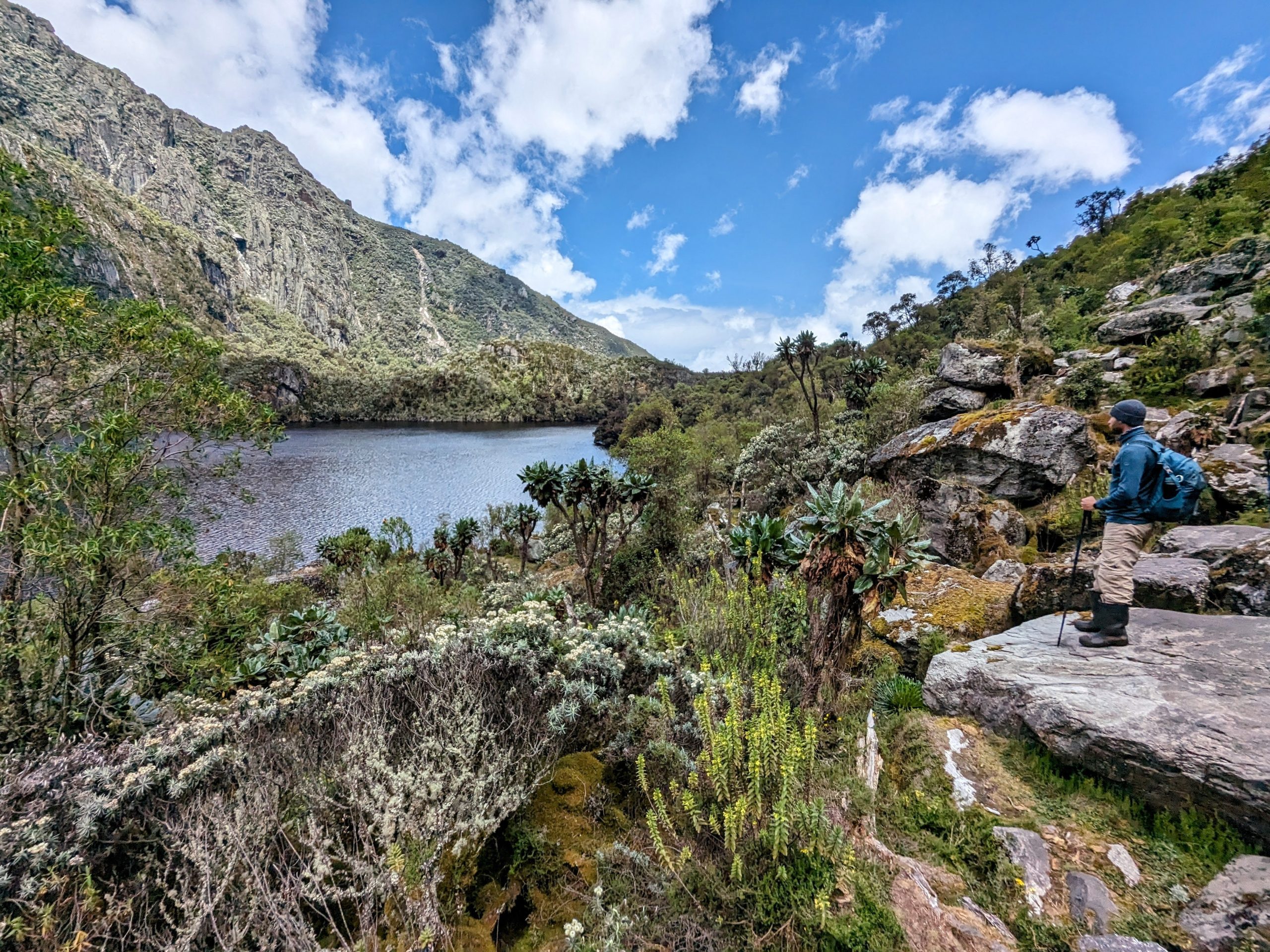
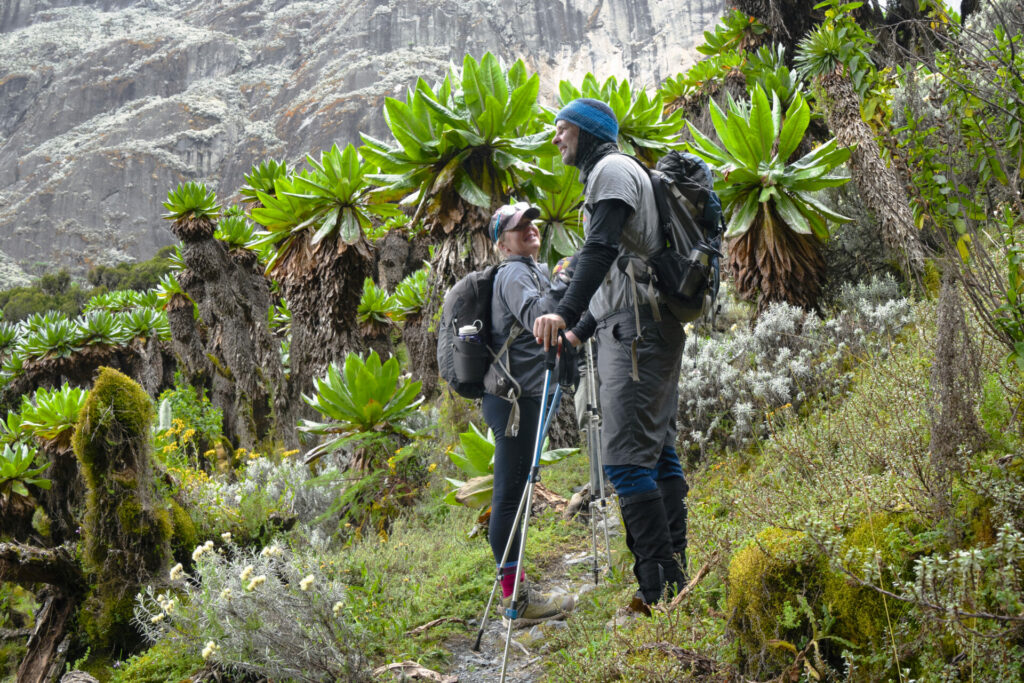
As hikers climb higher along the Kilembe Trail, the environment changes from thick forest to alpine landscapes. The wildlife also changes because only certain animals can survive in the colder mountain conditions.
One interesting animal sometimes seen in these high areas is the Rwenzori duiker, a small antelope that moves quietly through the vegetation. These shy animals prefer hidden areas where they can remain protected from predators.
Trekkers rarely see large groups of animals in the alpine zone because the environment is harsh and food sources are limited. However, patient hikers sometimes notice signs of wildlife such as tracks, footprints, or distant movement across the slopes.
Small rodents also live in the rocky areas of the mountains. These animals hide among stones and appear quickly before disappearing again.
Bird species adapted to high altitudes also live in this zone. They use rocky cliffs and open spaces to search for insects and other food sources.
The presence of wildlife at such high altitudes shows how adaptable these animals can be. Even in cold and windy environments, life continues to thrive in the Rwenzori Mountains.
 Rare Chameleons and Reptiles Hidden in the Forest
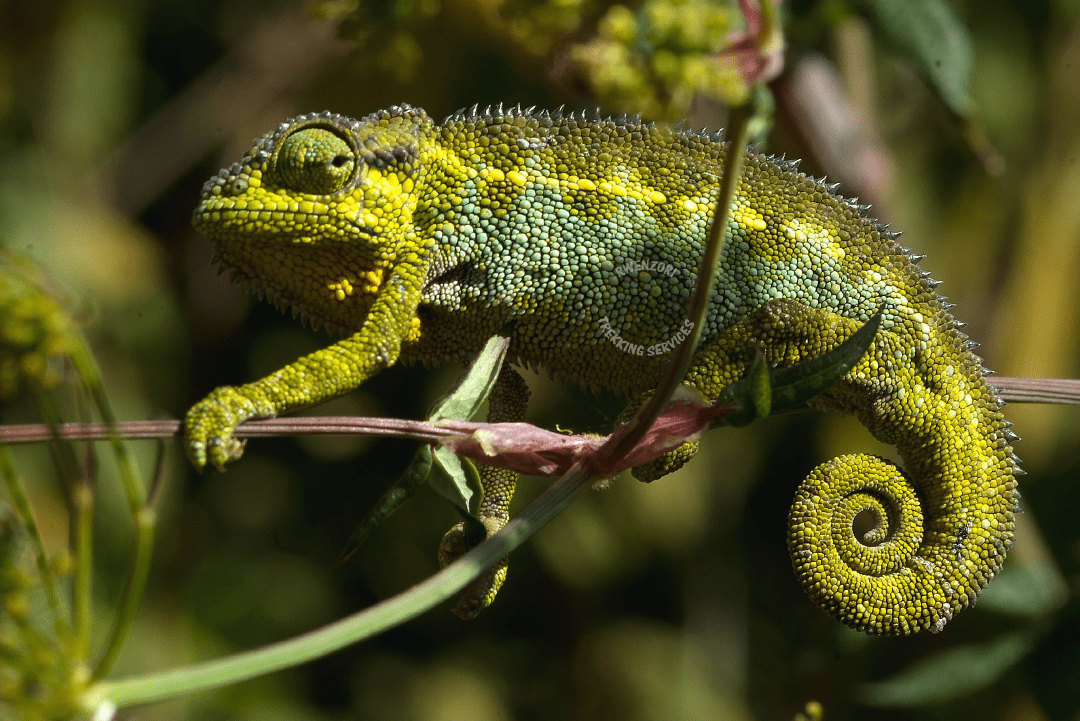
The forests of the Rwenzori Mountains also support a variety of reptiles, including several fascinating chameleon species. These creatures often remain unnoticed because their colors blend perfectly with the leaves and branches around them.
One of the most remarkable reptiles in the region is the Rwenzori three-horned chameleon. This unique reptile is known for the three small horns on its head, which give it a prehistoric appearance. The horns are more visible in males and help distinguish the species from other chameleons.
Trekkers who move slowly and carefully sometimes spot these chameleons resting on branches or leaves. Their bodies change color slightly depending on light and temperature. They can stay hidden from predators because to their inherent camouflage.
Other smaller chameleon species also live along the trail. These reptiles move slowly across branches while searching for insects. Their eyes can move independently, allowing them to scan the environment for food and danger at the same time.
Seeing a chameleon in the wild is often a highlight for trekkers because these reptiles are difficult to find. Guides sometimes help hikers locate them by carefully scanning the vegetation.
These rare reptiles demonstrate the incredible biodiversity that exists within the forests of the Rwenzori Mountains.
 Night Sounds and Hidden Wildlife of the Trail
Wildlife encounters on the Kilembe Trail do not end when the sun goes down. An entirely distinct aspect of the ecology is shown at night in the highlands. As darkness falls, many animals become active and the forest fills with new sounds.
Trekkers resting at camps along the trail often hear insects, frogs, and small mammals moving in the surrounding vegetation. These nighttime sounds create an exciting atmosphere that reminds visitors they are deep in the wilderness.
Guides sometimes point out animal calls that hikers may not recognize. Listening carefully can reveal the presence of creatures that remain hidden in the dark.
Some nocturnal animals prefer to move during cooler temperatures to avoid daytime predators. Because of this behavior, the forest becomes lively at night even though hikers cannot always see the animals.
The nighttime environment also allows trekkers to appreciate the peaceful side of the mountains. The sound of wind moving through trees combines with wildlife calls to create a natural symphony.
Experiencing the sounds of wildlife at night adds another memorable dimension to trekking the Kilembe Trail.
 Conclusion: A Living Wilderness along the Kilembe Trail
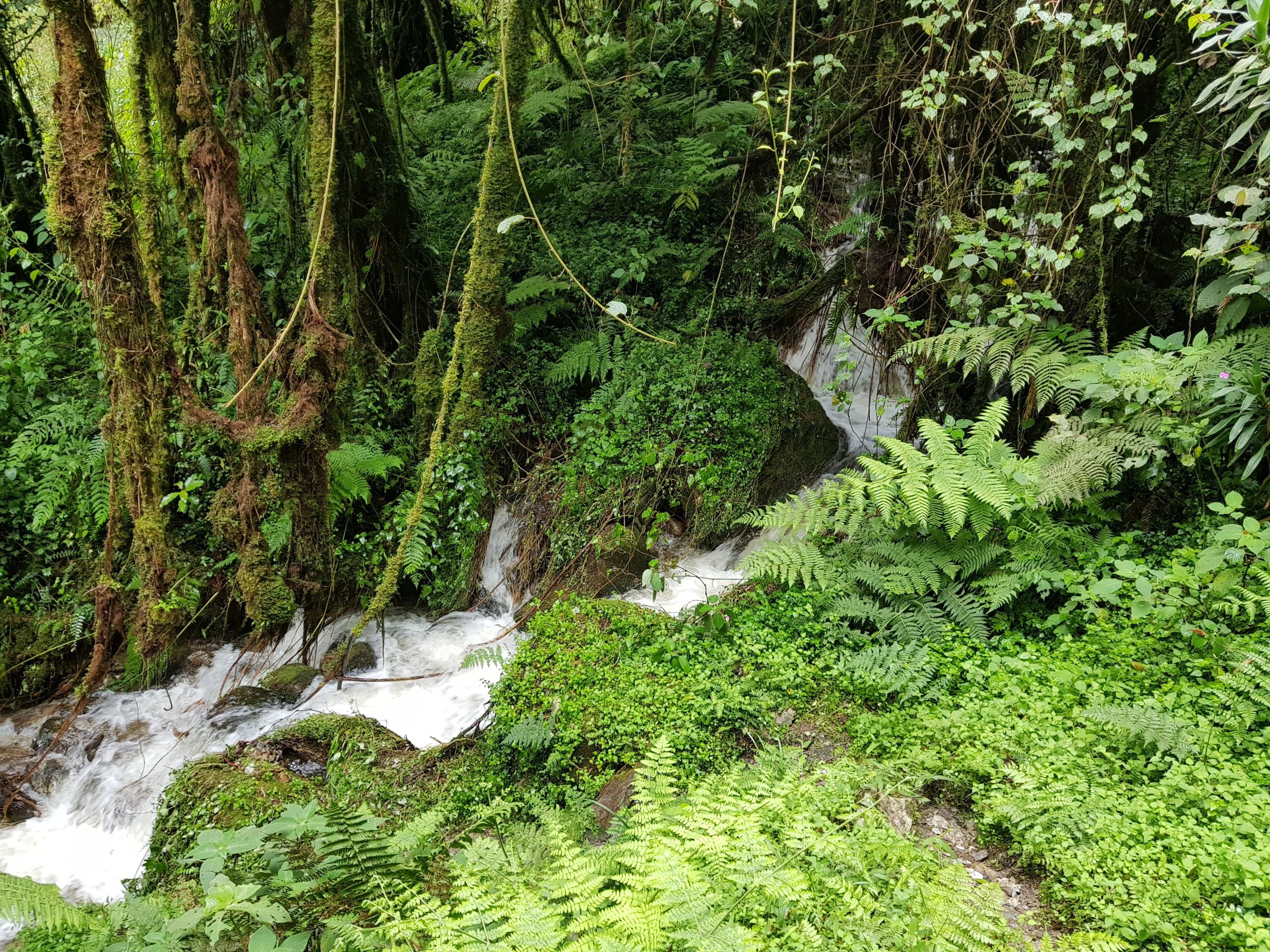
Exploring the Kilembe Trail offers much more than a mountain adventure. The trail also provides a rare opportunity to encounter wildlife within the beautiful environment of Rwenzori Mountains National Park.
From playful forest monkeys to colorful birds and shy mountain animals, the wildlife of the Rwenzori Mountains creates an unforgettable experience for trekkers. Each encounter reminds visitors that these mountains remain a living and thriving ecosystem.
For nature lovers and adventure travelers, the Kilembe Trail offers a perfect combination of wildlife discovery and breathtaking landscapes. The journey reveals not only the beauty of the mountains but also the incredible life that calls them home.