

Things I Wish I Knew Before Hiking Rwenzori Mountains.
The Rwenzori Mountains are often described as the “Mountains of the Moon,” a name that perfectly captures their mystery and raw beauty. Before my first trek, I assumed they would be similar to other African hikes that are challenging but predictable. I couldn’t have been more wrong. Rwenzori is a completely different experience: wilder, wetter, and far more demanding than most people expect.
This is not a mountain you conquer with enthusiasm alone. It requires patience, preparation, and a willingness to adapt to constantly changing conditions. From thick mud, steep slippery trails, and constant moisture to the effects of increasing altitude, every day in the Rwenzori Mountains brings a new kind of challenge. Yet, it is exactly these tough and ever-changing conditions that make the journey so unique, demanding, and unforgettable.
Looking back, there are several lessons I wish I had understood before setting foot on the trail. These insights would have made my experience smoother, safer, and far more enjoyable — and they might just do the same for you
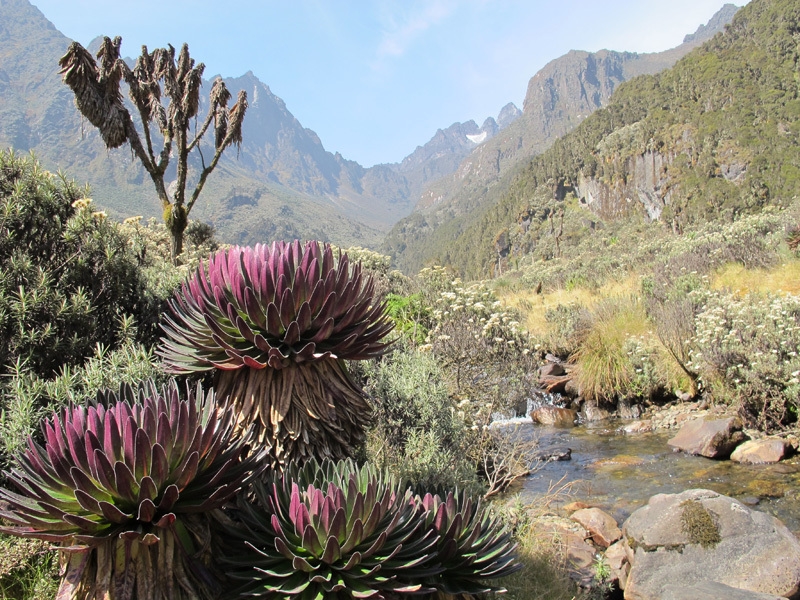
The Rwenzori Mountains are far more than an ordinary trek.
A common misunderstanding about the Rwenzori Mountains is that they are just an extended hiking route. Since the trek does not involve advanced technical climbing on most sections, many people wrongly believe that basic fitness is enough to handle it. In reality, this assumption can be misleading.
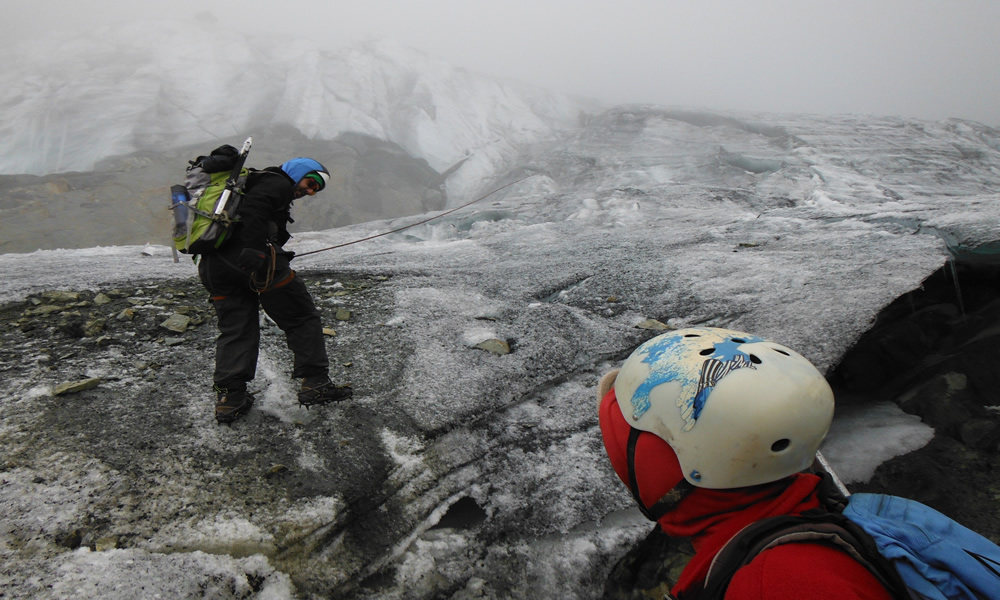
The Rwenzori experience is best described as a high-altitude expedition rather than a simple trek. It combines significant elevation gain with unpredictable weather and extremely challenging terrain. Trekkers must navigate thick mud, slippery stone paths, steep climbs, and, in the higher zones, glacier sections. The difficulty comes not from a single factor, but from the combination of altitude and harsh environmental conditions.
Over time, it becomes clear that physical fitness alone is not the deciding factor. Some very strong hikers struggle or abandon the climb, while slower, steady-paced trekkers complete it successfully. The key differences are pacing, hydration, acclimatization, and mental endurance.
Looking back, it is clear that preparation should focus less on speed and more on patience, stamina, and strategy for the expedition ahead.
-
Altitude Responses Differ from Person to Person
Altitude sickness is commonly misunderstood by people planning to hike in the Rwenzori Mountains National Park. Many assume that being physically fit or having prior trekking experience protects them from it, but that belief is incorrect. In reality, altitude affects everyone differently because it is the body’s natural response to reduced oxygen levels at higher elevations.
As time goes on, clear differences can be observed among trekkers. Some experience symptoms early and then gradually adapt, while others only begin to feel discomfort when they reach higher camps. For some, headaches are the main issue, while others may experience nausea. There are also individuals who feel almost nothing, and others who struggle initially but improve as acclimatization sets in.
The important point is not avoiding symptoms completely, but managing them effectively. This involves maintaining a controlled pace, allowing sufficient time for adjustment, monitoring how the body responds, staying in constant communication with guides, and being willing to descend if conditions worsen.
Understanding this helps reduce unnecessary fear and encourages a more respectful and prepared approach to high-altitude trekking.
-
Speed Alone Won’t Help You Succeed (This Is the Big Idea)
One of the most important lessons learned in the mountains is that moving faster does not improve your chances of success. At first, a shorter itinerary may appear more practical and budget-friendly, but in reality, it often lowers the likelihood of reaching the summit. In a demanding environment like the Rwenzori, time is a crucial factor.
The body requires sufficient time to adapt to reduced oxygen levels at higher elevations. When the ascent is too rapid, it increases the risk of altitude-related illnesses, as the body is not given enough opportunity to adjust.
A longer schedule, typically ranging from seven to eight days, provides several advantages. It allows for gradual elevation gain, more nights spent at altitude for adaptation, and improved recovery periods between trekking days. This slower approach helps conserve energy and builds strength for the final summit attempt.
Ultimately, patience turns into a crucial component of success. Taking a more measured pace not only improves safety but also significantly raises the chances of completing the climb successfully.

Your Success Depends More on Your Guide Than Your Gear
Many hikers tend to concentrate heavily on equipment such as jackets, boots, and sleeping bags. While proper gear is certainly important, the most influential factor in a successful Rwenzori expedition is the expertise of the guide.
A skilled guide provides much more than direction along the trail. They establish a sustainable pace from the beginning, closely observe trekkers for any signs of altitude-related problems, and adjust the itinerary when weather or conditions change. In addition, they help keep morale high and ensure that safety is always prioritized above reaching the summit.
There is a noticeable difference between guides who rush to complete the trek and those who genuinely focus on the health and comfort of their clients. The best professionals encourage gradual adaptation, careful pacing, and decisions that protect both immediate well-being and long-term safety.
Selecting a guide based on experience and reliability rather than price can greatly influence the outcome of the journey. With the right leadership, a difficult climb can become a well-managed, safe, and deeply rewarding adventure.
-
Summit Day Should Be Hard but Well-Managed.
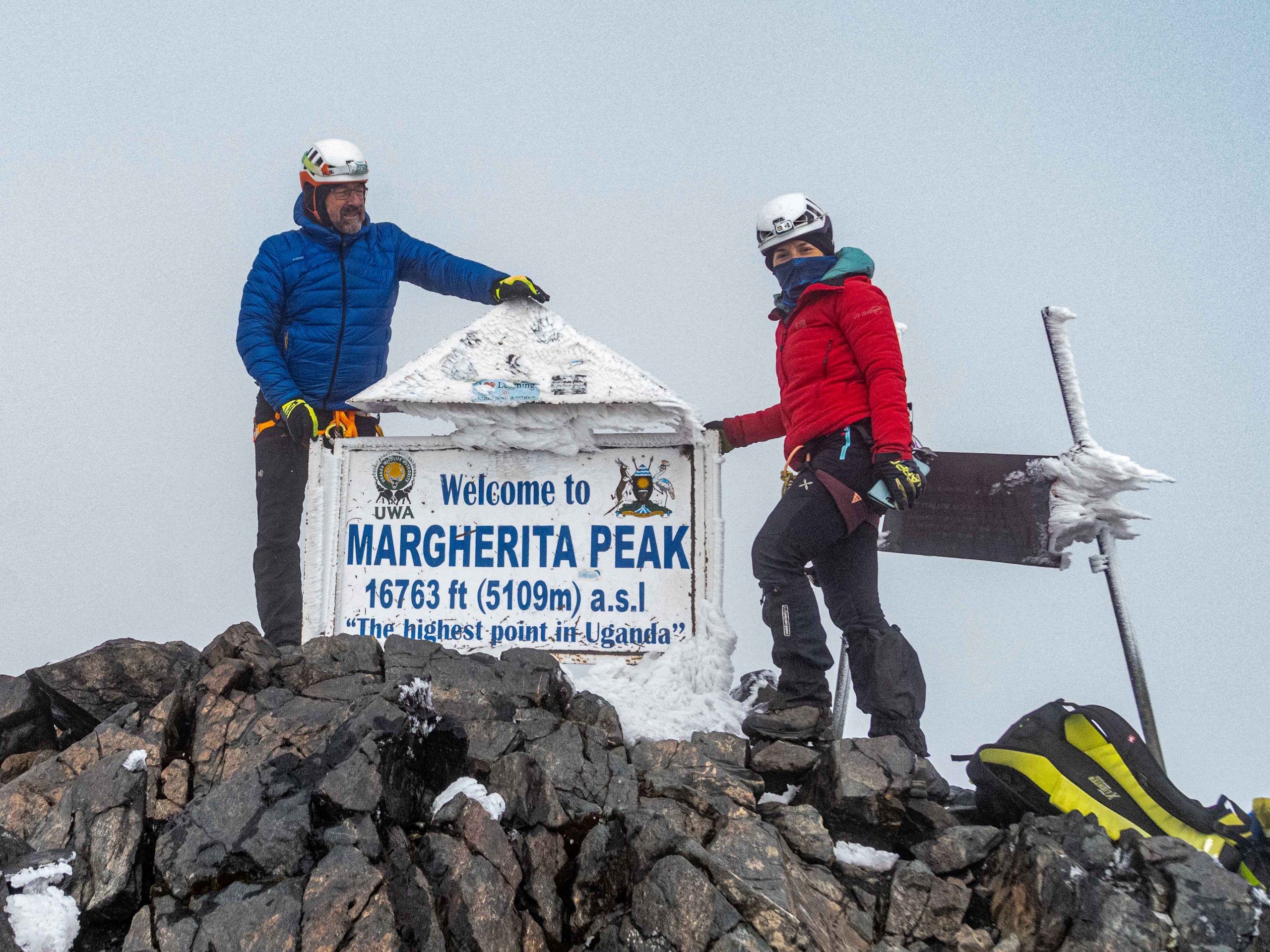
Reaching Margherita Peak is often regarded as the most demanding section of the entire Rwenzori trek. Climbers typically begin very early, around 3:00 a.m., aiming to arrive at the summit by sunrise when visibility is better and weather conditions are usually more stable. Most teams then spend a short time at the top before starting the descent later in the morning.
This stage is naturally long, cold, and mentally exhausting. These conditions cannot be changed, but the quality of preparation and execution has a major impact on how difficult the experience feels.
Common mistakes include starting too quickly, ignoring hydration needs, losing a steady rhythm, beginning the climb at the wrong time, or lacking clear coordination from the group leader. Such issues can drain energy early and lower the likelihood of a successful summit.
On the other hand, a well-managed ascent focuses on controlled pacing, planned rest stops, consistent fluid intake, and calm, effective leadership.
When handled properly, summit day becomes more than a test of endurance—it turns into a powerful and memorable achievement.
-
Success Is Built on the Easy Days.
Many trekkers believe that success is determined during the final ascent to the summit, but in reality, the outcome is largely shaped in the earliest stages of the expedition. The initial days in Rwenzori Mountains National Park are especially important because they establish the foundation for the entire journey.
During this period, small but consistent habits have a major impact. Walking at a slower, controlled pace helps preserve energy for later challenges. Eating regularly, even when appetite is low, keeps the body properly fueled. Drinking enough water, resting adequately, and allowing time for gradual acclimatization all play a crucial role in adaptation to altitude.
Although these actions may appear simple, their effects accumulate over time and strongly influence performance on more demanding sections of the trek. Starting too quickly or pushing too hard early on often results in fatigue that is difficult to recover from later.
Maintaining discipline and steady habits from the beginning builds endurance and resilience, ultimately improving the chances of completing the climb successfully.
Longer Routes Are Not Only Safer, They’re More Scenic
An advantage that many trekkers underestimate when choosing longer itineraries in the Rwenzori Mountains is the chance to fully engage with the environment. Having extra days on the trail shifts the experience from simply completing a climb to truly understanding the mountain.
With a more relaxed schedule, you start to observe subtle but fascinating details—the gradual transition between vegetation zones, rare alpine plant species, dramatic glaciers, and sweeping valleys. Wildlife and birdlife become more noticeable, and you begin to settle into the natural rhythm of trekking each day.
More time also changes the social side of the journey. You build stronger bonds with your guides and fellow trekkers, and you arrive at campsites with enough energy to appreciate your surroundings instead of just recovering from exhaustion.
The Rwenzori is far more than a summit destination. Taking a slower approach allows you to absorb its beauty, diversity, and atmosphere in a way that fast-paced itineraries simply cannot provide.
-
Success Is Not Reaching the Summit, but Returning Home Safely.
As you gain more experience in the mountains, your understanding of success begins to evolve. It is no longer defined solely by standing on top of Margherita Peak, but by the overall outcome of the journey.
Real success means reaching the summit if conditions allow, but also descending safely, protecting your health, and finishing the trek with strength still intact. It includes how you feel afterward—both physically and mentally—and the quality of the memories you carry with you long after the climb is over.
The moment at the summit is brief, often lasting only a short time, while the impact of the entire experience endures far longer. Taking unnecessary risks or pushing beyond safe limits just to reach the top can undermine everything else.
A truly successful trek is one where you listen to your body, make smart decisions, and respect the mountain’s challenges. In the end, it is about completing the journey safely and meaningfully, not just reaching a single point.
Useful Lessons from Years of Rwenzori Trekking
The Rwenzori Mountains are unlike most trekking destinations in Africa. Known for their unpredictable weather, steep terrain, and true high-altitude conditions, they demand far more than basic fitness or standard hiking experience. Over time, several trips across these mountains demonstrate that preparation, perseverance, and astute judgment are just as important to success as physical capability.
What follows are practical lessons drawn from real trekking experience in the Rwenzori. These insights cover everything from cold-weather survival and altitude awareness to summit day strategy, training, nutrition, and the importance of proper acclimatization. They are not theoretical ideas, but real patterns observed on the mountain—what works, what fails, and what truly makes the difference between struggling and succeeding.
Whether you are preparing for your first expedition or refining your approach after previous attempts, these lessons are meant to help you understand the mountain more deeply and approach it with the respect it requires.
Cold and Wet Conditions Are Constant
Cold and wet weather is a constant feature of the Rwenzori Mountains, especially once you reach the mid-altitude camps and above. Night temperatures frequently fall below freezing, and this is often combined with ongoing rainfall, mist, and damp ground conditions. As a result, keeping your body warm and dry becomes one of the daily priorities throughout the trek.
Without proper preparation, the cold can quickly drain energy and affect overall performance. A well-planned layering system is essential to regulate body temperature as conditions change during the day. In addition, a high-quality, insulated sleeping bag is crucial for recovery at night, helping you maintain warmth and rest properly. Managing moisture, staying dry, and protecting yourself from the cold are key factors that directly influence comfort, health, and success on the mountain.

Altitude Symptoms Checklist
When trekking at high elevations in the Rwenzori Mountains, it is important to understand how the body may respond to reduced oxygen levels. Altitude-related symptoms can vary from mild discomfort to serious medical conditions, and early recognition is essential for safety.
In the early stages, common and relatively mild symptoms may include a slight headache, general tiredness, reduced appetite, and difficulty sleeping. These signs are often part of the normal adjustment process as the body begins to acclimatize.
However, more concerning symptoms should never be ignored. These include a headache that does not improve, feelings of nausea or vomiting, dizziness, and problems with balance or coordination. Such indicators suggest that the body is struggling to adapt and may require immediate attention.
In severe cases, conditions such as High Altitude Pulmonary Edema and High Altitude Cerebral Edema can develop. These are life-threatening and demand urgent descent to lower altitude.
No summit objective is more important than health and safety, and recognizing these warning signs early can prevent serious complications.
Warning Signs to Monitor.
While trekking in the Rwenzori Mountains, certain physical changes should be taken seriously as they may signal that the body is under stress. A rapid or unusual rise in heart rate without increased effort can be an early warning sign. Extreme tiredness that feels out of proportion to the activity level is another important indicator. In addition, if the body takes unusually long to recover after short breaks, it may suggest underlying issues such as dehydration, pushing too hard, or inadequate acclimatization to altitude.
Summit Day Conditions and Expectations.
Summit day in the Rwenzori Mountains begins very early, often in the middle of the night or before dawn. Conditions at this time are extremely cold, and wind chill can make the temperatures feel even lower than the actual reading. The ascent is deliberately slow and controlled, with a strong emphasis on steady breathing and maintaining a consistent rhythm rather than speed. Every step requires focus and patience due to the altitude and terrain. Throughout the climb, keeping the body well-hydrated is essential, as it helps manage fatigue and supports overall performance during this demanding final push to the summit.
Preparation and Fitness for the Trek
Proper preparation before starting the Rwenzori trek is essential for building the stamina needed in high-altitude conditions. A well-rounded training routine should focus on consistency and endurance rather than short bursts of speed.
Most effective plans include regular aerobic activities such as running, cycling, or brisk walking about four to five times each week. These exercises help improve cardiovascular fitness and overall stamina. Strength training is also important, particularly for the legs, core, and back, as it prepares the body for carrying a backpack over uneven terrain.
In addition, incorporating long hikes with elevation gain is highly beneficial. This helps simulate real trekking conditions and allows the body to adapt to sustained effort over time. Ultimately, endurance is far more important than speed, as the trek requires steady energy management over several days in challenging mountain environments.
Nutrition and Hydration on the Climb.
Maintaining proper nutrition and hydration is essential when trekking in high-altitude environments like the Rwenzori Mountains. One common challenge is a reduced appetite, which often occurs as the body adjusts to lower oxygen levels. Despite this, it is important to continue eating regularly to keep energy levels stable throughout the trek.
Meals should prioritize easily digestible carbohydrates, as they provide a reliable source of fuel for long days of walking. Consistent food intake helps the body cope with physical exertion and supports acclimatization.
Hydration is equally important. At altitude, the body loses fluids more quickly, even in cold conditions, so drinking water regularly is necessary. A daily intake of around 3 to 4 liters is generally recommended to prevent dehydration, reduce fatigue, and support overall performance on the mountain.
Use of Diamox and Medical Considerations at High Altitude
When trekking in the Rwenzori Mountains, the primary way to handle altitude challenges is through good hydration, a controlled pace, and adequate rest. These basic measures remain the foundation of safe acclimatization. In some cases, medications like ibuprofen may be used to relieve minor headaches, reduce inflammation, and improve overall comfort, especially when sleeping at higher elevations.
Acetazolamide, commonly known as Diamox, is sometimes taken to assist the acclimatization process. It works by stimulating breathing, which helps the body absorb more oxygen in low-oxygen environments. However, it should never be viewed as a replacement for proper physical preparation, gradual ascent, or sensible trekking schedules.
If used, it is typically started roughly a day before reaching higher altitudes, often in a low dose such as 125 mg twice daily. Medical advice should always be sought before taking it, as side effects can include tingling in the extremities, altered taste, and increased urination.
Most importantly, Diamox should not be used to mask worsening symptoms. If conditions deteriorate, the safest action is always to descend rather than continue upward.
Mental Approach and Climbing Strategy
Mental preparation plays a major role in successfully completing a trek in the Rwenzori Mountains. One of the most effective approaches is to break the journey into smaller, manageable sections instead of focusing only on the final destination. This makes the climb feel less overwhelming and helps maintain motivation throughout each stage.
Controlled breathing is also essential, as it helps regulate energy, reduce stress, and maintain a steady rhythm while walking. Consistency in pace is more valuable than bursts of fast effort, which can quickly lead to exhaustion at high altitude.
Above all, patience is the key to success. The mountain rewards those who move steadily and calmly, rather than those who push too hard too quickly. By staying focused on small goals and maintaining a balanced mindset, trekkers can conserve energy and improve their chances of reaching the summit safely and successfully.
The Importance of a Safe Descent
Many trekkers underestimate the descent, yet it is just as demanding as the climb itself. In the Rwenzori Mountains, going downhill can place considerable stress on the body, particularly the knees, legs, and ankles. Fatigue from the summit push can also make this stage more challenging and increase the risk of slips or injury.
To manage this safely, careful movement and controlled pacing are essential. Rushing downhill often leads to loss of balance and unnecessary strain. Using trekking poles can greatly improve stability by reducing pressure on the joints and providing better support on uneven terrain.
Maintaining focus throughout the descent is equally important, even when the hardest part of the journey feels complete. A steady, mindful approach helps prevent accidents and ensures a safer return from the mountains.
 Essential Gear for the Trek
Having the correct equipment is a key part of a successful Rwenzori expedition. Because conditions can change quickly and often become very cold and wet, careful gear selection makes a major difference in comfort and safety throughout the journey.
A well-designed layering system is essential, allowing you to adjust your clothing as temperatures rise and fall during the day. Waterproof outer layers are equally important to protect against constant rain, mist, and muddy conditions on the trail. Warm gloves help prevent heat loss in freezing temperatures, especially at higher camps and during early morning starts.
A high-quality sleeping bag rated for cold conditions is also crucial for proper rest and recovery each night. Inadequate or poorly chosen gear can quickly lead to discomfort, fatigue, and reduced performance, making the entire trekking experience much more difficult than necessary.
Final Reflections
If there is one important lesson to take before attempting a trek in Rwenzori Mountains National Park, it is the importance of moving slowly, allowing enough time, and having confidence in the journey itself. Rushing through the experience only increases difficulty and reduces your chances of success.
The Rwenzori Mountains are not to be underestimated. They require respect, preparation, and a patient mindset. Throughout the trek, you are challenged both physically and mentally, from steep ascents and cold conditions to the effects of high altitude. However, these challenges are also what make the experience so meaningful.
In return for your effort and perseverance, the mountains offer breathtaking scenery, a deep sense of achievement, and one of the most memorable adventures on the African continent.