

Acclimatization on the Central Circuit: The Smart Way to Reach Margherita Peak Safely
Acclimatization on the Central Circuit is one of the biggest reasons why many trekkers successfully reach Margherita Peak, the highest point of the Rwenzori Mountains. While physical fitness, good equipment, and experienced guides all play important roles, the body’s ability to adjust to increasing altitude often determines whether the journey ends on the summit or below it. The Central Circuit has earned a strong reputation because its carefully planned route allows hikers to gain altitude gradually, giving the body valuable time to adapt before the final push toward 5,109 meters.
Unlike mountain routes that climb too quickly, the Central Circuit follows a natural progression through forests, bamboo zones, alpine meadows, bogs, valleys, and glaciers. Each day introduces a moderate increase in elevation before reaching the next mountain hut. This steady approach helps reduce the risk of altitude sickness while allowing trekkers to enjoy the changing landscapes. For many visitors, the days spent adjusting to altitude become just as memorable as reaching the summit itself.
Understanding how acclimatization works before beginning the trek can greatly improve both safety and enjoyment. Knowing what to expect, recognizing the early signs of altitude sickness, and following simple habits during the hike all increase the chances of a successful expedition. Every step taken on the Central Circuit prepares the body for the challenges that lie ahead.
 Why Acclimatization Matters in the Rwenzori Mountains
The Rwenzori Mountains are very different from many hiking destinations around the world. Although they are located near the equator, their highest peaks rise into permanent snow and glaciers. As trekkers climb higher, the amount of oxygen available in the air decreases even though the percentage of oxygen remains the same. This lower air pressure makes every breath less effective, forcing the body to work harder.
The human body needs time to respond to these changes. During acclimatization, breathing becomes deeper, heart rate increases slightly, and the body slowly produces more red blood cells to improve oxygen delivery. These natural adjustments cannot happen immediately. They require patience and gradual exposure to higher elevations.
Imagine driving from sea level straight to a mountain over 4,000 meters high. Many people would quickly develop headaches, nausea, or dizziness because their bodies had no time to adapt. The Central Circuit avoids this problem by spreading altitude gain over several days. Instead of rushing upward, trekkers sleep at increasing elevations while continuing to move during the day. This balance between climbing and resting gives the body the best opportunity to adjust naturally.
Many experienced mountain guides often remind hikers that the mountain is never in a hurry. Moving steadily rather than quickly usually produces better results.
How the Central Circuit Supports Natural Altitude Adjustment
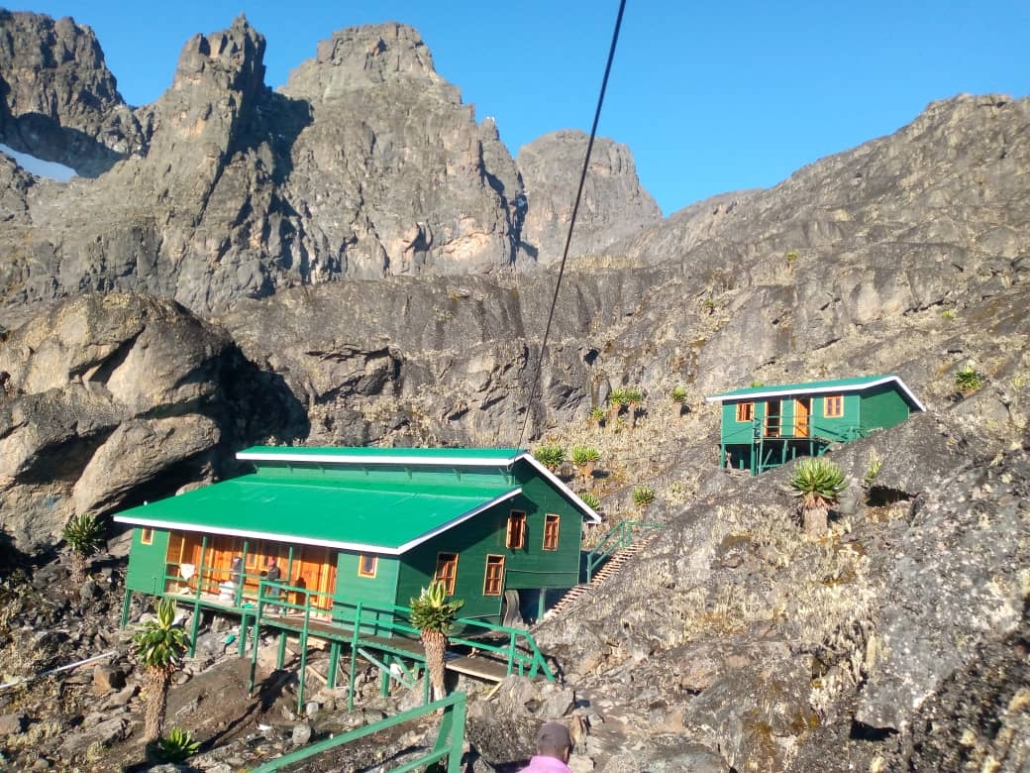
One of the greatest strengths of the Central Circuit is its gradual design. The trail begins in the lower mountain forests before steadily climbing through several ecological zones. Each overnight stop places trekkers slightly higher than the previous one, creating an effective acclimatization schedule without requiring additional rest days for most hikers.
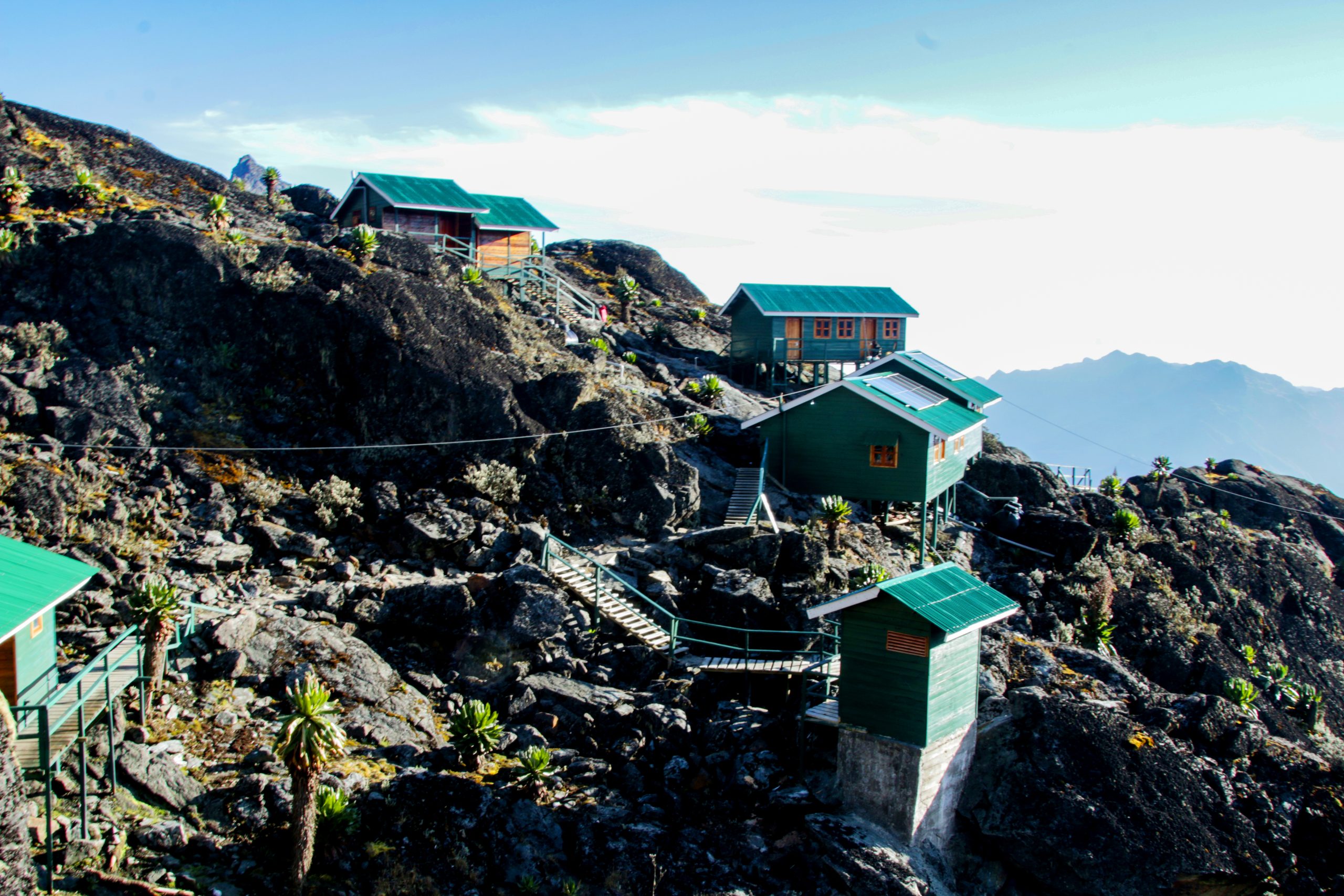
The first days are spent walking through dense tropical forest where oxygen levels remain relatively comfortable. As the trail reaches bamboo forests, giant heather, and the famous Bigo Bog, hikers begin noticing thinner air during uphill sections. By the time they reach higher camps such as Bugata, Hunwick’s, and Bujuku, the body has already experienced several days of gradual adjustment.
This slow progression is one reason why many climbers find the Central Circuit more forgiving than routes that gain altitude rapidly. Every overnight stay serves a purpose beyond providing shelter. Each camp becomes another step in preparing the body for summit day.
The terrain also naturally encourages a steady walking pace. Rocky paths, wetlands, boardwalks, and steep sections prevent hikers from moving too quickly. Although this may seem challenging at first, the slower pace actually benefits acclimatization by reducing physical stress while allowing breathing to remain controlled.
 Recognizing the Early Signs of Altitude Sickness
Even with good planning, some trekkers may experience mild symptoms as they climb higher. Recognizing these warning signs early helps prevent more serious problems later.
The most common symptom is a headache that develops after reaching a higher elevation. Mild headaches often improve with hydration, rest, and proper nutrition. Other early symptoms include loss of appetite, unusual tiredness, light dizziness, or difficulty sleeping during the first nights at higher camps.
For example, two hikers may arrive at the same hut after walking together all day. One feels energetic and hungry, while the other develops a mild headache and has little interest in dinner. This difference is completely normal because every person’s body adjusts at a different speed.
Ignoring symptoms is never a good decision. If headaches become severe or are accompanied by repeated vomiting, confusion, poor balance, or difficulty breathing while resting, immediate attention from the guides becomes essential. Descending to a lower altitude is often the safest treatment when symptoms become serious.
Professional mountain guides on the Central Circuit closely observe trekkers throughout the journey. Regular conversations during the hike help them notice changes before problems become dangerous.
Daily Habits That Improve Acclimatization
Successful acclimatization depends on many small decisions made throughout the trek. Good daily habits often have a greater impact than expensive equipment.
Drinking enough water is one of the simplest ways to help the body adjust. High-altitude air is usually dry, causing faster fluid loss through breathing. Even when hikers do not feel thirsty, regular hydration remains important.
Eating balanced meals also supports acclimatization. Some trekkers lose their appetite as they climb higher, but the body still needs energy to adapt. Warm soups, rice, potatoes, vegetables, and carbohydrates provide fuel without making digestion difficult.
Walking at a comfortable pace is another key habit. Racing ahead of the group often leads to unnecessary exhaustion. Experienced guides frequently encourage hikers to maintain a slow, steady rhythm that matches comfortable breathing.
Quality sleep also plays an important role. Although sleeping at altitude may feel different during the first nights, resting as much as possible allows the body to recover from each day’s effort.
Simple breathing techniques can also help. Taking slow, deep breaths during steep climbs increases oxygen intake while reducing unnecessary fatigue. Many successful climbers naturally develop this rhythm without even realizing it.
 Common Mistakes That Slow Acclimatization
Some trekkers unknowingly make choices that interfere with the body’s natural adjustment process. Understanding these mistakes before arriving in the mountains can improve the overall experience.
The first mistake is trying to walk too fast. Many hikers begin the trek full of energy and attempt to maintain a rapid pace. While this may feel easy in the lower forests, it often leads to exhaustion as elevation increases.
Another common mistake is drinking too little water. Cold mountain temperatures sometimes reduce the feeling of thirst, yet dehydration develops quickly at higher elevations.
Skipping meals is another challenge. Some hikers lose their appetite because of altitude or fatigue. Missing meals, however, reduces energy levels and makes recovery more difficult.
Poor preparation before the trek can also affect acclimatization. Spending weeks without exercise does not automatically prevent success, but better physical conditioning allows the body to use oxygen more efficiently during long hiking days.
Finally, ignoring early symptoms is perhaps the biggest mistake. Many experienced climbers have turned back simply because they waited too long before reporting how they felt. Honest communication with guides is always the safest approach.
 Real Examples of Successful Acclimatization
Mountain guides on the Central Circuit have seen many examples showing how acclimatization affects summit success.
A young marathon runner once arrived with excellent fitness and expected the climb to be easy. During the first days, he walked well ahead of the group and reached every camp first. By the fourth day, he developed a strong headache because he had pushed too hard and had not been drinking enough water. After slowing down, increasing his fluid intake, and following the guides’ advice, he recovered and later reached Margherita Peak safely.
In another group, a retired teacher in her sixties maintained the slowest walking pace from the first day. She stopped regularly to drink water, ate every meal, and rested whenever possible. Although she was not the fastest hiker, she experienced very few altitude problems and successfully completed the expedition.
These examples show that summit success depends more on smart decisions than on speed. The mountain rewards patience far more than competition.
Preparing Before You Begin the Central Circuit
Good acclimatization starts long before reaching the Rwenzori Mountains. Physical preparation, proper packing, and realistic expectations all contribute to a safer climb.
Regular walking, stair climbing, jogging, or cycling several weeks before the trek helps improve cardiovascular fitness. Strong legs make the daily climbs easier, while improved endurance reduces overall fatigue.
Packing suitable clothing also supports acclimatization. Staying warm allows the body to conserve energy instead of using extra effort to maintain body temperature. Layered clothing works better than relying on one heavy jacket because temperatures change throughout the day.
Mental preparation is equally valuable. The Central Circuit is not a race. Weather conditions, muddy trails, river crossings, and steep climbs all require flexibility and patience. Accepting a steady pace from the beginning helps hikers enjoy the journey instead of worrying about speed.
Listening carefully during the pre-trek briefing also provides valuable information about hydration, nutrition, safety procedures, and altitude awareness. These simple instructions often make a significant difference later in the expedition.
Reaching the Summit Through Patience and Preparation
Acclimatization on the Central Circuit is much more than a medical process. It is the foundation of a safe, enjoyable, and successful mountain expedition. Every gradual climb, overnight stay, careful meal, and steady step allows the body to prepare for the demanding conditions found near Margherita Peak.
The beauty of the Central Circuit lies not only in its glaciers, giant lobelias, alpine valleys, and dramatic scenery but also in the way the route naturally supports climbers as they adapt to increasing altitude. Rather than forcing the mountain, trekkers learn to move with it. That rhythm becomes one of the greatest strengths of the journey.
Although no trek can completely eliminate the possibility of altitude sickness, following experienced guides, maintaining healthy daily habits, and respecting the body’s limits greatly improve the chances of success. Every climber adapts differently, yet almost everyone benefits from the gradual design of the route.
For anyone planning a Rwenzori expedition, understanding Acclimatization on the Central Circuit is one of the smartest preparations that can be made. Those who respect the process often discover that reaching Margherita Peak is not simply about climbing higher. It is about allowing the body and mind to grow stronger with every step toward the roof of the Rwenzori Mountains.
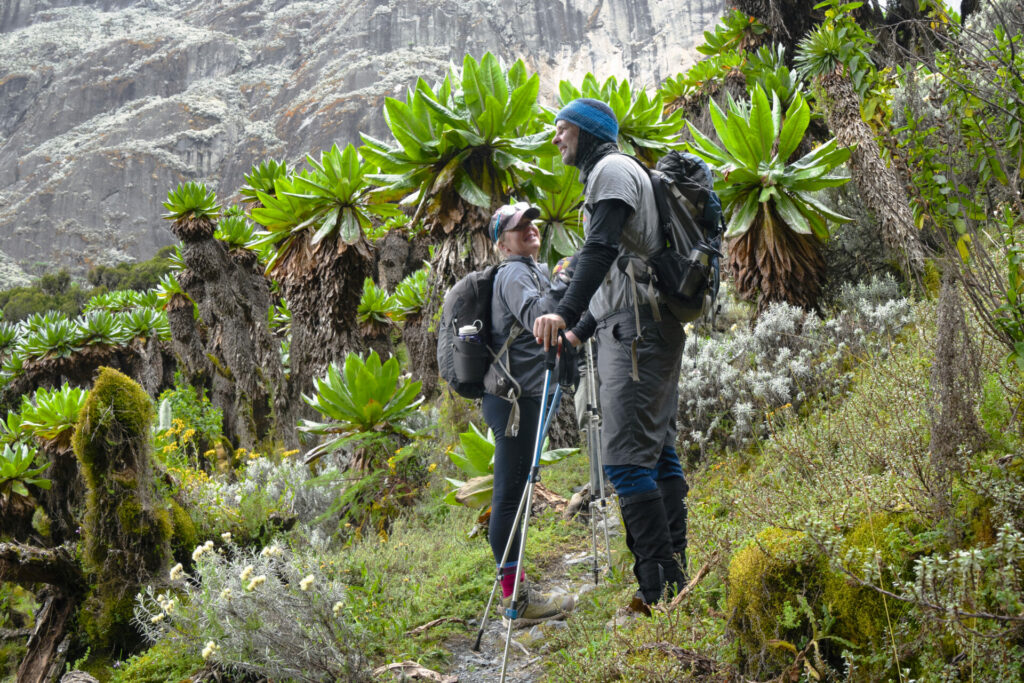 Nutrition and Hydration: The Fuel Behind Good Acclimatization
Many trekkers focus on hiking gear and physical fitness but overlook the importance of eating and drinking well during the expedition. At higher elevations, the body works much harder than it does at lower altitudes. Every breath, every climb, and even staying warm requires extra energy. Without enough food and water, acclimatization becomes more difficult.
Mountain meals along the Central Circuit are designed to provide energy without making digestion difficult. Foods such as rice, potatoes, pasta, vegetables, eggs, beans, and soup supply the carbohydrates needed for long hiking days. Warm meals also help maintain body temperature, especially during cold evenings at higher camps.
Hydration is equally important. The cool mountain climate often hides the fact that the body is losing water continuously through breathing and sweating. A trekker may not feel thirsty, yet dehydration can develop quickly. Drinking small amounts throughout the day is far better than waiting until thirst becomes noticeable.
Consider two hikers crossing Bigo Bog on the same afternoon. One drinks water regularly at every short break, while the other decides to wait until reaching camp. By evening, the second hiker is more likely to experience fatigue and headaches caused by dehydration. Such small differences in daily habits can influence how well the body adjusts to altitude.
Many experienced guides encourage trekkers to carry enough water for the day’s walk and refill bottles whenever safe drinking water is available. Simple habits like these make a significant contribution to successful acclimatization.
The Role of Mountain Guides in Safe Acclimatization
A successful climb is rarely achieved alone. Professional mountain guides play a vital role in helping trekkers adjust safely to increasing altitude throughout the Central Circuit.
Guides monitor much more than the hiking pace. They observe breathing patterns, energy levels, appetite, coordination, and overall behaviour. Sometimes a guide notices small changes before the trekker realizes anything is wrong. A person who suddenly becomes unusually quiet, walks unsteadily, or struggles to keep up with the group may be showing early signs of altitude-related illness.
Communication between trekkers and guides is essential. Some hikers hesitate to mention headaches because they worry about delaying the group. In reality, early reporting allows guides to manage symptoms before they become serious. A short rest, additional fluids, or a slower pace may be all that is needed.
Guides also help maintain a walking rhythm that supports acclimatization. Instead of rushing through steep sections, they encourage a steady pace with regular breathing. This method conserves energy and allows the body to adjust naturally as altitude increases.
Years of experience have taught local guides that every mountain is different and every trekker is unique. Their advice comes not only from training but also from guiding hundreds of successful expeditions across the Rwenzori Mountains.
Weather Changes and Their Effect on Acclimatization
The weather in the Rwenzori Mountains can change rapidly, sometimes within a single hour. Bright sunshine may suddenly give way to mist, rain, or cold winds. These changing conditions influence not only the hiking experience but also the body’s ability to adapt to altitude.
Cold temperatures force the body to use more energy to stay warm. If trekkers become wet and remain in damp clothing for long periods, they may feel exhausted much sooner than expected. This additional physical stress can make acclimatization more challenging.
Heavy rain can also slow the group’s progress. Muddy trails require greater effort with every step, increasing fatigue even though the distance covered remains the same. Fortunately, the Central Circuit includes improved wooden boardwalks across sensitive wetlands such as Bigo Bog, helping hikers cross difficult sections more safely while reducing damage to the fragile ecosystem.
Visibility may also change quickly as clouds move across the mountains. During clear mornings, hikers can enjoy spectacular views of surrounding peaks and valleys. A few hours later, thick mist may limit visibility to only a few metres. Remaining patient during these changing conditions helps maintain a safe pace while conserving valuable energy.
The best approach is to expect changing weather every day and pack suitable waterproof clothing, warm layers, gloves, and dry spare clothing. Good preparation reduces unnecessary stress on the body and supports successful acclimatization.
Why Every Trekker Adjusts Differently
One of the most interesting facts about high-altitude trekking is that no two people respond in exactly the same way. Age, fitness level, gender, and previous hiking experience do not always determine how well someone acclimatizes.
A first-time mountain climber may adapt surprisingly well, while an experienced athlete may develop mild altitude sickness. Scientists continue to study these differences, but individual body responses remain difficult to predict.
For example, a young football player may expect to perform easily because of excellent physical fitness. However, altitude affects oxygen availability rather than muscle strength alone. Meanwhile, an older trekker who walks steadily, stays hydrated, and follows the guide’s instructions may reach higher elevations with very few problems.
Previous experience at altitude can sometimes help because the individual understands what to expect and knows how their body usually responds. Even so, every expedition is different. Weather, health, hydration, and fatigue all influence acclimatization.
This is why experienced mountain guides never assume someone will perform well simply because they appear physically strong. Every trekker is monitored carefully from the first day until the expedition is complete.
Acclimatization Makes the Journey More Enjoyable
Many people think acclimatization is only about preventing illness, but it also makes the entire trekking experience far more enjoyable. A body that has adjusted well to altitude has more energy to appreciate the remarkable scenery of the Rwenzori Mountains.
Instead of struggling for breath on every uphill section, acclimatized trekkers can pause to admire giant groundsels rising above the valleys, listen to birds in the forest, and photograph glaciers reflecting the morning sunlight. They become more aware of the unique beauty surrounding them because their bodies are coping better with the environment.
The Central Circuit rewards patience. Every day’s gradual climb reveals a different landscape, from tropical rainforest to bamboo forests, giant heather, alpine vegetation, rocky valleys, and finally the snow-covered slopes near Margherita Peak. Acclimatization allows hikers to experience these changing environments with greater comfort and confidence.
For many climbers, reaching the summit becomes only one part of a much larger adventure. The friendships formed, the wildlife encountered, the breathtaking scenery, and the personal achievement of adapting to one of Africa’s highest mountain ranges often become the memories that last a lifetime.
By respecting the acclimatization process from the very first day, trekkers give themselves the greatest opportunity not only to stand on Margherita Peak but also to truly enjoy every step of the remarkable Central Circuit journey.
Essential Packing Tips That Support Acclimatization
Packing wisely can make a noticeable difference in how comfortably the body adapts to altitude. While no piece of equipment can prevent altitude sickness, having the right clothing and personal items reduces unnecessary physical stress and allows trekkers to focus on the climb.
Layered clothing is one of the best choices for the Central Circuit. Temperatures can change dramatically between the warm lower forests and the freezing conditions near the glaciers. Instead of wearing one heavy jacket all day, hikers can easily add or remove layers as conditions change. This helps the body maintain a comfortable temperature without wasting extra energy.
Good hiking boots are equally important. Wet feet, blisters, and poor ankle support increase fatigue over several days of trekking. Comfortable waterproof boots with good grip allow hikers to walk confidently across muddy trails, rocky paths, and wooden boardwalks.
Other useful items include a warm sleeping bag, gloves, waterproof trousers, a rain jacket, sunglasses, sunscreen, a reusable water bottle, and a headlamp. Trekking poles also reduce pressure on the knees during steep descents while improving balance across uneven ground.
Many experienced trekkers also carry small snacks such as energy bars, nuts, dried fruit, or chocolate. These provide quick energy between meals and help maintain strength during long hiking days.
Packing only what is necessary is equally important. A lighter backpack requires less effort to carry, allowing the body to conserve valuable energy for acclimatization.
Myths and Facts About Acclimatization
There are many misconceptions about altitude adjustment, and believing them can create unnecessary risks during a mountain expedition. Understanding the facts helps trekkers make better decisions throughout the journey.
One common myth is that only unfit people experience altitude sickness. In reality, excellent athletes can develop symptoms just as easily as beginners. Physical fitness improves endurance but does not make someone immune to reduced oxygen levels.
Another myth is that drinking coffee completely dehydrates the body at altitude. While excessive caffeine may not be ideal, moderate amounts are generally not the main cause of dehydration. The greater concern is failing to drink enough water throughout the day.
Some people also believe that climbing as fast as possible allows the body to adjust more quickly. The opposite is true. Rapid altitude gain gives the body less time to adapt and increases the likelihood of developing altitude sickness.
Another misconception is that taking medication removes the need for proper acclimatization. Some medicines may help reduce the risk of altitude sickness when prescribed by a healthcare professional, but they should never replace gradual ascent, hydration, and careful monitoring.
Finally, many first-time climbers assume that reaching one high-altitude destination means they will always acclimatize easily in the future. Every expedition is different. Weather, health, sleep quality, and daily physical effort all influence how the body responds.
When Turning Back Is the Right Decision
Every mountaineer dreams of standing on Margherita Peak, but the mountain will always remain there for another attempt. Knowing when to stop is one of the most important parts of responsible trekking.
Sometimes, despite careful acclimatization, a trekker develops symptoms that continue to worsen. Severe headaches, persistent vomiting, confusion, difficulty walking, or shortness of breath while resting may indicate serious altitude illness. Continuing to climb under these conditions places both the individual and the entire group at risk.
Descending is not a sign of failure. It is often the safest and smartest decision that can be made. Many successful climbers have turned back on one expedition only to return later and reach the summit under better conditions.
Mountain guides make these decisions with safety as the highest priority. Their responsibility extends beyond helping trekkers reach the summit. Their first duty is ensuring everyone returns safely from the mountain.
A trekker who listens to medical advice and descends early usually recovers much faster than someone who ignores warning signs. The mountains reward wisdom just as much as determination.
 Why the Central Circuit Is Ideal for High-Altitude Trekking
Among Africa’s major mountain routes, the Central Circuit has become one of the most respected for its balance of adventure, scenery, and safety. Its gradual ascent profile makes it particularly suitable for trekkers aiming to climb Margherita Peak while giving their bodies the best opportunity to acclimatize.
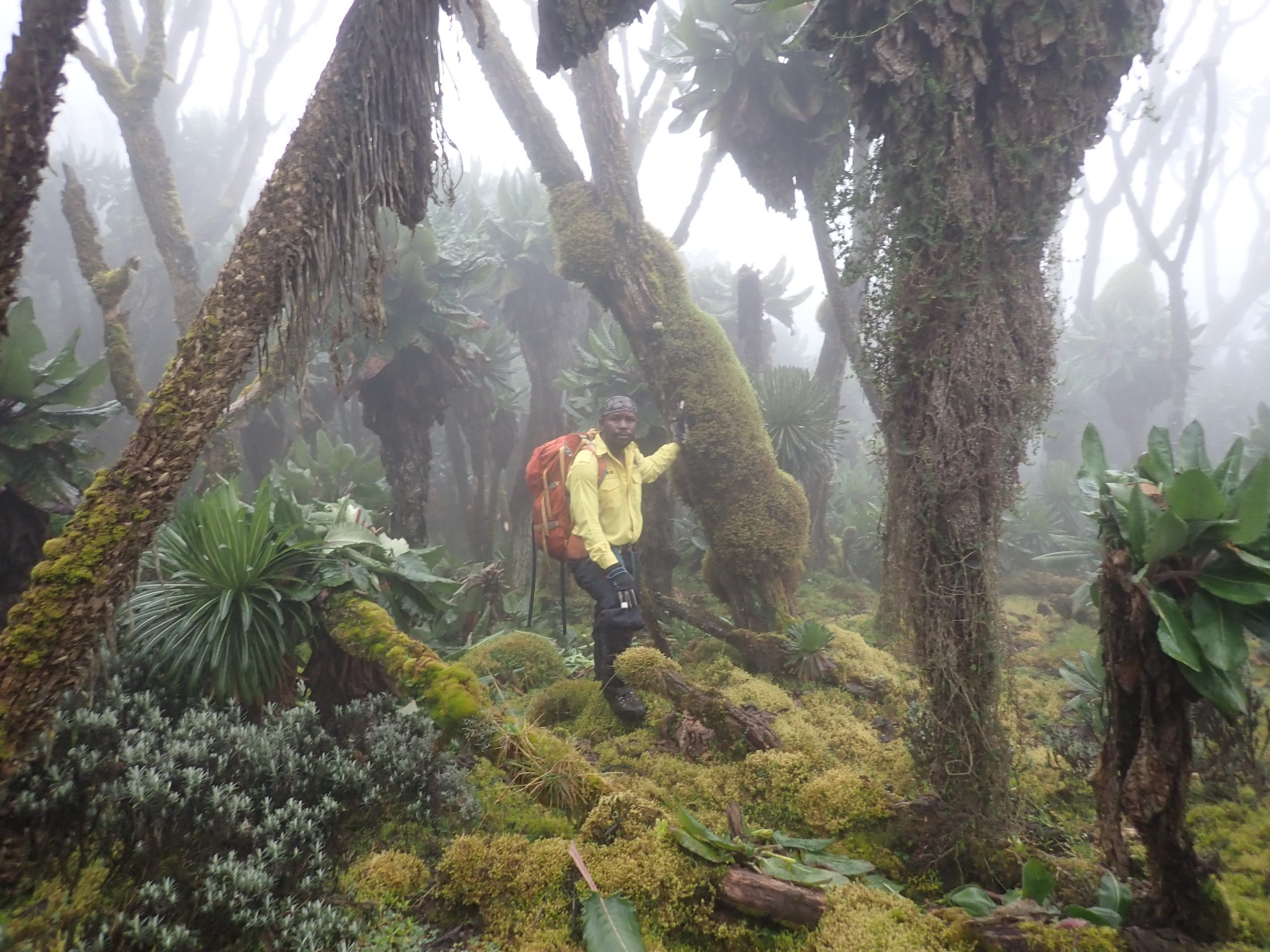
The route passes through an extraordinary variety of landscapes. Trekkers begin in lush tropical rainforest filled with birds, butterflies, and towering trees before entering bamboo forests and giant heather zones. Higher still, the scenery changes into alpine valleys covered with giant lobelias and groundsels that seem almost prehistoric. Near the summit, glaciers, snowfields, and rocky ridges create a dramatic alpine environment unlike anywhere else in East Africa.
Each section of the trail contributes naturally to the acclimatization process. Overnight camps are carefully positioned so that altitude increases steadily rather than abruptly. This gradual progression reduces physical strain while allowing hikers enough time to adapt before attempting the final ascent.
The route is also supported by experienced mountain guides, organized hut systems, and continuous conservation efforts that help protect one of Africa’s most unique mountain ecosystems. Together, these factors make the Central Circuit an excellent choice for both experienced climbers and adventurous first-time mountaineers.
Final Thoughts
Climbing the Rwenzori Mountains is much more than reaching Africa’s third-highest peak. It is a journey that teaches patience, preparation, and respect for nature. Every forest trail, alpine valley, glacier crossing, and mountain hut becomes part of a gradual process that prepares the body for higher elevations.
Successful acclimatization is built through many simple choices. Walking at a steady pace, drinking enough water, eating nutritious meals, staying warm, getting enough rest, and communicating openly with guides all contribute to a safer and more enjoyable expedition. No single action guarantees success, but together these habits greatly improve the chances of standing on Margherita Peak.
Perhaps the greatest lesson learned on the Central Circuit is that mountains cannot be conquered by speed alone. They are climbed through patience, careful planning, and respect for the body’s natural limits. Trekkers who embrace this mindset often discover that the journey itself becomes just as rewarding as the summit.
Long after the expedition ends, memories of mist-covered valleys, crystal-clear mountain lakes, towering giant groundsels, and the shared achievement of adapting to one of Africa’s most spectacular mountain environments remain unforgettable. That is the true reward of trekking the Central Circuit—a journey where every carefully measured step brings both the mountain and the climber closer together.