

Understanding Altitude Sickness in the Rwenzori Mountains
“Understanding Altitude Sickness in the Rwenzori Mountains” is essential for every traveler preparing to explore the breathtaking Rwenzori Mountains, a spectacular range famous for its snow-capped peaks, mist-covered forests, and rugged alpine valleys. Hidden behind this natural beauty, however, is the serious danger of altitude sickness — a condition that affects many hikers as they climb to extreme elevations. While most trekkers focus on steep slopes, muddy trails, and freezing temperatures, many underestimate the physical pressure that high altitude places on the human body.
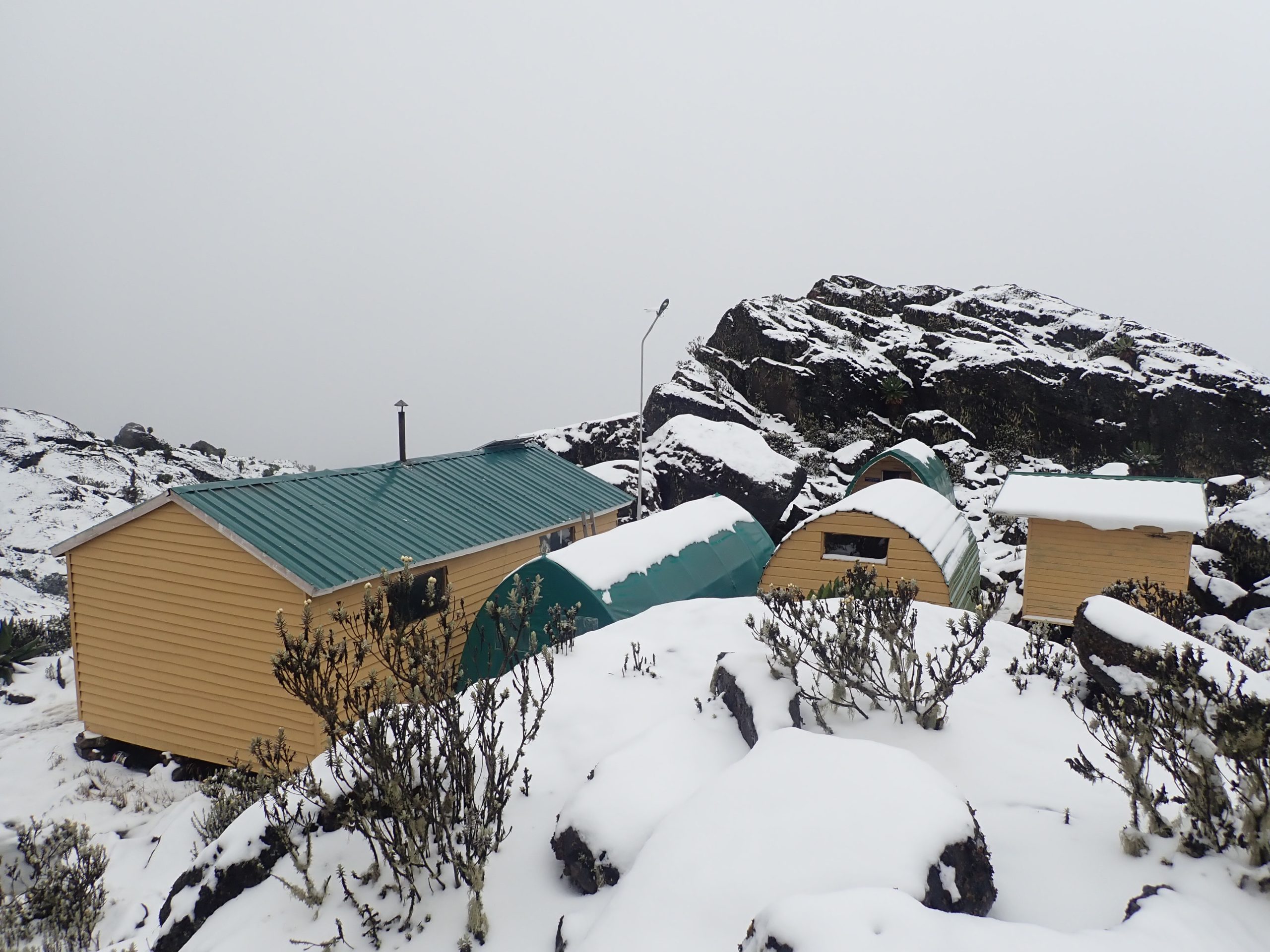
As climbers move above 5,000 meters, oxygen levels decrease and the body struggles to adapt to the thin mountain air. What may begin as a simple headache or dizziness can quickly develop into severe breathing difficulties and life-threatening complications if ignored. The unpredictable weather of the Rwenzori Mountains makes the situation even more challenging, as heavy rains, icy nights, exhaustion, and long trekking hours weaken the body’s ability to cope with altitude changes. Even experienced and physically fit hikers can become victims of altitude sickness. For this reason, understanding its causes, symptoms, prevention, and treatment is vital for anyone hoping to safely experience the beauty and adventure of these remarkable mountains.
Why the Rwenzori Mountains Increase the Risk of Altitude Sickness
The Rwenzori Mountains stand along the border between Uganda and the Democratic Republic of Congo. Several peaks in this range rise above 4,500 meters, while Mount Stanley reaches more than 5,000 meters. At these heights, oxygen levels become much lower than what people experience at sea level. The body must work harder to supply oxygen to muscles and organs.
Unlike some mountains with gradual slopes, the Rwenzori terrain can force climbers to gain height quickly. Trekkers often move from lower forests to afro-alpine zones within a short time. Rapid elevation gain does not give the body enough time to adapt. As a result, many hikers begin feeling symptoms after only a few days on the mountain.
Another reason altitude sickness is common here involves the mountain climate. The Rwenzori Mountains receive heavy rainfall throughout much of the year. Constant cold and wet conditions reduce body energy. Hikers who become tired, dehydrated, or cold may develop altitude sickness faster than expected. Sleeping poorly at high camps can also weaken the body’s adjustment process.
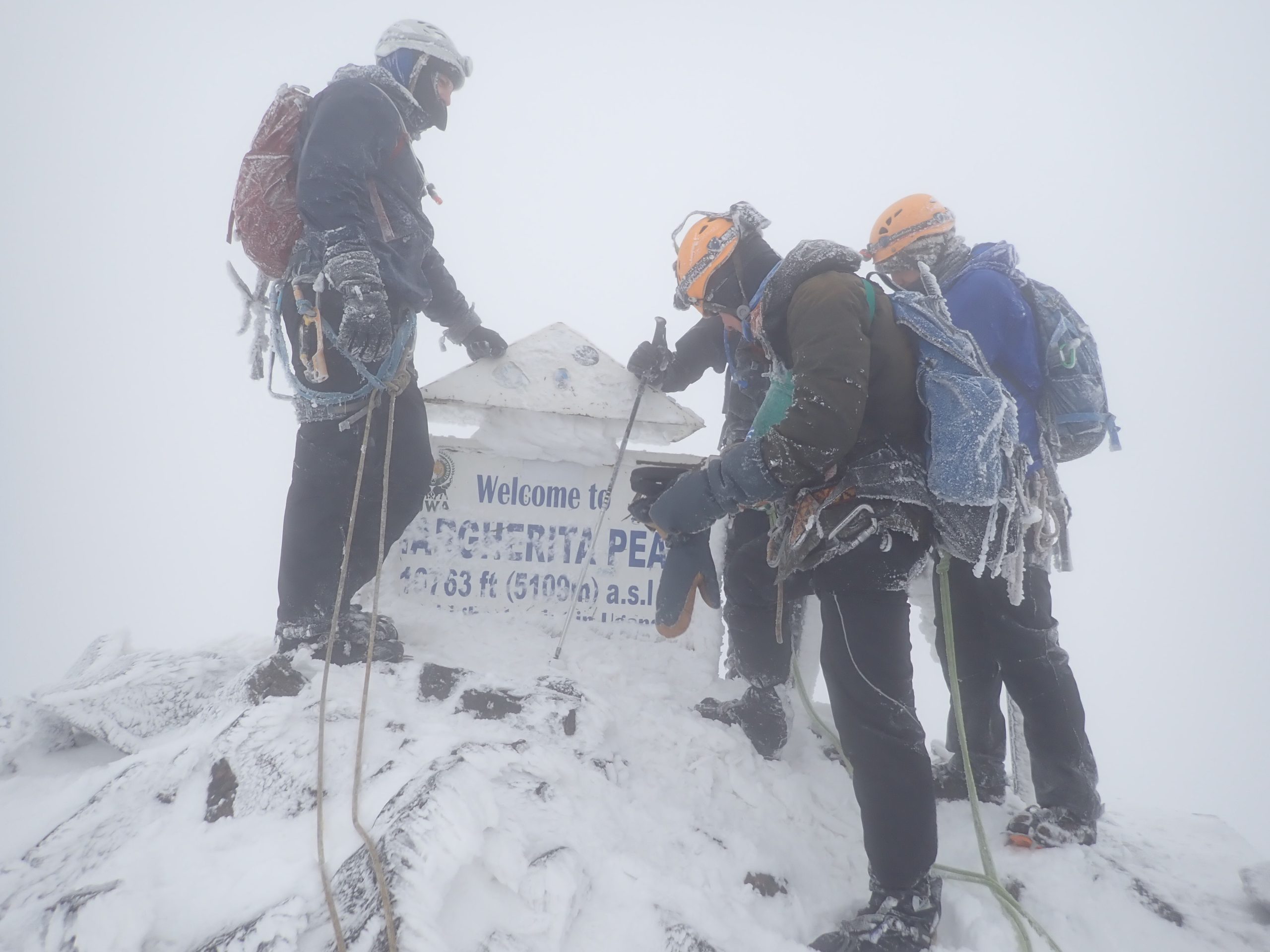
For example, a trekker climbing toward Margherita Peak may feel healthy on the first day but wake up with a severe headache and dizziness at higher camps. Such situations happen often because the mountain environment places pressure on both the lungs and the brain. The body responds differently for each person, making altitude sickness difficult to predict.
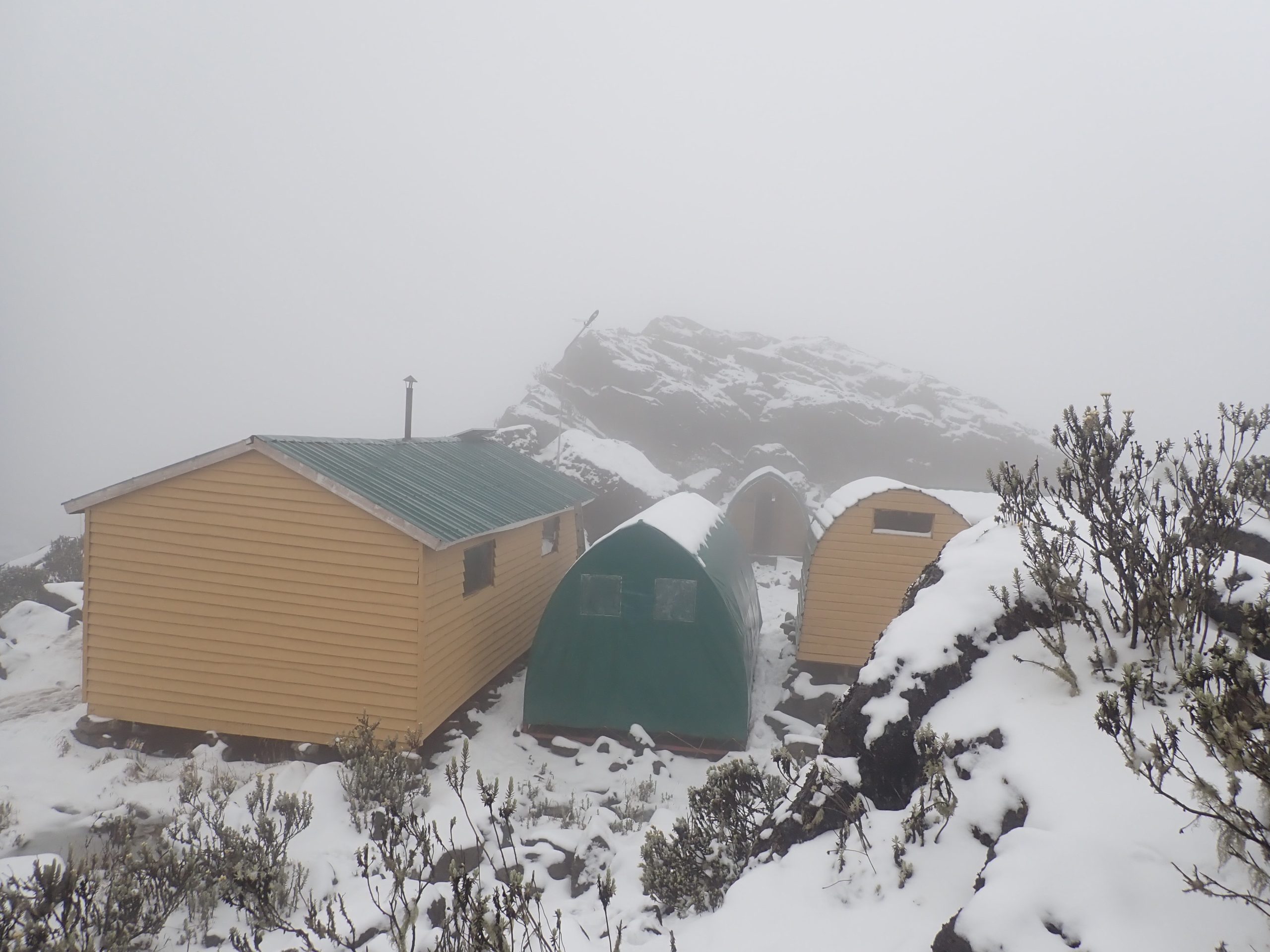
Common Symptoms That Climbers Should Never Ignore
Altitude sickness usually begins with mild symptoms. Many trekkers confuse the early signs with normal tiredness from hiking. However, paying attention to these warning signals can prevent serious health problems later during the climb.
The most common symptom is a headache. A climber may also experience dizziness, nausea, loss of appetite, and unusual fatigue. Some people struggle to sleep at night despite feeling exhausted. Others develop shortness of breath even while resting. These symptoms often appear after reaching elevations above 2,500 meters, especially when the ascent is too fast.
In the Rwenzori Mountains, symptoms may become worse because the trekking routes are physically demanding. Muddy paths and cold temperatures place extra pressure on the body. A hiker carrying a heavy backpack through wet valleys may lose strength quickly. If the person continues climbing without rest, the illness can become dangerous.
Severe altitude sickness includes two major conditions. The first is High Altitude Pulmonary Edema, where fluid collects in the lungs. Victims may cough, struggle to breathe, or feel chest tightness. The second is High Altitude Cerebral Edema, where the brain swells due to lack of oxygen. This condition may cause confusion, poor balance, or strange behavior.
Imagine a climber who suddenly cannot walk straight near a high camp in the Rwenzori Mountains. Friends may think the person is simply tired, yet the real problem could be brain swelling caused by altitude sickness. Immediate descent becomes necessary in such situations because delays can lead to death.
 How the Body Reacts to High Altitude in the Rwenzori Mountains
The human body needs oxygen to function properly. At lower elevations, breathing supplies enough oxygen for daily activities. Higher in the Rwenzori Mountains, air pressure drops and oxygen becomes limited. The body responds by increasing breathing speed and heart rate.
During the first days at high altitude, the body attempts to adapt through a process called acclimatization. Breathing becomes deeper to absorb more oxygen. The kidneys also remove extra fluids to help the blood carry oxygen better. Over time, the body produces more red blood cells to improve oxygen transport.
This adjustment process takes time. Problems begin when hikers climb too quickly before acclimatization is complete. The lungs and brain receive less oxygen than needed. As pressure builds inside body tissues, symptoms of altitude sickness appear. Each person reacts differently depending on age, fitness, hydration, and previous altitude experience.
Interestingly, physical fitness alone does not protect someone from altitude sickness. A marathon runner may suffer severe symptoms while a less active hiker remains healthy. The body’s response depends more on adaptation speed than on strength. This surprises many travelers visiting the Rwenzori Mountains for the first time.
Cold weather also affects oxygen use. When temperatures drop sharply at high camps, the body burns more energy to stay warm. Poor nutrition and dehydration further reduce the body’s ability to adapt. Climbers who ignore food and water intake increase their chances of becoming sick during the expedition.
Practical Ways to Prevent Altitude Sickness During a Trek
Preventing altitude sickness in the Rwenzori Mountains requires preparation and patience. The best protection involves climbing slowly and allowing the body enough time to adjust to changing elevations. Many experienced guides recommend adding extra acclimatization days during long treks.
Hydration is extremely important. Climbers should drink water regularly even when they do not feel thirsty. High altitude increases water loss through breathing and physical activity. Dehydration worsens headaches and fatigue. Warm drinks can also help maintain body temperature in cold conditions.
Good nutrition supports acclimatization as well. Trekkers should eat balanced meals rich in carbohydrates because the body uses them efficiently at high altitude. Skipping meals weakens energy levels and reduces recovery after long hiking days. Hot soups, rice, potatoes, and fruits are useful foods during mountain expeditions.
Rest is another important factor. Climbers should avoid rushing between camps. Sleeping at lower elevations before moving higher helps the body adjust gradually. Some trekking groups in the Rwenzori Mountains follow the “climb high, sleep low” principle to improve acclimatization.
Medication can help in certain cases. Doctors recommend acetazolamide/Diamox for travelers prone to altitude sickness. This medicine supports faster acclimatization by helping the body adapt to lower oxygen levels. However, medication should never replace careful climbing practices.
For instance, two hikers may begin the same journey toward Margherita Peak. One rushes ahead without drinking enough water, while the other follows a slow pace and rests properly. The second climber usually has a much better chance of completing the trek safely and comfortably.
Emergency Treatment and Safety Measures on the Mountain
Even with good preparation, altitude sickness can still occur in the Rwenzori Mountains. Fast action becomes important once symptoms worsen. The safest response involves stopping further ascent immediately. Continuing upward often makes the illness more severe.
Descent remains the most effective treatment for serious altitude sickness. Moving to lower elevation increases oxygen availability and reduces pressure on the lungs and brain. In many cases, symptoms improve within hours after descending. Guides in the Rwenzori Mountains are trained to recognize warning signs and organize emergency evacuation when necessary.
Oxygen support may also help climbers experiencing breathing difficulties. Some organized trekking groups carry portable oxygen cylinders for emergencies. Resting, staying warm, and drinking fluids can support recovery during mild cases. However, severe symptoms should never be ignored.
Travelers should always inform guides about headaches, dizziness, or breathing problems. Hiding symptoms out of fear or pride creates unnecessary danger. Many accidents in mountain environments happen because climbers refuse to admit they feel sick.
Communication systems in remote mountain areas may be limited. Because of this, preparation before the trek becomes very important. Trekkers should carry proper clothing, waterproof gear, energy foods, and medical supplies. Travel insurance that covers mountain rescue can also provide valuable protection during emergencies.
One example involved a tourist who developed severe coughing and confusion near a high camp in the Rwenzori Mountains. Guides quickly recognized signs of serious altitude sickness and organized descent during the night. The fast decision saved the climber’s life and prevented permanent damage.
 The Role of Guides and Trekking Experience in Preventing Illness
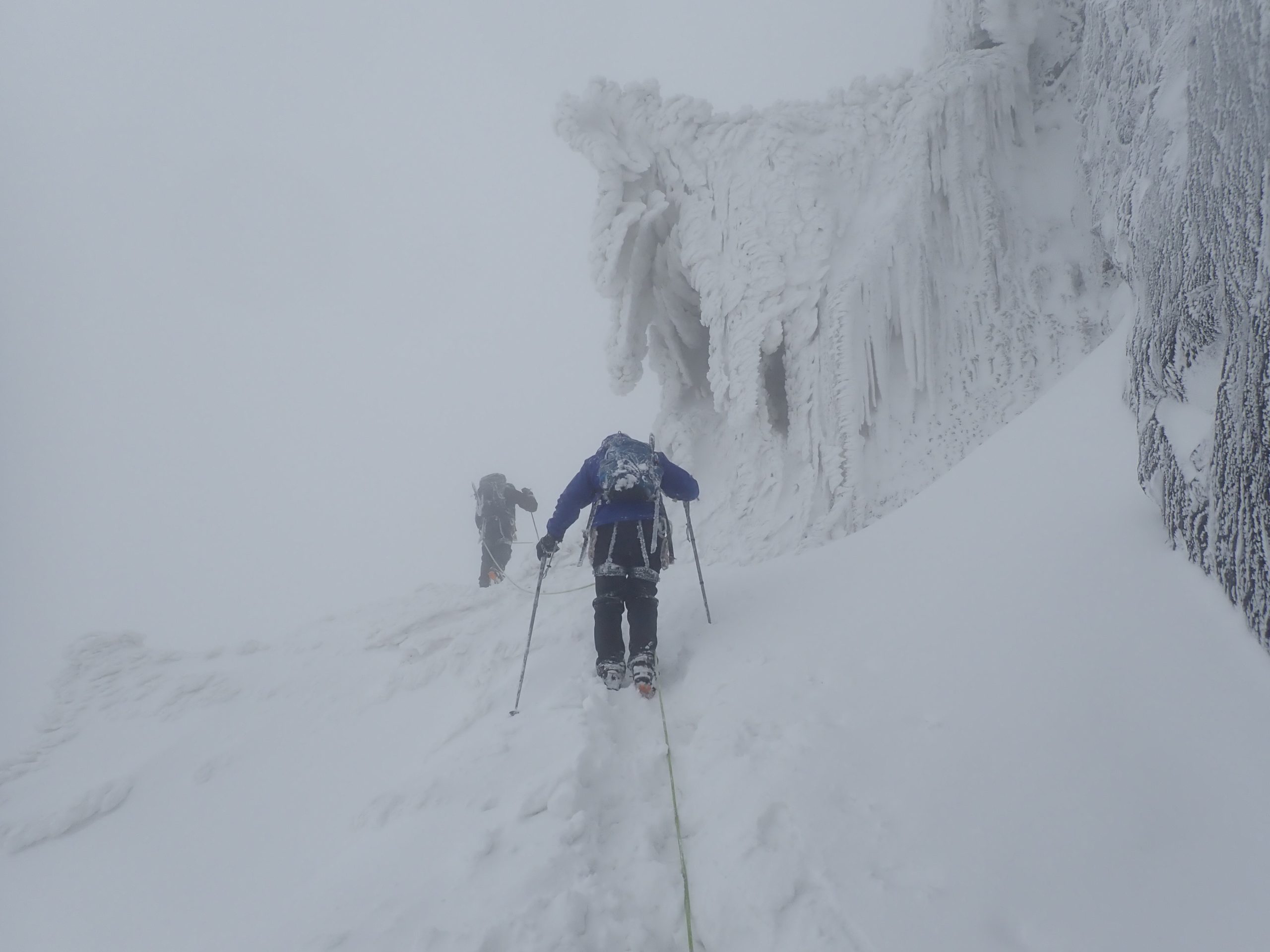
Professional mountain guides play a major role in reducing altitude sickness risks. Experienced guides understand how weather, elevation, and trekking pace affect the human body. They monitor hikers closely throughout the journey and adjust schedules when necessary.
In the Rwenzori Mountains, guides often encourage slow walking even when trekkers feel strong. This approach helps conserve energy and supports proper acclimatization. Guides also check whether climbers are drinking enough water and eating properly during the trek.
Trekkers with previous mountain experience usually recognize symptoms faster than beginners. However, overconfidence can become dangerous. Some experienced climbers ignore warning signs because they believe they can push through discomfort. Altitude sickness does not always follow predictable patterns.
Group teamwork also improves safety on the mountain. Climbers should watch each other for changes in behavior or movement. A person suffering from brain swelling may not realize they are becoming confused. Friends and guides often notice the danger first.
Preparation before the trek makes a major difference. People planning to visit the Rwenzori Mountains should improve physical fitness, research altitude sickness carefully, and pack appropriate equipment. Learning basic mountain safety skills helps climbers respond calmly during emergencies.
The beauty of the Rwenzori Mountains attracts adventure seekers from around the world. Yet respecting the mountain environment remains essential. Safe trekking depends not only on strength but also on knowledge, discipline, and teamwork throughout the expedition.
Conclusion
Altitude sickness remains one of the greatest challenges facing climbers in the Rwenzori Mountains. The combination of high elevation, cold weather, wet conditions, and demanding terrain creates serious pressure on the human body. Even healthy hikers may develop symptoms if they climb too quickly or ignore early warning signs.
Understanding the causes and symptoms of altitude sickness can save lives. Headaches, dizziness, breathing problems, and confusion should never be dismissed during mountain expeditions. Proper acclimatization, hydration, nutrition, and careful pacing greatly reduce the risk of severe illness.
The Rwenzori Mountains offer unforgettable scenery and adventure. Snowy peaks, glaciers, waterfalls, and unique vegetation create one of Africa’s most remarkable trekking destinations. However, every climber must respect the dangers that come with high altitude. Preparation and caution are as important as determination.
Guides, fellow trekkers, and medical knowledge all contribute to safer journeys in the mountains. Climbers who listen to their bodies and respond quickly to symptoms usually enjoy more successful and rewarding experiences. The mountain rewards patience far more than speed.
For anyone planning a journey into the Rwenzori Mountains, awareness of altitude sickness should become part of the adventure plan. A safe and informed trek allows visitors to appreciate the beauty of these legendary mountains while protecting their health at every stage of the climb.