

Overnight Stays on the Central Circuit of the Rwenzori Mountains: A Camp-by-Camp Adventure Guide through Africa’s “Mountains of the Moon”
The Central Circuit of the Rwenzori Mountains is widely considered one of the most complete trekking experiences in Africa. It is a route that does not rush the journey but instead reveals it step by step, night after night. From the first foothill forest to the frozen upper slopes near Margherita Peak, every overnight stop plays a role in shaping the expedition.
What makes this route special is not only the climb, but where you sleep along the way. Each camp is carefully positioned to match altitude gain, terrain difficulty, and acclimatization needs. Some camps are hidden in deep rainforest valleys, while others sit in open alpine basins surrounded by glaciers and towering peaks.
These overnight stops are not just resting points. They are living parts of the mountain experience. Wildlife, waterfalls, lakes, valleys, and dramatic ridgelines all surround the camps, making every night feel different from the last.
Below is a detailed and engaging guide to each major overnight camp on the Central Circuit, including what you will see, experience, and enjoy at each stage of the journey.
Nyabitaba Camp (2,651m): Where the Mountain Journey Truly Begins
Nyabitaba Camp is the first real overnight stop inside the Rwenzori Mountains, and it immediately introduces hikers to the wild beauty of the range. The trail leading here passes through farmland edges, and thick montane rainforest.
As you approach the camp, the sound of the Mubuku River becomes constant, flowing deep below the ridge. The forest is alive with bird calls, and lucky hikers may spot black-and-white colobus monkeys swinging through the canopy or hear distant chimpanzee movements or even see the three horned chameleons as they hike to this camp.
Nyabitaba sits next to a scenic ridge where the Mubuku and Bujuku rivers meet far below. On clear days, distant views of Mount Stanley and Mount Speke appear above the clouds.
The camp itself offers basic wooden huts, a shared dining area, and a calm forest atmosphere. Evenings are cool and peaceful, with mist rising through the trees.
Key attractions: River confluence viewpoint, colobus monkeys, dense rainforest canopy, distant mountain peaks.
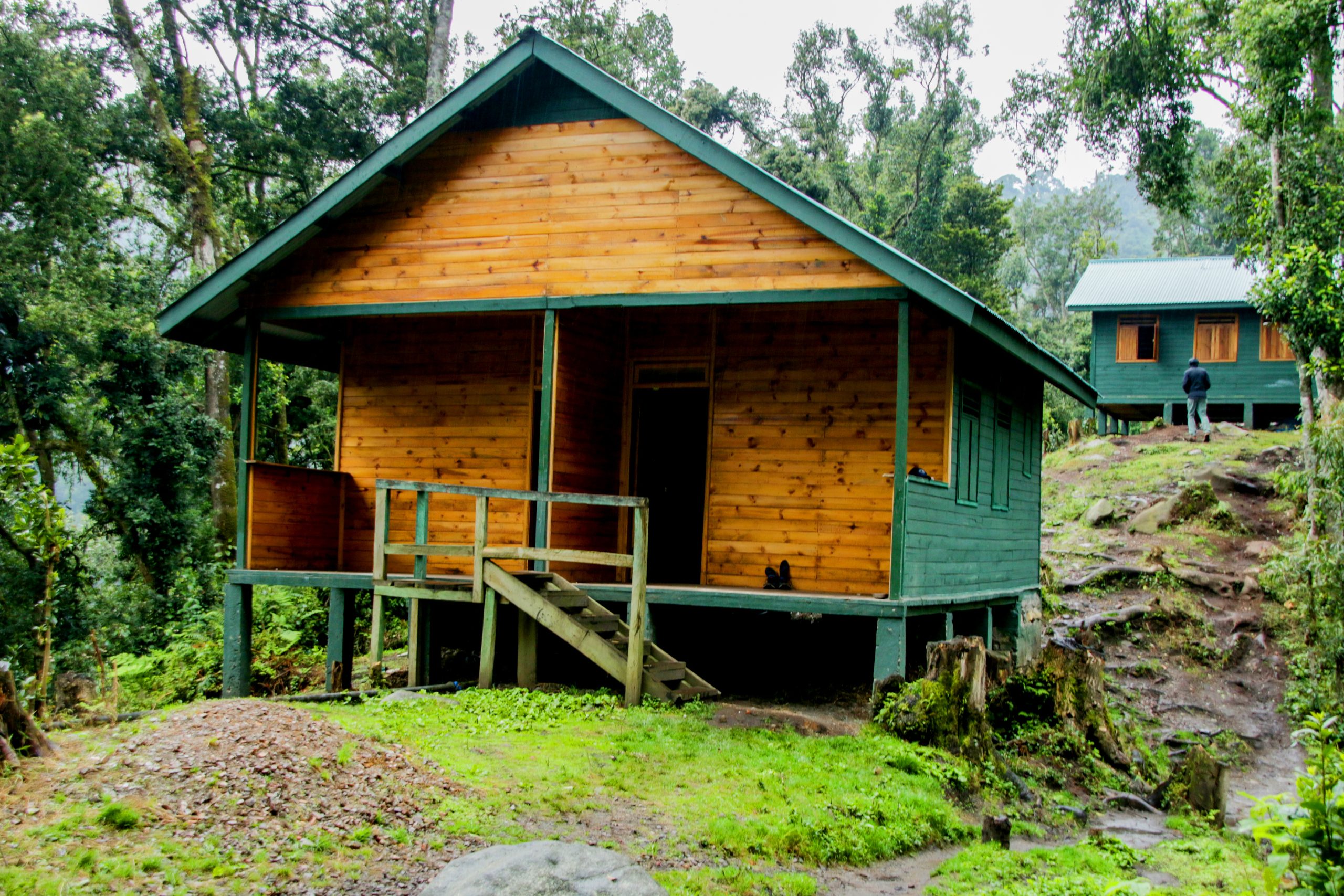 John Matte Camp (3,505m): Deep Valley Forest in the Heather Zone Belt
John Matte Camp is located in one of the most atmospheric sections of the Rwenzori Central Circuit, set within a deep valley where bamboo forest and heather vegetation begin to overlap. The approach to the camp is long and demanding, with steep ascents, muddy sections, and narrow paths surrounded by thick vegetation that changes with altitude.
At this elevation, the landscape reflects a clear transition into the heather zone environment. Giant heather trees, moss-covered branches, and hanging lichens start to dominate the slopes above and around the valley, while the lower sections still hold dense forest growth of montane forest and bamboo forest. This mix creates a layered ecosystem that feels both wild and unique.
The Bujuku River remains a constant feature throughout this stage of the trek. It flows strongly through the valley, shaping the terrain and providing a steady soundscape of rushing water as hikers move toward the camp.
John Matte Camp itself sits in a wide, enclosed valley surrounded by steep slopes covered in mixed forest and heather vegetation. Mist often settles here, especially in the mornings, creating a cool and quiet environment.
Wildlife is still present, including blue monkeys, and forest birds moving through the vegetation.
At night, temperatures drop quickly, and the valley becomes silent apart from the river.
Key attractions: Bujuku River, deep valley forest, heather zone vegetation, misty mountain setting, wildlife sightings, transitional high-altitude ecosystem.
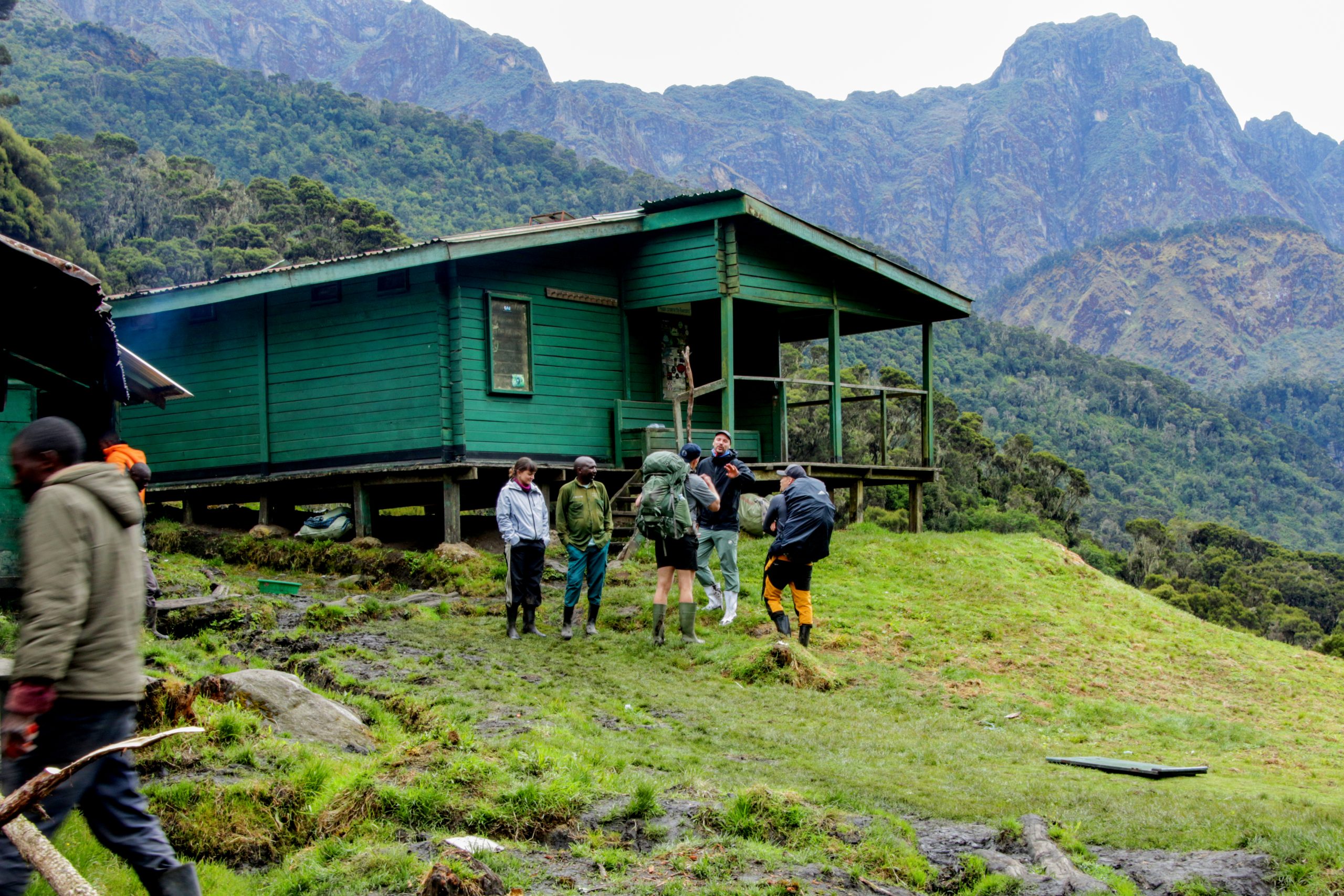 Bujuku Camp (3,962m): Glacial Valley, Giant Plants, and Alpine Silence.
Bujuku Camp is one of the most striking overnight stops on the Central Circuit, set high in a vast alpine valley surrounded by some of the Rwenzori’s tallest peaks. The journey to reach it passes through both the upper and lower sections of Bigo Bog, where wooden walkways guide hikers across wet, spongy ground filled with unique high-altitude vegetation.
The camp lies between Mount Stanley, Mount Baker, and Mount Speke, creating a natural amphitheatre of mountains that dominate the skyline. Just nearby, Lake Bujuku sits quietly in the valley floor, often mirroring the surrounding peaks when the weather is clear.
The environment here feels open, cold, and powerful. Clouds move quickly across the valley, shifting the light within minutes and giving the landscape a constantly changing mood. This is one of the most atmospheric sections of the entire trek.
Vegetation becomes truly alpine at this point. Giant lobelias and groundsels dominate the slopes, creating an unusual prehistoric appearance. Everlasting flowers also appear across the terrain, adapted to the harsh cold conditions. Birdlife is still present, though quieter, and the overall soundscape becomes minimal.
Key attractions: Lake Bujuku, Bigo Bog boardwalks, Mount Stanley–Baker–Speke views, giant lobelias and groundsels, alpine valley scenery, shifting cloud landscapes.
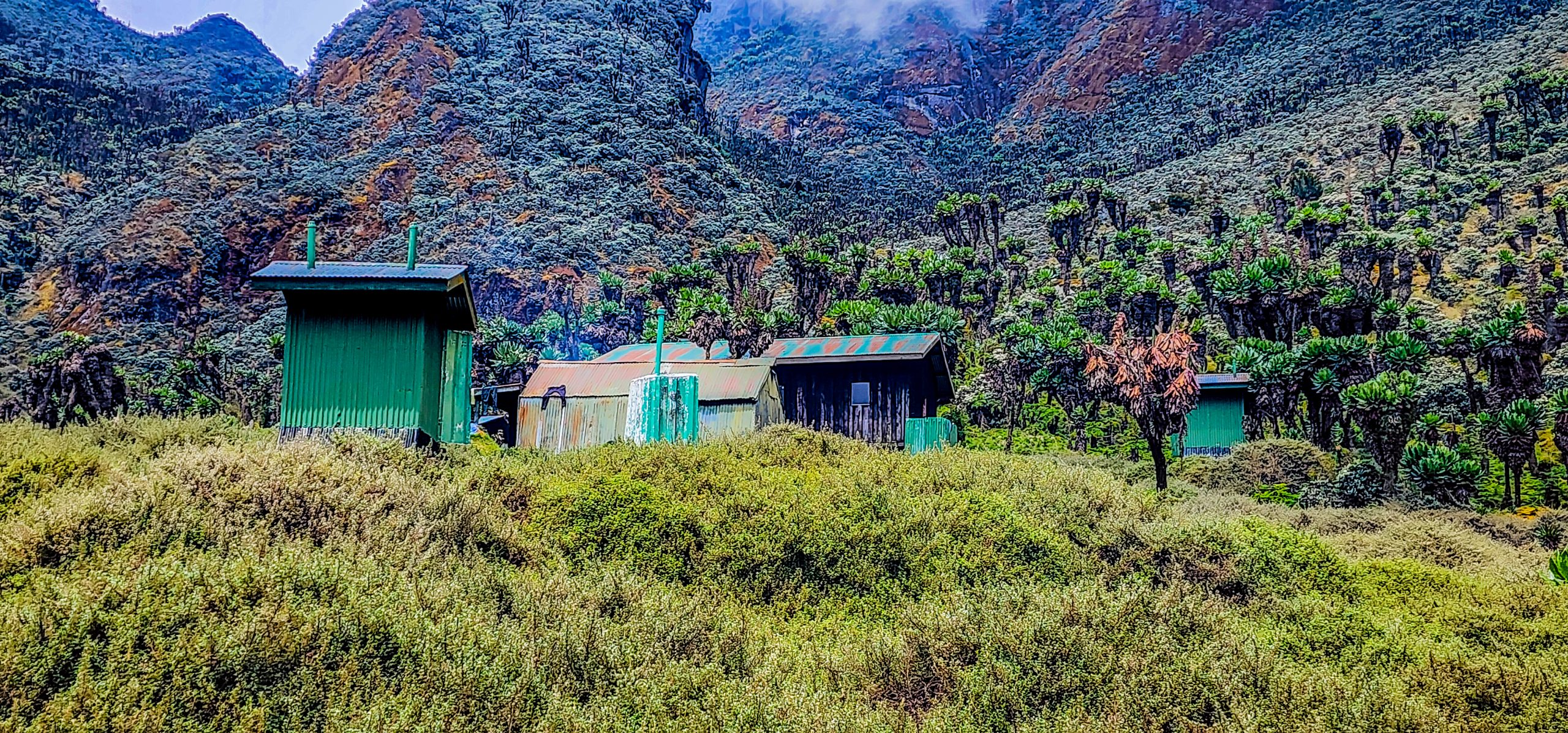 Elena Hut (4,541m): Final Base beneath the Glaciers of Mount Stanley
Elena Hut is the last overnight stop before climbers attempt Margherita Peak on Mount Stanley. At this altitude, the landscape is harsh and exposed, with rocky ground and almost no vegetation surviving the extreme conditions. The air is thin, and temperatures drop sharply, especially after sunset.
The route leading here is steep and demanding, crossing loose boulders, narrow ridges, and sections close to glacier ice. The towering rock faces of Mount Stanley rise dramatically around the camp, creating a powerful and intimidating mountain environment.
From Elena Hut, the path to the summit is clearly visible on clear days, winding upward across ice and rock. It appears short in distance but remains technically challenging.
The hut itself is simple and built among large rocks to shield it from strong winds. Nights here are very cold, and climbers prepare equipment and mentally ready themselves for the early summit push.
Key attractions: Mount Stanley glacier slopes, rocky alpine terrain, clear summit route views on clear days, and extreme high-altitude environment.
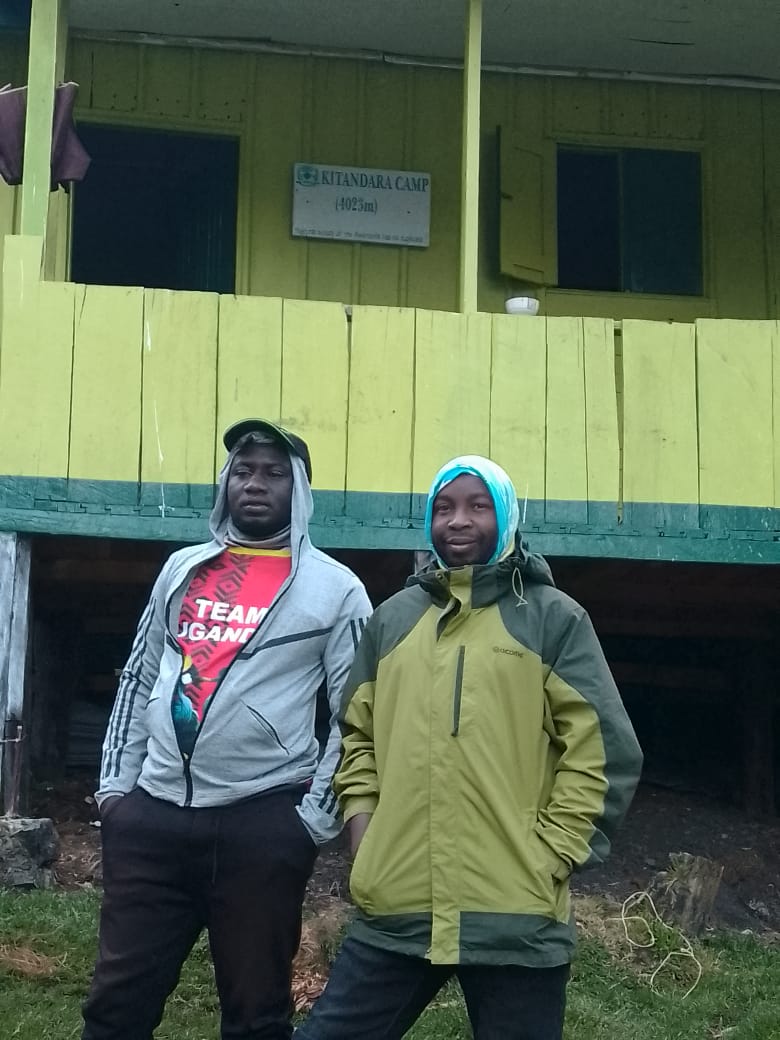
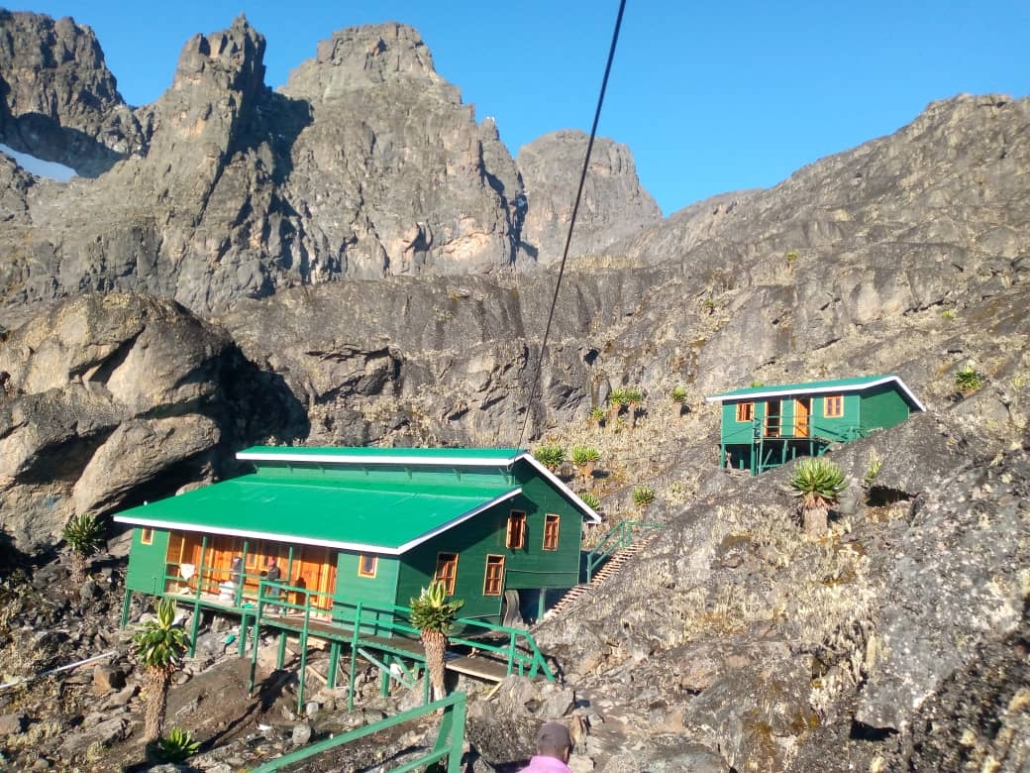 Kitandara Camp (4,023m): Alpine Twin Lakes beneath Towering Peaks
Kitandara Camp is one of the most scenic and relaxing overnight stops on the Central Circuit, positioned in a natural basin between two stunning alpine lakes. The camp is surrounded by steep mountain walls that create a quiet, enclosed valley high in the Rwenzori range.
The two lakes sit side by side and often reflect the surrounding peaks when the sky is clear, producing calm mirror-like views that shift with changing light and passing clouds. This creates a softer atmosphere compared to the harsher glacier zones above.
The area feels peaceful and restorative, making it a popular stop after the demanding summit section. Many trekkers find it a welcome place to rest and recover.
Birds can be seen around the lakes, while nearby slopes support alpine vegetation and occasional small waterfalls that flow down from higher ground. The weather alternates between sunshine and mist, adding variety to the scenery throughout the day.
Key attractions: Twin alpine lakes, reflective mountain views, waterfalls, alpine birdlife, calm recovery setting, enclosed high-altitude valley.
 Guy Yeoman Camp (3,261m): Descent through Bamboo Forests and Reawakened Rainforest Life
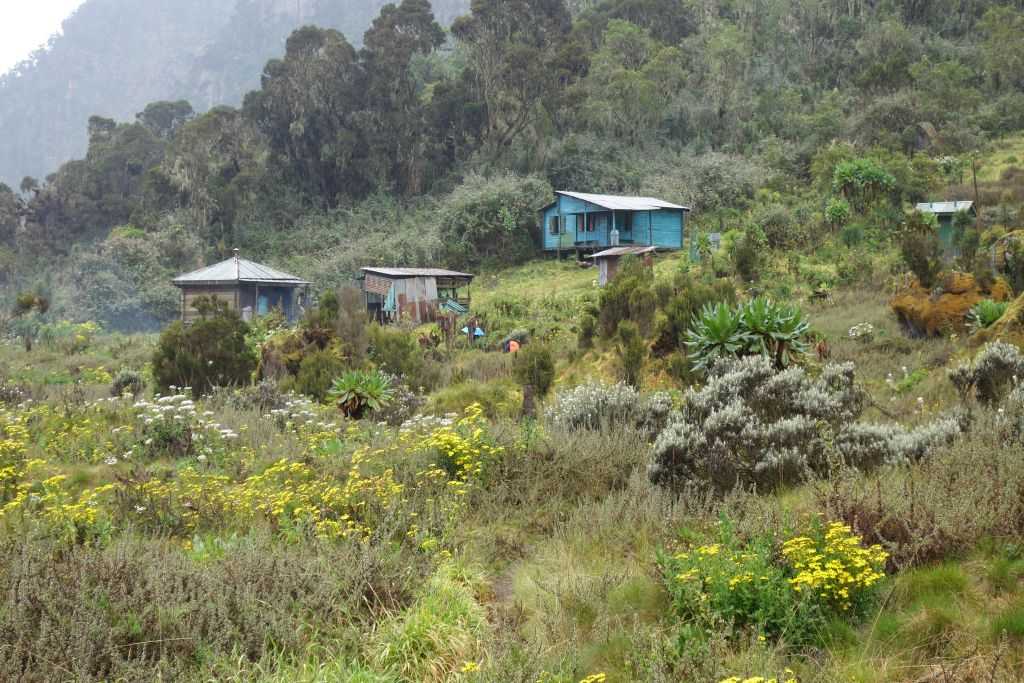
Guy Yeoman Camp is an important overnight stop on the Central Circuit, marking the gradual return from high alpine terrain into richer green vegetation. The descent to this point is steady and sometimes steep, following ridges and winding paths surrounded by thick natural growth.
As altitude decreases, the landscape changes noticeably. Bamboo forests become more dominant, replacing the open alpine zones above. The air also becomes warmer and more humid, and the environment feels more alive with movement and sound.
Water becomes a strong feature again along the trail. Small rivers and waterfalls appear frequently, cutting through the valley and adding energy to the scenery. Birdlife increases as well, with more color and activity in the forest canopy.
The camp is located in a sheltered valley, surrounded by dense vegetation and flowing water systems. It offers a calm and comfortable place to rest after long trekking days in higher altitudes.
Key attractions: Bamboo forest zones, cascading waterfalls, river valleys, rich birdlife, rainforest transition scenery, sheltered mountain valley setting.
 Final Reflections: Why the Central Circuit Camps Define the Rwenzori Experience
The Central Circuit is not simply a mountain route. It is a progressive journey through completely different worlds, each defined by its overnight camps.
Every camp introduces a new ecosystem, from rainforest wildlife at Nyabitaba to glacier landscapes at Elena Hut. The experience is built step by step, allowing trekkers to feel the full transformation of the Rwenzori Mountains.
These overnight stops are essential for acclimatization, safety, and enjoyment. But beyond that, they create memories shaped by landscapes, silence, wildlife, and altitude.
In the end, the Central Circuit is remembered not just for reaching Margherita Peak, but for the nights spent in the wild—each one a unique chapter in one of Africa’s most extraordinary mountain journeys.