

4 Day Hike to Mutinda Lookout via the Kilembe Trail
4 Day Hike to Mutinda Lookout via the Kilembe Trail, Set within the dramatic landscapes of the Rwenzori Mountains, this 4-day hike offers a compact but powerful mountain experience through one of Africa’s most diverse high-altitude environments. From the very first steps, the journey unfolds through thick Afro-montane rainforest filled with towering trees, mist, and rich wildlife, before gradually rising into bamboo belts and surreal giant heather zones. Each day brings a noticeable shift in scenery, climate, and vegetation, making the climb feel like a continuous transition through entirely different ecosystems.
The trail is both challenging and rewarding, guiding hikers deeper into untouched wilderness where waterfalls, valleys, and alpine formations define the landscape. The highlight of the adventure is Mutinda Lookout, a spectacular viewpoint offering sweeping panoramas over the Rwenzori ranges and distant lowlands. This itinerary is designed for travelers seeking a short yet intense mountain experience that combines natural beauty, altitude challenge, and unforgettable scenery in one journey.
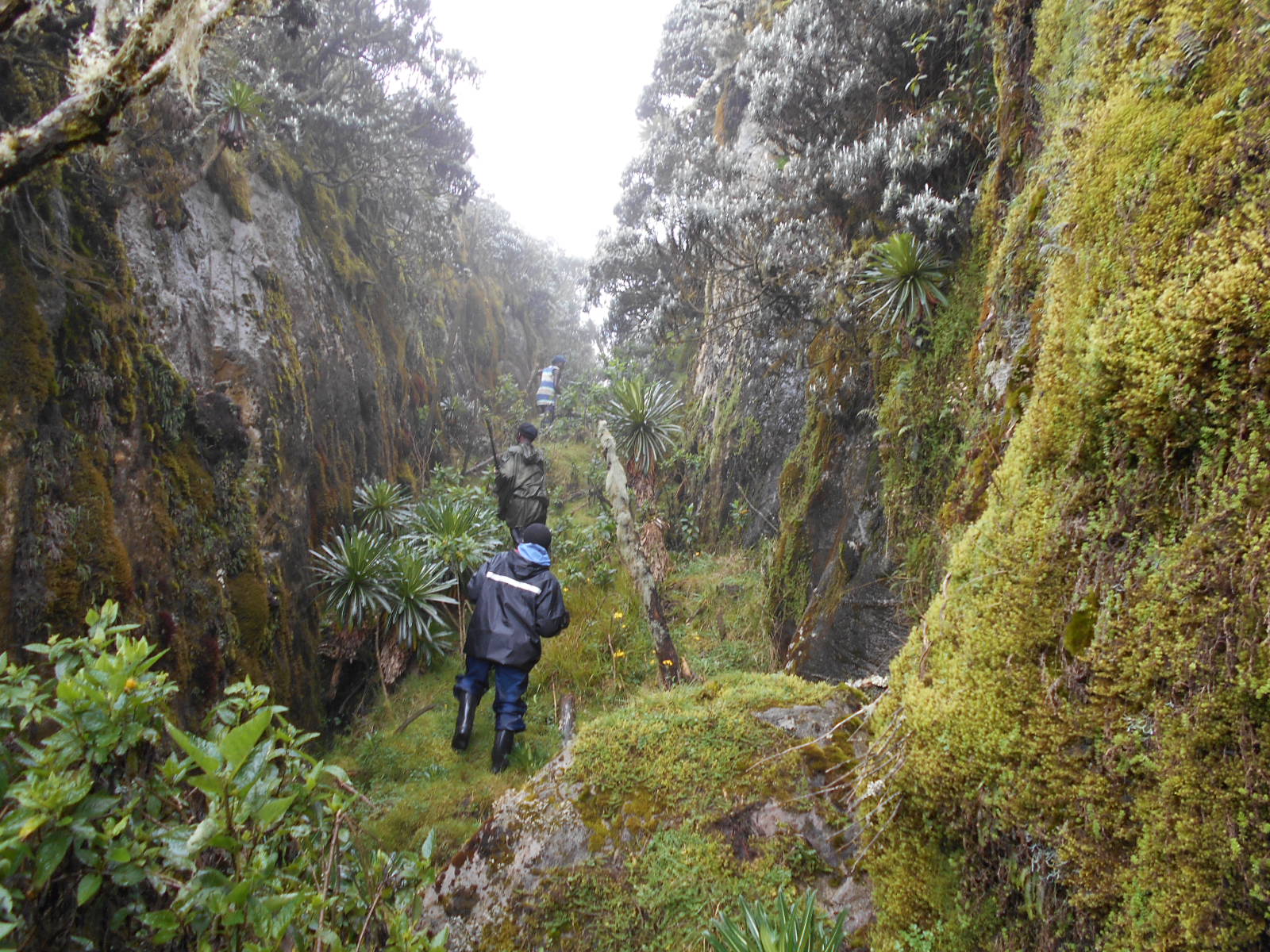 Trip overview of 4-Day Hike to Mutinda Lookout via the Kilembe Trail.
- Day 1: Trekkers Hostel (1,450m) – Sine Camp (2,596m)
- Day 2: Sine Camp (2,596m) – Mutinda Camp (3,588m) – Mutinda Lookout (3973)
- Day 3: Mutinda Camp (3,588m) – Kiharo Camp (3,430m)
- Day 4: Kiharo Camp (3,430m) – Nyamwamba Valley – Forest View camp (2580m) – Kasese
- Detailed Itinerary of 4-Day Hike to Mutinda Lookout via the Kilembe Trail.
Day 1: Trekkers Hostel (1,450m) – Sine Camp (2,596m)
Your adventure begins early in the morning after breakfast at Trekkers Hostel, situated at an altitude of 1,450 meters. From here, the trail begins a steady ascent of about 1,146 meters toward Sine Camp. The hike takes you through a beautiful Afro-montane valley filled with dense vegetation and towering forest trees. The environment is rich in biodiversity, with moss-covered branches, ferns, lichens, and a variety of flowering plants lining the path.
Wildlife is commonly encountered in this section. You may see blue monkeys moving swiftly through the canopy or groups of black-and-white colobus monkeys leaping between tall trees. Occasionally, L’Hoest’s monkeys may appear, and the distant calls of chimpanzees may echo through the forest. Birdlife is also abundant, making the walk very engaging for nature lovers.
As you approach Sine Camp, the vegetation slowly shifts toward bamboo zones. The camp sits on a ridge surrounded by thick forest and offers views into deep valleys where waterfalls drop over rocky cliffs. A short walk leads to Enock’s Falls, a scenic waterfall hidden in thick greenery. Evening is spent relaxing at camp before overnight stay.
Overnight: Sine camp.
Meal Plan: Lunch and Dinner.
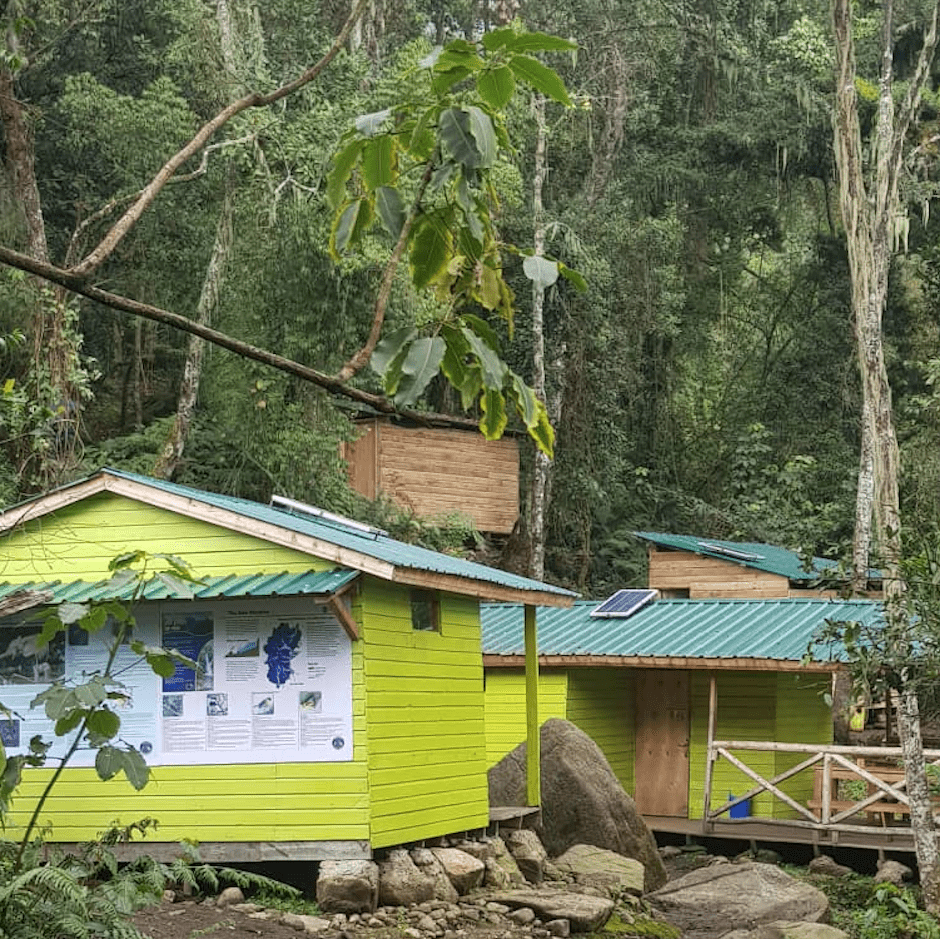 Day 2: Sine Camp (2,596m) – Mutinda Camp (3,588m) – Mutinda Lookout (3973)
After breakfast, the hike continues at around 8:30 a.m. The trail soon leads into dense bamboo forest after passing Kalalama Camp, with steep but well-structured switchbacks that help manage the climb. As elevation increases, the forest transitions into a mix of bamboo and giant heather vegetation.
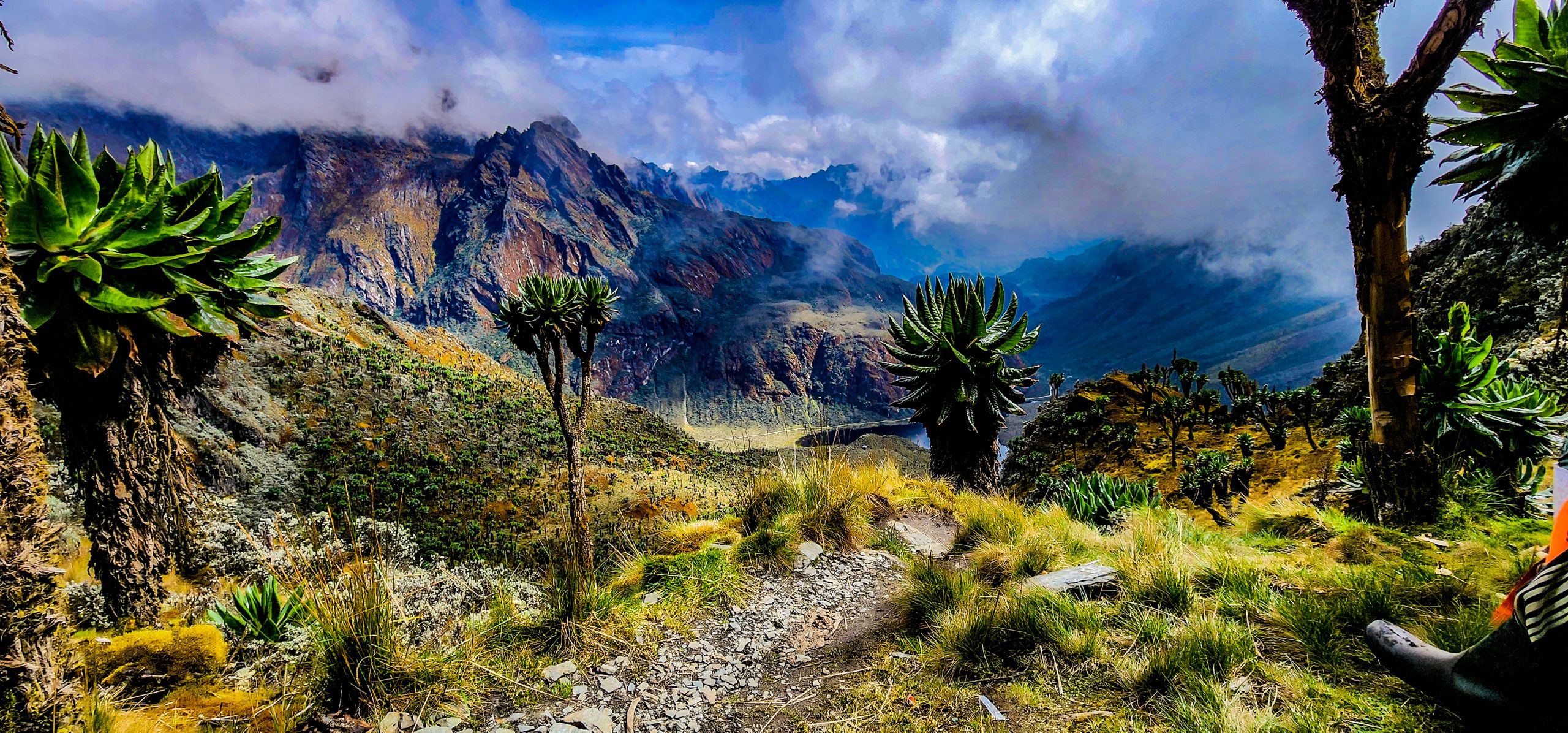
The landscape becomes increasingly dramatic with mist-covered valleys, small streams, mossy slopes, and hidden waterfalls appearing along the route. Further uphill, the giant heather zone begins, characterized by twisted trees, thick moss, and unique alpine plants such as giant lobelias.
The terrain varies between ridges and shallow valleys, creating a continuous change in scenery. Eventually, you arrive at Mutinda Camp, located beside a river and small waterfall, offering a peaceful resting environment.
In the afternoon, hike to the Mutinda Lookout at 3,975 meters. The steep climb takes about 1–2 hours and rewards you with panoramic views of the Rwenzori ranges, valleys, and distant plains including Kasese and Lake George on clear days. Clouds often float below the peaks, creating a dramatic mountain atmosphere. After descent, return to camp for overnight stay.
Overnight: Mutinda camp.
Meal Plan: Lunch and Dinner
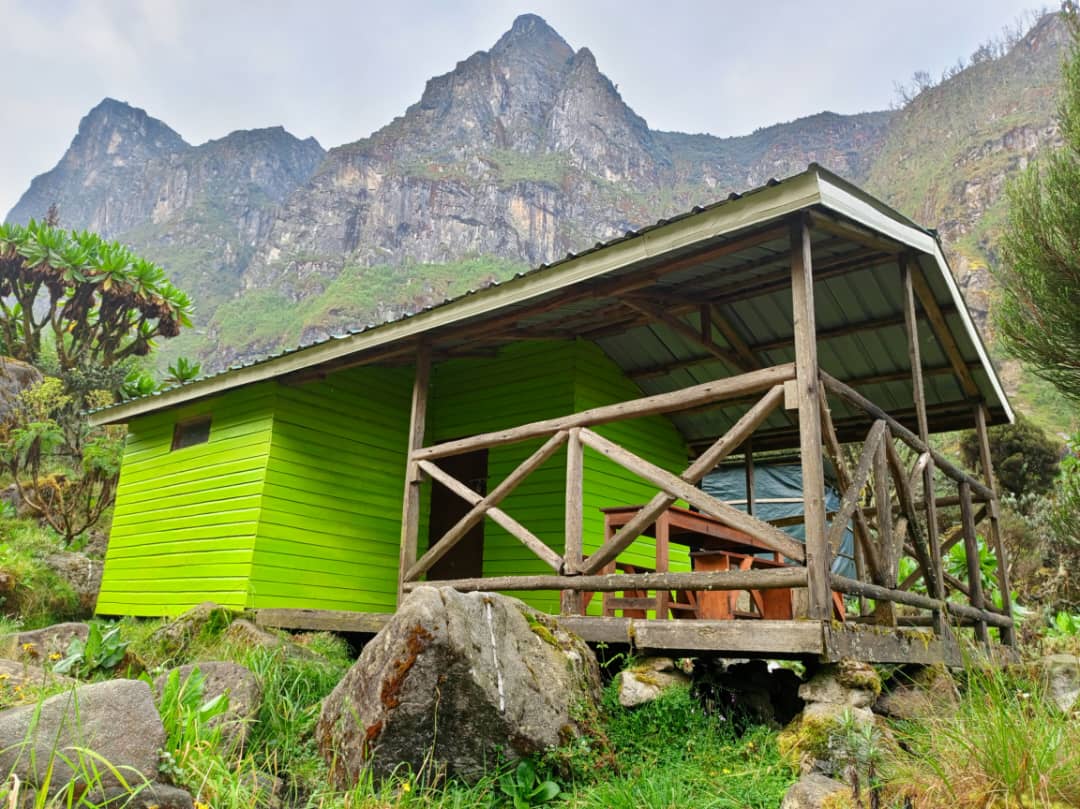 Day 3: Mutinda Camp (3,588m) – Kiharo Camp (3,430m)
The day starts with a gradual ascent along a rocky stream before entering wet and boggy terrain, some of which is supported by wooden boardwalks. The trail continues past waterfalls and leads into a rugged mountain pass within the Twin Peaks area.
This section offers a remote wilderness feel with steep cliffs and wide views of surrounding ridges. Wildlife sightings may include hyrax and duiker, while birds of prey such as eagles and hawks circle above the rocky slopes.
The trail then descends into a wetland filled with giant lobelias before continuing through thick heather forest and moss-covered boulders. The scenery remains constantly changing throughout the day.
You eventually arrive at Kiharo Camp, a quiet valley resting point. A short walk from camp takes you to Kiharo Falls, a powerful waterfall flowing over mossy rocks. The evening is spent relaxing in this peaceful mountain setting before overnight stay.
Overnight: Kiharo camp.
Meal Plan: Breakfast, Lunch and Dinner
Day 4: Kiharo Camp (3,430m) – Nyamwamba Valley – Forest View camp (2580m) – Kasese
The final day begins with a descent through the stunning Nyamwamba Valley, one of the most scenic parts of the Rwenzori region. The trail follows a fast-flowing river through dense forest, steep valleys, and numerous waterfalls.
The environment changes gradually as you descend, with bamboo and tropical vegetation becoming more dominant. The sound of rushing water accompanies much of the journey, and smooth moss-covered rocks line the riverbanks.
Along the way, you encounter several waterfalls ranging from wide cascades to narrow drops into deep pools. Some sections allow close interaction with the river, while others offer peaceful viewpoints.
Wildlife such as duikers, monkeys, and various bird species may be seen in the forest canopy and clearings. The hike ends at Forest View Camp (about 2,580m), where you rest and enjoy final views of the valley.
From here, you transfer back to Kasese for overnight or onward travel, concluding the hiking experience.
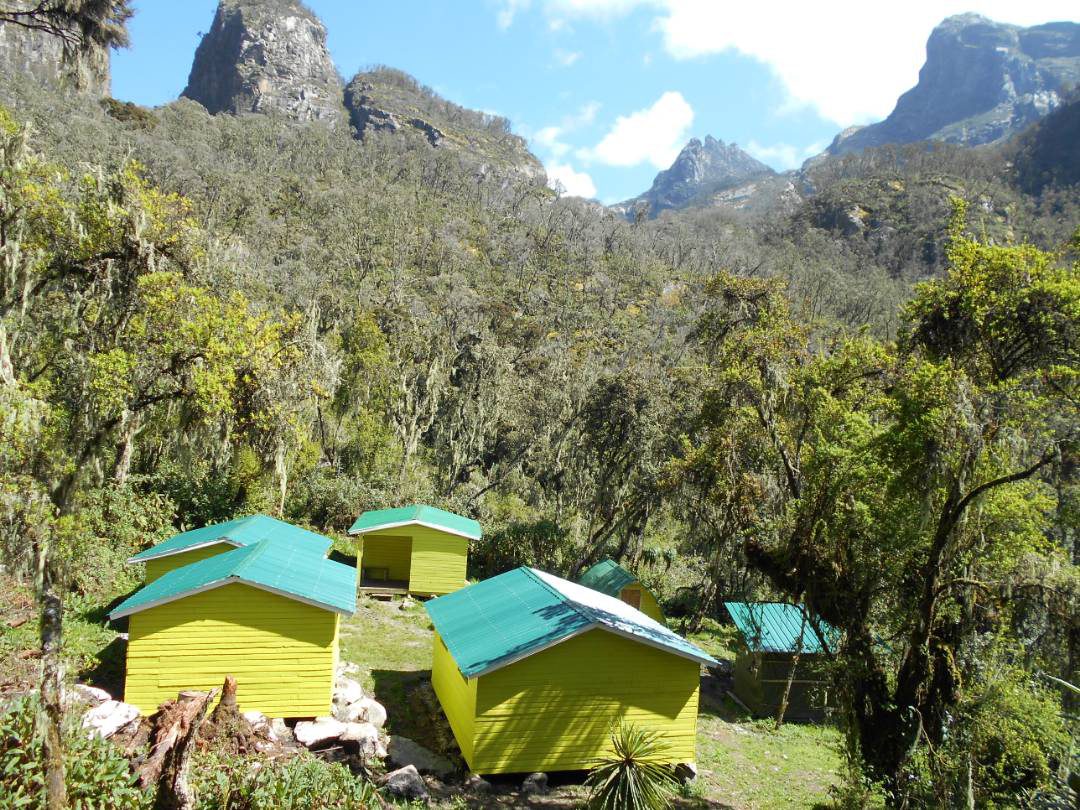 Highlight: End of 4-Day Hike to Mutinda Lookout via the Kilembe Trail
Price inclusions
- Kilembe trail hiking fees
- National park entry fees
- Professional mountain guides
- Mountain porters
- All meals during hike
- Accommodation in mountain camps
- Rubber boots for hiking use
Price exclusions
- Medical evacuation and travel insurance
- Accommodation in Kasese before and after hike
- Transport to and from Rwenzori National Park
- Tips and gratuities
- Visa fees
- International flights
- Personal hiking equipment
- Personal expenses not listed in the package
- Visa requirement: Apply online via https://visas.immigration.go.ug
- Yellow fever vaccination is mandatory upon arrival at Entebbe International Airport
Rwenzori Mountains packing guide
Rwenzori hiking involves moving through multiple ecological zones including rainforest, bamboo forest, alpine vegetation, and high mountain terrain. Because conditions change quickly with altitude, every item carried plays an important role in safety, comfort, and performance.
Climbing or Hiking Boots
Footwear is one of the most important elements for this hike. The lower sections are usually muddy and slippery, while higher elevations become cold and rocky. Waterproof boots with strong ankle support are essential for stability and protection. They help reduce the risk of injury on uneven ground and keep feet dry in wet conditions. Boots should also be compatible with crampons for icy sections higher up. Proper fit and durability are critical, as discomfort in footwear can affect the entire hiking experience.
Waterproof Hiking Trousers
Hiking trousers are essential due to constant exposure to wet vegetation, mud, and rain. Water-resistant or quick-drying fabrics protect the legs from scratches, insect bites, and prolonged dampness. These trousers also provide warmth as temperatures drop with altitude. Flexibility is important to allow free movement during steep climbs and long hiking hours. Choosing durable material ensures comfort throughout the varying terrain of the Rwenzori Mountains.
Lightweight Shirts
At lower elevations, conditions are warm and humid, requiring breathable clothing. Lightweight shirts allow air circulation and help regulate body temperature during long hikes. Quick-drying fabrics are recommended since moisture is constant in rainforest environments. These shirts ensure comfort during early stages of the hike before reaching colder alpine zones
Warm Jacket or Insulating Layer
Temperatures drop significantly above 3,500 meters. A warm jacket is necessary to protect against cold winds, mist, and freezing nighttime conditions. It helps maintain body heat during rest periods and summit attempts. Proper insulation reduces fatigue caused by cold exposure and ensures safety in high-altitude environments.
Waterproof Gloves
Hands are exposed to rain, wind, and cold temperatures throughout the hike. Waterproof gloves help maintain warmth and grip when navigating difficult terrain or handling equipment. They are especially important in higher altitude sections where temperatures drop sharply and conditions become more challenging.
Headlamp with Spare Batteries
Early morning starts and night movement require reliable lighting. A headlamp provides hands-free visibility on uneven terrain. Cold weather reduces battery efficiency, making spare batteries essential. This ensures continuous lighting during summit climbs or early camp departures.
Daypack (Backpack)
A daypack is used to carry personal essentials such as water, snacks, rain gear, and valuables. Although porters carry main luggage, hikers need easy access to important items. A comfortable, water-resistant backpack is recommended for changing weather conditions and long hiking days.
 Sun Hat
Despite frequent rain, sunlight can be strong at higher elevations. A sun hat protects against sunburn and reduces heat exposure during exposed sections of the hike.
Sunglasses
At high altitude, sunlight reflection from rocks and occasional snow can be intense. UV-protected sunglasses help prevent eye strain and protect vision during bright conditions.
Gaiters
Gaiters are essential in muddy and swampy areas. They prevent water, mud, and debris from entering boots, keeping feet dry and comfortable throughout the hike.
Trekking Poles
Trekking poles improve balance on slippery or steep terrain. They reduce pressure on knees during descents and provide additional support when crossing bogs or uneven ground.
Sleeping Bag
High-altitude camps can experience freezing temperatures. A warm sleeping bag ensures comfort and proper rest, which is essential for recovery and acclimatization.
Rubber Boots
Rubber boots are used in lower rainforest sections where trails are extremely wet and muddy. They keep feet dry before switching to proper hiking boots at higher elevations.