

Why You Don’t Need Supplementary Oxygen on the Rwenzori Mountains.
Why You Don’t Need Supplementary Oxygen on the Rwenzori Mountains is a question many travelers ask before exploring these breathtaking African peaks known for their glaciers, thick forests, giant lobelias, rocky trails, and stunning valleys. The Rwenzori Mountains attract hikers from different parts of the world who come searching for adventure, beautiful scenery, and a true mountain hiking experience. Many new hikers frequently worry about altitude and question if they will require bottled oxygen while traveling.
For most hikers, supplementary oxygen is not necessary on the Rwenzori Mountains. Unlike extremely high mountains such as Mount Everest, the altitude on the Rwenzori range allows the body to adjust naturally during the climb. Thousands of hikers successfully reach the summits each year without carrying oxygen tanks or special breathing equipment.
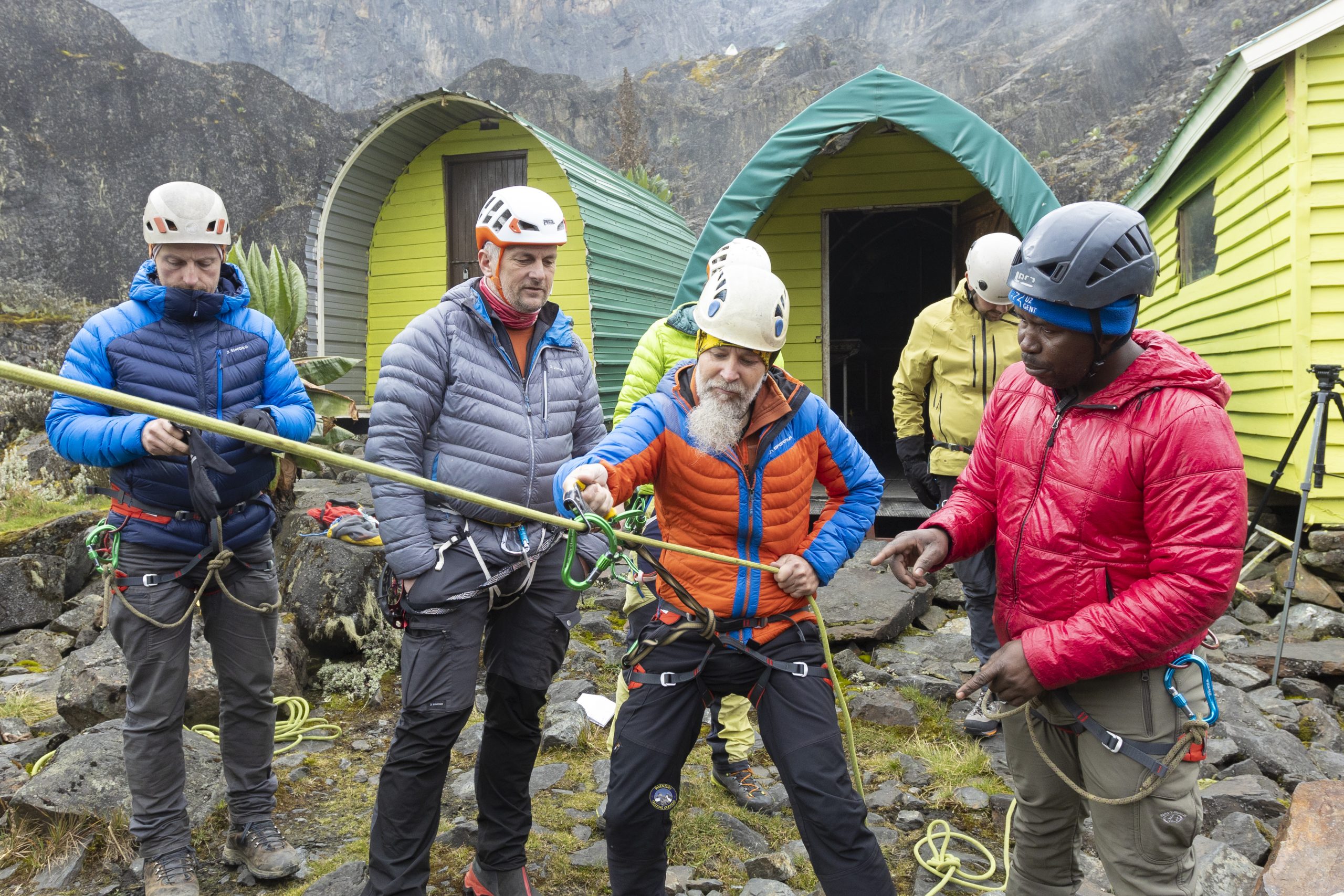 The hiking routes are designed to help climbers gain altitude slowly, giving the body enough time to acclimatize properly. With good preparation, enough hydration, a steady hiking pace, and support from experienced mountain guides, healthy hikers can comfortably complete the adventure.
The Rwenzori experience is more about patience, endurance, and enjoying nature step by step. As climbers move through forests, alpine zones, glaciers, and rocky paths, the body gradually adapts to the changing altitude naturally, making supplementary oxygen unnecessary for most people.
The Height of the Rwenzori Mountains Is Manageable.
One major reason hikers do not need supplementary oxygen on the Rwenzori Mountains is the altitude itself. Margherita peak, the highest mountain, is 5,109 meters above sea level. While this is very high, it is still far below the dangerous altitude zones where bottled oxygen becomes common.
Most climbers who use supplementary oxygen are attempting mountains above 7,000 or 8,000 meters. At those elevations, oxygen levels become dangerously low for long periods. The human body struggles to function normally, and climbers face serious risks if they stay too long.
The Rwenzori Mountains are different. Hikers normally spend only a short time near the highest elevations. The climbing schedules also allow hikers to move gradually through different altitude levels. This gives the body enough time to adjust naturally.
For example, a typical seven-day/eight-day hike slowly increases elevation each day. Hikers sleep at lower camps before making summit attempts. This pattern reduces stress on the body and improves oxygen adaptation naturally. Many hikers even notice that their breathing becomes easier after a few days on the mountain.
Because of this gradual approach, healthy climbers can comfortably complete the hike without carrying heavy oxygen equipment.
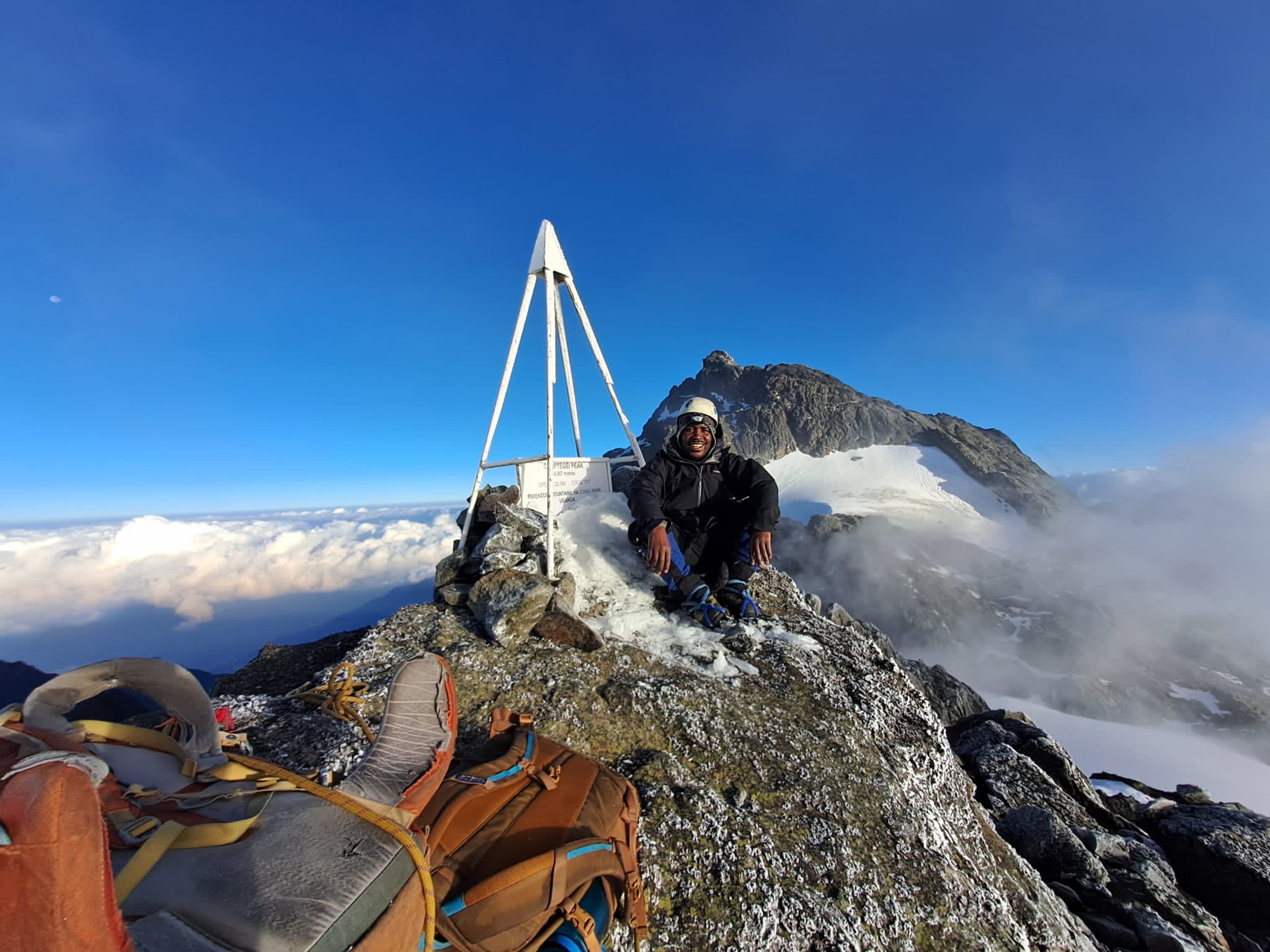 Natural Acclimatization Works Very Well.
The human body has an amazing ability to adapt to altitude. This process is called acclimatization. On the Rwenzori Mountains, acclimatization happens naturally because hiking routes are designed to help hikers adjust slowly.
As climbers gain altitude, the body begins producing more red blood cells. Breathing rate also increases slightly. These natural responses help the body transport oxygen more effectively. Within a few days, most hikers feel stronger and more comfortable at higher elevations.
Guides on the Rwenzori Mountains understand this process very well. They encourage climbers to walk slowly, drink enough water, and rest properly. Local hiking teams often repeat one important phrase: “Pole pole,” meaning “slowly slowly.” This simple approach works better than rushing.
For example, a fast climber who ignores acclimatization may feel dizzy, tired, or develop headaches. Meanwhile, another hiker moving slowly and taking regular breaks can reach the same camp feeling fresh and energetic.
Many first-time hikers are surprised by how effective slow hiking becomes at high altitude. The body performs better when it is not forced too quickly.
Because acclimatization is effective on the Rwenzori Mountains, supplementary oxygen is usually unnecessary for ordinary hiking expeditions.
Most Hikers Reach the Summit without Oxygen.
Every year, hikers from different age groups successfully climb the Rwenzori Mountains without bottled oxygen. Many of these hikers are not professional mountaineers. Some are ordinary travelers seeking adventure and nature experiences.
Rwenzori Mountaineering services regularly organizes guided hikes for people with moderate fitness levels. Climbers include students, photographers, retirees, and travelers who simply enjoy hiking. Most complete the hike safely using only normal mountain gear.
This success comes from good preparation rather than expensive oxygen systems. Hikers who train before the climb often perform very well. Simple activities such as walking, jogging, stair climbing, or hiking smaller hills can improve endurance significantly.
A traveler who practices regular cardio exercise for two months before the trip may handle the mountain much better than someone relying entirely on oxygen support. Physical conditioning allows the lungs and heart to work efficiently during the hike.
Experienced guides also monitor hikers closely during the climb. They check for symptoms of altitude sickness and adjust the pace when necessary. If someone feels unwell, guides may recommend extra rest or descending slightly to recover.
This support system makes the Rwenzori Mountains safer and more accessible for many travelers without needing supplementary oxygen.
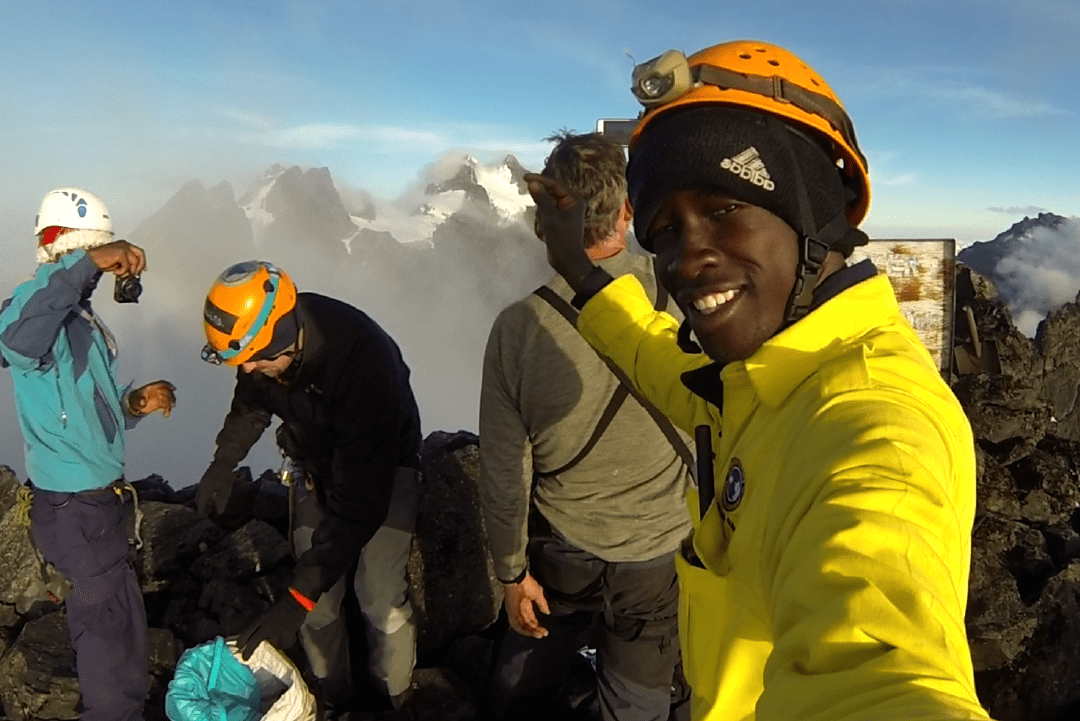 The Hiking Pace Reduces Altitude Risks.
The pace of climbing plays a huge role in mountain safety. On the Rwenzori Mountains, hiking itineraries are intentionally slow. This reduces the risk of severe altitude sickness and allows hikers to conserve energy.
Unlike some steep mountain expeditions where climbers push aggressively toward the summit, Rwenzori hikes focus on steady progress. Daily hiking hours are manageable, and camps are placed strategically between elevation gains.
A slow pace helps the lungs absorb oxygen more effectively. It also prevents exhaustion, which can worsen altitude symptoms. Hikers who conserve energy often sleep better, recover faster, and enjoy the scenery more fully.
For example, a group hiking carefully through the bamboo forest and alpine zones may arrive at camp with enough energy to explore the surroundings. Another group rushing too quickly may become exhausted long before reaching the same destination.
The Rwenzori experience is not a race. The mountain rewards patience and consistency. Climbers who respect the pace usually discover that their bodies adapt naturally.
This careful hiking style removes much of the need for supplementary oxygen during the journey.
Weather and Terrain Matter More Than Oxygen.
Interestingly, the biggest challenges on the Rwenzori Mountains are not low oxygen levels. The real difficulties often come from weather and terrain conditions.
The mountains are famous for mud, rain, slippery trails, and cold temperatures. Hikers cross wooden ladders, rocky paths, streams, and marshy sections. Good waterproof clothing and strong hiking boots are usually more important than oxygen tanks.
Many climbers struggle more with wet socks and muddy trails than with breathing problems. Heavy rain can slow progress and increase fatigue. Proper equipment becomes essential for comfort and safety.
A hiker with poor rain gear may become cold and miserable even at lower altitudes. Another hiker carrying dry clothing and quality boots may enjoy the same route comfortably.
Fitness, preparation, and attitude therefore matter more than carrying oxygen cylinders. Throughout the journey, hikers who pack carefully and have a good outlook frequently do better.
The mountain environment itself demands respect, but oxygen shortage is rarely the main issue for prepared hikers.
Mountain Guides Are Trained for Safety.
Professional mountain guides on the Rwenzori Mountains play an important role in keeping hikers safe. These guides are highly experienced and understand how altitude affects different people.
Before the hike begins, guides explain the importance of hydration, pacing, and communication. During the climb, they watch for signs of altitude sickness such as headaches, nausea, dizziness, or unusual fatigue. If symptoms appear, guides respond quickly. Sometimes they recommend extra water and rest. In more serious cases, they may advise descending to a lower altitude. Early action prevents dangerous complications.
A hiker who develops a mild headache at camp may recover fully after resting and drinking fluids. Ignoring symptoms, however, could create bigger problems later.
Guides also know the mountain routes extremely well. Their familiarity with the area enables hikers to navigate challenging terrain and shifting weather conditions safely. Because trained support teams monitor climbers carefully, supplementary oxygen becomes unnecessary for most visitors. Safety depends more on awareness and proper decision-making than on artificial oxygen systems.
Proper Preparation Makes the Difference.
Preparation is the true secret to a successful Rwenzori hike. Climbers who prepare properly rarely experience serious altitude difficulties.
Good preparation starts with physical fitness. Regular walking, cardio exercise, and endurance training strengthen the body before the trip. Strong legs and healthy lungs make climbing easier and more enjoyable.
Hydration is equally important. Drinking enough water helps the body adapt to altitude naturally. Dehydration can worsen headaches and fatigue.
Nutrition also matters during the hike. Warm meals and energy-rich snacks help maintain strength during long hiking days. Many hiking teams provide balanced meals to support climbers throughout the expedition.
Mental preparation is another key factor. Some hikers become anxious after hearing stories about altitude sickness. Staying calm and trusting the hiking process often improves performance.
A prepared hiker who follows guide instructions, drinks water regularly, and hikes steadily may reach the summit comfortably. Another climber who ignores preparation may struggle even at lower elevations.
The Rwenzori Mountains reward discipline and patience. Hikers who respect the mountain usually discover they can climb successfully without supplementary oxygen.
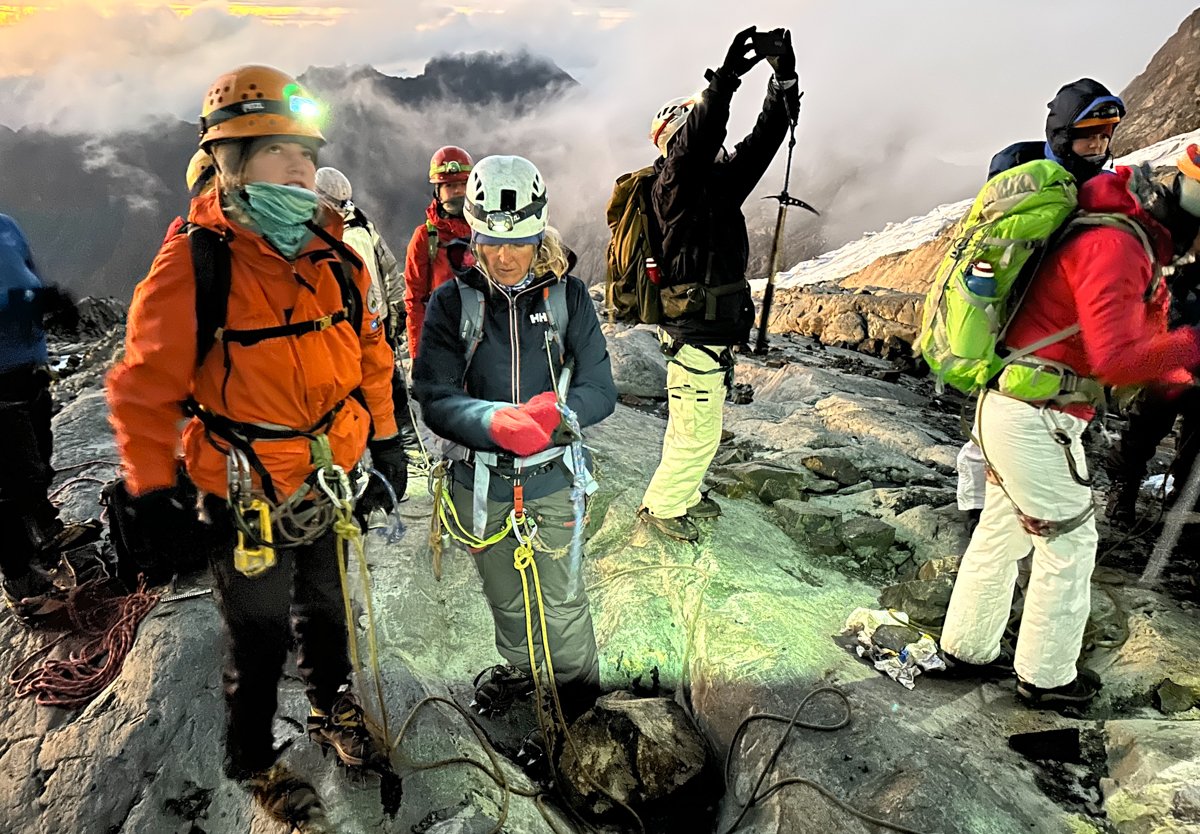 The Rwenzori Experience Is About Nature and Adventure.
Climbing the Rwenzori Mountains is not only about reaching the summit. The journey itself becomes the greatest reward. Hikers walk through tropical forests, giant heather zones, waterfalls, glaciers, and dramatic valleys that feel untouched by modern life.
The changing scenery keeps hikers motivated throughout the hike. Every altitude level reveals a different landscape and atmosphere. Wildlife, unique plants, and breathtaking views create unforgettable memories.
Many climbers finish the expedition surprised by their own strength. They realize the human body can adapt naturally when given enough time and proper care.
Supplementary oxygen is unnecessary because the mountain allows hikers to experience altitude gradually and safely. The challenge is real, but it remains manageable for prepared hikers.
The Rwenzori Mountains continue to inspire adventurers from around the world because they offer a rare balance of beauty, difficulty, and accessibility. With the right mindset, steady pacing, and good preparation, climbers can enjoy this incredible African mountain range confidently and safely without carrying oxygen tanks.