

The Enchanting Everlasting Flowers of the Rwenzori Mountains.
The Rwenzori Mountains, often called the “Mountains of the Moon,” host some of Africa’s most unique flora. Among these treasures, everlasting flowers stand out for their resilience and beauty. Known scientifically as Helichrysum stuhlmannii, these crisp, woolly plants thrive in the harsh, high-altitude environment of the Rwenzoris. Trekkers and botanists alike are captivated by their presence, especially in the alpine zones where few other plants survive. The combination of white, woolly hairs and compact growth allows them to withstand cold, wet, and windy conditions that define this extraordinary landscape.
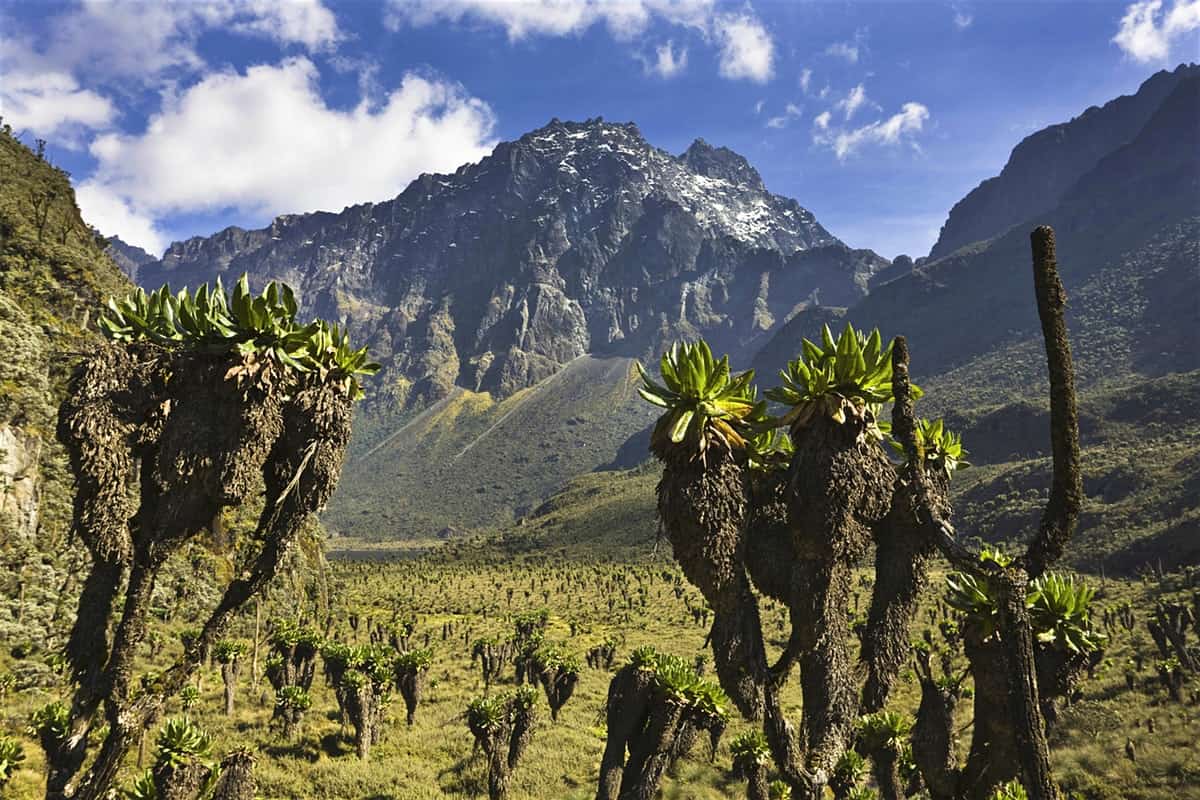 Unlike many mountain plants, everlasting flowers do more than survive; they flourish. They carpet boggy patches and cling to rocky slopes, adding a soft, silvery glow to the rugged terrain. These flowers often grow alongside giant lobelias and groundsels, creating a scene reminiscent of a fairytale. Observers cannot help but marvel at the otherworldly combination of plants that seem sculpted for this mystical environment. Their presence not only enriches the scenery but also supports a fragile ecosystem where each species plays a critical role.
Zones Where Everlasting Flowers Thrive
Everlasting flowers are most abundant in the alpine and high-moorland zones of the Rwenzori Mountains, typically between 4,000 and 4,500 meters. This area, often shrouded in mist, offers the cool temperatures and high humidity the plants require. The alpine zone’s boggy surfaces, moss-covered rocks, and occasional glacial streams provide ideal conditions for these resilient flowers. Transitioning between zones, the plants show remarkable adaptability, sometimes appearing at lower altitudes in the higher bamboo zone, around 2,500–3,000 meters and also in the heather zone.
In the bamboo zone, everlasting flowers remain less prominent but still survive on shaded slopes and near waterlogged areas. As trekkers ascend, the density of these plants increases dramatically. The higher moorlands feature a mix of moss, small shrubs, and wet, spongy ground, creating perfect microhabitats. Lakes, streams, and glacial runoff add moisture and nutrients, allowing the flowers to grow in clusters. Observers often note that the alpine zone feels almost magical, with everlasting flowers scattered among larger giants like Lobelia wollastonii.
The flowers’ growth patterns adapt to microclimates within these zones. On exposed ridges, plants form dense cushions to resist wind. In wetter depressions, they spread widely, softening the harsh terrain. This versatility allows them to dominate certain patches where other species struggle, showcasing their importance in maintaining the unique alpine ecosystem of the Rwenzori Mountains.
 Appearance and Adaptation
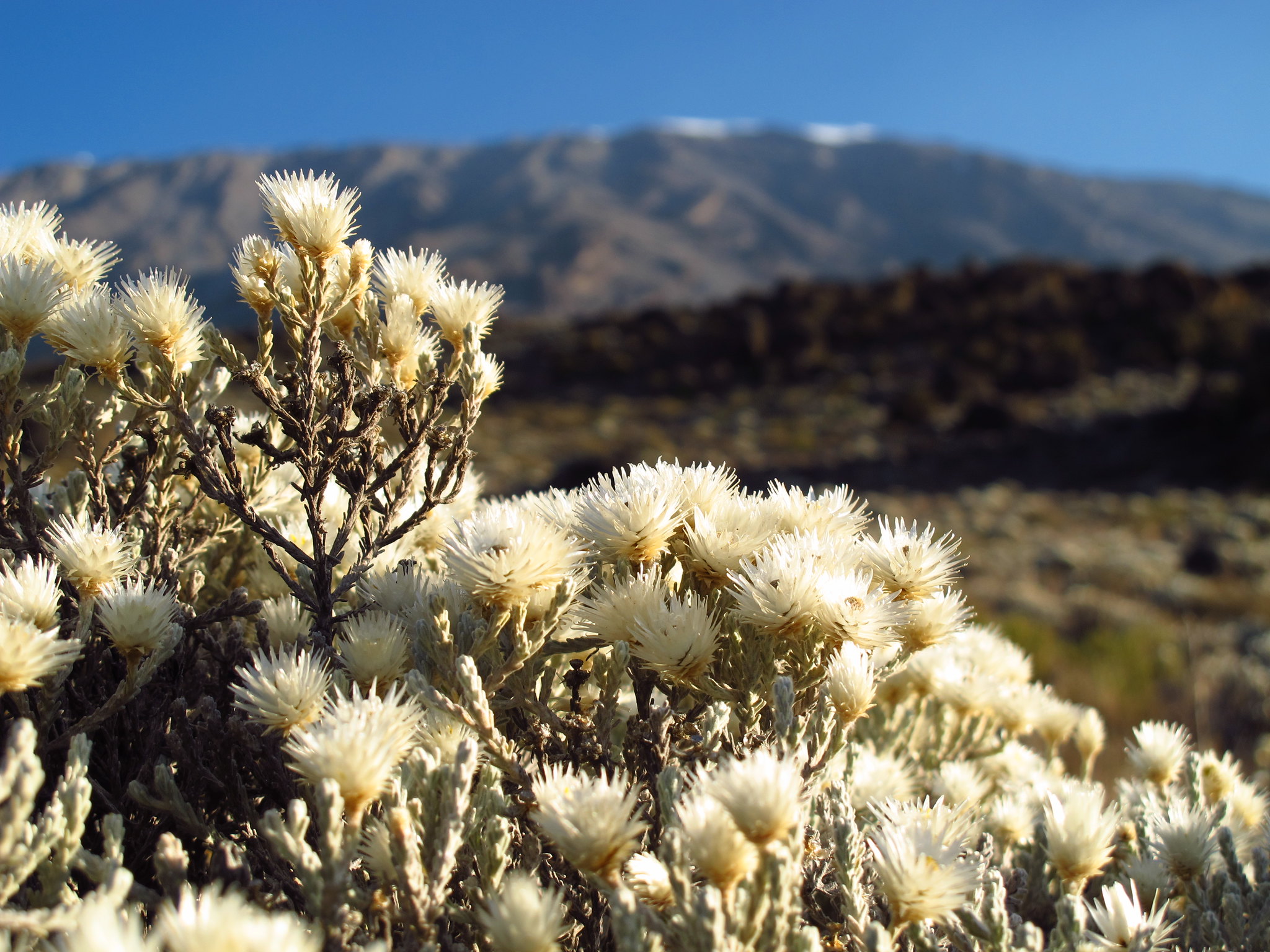
The visual appeal of everlasting flowers is striking. Their woolly, silvery-white flowers give the impression of frost, even when the sun shines. Each plant is compact, with stems and leaves tightly packed to minimize heat loss and water evaporation. The flowers themselves are small but numerous, forming clusters that catch the light and stand out against the dark, wet soil. Botanists often describe them as “crisp” and “textured,” reflecting their unusual combination of toughness and delicate beauty.
Adaptation plays a key role in their survival. The thick woolly covering acts as insulation, while the compact shape reduces exposure to cold winds. Their roots penetrate peat and rocky soil, extracting moisture from environments that appear barren. During heavy rainfall, the plants absorb water efficiently, allowing them to endure sudden changes in weather. Moreover, the woolly surface repels excessive water, preventing rot and fungal infections. Every feature of these flowers demonstrates evolution’s precision in preparing life for extreme conditions.
The presence of everlasting flowers alongside other iconic Rwenzori species creates a visual tapestry. Giant groundsels tower above them, while lobelias form vertical accents. The flowers’ subtle white tone contrasts with dark volcanic rocks and green moss, emphasizing their fragile beauty. This combination of flora creates the famous “fairytale” scenery that draws hikers and photographers from across the globe.
 Cultural and Ecological Significance
Beyond their beauty, everlasting flowers carry ecological and cultural importance. Ecologically, they stabilize fragile soils in the alpine zones. Their root systems prevent erosion, while their foliage supports small insects and microorganisms. The flowers also contribute to the region’s biodiversity, forming part of a network that sustains birds, insects, and other alpine life.
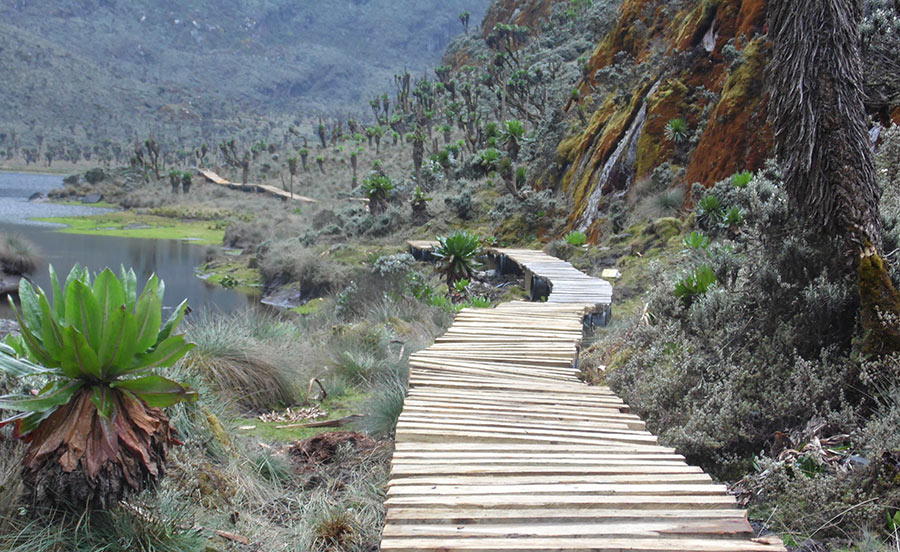
Culturally, these flowers inspire awe and storytelling. Local communities refer to them as “eternal flowers,” a name that reflects both their appearance and their resilience. Guides often highlight these blooms during treks, explaining how they survive freezing nights and soaking rains. Visitors frequently photograph them near Kiharo Cam, Bujjuku camp, Kitandara camp, Bigo hut, and John Matte camp and other high-altitude camps, capturing the surreal quality of the landscape. The combination of human fascination and ecological importance makes everlasting flowers more than a simple plant; they symbolize endurance, beauty, and the mystery of the Rwenzori Mountains.
Their presence also reminds scientists and conservationists of the delicate balance in high-altitude ecosystems. Changes in climate or human activity could threaten these habitats. Protecting everlasting flowers ensures the preservation of both botanical wonders and the cultural narratives tied to them. Every bloom tells a story of survival, resilience, and the quiet grandeur of Africa’s alpine environments.
 Conclusion
The everlasting flowers of the Rwenzori Mountains exemplify the magic of high-altitude life. From their woolly leaves to their strategic growth in boggy and rocky areas, these flowers capture both imagination and scientific interest. Trekking through alpine zones, one cannot ignore the surreal glow they create alongside giant lobelias and groundsels. They symbolize the enduring beauty and adaptability of mountain ecosystems. Observers leave inspired, carrying memories of white, crisp blooms against misty landscapes. In every sense, these eternal flowers deserve their name, flourishing in one of the world’s most extraordinary mountain ranges.