

How the 2026 Iran–US War Is Affecting Tourism at Rwenzori Mountains National Park
How the 2026 Iran–US War Is Affecting Tourism at Rwenzori Mountains National Park is a topic that highlights the connection between global conflict and tourism performance in Uganda. Tourism continues to play an important role in Uganda’s economy, and Rwenzori Mountains National Park remains one of the country’s leading tourist attractions. The park is widely known for its snow-capped mountains, rich plant life, hiking activities, and breathtaking landscapes. Every year, visitors from Europe, North America, Asia, other continents and different African countries travel to the region in search of adventure, relaxation, and nature experiences. However, the 2026 Iran–US War, also referred to as Operation Epic Fury, has begun creating challenges for tourism industries in different parts of the world, including Uganda.
Even though the conflict is taking place far from East Africa, its impact is spreading through increased fuel prices, costly air transport, economic uncertainty, and growing global fear. Tourism across the world depends greatly on peaceful international relations and reliable transport systems. When war disrupts oil supply and airline operations, tourism businesses in many countries begin facing serious difficulties. Rwenzori Mountains National Park is already experiencing some of these effects as international tourist numbers continue to reduce while operating expenses keep rising.
The tourism industry around the park supports many people and businesses within the surrounding communities. Hotels, tour guides, drivers, restaurants, and craft sellers all depend on tourist activity for income and employment. A decline in visitor arrivals therefore affects local livelihoods, business growth, and conservation efforts within the region.
 Background of the 2026 Iran–US War
The 2026 Iran–US War began after political tension between Iran and the United States developed into direct military confrontation. The conflict, later known as Operation Epic Fury, quickly attracted international attention because of its impact on oil supply routes and global security. Several important transport routes in the Middle East experience disruptions, especially around the Strait of Hormuz, which is one of the world’s most important oil shipping channels.
As the conflict continues, global fuel prices increase sharply. Airlines, shipping companies, and international businesses are spending more money on transport and operations. News coverage of missile attacks, military movements, and diplomatic disagreements also increases fear among travelers around the world.
Many people have become uncertain about long-distance international travel. Some tourists delay vacations because they fear flight disruptions and rising travel costs. Others prefer domestic tourism within their own countries instead of overseas travel. These reactions continue to create pressure on tourism industries in countries that depend heavily on international visitors, including Uganda.
Importance of Tourism at Rwenzori Mountains National Park
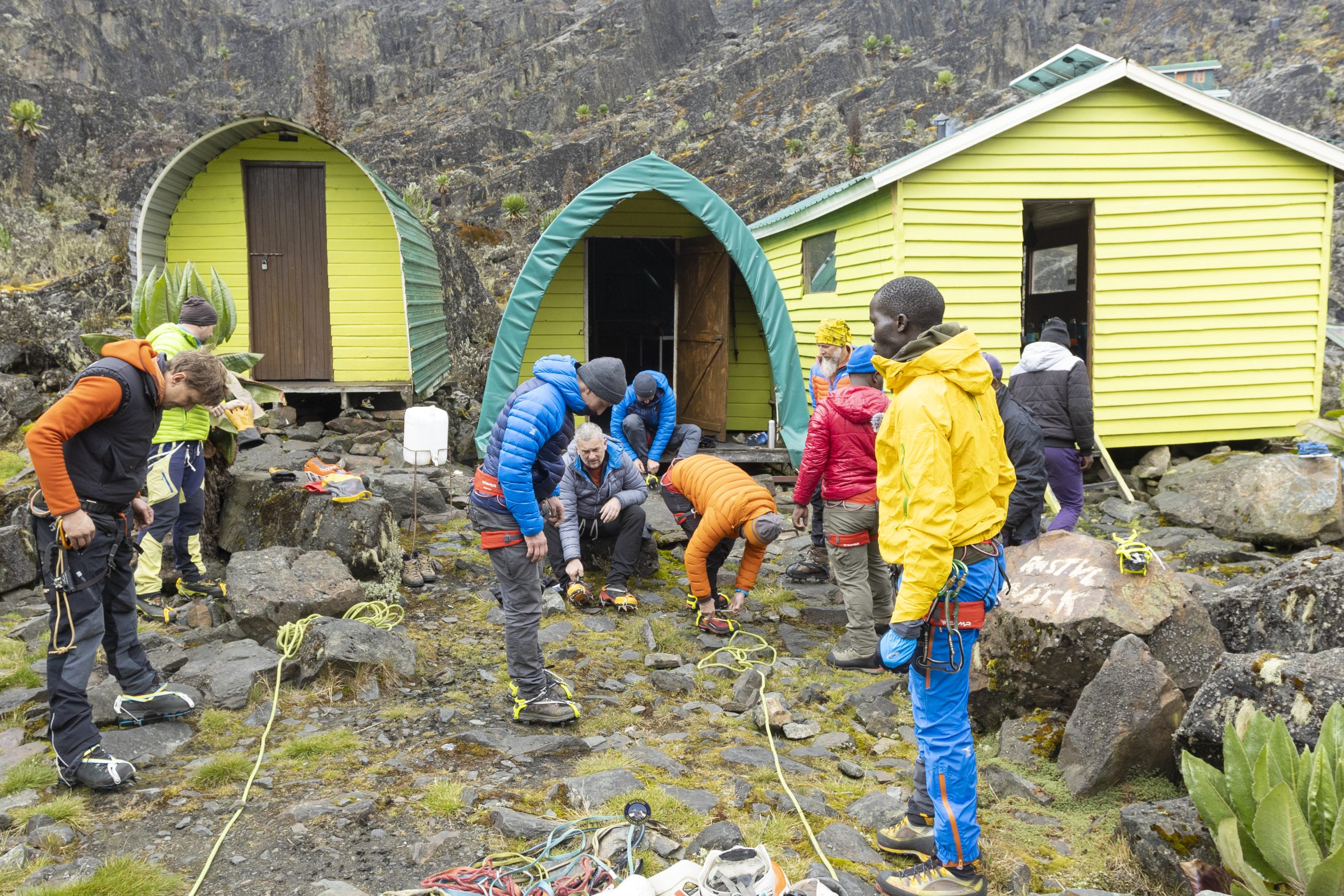
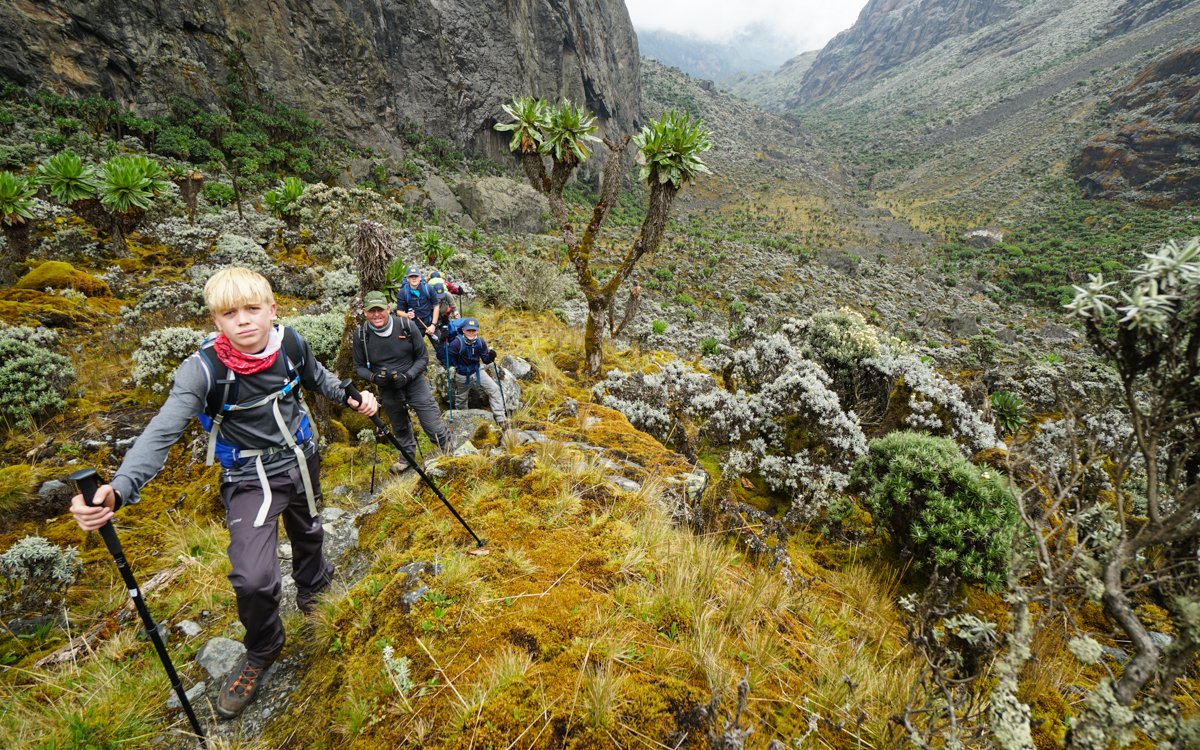
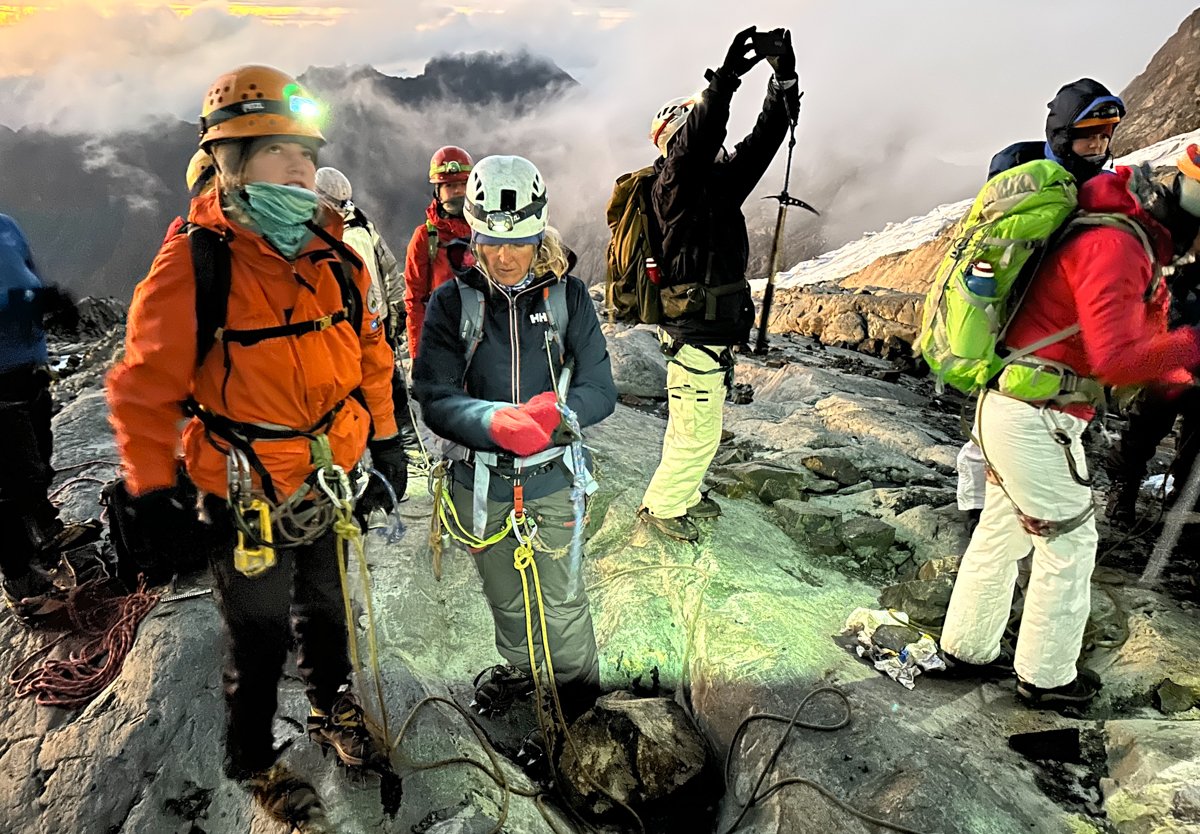
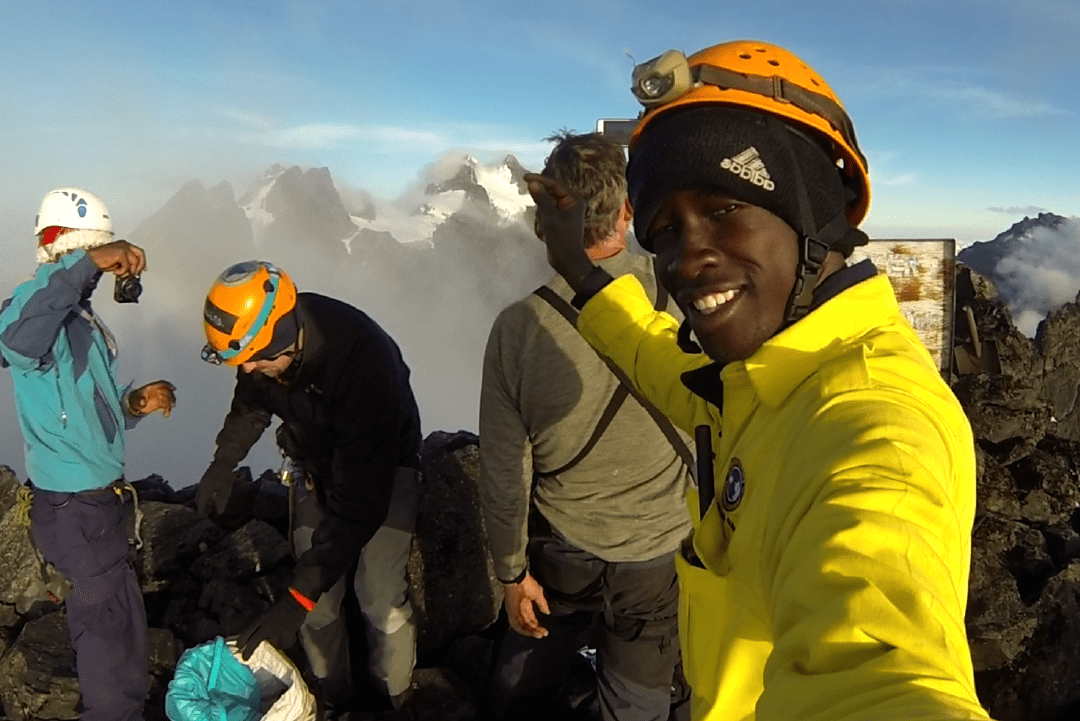
Rwenzori Mountains National Park is one of Uganda’s most valuable tourism attractions. The park is famous for mountain climbing, hiking, bird watching, and nature exploration. The Rwenzori Mountains are unique because they contain glaciers and snow despite being close to the equator. This rare environment attracts adventure tourists from different parts of the world.
Tourism in the region contributes greatly to local development. Many residents work as tour guides, porters, cooks/chefs, drivers, hotel workers, and craft sellers. Local farmers also benefit because hotels and restaurants purchase food supplies from surrounding communities.
Tourism revenue supports environmental conservation and helps maintain infrastructure inside the park. Entrance fees and tourism activities provide income used for protecting wildlife, improving hiking trails, and preserving the natural environment.
International tourists are especially important because they spend more money during their visits. A decline in foreign tourist arrivals therefore creates economic pressure on businesses and communities surrounding the park.
 Increased Cost of Travel
One of the biggest effects of the Iran–US War has been the increase in international travel costs. Since the conflict disrupted oil markets, fuel prices have continued rising in many countries. Airlines now spend more money on jet fuel, forcing them to increase ticket prices.
Traveling from Europe or America to Uganda has therefore become more expensive than before the conflict. A tourist planning a hiking expedition in the Rwenzori Mountains may now need a much larger travel budget. Air tickets, accommodation, transport, and food expenses have all increased because of higher operational costs.
Tour companies organizing mountain climbing activities are also struggling with transport expenses. Vehicles moving tourists from Kampala or Entebbe to Kasese now consume more expensive fuel. Hotels around the park are paying more money for electricity, generators, and delivery of supplies.
Due to these higher costs, fewer visitors are ready to travel great distances. Some travelers decide to postpone their holidays while others completely cancel their plans.
Airspace Disruptions and Airport Restrictions in the Middle East
The 2026 Iran–US War has also affected international aviation through temporary airspace restrictions and security-related flight adjustments. As tensions continue, several airports in the Middle East experience reduced operations, increased security screening, and in some cases partial closure of flight routes passing through high-risk zones. These changes mainly affect airports that connect Europe, Asia, and Africa through the Middle East transit corridor.
Major transit hubs such as Dubai International Airport, Doha Hamad International Airport, and Abu Dhabi International Airport continue to operate, but airlines adjust schedules and reroute flights to avoid sensitive airspace areas. Some flights take longer paths over safer regions, which increases travel time and fuel consumption. This situation raises ticket prices and reduces the convenience of long-distance travel.
In addition, airports closer to conflict-sensitive zones experience tighter security controls and occasional delays. Passenger screening has become stricter, and flight connections are sometimes rescheduled to reduce exposure to risk areas. These adjustments affect the smooth movement of international travelers, especially those connecting from Europe and Asia to Africa.
As a result, Uganda’s tourism sector indirectly feels these changes. Tourists traveling to destinations such as Rwenzori Mountains National Park often depend on Middle Eastern hubs for connecting flights. When schedules become uncertain or more expensive, some travelers cancel or postpone their journeys. This reduces the number of international visitors arriving in Uganda.
The aviation disruptions therefore play a key role in shaping global tourism patterns during the ongoing conflict. Even though Uganda is far from the conflict zone, its tourism industry is still influenced by changes in global flight networks and airport operations.
 Reduction in International Tourist Arrivals
Tourism depends strongly on traveler confidence. During periods of war and international tension, many tourists avoid overseas trips because of fear and uncertainty. The Iran–US conflict has created global anxiety, especially among travelers who depend on international airline networks.
Some tourists worry about flight cancellations or delays caused by changing air routes. Others fear that the conflict could expand into wider international instability. Even though Uganda remains peaceful, many travelers still become cautious about international movement during times of global crisis.
Rwenzori Mountains National Park has started experiencing fewer international bookings because of these concerns. Foreign hiking groups that normally reserve climbing tours several months in advance have reduced in number. Hotels and lodges are receiving fewer reservations compared to previous years.
For example, a tourist from France planning a mountain climbing trip may cancel the visit because flight costs are too high. Another traveler from Canada may delay the journey because of uncertainty in global transport systems. These individual choices eventually reduce tourism income in the region.
Impact on Local Businesses and Communities
Communities surrounding Rwenzori Mountains National Park depend heavily on tourism for survival. When tourist numbers decrease, local businesses immediately feel the impact. Porters who assist climbers during mountain expeditions receive fewer opportunities for work. Tour guides and drivers also experience lower earnings.
Women selling crafts, souvenirs, and traditional products near tourism centers face declining sales because fewer visitors are purchasing local items. Restaurants and food suppliers are also affected because hotels receive fewer guests.
Young people employed in tourism-related activities are among the most affected groups. Some workers may lose jobs completely if tourism continues declining for a long period. Families depending on tourism income may struggle to meet daily needs, pay school fees, or access healthcare services.
Reduced tourism revenue also affects conservation activities. National parks require financial support to maintain infrastructure, protect wildlife, and preserve natural ecosystems. Fewer visitors mean lower revenue collection for these important responsibilities.
 Fear and Global Media Influence
Media coverage plays an important role in shaping tourist decisions. Continuous reporting about war, missile attacks, and political tension creates fear among international travelers. Many people begin associating international travel with danger even when certain destinations remain peaceful.
Some tourists may not clearly understand the geographical distance between Uganda and the Middle East conflict zone. Others simply prefer avoiding international travel until global conditions improve. This fear reduces tourism demand even in countries not directly connected to the conflict.
Travel insurance costs have also increased in some international markets because of rising uncertainty. Families planning vacations may therefore choose cheaper domestic tourism options instead of expensive international holidays.
As a result, tourism stakeholders in Uganda must work harder to reassure travelers that the country remains safe and welcoming.
Possible Solutions for the Tourism Sector
Uganda can reduce the negative effects of the Iran–US War on tourism through several strategies. One important solution is encouraging domestic tourism. Ugandans and East Africans can be motivated to visit Rwenzori Mountains National Park through affordable travel packages and promotional campaigns.
Tour operators should also strengthen online marketing to promote the beauty, safety, and uniqueness of the Rwenzori region. Social media platforms can help attract tourists interested in adventure and nature tourism.
Government support is also important during periods of global instability. Improving roads, tourism infrastructure, and transport services can help make travel more convenient and affordable. Financial support and tax relief may help tourism businesses survive economic difficulties caused by declining international arrivals.
Tourism stakeholders can also diversify activities around the park. Cultural tourism, educational tours, sports activities, and community tourism can attract different types of visitors and reduce dependence on international mountain climbers alone.
Conclusion
The 2026 Iran–US War, also known as Operation Epic Fury, has demonstrated how global conflicts can affect tourism industries far away from the actual war zone. Although Uganda remains peaceful, Rwenzori Mountains National Park is experiencing the effects of rising travel costs, reduced tourist confidence, and declining international arrivals.
The conflict has increased pressure on airlines, hotels, tour operators, and local communities that depend on tourism income. Businesses are struggling with higher operational expenses while visitor numbers continue decreasing.
Despite these challenges, the tourism sector can recover through proper planning, strong marketing, improved infrastructure, and promotion of domestic tourism. Rwenzori Mountains National Park still remains one of Africa’s most unique adventure destinations. With effective strategies and continued peace in Uganda, the park can continue attracting visitors even during difficult global conditions.