

Best Time to Trek the Rwenzori Central Circuit: The Ultimate Guide to Seasons, Weather & Summit Success.
Best Time to Trek the Rwenzori Central Circuit is one of the first questions every hiker asks before planning an expedition to Uganda’s legendary Mountains of the Moon. Choosing the right season can make a remarkable difference in trail conditions, mountain views, hiking comfort, and the overall trekking experience. While the Rwenzori Mountains can be visited throughout the year, weather patterns, rainfall, and temperature changes influence every stage of the journey. Understanding these seasonal differences helps trekkers prepare properly and enjoy a safer, more rewarding adventure.
The Central Circuit is famous for its stunning landscapes, diverse vegetation, alpine lakes, glaciers, and Africa’s third-highest peak, Margherita Peak. Every season reveals a different side of this remarkable mountain range. Some months offer clearer skies and drier trails, while others showcase greener forests, flowing waterfalls, and fewer visitors. The ideal trekking period depends not only on the weather but also on what each traveler hopes to experience.
Planning around the seasons also improves safety and comfort. Dry trails reduce the risk of slipping, while clear weather increases the chances of enjoying spectacular views from high mountain passes. By learning how each season affects the Central Circuit, trekkers can confidently choose the time that best matches their goals.
 Understanding the Rwenzori Mountain Climate
Unlike many mountain ranges, the Rwenzori Mountains have a unique climate because they lie almost directly on the Equator. Many first-time visitors expect warm tropical weather throughout the journey, but conditions change dramatically with altitude. The lower slopes are warm and humid, while higher elevations experience freezing temperatures, strong winds, and occasional snowfall.
Rainfall is common throughout the year because moist air from surrounding lowlands rises against the mountain slopes. As this air cools, clouds form and produce frequent showers, especially in the forests and alpine zones. This steady supply of moisture is responsible for the lush vegetation that makes the Rwenzori Mountains one of Africa’s richest ecosystems.
Temperature also changes significantly as trekkers climb higher. A comfortable morning in the forest can become an icy afternoon near the glaciers. Hikers often experience several climate zones during a single expedition, moving from tropical rainforest to alpine landscapes within a few days.
Although weather forecasts provide useful guidance, mountain conditions can change quickly. Bright sunshine may be followed by thick mist or afternoon rain without much warning. Understanding this natural variability helps trekkers prepare realistic expectations regardless of the season they choose.
The Dry Seasons Offer the Most Comfortable Trekking Conditions
For many visitors, the dry seasons provide the Best Time to Trek the Rwenzori Central Circuit. These periods generally occur from December to February and from June to August. During these months, rainfall is usually lower, making the trails easier to navigate and reducing the amount of mud along the route.
Drier conditions improve walking speed because trekkers spend less energy crossing slippery sections or climbing through deep mud. Wooden boardwalks across wetlands such as Bigo Bog remain useful throughout the year, but they become especially enjoyable during the dry months when surrounding trails are firmer.
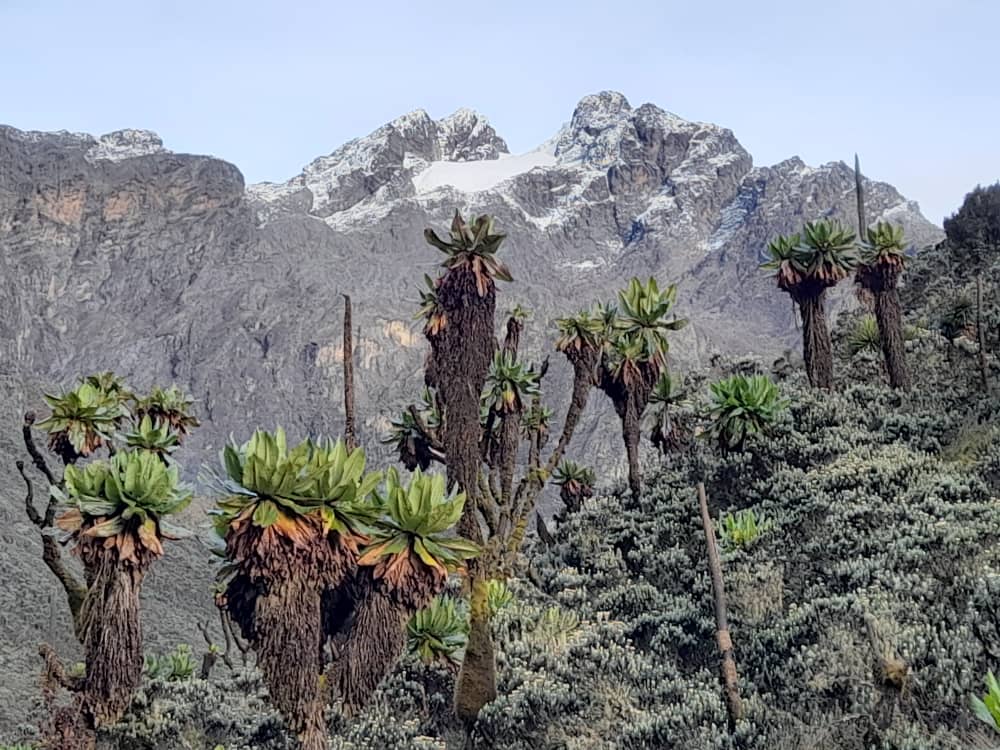
Clearer skies also increase the chances of seeing the dramatic mountain scenery. Trekkers may enjoy panoramic views of snow-covered peaks, glacial valleys, alpine lakes, and giant groundsels stretching across the highlands. These are the images many hikers dream of before arriving in the Rwenzori Mountains.
Photography is another advantage during the dry season. Better visibility allows visitors to capture landscapes that may remain hidden by clouds during wetter months. Sunrise and sunset often provide breathtaking colours across the mountain ridges, creating unforgettable moments for nature lovers.
Because these months are popular, early booking is highly recommended. Accommodation, guides, and trekking permits may become busy, particularly during international holiday periods.
 Trekking During the Rainy Seasons Has Unique Rewards
Although many people prefer the dry months, the rainy seasons also provide excellent opportunities for adventurous trekkers. The wetter periods generally fall between March and May and again from September to November. During these months, rainfall becomes more frequent, but the mountains reveal a completely different beauty.
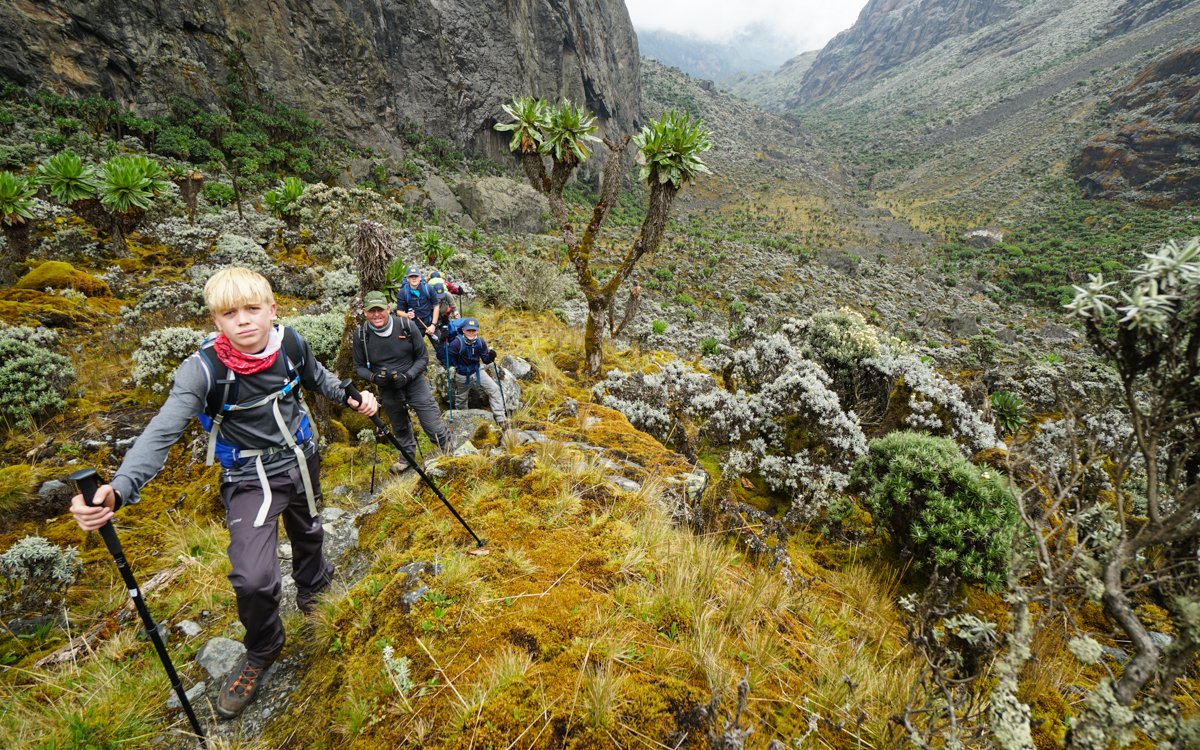
The forests become exceptionally green, waterfalls flow with greater force, and moss-covered trees appear even more vibrant. Wildflowers bloom across the alpine meadows, while streams and rivers carry fresh mountain water through the valleys. These natural changes create spectacular scenery that many photographers appreciate.
Fewer visitors also mean quieter trails and a greater sense of wilderness. Trekkers often spend hours walking without encountering other groups, making the journey feel more personal and peaceful.
Rain does create additional challenges. Muddy trails require careful footing, while waterproof clothing becomes essential every day. Hikers should also expect slower walking speeds because slippery sections demand greater attention.
Despite these conditions, experienced guides continue to lead successful expeditions throughout the rainy season. With proper equipment, realistic expectations, and a positive attitude, many trekkers discover that the quieter atmosphere more than compensates for the extra effort required on the trail.
 Weather Conditions at Different Elevations
The Central Circuit passes through several ecological zones, each with its own weather patterns. Understanding these changes helps trekkers prepare for every stage of the expedition rather than focusing only on the overall season.
The lower forest zone is usually warm and humid. Rain showers are common, but temperatures remain comfortable for hiking. Thick vegetation provides shade while supporting an incredible variety of birds, butterflies, and wildlife.
Higher up, bamboo forests and giant heather zones become cooler. Mist often drifts through the valleys, especially during the afternoon. Rain may become more frequent, and hikers begin wearing warmer clothing as temperatures gradually fall.
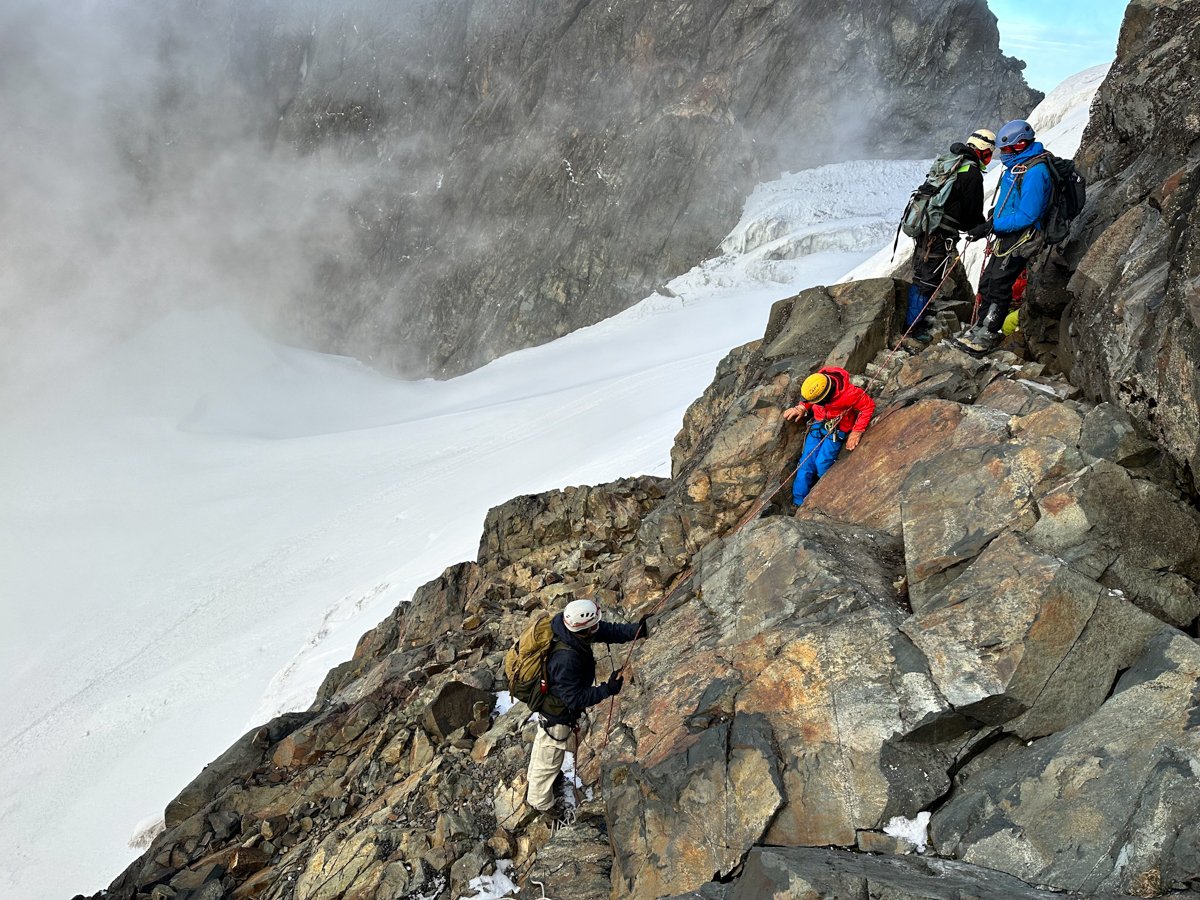
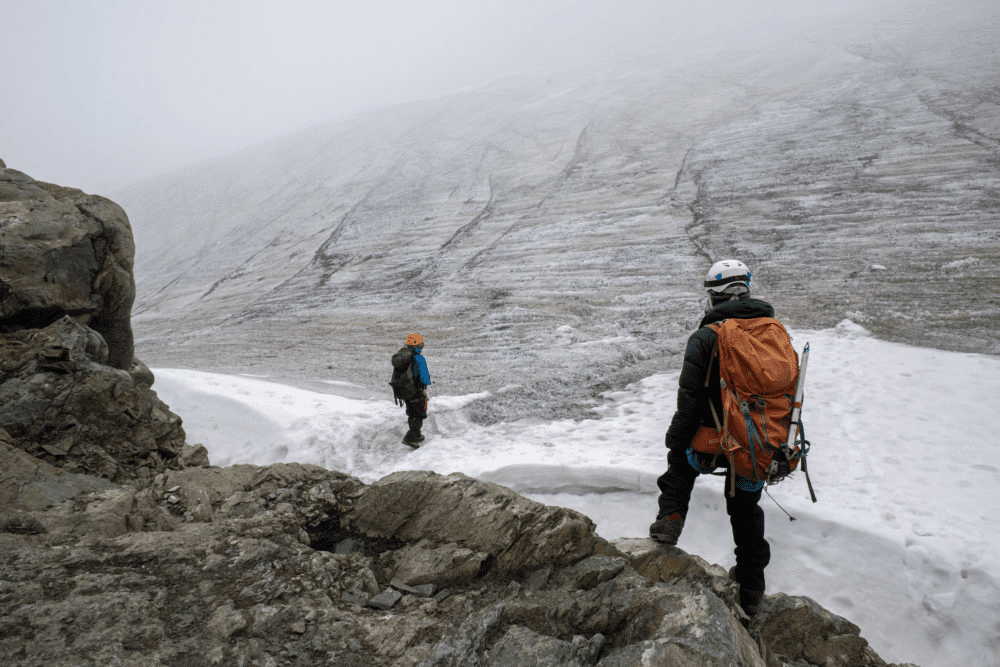
The alpine region introduces colder nights and stronger winds. Frost may appear around mountain huts during clear mornings. Near the glaciers surrounding Margherita Peak, temperatures often remain below freezing even when lower slopes are relatively warm.
For example, a trekker may begin the day wearing a light hiking shirt in the rainforest and finish the afternoon wearing thermal layers, gloves, and a waterproof jacket near the upper camps. This remarkable variation is one of the defining characteristics of the Rwenzori Mountains.
Packing clothing that can be layered allows hikers to respond comfortably to these constant changes throughout the journey.
Choosing the Right Season Based on Your Goals
The ideal trekking season depends on what each traveler hopes to achieve during the expedition. Different priorities often lead to different choices.
Trekkers whose main goal is reaching Margherita Peak usually prefer the dry seasons. Firmer trails, clearer weather, and better visibility create more comfortable summit conditions. Although success is never guaranteed, these months generally provide the most favourable environment for high-altitude climbing.
Nature photographers often have different preferences. Some choose the rainy months because forests appear greener, waterfalls become more dramatic, and cloud formations create unique landscape photographs. Others prefer the dry season for clear mountain panoramas and bright morning light.
Wildlife enthusiasts can enjoy rewarding experiences throughout the year. The lower forests remain rich in birdlife, colourful insects, and small mammals regardless of the season. Seasonal changes mainly influence visibility rather than the presence of wildlife itself.
Travelers seeking solitude frequently choose the quieter months outside the busiest holiday periods. Fewer trekking groups create a more peaceful atmosphere at mountain huts and along the trails.
The best decision comes from matching personal interests with seasonal conditions instead of simply following popular travel recommendations.
Why Preparation Matters More Than the Calendar
Although choosing the right season is important, successful trekking depends even more on careful preparation. Well-prepared hikers often enjoy rewarding experiences regardless of whether they travel during the dry or rainy months.
Good waterproof clothing is essential throughout the year because showers can occur even during the drier seasons. A quality rain jacket, waterproof trousers, gaiters, and backpack cover help protect both the trekker and important equipment.
Physical fitness also plays a major role. The Central Circuit involves several days of continuous hiking over steep and uneven terrain. Preparing through regular walking, stair climbing, or cardiovascular exercise improves endurance and allows trekkers to enjoy the journey more comfortably.
Mental preparation is equally valuable. Mountain weather is unpredictable, and flexibility is an important part of every expedition. Accepting occasional rain, changing temperatures, and shifting conditions helps maintain a positive attitude throughout the trek.
Experienced mountain guides also contribute significantly to a successful adventure. Their knowledge of trail conditions, weather patterns, and safety procedures helps trekkers adapt to changing circumstances while enjoying the remarkable landscapes of the Rwenzori Mountains.
 Packing According to the Season
Packing should always reflect the season of travel, but every trekker should be prepared for sudden weather changes. Even during the driest months, rainfall can occur at almost any altitude.
During the dry seasons, lightweight clothing for lower elevations combines well with insulated layers for higher camps. Waterproof outerwear remains essential because mountain showers often develop during the afternoon.
Rainy season trekkers should pay extra attention to keeping clothing and sleeping equipment dry. Waterproof bags, dry sacks, and spare socks become especially valuable during extended wet conditions.
Good hiking boots are necessary in every season. Strong ankle support and reliable grip reduce the risk of slipping on rocky or muddy sections of the trail.
Other useful equipment includes trekking poles, gloves, warm hats, sunglasses, sunscreen, reusable water bottles, and a comfortable backpack. Each item contributes to safety, comfort, and overall enjoyment regardless of the month chosen for the expedition.
Packing carefully allows trekkers to focus on appreciating the mountain rather than worrying about changing weather.
Final Thoughts
Choosing the Best Time to Trek the Rwenzori Central Circuit is an important step in planning a successful mountain adventure, but every season offers something special. Dry months provide firmer trails, clearer views, and comfortable hiking conditions that appeal to many climbers aiming for Margherita Peak. Rainy months transform the landscape into a lush wilderness filled with vibrant vegetation, powerful waterfalls, and peaceful trails with fewer visitors.
The remarkable diversity of the Rwenzori Mountains means that no two expeditions are ever exactly the same. Weather changes, shifting clouds, alpine scenery, and tropical forests combine to create an experience that remains memorable throughout the year.
Ultimately, the best trekking season is the one that matches your personal interests, level of preparation, and expectations. Whether you dream of photographing snow-covered peaks beneath clear skies or walking through mist-covered forests alive with fresh mountain streams, the Central Circuit offers an unforgettable journey.
With proper planning, suitable equipment, experienced guides, and a willingness to embrace the changing mountain environment, every season has the potential to deliver an extraordinary adventure in one of Africa’s most spectacular mountain ranges.