
Central Circuit vs Kilembe Trail of the Rwenzori Mountains

Problems and Solutions
September 26, 2025Frequently Asked Questions about the Rwenzori Central Circuit Trail
August 17, 2026
Central Circuit vs Kilembe Trail of the Rwenzori Mountains: Which Adventure Fits Your Dream Trek?
Central Circuit vs Kilembe Trail of the Rwenzori Mountains, Central Circuit vs Kilembe Trail of the Rwenzori Mountains is one of the biggest questions every trekker asks before planning a hiking adventure in Uganda’s legendary Mountains of the Moon. Both routes lead visitors into one of Africa’s most beautiful mountain ranges, yet they offer very different experiences. Choosing the right trail can shape your entire journey, from the scenery you enjoy to the physical challenge you face each day.
The Rwenzori Mountains are unlike any other mountain range in Africa. Instead of dry volcanic slopes, trekkers walk through thick forests, giant heather, bamboo, alpine meadows, and wetlands filled with unusual plants. Every day presents a new landscape, making the mountains feel like several national parks combined into one destination.
Although both trails reach famous viewpoints and spectacular peaks, they differ in trail design, trekking style, accommodation, daily distances, and overall comfort. Some hikers value quiet paths and rustic camps, while others prefer better infrastructure and a circular journey that reveals more of the mountain’s changing scenery.
Before choosing a route, it helps to understand what each trail offers. Your fitness level, trekking experience, available time, and personal interests all play important roles. A first-time mountain trekker may enjoy one trail more than the other, while experienced climbers may appreciate different challenges.
This guide compares the two main trekking routes in detail. By the end, you will understand their strengths, differences, and the type of adventure each one provides.
Understanding the Two Main Trails
The Rwenzori Mountains National Park has two established trekking routes that allow visitors to explore the mountain range. Each follows its own path through valleys, rivers, forests, and alpine landscapes before reaching higher elevations.
The Central Circuit is the oldest and most established route in the park. It begins from Nyakalengija and forms a complete loop through the mountain range before returning to the starting point. Because hikers do not retrace their steps, every day introduces different scenery. The route passes several famous locations including Bigo Bog, Lake Bujuku, Scott Elliot Pass, and many spectacular valleys before descending through another side of the mountain.
The Kilembe Trail starts from the western side of the mountains near Kilembe. Instead of forming a loop, much of the trek follows the same route during both ascent and descent. While hikers revisit some camps on the return journey, they also enjoy dramatic valleys, waterfalls, bamboo forests, rocky ridges, and sweeping views across western Uganda.
Both trails eventually provide access to Margherita Peak for climbers choosing summit expeditions. They also offer shorter trekking options for visitors who simply want to experience the beauty of the Rwenzori Mountains without climbing to the highest point.
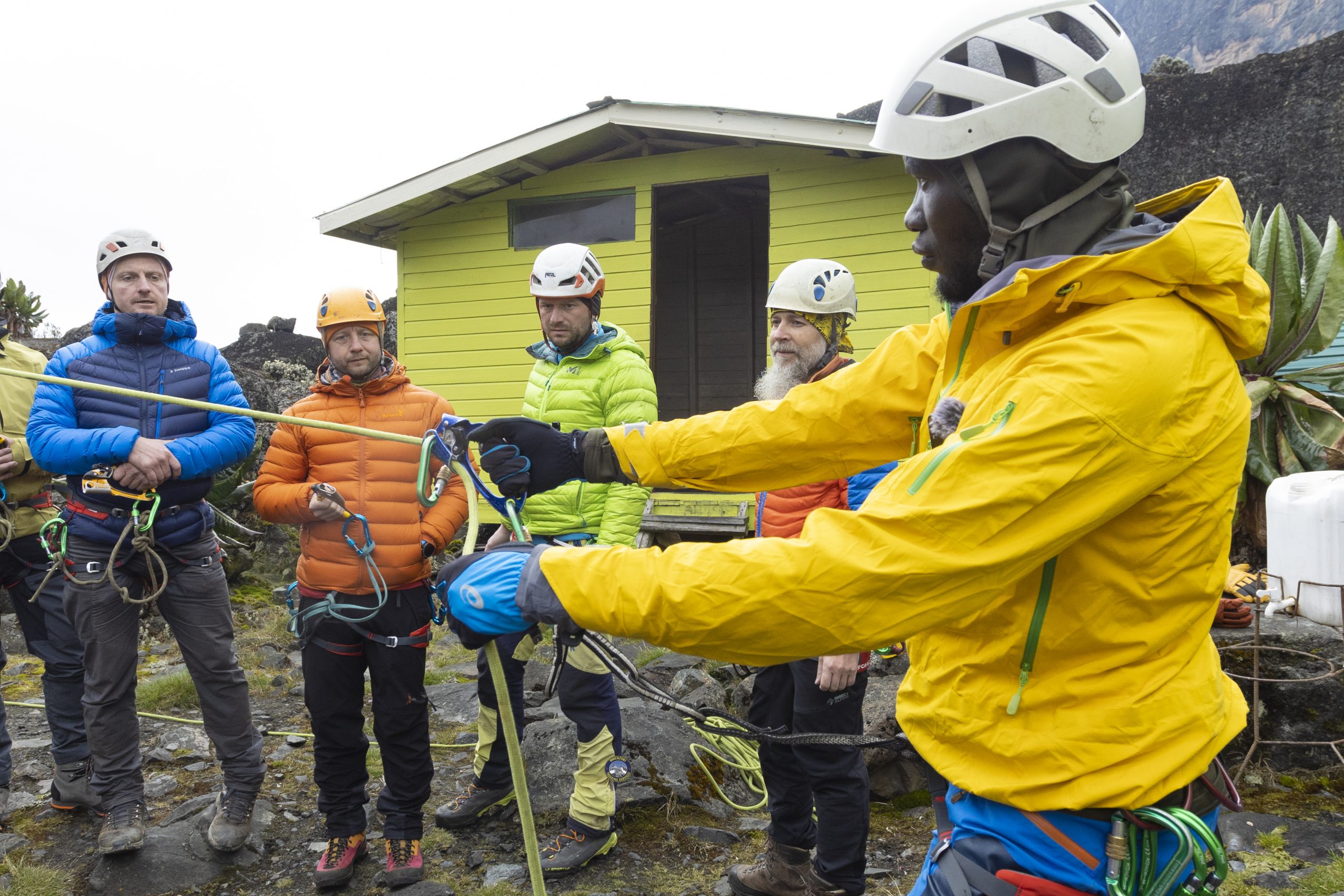
Professional mountain guides accompany all trekkers on both routes. Porters carry equipment, while cooks prepare meals during longer expeditions, allowing visitors to concentrate on enjoying the journey.
Route Layout and Trekking Experience
One of the biggest differences between the two routes is the overall trekking experience created by their layouts.
The Central Circuit follows a circular design. Every trekking day brings fresh landscapes because hikers rarely walk over the same ground twice. This creates a stronger feeling of exploration. New valleys appear every morning, while different rivers, mountain passes, and vegetation zones keep the scenery changing throughout the expedition.
The Kilembe Trail follows an out-and-back route. Trekkers ascend using one path before returning along much of the same trail. While this may sound repetitive, many hikers discover that descending offers completely different views. Landscapes often appear new when seen from another direction, especially under different weather conditions.
The circular nature of the Central Circuit also spreads visitor movement across a wider area of the park. Camps become stepping stones rather than return points, giving hikers a stronger sense of completing a full mountain journey.
Meanwhile, the Kilembe Trail allows trekkers to become familiar with certain sections of the mountain. Returning through known terrain often feels easier because hikers understand what to expect.
Neither layout is better for every visitor. Those who enjoy constant variety usually appreciate the Central Circuit, while hikers who like predictable daily stages often find the Kilembe Trail comfortable and rewarding.
Landscapes and Scenic Beauty
Every visitor comes to the Rwenzori Mountains expecting breathtaking scenery. Fortunately, both trails deliver unforgettable landscapes, although they highlight different parts of the mountain range.
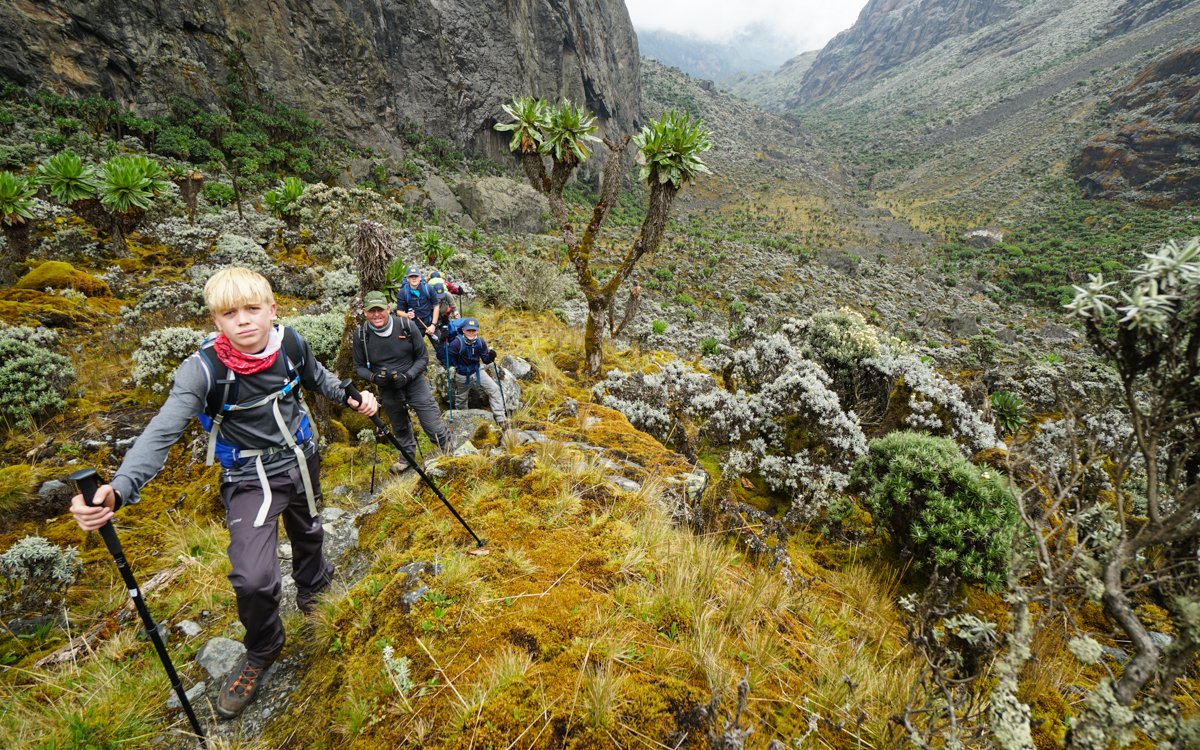
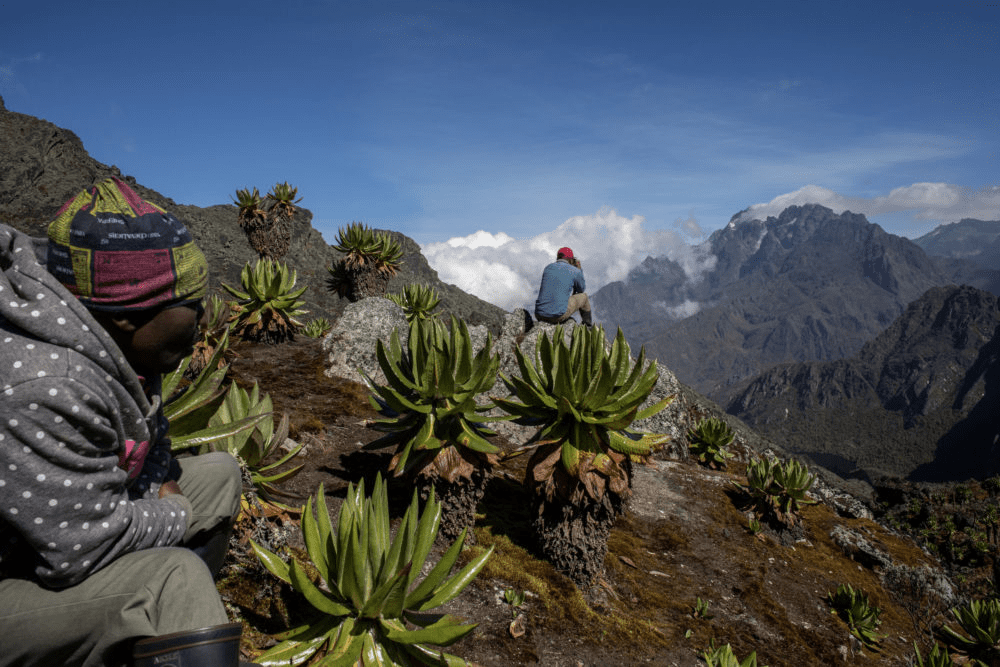
The Central Circuit is famous for showcasing almost every major ecosystem found in the park. Dense montane forests gradually give way to bamboo zones before opening into giant heather forests covered with hanging moss. Higher elevations reveal vast alpine meadows filled with giant lobelias and giant groundsels that seem almost prehistoric.
One of the route’s highlights is Bigo Bog, where elevated wooden boardwalks help trekkers cross sensitive wetlands while protecting fragile vegetation. Lake Bujuku offers another unforgettable stop, surrounded by towering peaks that reflect beautifully in calm weather.
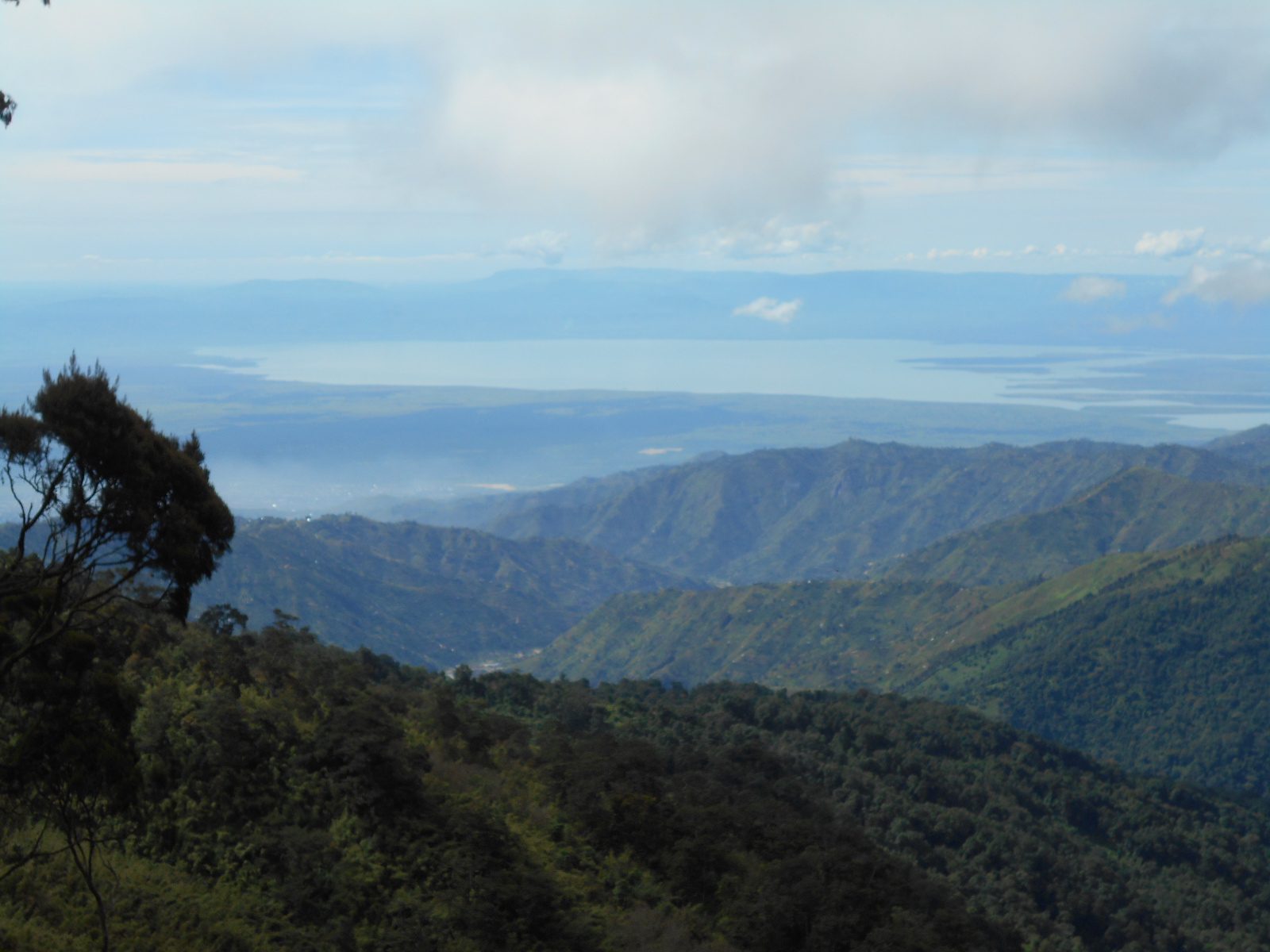
The Kilembe Trail is equally impressive but has its own character. The route passes numerous waterfalls that tumble down steep cliffs, creating peaceful resting points during the climb. Bamboo forests provide cool shade, while high ridges reveal expansive views across Kasese District and the surrounding valleys.
Several sections of the Kilembe Trail also offer dramatic views of deep river gorges and steep mountain walls that create exciting photography opportunities.
Weather can transform both routes within minutes. Morning sunshine may reveal clear mountain panoramas, while afternoon mist creates a mysterious atmosphere that many photographers love.
Whichever trail you choose, every day presents opportunities to appreciate the remarkable beauty that has earned the Rwenzori Mountains recognition as one of Africa’s most unique mountain destinations.
Difficulty and Physical Challenge
Every trekker wants to know which route is harder before making a booking. The answer depends on your fitness, hiking experience, and what type of mountain adventure you enjoy. Both trails demand good physical preparation, but they present different kinds of challenges along the way.
The Central Circuit involves long walking days that usually last between four and seven hours, depending on the stage of the trek and weather conditions. The trail climbs steadily through different vegetation zones before reaching higher mountain passes. Several sections include muddy paths, rocky terrain, and wooden boardwalks that require careful footing. As trekkers gain altitude, thinner air can make even gentle climbs feel more demanding.
The Kilembe Trail also requires strong fitness. Some sections are steeper than those on the Central Circuit, especially during the lower stages where hikers climb quickly through thick forest. Narrow ridges, rocky slopes, and uneven paths add to the challenge. Heavy rainfall can make certain sections slippery, requiring extra attention while walking.
Altitude affects both routes in the same way. Trekkers heading toward Margherita Peak spend several days above 3,500 metres before attempting the summit. This gradual ascent helps the body adjust, but some hikers may still experience mild symptoms of altitude sickness. Guides closely monitor every group and encourage a slow, steady pace.
Good preparation makes either trail much more enjoyable. Regular walking, stair climbing, and endurance exercises several weeks before the trek help improve stamina. Carrying only essential personal items while porters transport heavier equipment also reduces fatigue.
Neither trail should be underestimated. However, thousands of hikers successfully complete these routes every year by following guide instructions, drinking enough water, and maintaining a comfortable pace throughout the journey.
Accommodation and Mountain Huts
Accommodation plays an important role during a multi-day mountain expedition. After several hours of trekking, a warm meal and a comfortable place to rest help hikers recover before the next day’s adventure.
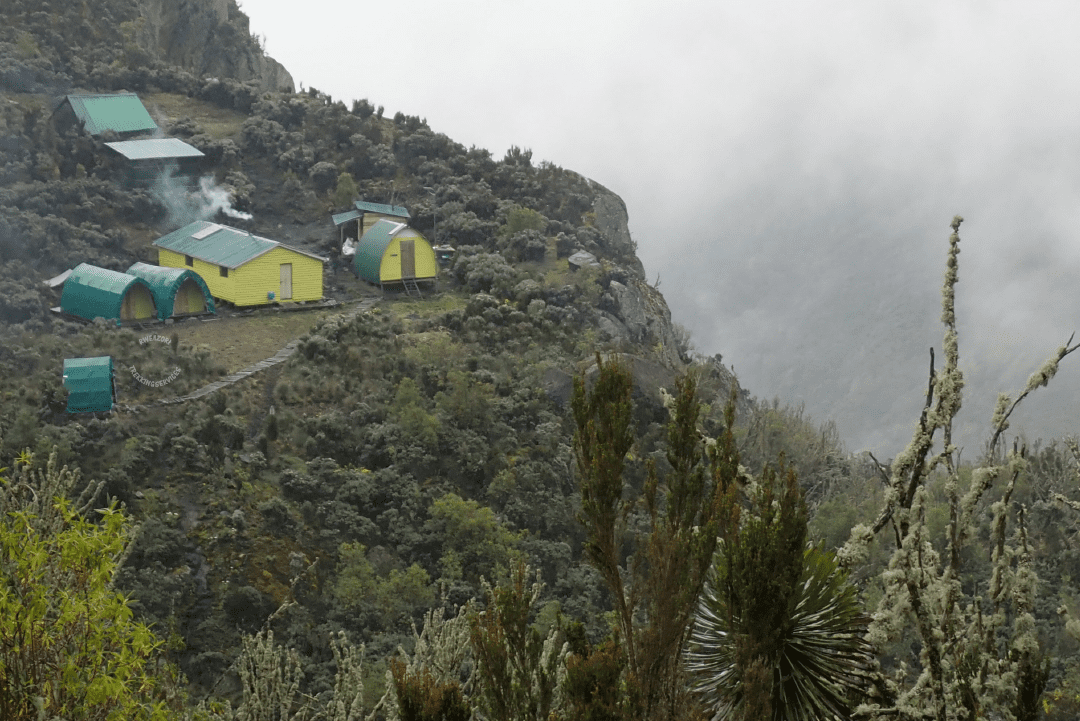
The Central Circuit uses a network of mountain huts managed along the trekking route. These huts are strategically located at different elevations, allowing trekkers to complete manageable daily stages. Most huts provide bunk beds, mattresses, dining areas, kitchens, and shared sleeping spaces. Although they are simple, they offer welcome shelter from the mountain’s cold temperatures and changing weather.
Some of the well-known camps on the Central Circuit include Nyabitaba Hut, John Matte Hut, Bujuku Hut, Elena Hut, Kitandara Hut, Guy Yeoman Hut, and Nyabitaba again before returning to the trailhead. Each camp offers its own views of surrounding valleys, rivers, or mountain peaks.
The Kilembe Trail also uses mountain huts, including Sine Camp, Mutinda Camp, Bugata Camp, Hunwick’s Camp, and Margherita Camp, Kiharo camp for summit expeditions. These camps are equally designed for trekkers spending several days on the mountain. Facilities remain basic, but they provide protection from rain, wind, and cold nights.
Meals on both routes are prepared by experienced mountain cooks. Breakfast usually includes tea, coffee, porridge, eggs, or bread. Lunch may be served on the trail or at camp, while dinner often consists of soup, rice, potatoes, vegetables, meat, or pasta. Vegetarian meals can usually be arranged with advance notice.
Although the huts are not luxury accommodation, they become part of the mountain experience. Evenings often bring trekkers together to share stories, enjoy hot drinks, and prepare for another rewarding day in the Rwenzori Mountains.
Wildlife and Vegetation Along the Trails
The Rwenzori Mountains are famous not only for their peaks but also for their extraordinary biodiversity. Both trekking routes pass through habitats that support many unique plants and animals found nowhere else in Africa.
The journey begins in tropical montane forest where tall trees create a cool, shaded environment. Here, hikers may hear colourful birds calling from the canopy while black-and-white colobus monkeys move through the branches above. Blue monkeys occasionally appear along quieter sections of the trail, especially during the early morning.
As the climb continues, bamboo forests replace the dense woodland/forest. These forests create a peaceful atmosphere as the wind moves gently through the tall stems. Beyond the bamboo zone, giant heather forests become covered with mosses and lichens that give the landscape an ancient appearance.
Higher on the mountain, trekkers enter the famous Afro-alpine zone. This remarkable environment is home to giant lobelias and giant groundsels, plants that have adapted to freezing nights and bright daytime sunshine. Their unusual shapes make many visitors feel as though they have stepped into another world.
Birdwatchers also find both routes rewarding. The park supports many Albertine Rift endemic bird species, making it one of Uganda’s important birding destinations. Although wildlife sightings are never guaranteed, patient hikers often enjoy memorable encounters throughout the trek.
The Central Circuit passes through several wetlands, glacial valleys, and mountain lakes that add variety to the vegetation. The Kilembe Trail, meanwhile, offers beautiful waterfalls, river valleys, and rocky landscapes that complement its forest habitats.
These changing ecosystems remind trekkers that the Rwenzori Mountains are more than a climbing destination. They are one of Africa’s richest natural environments, deserving careful protection for future generations.
Access to Margherita Peak
For many adventurers, reaching Margherita Peak is the ultimate goal of visiting the Rwenzori Mountains. Standing at 5,109 metres above sea level, it is the highest point in Uganda and the third-highest mountain in Africa.
Both the Central Circuit and the Kilembe Trail provide access to the summit through carefully planned multi-day expeditions. Climbers spend several days gaining altitude before making the final ascent. This gradual approach improves acclimatisation and increases the chances of reaching the summit safely.
The Central Circuit reaches Margherita Peak through Elena Hut, where climbers prepare for an early morning summit attempt. From there, the route crosses glaciers, rocky sections, and steep terrain before reaching the highest point. Climbers then continue the circuit by descending through a different side of the mountain, making the summit journey part of a complete loop.
The Kilembe Trail approaches the summit from Margherita Camp. After reaching the peak, trekkers usually return by the same route used during the ascent. This option allows climbers to revisit familiar camps while enjoying different views during the descent.
Both routes require the use of specialised climbing equipment during the summit stage. Crampons, helmets, harnesses, ropes, and ice axes are provided as part of guided summit expeditions. Experienced mountain guides lead every climb and ensure safety procedures are followed throughout the ascent.
Weather plays a major role in summit success. Heavy rain, snow, or strong winds may delay climbing attempts or require changes to the schedule. Flexible planning and careful decision-making by guides help maintain safety in these high-altitude conditions.
Reaching Margherita Peak is a remarkable achievement regardless of the chosen route. The breathtaking views from the summit reward days of determination, teamwork, and steady climbing through one of Africa’s most spectacular mountain landscapes.
Trek Duration and Available Itineraries
Another important difference between the two trails is the range of trekking options available. Visitors can choose short adventures or full summit expeditions depending on their interests, fitness, and travel schedule.
The Central Circuit is best known for its 7-day trek to Margherita Peak, which completes a full loop through the mountains. There are also shorter itineraries for hikers who want to experience the forests, valleys, and alpine scenery without attempting the summit. These shorter treks are ideal for travellers with limited time or those who prefer moderate hiking.
The Kilembe Trail also offers flexible itineraries. A 4-day trek introduces visitors to waterfalls, forests, and high mountain camps, while a 5-day trek reaches Weismann Peak. The 8-day expedition to Margherita Peak provides a complete summit experience with extra time for acclimatisation.
Choosing the right itinerary depends on personal goals. Some visitors dream of standing on Uganda’s highest peak, while others simply want to experience the unique landscapes and peaceful atmosphere of the Rwenzori Mountains. Both trails offer rewarding adventures that can be matched to different levels of experience and available travel time.
Which Trail Is Best for Different Types of Trekkers?
Choosing between the two routes becomes easier when you think about the type of trekking experience you want. Every hiker has different goals, and each trail suits certain travellers better than others.
The Central Circuit is an excellent choice for trekkers who enjoy discovering new landscapes every day. Since the route forms a complete loop, the scenery changes constantly from one camp to the next. Visitors who love variety often appreciate this feature because every stage feels like a fresh adventure. The trail is also ideal for photographers who want to capture a wide range of landscapes, from forests and wetlands to alpine valleys and glacial lakes.
The Kilembe Trail is well suited to hikers who enjoy a quieter mountain experience. Although parts of the descent follow the same route as the ascent, many trekkers find this reassuring because they already know the terrain. The route also appeals to visitors who enjoy dramatic waterfalls, steep valleys, and impressive mountain ridges.
First-time mountain trekkers can succeed on either trail with proper preparation and guidance but central circuit is better with short working hours. Experienced guides, porters, and cooks support every expedition, making the journey more enjoyable and allowing visitors to focus on the adventure instead of logistics.
Families with older children who have good fitness may prefer shorter trekking options available on both routes. These itineraries introduce the beauty of the Rwenzori Mountains without requiring a full summit expedition. Meanwhile, experienced hikers looking for a major achievement often choose the longer itineraries that lead to Margherita Peak.
There is no universal winner because the best route depends on your interests. The ideal trail is the one that matches your expectations, fitness level, and the type of memories you hope to create.
Comparing the Cost of the Two Trails
Budget is another factor that influences the choice between the two trekking routes. While prices change over time, understanding what is included helps travellers plan more effectively.
Both trails require visitors to pay park entrance fees, guide fees, porter services, accommodation in mountain huts, and meals during the trek. These services are usually combined into one trekking package, making it easier for visitors to organise their expedition.
The total cost depends largely on the length of the trek. A shorter four or five-day itinerary naturally costs less than a seven or eight-day summit expedition because fewer nights, meals, and guide services are required.
Equipment hire can also affect the final budget. Trekkers attempting Margherita Peak need specialised climbing gear such as crampons, helmets, harnesses, ropes, and ice axes. Many tour operators include these items in summit packages, while others charge separate rental fees.
Transport to the trailhead should also be considered. Visitors travelling from Kampala, Entebbe, or Kigali need to arrange road transport before starting the trek. Accommodation before and after the expedition adds another expense to the overall travel budget.
Although mountain trekking is not inexpensive, many visitors believe the experience offers excellent value. Professional guiding, porter support, prepared meals, mountain accommodation, and access to one of Africa’s most remarkable landscapes create an unforgettable adventure that few destinations can match.
Rather than choosing the cheapest option, travellers should focus on selecting the route that offers the experience they truly want.
Advantages and Challenges of Each Trail
Looking at the strengths and limitations of each route makes the decision much clearer. Both trails offer rewarding experiences, yet each has features that may appeal differently to individual trekkers.
The Central Circuit stands out because of its circular route. Every day introduces new scenery, giving hikers the feeling of completing a full journey through the mountain range. The trail also passes famous attractions such as Bigo Bog, Lake Bujuku, and several spectacular mountain passes. Many trekkers enjoy the variety of ecosystems encountered during the expedition.
However, the Central Circuit also demands steady endurance. Completing a full loop requires commitment over several days, and changing weather can make certain sections more challenging. Wet conditions occasionally create muddy trails, although boardwalks have improved access across sensitive wetlands.
The Kilembe Trail offers a different style of adventure. Beautiful waterfalls, peaceful forests, dramatic valleys, and rocky ridges create unforgettable scenery. Many hikers appreciate the quieter atmosphere and the opportunity to become familiar with sections of the route during the return journey. However, it involves long walking hours than that of central circuit.
Weather affects both routes equally. Rain, mist, and cold temperatures are common throughout the year, making waterproof clothing and proper mountain equipment essential regardless of the chosen trail.
Neither route is perfect for everyone, yet both provide exceptional opportunities to experience one of Africa’s most extraordinary mountain environments.
Safety, Guides, and Trekking Support
Safety remains a top priority on every Rwenzori expedition. The mountain environment is remote, and weather conditions can change quickly, making professional guidance essential throughout the journey.
Every trekking group is accompanied by trained mountain guides and armed rangers who understand the trails, weather patterns, and altitude conditions and the armed rangers provide protection. They set a comfortable pace, monitor the wellbeing of trekkers, and make important decisions if conditions become difficult. Their experience helps visitors enjoy the trek while reducing unnecessary risks.
Porters are another important part of the expedition. They carry heavier equipment, food supplies, and personal luggage, allowing trekkers to walk with lighter daypacks. This support makes long hiking days less tiring and helps visitors conserve energy for higher elevations.
Mountain cooks prepare fresh meals throughout the trek, ensuring hikers receive enough energy for demanding walking days. Warm meals and hot drinks also provide comfort during cold evenings at higher camps.
Emergency procedures have improved over the years, especially on the Central Circuit. Even so, trekkers should understand that the Rwenzori Mountains remain a true wilderness. Travel insurance that covers high-altitude trekking is strongly recommended before beginning either expedition.
Following guide instructions, walking at a steady pace, staying hydrated, and reporting any signs of altitude sickness immediately are the best ways to enjoy a safe and successful trek.
Conclusion
Choosing between the Central Circuit vs Kilembe Trail of the Rwenzori Mountains is not about finding a better route but about selecting the adventure that matches your personal interests. Both trails reveal the remarkable beauty of Uganda’s highest mountain range and provide unforgettable experiences that few destinations in Africa can equal.
The Central Circuit rewards trekkers with a complete loop through changing landscapes, famous mountain landmarks, and an ever-changing sense of discovery. Every day introduces new scenery, making the journey feel fresh from beginning to end.
The Kilembe Trail offers its own unique charm through peaceful forests, spectacular waterfalls, dramatic valleys, and rewarding summit opportunities. Although sections of the route are repeated during the descent, many hikers appreciate the quieter atmosphere and the chance to experience familiar landscapes from a different perspective.
Whichever route you choose, expect beautiful scenery, rich biodiversity, experienced mountain guides, and memories that will last a lifetime. With good preparation, the right equipment, and a positive attitude, either trail can become one of the greatest trekking adventures you will ever experience.
Whether your dream is reaching Margherita Peak or simply exploring the legendary Mountains of the Moon, the Rwenzori Mountains promise an unforgettable journey filled with discovery, challenge, and natural beauty.
