

Rwenzori Porters: The Unsung Heroes of Africa’s Mountains of the Moon.
Rwenzori porters are the quiet force that makes every journey through these mountains possible. Long before trekkers reach the high peaks or cross the famous bogs, porters are already at work—organizing loads, preparing supplies, and planning the movement of each expedition. Their presence is constant from the very first step to the final descent, yet their role is often overlooked by those focused on the climb itself.
The Rwenzori Mountains, known as the Mountains of the Moon, stretch along the border of Uganda and the Democratic Republic of Congo. They are among the most demanding ranges in Africa, with terrain that shifts from thick rainforest to icy glacier within a matter of days. Many visitors come to experience this rare landscape or to reach Margherita Peak, the highest point in the range.
Behind every successful trek, however, is the strength and dedication of porters. They carry vital equipment, assist with camp life, and help in maintaining supplies. Their work is not only physical but also deeply connected to the rhythm of the mountain, making them an essential part of every Rwenzori adventure.
 Who Are Rwenzori Porters?
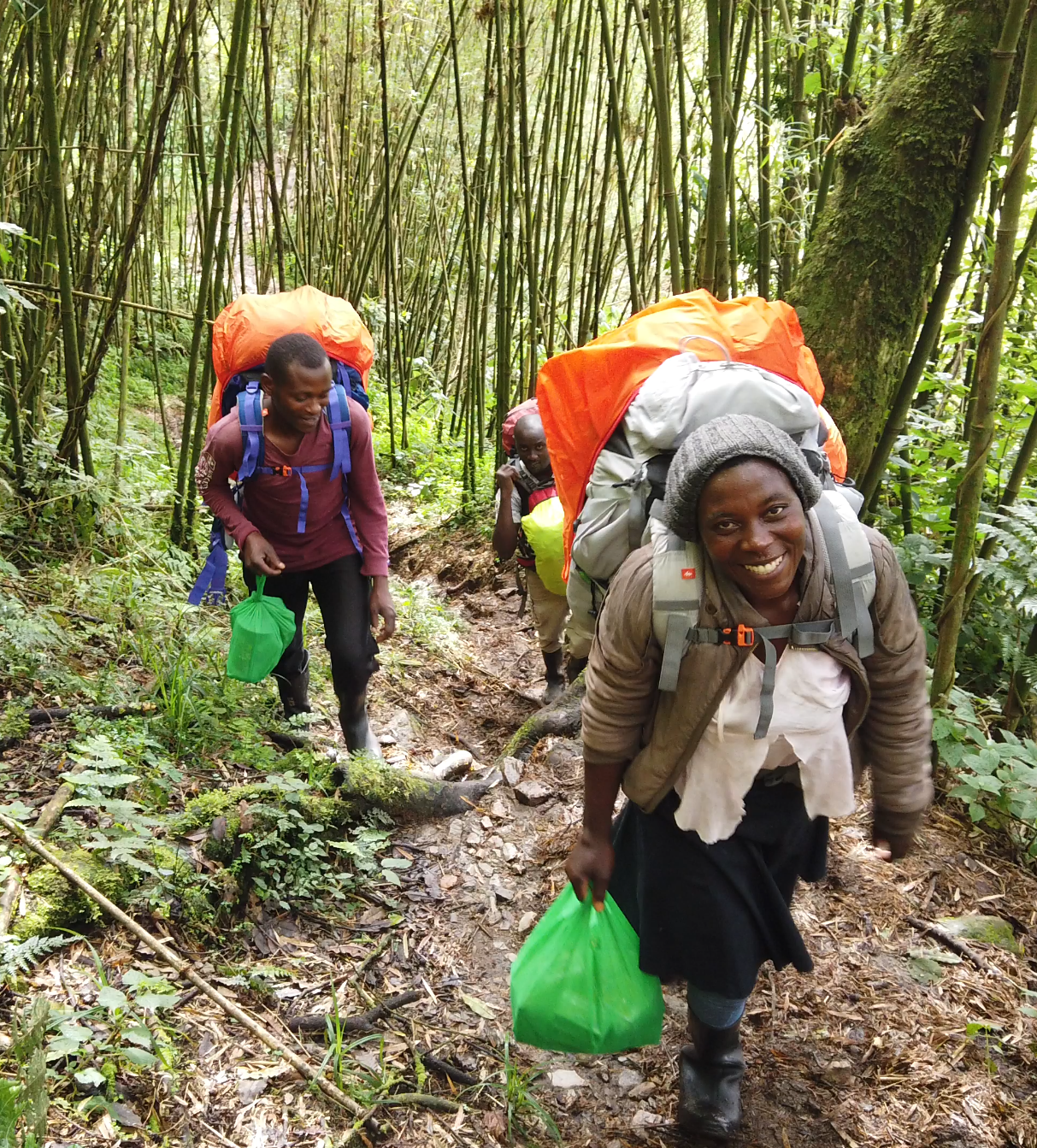
Rwenzori porters are local people from communities surrounding the mountains. Many come from areas near Kasese and the foothills of the range. For them, porter work is both a source of income and a connection to their natural environment. They grow up understanding the terrain, weather patterns, and mountain routes long before they begin working on expeditions.
Most porters begin their work at a young age, learning from experienced team members. Over time, they develop strong physical endurance and deep knowledge of the trails. They know how to move safely through slippery forest paths, flooded bogs, and steep rocky sections. This experience makes them highly reliable in challenging conditions.
Porters are organized into teams for each trek. Some carry food supplies, others transport cooking equipment, carry luggage of guests and some assist guides with logistics. Each person has a clear role, and teamwork is essential for success.
Their work is demanding, yet they maintain a steady pace and positive attitude. They are not just workers on the mountain—they are part of the spirit that keeps the journey moving forward.
Life of a Rwenzori Porter.
Daily life for a Rwenzori porter is physically demanding and requires strong discipline. The day often begins before sunrise, with preparation of loads and organization of equipment. Porters usually start walking early, often ahead of the trekking group, to ensure that camps are ready on arrival.
The working conditions are tough. In the lower zones, trails are muddy and wet, while higher areas bring cold temperatures and strong winds. Porters move through all these environments while carrying heavy loads on their backs. Despite this, they maintain steady progress and rarely show signs of fatigue.
Meals are simple, and rest time is limited. Yet many porters remain positive and focused throughout the journey. They take pride in their work and value the opportunity to support expeditions.
Their ability to adapt to changing weather and terrain is remarkable. Whether crossing flooded paths or climbing rocky slopes, they continue to perform with consistency and strength.
 The Role They Play on Every Expedition/why should one hire Rwenzori porters?
On a trek through the Rwenzori Mountains, porters take on responsibilities that go far beyond simply carrying luggage. Their work is deeply connected to how the entire expedition operates, especially on routes where permanent mountain huts and camps are already established. Unlike other mountain destinations where tents are set up daily, the Rwenzori system relies on fixed camps, and porters play a major role in supporting the construction and maintenance of these structures.
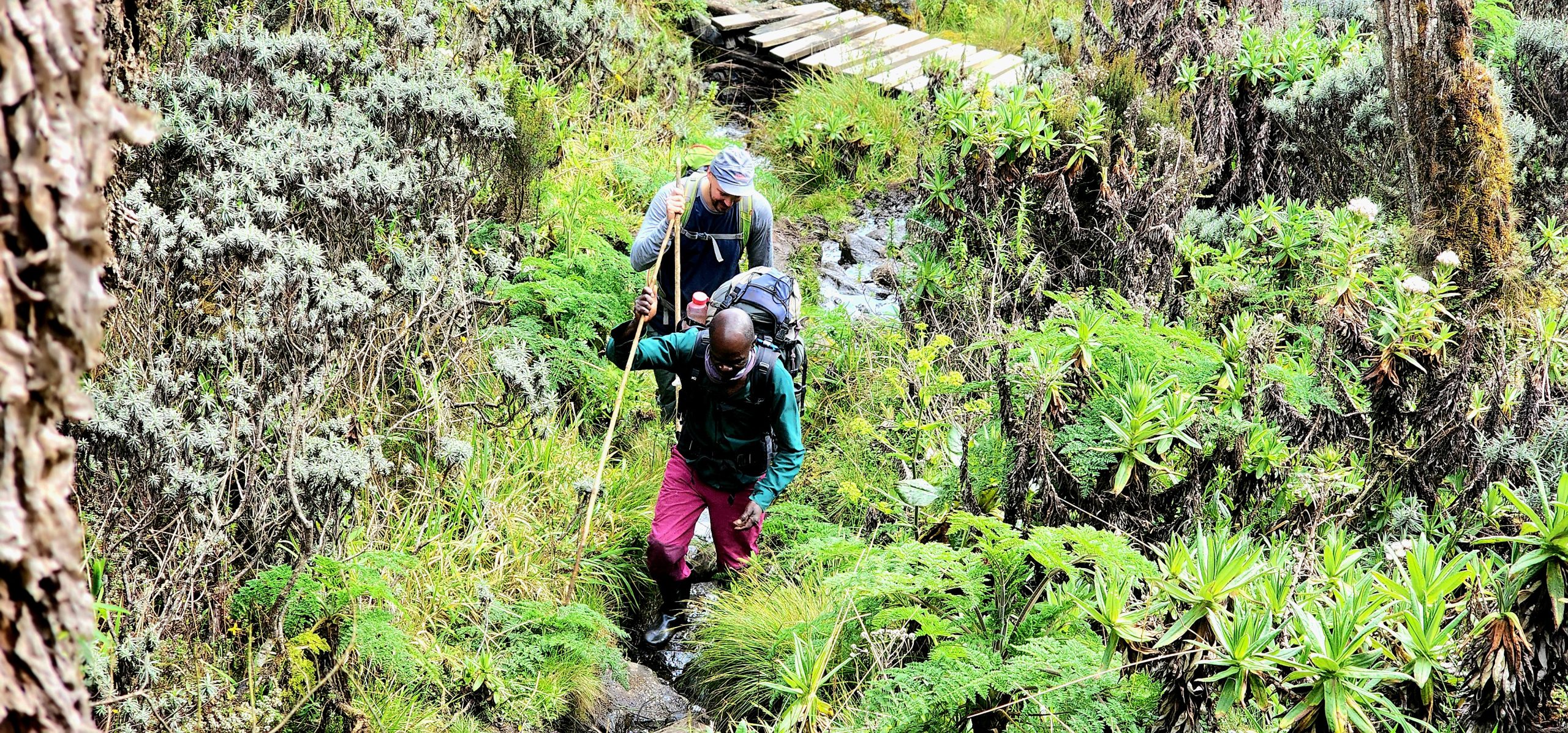
One of their primary duties is transporting essential supplies along the trail. This includes food, cooking equipment, fuel, and trekkers’ personal gear/luggage. These loads are carried across difficult terrain—thick mud, steep ridges, and slippery sections that require strength and balance. In addition, porters are often involved in moving construction materials used to build and maintain the mountain huts. Timber, tools, and other supplies are carried piece by piece to high altitudes, making the existence of these camps possible in such remote locations.
When trekkers arrive at a camp, much of the work has already been done. Porters support the cooking team, help organize sleeping areas, and ensure water is collected and ready for use. Because the camps are permanent, their role is more about preparation and upkeep rather than setting up temporary shelters each night.
During the trek, porters also assist on the trail itself. They help guide movement through challenging sections such as bogs, river crossings, and rocky climbs. In difficult moments, they offer support, encouragement, and practical help, which increases both safety and confidence for trekkers.
Their contribution also extends to coordination. Working closely with guides and cooks, they help ensure that supplies move smoothly from one camp to the next. This teamwork keeps the journey organized, even when weather conditions change quickly.
Beyond logistics, porters bring a human connection to the experience. They share knowledge about the mountains, local culture, and daily life in surrounding communities. At the same time, their work supports livelihoods in the Rwenzori region, making trekking not just an adventure, but also a meaningful link to the people who call these mountains home.
In difficult situations, porters can assist in emergencies. They help navigate tricky terrain, support tired trekkers, and respond quickly when conditions change.
Beyond physical support, they also create cultural connections. Through conversations and shared experiences, trekkers learn about local life and traditions. At the same time, porter work supports local communities by providing income and economic opportunities.
 Skills, Strength, and Mountain Knowledge
The strength of Rwenzori porters is built through experience and daily exposure to the mountain environment. Carrying loads at high altitude requires endurance, but it also demands smart energy use. Porters understand how to pace themselves over long distances, ensuring they remain effective throughout the trek.
Their skills go beyond physical ability. Many porters can identify safe routes, recognize weather changes, and avoid risky areas. This knowledge comes from years of working on the same trails under different conditions.
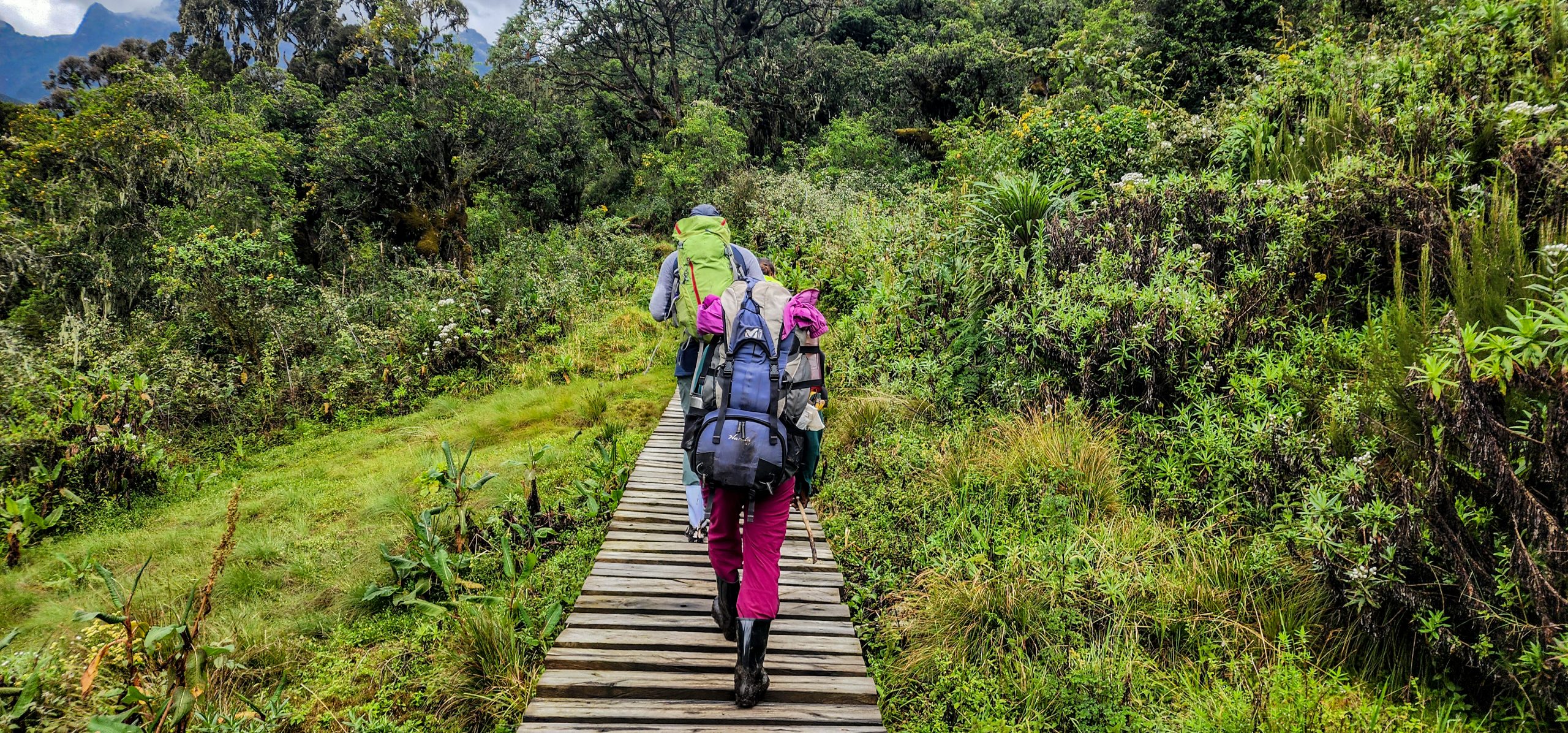
Balance and coordination are essential skills in the Rwenzori. Trails often pass through narrow ridges, wet rocks, and deep mud. Porters move confidently through these sections, even when carrying heavy equipment.
They also work as a team. Communication between porters, guides, and cooks is essential for a successful expedition. This coordination allows them to respond quickly to challenges and maintain a steady flow of movement throughout the trek.
Their combination of strength, skill, and experience makes them an essential part of every Rwenzori journey.
Challenges Faced by Rwenzori Porters
Working in the Rwenzori Mountains is not easy, and porters face a wide range of difficulties throughout every expedition. The environment itself is one of the biggest challenges. The mountains are known for heavy rainfall, thick mud, and cold temperatures, especially at higher elevations. Trails can be slippery and steep, with river crossings and boggy sections that slow movement and increase physical effort. Every step requires caution, and long trekking hours in such conditions demand both strength and endurance.
Carrying loads over this terrain adds another level of difficulty. Porters transport food supplies, cooking equipment, personal luggage, and even materials used to maintain and build mountain camps. Although weight limits are usually set, the work still involves lifting and carrying heavy items across long distances. Repeating this day after day can lead to exhaustion, muscle strain, and general fatigue, especially when combined with altitude changes.
Another challenge is limited access to high-quality gear. While some porters have proper boots and clothing, others rely on basic equipment that may not fully protect them from cold, rain, and wet ground. In a place where weather conditions change quickly, having the right gear is essential for safety and comfort. Without it, porters are more exposed to harsh conditions during long hours on the trail.
Despite all these challenges, Rwenzori porters continue to perform their duties with determination. Their ability to adapt, endure, and keep moving under such demanding circumstances is remarkable. Their resilience not only supports the success of each trek but also highlights the strength behind every journey in the Mountains of the Moon.
 The Human Connection: More than Just Support Staff
One of the most memorable parts of a Rwenzori trek is the connection between trekkers and porters. Over several days, a strong bond often develops. Porters share stories, offer encouragement, and create a sense of teamwork that goes beyond the physical journey.
Their positive attitude has a strong impact on morale. Even in difficult moments, their energy helps trekkers stay motivated. Simple gestures, such as helping across a stream or offering advice on the trail, create meaningful interactions.
Many trekkers leave the Rwenzori with deep respect for the porters. They realize that the journey would not have been possible without their support. These relationships often become one of the most lasting memories of the entire experience.
Porters are an integral component of the narrative, not simply the excursion. Their presence adds depth, meaning, and human connection to every climb.
Supporting and Appreciating Rwenzori Porters
Recognizing the contribution of Rwenzori porters is important for the future of mountain tourism. Fair wages, proper equipment, and respectful treatment are key to ensuring their well-being. Many trekking organizations are working to improve conditions and provide better support systems.
Trekkers can also play a role by showing appreciation. Respectful interaction, understanding their work, and offering fair tips can make a difference. Small actions can have a lasting impact on the people who make the journey possible.
Responsible tourism helps create a sustainable environment for both visitors and local communities. Supporting porters is part of that responsibility.
By valuing their contribution, the Rwenzori experience becomes more meaningful. It is not just about reaching the summit, but about respecting everyone involved in the journey.
 Conclusion: The True Heroes of the Rwenzori Mountains
Every successful journey in the Rwenzori Mountains is built on the shoulders of Rwenzori porters. Their strength, skill, and dedication make it possible for others to explore one of Africa’s most challenging landscapes.
They carry more than equipment—they carry the entire experience. From the first step in the forest to the final descent from the peaks, their presence is constant.
Recognizing their role changes how the journey is seen. It becomes not just a personal achievement, but a shared effort built on teamwork and trust.
In the end, the story of the Rwenzori is not only about mountains and summits. It is about the people who make the journey possible. Among them, the porters stand as the true unsung heroes.