

3 days hike to Samalira falls via Kilembe trail.
Set against the dramatic slopes of the Rwenzori Mountains, this 3-day trek to Samalira Falls via the Kilembe Trail is a journey through one of Africa’s most enchanting and diverse mountain landscapes. From the very first steps at Trekkers Camp, the route draws you into a world of thick Afro-montane forest, echoing bird calls, and misty valleys, gradually unfolding into higher, more surreal environments as you ascend.
Each day reveals a new layer of the mountain’s character—lush greenery giving way to bamboo forests, then to towering heather trees draped in moss, and finally to dramatic ridges overlooking cascading waterfalls. Along the way, you’ll encounter hidden gems like Enock’s Falls, sweeping viewpoints above Kasese, and the magical setting of Samalira Camp perched beside a roaring gorge.
More than just a hike, this experience blends adventure, nature, and quiet moments of awe. Whether it’s spotting rare bird species, crossing sparkling streams, or sharing stories around a campfire beneath the stars, the trek offers a perfect balance of challenge and reward. By the time you descend back to the park gate, you’ll carry not just memories of stunning scenery, but a deep connection to one of East Africa’s most iconic mountain ranges.
 Trip overview of 3 days hike to Samalira falls via Kilembe trail.
- Day 1: Hiking from Trekkers to Sine Hut (2,596).
- Day 2: Sine Camp to Samalira Camp via Kalalama Camp
- Day 3: Descent to the Park Gate
Detailed Itinerary of 3 days hike to Samalira falls via Kilembe trail.
Day 1: Hiking from Trekkers to Sine Hut (2,596 m).
Your journey begins at Trekkers Camp, situated at 1,450 meters above sea level. From here, you’ll hike steadily up to Sine Hut at 2,596 meters, gaining a total elevation of 1,146 meters. For those with extra stamina, there’s an option to continue further to Kalalama Camp at 3,134 meters, where expansive views open up across the cliffs, Kasese town, and even as far as Lake Edward in Queen Elizabeth National Park.
The trail starts gently, following the valley floor through dense Afro Montane forest. Towering trees line the path, creating a rich habitat filled with birdlife, and you may spot blue monkeys darting through the branches. After approximately six kilometers of gradual ascent, you’ll cross a river before tackling a steeper climb leading to Sine Camp.
Just a short 200-meter walk from Sine Hut brings you to Enock’s Falls, a striking waterfall surrounded by lush vegetation, hanging vines, and vivid green lichen. It’s an ideal place for photos and quiet appreciation of the forest’s beauty.
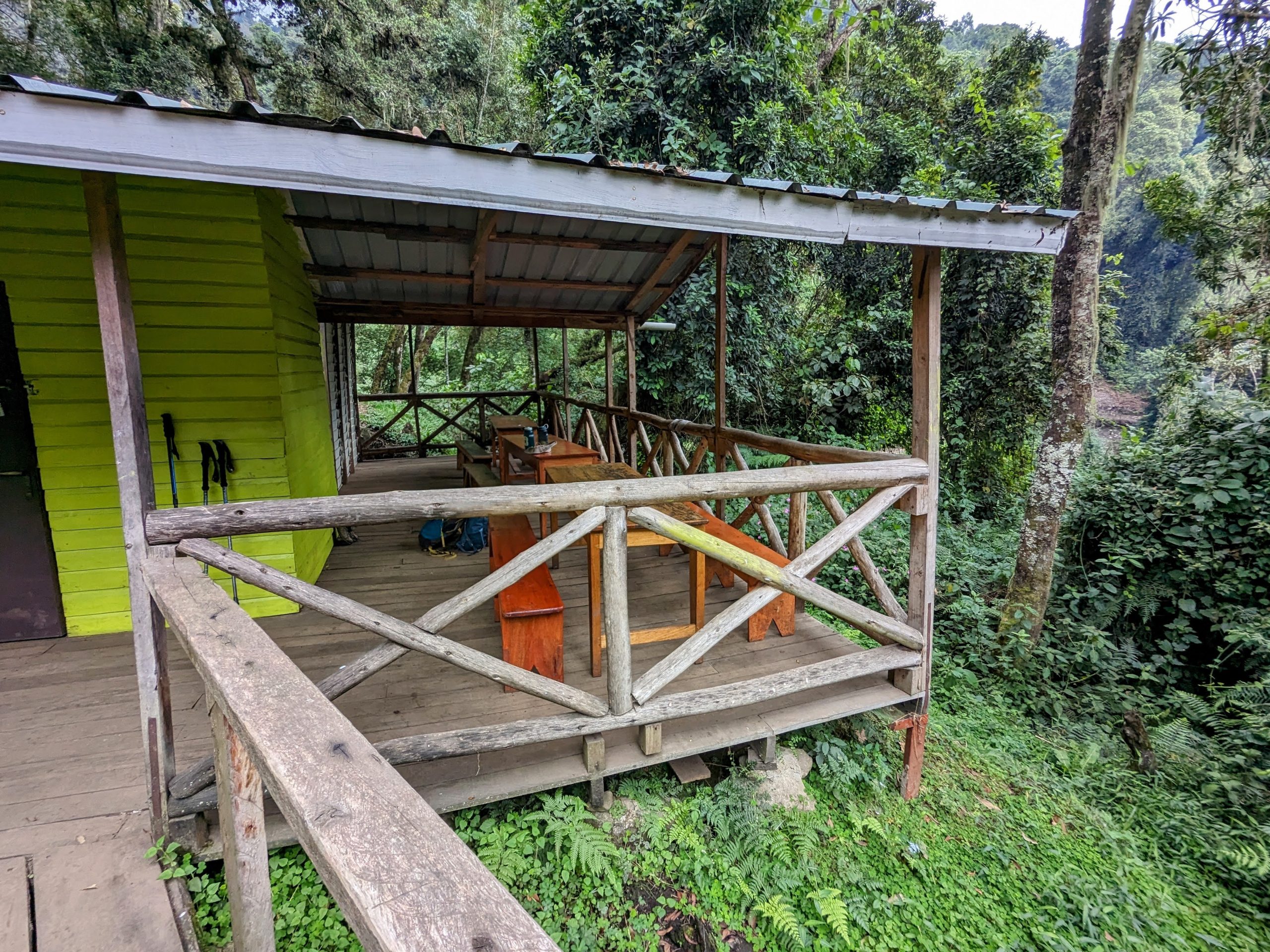
The actual Sine Camp is situated among dense forest trees on a narrow ridge. Wooden huts provide shelter, and the setting offers views down to a series of rapids and cascading waterfalls. Many visitors enjoy relaxing by the campfire in the evening, sharing stories with guides and learning more about the mountains and local culture. The camp sits at the lower edge of the bamboo zone and is a great spot for bird watching.
In the afternoon, you can explore the surrounding trails, including a walk to Enock’s Falls and beyond, where you’ll encounter more vine-draped forest scenery before returning to camp for the night. Accommodation is at Sine Camp with overnight stay.
Overnight: Sine camp.
Meal Plan: Lunch and Dinner
 Day 2: Sine Camp (2,596 m) to Samalira Camp (3,170 m) via Kalalama Camp (3134m).
Wake up for an early morning breakfast and the day begins with a steep but rewarding climb through the bamboo forest. This section is both challenging and scenic, with sections of mixed forest appearing as you gain altitude. These areas often bear fruits and berries, attracting a wide variety of bird species.
Listen for the distinctive call of the Rwenzori Turaco, known for its vivid crimson wings, which flash brilliantly as it moves through the trees. During drier periods, you may also spot the female Malachite Sunbird feeding on nectar before returning to higher elevations to breed.
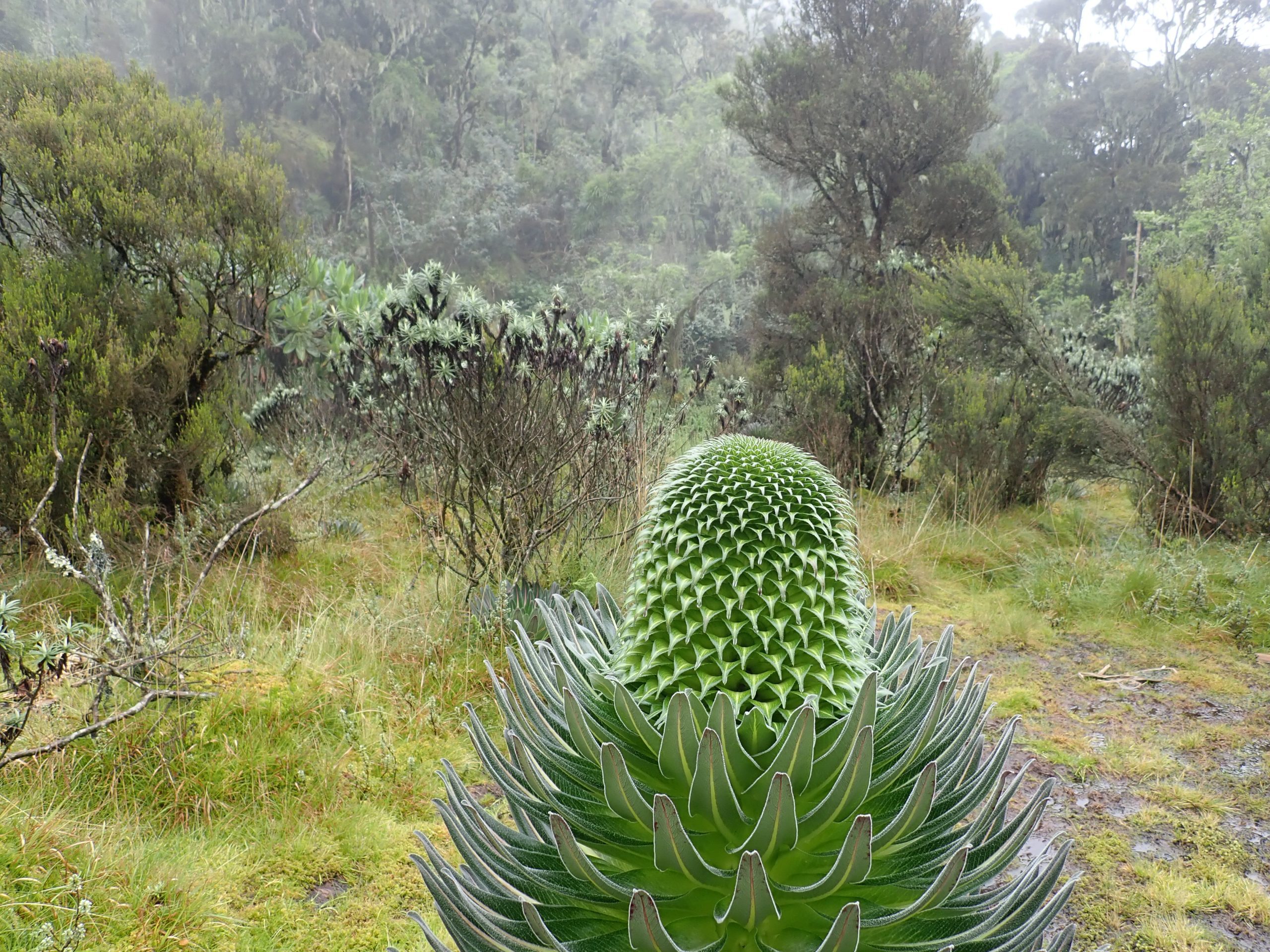
At around 3,000 meters, the landscape transitions into the Heather Zone, where giant heather trees can grow up to 15 meters tall, creating an almost otherworldly atmosphere. At 3,147 meters, Kalalama Camp provides a picturesque place to relax. Here, you can pause for refreshments and choose to take an additional hike of about 2 kilometers toward Mutinda Peaks. This extension leads through peat bogs dotted with striking Giant Lobelia plants and unique alpine vegetation.
After returning to Kalalama Camp for lunch, the hike continues across a high ridge toward Samalira Camp at 3,170 meters. This section is relatively level and passes through dense giant heather, often shrouded in mist, giving it a mystical feel. Along the way, you’ll cross small streams that cascade dramatically down the mountainside.
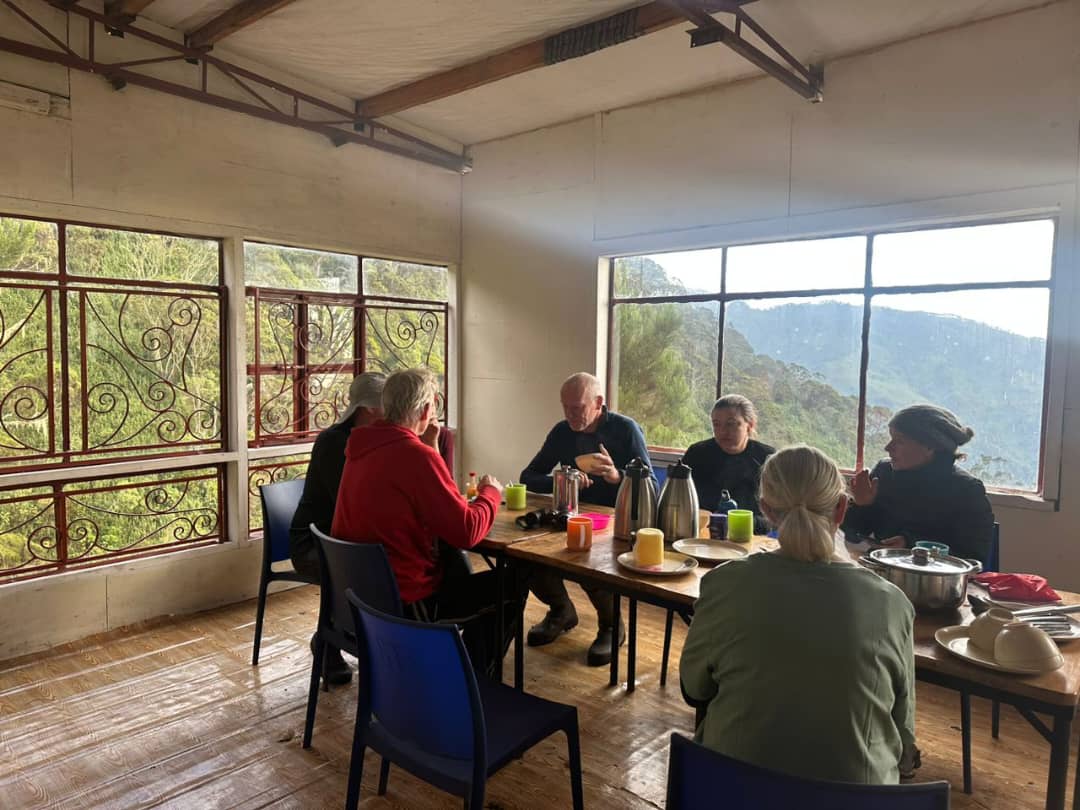
Samalira Camp is beautifully positioned on the edge of a gorge. The dining area overlooks two of the region’s waterfalls, providing a memorable backdrop while you relax or enjoy a meal. After settling in, you can take a short walk down to the base of the waterfalls or hike up a steep ridge above camp for sweeping views. The terrain here is covered in bright green moss, adding to the magical scenery.
Overnight stay: Samalira camp.
Meal Plan: Breakfast, Lunch and Dinner.
 Day 3: Descent to the Park Gate via the Forest View camp (2580m).
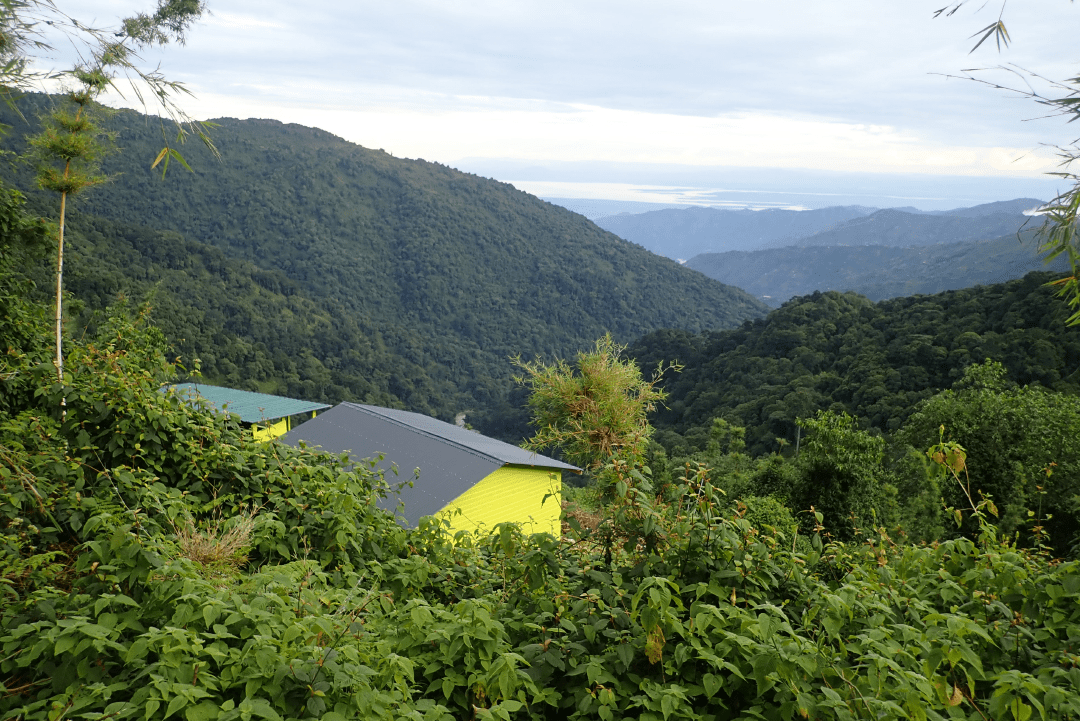
The final day begins with a descent through the bamboo zone, offering excellent views of the surrounding hills and valleys. The trail then leads to Forest View Camp, where you can stop for lunch or a light snack.
Continuing downward, you re-enter the Afro Montane forest, rich with birdlife and occasional sightings of primates. The path becomes steeper before leveling out as you reach Nyamwamba Camp, a good place to rest briefly before completing the final stretch.
From Nyamwamba Camp, it’s a 6-kilometer walk back to the park gate, marking the end of your hike.
 Highlight: End of 3 days hike to Samalira falls via Kilembe trail.
Price Inclusions
- Kilembe Trail hiking fees
- National park entry fees
- Professional mountain guides
- Mountain porters (each porter carries up to 23kg of luggage)
- All meals during the hike
- Accommodation in mountain camps along the route
- Rubber boots provided for use during the trek
Price Exclusions
- Travel insurance and medical evacuation coverage
- Accommodation in Kasese before and after the trek (can be arranged on request)
- Transport to and from Rwenzori Mountains National Park (available at USD 300 per way / USD 600 round trip)
- Tips and gratuities for guides and porters
- Visa fees
- International flights
- Personal hiking equipment and clothing
- Any personal expenses not listed in the package
- Visa application (apply online via https://visas.immigration.go.ug)
- Mandatory yellow fever vaccination upon arrival at Entebbe International Airport
Rwenzori Mountains packing guide
Rwenzori hiking involves moving through multiple ecological zones including rainforest, bamboo forest, alpine vegetation, and high mountain terrain. Because conditions change quickly with altitude, every item carried plays an important role in safety, comfort, and performance.
Climbing or Hiking Boots
Waterproof hiking boots with strong ankle support are essential for the Rwenzori terrain. The lower trails are muddy, slippery, and often uneven, while higher sections become rocky and cold. Good boots protect your feet from injury, keep them dry, and provide stability on steep climbs. They should be durable, well-fitted, and compatible with crampons for icy sections, ensuring comfort and safety throughout the entire trek.
Rubber Boots
Rubber boots are used mainly in the lower rainforest zone where trails are extremely wet and muddy. They keep your feet completely dry when walking through swampy sections and thick vegetation. These boots are usually provided for the early part of the hike before switching to hiking boots at higher altitude. They help reduce discomfort, prevent infections, and make movement easier through the wettest parts of the forest.
Waterproof Hiking Trousers
Hiking trousers are important for protecting your legs from constant moisture, mud, and vegetation in the Rwenzori environment. They should be quick-drying, flexible, and durable to handle long hiking hours. These trousers also provide warmth as temperatures drop with altitude. They protect against scratches, insect bites, and wet conditions, ensuring comfort as you move through rainforest, bamboo, and alpine zones during the trek.
Lightweight Shirts
Lightweight shirts are ideal for the lower sections of the trek where conditions are humid and warm. Breathable, quick-drying fabrics help regulate body temperature and keep you comfortable during long walking hours. They also manage sweat effectively in dense rainforest zones. Wearing lightweight shirts reduces overheating while allowing easy movement, especially during the initial stages of the hike before reaching colder, high-altitude areas.
Warm Jacket or Insulating Layer
A warm jacket is necessary once you reach higher elevations where temperatures drop significantly, especially above 3,000 meters. It protects you from cold winds, mist, and freezing nighttime conditions in mountain camps. Insulated layers help retain body heat, ensuring comfort during rest and sleep. This gear is essential for preventing hypothermia and maintaining energy levels in the cold alpine environment of the Rwenzori.
Waterproof Gloves
Waterproof gloves protect your hands from cold, wind, and continuous rain experienced at higher altitudes. They are essential for maintaining grip on trekking poles and stability on steep or slippery sections. Gloves also prevent numbness in freezing conditions, allowing better control and comfort. In wet environments, they keep your hands warm and dry, which is important for safety and endurance during long hiking days.
Headlamp with Spare Batteries
A headlamp is crucial for early morning starts, night movement, and limited visibility inside mountain camps. It allows hands-free navigation on uneven terrain and during steep climbs. Cold temperatures can drain batteries quickly, so carrying spares is important. Reliable lighting ensures safety during summit attempts or early departures, helping you move confidently in dark or misty conditions without relying on campfire light.
Daypack (Backpack)
A daypack is used to carry essential items such as water, snacks, rain gear, and personal valuables during the hike. Since porters carry main luggage, the daypack should be lightweight and comfortable. It should also be water-resistant due to frequent rain. A well-fitted backpack reduces strain on your shoulders and allows easy access to important items while trekking through changing weather conditions.
Sun Hat
A sun hat is important for protection against strong UV rays at higher altitudes where the sun can be intense despite cold temperatures. It helps prevent sunburn, overheating, and fatigue during exposed sections of the trail. A wide-brim or lightweight hat provides shade for your face and neck, improving comfort while walking through open ridges and high-altitude landscapes.
Sunglasses
Sunglasses with UV protection are essential for protecting your eyes from strong sunlight and glare, especially at high altitude where exposure is more intense. They reduce eye strain caused by reflection from rocks, mist, and occasional snow. Good sunglasses improve visibility and comfort during long hikes, helping you stay focused on the trail while preventing long-term damage from ultraviolet rays.
Gaiters
Gaiters are protective covers worn over your boots and lower legs to prevent mud, water, and debris from entering your footwear. They are especially useful in swampy rainforest sections and during wet weather. Gaiters help keep your feet dry and clean, reducing discomfort and risk of infections. They also extend the life of your boots by protecting them from constant exposure to harsh trail conditions.
Trekking Poles
Trekking poles provide balance and stability on steep, slippery, or uneven terrain. They reduce pressure on your knees during long descents and help distribute weight evenly across your body. Poles are especially useful when crossing muddy sections or bogs in the Rwenzori. They improve endurance, reduce fatigue, and give extra support, making challenging sections of the hike safer and more manageable.
Sleeping Bag
A warm sleeping bag is essential for staying comfortable in the cold mountain camps of the Rwenzori. Temperatures can drop significantly at night, especially at higher elevations. A high-quality sleeping bag provides insulation and ensures proper rest after long hiking days. Good sleep is important for recovery, energy, and acclimatization, making this one of the most important items for the entire trek.