

2-Day Lake Mahoma Escape: An Unforgettable Rwenzori Trek
2-Day Lake Mahoma Escape: An Unforgettable Rwenzori Trek is an exciting trekking adventure that offers travelers the opportunity to experience the breathtaking beauty of the legendary Rwenzori Mountains, often referred to as the “Mountains of the Moon.” Located in western Uganda, this short but rewarding hike is perfect for nature lovers, adventure seekers, and travelers who wish to explore the magnificent landscapes of the Rwenzori foothills without undertaking the longer summit expeditions.
The journey takes you through lush tropical rainforests, bamboo forests, mountain streams, and scenic viewpoints while providing opportunities to encounter unique wildlife, colorful bird species, and remarkable vegetation that thrive within this UNESCO World Heritage Site. Highlights of the trek include an overnight stay at Nyabitaba Hut, a visit to the famous Kurt Shafer Bridge where the Mubuku and Bujuku Rivers converge, and a rewarding excursion to the tranquil Lake Mahoma, one of the most beautiful crater lakes in the Rwenzori region.
This unforgettable adventure combines spectacular scenery, cultural encounters, and authentic mountain trekking, making it an ideal introduction to one of Africa’s most remarkable mountain ranges.
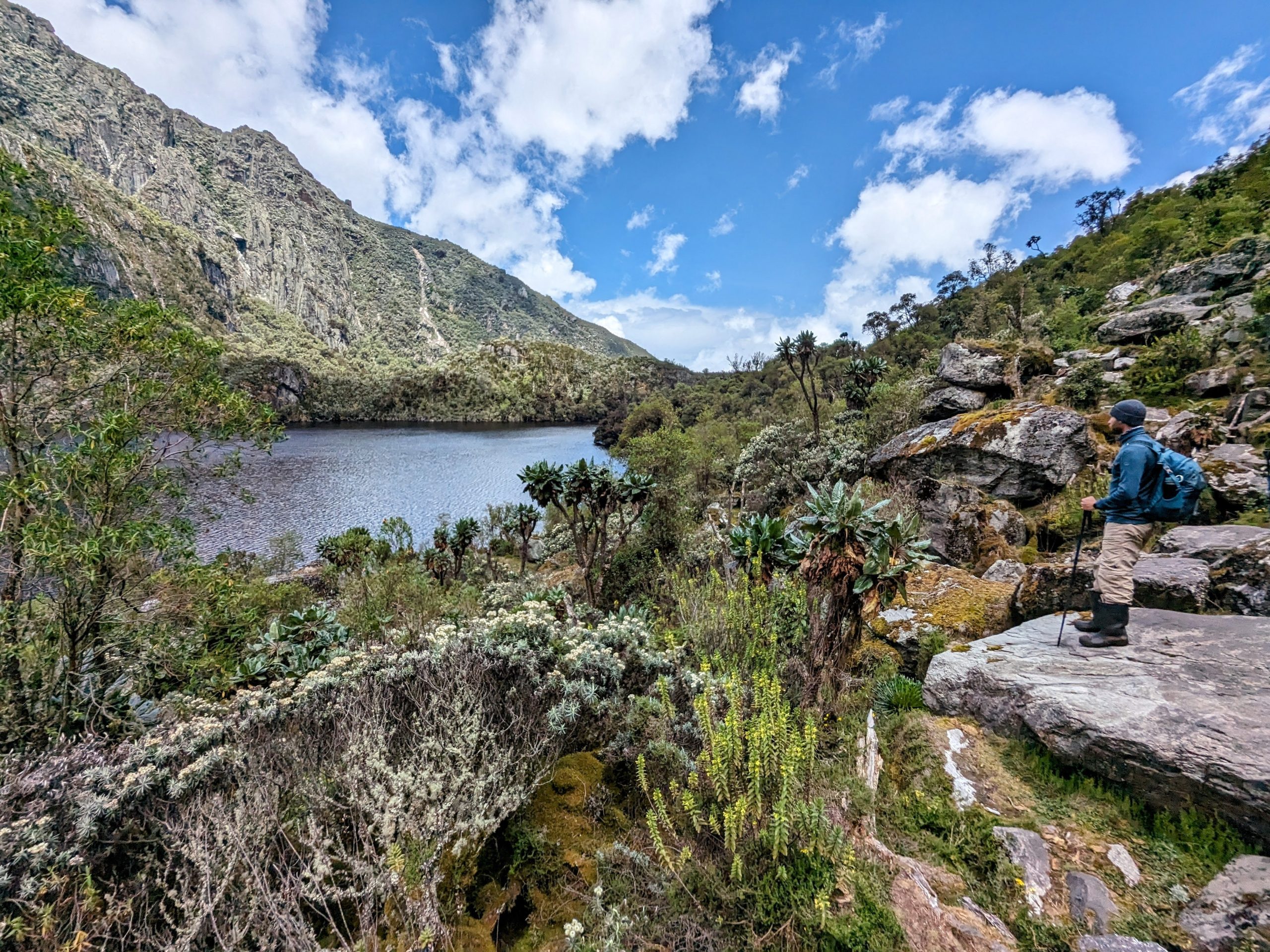 Trip overview of 2-Day Lake Mahoma Escape: An Unforgettable Rwenzori Trek
- Day 1 – Nyakalengija to Nyabitaba Hut with Visit to Kurt Shafer Bridge.
- Day 2 – Lake Mahoma Visit and Return to Nyakalengija.
Detailed itinerary of 2-Day Lake Mahoma Escape: An Unforgettable Rwenzori Trek
Day 1 – Nyakalengija to Nyabitaba Hut with Visit to Kurt Shafer Bridge.
Your adventure begins early in the morning at Nyakalengija Trailhead with a briefing, introduction of guides and porters then transfer to the main gateway to the Rwenzori trekking routes which is the Mihunga gate. After registration and a briefing from the park rangers and guides at Rwenzori mountaineering services offices, the hike begins through local farmland and small Bakonzo communities that live on the foothills of the mountains. This first section of the trail offers a glimpse into the daily life of the local people before gradually leading into the dense tropical rainforest of the national park.
As you ascend deeper into the forest, the trail becomes steeper and more adventurous. Towering trees, giant ferns, hanging moss, and thick vegetation surround the path, creating a magical and refreshing environment. Along the way, hikers may encounter black-and-white colobus monkeys swinging through the trees, colorful forest birds such as the Rwenzori turaco, and numerous butterflies that thrive in this rich ecosystem. The trail crosses several streams and small wooden bridges while offering scenic views of the valleys below.
After approximately four to five hours of hiking, you arrive at Nyabitaba Hut, located at an altitude of about 2,650 meters above sea level. This mountain hut sits on a ridge overlooking the forest canopy and serves as the first overnight stop on the famous Central Circuit Trail. Here you enjoy a well-deserved lunch while relaxing and appreciating the spectacular scenery surrounding the hut.
In the afternoon, you embark on a short but exciting excursion to Kurt Shafer Bridge. The trail descends through thick rainforest toward the powerful rivers that flow through the mountains. The Kurt Shafer Bridge stands above the dramatic confluence of the Mubuku and Bujuku Rivers, where rushing water crashes through rocky channels in the valley below. This scenic spot is one of the most photographed locations in the Rwenzori Mountains and offers stunning views of the surrounding landscape.
After enjoying the views and taking photos, you return to Nyabitaba Hut for dinner and an overnight stay surrounded by the peaceful sounds of the forest.
Overnight: Nyabitaba hut
Meal Pan: Lunch and dinner
Day 2 – Lake Mahoma Visit and Return to Nyakalengija.
The second day begins with an early breakfast at Nyabitaba Hut while enjoying the cool mountain air and the sounds of birds echoing through the forest. After breakfast, you begin a scenic hike toward Lake Mahoma, one of the most beautiful crater lakes in the Rwenzori foothills.
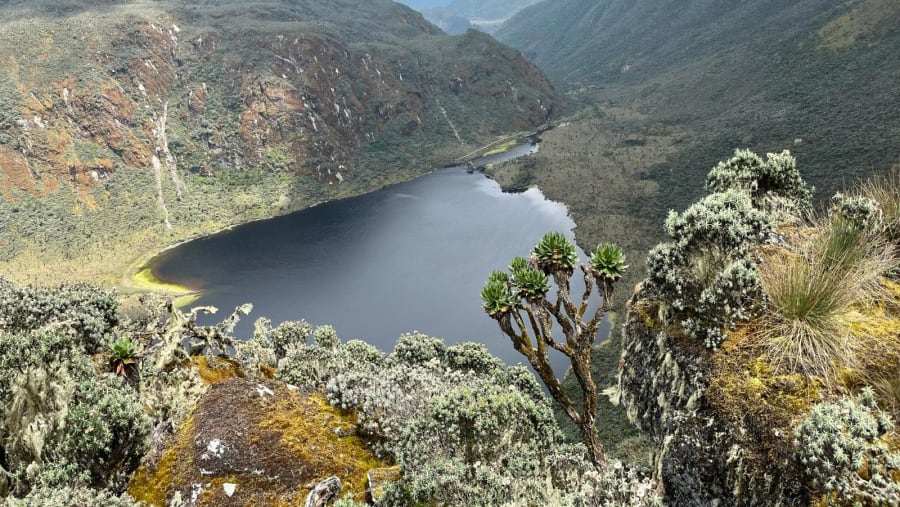
The trail to Lake Mahoma passes through bamboo forest and heath vegetation, offering a different landscape from the dense rainforest of the lower slopes. As you climb gradually toward the lake, the scenery becomes more open and peaceful. Upon reaching Lake Mahoma, hikers are rewarded with breathtaking views of the calm mountain lake surrounded by green hills and quiet wilderness. The clear waters of the lake reflect the surrounding vegetation and sky, creating a perfect setting for relaxation, photography, and bird watching.
After spending time enjoying the beauty of the lake, you return to Nyabitaba Hut for a short rest and lunch before beginning the descent back to Nyakalengija. The return hike follows the same scenic trail through the tropical rainforest, offering another opportunity to spot wildlife and enjoy the natural beauty of the Rwenzori Mountains. After approximately three to four hours of hiking, you arrive back at Nyakalengija, marking the end of a memorable two-day trekking experience in one of Africa’s most spectacular mountain landscapes.
Safari Highlight: End of safari
 The price includes;
- Park entrance
- Accommodation on the mountain (wooden hut)
- Meals as you hike
- Ranger guides
- Porters
- Chef/cook
The price excludes:
- Air ticket
- Accommodation in First night in Nyakaleginja
- Transportation to Rwenzori that we can provide at USD300 each way making it USD600 from Entebbe Internationa Aiport to Rwenzori Mountains and from Rwenzori Mountains back to Entebbe International Airport
- Visas,
- Laundry
- Tips
- Personal hiking gear
- Any other personal expenses not included in the package.
VISA: You all need a visa to enter Uganda application is done online https://visas.immigration.go.ug
Vaccine: Yellow fever is required. Make sure you are up to date
Packing list.
Climbing Boots
The Rwenzori is one of the wettest mountain ranges in Africa that received frequent rain. Trails are muddy and often flooded in lower zones, while upper elevations are icy and cold. Proper waterproof climbing boots provide strong ankle support on uneven ground and insulation against cold temperatures. They are also designed to hold crampons securely. Ordinary hiking shoes are not suitable for deep mud.
Waterproof Trekking Trousers
Rwenzori trails pass through thick vegetation and muddy bogs. Trekking trousers made from quick-drying/waterproof material protect your legs from scratches, insect bites, and wet conditions. Because rain is frequent, trousers that dry quickly prevent discomfort and skin irritation. They also provide warmth at higher altitudes where temperatures drop significantly.
Cotton Shirts
At lower elevations, the rainforest zone is warm and humid. Light shirts help regulate body temperature and allow airflow during long hiking hours. However, since the environment is damp, breathable materials are important to prevent excessive sweating. Proper shirts help maintain comfort before reaching colder alpine zones.
Rain Jackets/Poncho.
Even in dry season, Rwenzori mountain can receive rainfall and showers so it is advisable to carry a rain jacket.
Warm Woolen Jacket or Sweater
As you ascend above temperatures drop sharply, especially in the evenings and early mornings. Cold winds are common. A warm woolen jacket or sweater provides insulation and prevents hypothermia. This layer is especially important during summit attempts, where freezing temperatures are normal.
Waterproof Gloves
Hands are constantly exposed to cold, rain, and wind. Waterproof gloves keep hands dry and warm. Cold, wet hands lose strength and coordination quickly, so gloves are important for maintaining grip and safety during technical climbing sections.
Headlamp with Extra Batteries
A headlamp provides visibility in darkness. Cold temperatures drain batteries faster than usual, so carrying extra batteries ensures reliable light throughout the experience.
Trekking Bag (Backpack)
Even though porters carry most heavy equipment, each climber needs a daypack for personal essentials such as water, snacks, rain gear, gloves, and a camera. The Rwenzori weather changes quickly, so having immediate access to protective clothing is important. A comfortable, waterproof backpack helps manage weight efficiently during long hiking days.
Sun Hat
Despite frequent rainfall, the equatorial sun can be intense when skies clear. At higher altitudes, ultraviolet radiation is stronger. A sun hat protects your face and head from sunburn and reduces the risk of heat exhaustion during long exposed walks in the afro-alpine zone.
Handkerchiefs
Due to humidity, sweat, and muddy conditions, handkerchiefs are useful for personal hygiene.
They help wipe sweat, clean hands before meals, or dry small amounts of rainwater. Maintaining cleanliness during multi-day trekking improves comfort and prevents minor skin problems.
Hiking/trekking pole
A hiking pole is very helpful when trekking the Rwenzori Mountains because the trails are steep, muddy, and often slippery. It improves balance while crossing bogs, wet rocks, and uneven ground. The pole also reduces pressure on knees during long descents and helps conserve energy on steep climbs. In swampy sections, it can test mud depth before stepping, increasing safety and confidence throughout the trek.
Rainproof and Warm Gear
Rainfall can occur at any time on the Rwenzori. A waterproof jacket and trousers are essential to prevent soaking, which can quickly lead to cold stress. Combined with warm layers underneath, rain gear protects against both moisture and wind, ensuring body temperature remains stable.
Woolen Socks
Cold and wet conditions are common, especially at higher elevations. Woolen socks provide insulation even when slightly damp and help prevent blisters. Keeping feet warm is crucial for comfort and maintaining energy throughout the trek.
Jogging Suit / Sports Shoes
After a full day of hiking in heavy boots, lightweight clothing and shoes allow your body to relax at camp. Changing into dry, comfortable wear helps improve circulation and reduces fatigue before the next day’s climb.
Sleeping Bag
Nights in the Rwenzori can drop below freezing, particularly in high camps. A high-quality sleeping bag designed for cold temperatures ensures warmth and proper rest. Adequate sleep is essential for altitude adaptation and maintaining strength for summit attempts.
Rubber Boots
In the lower rainforest and bog zones, trails are often flooded or extremely muddy. Rubber boots are highly practical in these sections because they are waterproof and easier to clean.
They protect your feet from prolonged exposure to water before transitioning to climbing boots at higher altitudes. But this is provided.
You need to carry a luggage of 12.5 kilograms