

16-Day Rwenzori Expedition via Bukurungu Trail and Central Circuit with 5 peaks.
Embark on this extraordinary 16-day Rwenzori Expedition via the Bukurungu Trail and Central Circuit, a remarkable mountain journey designed for adventurous travelers seeking to explore five of the most impressive peaks in the Rwenzori Mountains. This expedition combines remote trails, dramatic alpine scenery, changing vegetation zones, high-altitude camps and challenging summit climbs to create an experience that goes far beyond an ordinary mountain trek.
The adventure begins in the communities around the Rwenzori Mountains, where trekkers walk through coffee plantations, homesteads and local Bakonzo communities before entering the beautiful mountain wilderness. As the trail rises, the landscape changes from montane forests and bamboo to giant heather, alpine vegetation, rocky ridges and glacial environments. Along the way, trekkers have opportunities to encounter unique plants, birds and wildlife while enjoying spectacular views of the surrounding valleys and peaks.
The expedition features five major summit objectives: Mount Emin’s Umberto Peak at 4,798 metres, Mount Gessi’s Lolanda peak at 4715 meters, Mount Speke’s Vittorio Emanuele Peak at approximately 4,890 metres, Alexandra Peak at approximately 5,091 metres, and Margherita Peak at 5,109 metres. Each summit presents its own challenges and rewards, making the journey a true test of endurance, preparation and determination.
From peaceful mountain lakes and remote camps to demanding summit days, every stage adds something special to the expedition. By the time you descend from the mountains, you will have experienced some of Uganda’s most spectacular high-altitude landscapes and completed an unforgettable journey across the Mountains of the Moon.
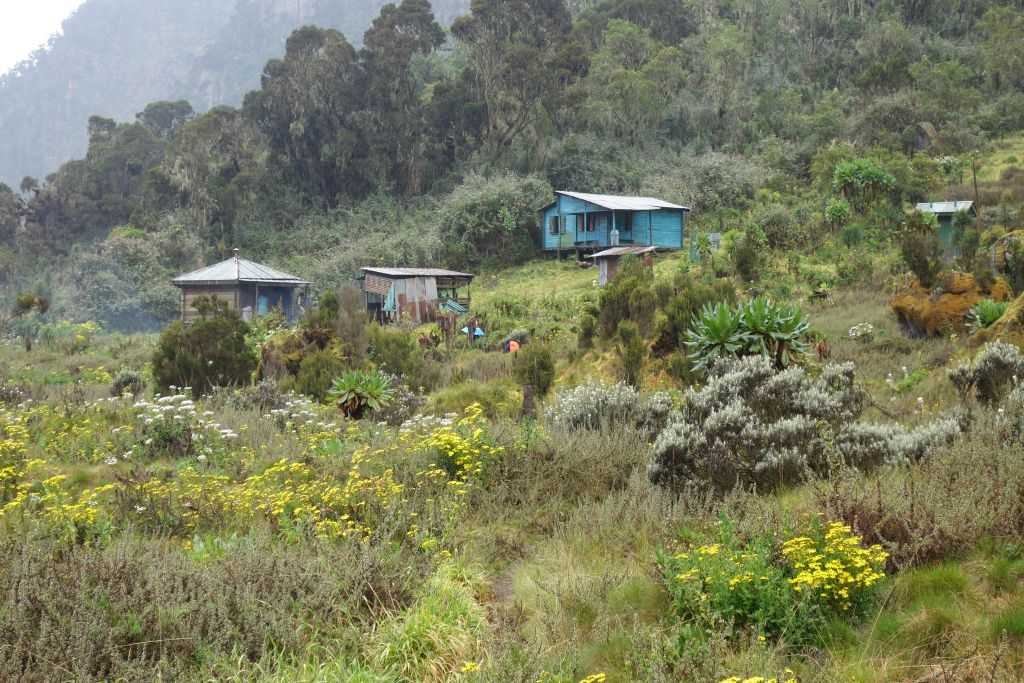 Trip overview of 16-Day Rwenzori Expedition via Bukurungu Trail and Central Circuit with 5 peaks.
- Day 1: Hike to Kasanzi Camp.
- Day 2: Kasanzi Camp – Rwigho Camp – Kambeho Camp.
- Day 3: Kambeho Camp – Mughuli Camp.
- Day 4: Mughuli Camp – Lamia Camp
- Day 5: Mount Emin Summit (Umberto peak) – Return to Lamia Camp.
- Day 6: Lamia Camp – Lake Bukurungu Camp
- Day 7: Mount Gessi Summit – Return to Lake Bukurungu Camp
- Day 8: Descent from Lake Bukurungu Camp to Bigo Hut
- Day 9: Bigo Camp – Bujuku Camp.
- Day 10: Summit the Vittorio Emmanuele peak on Mount Speke.
- Day 11: Bujuku Camp – Irene Lakes Camp.
- Day 12: Irine Camp – Alexandra Peak Summit – Irine Camp
- Day 13: Irine Camp – Margherita Peak Summit – Irine Camp
- Day 14: Irine Camp – Bujuku Camp – Bigo Camp
- Day 15: Bigo Camp – Nyabitaba Camp
- Day 16: Nyabitaba Camp – Mihunga
Trip overview of 16-Day Rwenzori Expedition via Bukurungu Trail and Central Circuit with 5 peaks.
Day 1: Hike to Kasanzi Camp.
Since it was a long travel the previous day from Kampala to Rwenzori, you wake up 0:800hours and have your breakfast before you drive to the Rwenzori National Park gate for briefing and check your equipment and other necessities before you travel to Mukorokimi, the starting point to the Mountain, It is from here that you meet the Guides and porters that Escort you to the Higher peaks, This day you walk through Coffee plantations, homesteads, schools and interact with local Bakonzo people the inhabitants of the Rwenzori mountains. The trail which bends on the ridge overlooking the Kasuka and Isule valleys and onwards to Kebitakuli for a rest while and take a breath and thereafter, hike through bamboo forested valleys. Encounter plant species like Disa stairssi, Scadoxus cyrtanthiflorus, Impetiens apiculate and spot or hear calls of blacj and white colobus monkeys, the Rwenzori Turaco bird. On the trail you may spot chimpanzee nests and droppings or hear their calls. The trail will lead you through the heater zone and reach Kasanzi camp for an overnight. It will take you 5 to 6 hours hike.
Hiking time: approximately 5–6 hours
Overnight: Kasanzi Camp
Meals: Lunch and dinner
Day 2: Kasanzi Camp – Rwigho Camp – Kambeho Camp.
After breakfast, take on the trail which bends west on the ridge overlooking the Kasuka and Isule valleys and onward to Kebitakuli for a rest while and take a breath and thereafter, hike through the montane rain forest overlooking bamboo forested valleys. Encounter plant species like the Disa stairssi, Scadoxus cyrtanthiflorus, Impatiens apiculata and spot or hear calls of black and white colubus monkeys, The Rwenzori Turaco and other birds. On trial you will spot chimpanzee nests and droppings or hear their calls. The trail will lead you through the heather zone and reach Rwigho Camp for an overnight (Optional). It will take you only 5-6 hours.
The strong will continue for another 4 hours on the trail which takes you through the heather trees
(Ericathiasis) with lots of moss hanging over these trees. The is the heather zone with a lots of heather trees, scencio trees, alchemila, black berries, and many more plant species. While on trial you will be able to spot black and white Colobus monkeys, Velvet monkeys, sun birds, the Rwenzori Turaco a rare beautiful bird in the park. On this day you will see lots of giant lobelias, everlasting flowers and rock shelters.
Hiking time: approximately 5–6 hours depending on the overnight option
Overnight: Kambeho Camp
Meals: Breakfast, lunch and dinner
Day 3: Kambeho Camp – Mughuli Camp.
After breakfast, start with a climb along river Lhume, in the early morning hours of the day when still fresh and strong with urge to climb the only steep Mughuli bypass. As you think of slopping down to Lake Mughuli which is within MTN network coverage to give you a chance to call friends and family members about the beauty and experience encountered on the trail. There are several short peaks which one can easily climb depending upon what time you have arrived in the camp and how you feel. The vegetation along the Lake is so beautiful to catch up your eyes. Animals you might see along the trail are the Rwenzori red-duiker, rock and tree hyrax and wild pigs. Around the camp, you can have a self-guided walk to explore the water falls. The approximate time taken from Kambeho to Mughuli Camp is about 6-7hrs hike with a stopover at Mulhalhama resting view point.
Hiking time: approximately 6–7 hours
Overnight: Mughuli Camp
Meals: Breakfast, lunch and dinner
Day 4: Mughuli Camp – Lamia Camp.
This camp is set in the heart of the two mountains of the Portal Peaks and Mount Gessi, it ranks the most fascinating journey for all climbers on this trail with or without climbing the peak you will be able to a have a view of almost all the peaks, it is a relaxing point to acclimatize for those interested in climbing the Portal Peaks and Mount Gessi. Bigo to roccatti pass (4148m) then summit Mt. Emin (umberto, 4798m) Five hours from Lamia camp takes you through a very gentle crossing passing the vegetation of the alchemila, several giant lobelia species and the wonderful and unknown leaf looking like human palm.
Overnight: Lamia Camp
Meals: Breakfast, lunch and dinner
Day 5: Mount Emin Summit (Umberto peak) – Return to Lamia Camp.
Rise early from Lamia Camp for an unforgettable summit adventure on Mount Emin. The trail leads deep into the spectacular high-altitude wilderness, climbing steadily toward Roccati Pass at approximately 4,148 metres. From the pass, continue across rugged alpine terrain toward Mount Emin’s Umberto Summit, standing at around 4,798 metres. Along the way, encounter the Rwenzori’s extraordinary vegetation, including giant lobelias, alchemilla, and other unique high-altitude plants that make this landscape truly remarkable. Reaching the summit offers a powerful sense of achievement and breathtaking views across the surrounding peaks and valleys. After spending time at the summit, begin a careful descent back to Lamia Camp. This dedicated day allows you to focus fully on Mount Emin without combining it with another major peak.
- Objective: Mount Emin – Umberto Peak
- Approximate summit altitude: 4,798 m
- Overnight: Lamia Camp
- Meals: Breakfast, lunch and dinner
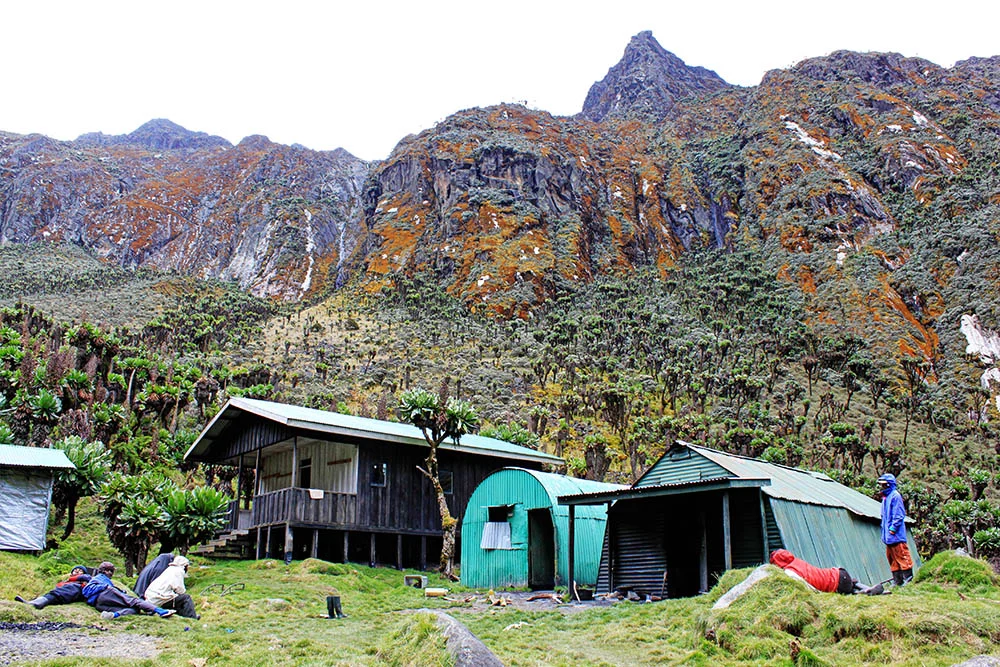 Day 6: Lamia Camp – Lake Bukurungu Camp
After breakfast, leave Lamia Camp and venture deeper into the untouched wilderness of the Rwenzori. The scenic 3–4-hour hike toward Lake Bukurungu Camp offers a peaceful transition into one of the expedition’s most remote and captivating sections. As you approach the lake, weather permitting, enjoy spectacular views of the surrounding giants, including Mount Stanley, Mount Speke, Mount Baker, Mount Gessi, and other dramatic peaks. Upon arrival at Lake Bukurungu, settle into camp and let the serenity of the mountains take over. The remainder of the day is dedicated to rest and acclimatization, preparing your body and mind for the exciting adventures ahead.
Hiking time: approximately 3–4 hours
Overnight: Lake Bukurungu Camp
Meals: Breakfast, lunch and dinner
Day 7: Mount Gessi Summit – Return to Lake Bukurungu Camp
Rise early from Lake Bukurungu Camp for an exhilarating ascent of Mount Gessi, one of the Rwenzori’s most remote and rewarding summits. The trail begins across the beautiful alpine flats before entering the lower Mugusu Valley, where dramatic mountain scenery unfolds around you. Continuing upward, the route leads toward Roccati Pass before the landscape becomes steeper, rockier, and more rugged as you approach the summit area. The final ascent reveals the impressive Lolanda Peak, one of the striking high points of the Mount Gessi massif. Reach the summit area and pause to take in breathtaking views across the surrounding wilderness. After celebrating this achievement, carefully descend by the same route back to Lake Bukurungu Camp for a well-earned rest.
- Objective: Mount Gessi
- Overnight: Lake Bukurungu Camp
- Meals: Breakfast, lunch and dinner
Day 8: Descent from Lake Bukurungu Camp to Bigo Hut
After breakfast, you shall begin your descent from Lake Bukurungu Camp toward Bigo Hut, enjoying a more relaxed pace as we gradually lose elevation. The trail passes through the beautiful alpine landscape, with opportunities to appreciate the unique vegetation and dramatic scenery of the Rwenzori Mountains.
As we descend, the environment gradually changes, with the high-altitude vegetation giving way to lower alpine zones. Our experienced guides will lead the way and ensure that everyone is comfortable throughout the hike.
Upon reaching Bigo Hut, you shall have time to relax and recover from the previous days of hiking. You can enjoy the peaceful surroundings while preparing for the next stage of the expedition.
- Overnight: Bigo Camp
- Meals: Breakfast, lunch and dinner
Day 9: Bigo Camp – Bujuku Camp.
After an early breakfast, you shall leave Bigo Hut and continue our journey deeper into the spectacular Rwenzori Mountains toward Bujuku Camp. The trail follows the beautiful Bujuku Valley, surrounded by dramatic mountain scenery and unique high-altitude vegetation.
As you progress, you shall cross alpine wetlands and open valleys, with breathtaking views of the surrounding peaks. The route is particularly scenic, offering opportunities to see giant lobelias, giant groundsel, and other distinctive plants that make the Rwenzori ecosystem so remarkable.
The hike gradually gains elevation as we approach Bujuku Camp, situated at approximately 3,977 metres above sea level, between Mount Stanley and Mount Baker. The camp offers an impressive setting overlooking Lake Bujuku and the surrounding mountains.
Upon arrival, we shall settle into camp, enjoy some time to rest and recover plus also have lunch, and prepare for the following day’s adventure. Dinner and overnight stay will be at Bujuku Camp.
- Overnight: Bujuku camp.
- Meal Plan: Breakfast, lunch and dinner
- Overnight: Bujuku Camp
- Meals: Breakfast, lunch and dinner
Day 10: Summit the Vittorio Emmanuele peak on Mount Speke.
After an early breakfast, we shall begin the challenging ascent to Vittorio Emanuele Peak, one of the principal summits of Mount Speke, rising to approximately 4,890 metres above sea level. From camp, the route leads through rugged alpine terrain, gradually becoming steeper as we approach the higher sections of the mountain.
With the support of our experienced mountain guides, you shall carefully navigate rocky sections and exposed areas toward the summit. The climb requires good physical fitness, steady pacing, and careful footing, particularly at higher elevations.
Upon reaching Vittorio Emanuele Peak, you will be rewarded with spectacular panoramic views across the Rwenzori Mountains and surrounding valleys. Weather permitting, the dramatic landscape of Mount Stanley, Mount Baker, and the distant peaks creates an unforgettable high-altitude experience.
After spending time at the summit and taking photographs, you shall carefully descend to camp, where you can rest and recover after this demanding mountain adventure. Dinner and overnight stay at camp.
- Overnight: Bujuku camp.
- Meal Plan: Breakfast, lunch and dinner
- Objective: Mount Speke – Vittorio Emanuele Peak
- Altitude: approximately 4,890 m
- Overnight: Bujuku Camp
- Meals: Breakfast, lunch and dinner
- Day 11: Bujuku Camp – Irene Lakes Camp.
After an early breakfast, you shall continue your expedition toward Irene Lakes Camp, situated at approximately 4,495 metres above sea level. This section takes you deeper into the highaltitude landscapes of the Rwenzori Mountains, with rugged terrain, rocky ridges, and breathtaking views of the surrounding peaks.
The trail gradually gains elevation as we make your way toward the camp, requiring a steady pace and careful footing. Along the route, you will experience the unique beauty of the Rwenzori alpine zone, characterized by giant lobelias, groundsel plants, rocky slopes, and dramatic mountain scenery.
Upon reaching Irene Lakes Camp, you will have time to settle in and rest while enjoying the spectacular surroundings. The high-altitude setting provides an excellent opportunity to appreciate the remote wilderness of the Rwenzori Mountains and prepare for the following day’s adventure.
Overnight: Irene Lakes Camp
Meals: Breakfast, lunch and dinner
Day 12: Irine Camp – Alexandra Peak Summit – Irine Camp
Rise very early from Irine Camp for the first major Mount Stanley summit objective: Alexandra Peak, standing at approximately 5,091 metres. The ascent takes you into the spectacular highaltitude environment of Mount Stanley, with rugged rock, glaciers, and breathtaking views across the Rwenzori. With the mountain guides carefully assessing weather, route and technical conditions, make your way toward the summit. Reaching Alexandra Peak is a remarkable achievement and offers an unforgettable perspective of the surrounding peaks. After spending time at the summit, carefully descend along the same route and return to Irine Camp for a well-earned rest and recovery.
Objective: Alexandra Peak – approximately 5,091 m
Overnight: Irine Camp
Meals: Breakfast, lunch, and dinner.
Day 13: Irine Camp – Margherita Peak Summit – Irine Camp
Wake up at 3:00am/4:30am early in the morning for a cup of coffee and thereafter, start the climb to the main Margherita peak summit 5109m the highest soil of the pearl of Africa and third Highest Mountain in Africa.
While on top and assuming the weather is clear, you will be able to see the rest of the peaks on the Rwenzori Mountain range like Vittorio Emmanuelle on Mt. Speke, Edward on Mt. Baker, Mt. Albert, Alexandria will just be in your opposite direction and if the weather is good you opt to climbing all the twin peaks of Margarita and Alexandria all on Mt. Stanley. Though distance looks short but it can take you long hours to reach the summit due to fog and mist. After a good time, have a view of DR Congo. Be one of the people who have left their foot prints on top of the Mountains of the moon and confirm your arrival on this point with a breath taking and say yes I have made it.
After completing the summit, begin the careful descent and return to Irine Camp, where you can rest after an extraordinary day on the mountain.
Objective: Margherita Peak – 5,109 m
Overnight: Irine Camp
Meals: Breakfast, lunch, and dinner
Day 14: Irine Camp – Bujuku Camp – Bigo Camp
With both Alexandra Peak and Margherita Peak successfully completed, begin the descent from Irine Camp toward the beautiful Bujuku Valley. The route gradually leaves the highest alpine terrain behind, revealing dramatic valleys, giant lobelias, and the unique vegetation of the Rwenzori. Continue through Bujuku toward Bigo Camp, enjoying a more relaxed pace after the demanding summit days. This descent provides a wonderful opportunity to appreciate the landscape from a different perspective and recover while continuing deeper into the mountain wilderness.
Overnight: Bigo Camp
Meals: Breakfast, lunch, and dinner
Day 15: Bigo Camp – Nyabitaba Camp
Continue the descent from Bigo Camp toward Nyabitaba Camp, following the scenic trail through changing vegetation zones. As you lose altitude, the high alpine landscape gradually gives way to lush montane forest. The atmosphere becomes warmer and greener, offering a refreshing contrast to the glaciers and rocky summits experienced earlier in the expedition. Maintain a comfortable pace, enjoy the surrounding wilderness, and take time to appreciate the incredible journey you have completed so far.
Overnight: Nyabitaba Camp
Meals: Breakfast, lunch, and dinner
Day 16: Nyabitaba Camp – Mihunga Gate.
After breakfast, begin the final descent from Nyabitaba Camp through the beautiful Afromontane forest toward Mihunga Park Gate. The approximately 3–4-hour descent brings the expedition to a memorable conclusion. Along the trail, you may encounter black-and-white colobus monkeys, blue monkeys, chameleons, Rwenzori Turaco, and other bird species.
At Mihunga Gate, complete the formalities and receive your Rwenzori completion certificate before continuing to Nyakalengija. After 16 remarkable days, the expedition comes to an end, having conquered Mount Emin, Mount Gessi, Mount Speke, Alexandra Peak, and Margherita Peak.
Safari Highlight: End of the Rwenzori Expedition.
Price includes:
- Hiking fees in the Bukurungu trail and central circuit.
- Transportation in a 4×4 safari vehicle from Entebbe to Rwenzori Mountains and back to Entebbe
- Airport pick up and drop off
- Accommodation in Entebbe in Best Western Premier hotel and Snow heights lodge
- Meal en-route during the transfer from the Airport and back to the airport.
- Park entrance
- Trained guides
- Porters in Rwenzori mountains
- Meals
- Wages
- Government tax
- Accommodation on mountain huts where necessary but still you can camp in your tent.
Price Excludes
- Technical hiking gears like crampons, ropes, harness, ice axe, helmet plus also rubber boots
- You can hire equipment at Bukurungu trail stores ( ice axe-$20, climbing rope-$5), harness-$20, climbing boot-$20, crampons-$20, tent at $40 during the whole trip)
- Tips
- Air ticket
- Personal trekking gears
- Other items of personal nature
- Other personal expenses not included in the package.
VISA: You all need a visa to enter Uganda application is done online https://visas.immigration.go.ug Vaccine: Yellow fever is still required. Make sure you are up to date needed at Entebbe International
Airport.
Rwenzori Mountains packing list.
Trekking the Rwenzori Mountains involves passing through tropical rainforest/ montane forest, bamboo zones, giant heather forests, afro-alpine zones, rocky ridges, and glaciers.
Because of this dramatic change in terrain and climate, every item on the packing list has a very specific purpose. Below is a detailed explanation of each item in relation to the actual conditions on Rwenzori. Technical Equipment
Rope
In the Rwenzori, especially when climbing toward Margherita Peak on Mount Stanley, sections of the trail involve steep rock slabs and glacier crossings. The rocks are often wet and slippery due to constant rainfall and mist. A rope is used to secure climbers together in exposed areas and while crossing ice. It reduces the risk of serious falls and gives climbers confidence when navigating technical terrain at high altitude.
Crampons
The upper slopes of the Rwenzori contain permanent ice and glaciers. Early in the morning, snow and ice become extremely hard and slippery. Crampons are metal spikes fixed onto climbing boots to provide traction on frozen ground. Without crampons, walking on glaciers would be unsafe and nearly impossible. They allow climbers to move steadily uphill and downhill without sliding on the ice-covered surfaces.
Ice Axe
An ice axe is an essential safety tool on the glacier sections of the Rwenzori. It provides balance while ascending steep snow slopes and stability when descending icy terrain. If a climber slips, the ice axe can be used to stop the fall through a self-arrest technique. Given the steep and icy conditions near the summit, this tool is crucial for safety and controlled movement.
Harness
A harness is worn around the waist and thighs to attach a climber securely to the rope. On the
Rwenzori’s technical sections, particularly near glaciers and exposed rock faces, guides use rope systems to protect climbers. The harness ensures that if someone loses footing, they remain safely connected. It distributes weight evenly and prevents injury during rope-supported climbing.
Helmet
Rock fall is possible in steep and narrow sections of the Rwenzori, especially where loose stones are present. Ice chunks can also fall from glacier edges. A helmet protects the head from unexpected impact. In slippery conditions where falls are more likely, wearing a helmet significantly reduces the risk of serious head injury, particularly in high-altitude climbing areas.
Personal Items
Climbing/ hiking Boots
The Rwenzori is one of the wettest mountain ranges in Africa that received frequent rain. Trails are muddy and often flooded in lower zones, while upper elevations are icy and cold. Proper waterproof climbing boots provide strong ankle support on uneven ground and insulation against cold temperatures. They are also designed to hold crampons securely. Ordinary hiking shoes are not suitable for glacier travel or deep mud.
Waterproof Trekking Trousers
Rwenzori trails pass through thick vegetation and muddy bogs. Trekking trousers made from quickdrying/waterproof material protect your legs from scratches, insect bites, and wet conditions. Because rain is frequent, trousers that dry quickly prevent discomfort and skin irritation. They also provide warmth at higher altitudes where temperatures drop significantly.
Cotton Shirts
At lower elevations, the rainforest zone is warm and humid. Light shirts help regulate body temperature and allow airflow during long hiking hours. However, since the environment is damp, breathable materials are important to prevent excessive sweating. Proper shirts help maintain comfort before reaching colder alpine zones.
Warm Woolen Jacket or Sweater/ Pocho.
As you ascend above 3,500 meters, temperatures drop sharply, especially in the evenings and early mornings. Cold winds and mist are common. A warm woolen jacket or sweater provides insulation and prevents hypothermia. This layer is especially important during summit attempts, where freezing temperatures are normal.
Waterproof Gloves
Hands are constantly exposed to cold rain, wind, and snow in higher elevations.
Waterproof gloves keep hands dry and warm, especially when handling ropes, rocks, or ice axes. Cold, wet hands lose strength and coordination quickly, so gloves are important for maintaining grip and safety during technical climbing sections.
Headlamp with Extra Batteries
Summit attempts on the Rwenzori usually begin before sunrise to take advantage of stable ice conditions. A headlamp provides visibility in darkness along rocky and icy paths. Cold temperatures drain batteries faster than usual, so carrying extra batteries ensures reliable light throughout early morning climbs and nighttime camp movement.
Trekking Bag (Backpack)
Even though porters carry most heavy equipment, each climber needs a daypack for personal essentials such as water, snacks, rain gear, gloves, and a camera. The Rwenzori weather changes quickly, so having immediate access to protective clothing is important. A comfortable, waterproof backpack helps manage weight efficiently during long hiking days.
Sun Hat
Despite frequent rainfall, the equatorial sun can be intense when skies clear. At higher altitudes, ultraviolet radiation is stronger. A sun hat protects your face and head from sunburn and reduces the risk of heat exhaustion during long exposed walks in the afro-alpine zone.
Handkerchiefs
Due to humidity, sweat, and muddy conditions, handkerchiefs are useful for personal hygiene.
They help wipe sweat, clean hands before meals, or dry small amounts of rainwater.
Maintaining cleanliness during multi-day trekking improves comfort and prevents minor skin problems.
Snow Glasses (Sunglasses)
At high elevations, sunlight reflects strongly off snow and ice. This reflection can cause eye strain or snow blindness. Quality sunglasses with UV protection shield your eyes from glare and harmful radiation, making glacier travel safer and more comfortable.
Gaiters
The Rwenzori is famous for deep mud and swampy sections, especially in the bamboo and bog zones. Gaiters are worn over boots and lower trousers to prevent water, mud, and debris from entering footwear. They keep feet drier and cleaner, reducing the risk of blisters and discomfort during long trekking days.
Hiking/trekking pole
A hiking pole is very helpful when trekking the Rwenzori Mountains because the trails are steep, muddy, and often slippery. It improves balance while crossing bogs, wet rocks, and uneven ground. The pole also reduces pressure on knees during long descents and helps conserve energy on steep climbs. In swampy sections, it can test mud depth before stepping, increasing safety and confidence throughout the trek.
Rainproof and Warm Gear
Rainfall can occur at any time on the Rwenzori. A waterproof jacket and trousers are essential to prevent soaking, which can quickly lead to cold stress. Combined with warm layers underneath, rain gear protects against both moisture and wind, ensuring body temperature remains stable.
Woolen Socks
Cold and wet conditions are common, especially at higher elevations. Woolen socks provide insulation even when slightly damp and help prevent blisters. Keeping feet warm is crucial for comfort and maintaining energy throughout the trek.
Jogging Suit / Sports Shoes
After a full day of hiking in heavy boots, lightweight clothing and shoes allow your body to relax at camp. Changing into dry, comfortable wear helps improve circulation and reduces fatigue before the next day’s climb.
Sleeping Bag
Nights in the Rwenzori can drop below freezing, particularly in high camps. A high quality sleeping bag designed for cold temperatures ensures warmth and proper rest. Adequate sleep is essential for altitude adaptation and maintaining strength for summit attempts.
Rubber Boots (Provided free of charge)
In the lower rainforest and bog zones, trails are often flooded or extremely muddy. Rubber boots are highly practical in these sections because they are waterproof and easier to clean.
They protect your feet from prolonged exposure to water before transitioning to climbing boots at higher altitudes.
Proper preparation for the Rwenzori Mountains is critical because the mountain combines rainforest trekking, swamp crossing, alpine hiking, and glacier climbing in one expedition.
Each item on this list directly responds to the unique weather, terrain, and altitude conditions found on this remarkable mountain range.
Charge your phones, cameras, power banks and all your gadgets.
This is because there is no electricity on the mountain so you will need to charge these gadgets before you start the trek.
Body and Chest
Highly suggest getting a prescription for an Albuterol Inhaler to bring along on the trip in case of any breathing difficulties as well as Ciproxin which is a safe medication for travel diarrhea and can be used as a general antibiotic. 3 Pairs of outer socks (thick wool or polypropylene)
- Sandals or light weight trainers for around camp
- 1 Fleece pants (full length zippers recommended)
- 1 Pairs of inner thermal gloves (polypropylene or capelins)
- 1 Pair of insulated outer gloves
Sleeping Gear
- Sleeping bag for ‐15°C / 5°F (down or polar guard) –
- Sleeping mats
Others
- Block for lips and sun screen (not less than 35 spf-)
- 2 Water bottles (32 floz / 1 liter Nalgene recommended. Water bottle insulator needed) 1 Stainless steel thermos of one liter or half liter (optional)
- Hand warmers (for summit day)
- Hydrating system (like CamelBak, for approach trek to base camp)
- Personal care elements (small towel and soap, wet wipes recommended)
Upper Body Packs
- Comfortable Day pack (for approach to base camp)
- One XL strong duffel bag (to be carried by the porters)
Optional Items
- Book, IPod, games or anything for leisure time
- Camera, memory cards and extra batteries
- Silicon Earplugs (for windy nights)
- Your favorite energy bars. Avoid anything with caramel and toffee.
- Sun cap or hat
- Ski hat (wool or fleece)
- Light balaclava
- Good pair of sunglasses (with UV filter, wrap around)