

How Tourism Is Helping to Protect the Rwenzori Mountains: Preserving Nature’s Crown Jewel of Africa.
The Rwenzori Mountains, often called the “Mountains of the Moon,” stretch majestically along the border of Uganda and the Democratic Republic of Congo. Known for their snow-capped peaks, unique flora, and rare wildlife, these mountains hold some of Africa’s most fragile ecosystems. From glaciers to alpine meadows and dense tropical forests, the Rwenzori Mountains are a treasure of biodiversity. Preserving them has become crucial, and tourism has emerged as a major force driving conservation. Visitors from around the world come to hike, explore, and witness these majestic peaks, contributing directly to environmental protection.
Tourism in the Rwenzori Mountains does more than offer adventure; it provides economic incentives that promote sustainability. Local communities earn income through guiding, lodging, and providing services to visitors. This creates a positive cycle: the more the environment is protected, the more tourists are attracted, which generates further income. Without tourism, some areas might face overexploitation from logging, hunting, or unsustainable farming. By linking economic benefits to conservation, tourism becomes a powerful motivator for both communities and park authorities to preserve the mountains’ fragile ecosystems.
 Ecotourism and Community Benefits
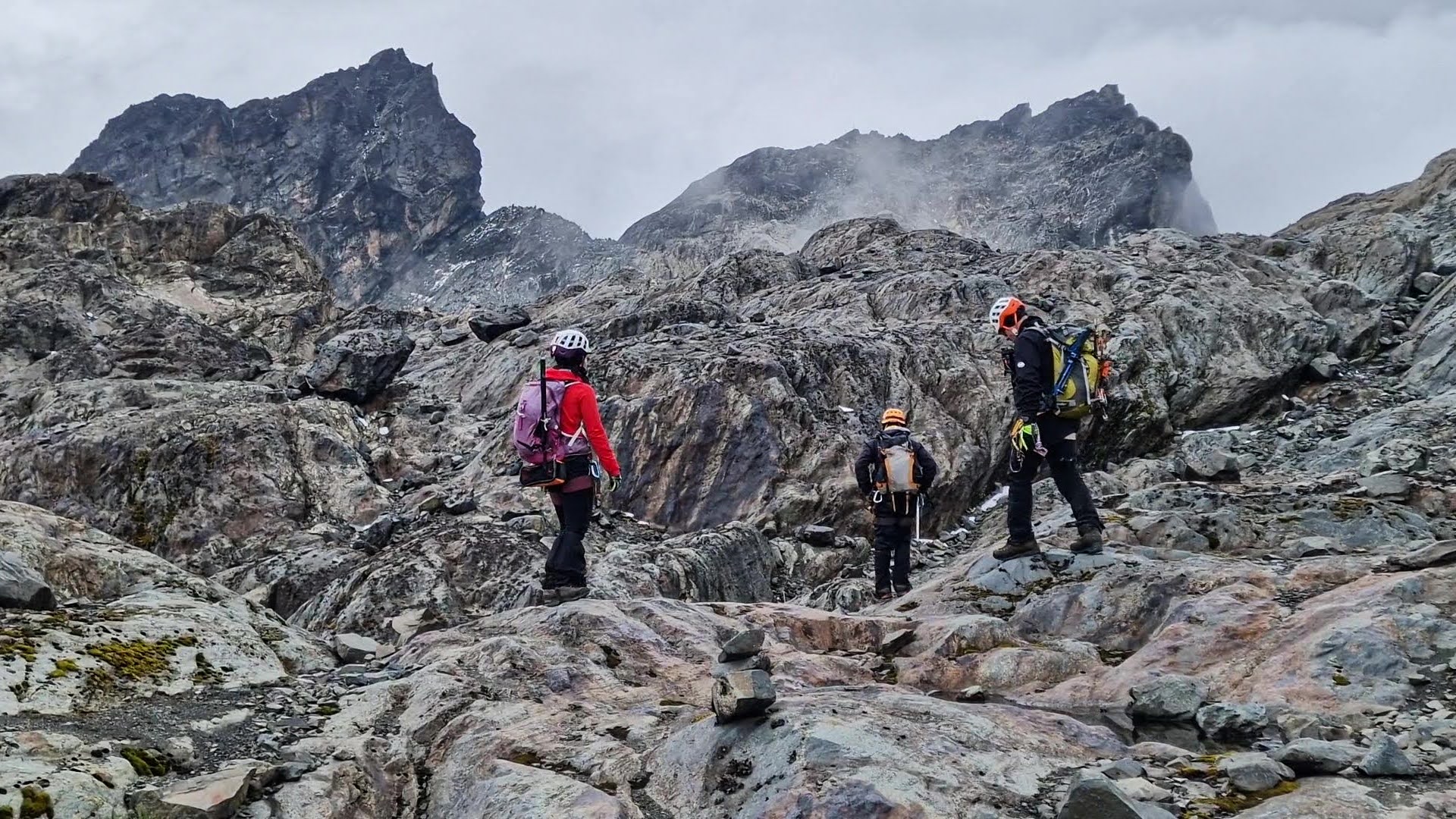
Ecotourism is the backbone of conservation in the Rwenzori Mountains. Travelers are drawn to the region to see rare species, including the Rwenzori turaco bird and giant lobelia plants, and to experience the breathtaking alpine landscapes. Communities around the mountains have embraced ecotourism as a sustainable source of income. Local residents organize guided treks, nature walks, and cultural experiences, all while educating visitors about the importance of conservation. This interaction creates awareness and builds a sense of responsibility in both tourists and locals.
Local programs promote eco-lodges in Nyakalengija and community-run accommodations/ huts on the mountain that prioritize sustainability. Solar energy, waste recycling, and water conservation practices are common in these lodges in Nyakelengija and huts on the mounatin. Revenue from these establishments/ tourism is reinvested into community projects such as schools, health clinics, and forest patrols. For instance, villages like Kilembe, Nyakalengija and Bulemba have actively developed eco-lodges, giving locals a reason to protect the environment. This model demonstrates how tourism can create economic incentives that align with conservation goals. As the local people are employed as guides, porters, chefs and guides in the Rwenzori Mountains. Communities now see firsthand that preserving forests, rivers, and wildlife directly benefits them financially and socially.
Ecotourism also fosters collaboration between local authorities, conservation groups, and community organizations. Workshops train guides in safety, environmental education, and hospitality. These programs ensure that tourism supports conservation instead of harming the environment. By emphasizing sustainable practices, the Rwenzori Mountains serve as a model of how tourism can simultaneously improve livelihoods and protect nature. Tourists leave not only with memorable experiences but also with a deeper understanding of the mountains’ ecological and cultural value.
 Protecting Wildlife through Tourism
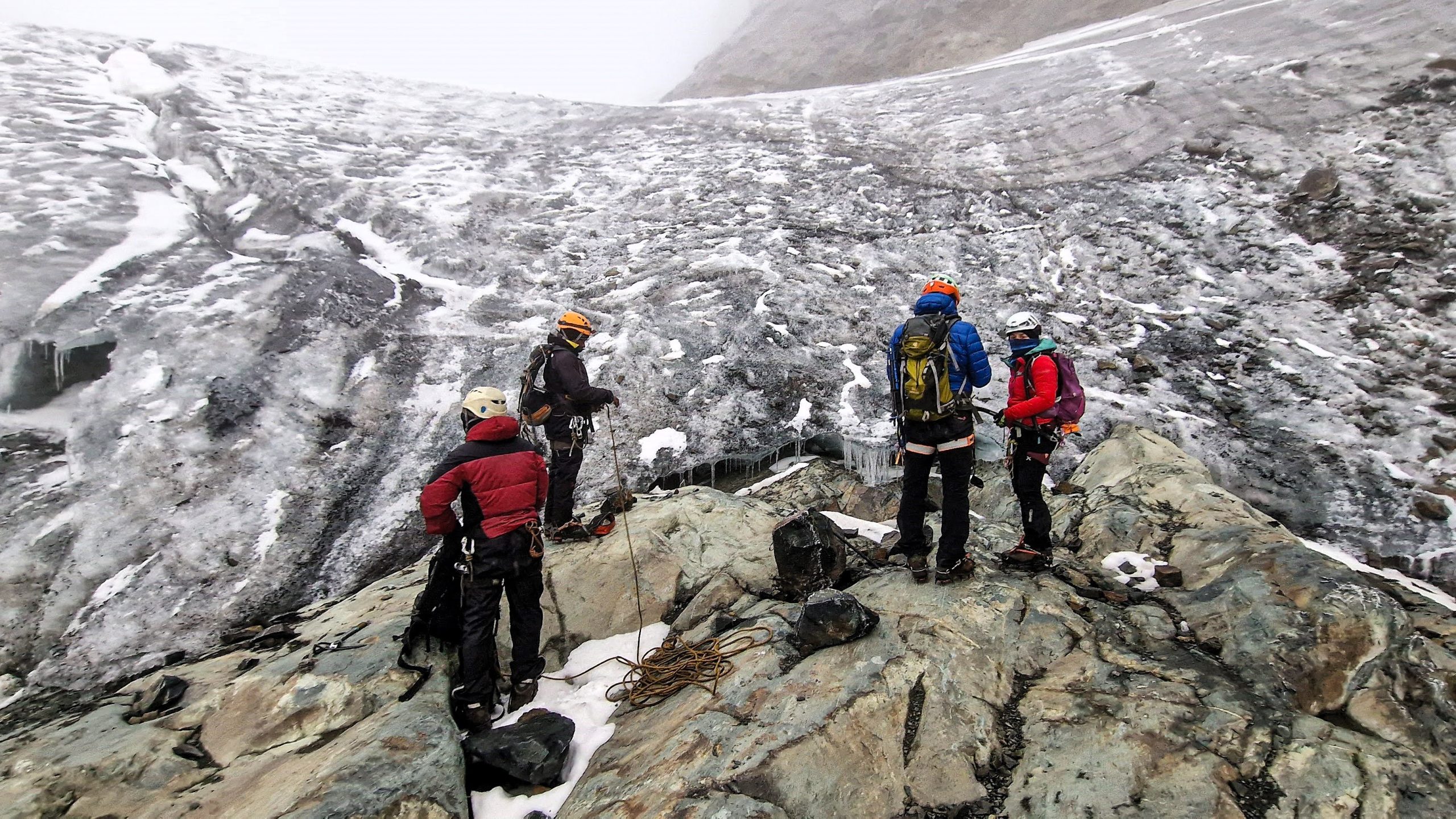
Wildlife protection is one of the most tangible ways tourism contributes to the Rwenzori Mountains. The region hosts several endangered species, including primates, birds, and small antelopes like the Rwenzori duiker. Monitoring these populations requires funding and manpower, both of which tourism provides. Guided treks often include wildlife observation, and trained guides report sightings to conservation authorities. This data helps track species populations, understand ecological changes, and implement protection strategies.
Tourists indirectly participate in conservation through park entry fees, donations, and volunteering. For example, funds collected from visitor fees have been used to support anti-poaching patrols and wildlife research programs. Projects tracking the Rwenzori duiker population rely heavily on tourism-generated revenue to maintain monitoring equipment and hire staff. Without tourism, such programs would struggle to sustain operations, leaving wildlife vulnerable to habitat loss and hunting.
Tourism also encourages awareness of the delicate balance within the mountain ecosystem. Visitors learn about the threats species face, including habitat destruction, climate change, and invasive species. This awareness often motivates tourists to support conservation initiatives long after they leave the mountains. In turn, local communities see the tangible value of protecting wildlife. They understand that their economic well-being is tied directly to the survival of the region’s biodiversity, reinforcing the link between tourism and environmental stewardship.
Infrastructure Development and Environmental Protection
Tourism has driven the development of infrastructure that both supports visitors and protects the Rwenzori Mountains. Improved trails, roads, and visitor centers make trekking safer and minimize environmental damage. Designated hiking paths prevent soil erosion and reduce human impact on sensitive habitats. Without these pathways, random foot traffic could damage fragile alpine meadows, disturb water sources, and endanger plant species unique to the mountains.
Visitor centers have become educational hubs. They provide information on wildlife, climate change, and sustainable trekking practices. Demonstrations show tourists how to manage waste, avoid disturbing wildlife, and respect local customs. These educational programs create a culture of conservation among visitors, spreading knowledge that reaches beyond the mountains themselves.
Infrastructure improvements extend to accommodations and eco-lodges in Nyakelengija plus huts on Rwenzori Mountains. Modern facilities often use renewable energy sources, practice water conservation, and incorporate local materials to minimize ecological impact. By providing responsible lodging, tourism reduces the need for environmentally harmful practices, such as cutting wood for fuel or clearing forested areas. Local guides and rangers are trained to monitor the environment continuously, ensuring that tourism development does not compromise the mountains’ fragile ecosystems.
The presence of well-maintained infrastructure also encourages longer stays. Tourists who remain longer contribute more to local economies and conservation programs. Trails, rest points, and educational signage guide hikers while minimizing negative environmental effects. By combining convenience with education, tourism infrastructure plays a dual role: enhancing visitor experience and protecting the Rwenzori Mountains for future generations.
 Promoting Cultural Heritage
Tourism in the Rwenzori Mountains is not limited to natural attractions; it also safeguards cultural heritage. The Bakonzo people, indigenous to the region, have rich traditions, music, and crafts. Tourists are invited to participate in cultural experiences, including traditional dances, storytelling, and craft markets. These interactions provide a financial incentive for communities to maintain and celebrate their cultural heritage.
Cultural tourism encourages communities to preserve knowledge of medicinal plants, spiritual sites, and traditional farming techniques. This knowledge, passed down through generations, has always been linked to sustainable land use and environmental protection. By sharing culture with visitors, locals reinforce the importance of protecting their land and traditions. For example, crafts made from locally sourced materials are sold to tourists, providing income that reduces dependence on logging or hunting.
Community involvement in tourism strengthens the connection between people and the environment. When locals see tangible benefits from protecting their culture, they are more likely to support conservation programs. Cultural tourism, combined with ecological education, ensures that both natural and human heritage are preserved. Visitors gain a more meaningful experience while actively contributing to the long-term sustainability of the Rwenzori Mountains and the communities that call them home.
Sustainable Tourism Practices
Sustainable tourism is essential for the protection of the Rwenzori Mountains. Several organizations, including local authorities and conservation groups, have developed guidelines to ensure minimal environmental impact. Tour operators encourage small group sizes, responsible waste disposal, and wildlife respect. Visitors are educated on how to tread lightly and avoid disrupting fragile ecosystems.
Eco-certifications have been introduced for lodges and tour companies that meet strict environmental standards. Properties using renewable energy, sustainable materials, and water-saving technologies are rewarded with recognition that attracts conscious travelers. Tourists are increasingly drawn to these accommodations, creating a market incentive for environmentally responsible practices.
Training programs for guides and staff emphasize both safety and environmental stewardship. Properly trained personnel ensure that tourism activities do not harm flora, fauna, or cultural sites. By adopting these practices, the Rwenzori Mountains demonstrate a model for sustainable tourism where visitor enjoyment and ecological preservation coexist. Tourists leave with a sense of responsibility, often advocating for conservation in their own communities after experiencing the impact of their travels firsthand.
 Tourism as a Climate Change Ally
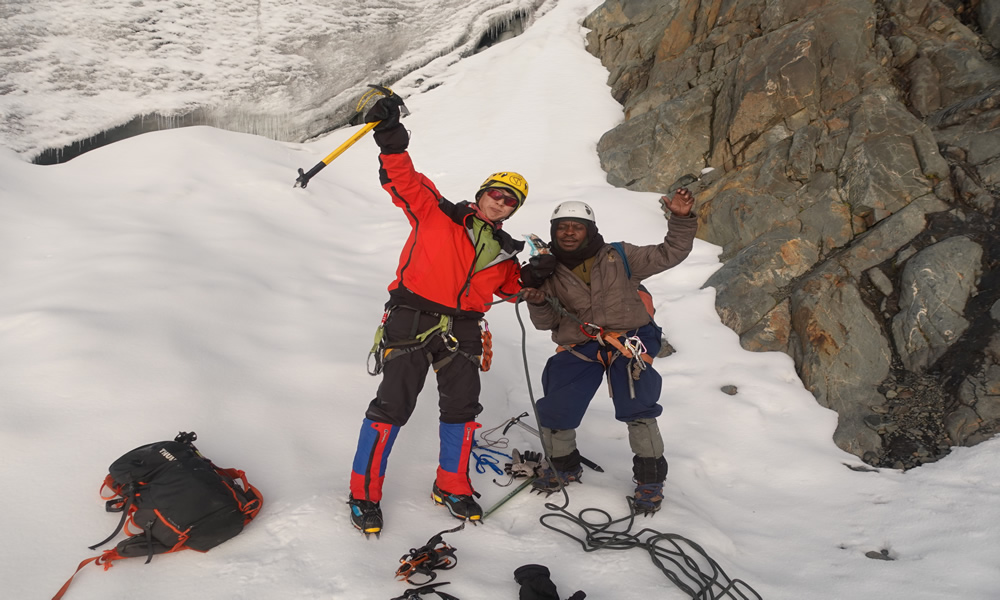
Climate change poses serious threats to the Rwenzori Mountains, including glacial retreat, altered rainfall patterns, and habitat shifts. Tourism helps combat these challenges by providing funding for research and conservation programs. Revenue from park fees and donations contributes to climate studies, reforestation projects, and habitat restoration initiatives.
Visitors who witness melting glaciers and environmental changes firsthand often become climate advocates. Education campaigns highlight the global importance of the Rwenzori Mountains and encourage responsible travel. Schools and community groups benefit from funds generated through tourism, supporting climate awareness initiatives.
Tourism also promotes a broader understanding of environmental responsibility. Tourists learn how human activity impacts fragile ecosystems, reinforcing the connection between local action and global consequences. By combining education, financial support, and advocacy, tourism strengthens climate resilience in the Rwenzori Mountains, ensuring that these natural wonders continue to thrive in the face of environmental change.
 Conclusion
Tourism has become a critical ally in protecting the Rwenzori Mountains. It provides economic incentives, supports local communities, funds conservation programs, and raises awareness about climate change. Visitors actively contribute to preserving wildlife, infrastructure, and cultural heritage. Ecotourism ensures that the natural beauty and biodiversity of the Rwenzori Mountains remain intact, while cultural tourism safeguards traditions and local knowledge.
The Rwenzori Mountains demonstrate how tourism can be a powerful tool for environmental protection. Communities, tourists, and conservation authorities work together to create a sustainable model that benefits both people and nature. By prioritizing responsible tourism, the mountains will continue to inspire awe and provide ecological, cultural, and economic value for generations to come. Every trek, guided walk, and eco-lodge stay contributes to a larger effort to maintain this unique ecosystem. Tourism is not just recreation, it is conservation in action.