

Lessons Learned When Climbing the Rwenzori Mountains
Every Trip is Different
No two journeys into the Rwenzori Mountains are ever the same, and that is exactly what makes them so special and so demanding. Often referred to as the “Mountains of the Moon,” the Rwenzoris are known for their unpredictable weather, dense vegetation, and rugged terrain. Unlike more straightforward mountain climbs, this range challenges trekkers with constant variation. One day may bring clear skies and breathtaking views of glaciers, while the next delivers heavy rainfall, thick mud, and slippery wooden boardwalks through bogs.
Trekkers quickly learn that flexibility is not optional it is essential. Even experienced hikers can be caught off guard by the combination of altitude, humidity, and long trekking days. Group dynamics also play a significant role. Some members may struggle with fitness, while others may find the altitude more difficult than expected. These factors can influence pacing, morale, and overall success.
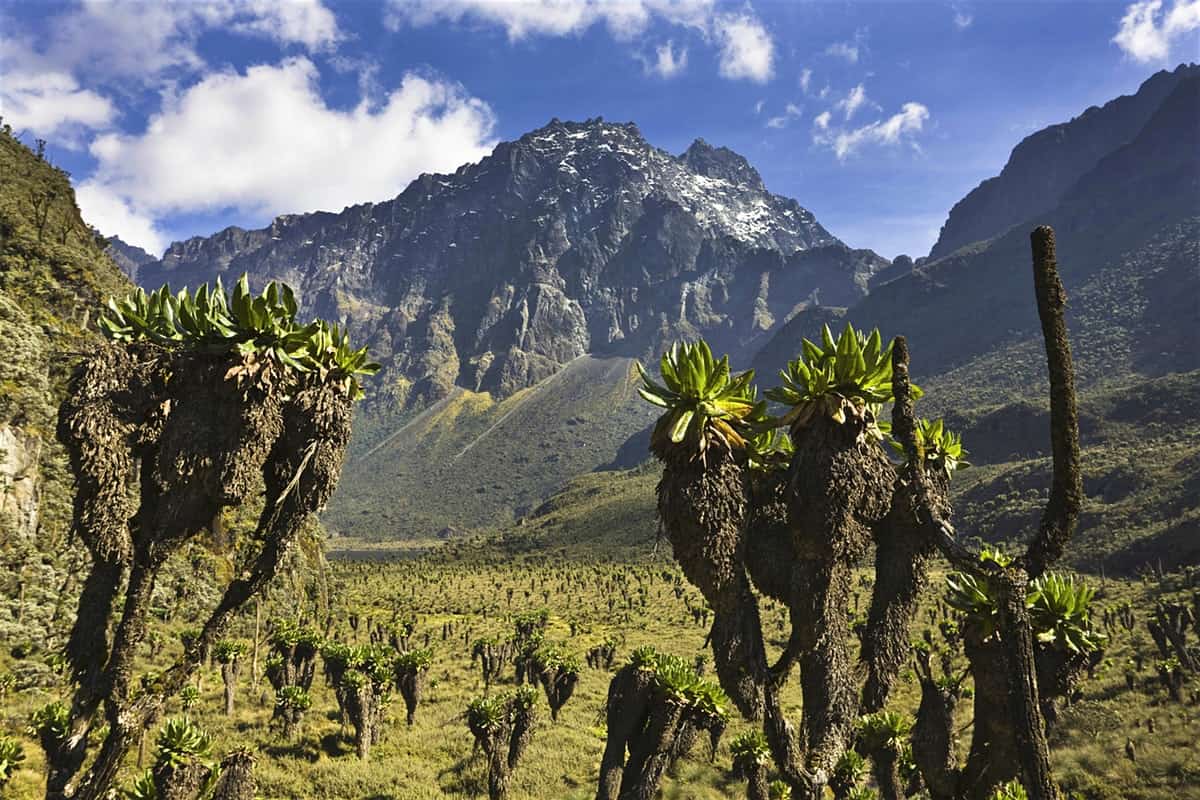 Approaching the Rwenzori Mountains with a positive mindset makes a huge difference. Challenges such as wet boots, cold nights, or fatigue are not setbacks they are part of the adventure. Accepting this reality helps trekkers stay motivated and enjoy the journey. Ultimately, each expedition becomes a unique story shaped by weather, terrain, and personal resilience. Embracing that unpredictability is one of the most important lessons any climber can learn.
What I Wish I Knew Before Climbing the Rwenzori Mountains
One of the most important lessons about the Rwenzori Mountains is that acclimatization is everything. Unlike lower-altitude hikes, trekking to peaks like Margherita requires your body to adapt gradually to reduced oxygen levels. Without proper acclimatization, even the fittest individuals can struggle or fail to reach the summit. Taking a longer itinerary typically 7 or 8 days is one of the best decisions you can make for both safety and success while hiking to the Margherita peak.
Route choice is equally important. The Central Circuit and Kilembe Trail are the main options, each offering different experiences in terms of scenery, difficulty, and acclimatization profile. Longer routes provide more time for your body to adjust and allow you to fully appreciate the unique ecosystems of the mountains, from tropical rainforest to alpine zones.
Preparation should focus heavily on hiking rather than just gym workouts. Long walks with elevation gain, carrying a backpack, and building endurance over consecutive days will prepare your body far better than short, intense workouts alone. Proper gear is also critical. Waterproof clothing, sturdy boots, warm layers, and a reliable sleeping system are essential due to the wet and cold conditions.
Finally, mental strength cannot be underestimated. The Rwenzoris demand patience, determination, and a willingness to push through discomfort. Staying positive, supporting your team, and focusing on small milestones can make the difference between giving up and reaching your goal.
 More Critical Lessons from the Rwenzori Experience
Climbing on Rwenzori Mountains requires mastering layering and adapting to rapidly changing conditions. Temperatures can shift dramatically throughout the day, especially as you gain altitude. Starting in humid forest conditions and ending in cold alpine zones means you must be prepared to adjust clothing frequently. A proper layering system, base layer, insulating layer, and waterproof outer shell is essential for staying comfortable and avoiding hypothermia.
Another key lesson is the importance of respecting the pace of the mountain. The Rwenzoris are not about speed; they are about endurance. Moving too quickly increases fatigue and reduces your body’s ability to acclimatize. A slow, steady pace not only conserves energy but also improves your chances of completing the trek successfully.
The final push to higher elevations is often much harder than expected. Long days of trekking through mud, crossing streams, and climbing steep sections can wear you down both physically and mentally. Many trekkers underestimate how demanding these conditions can be compared to other mountain climbs.
It is also important to prepare for life in camp. Nights are spent in huts or tents, often in cold and damp conditions. Getting used to sleeping outdoors before your trip can significantly improve your comfort. Good rest is crucial for recovery and performance, so learning how to stay warm and organized at camp is a valuable skill.
 The Biggest Challenge in the Rwenzori Mountains
The single biggest challenge in the Rwenzori Mountains is adapting to altitude while dealing with difficult terrain. As you climb higher, oxygen levels decrease, making every step feel more demanding. Unlike some mountains where the trail is dry and predictable, the Rwenzoris combine altitude with mud, waterlogged paths though some parts have board walks, and steep ascents, creating a unique and demanding environment.
Your success largely depends on how well your body adjusts to these conditions. Symptoms like headaches, fatigue, and nausea can occur if you ascend too quickly. This is why longer itineraries are strongly recommended they give your body time to adapt and reduce the risk of altitude-related issues.
Another challenge is the mental strain. Constant wet conditions, long trekking hours, and physical exhaustion can test even the most determined individuals. Staying mentally strong and focused becomes just as important as physical fitness. Breaking the journey into smaller sections and celebrating small achievements can help maintain motivation.
Understanding these challenges before your trek allows you to prepare effectively. With the right mindset, proper pacing, and a well-planned itinerary, you can navigate these difficulties safely and enjoy the incredible beauty that the Rwenzori Mountains have to offer.
Physical Conditioning for the Rwenzori Trek
Proper physical preparation is essential for a successful trek in the Rwenzori Mountains. The terrain is demanding, with steep climbs, uneven paths, and long trekking days that can last several hours. Carrying a backpack while navigating muddy trails adds to the difficulty, making endurance and strength key components of your training.
The best preparation involves consistent hiking over several months. Focus on long-distance walks with elevation gain, gradually increasing both distance and the weight you carry. This helps condition your muscles and improves your stamina for consecutive days of trekking. Strength training, particularly for the legs and core, also plays an important role in maintaining balance and stability on uneven terrain.
Cardiovascular fitness is beneficial, but it should complement not replace real hiking experience. Activities like stair climbing, incline walking, and cycling can help build endurance, but nothing prepares you better than time spent on trails. Training with the gear you plan to use on the mountain is also important, as it allows your body to adapt to the added weight.
Equally important is listening to your body and avoiding overtraining. Gradual progression reduces the risk of injury and ensures you arrive at the mountain in peak condition. With proper preparation, you will not only increase your chances of reaching your goal but also enjoy the journey much more.
 Climb High, Sleep Low: A Key Strategy
One of the most effective strategies for acclimatization in the Rwenzori Mountains is the principle of “climb high, sleep low.” This approach involves ascending to a higher altitude during the day and then descending to a lower elevation to sleep. It helps your body gradually adapt to reduced oxygen levels while minimizing the risk of altitude sickness.
This method is commonly incorporated into well-designed itineraries, especially on routes leading to Margherita Peak. By following this approach, trekkers allow their bodies to adjust more naturally, improving overall performance and reducing discomfort. It may feel counterintuitive to descend after climbing higher, but this technique significantly increases the chances of success.
In addition to altitude management, pacing and hydration are critical. Drinking enough water and maintaining a steady walking pace support your body’s adaptation process. Rushing or skipping acclimatization days can lead to serious health risks and may force you to turn back before reaching your goal.
Ultimately, patience is the key. The Rwenzori Mountains reward those who take their time and respect the natural process of acclimatization. By following a gradual approach, you not only improve your chances of reaching higher elevations but also ensure a safer and more enjoyable trekking experience.
The Key to Success in the Rwenzori Mountains
Success in the Rwenzori Mountains comes down to a combination of preparation, patience, and mindset. Unlike simpler hikes, this trek demands respect for both the environment and your body’s limits. Proper acclimatization, physical conditioning, and the right gear all play essential roles in ensuring a safe journey.
Choosing a longer itinerary is one of the smartest decisions you can make. It allows your body to adapt, reduces fatigue, and gives you time to fully experience the beauty of the mountains. Rushing the trek increases the risk of failure and can turn what should be an unforgettable adventure into a difficult ordeal.
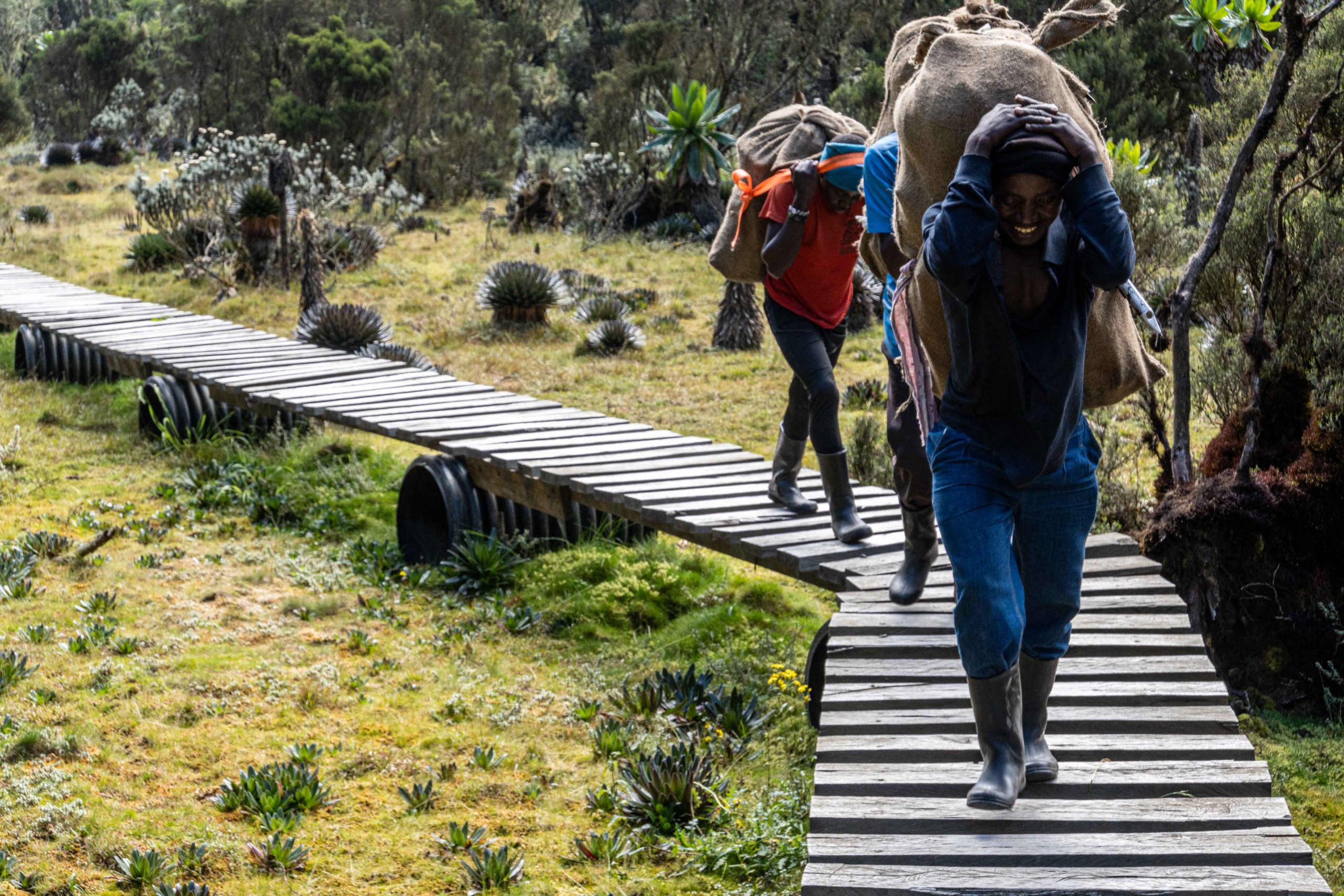 Equally important is maintaining a positive attitude. Challenges are inevitable, but how you respond to them defines your experience. Supporting your team, staying motivated, and focusing on small achievements can make even the toughest days manageable.
In the end, the goal is not just to reach the highest point but to enjoy every step of the journey. The Rwenzori Mountains offer a unique and rewarding experience for those who are well-prepared and willing to embrace the adventure.